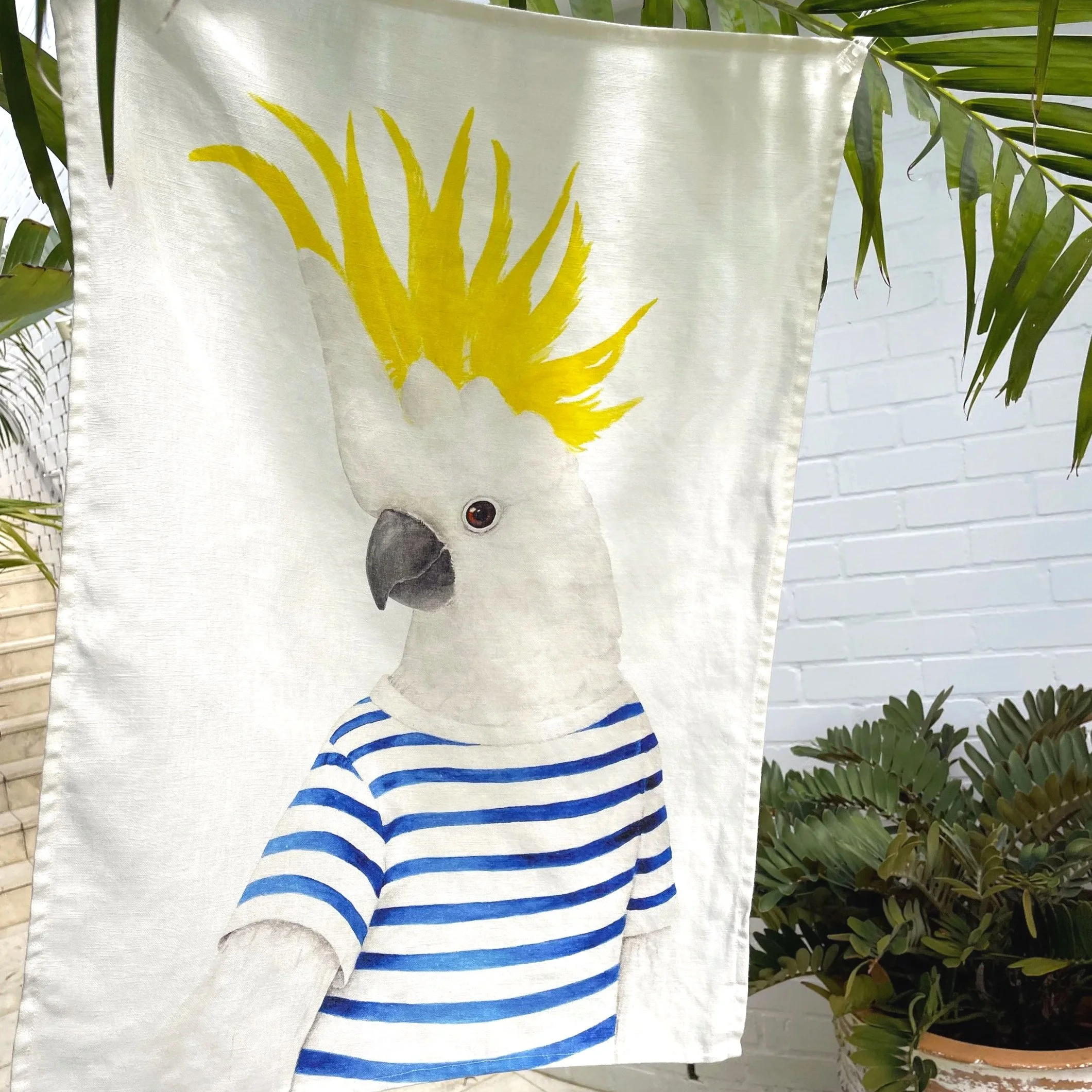
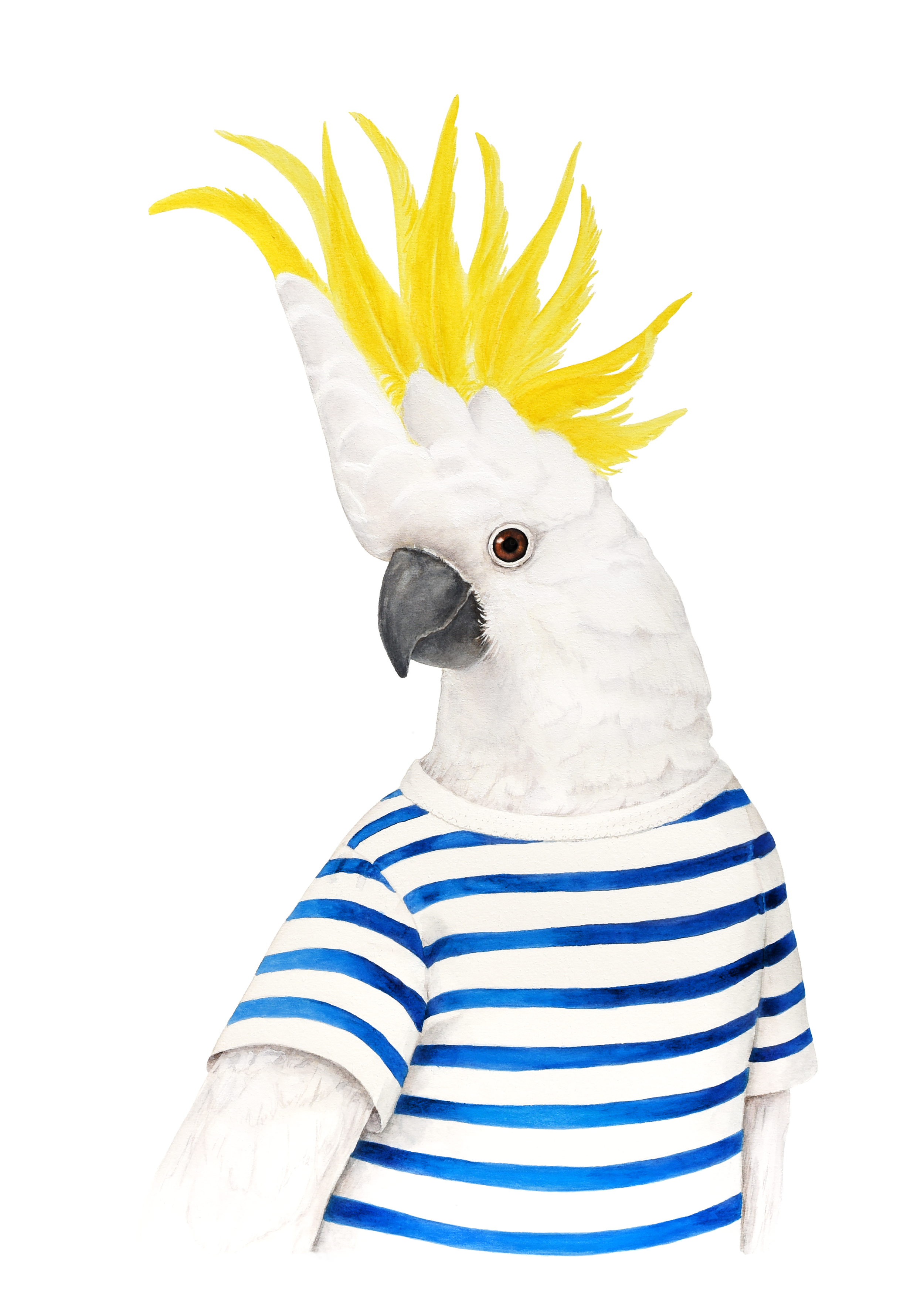
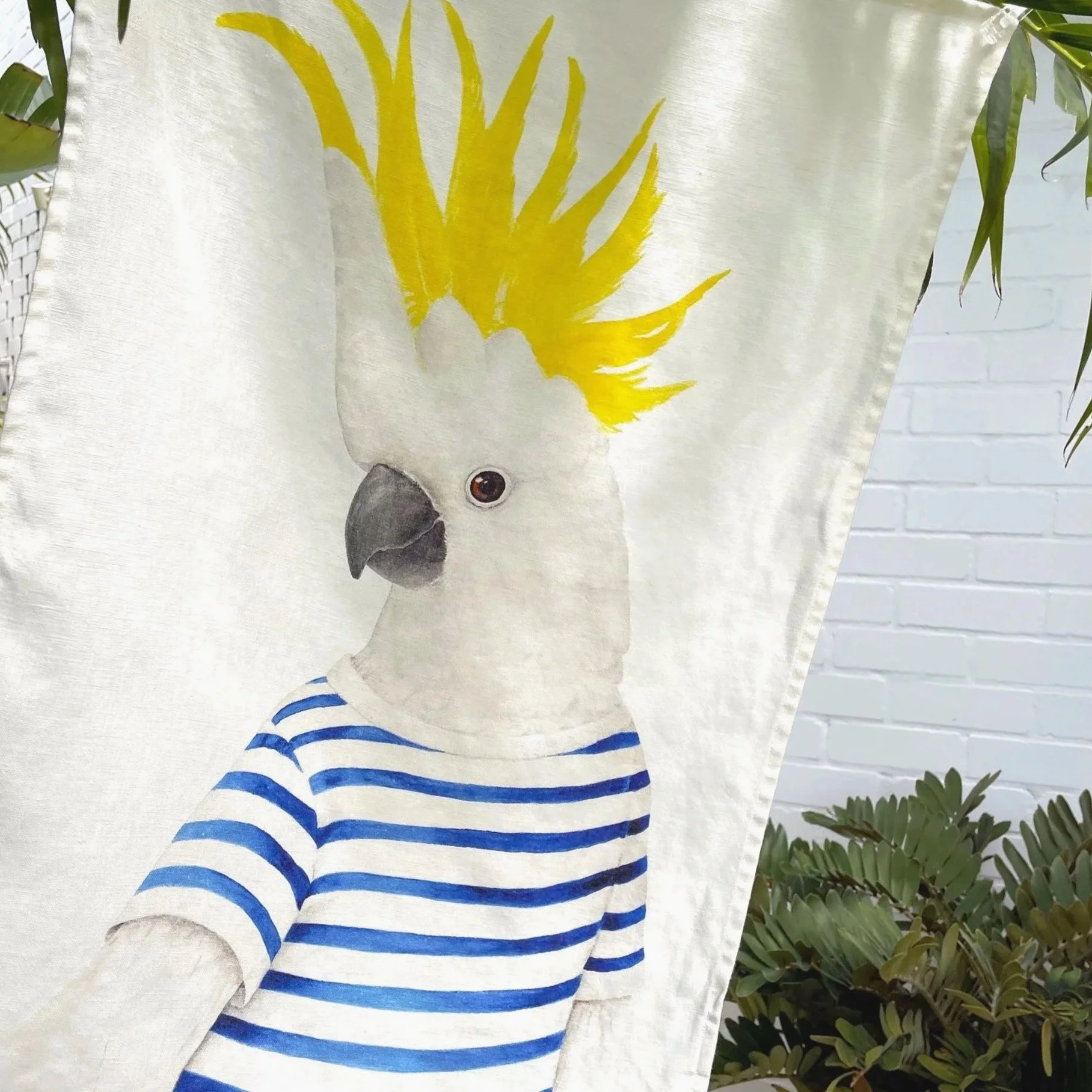
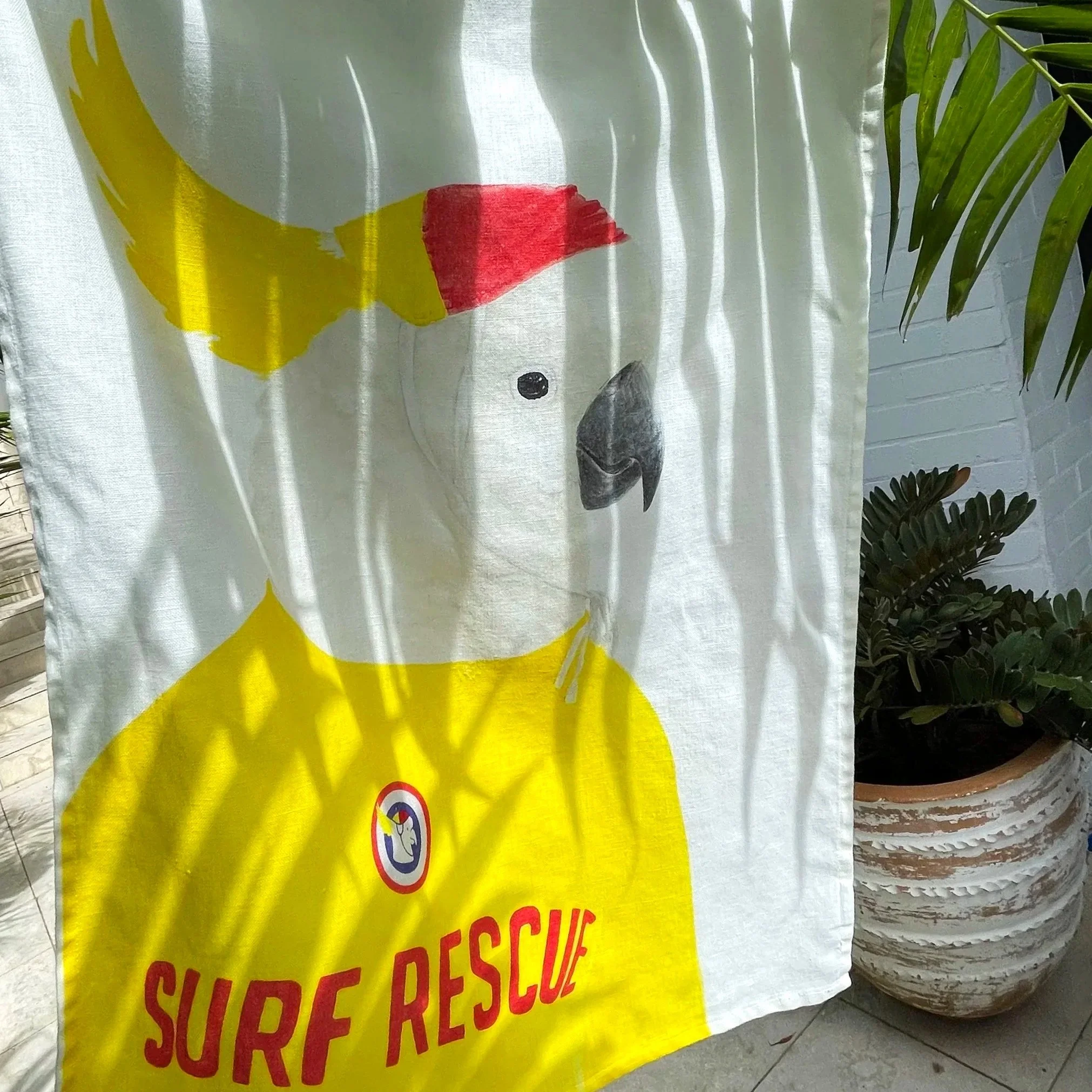
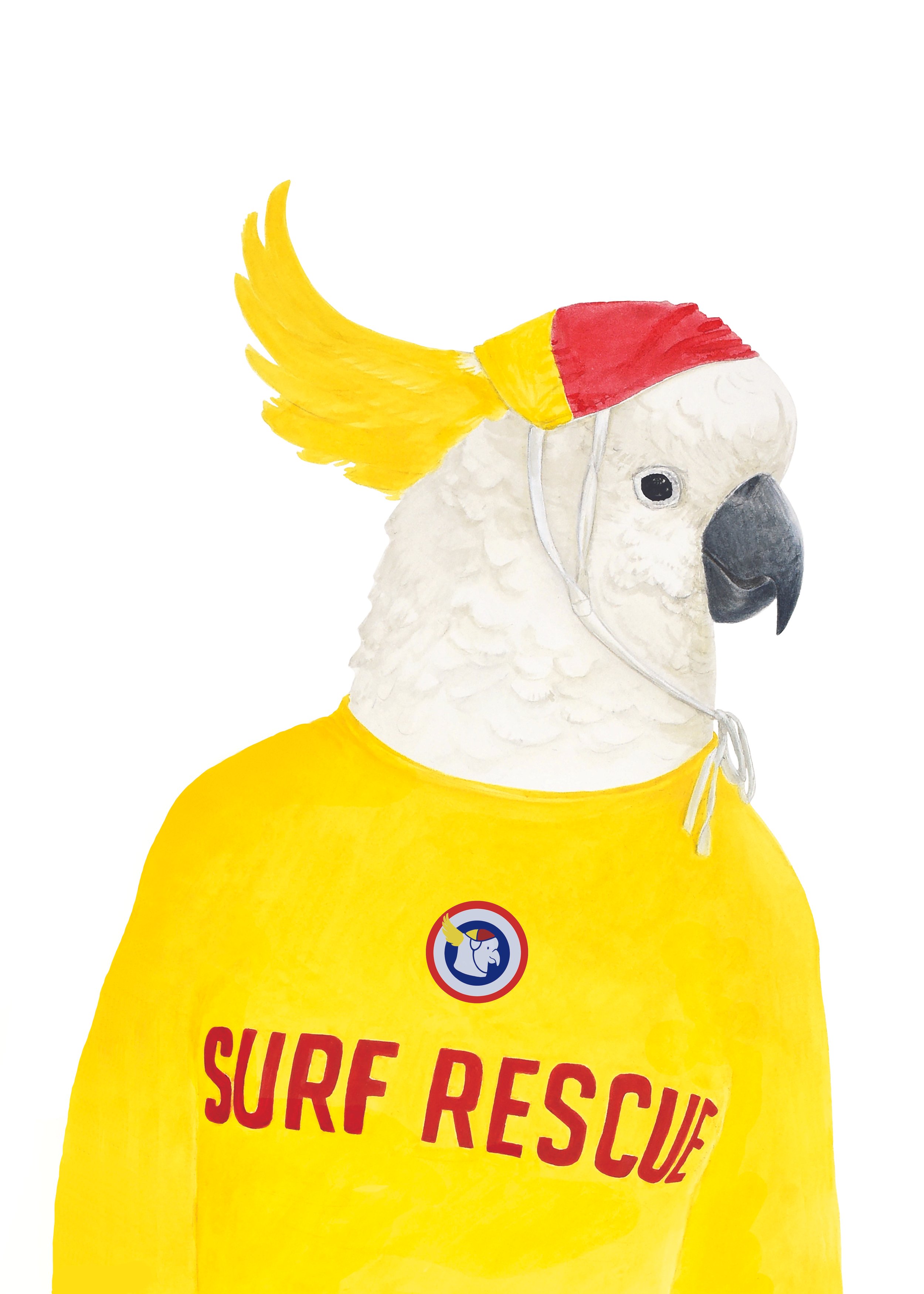
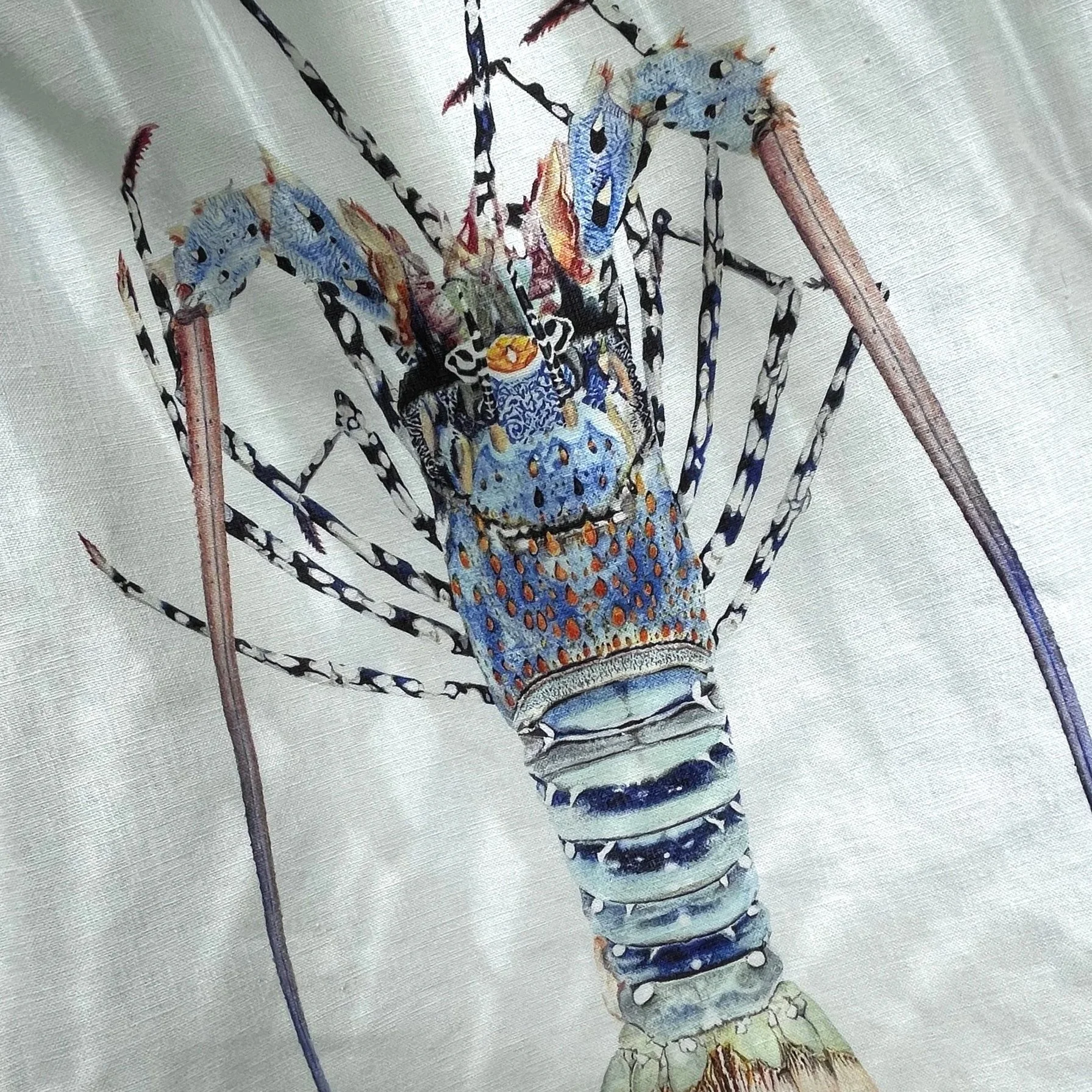
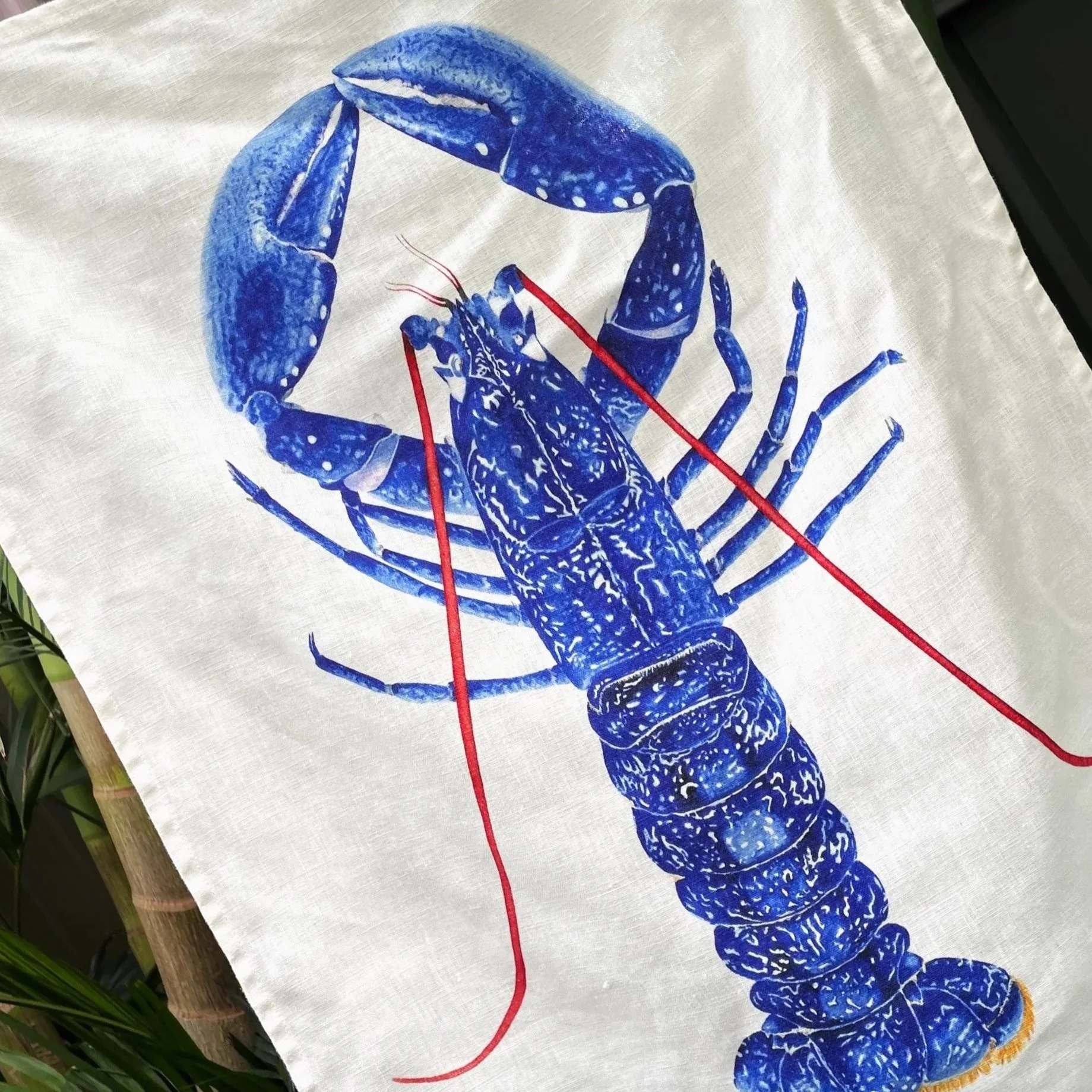
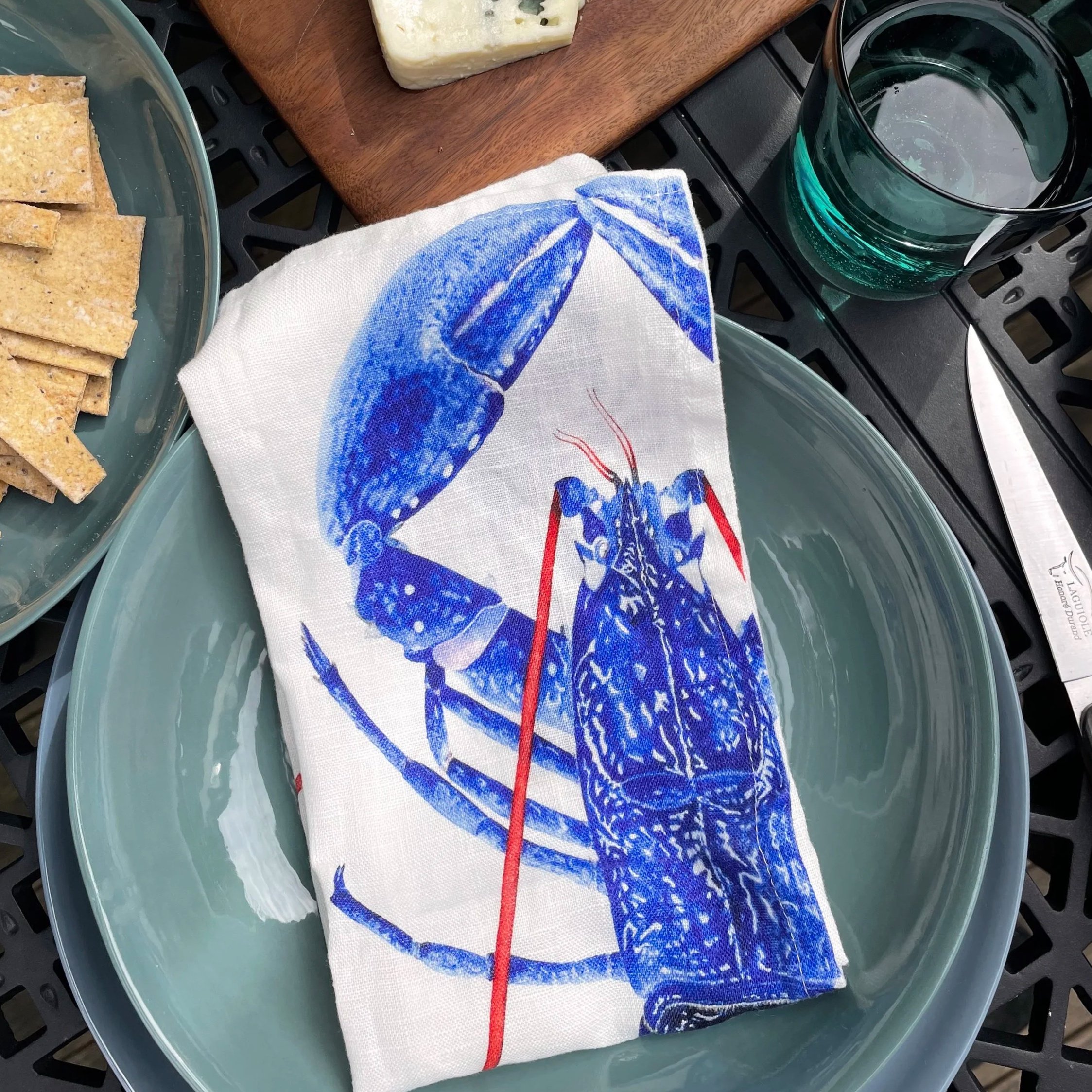
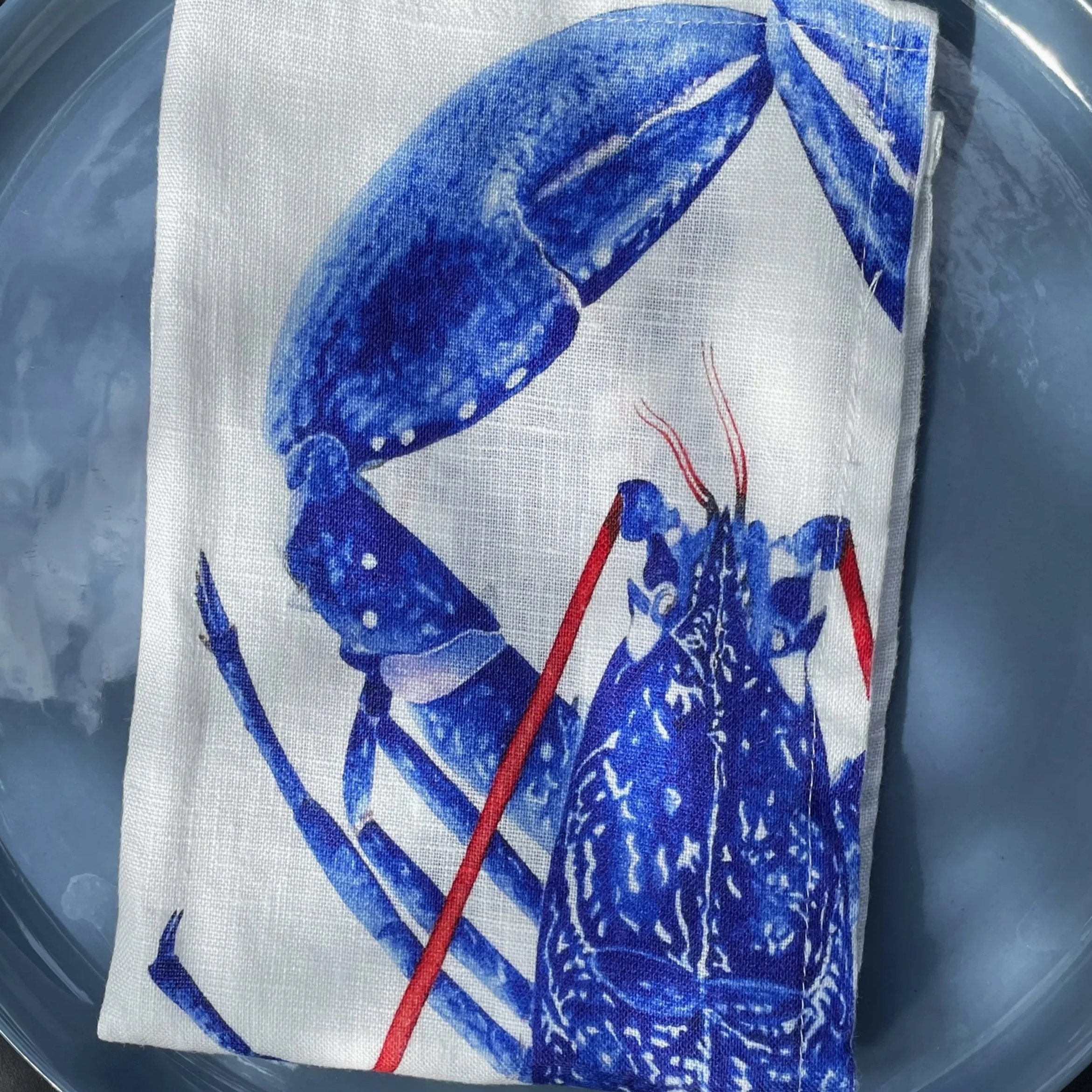
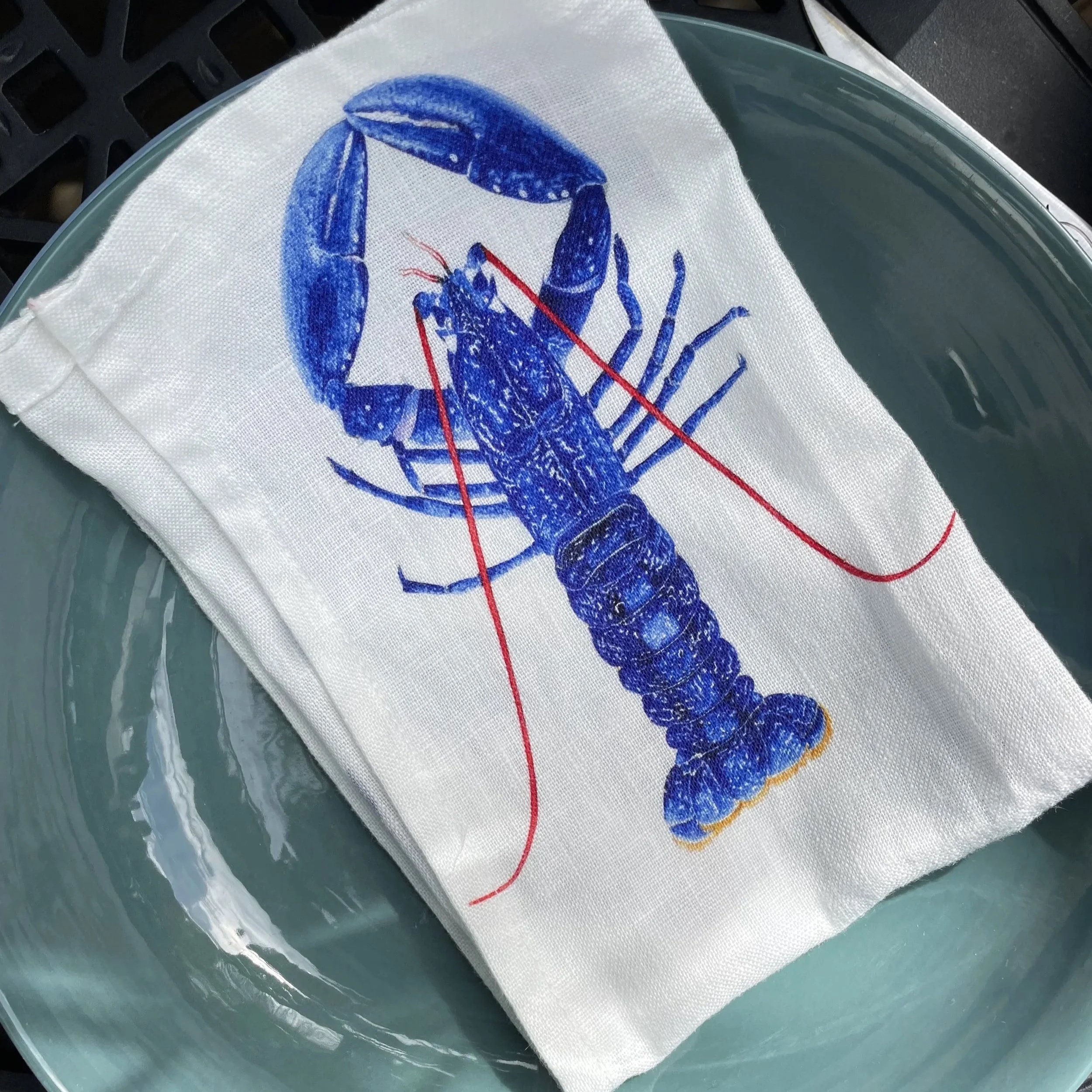
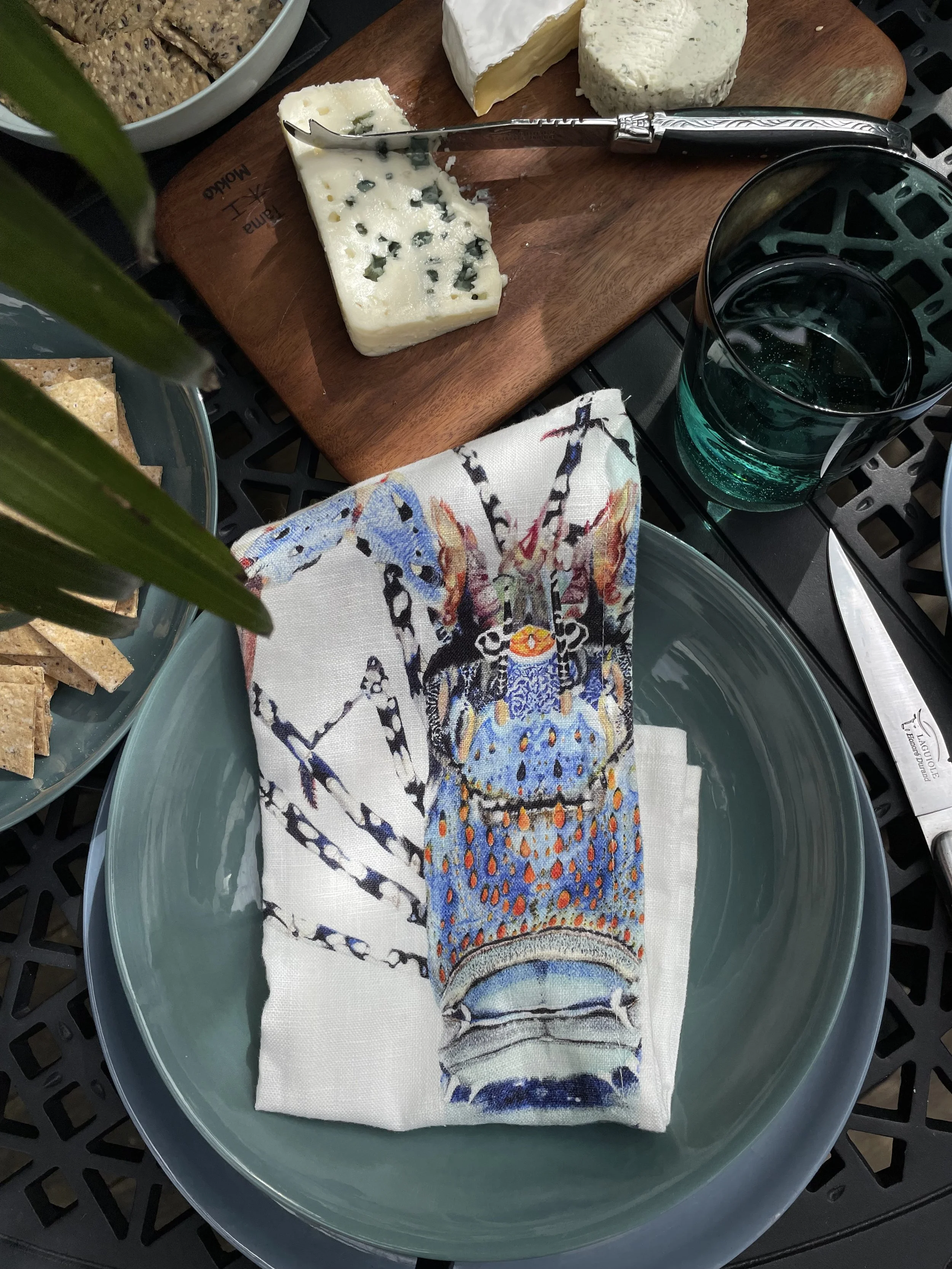
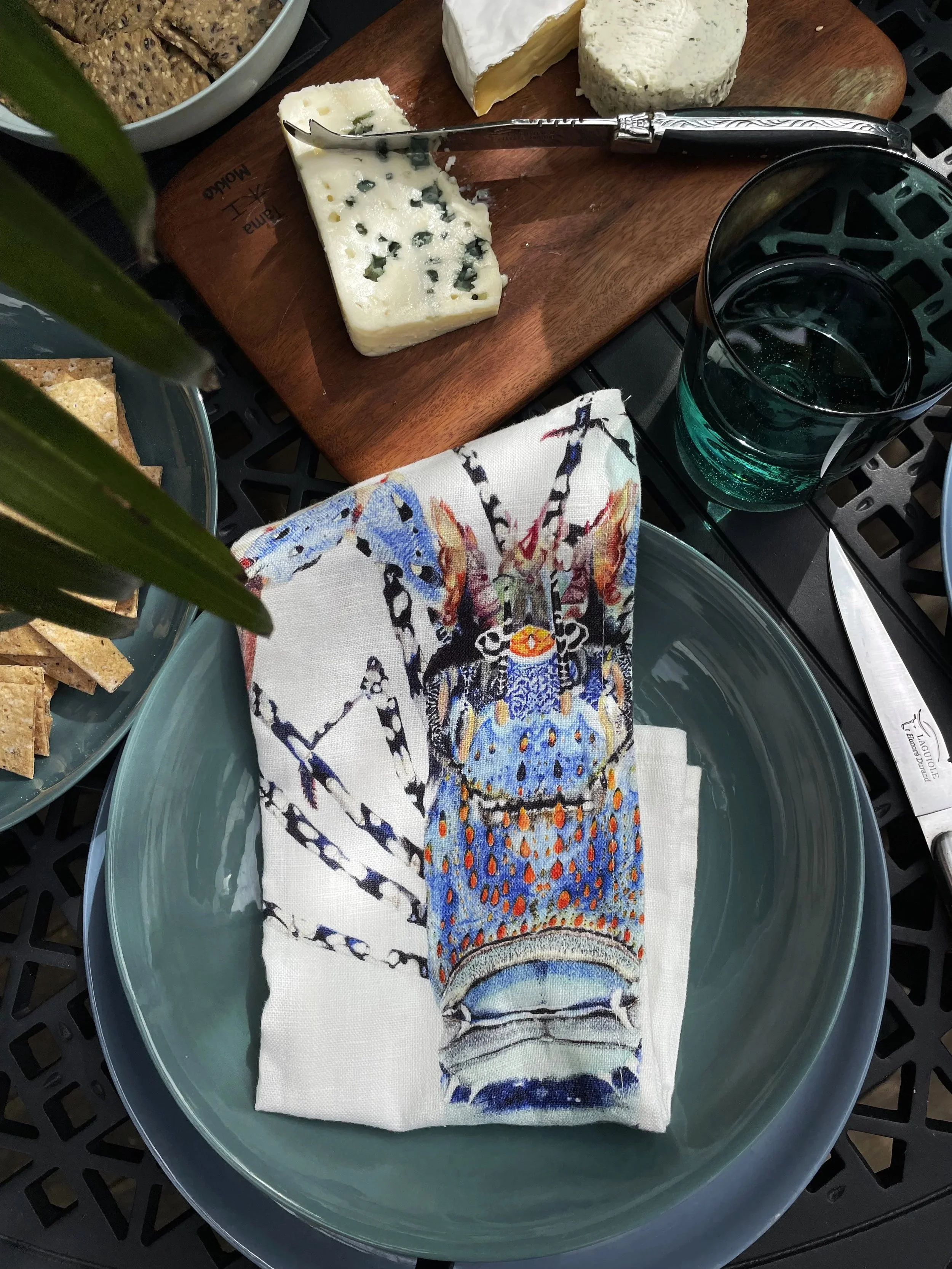
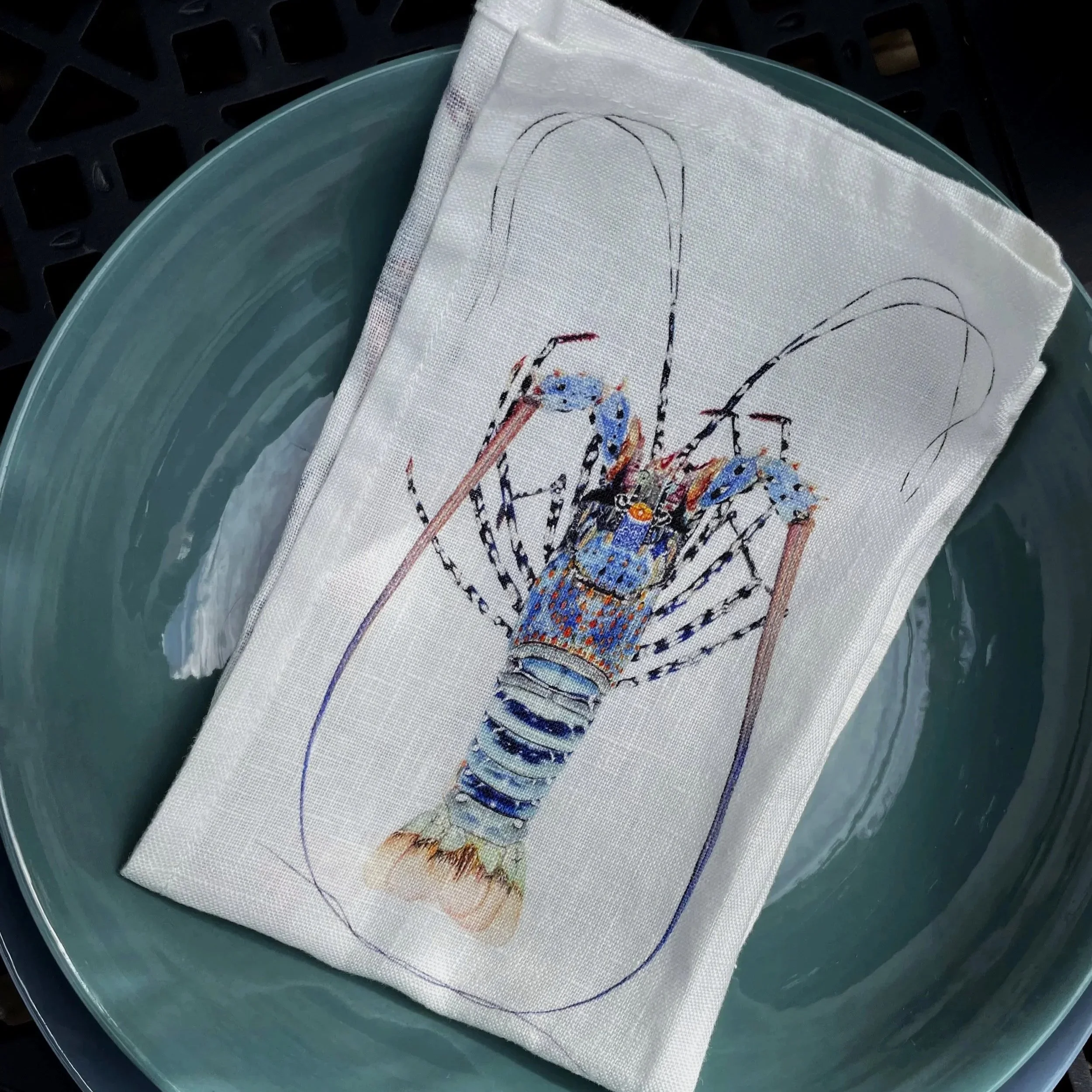
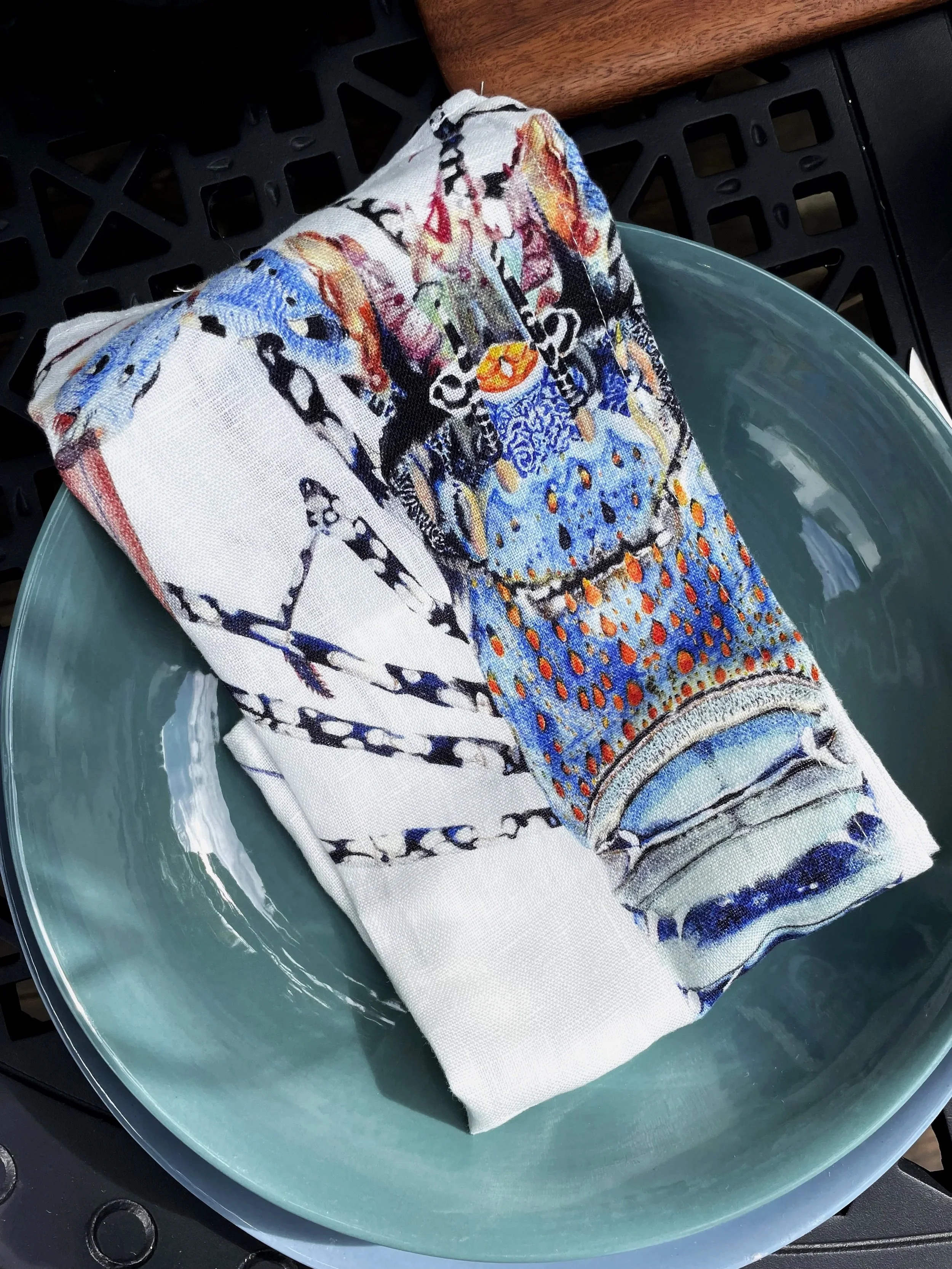
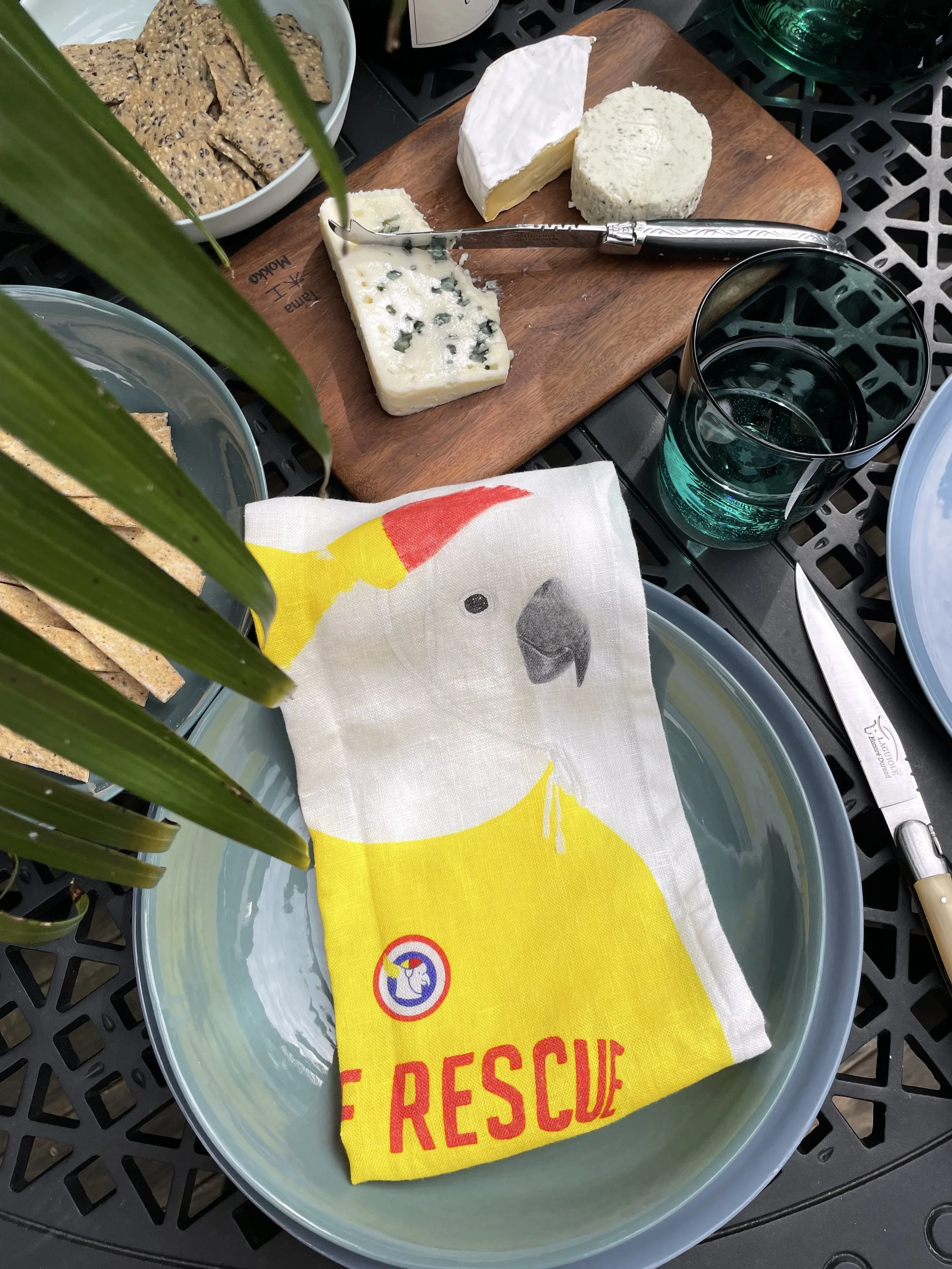
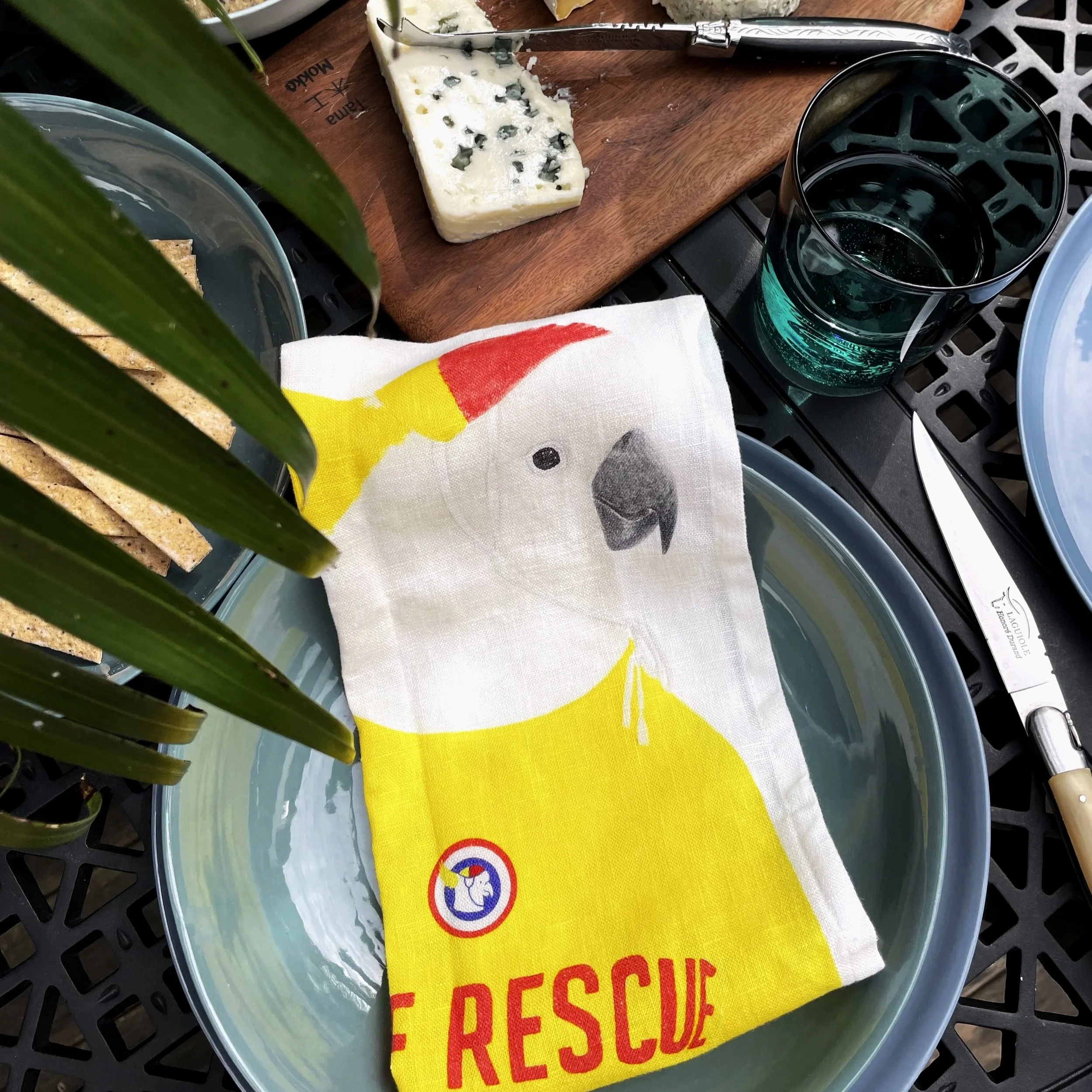
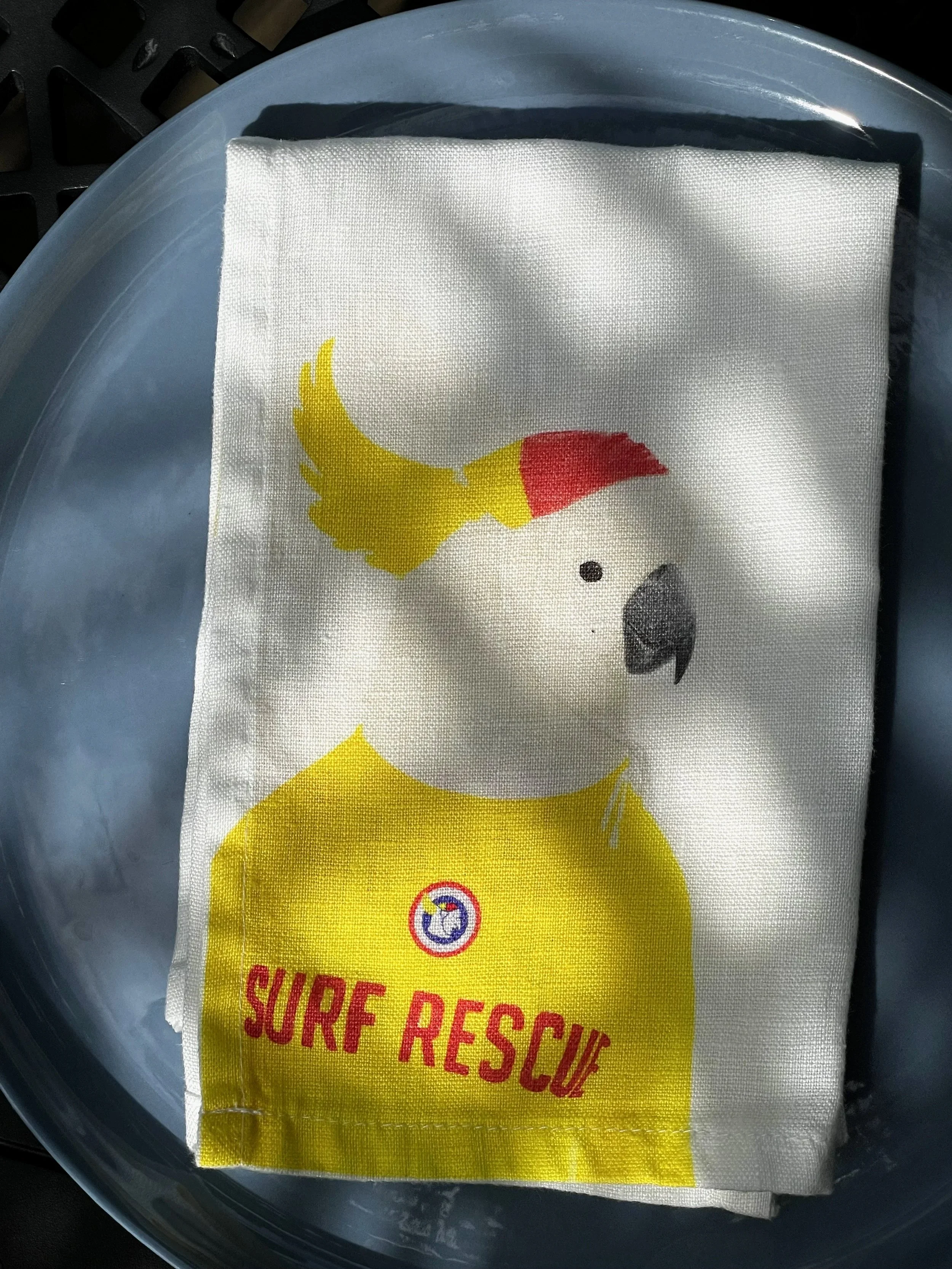
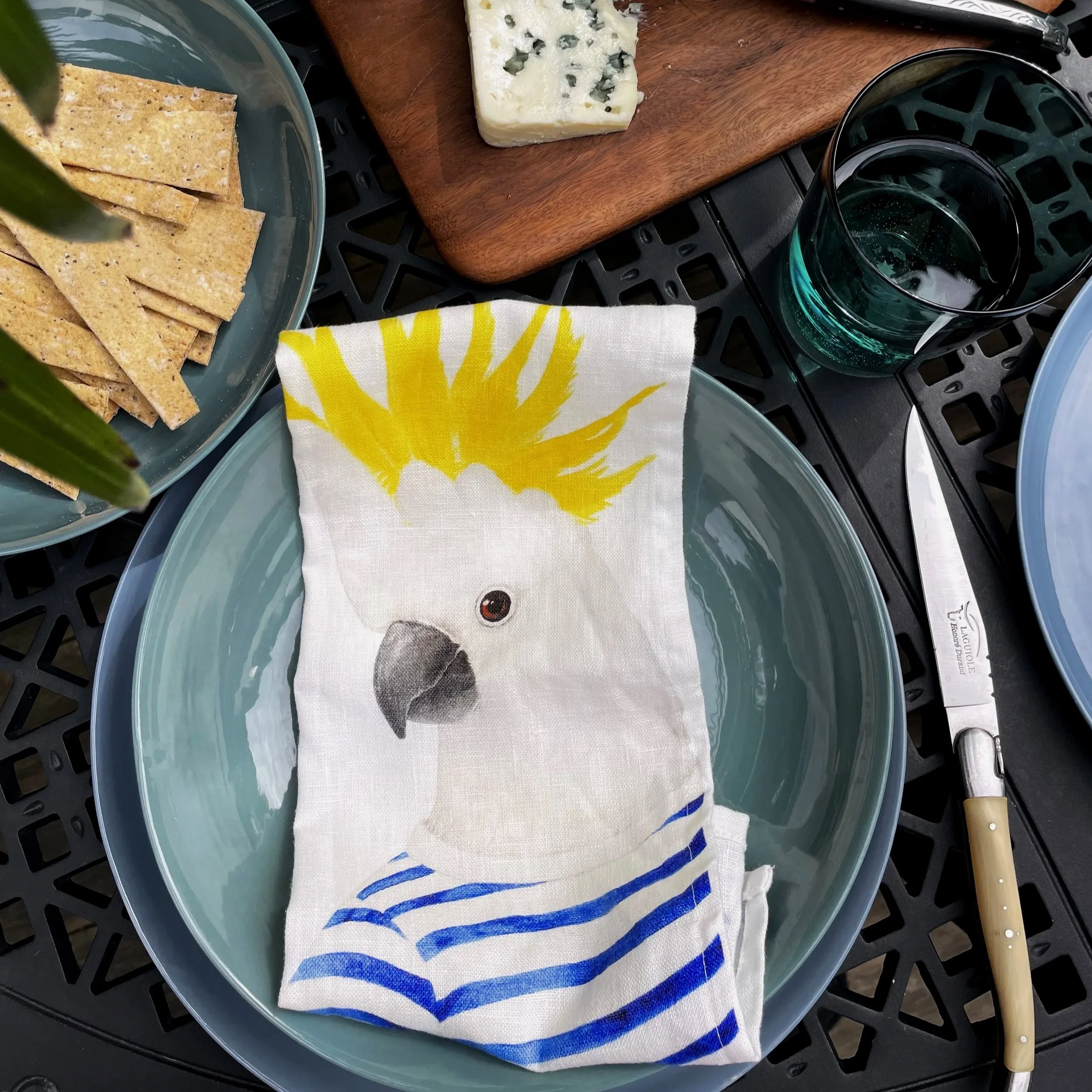
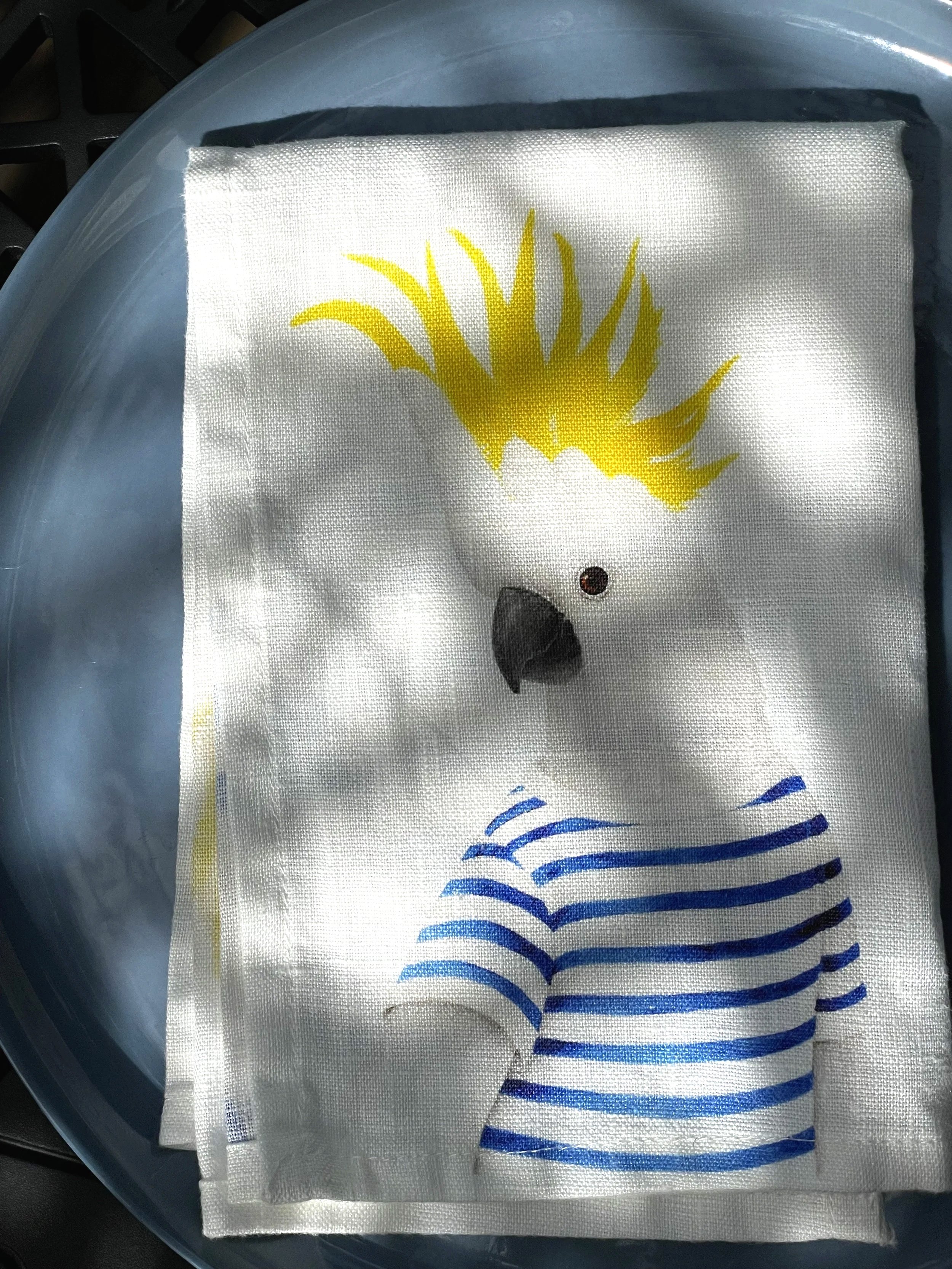
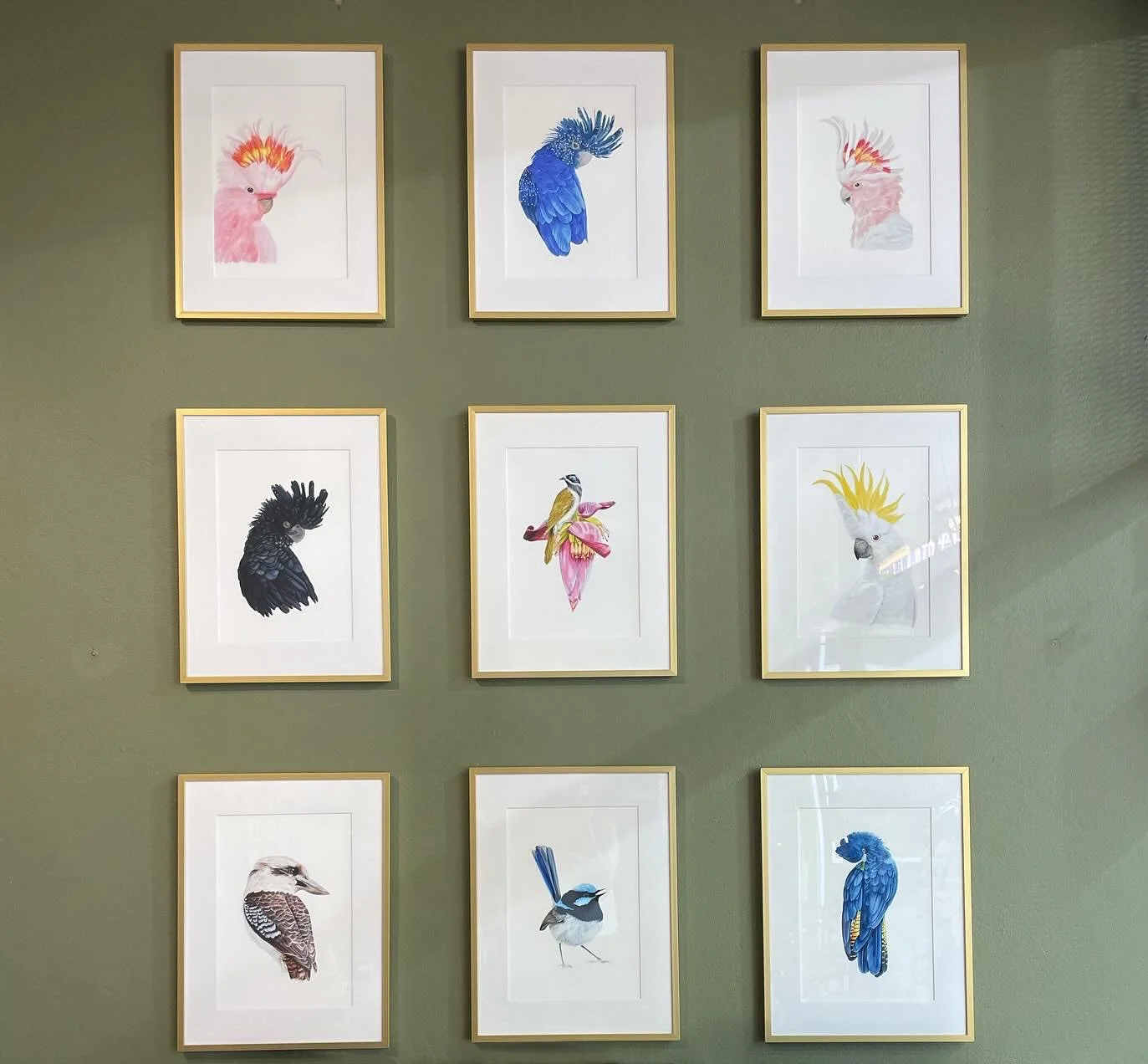
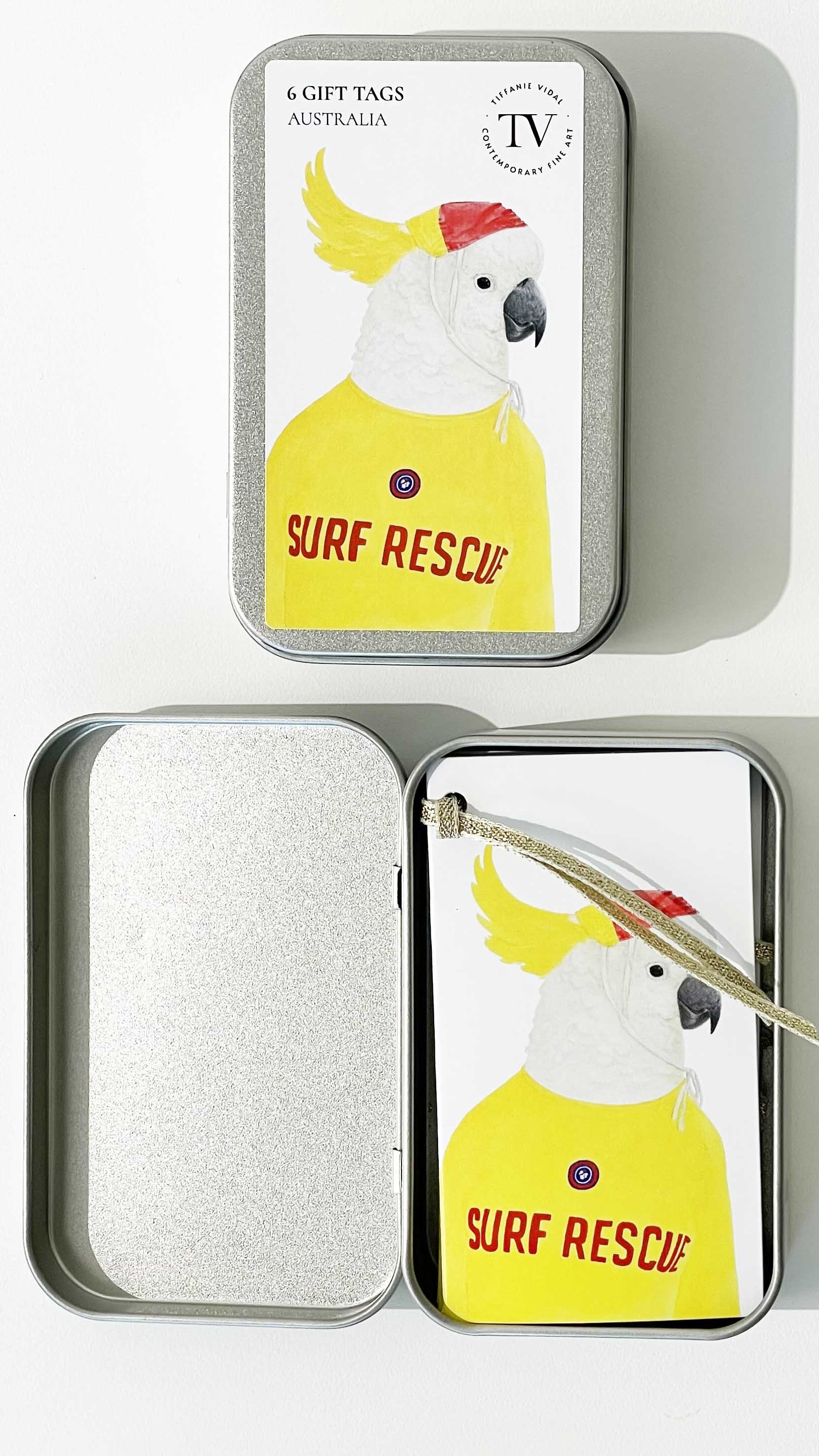
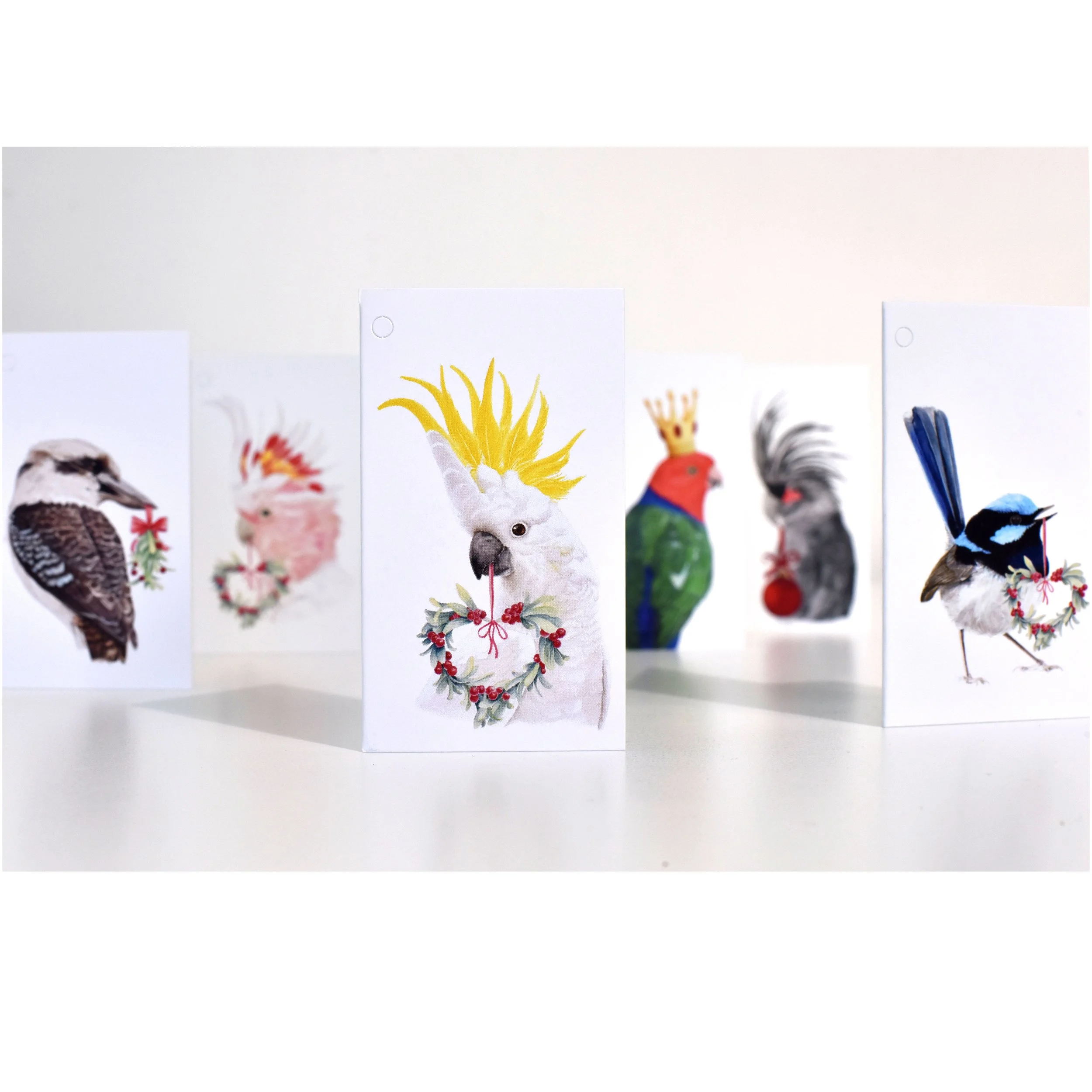
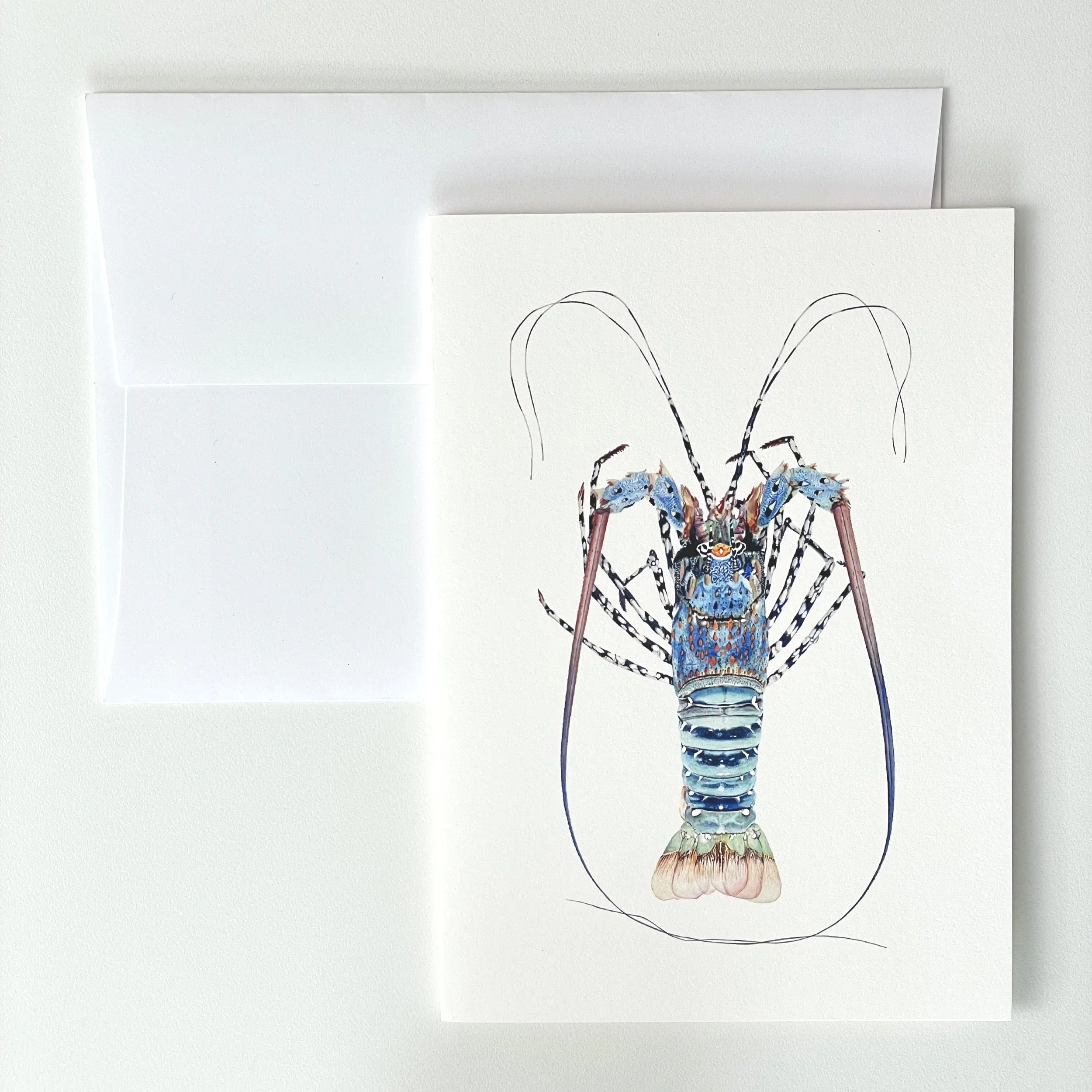
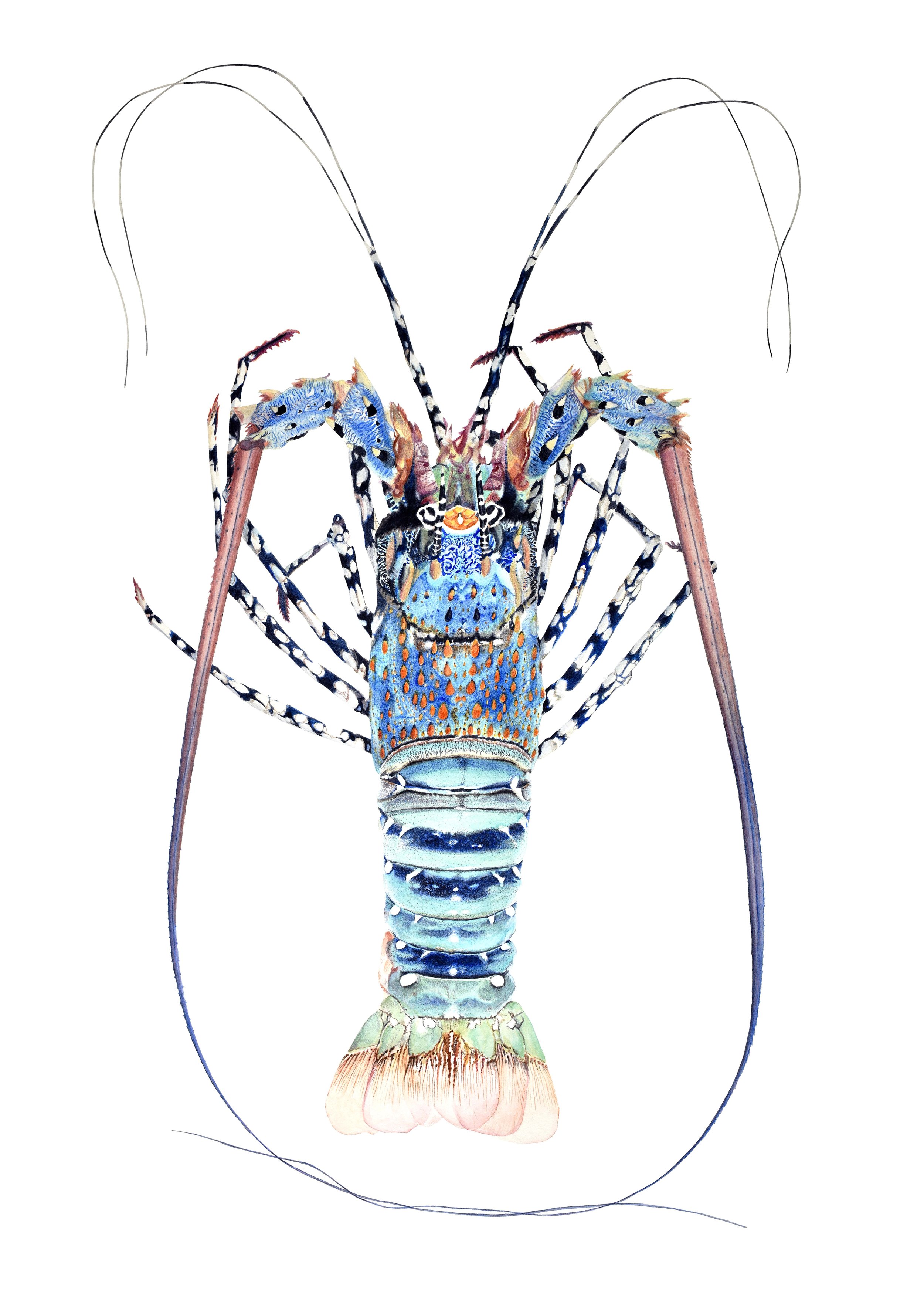
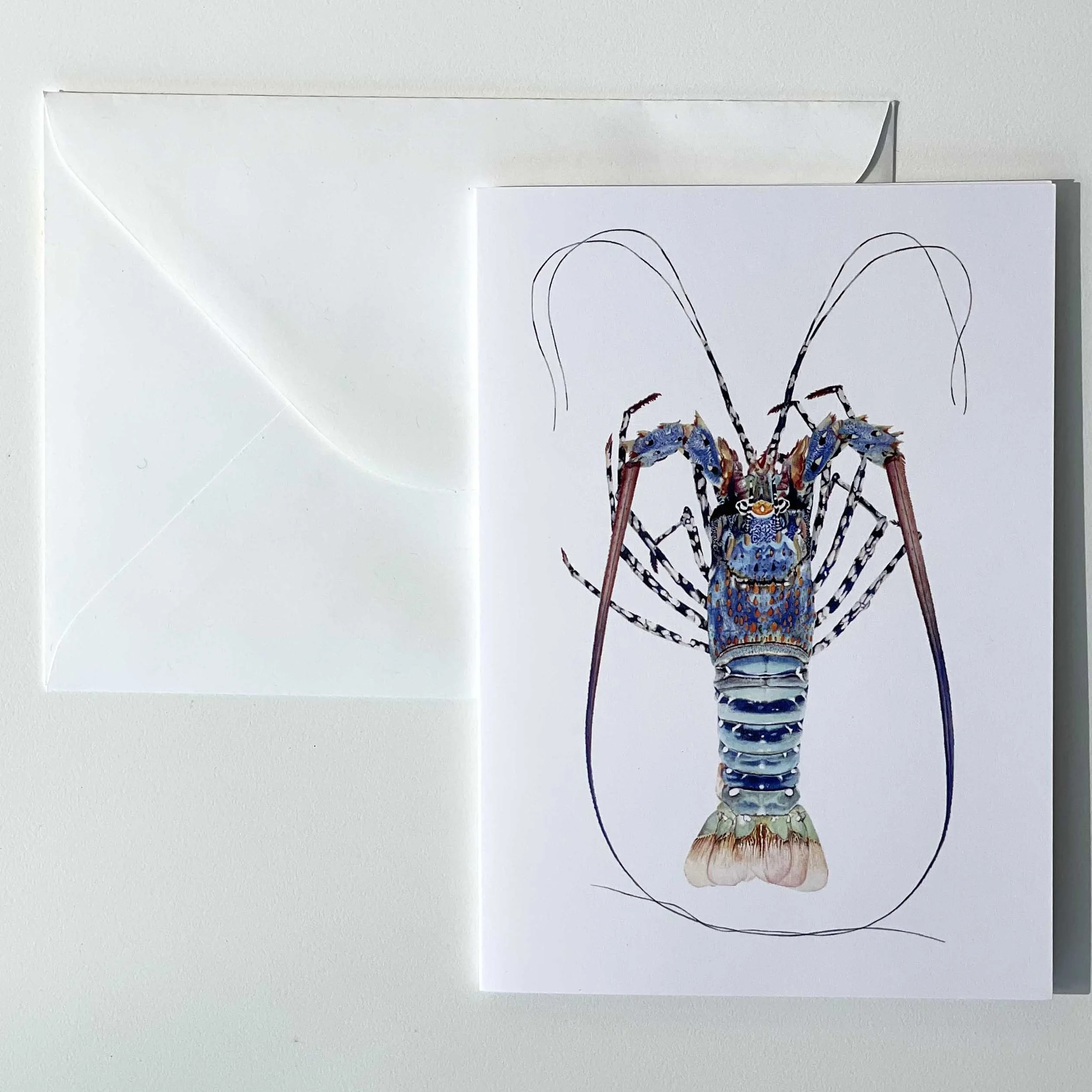
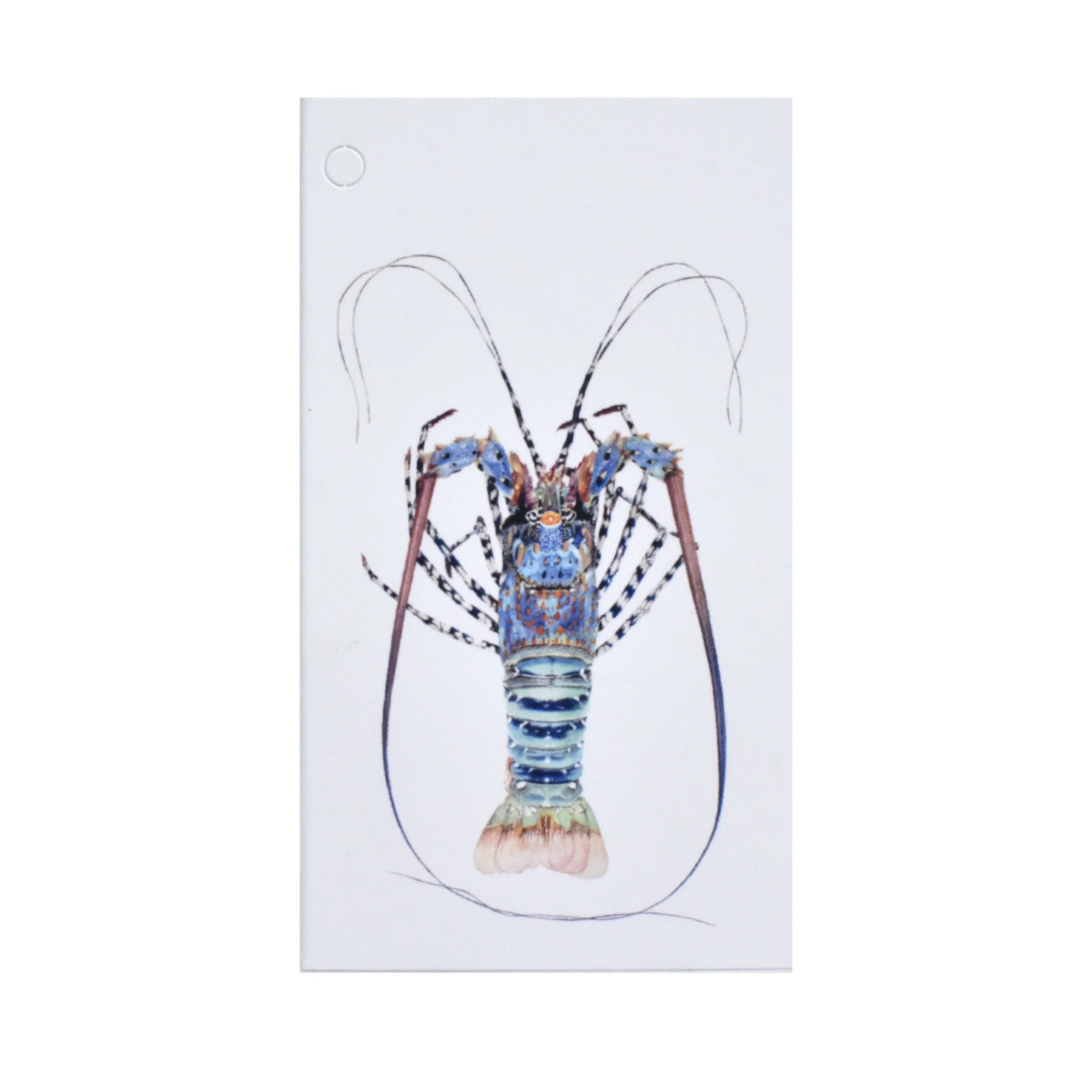
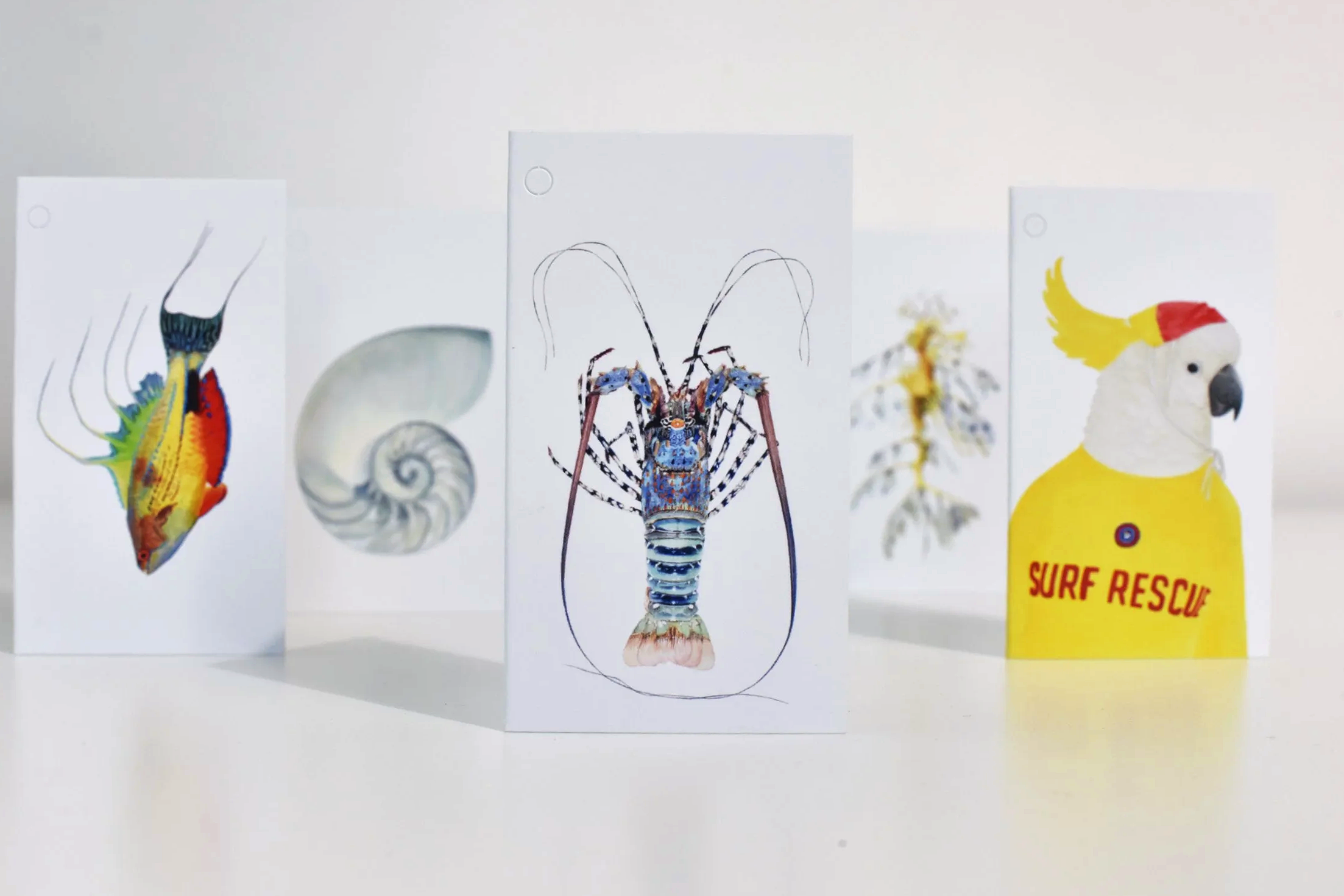
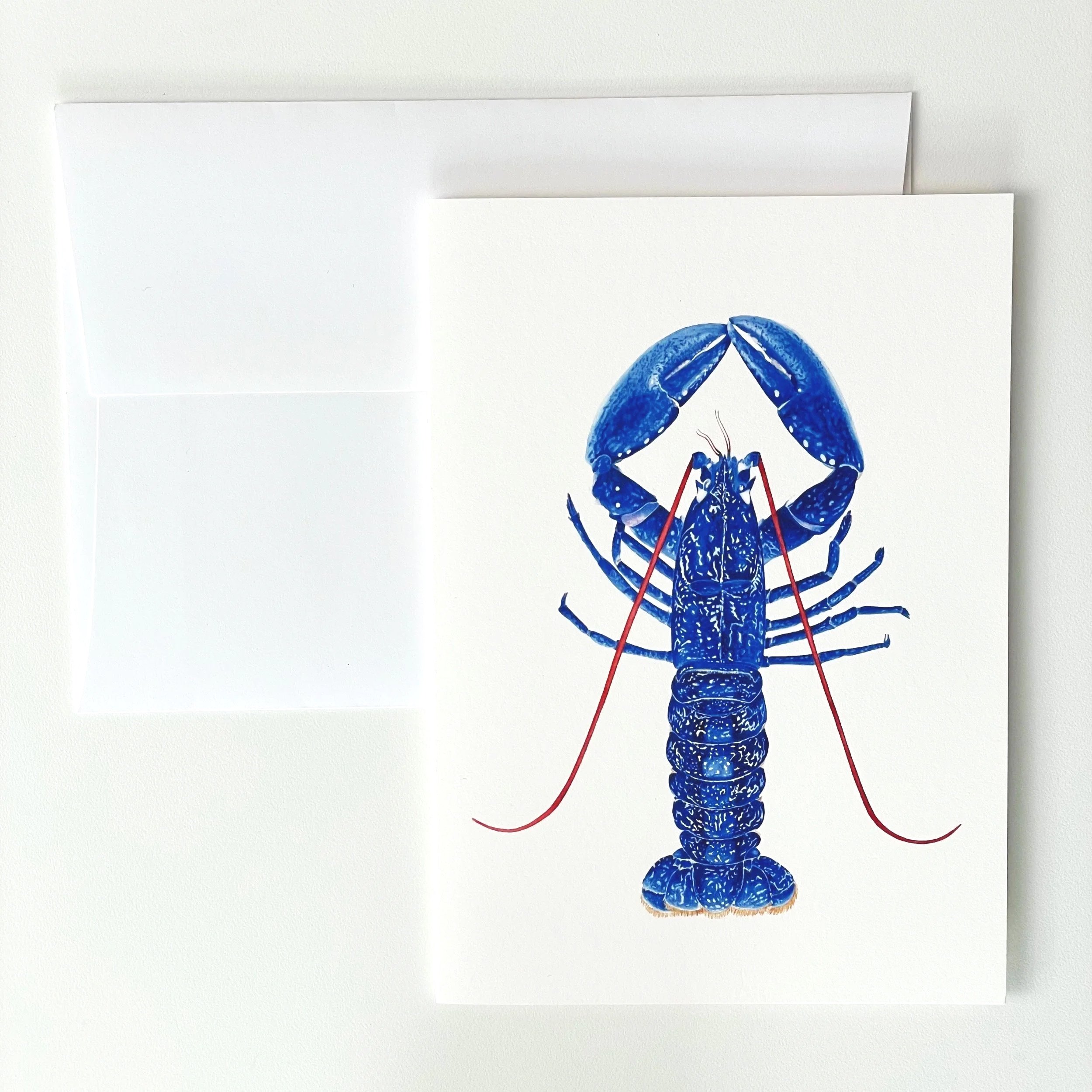
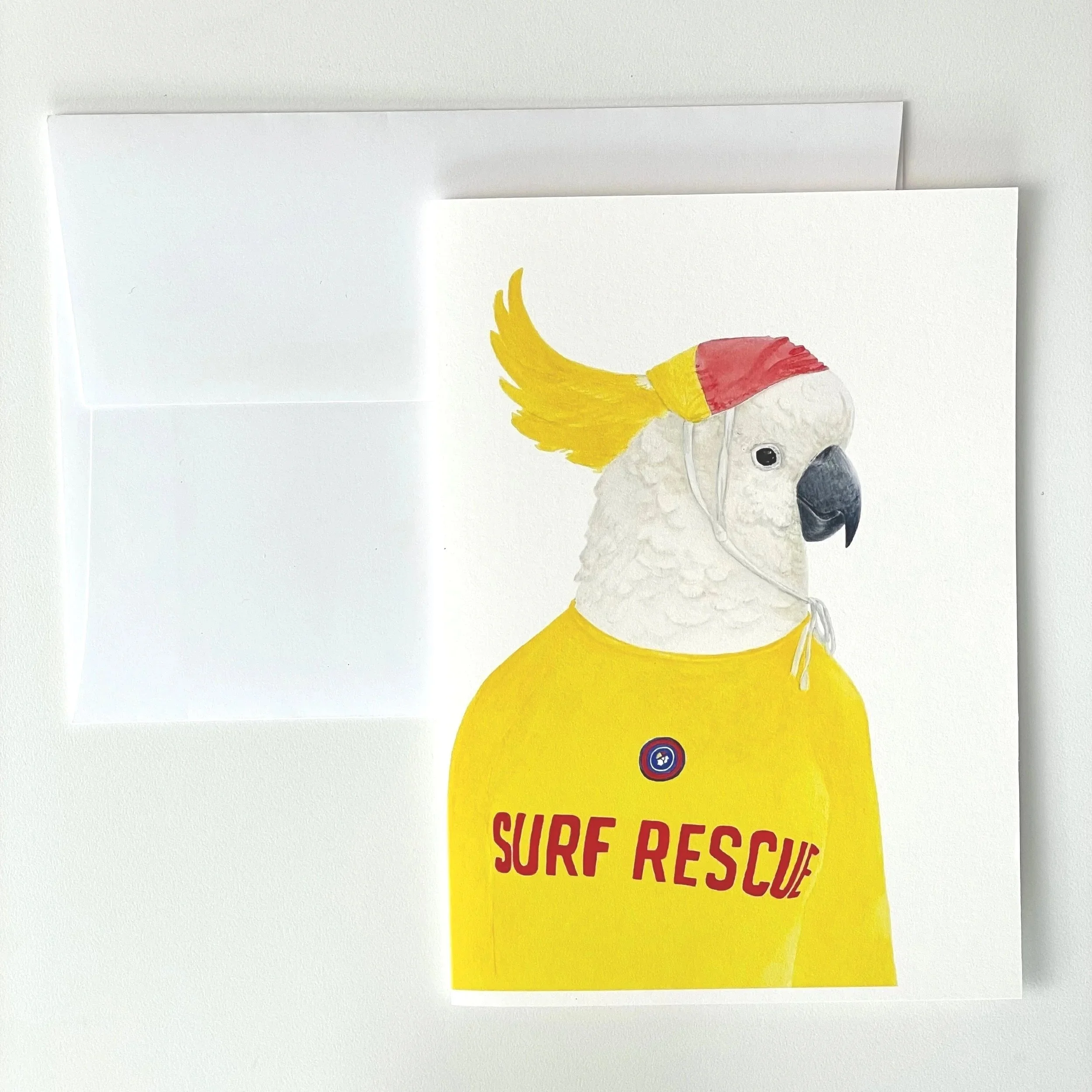
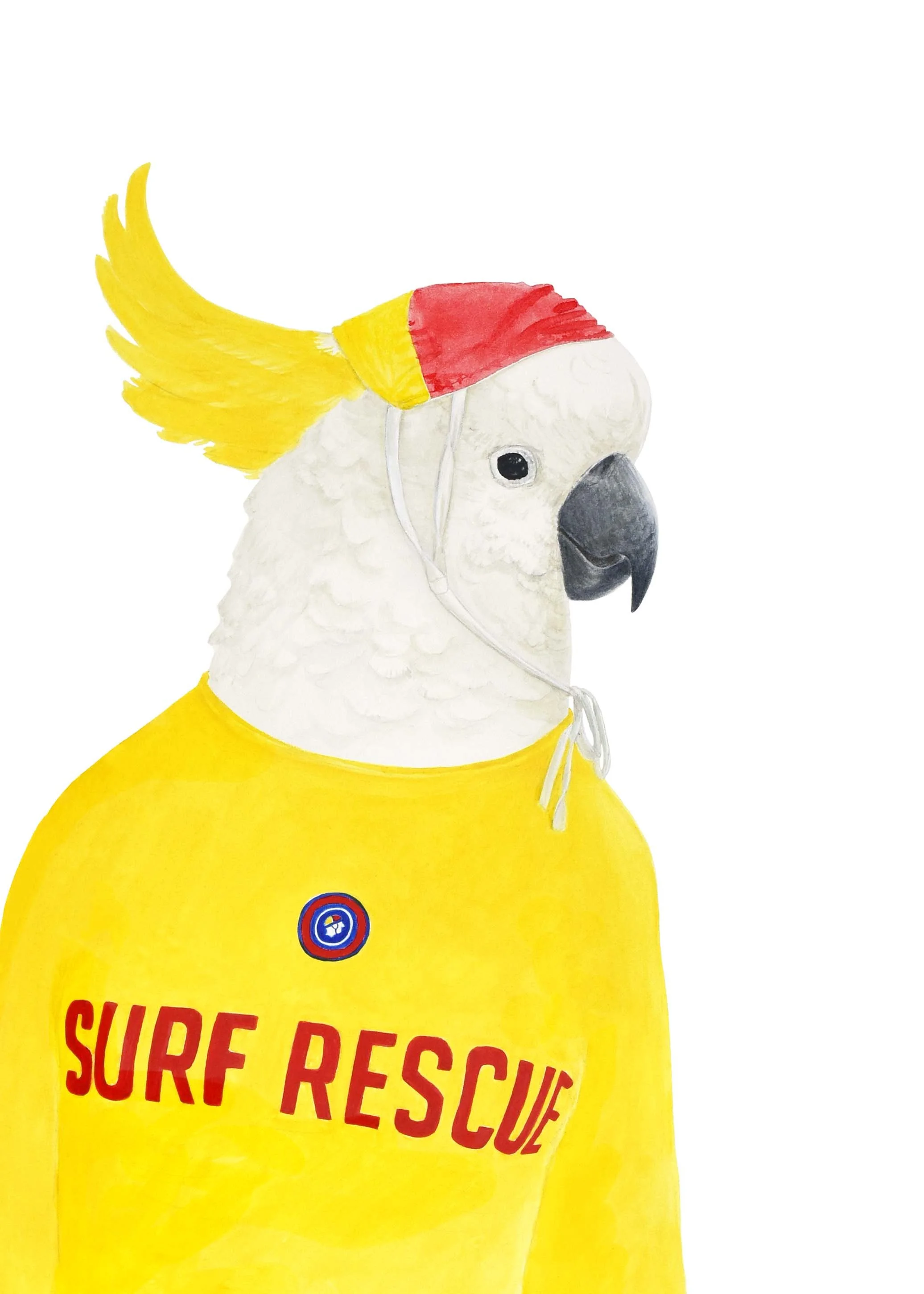
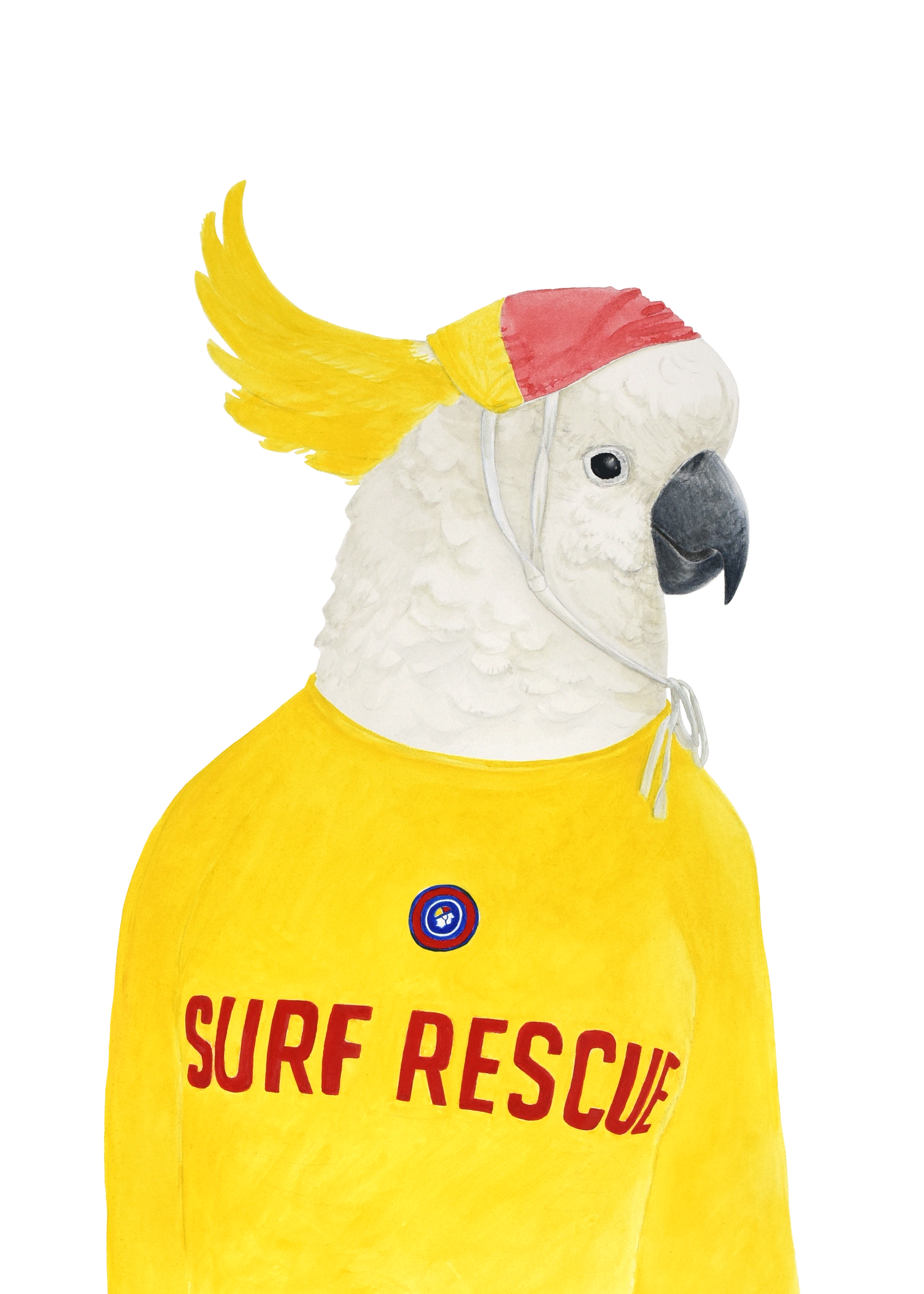
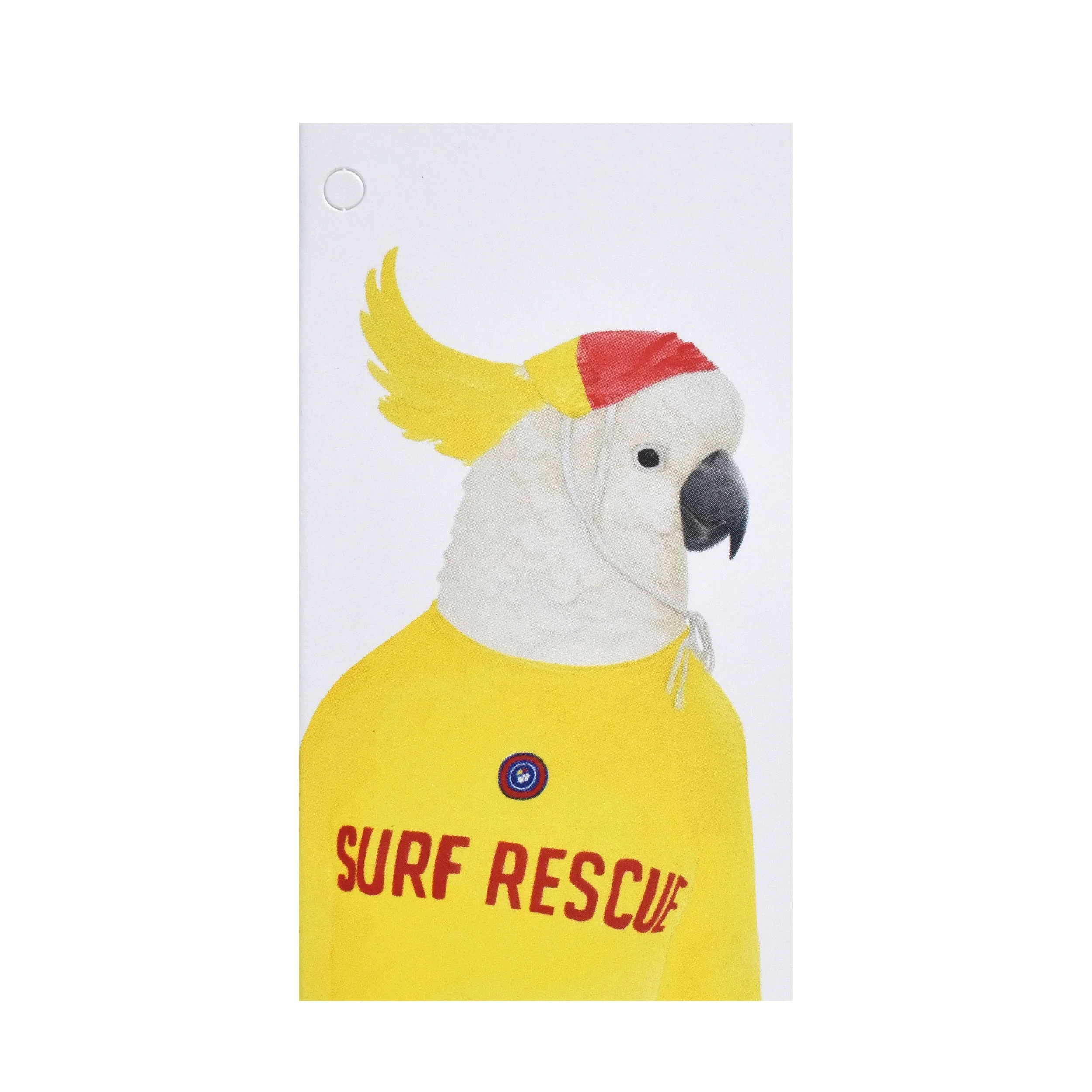
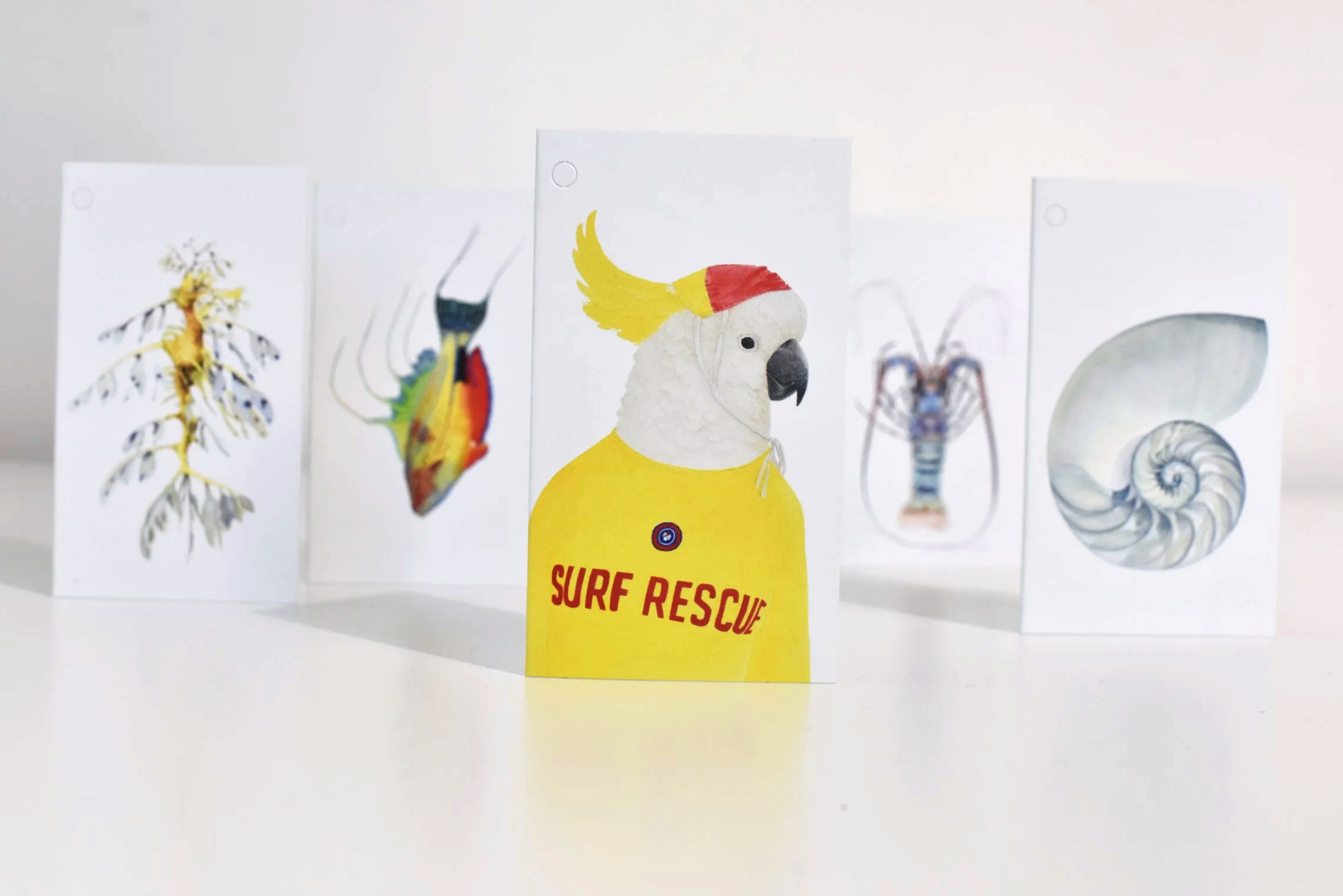
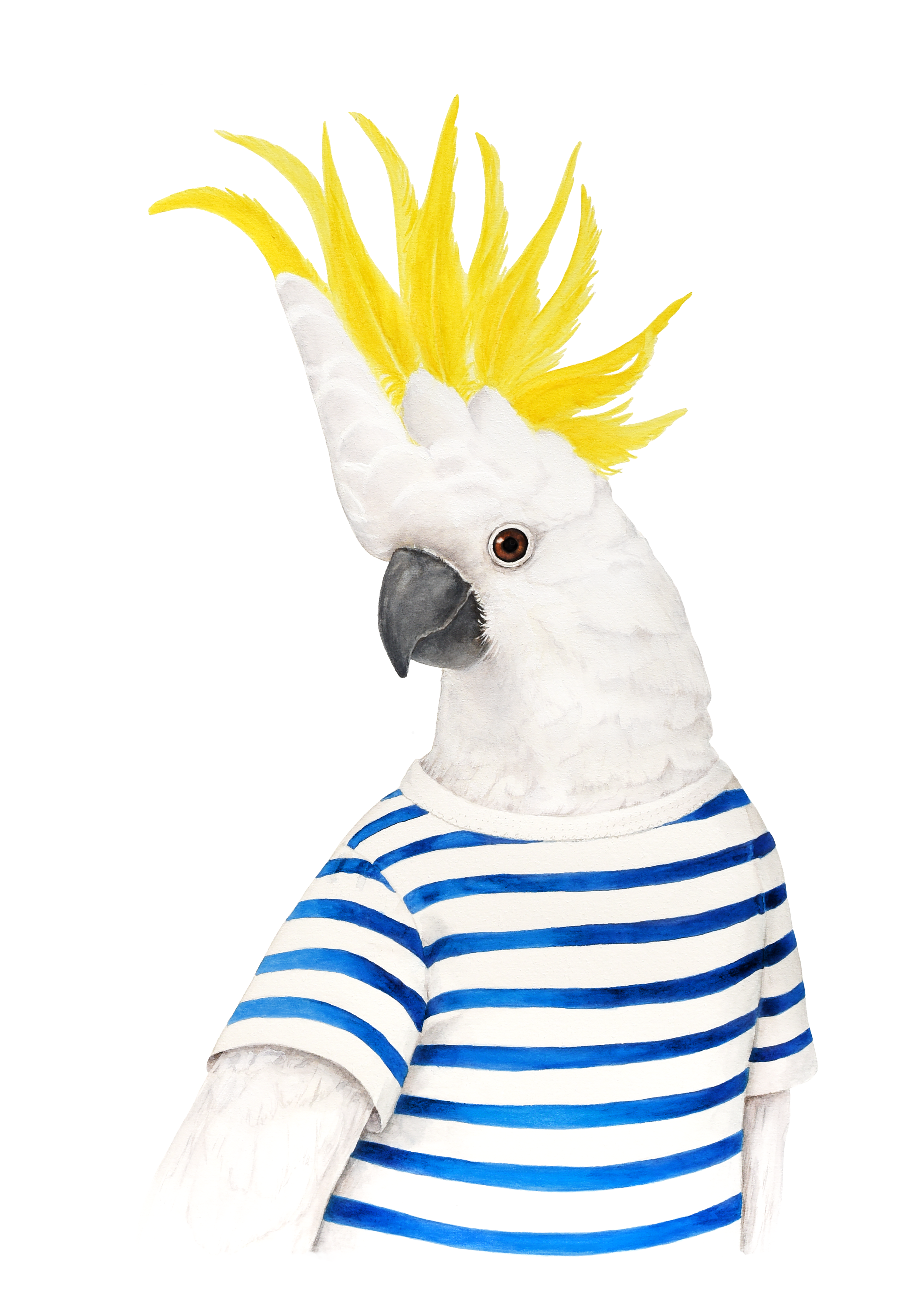
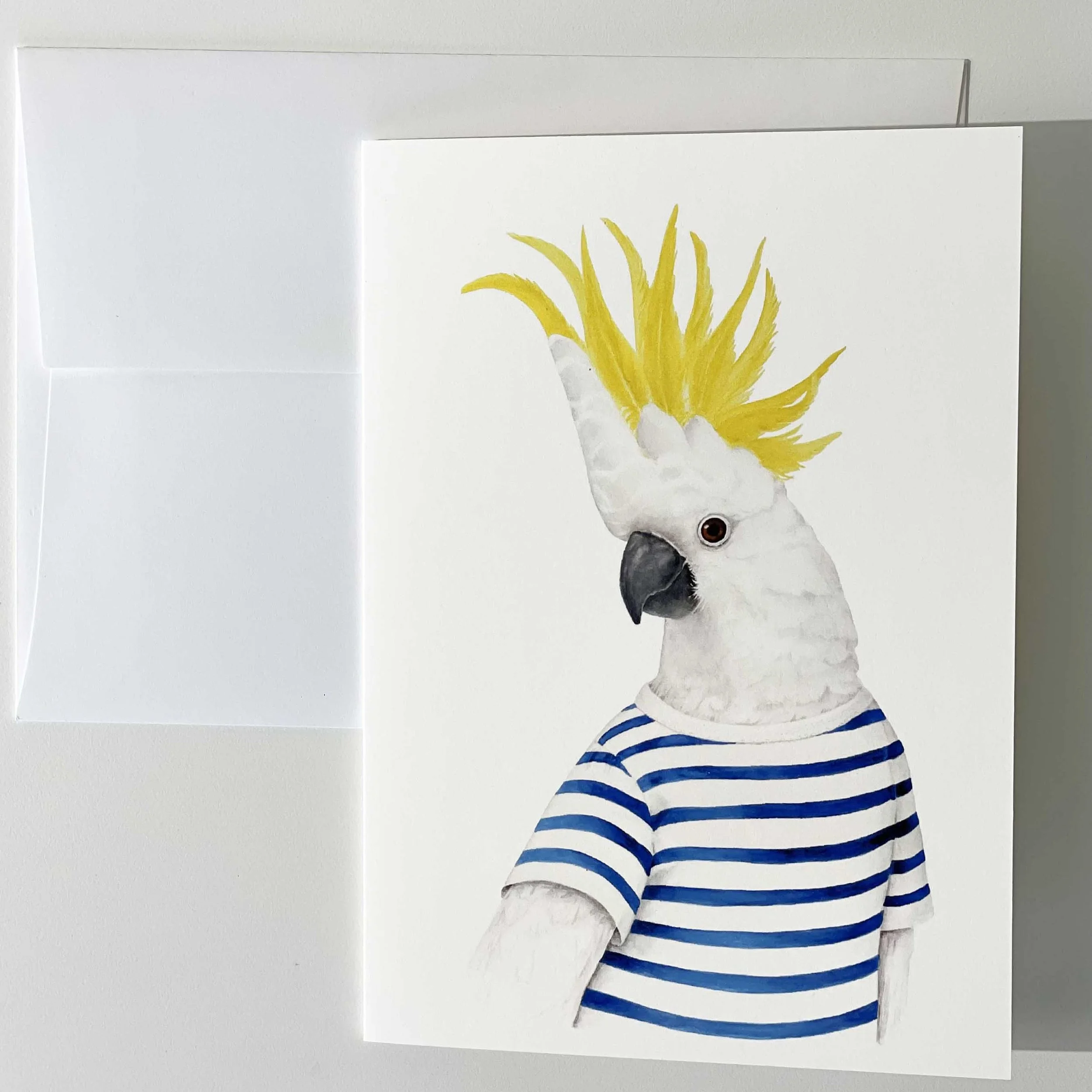
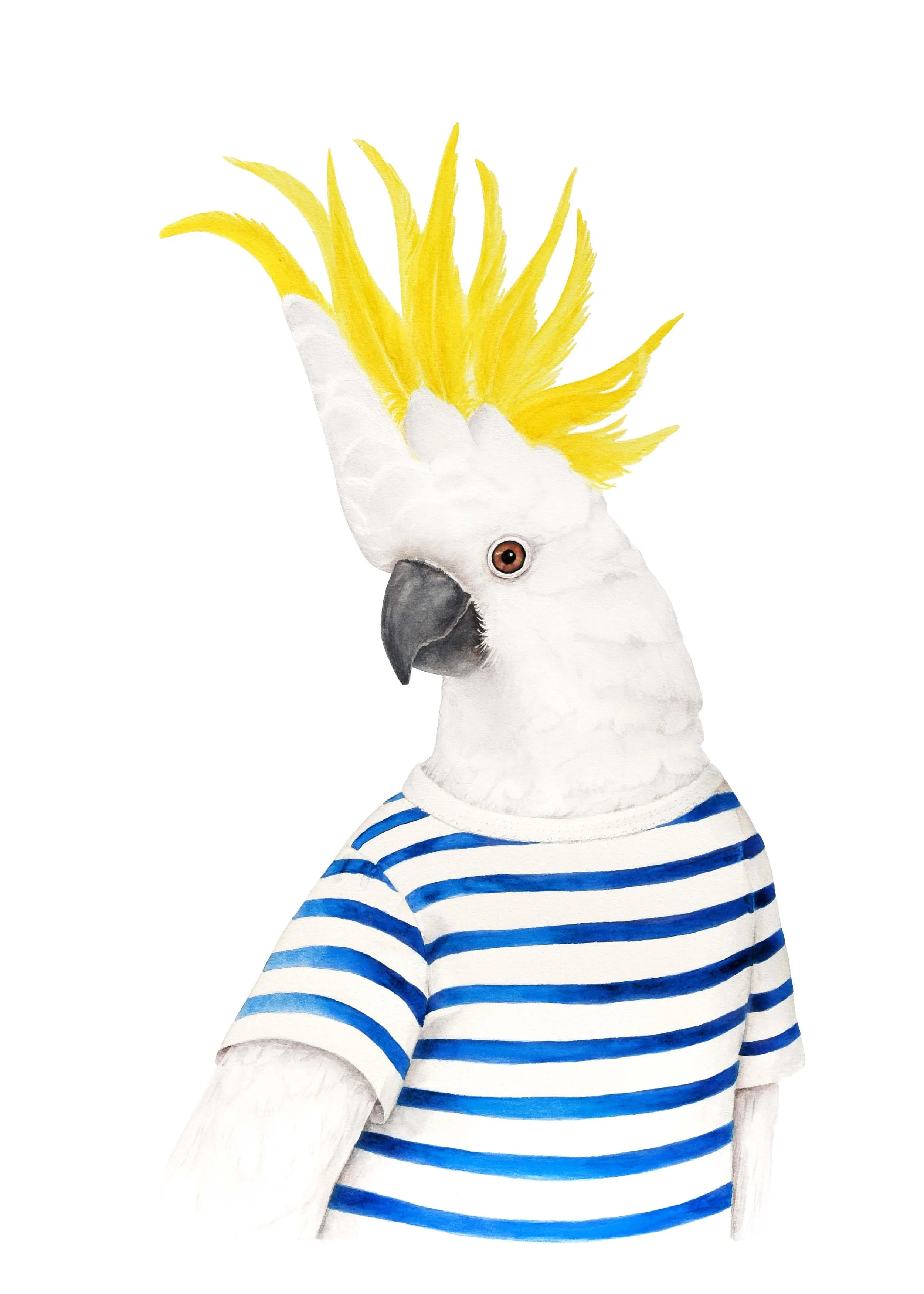
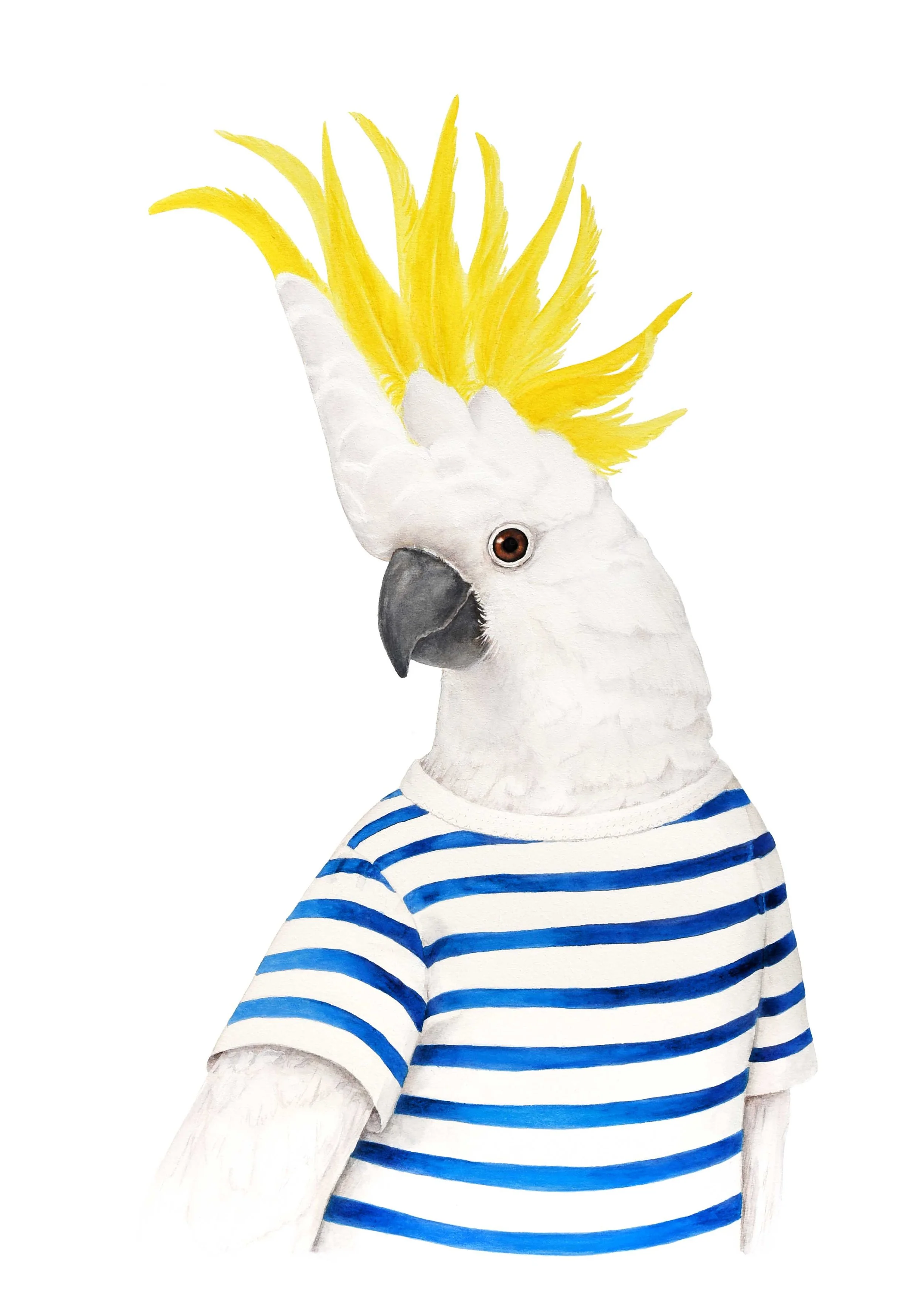
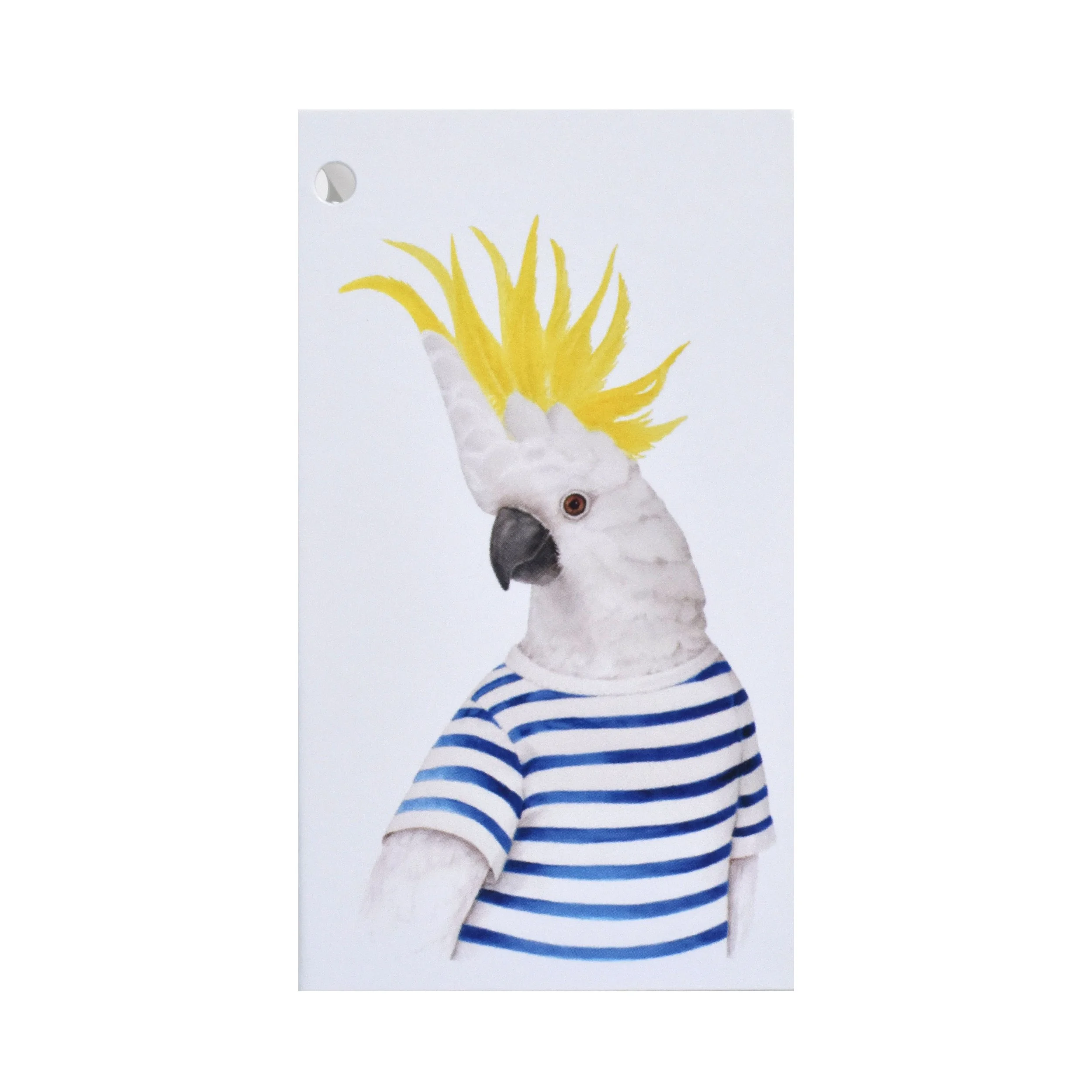
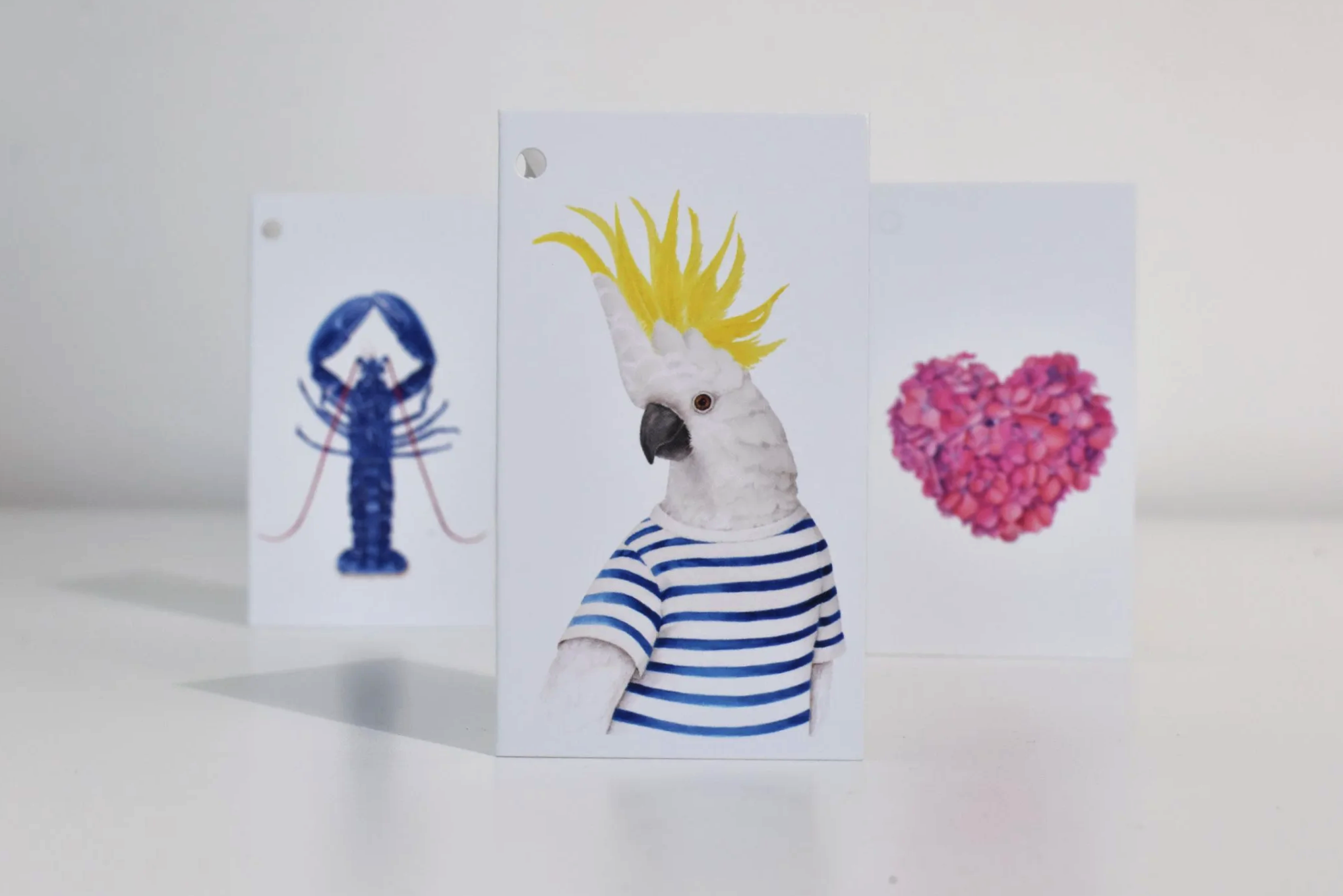
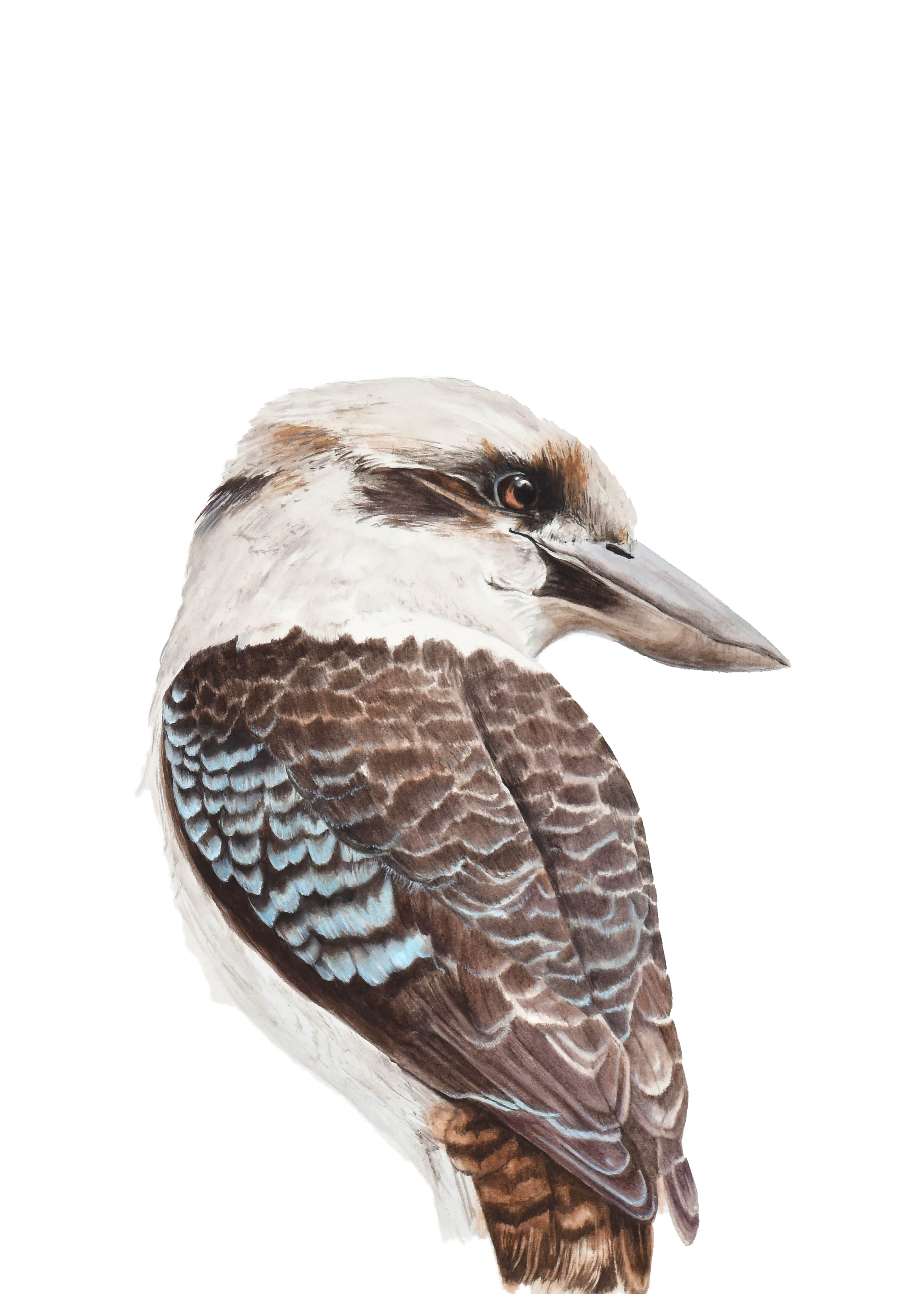
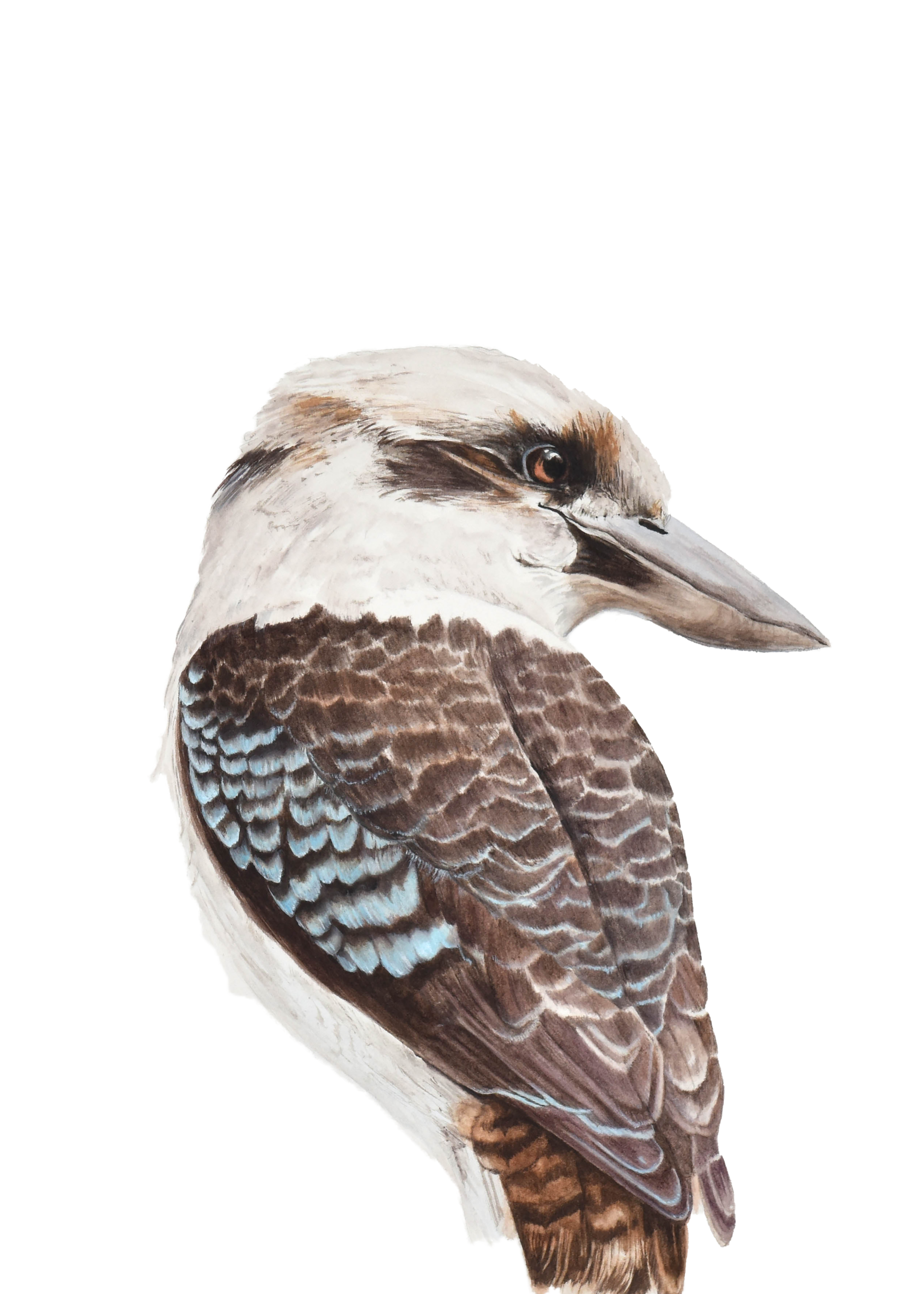
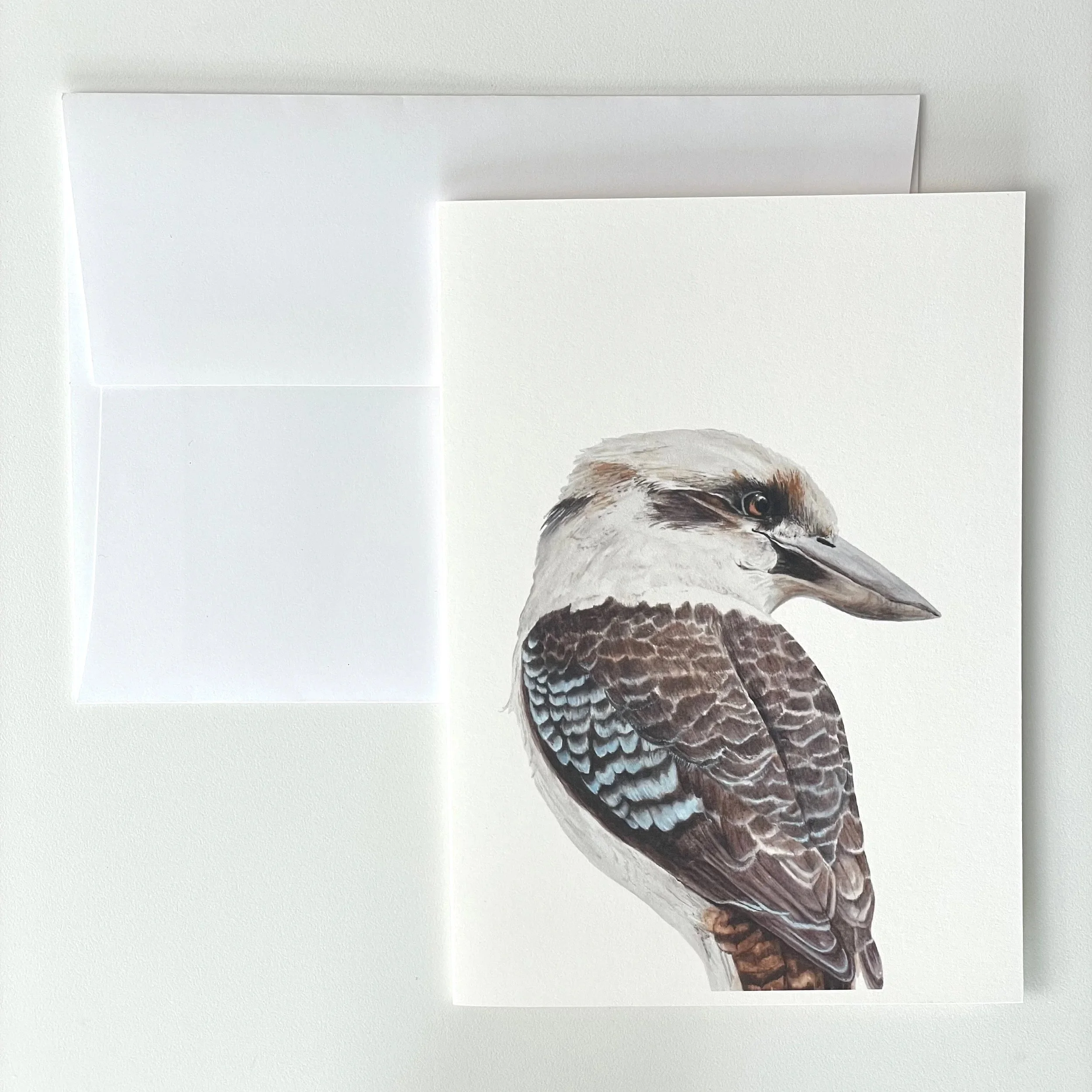
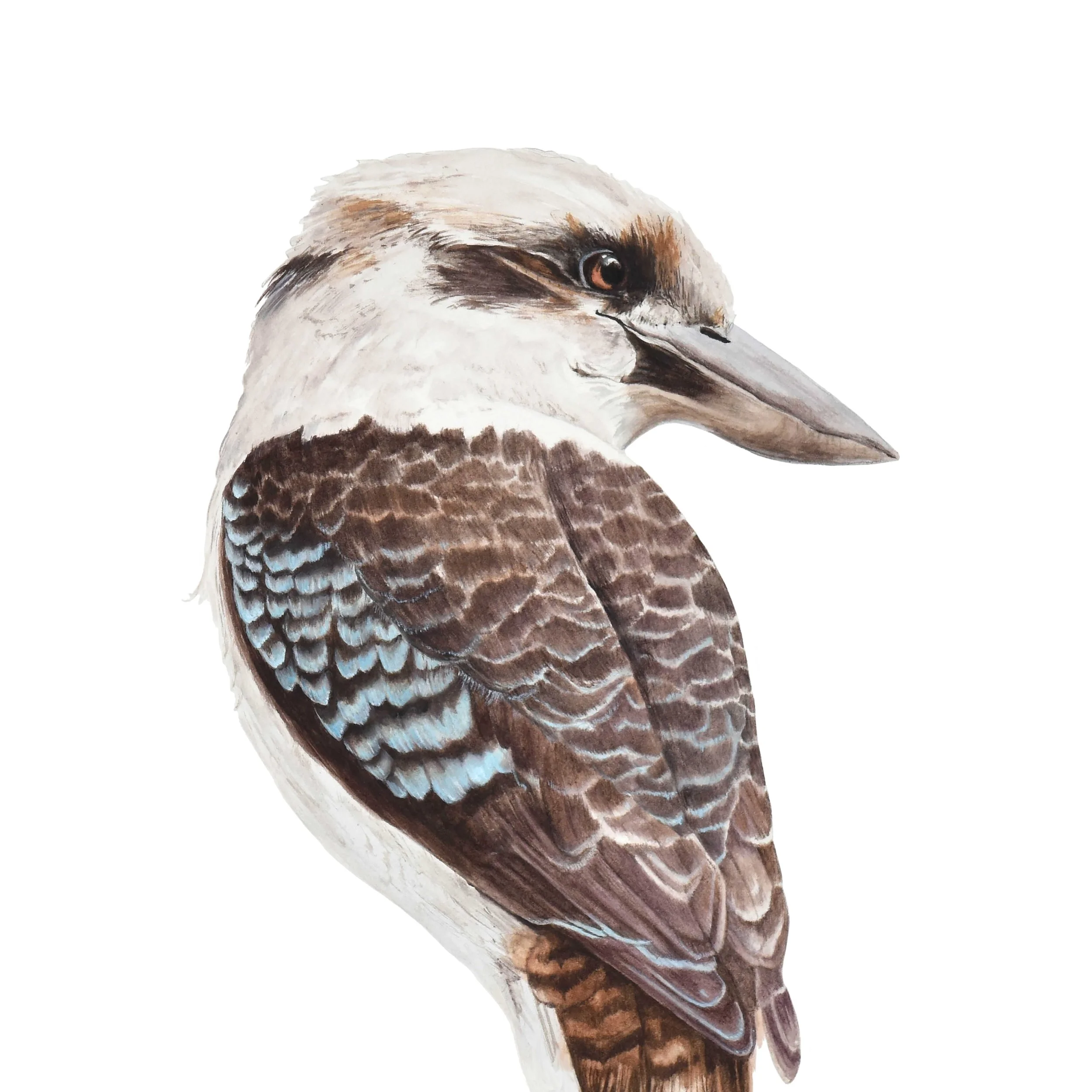
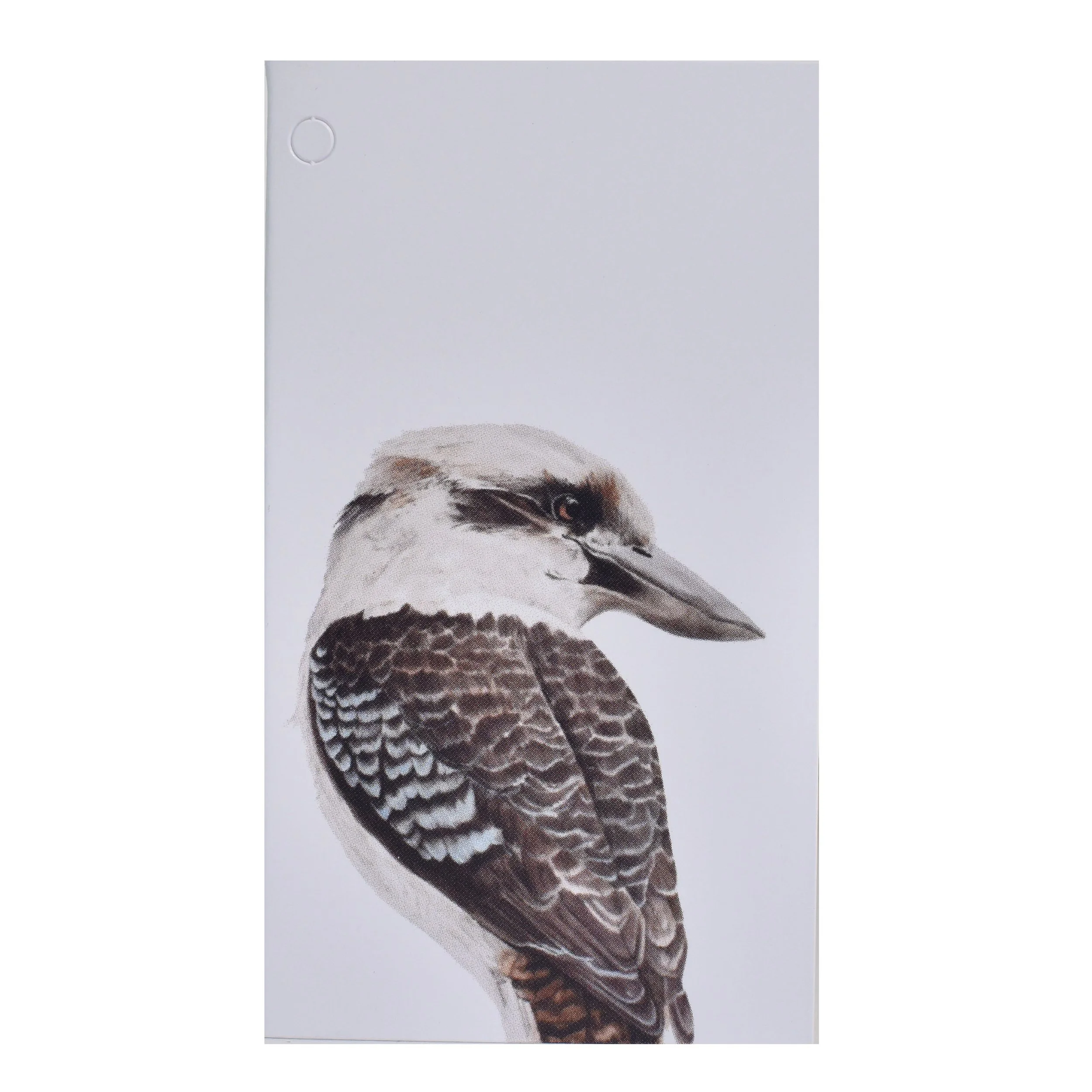
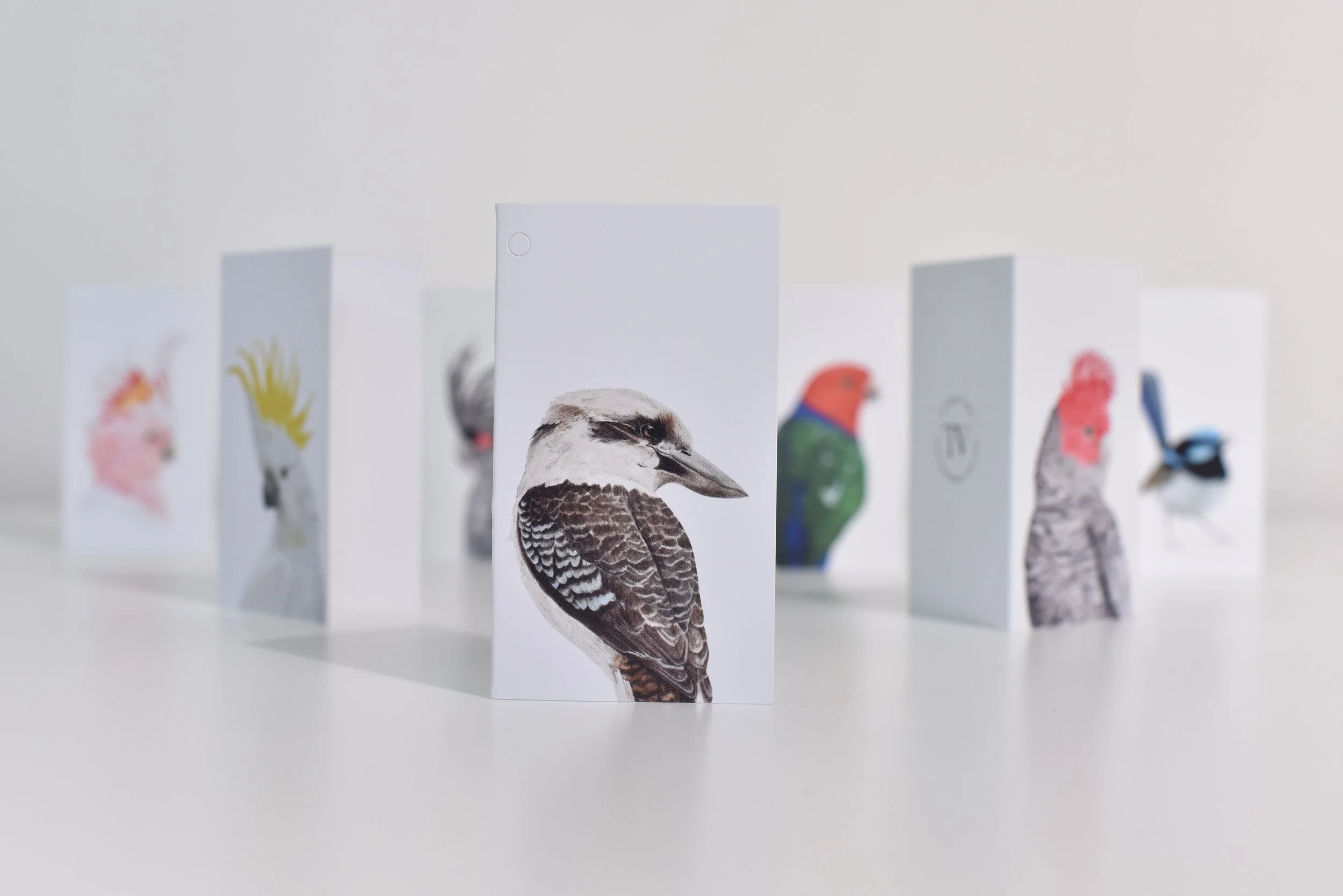
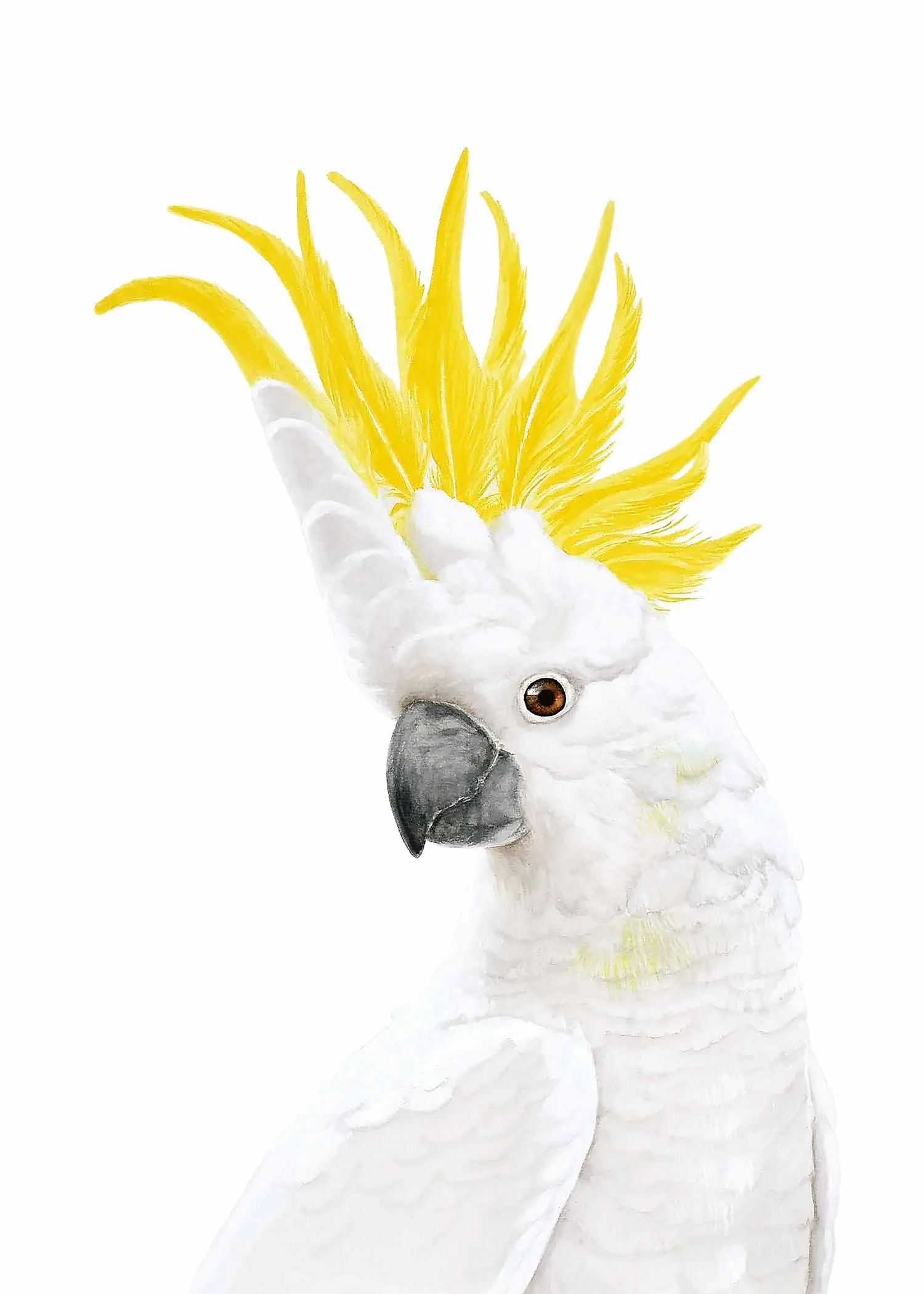
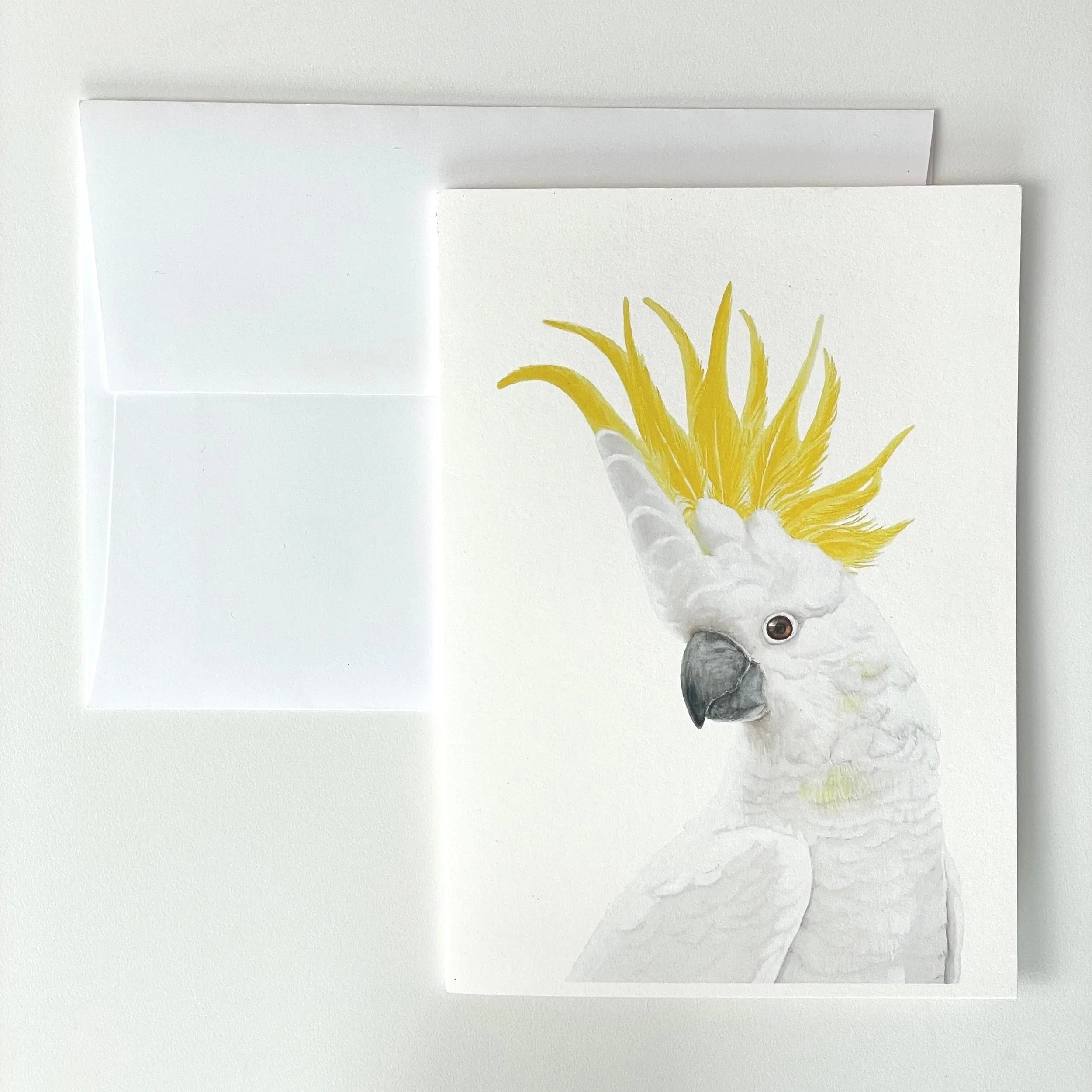
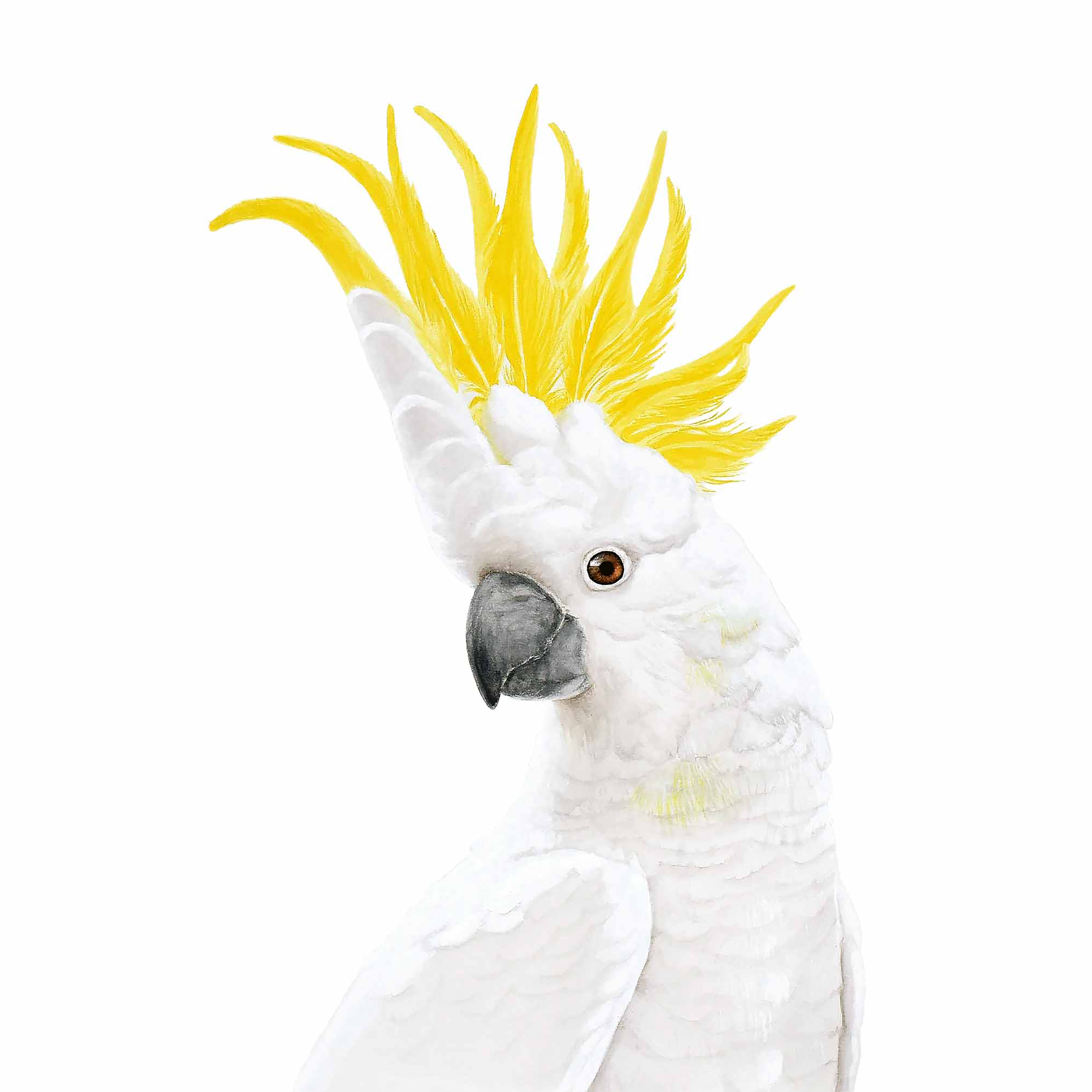
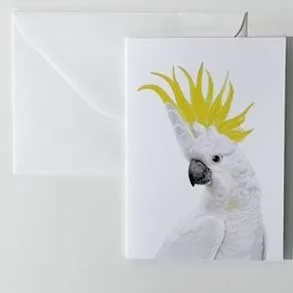
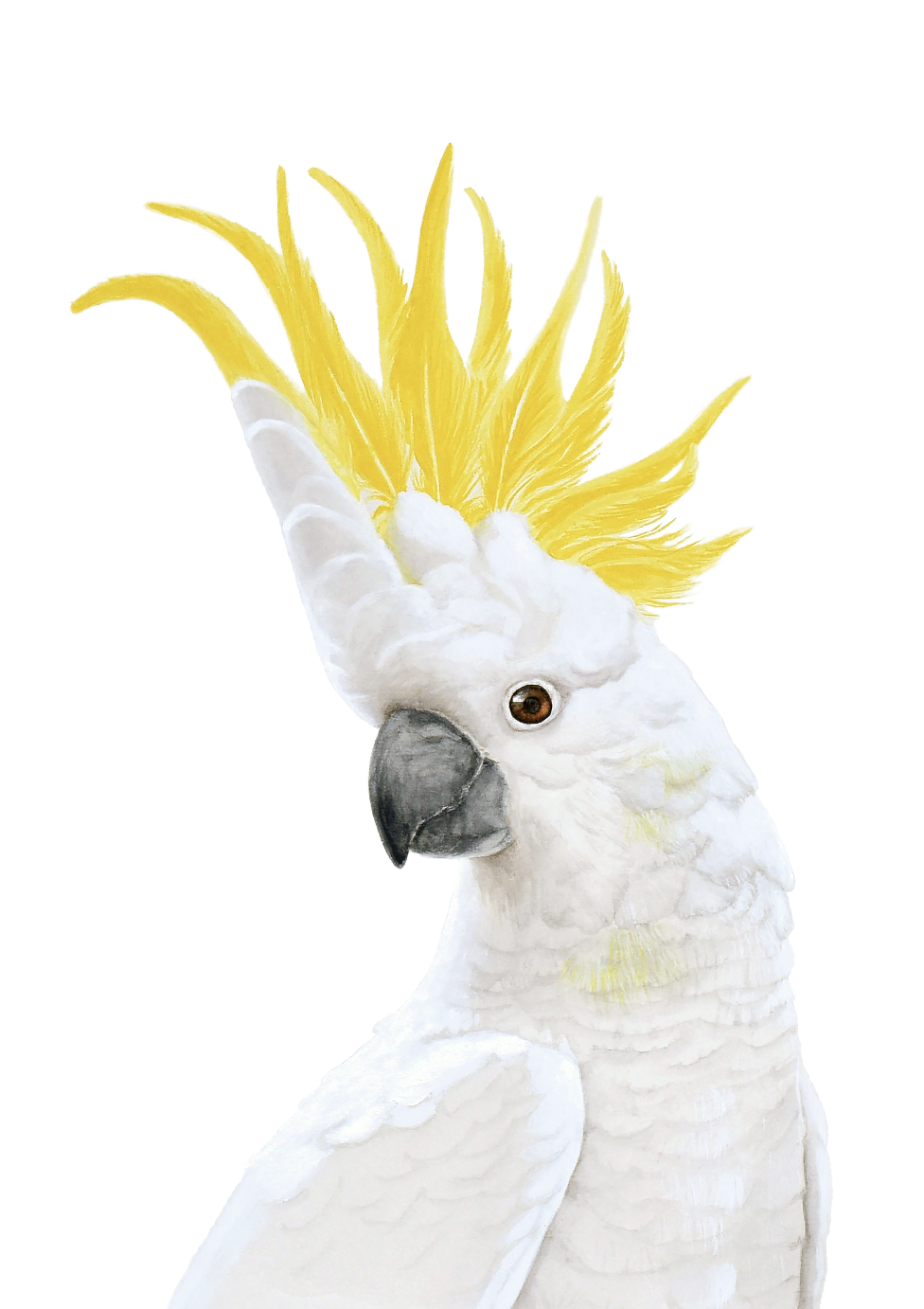
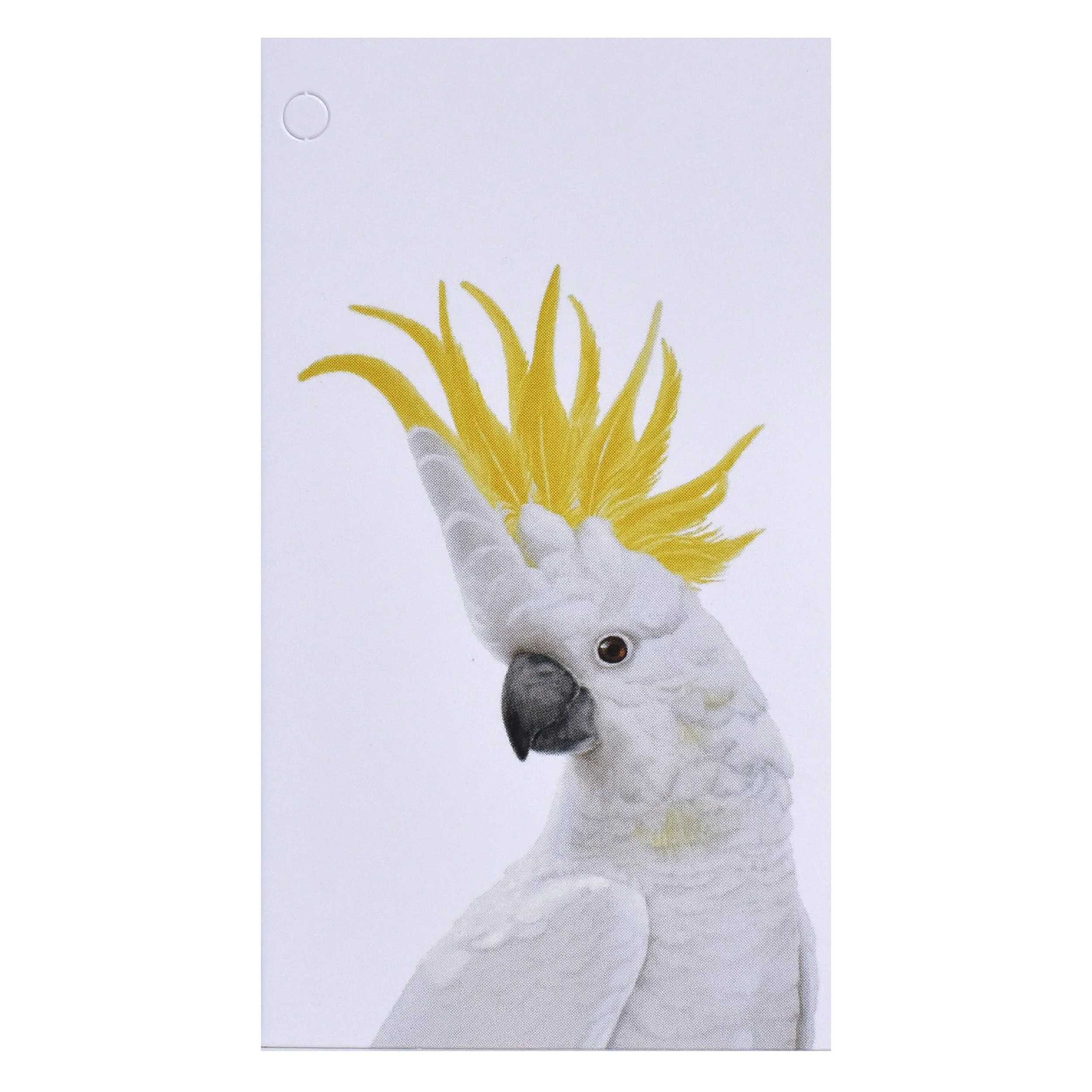
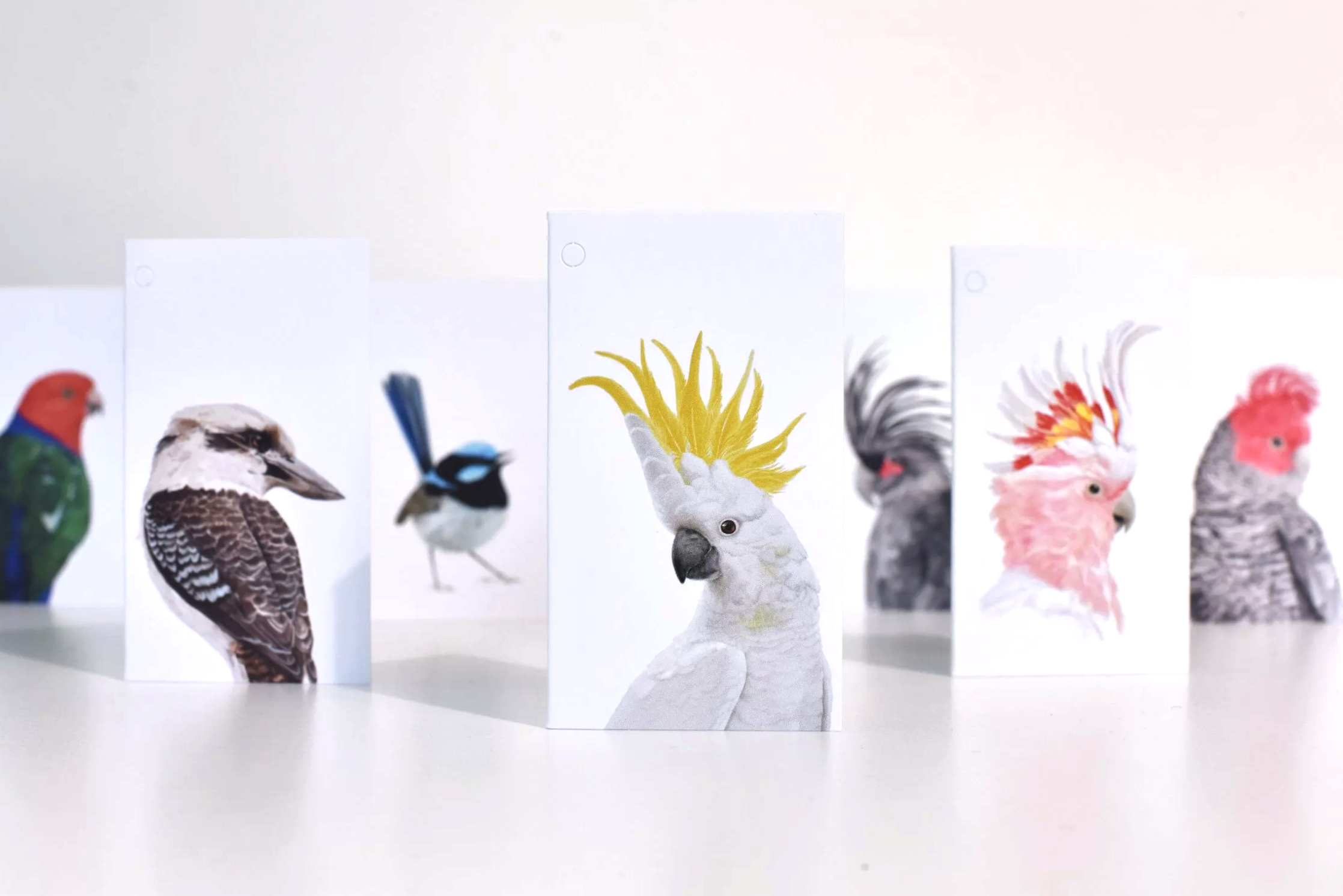
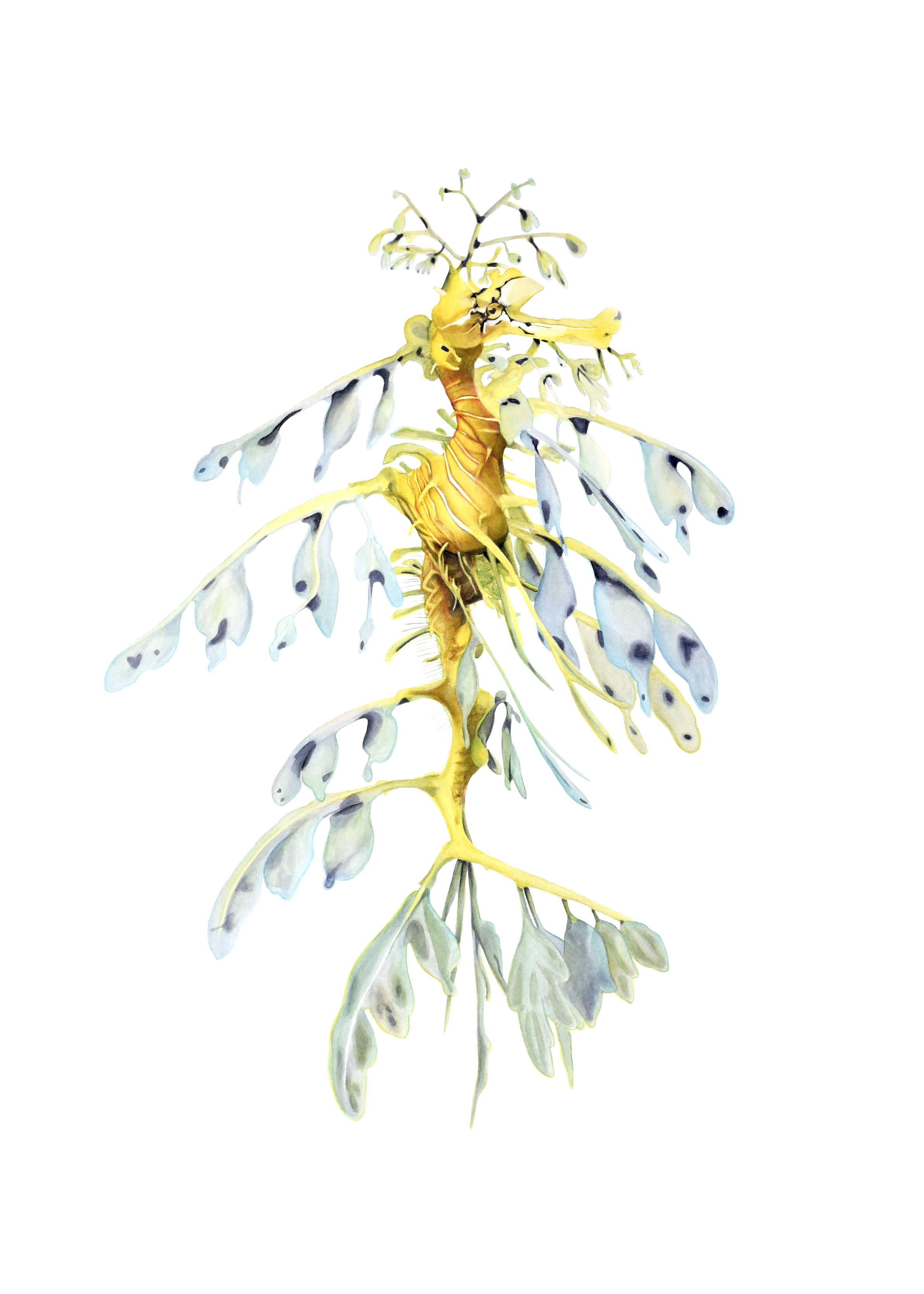
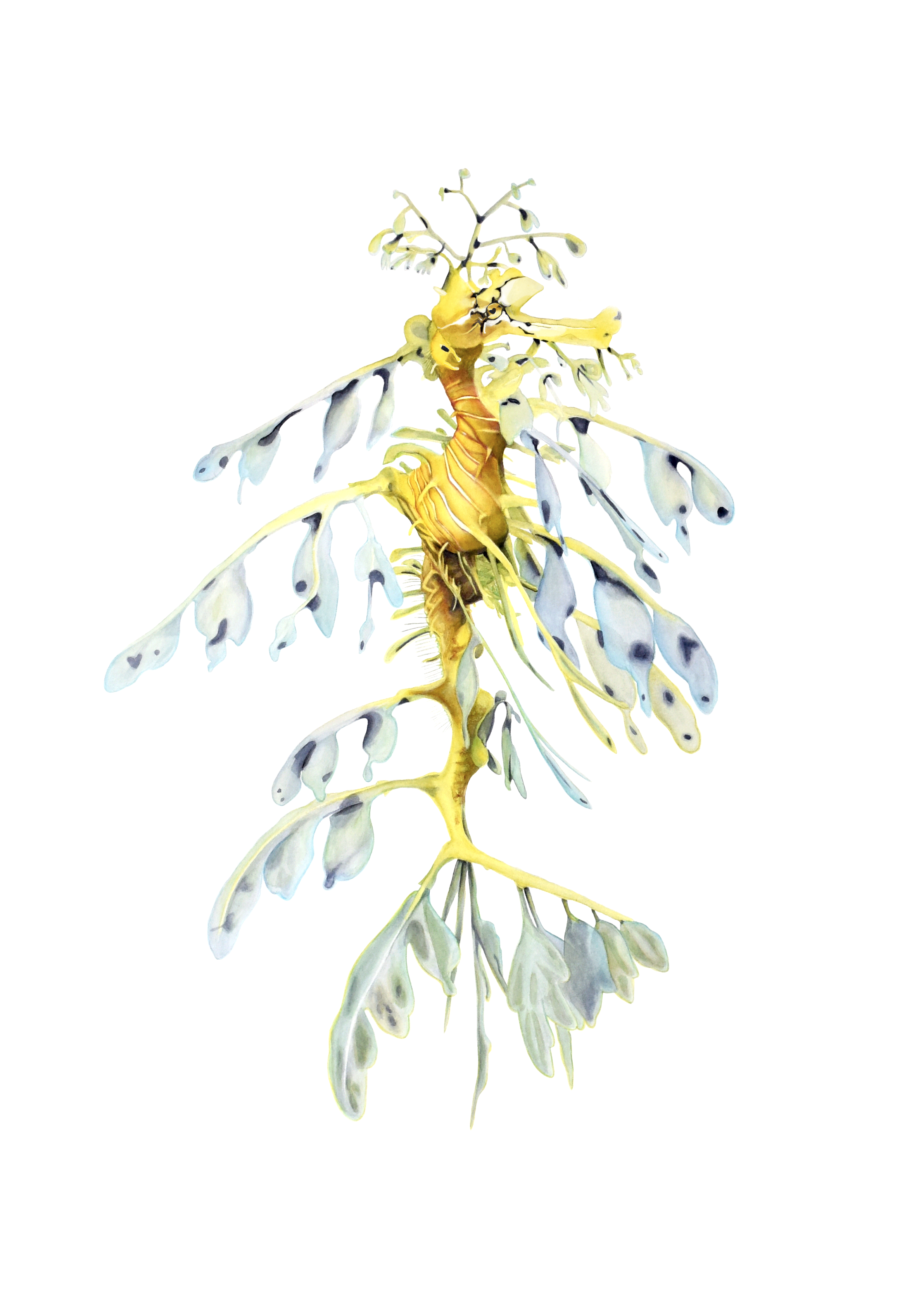
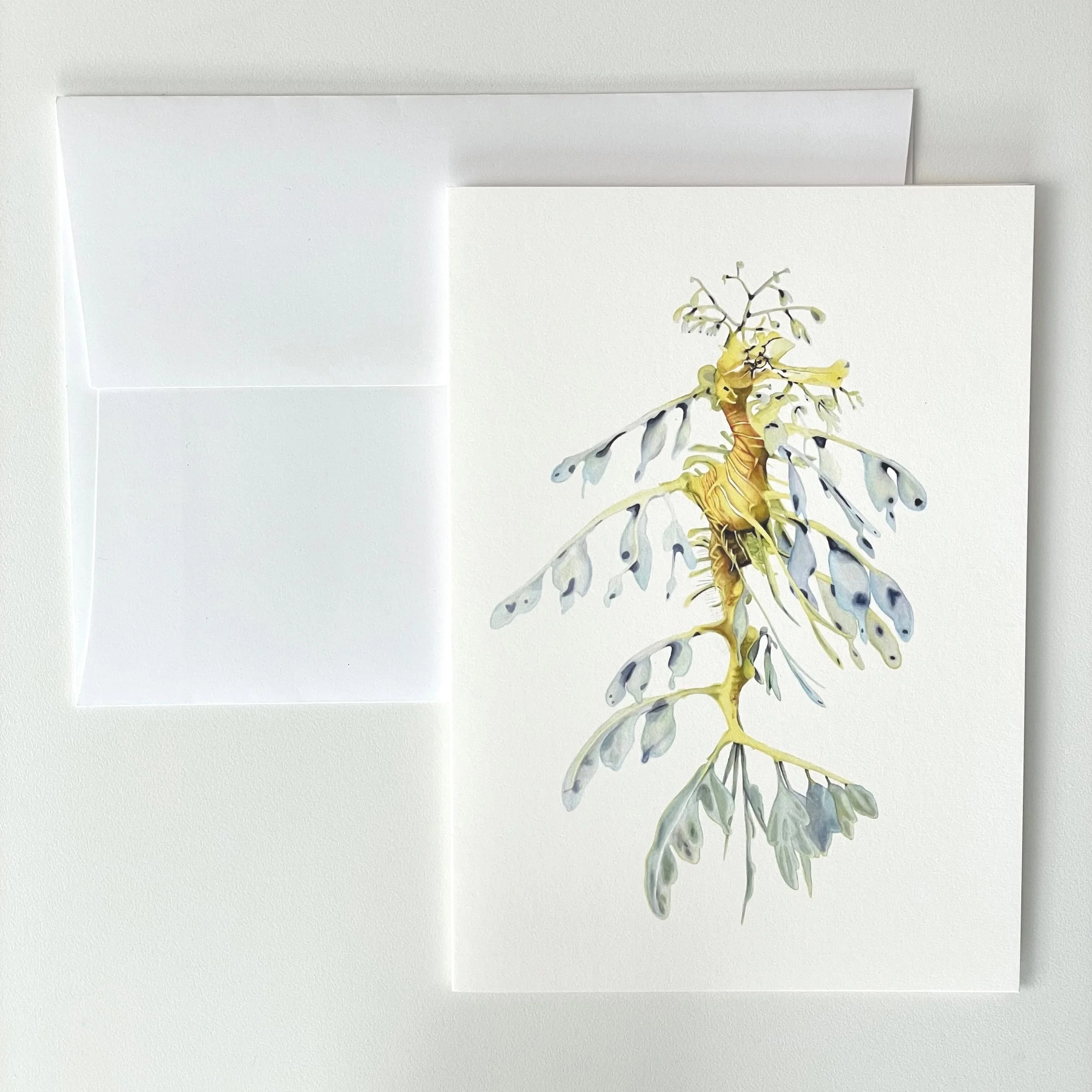
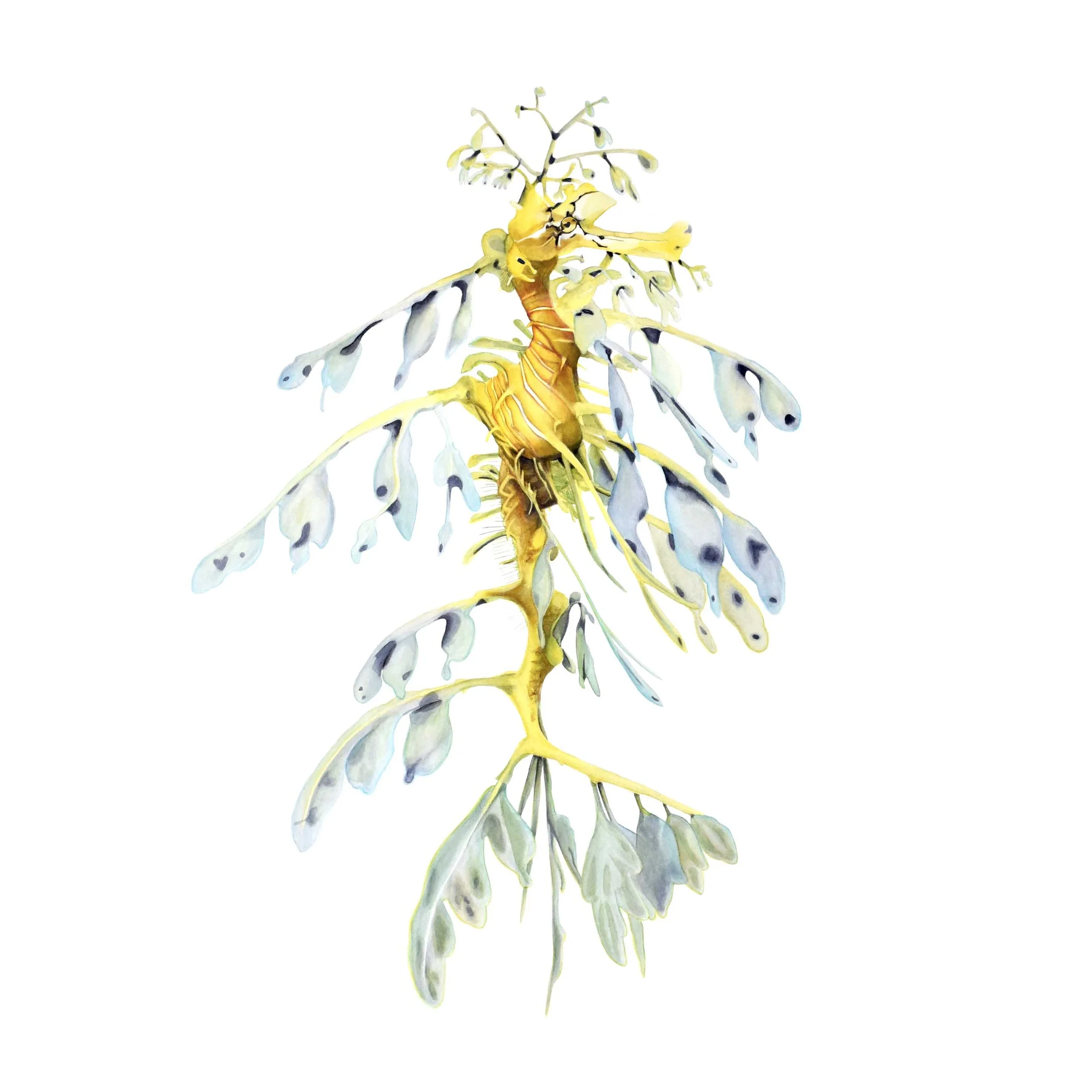
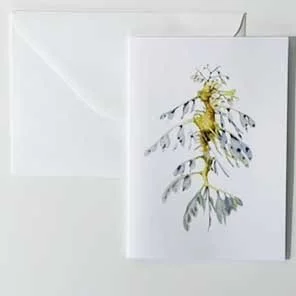
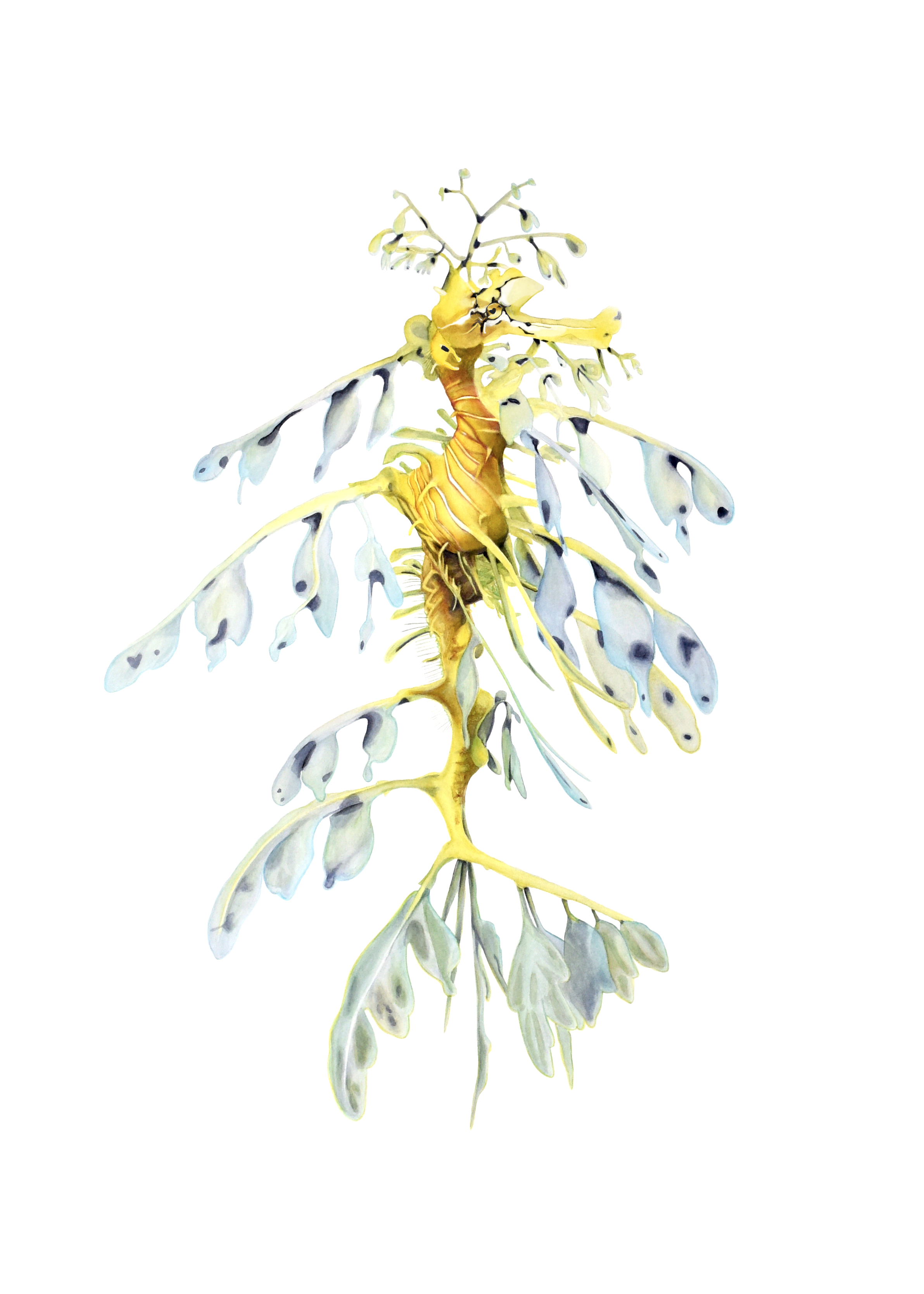
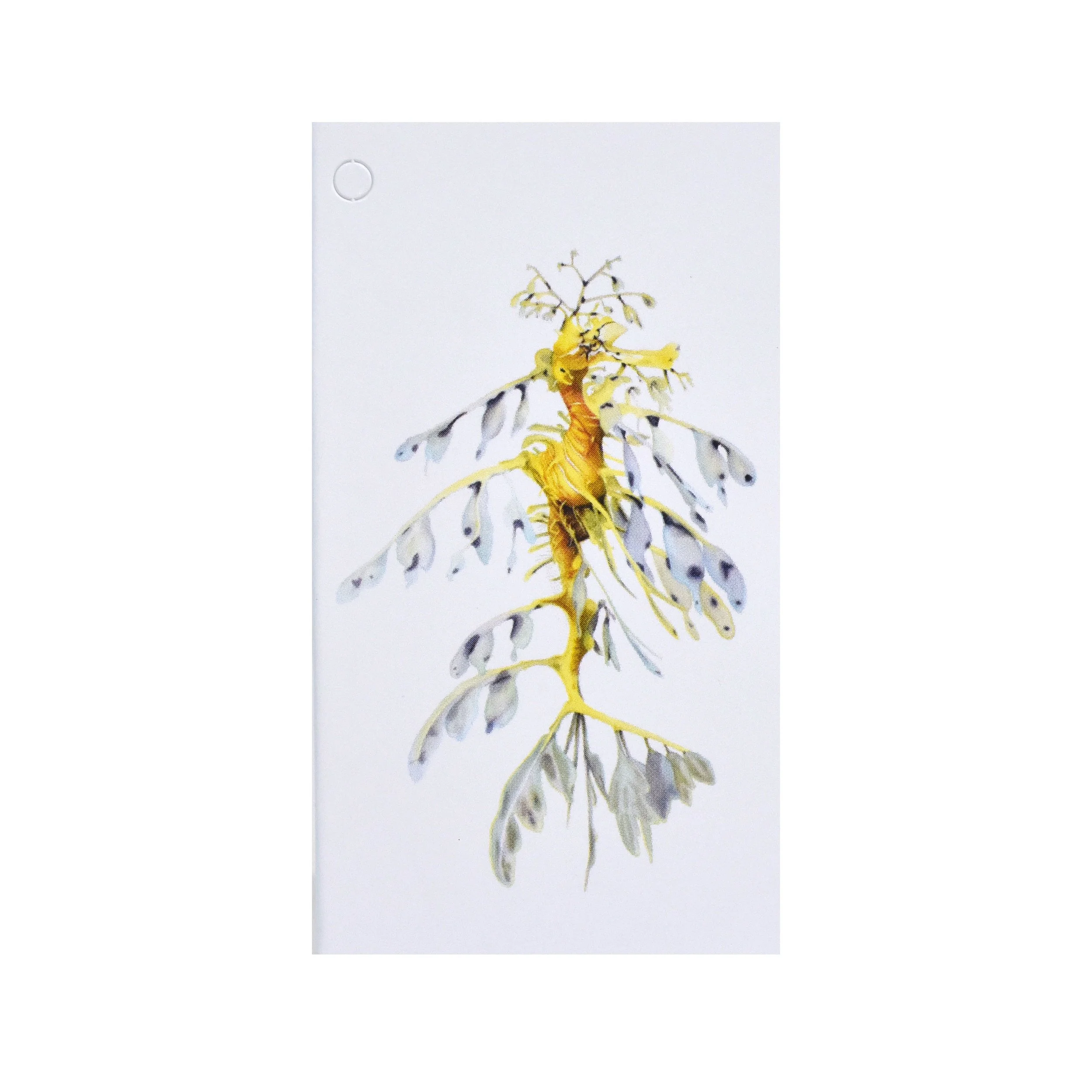
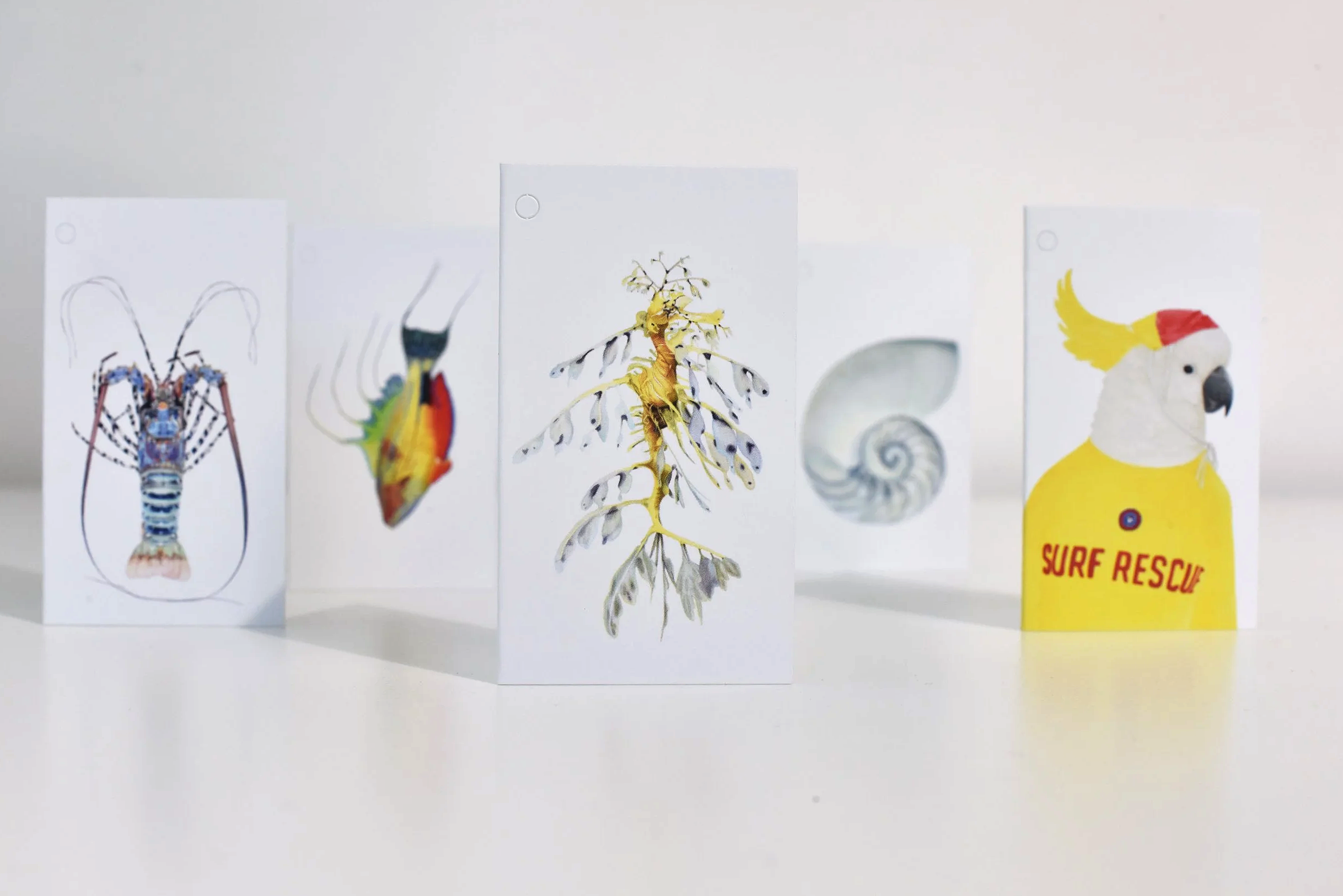
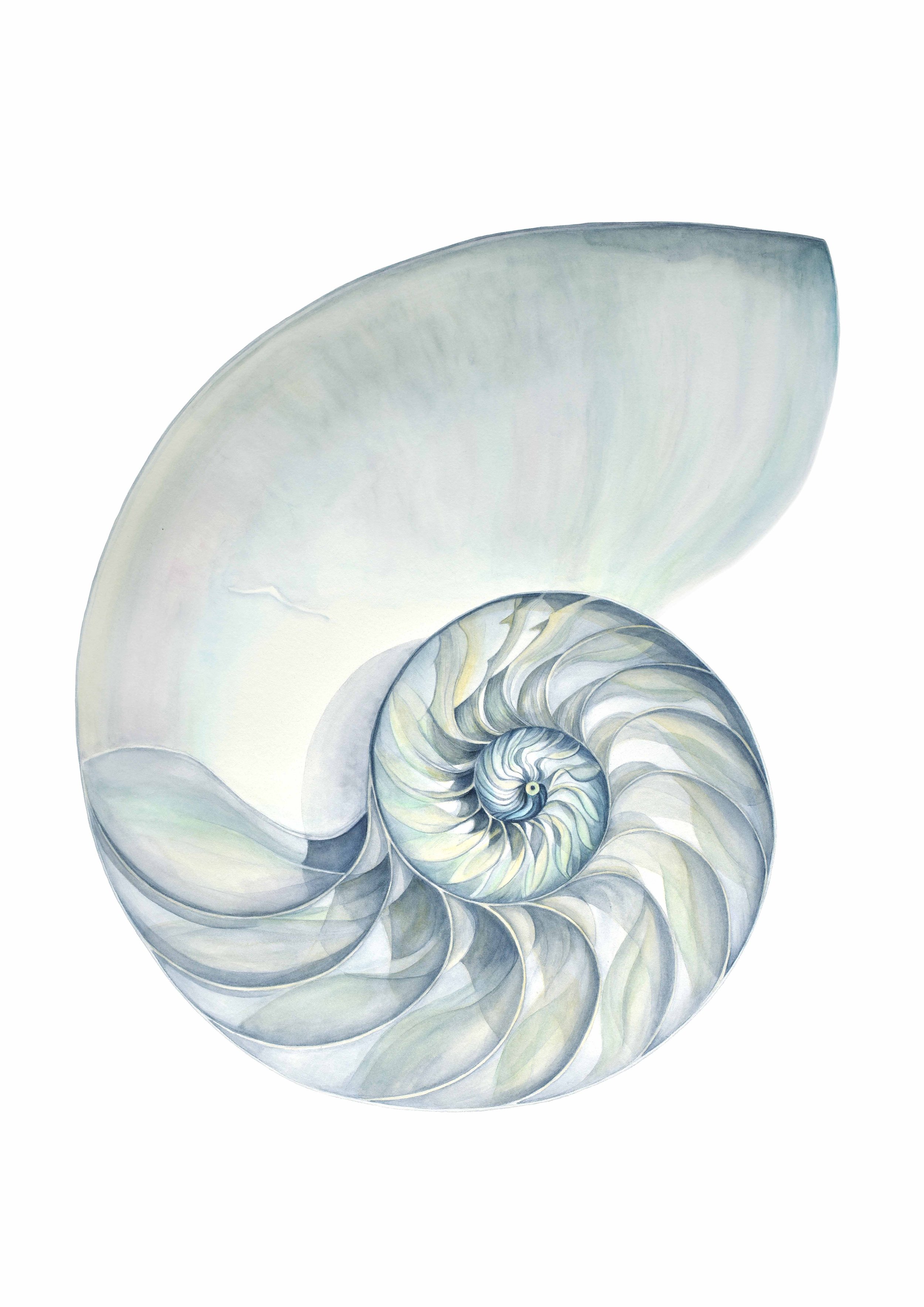
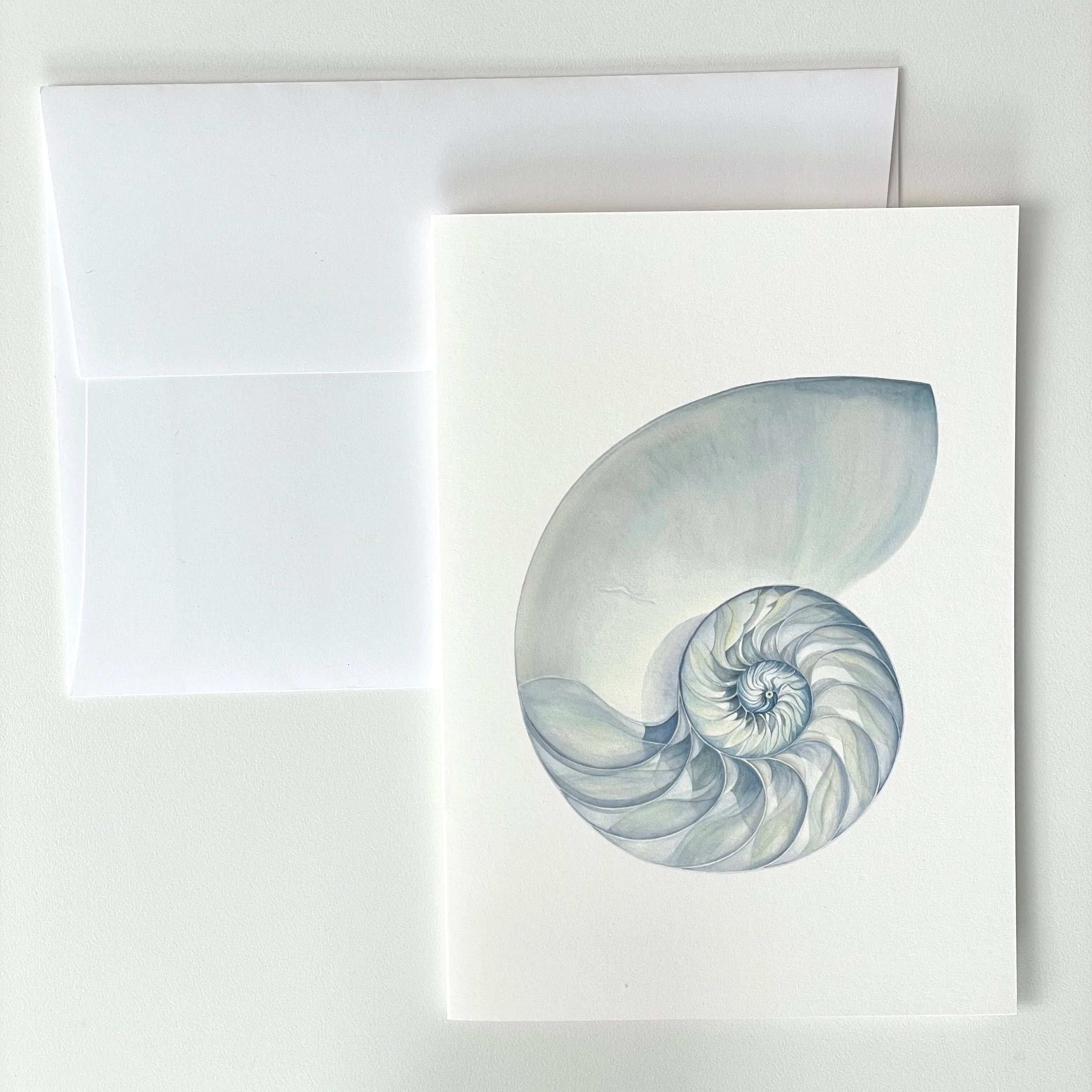
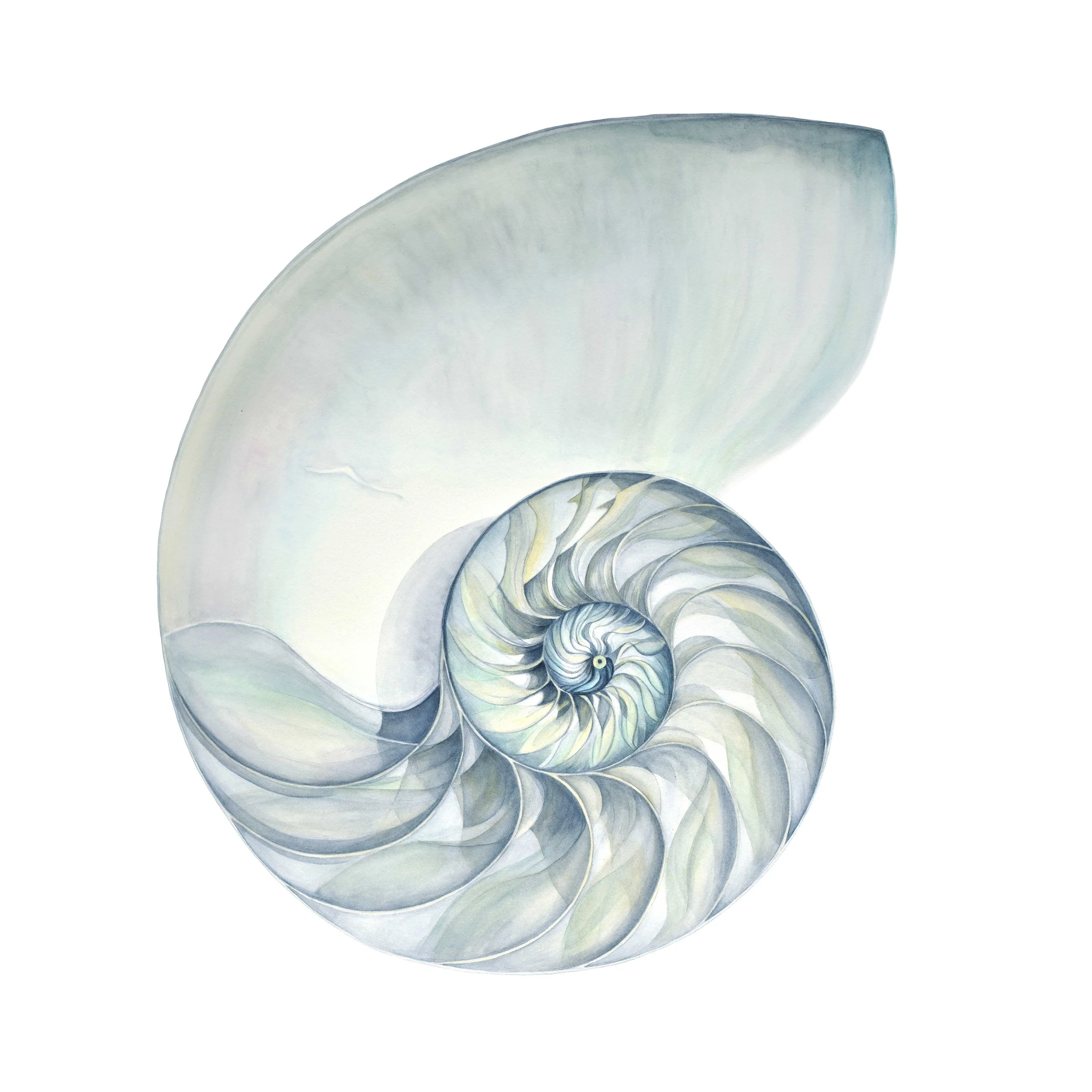
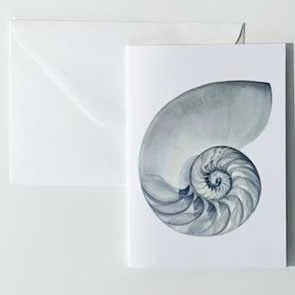
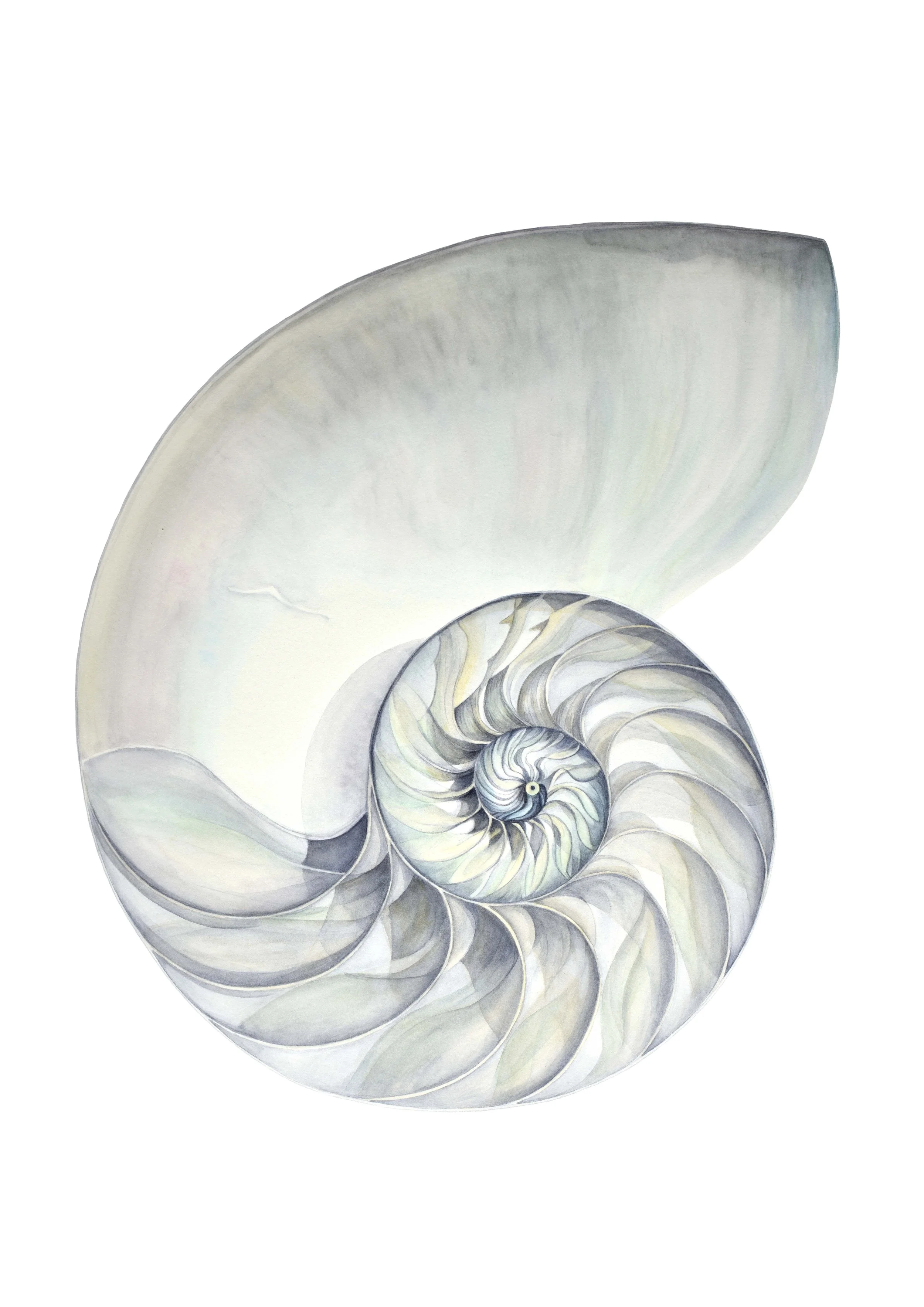
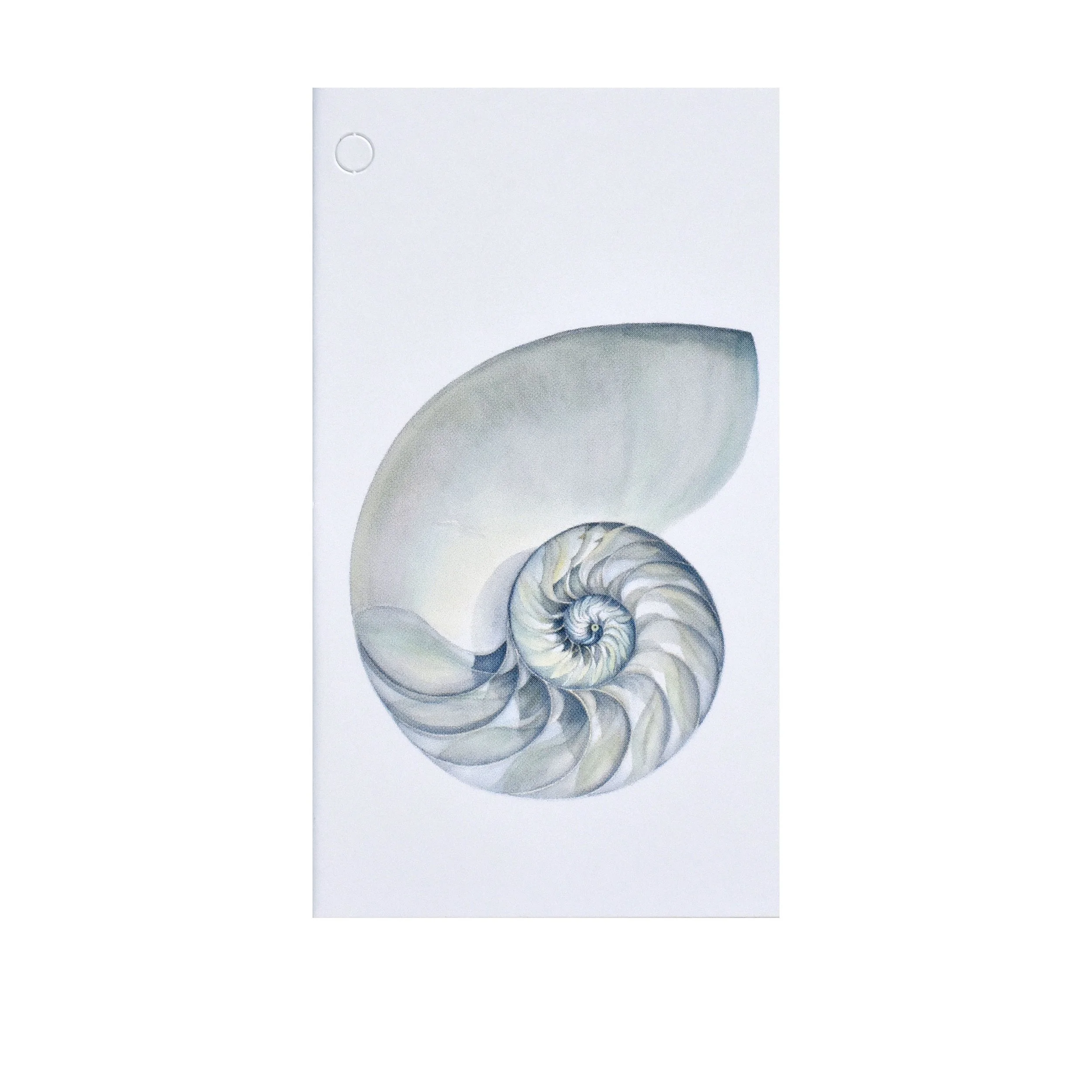
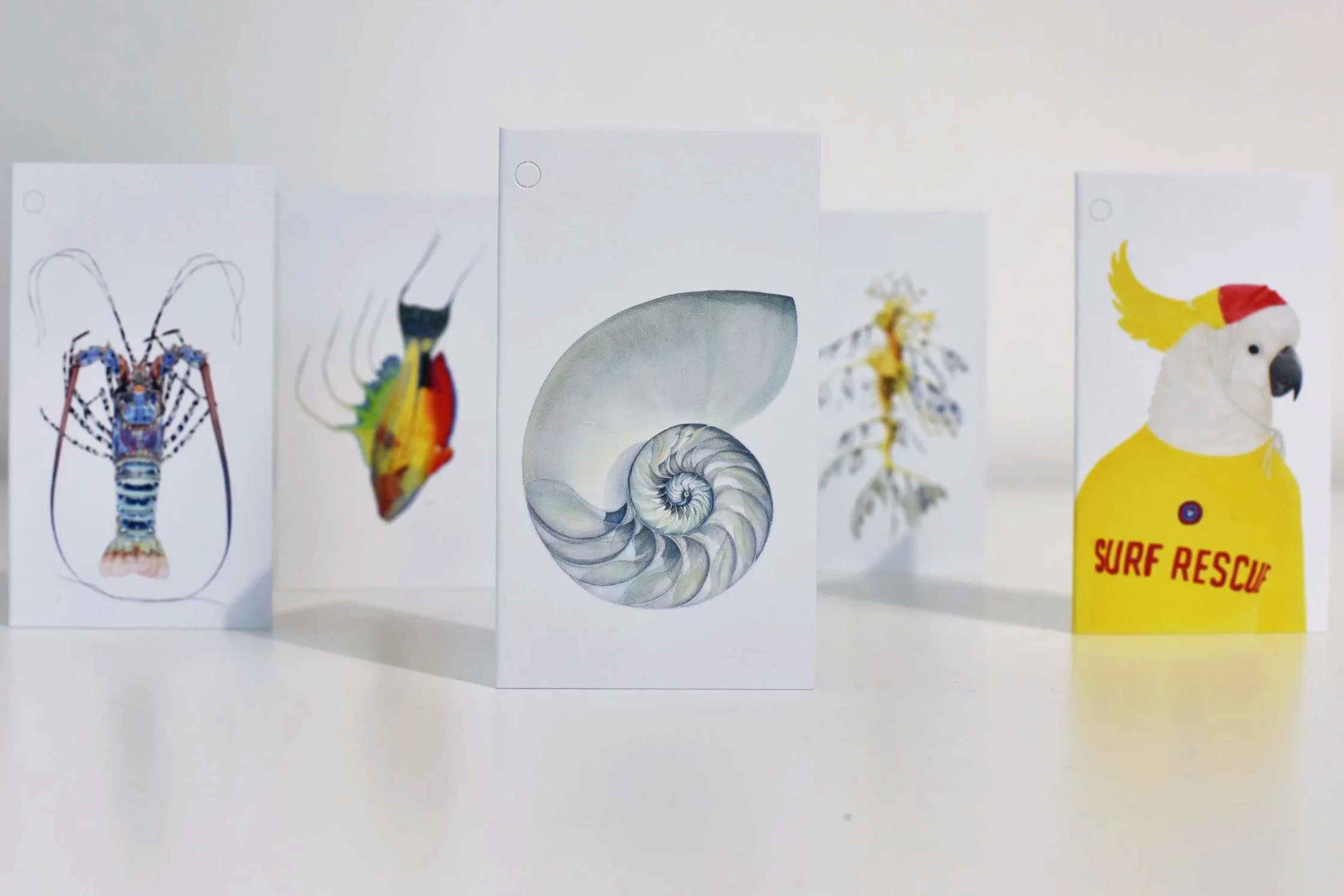
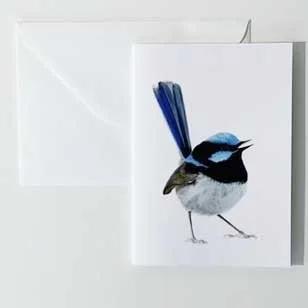
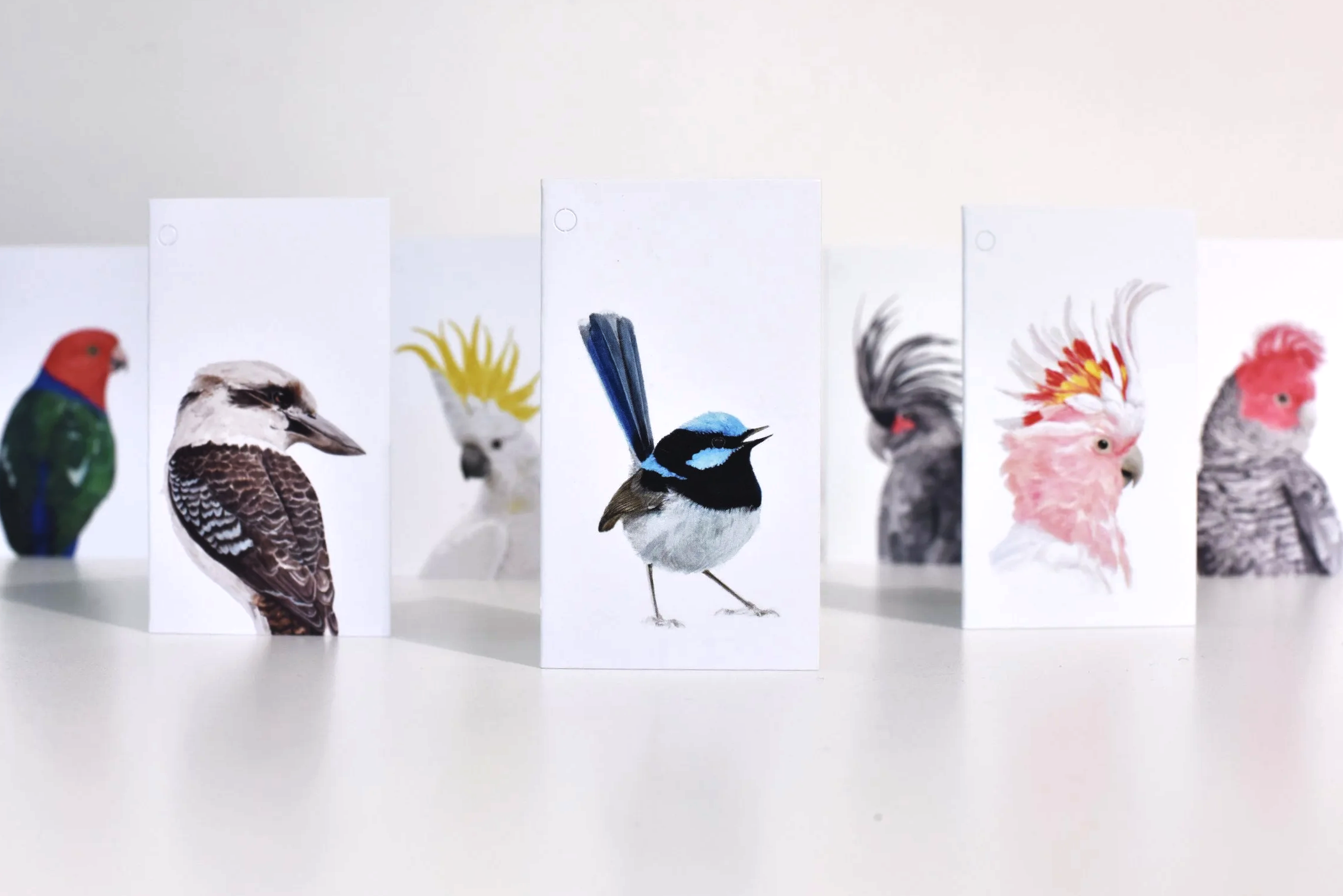
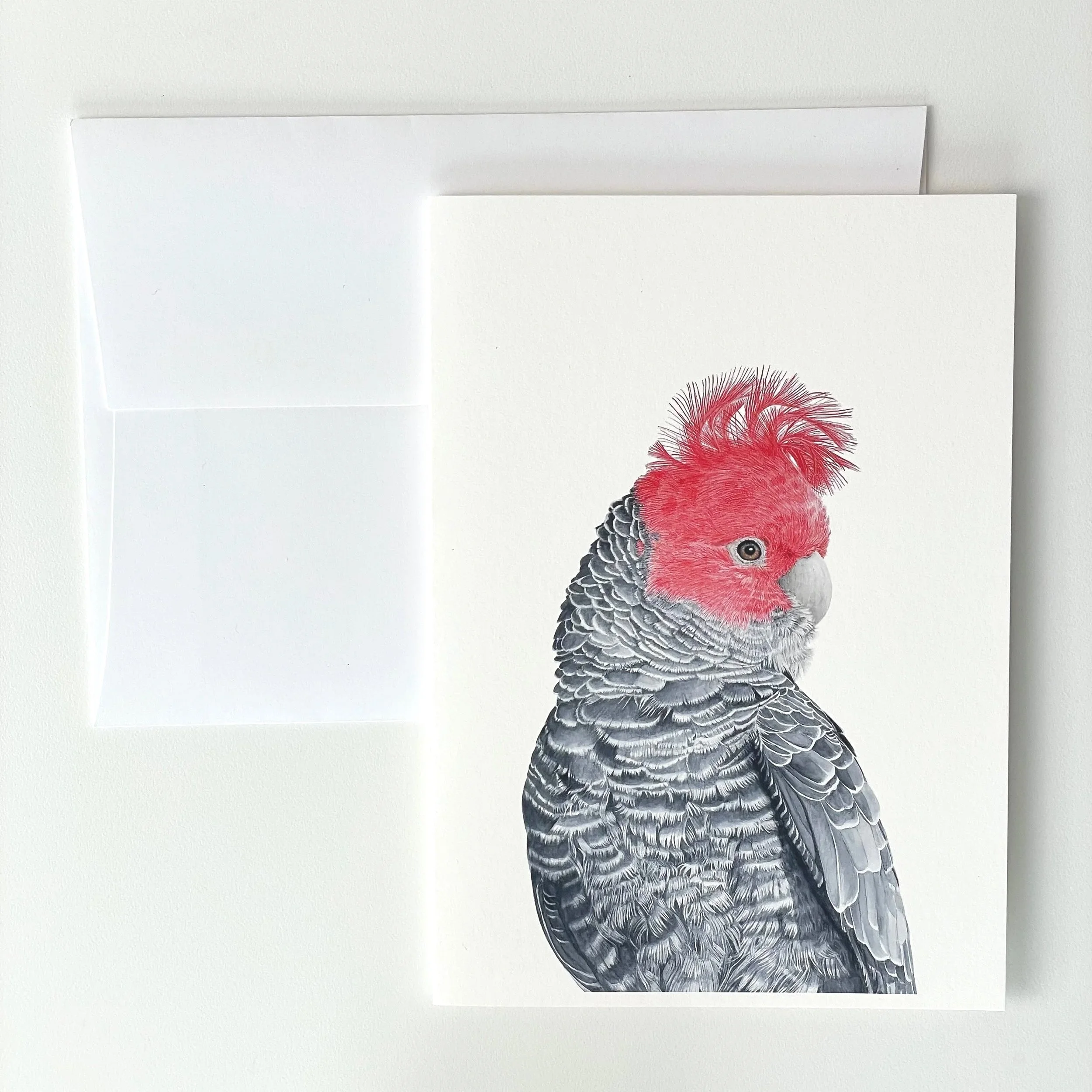
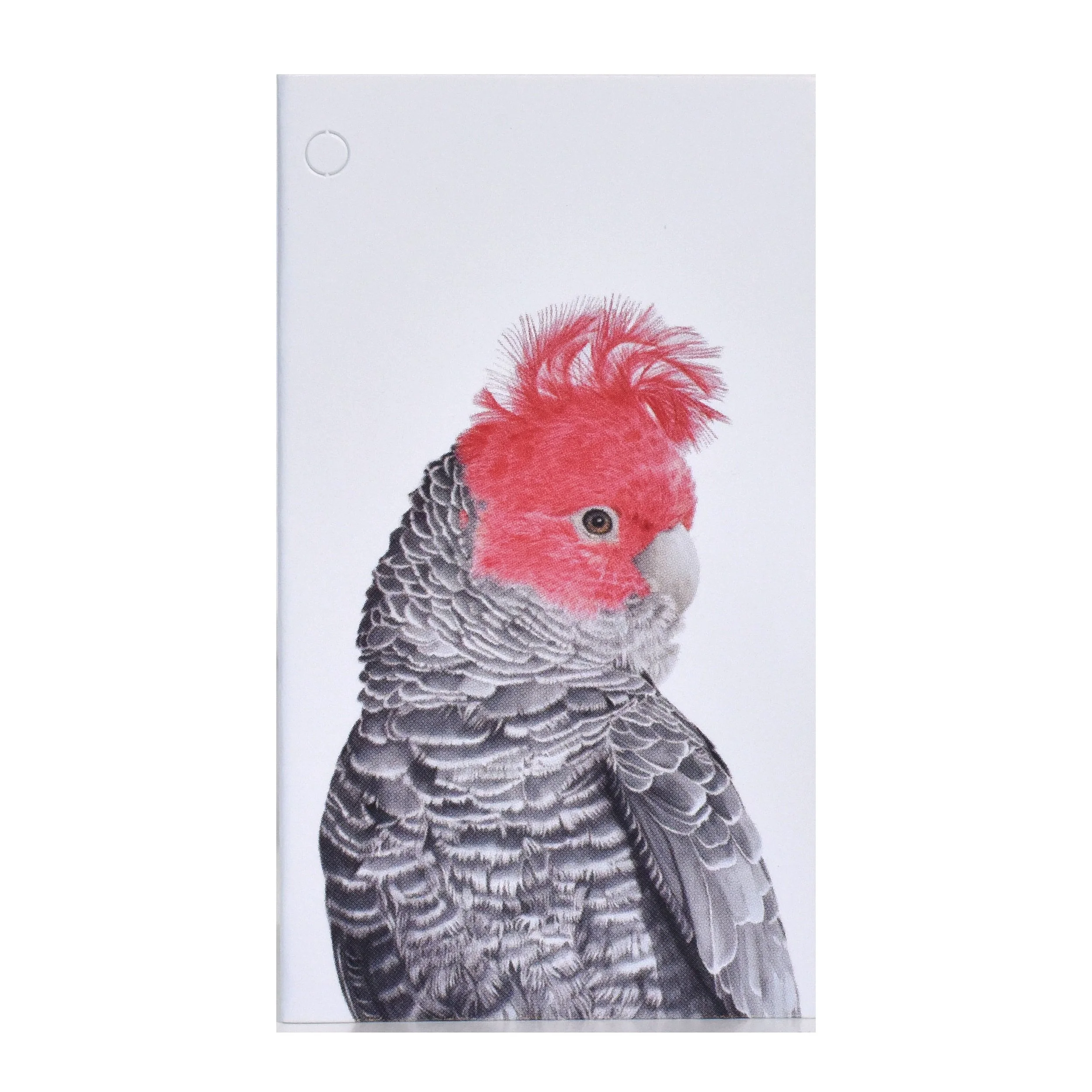
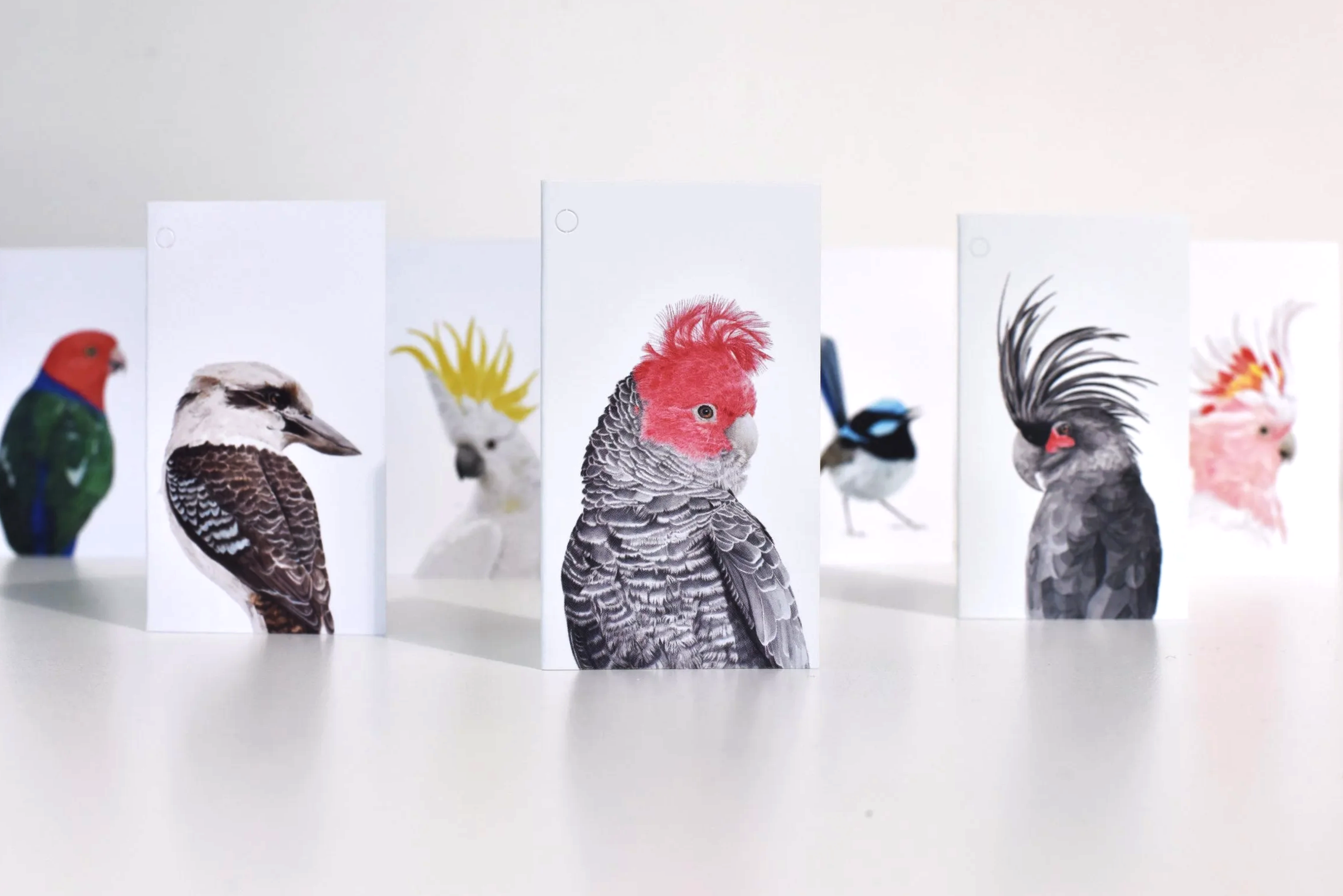
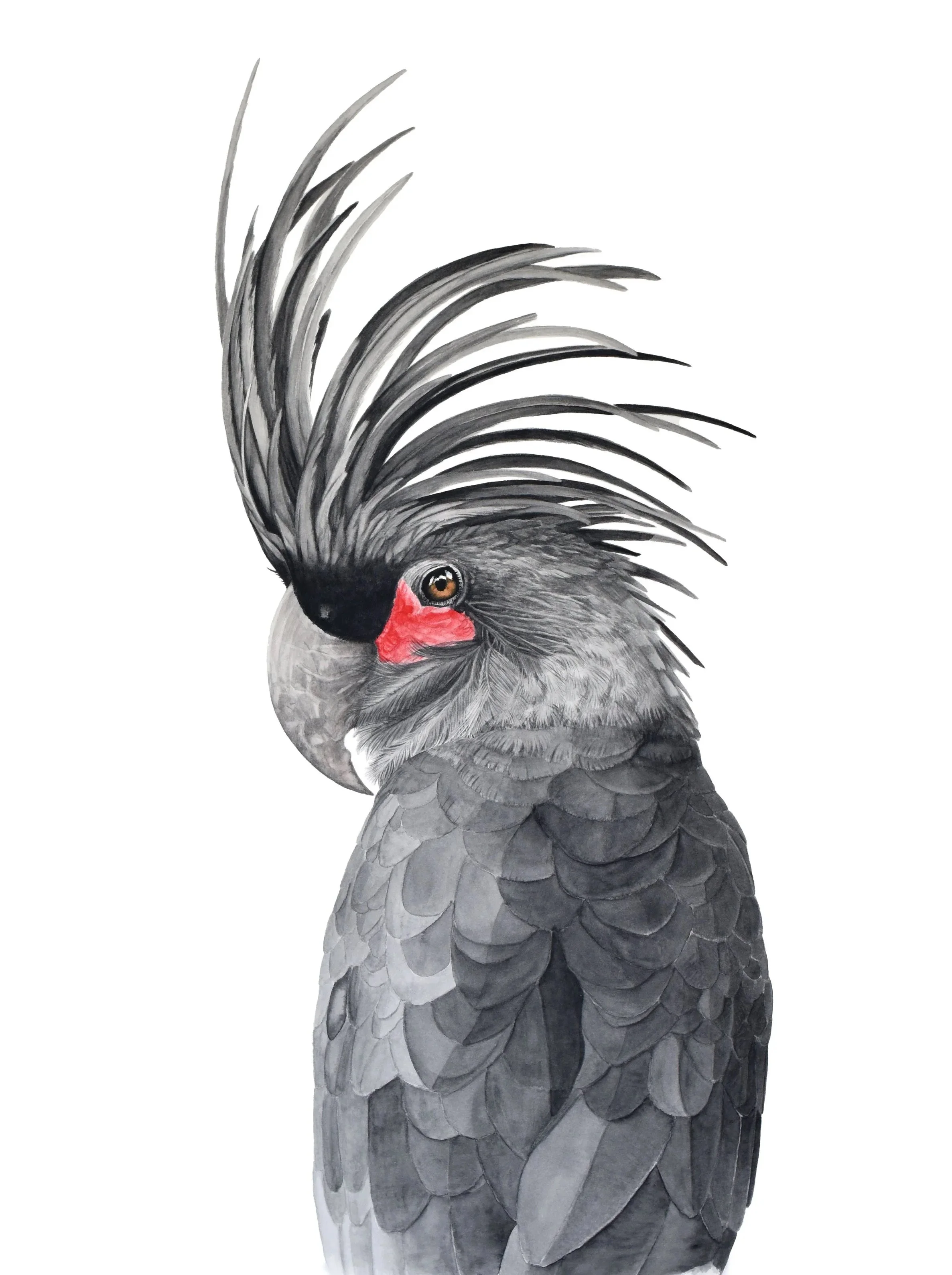
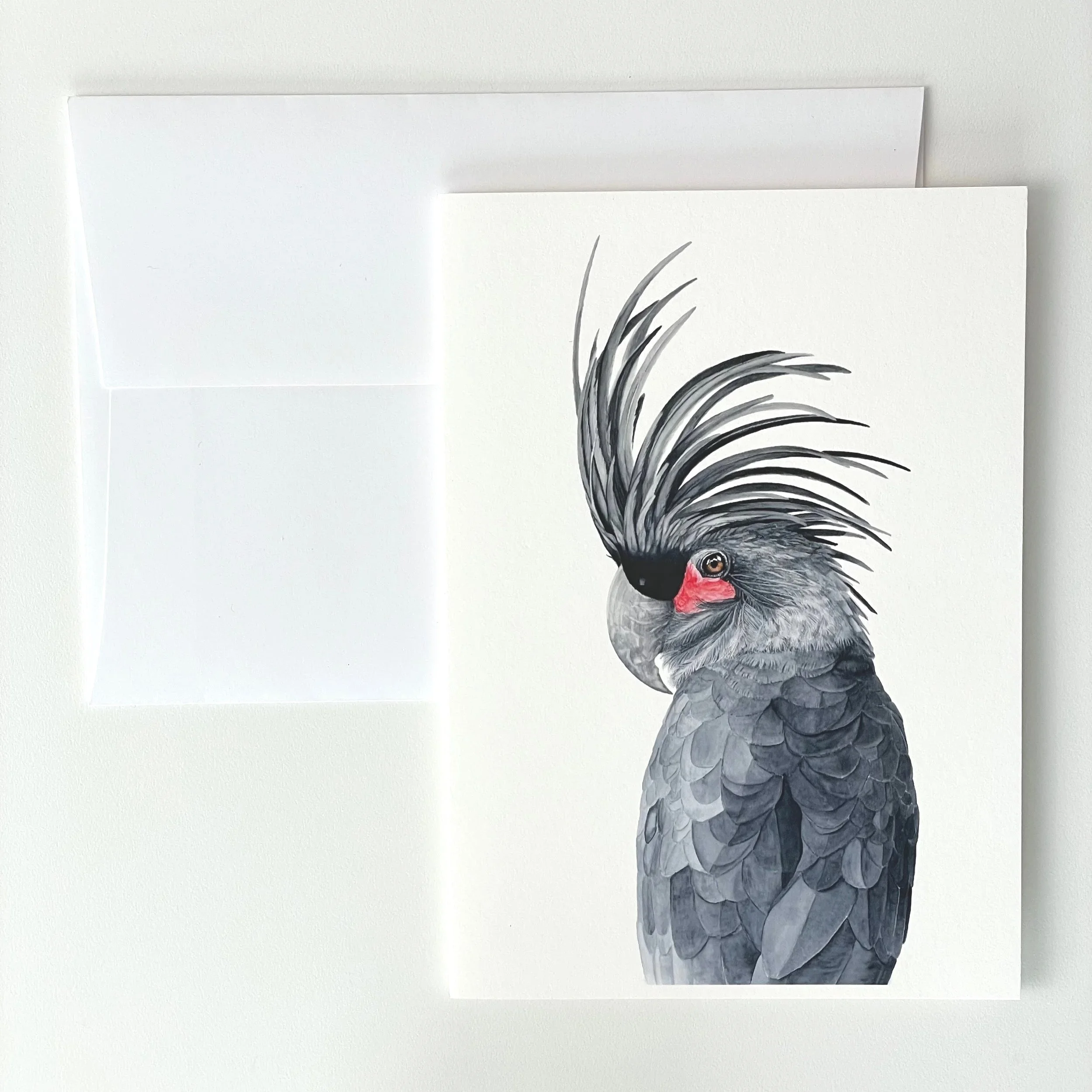
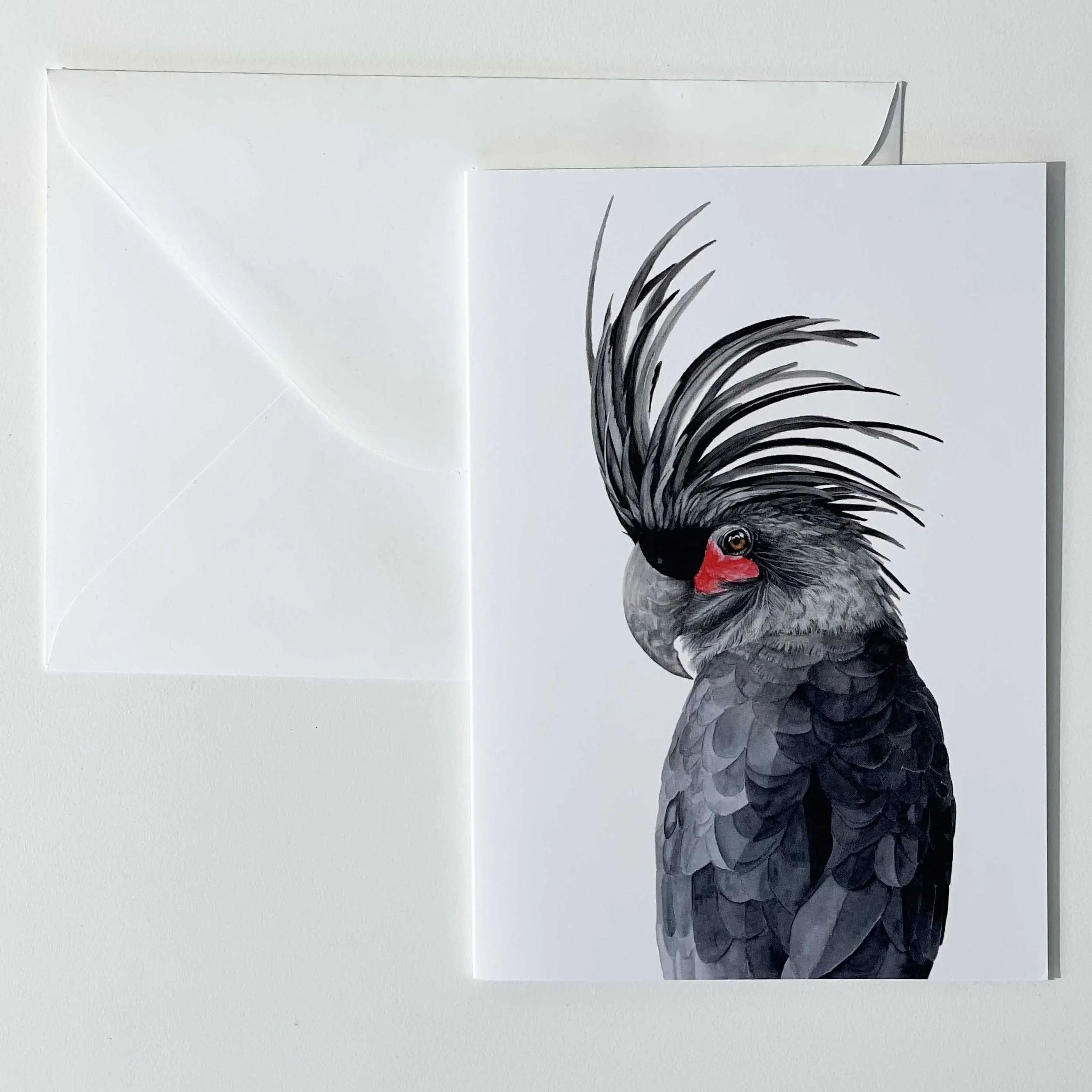
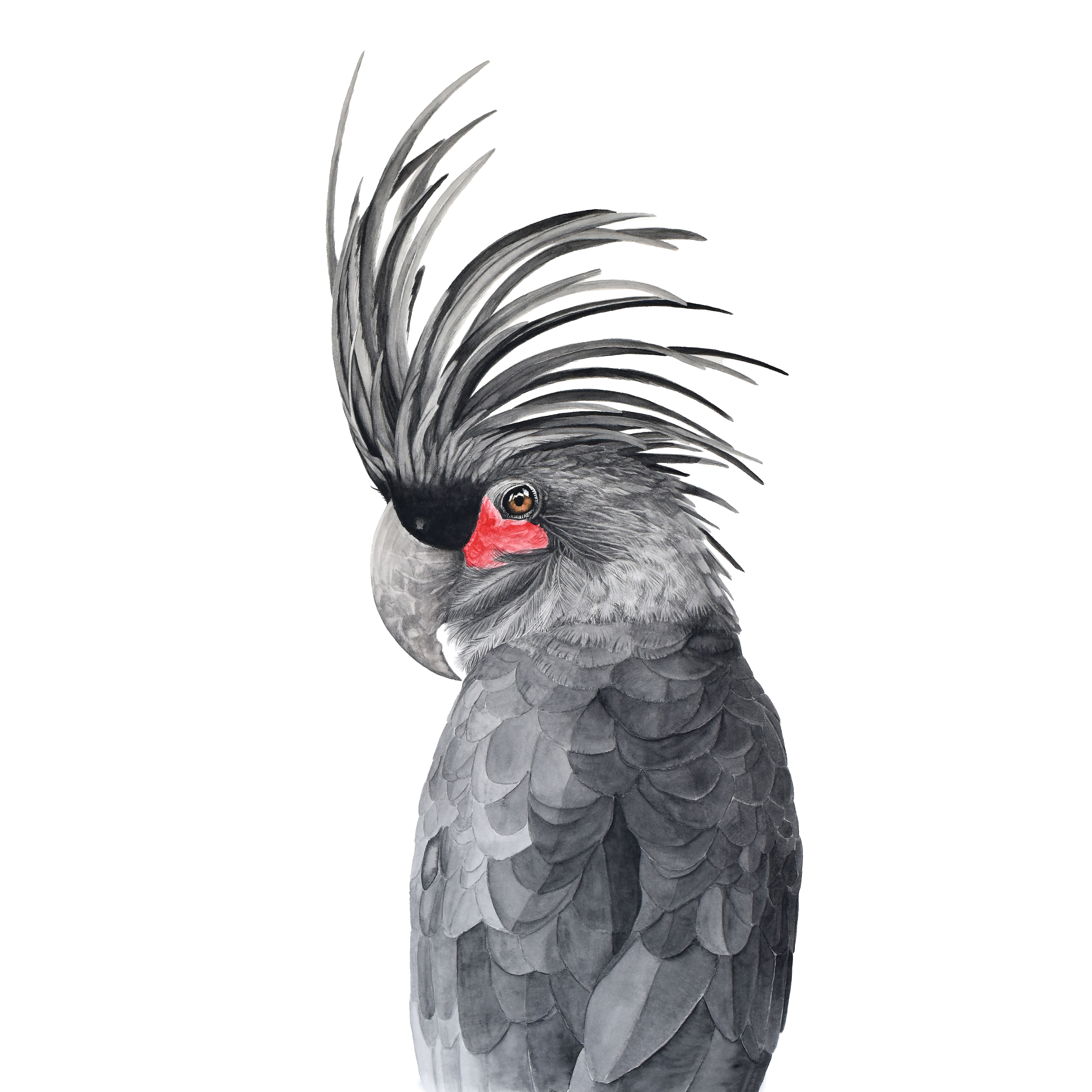
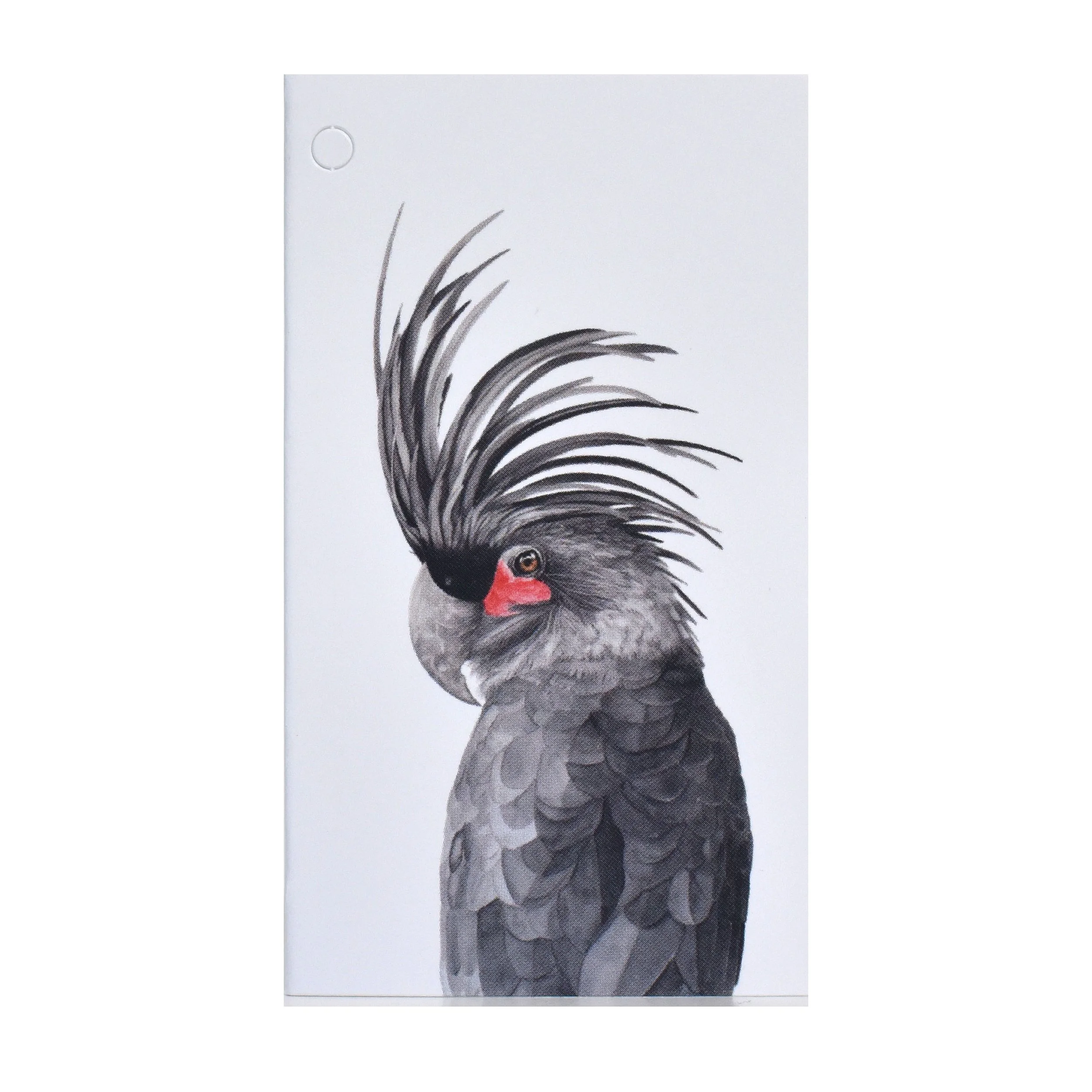
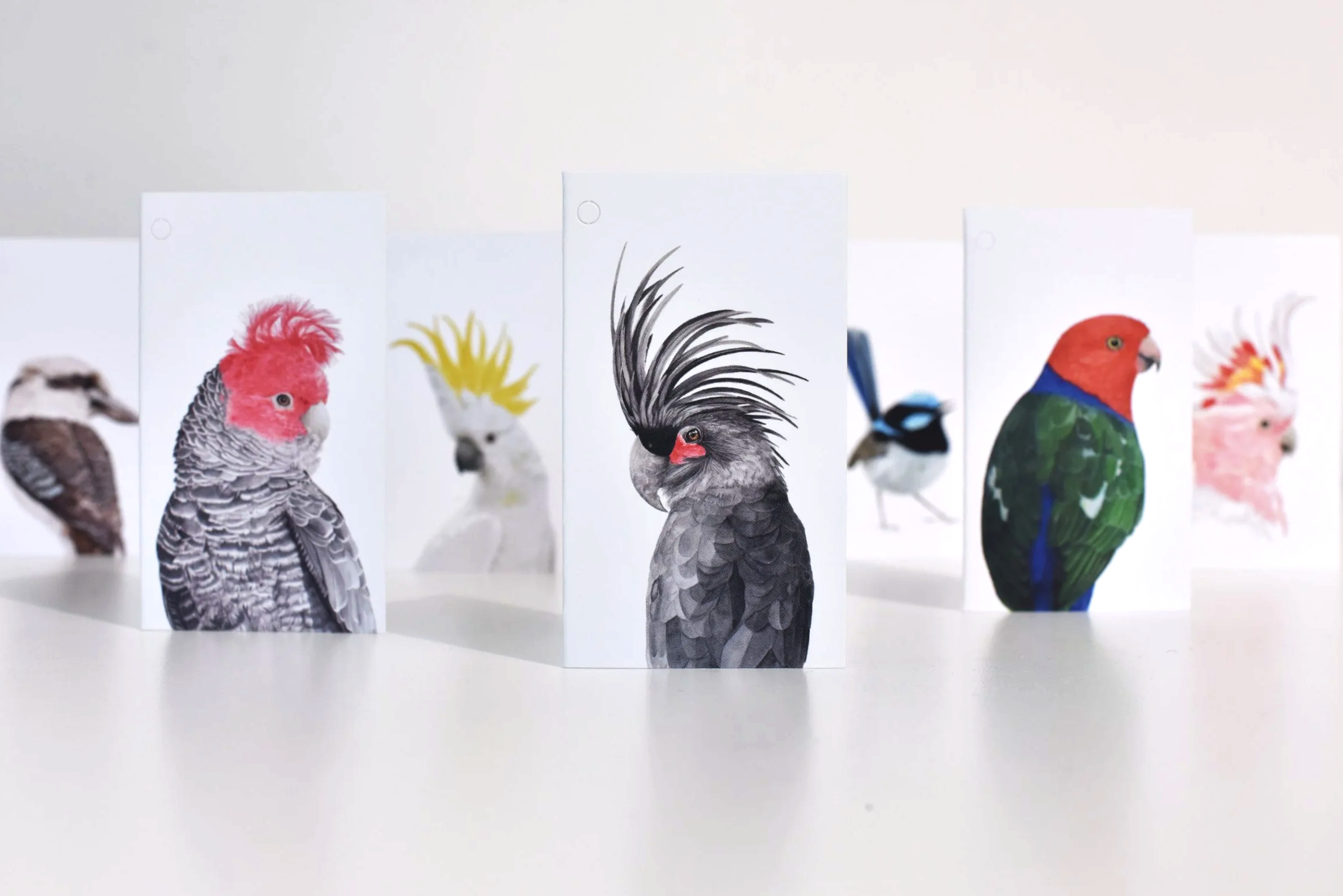
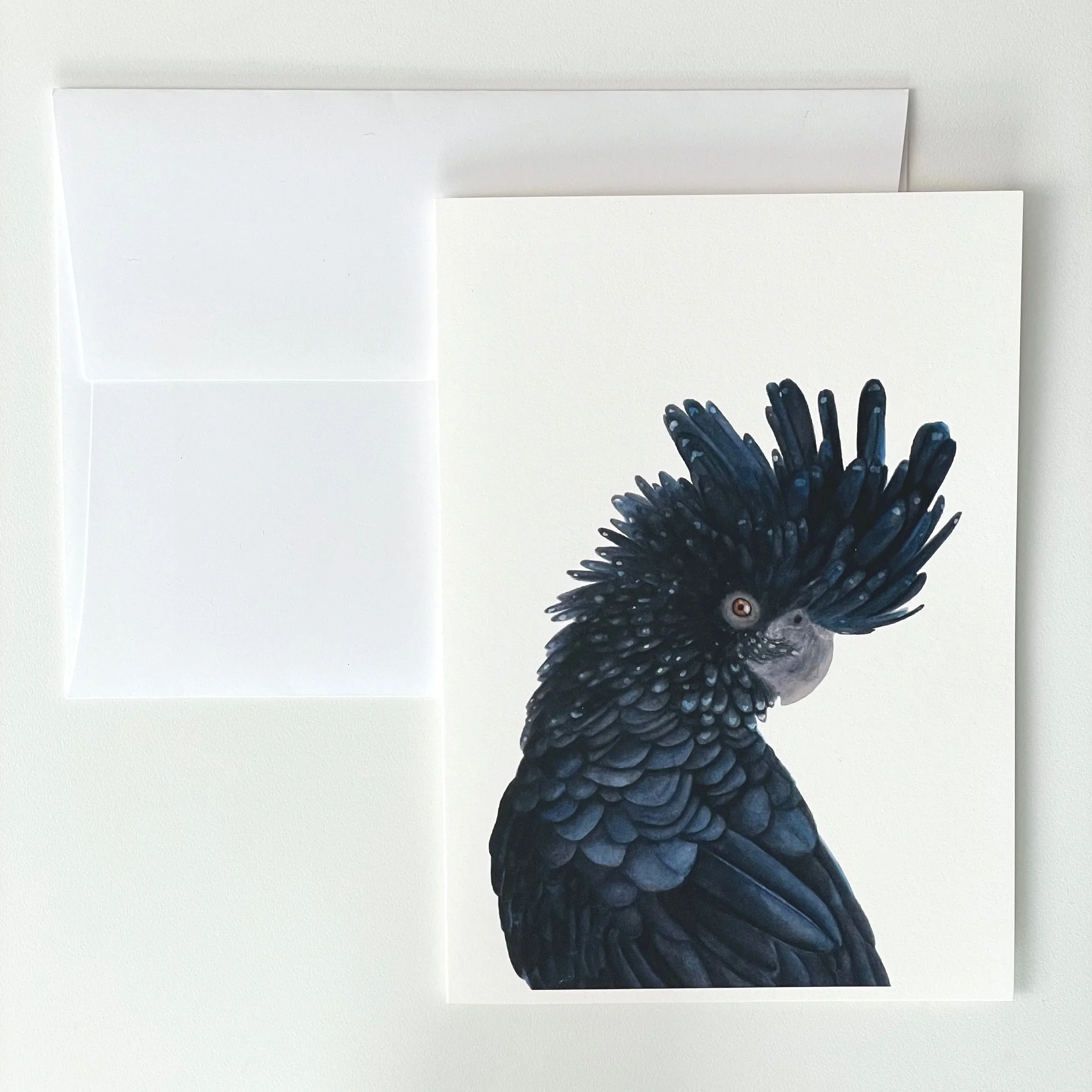
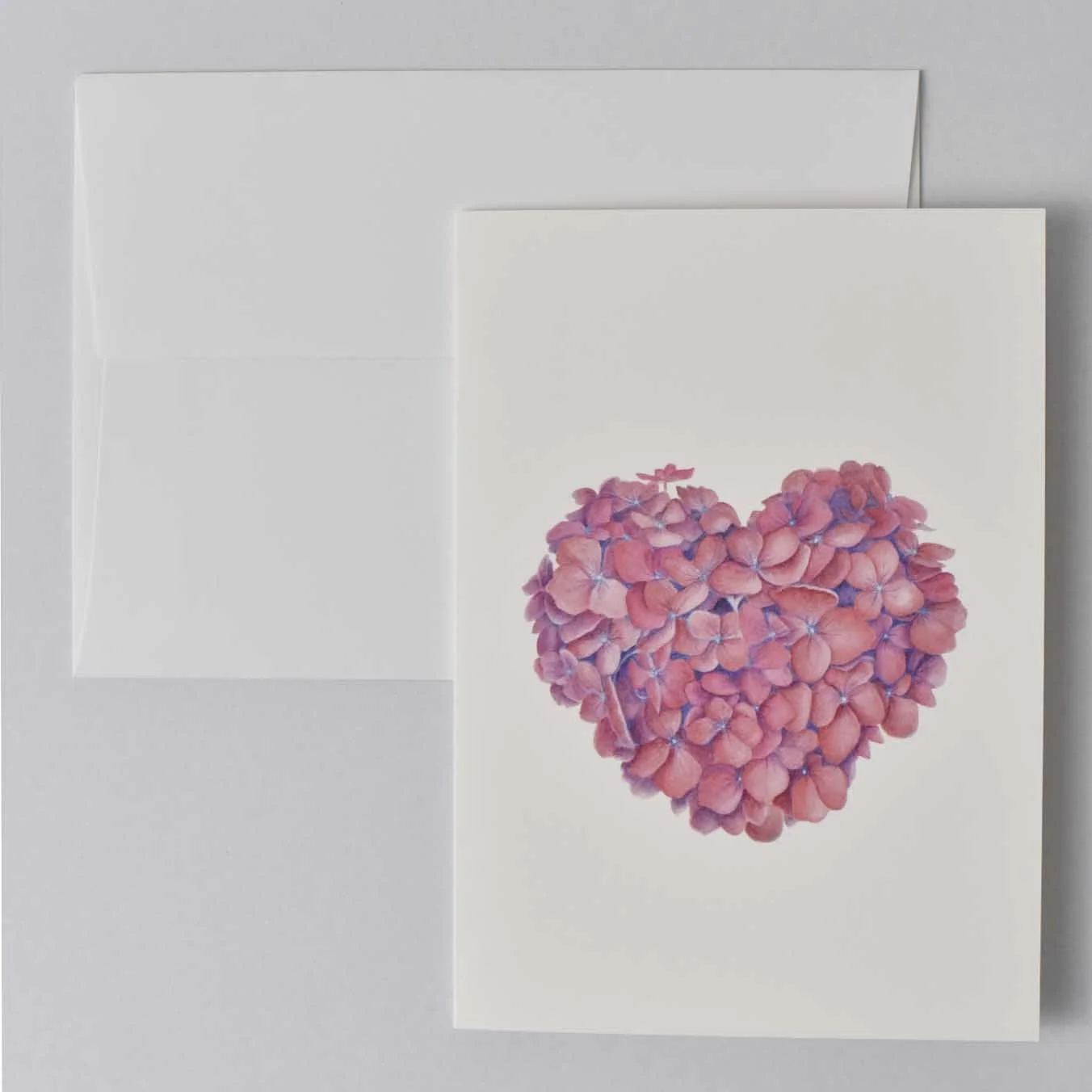
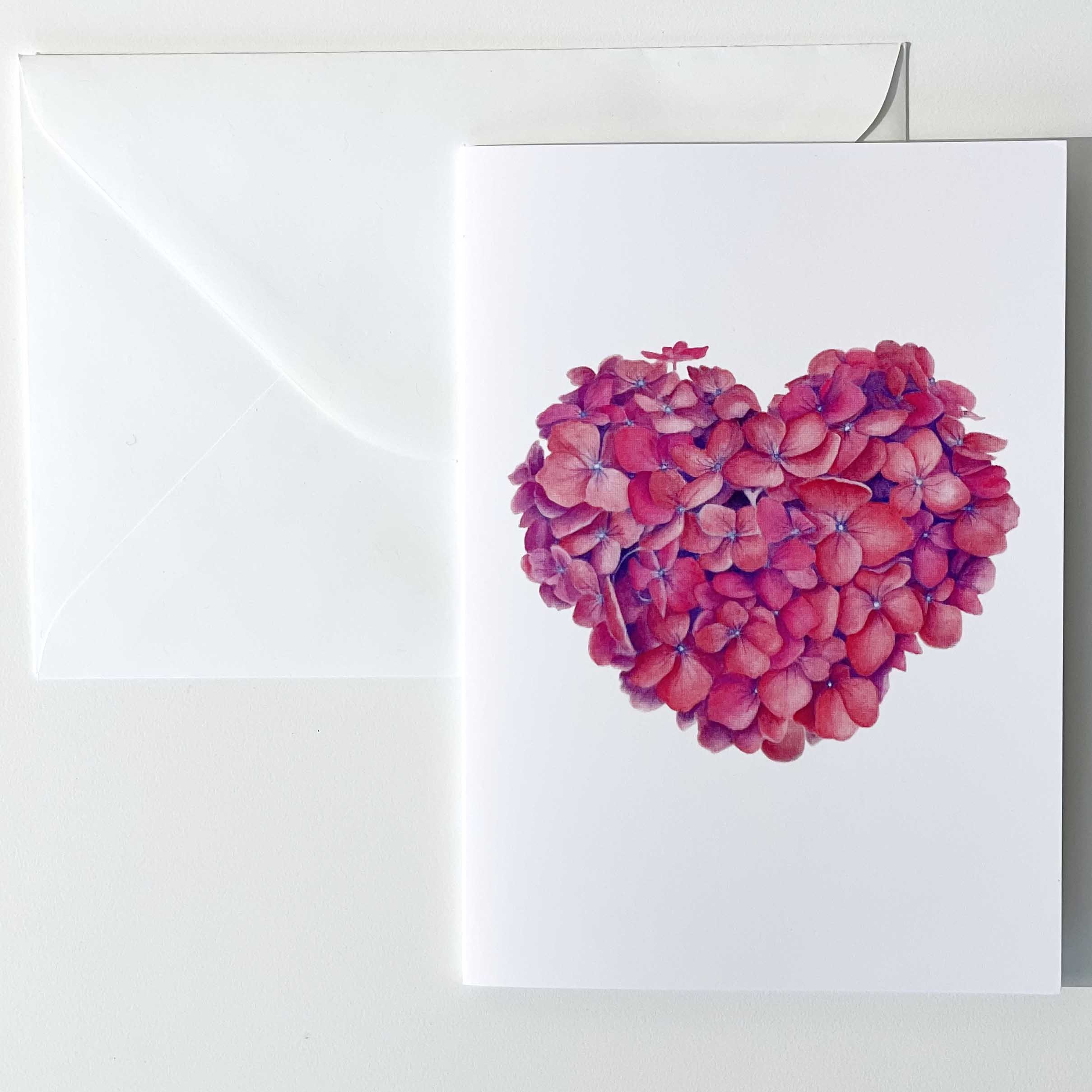
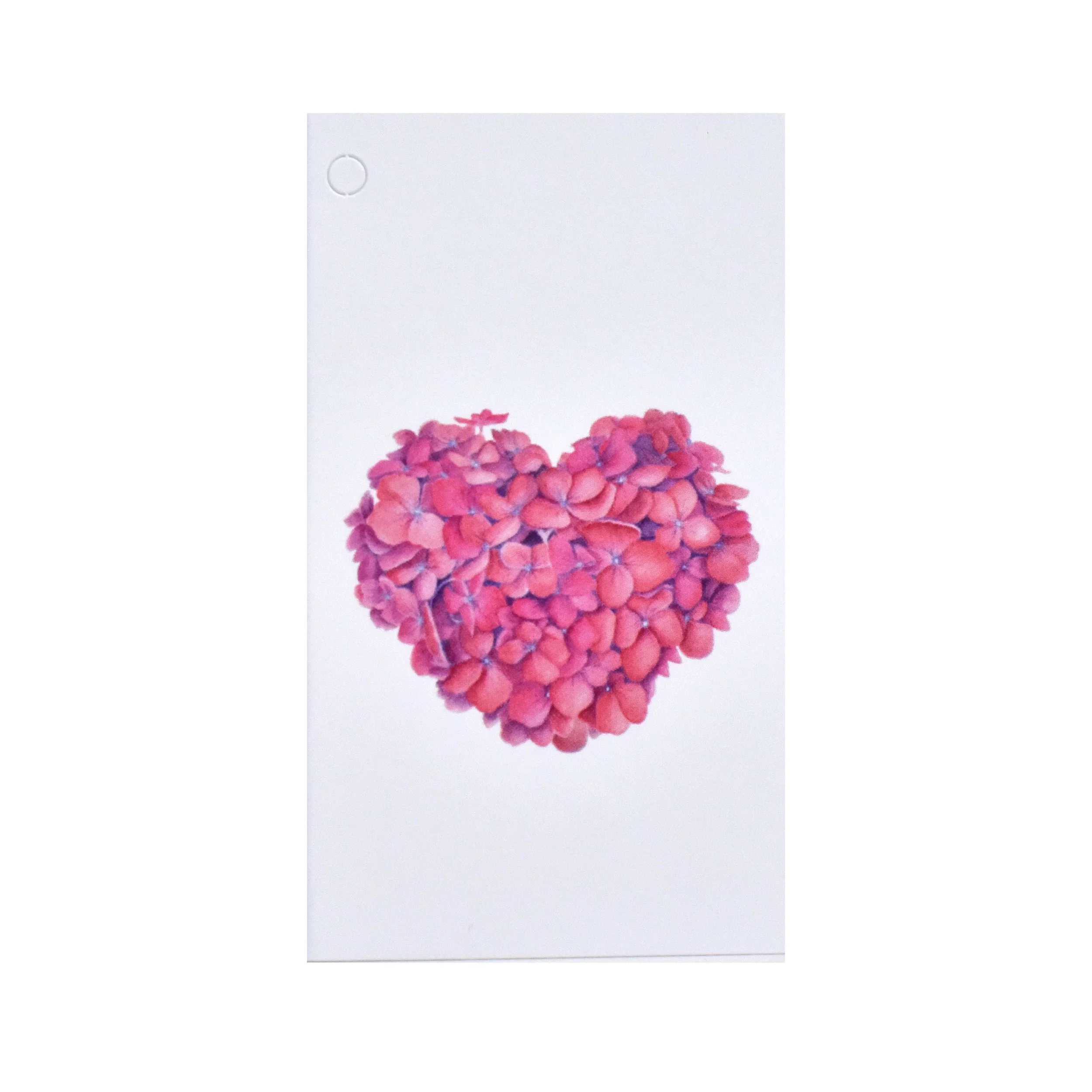
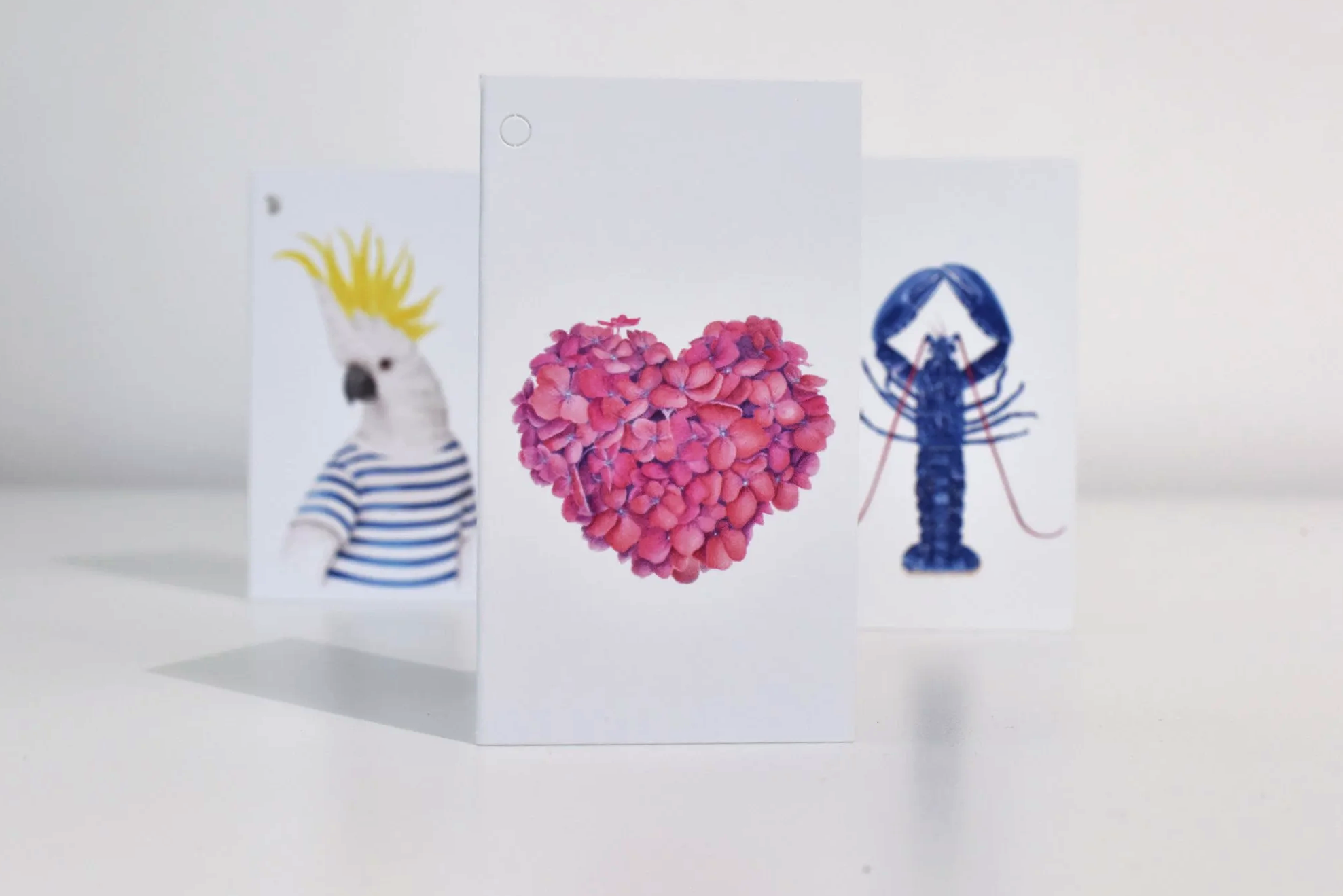
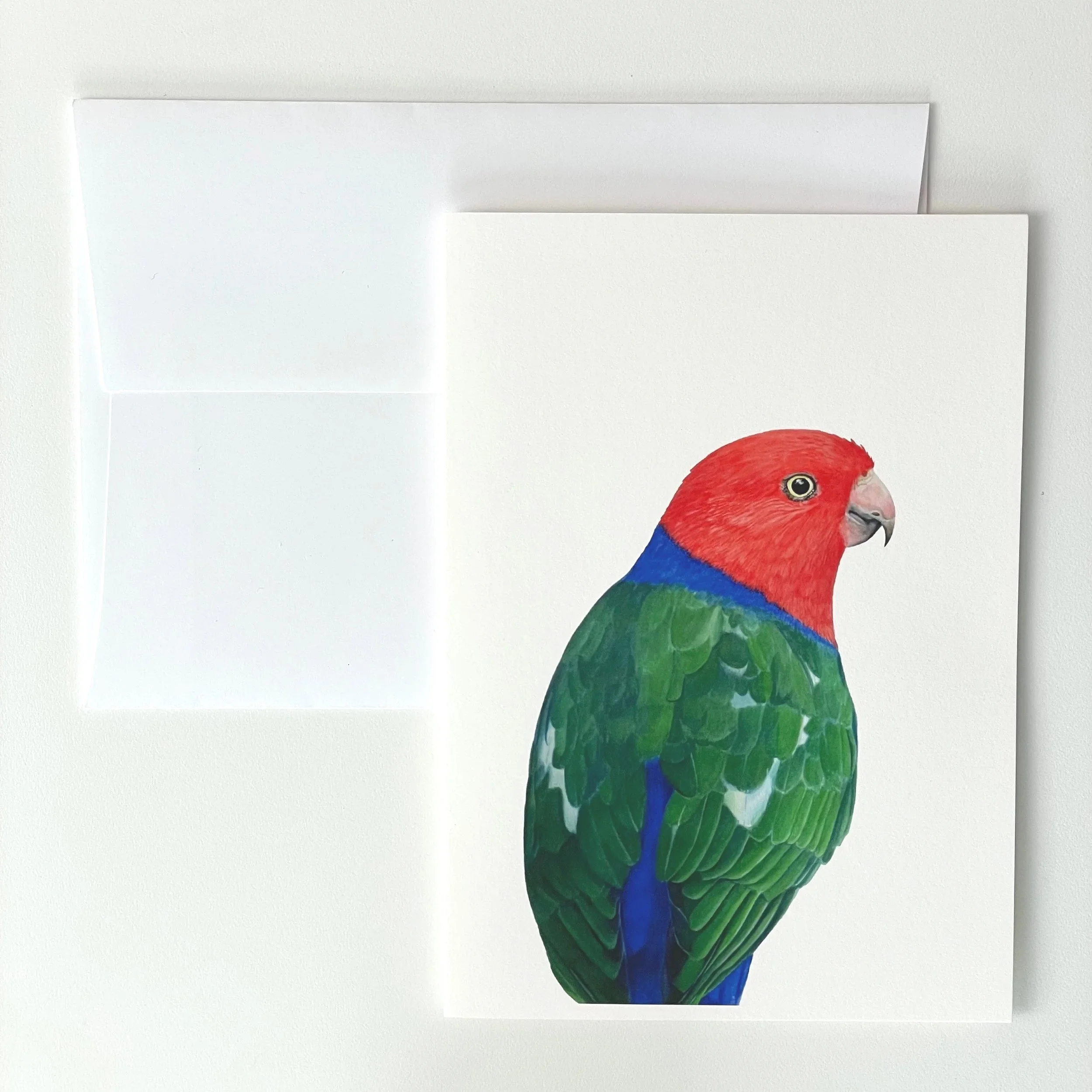
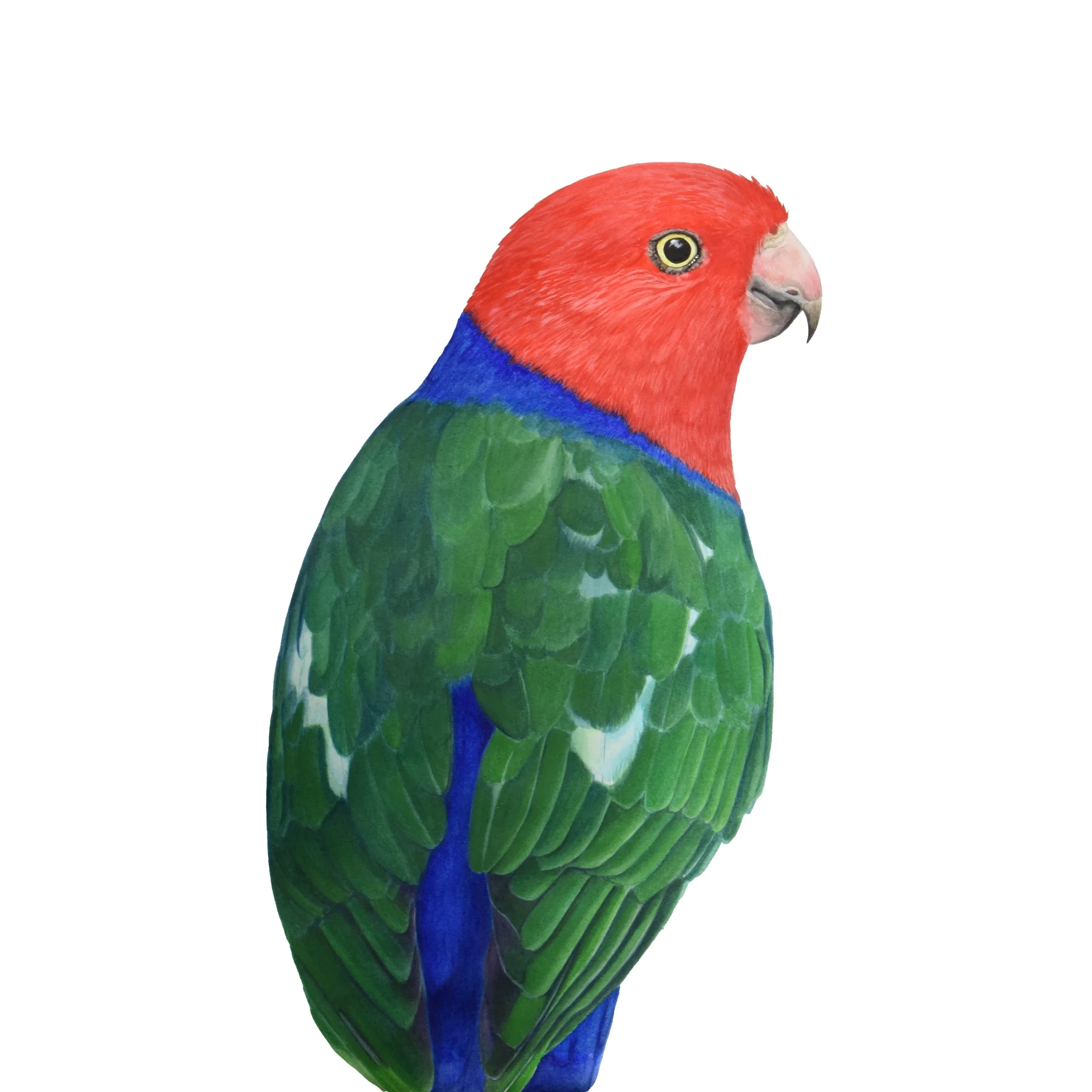
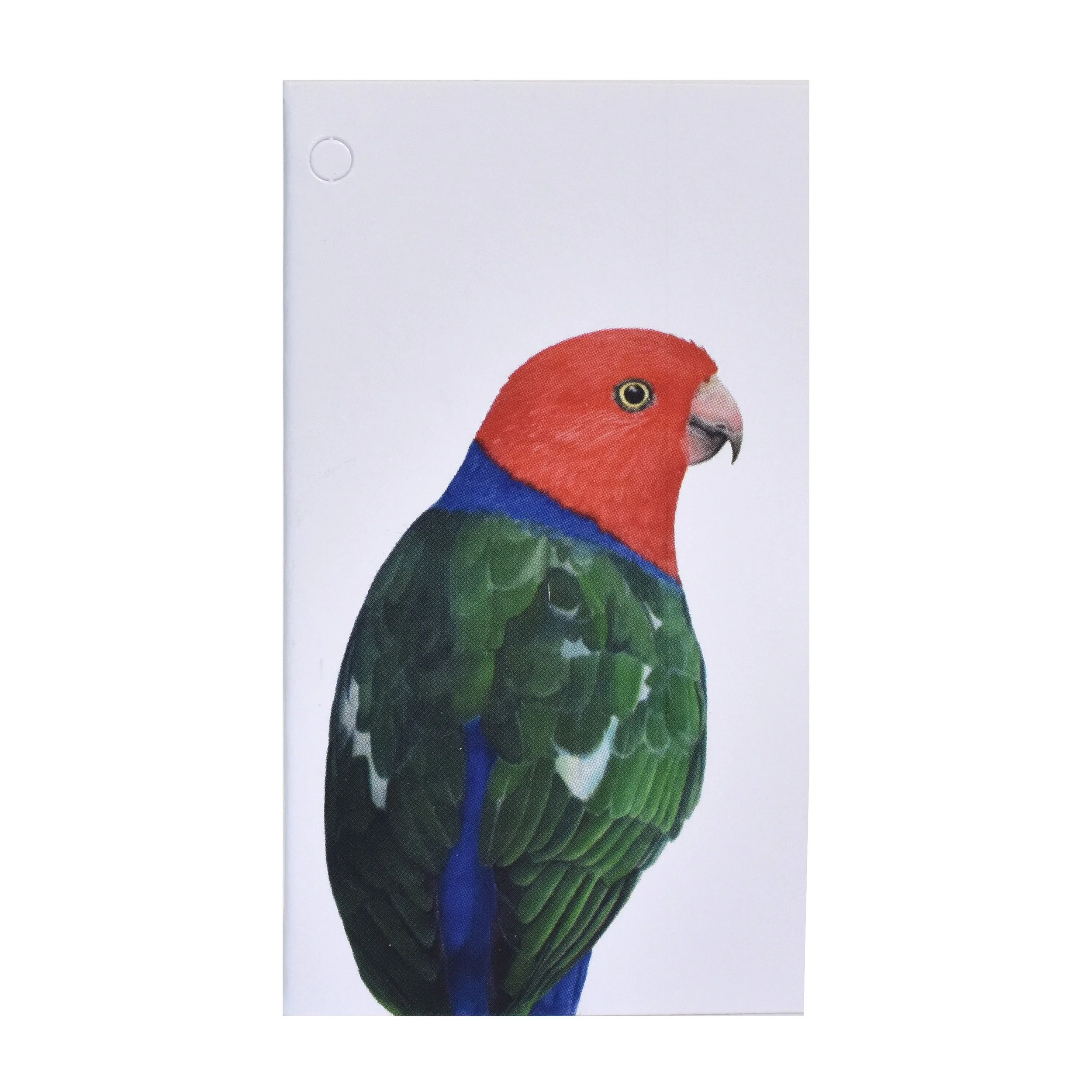
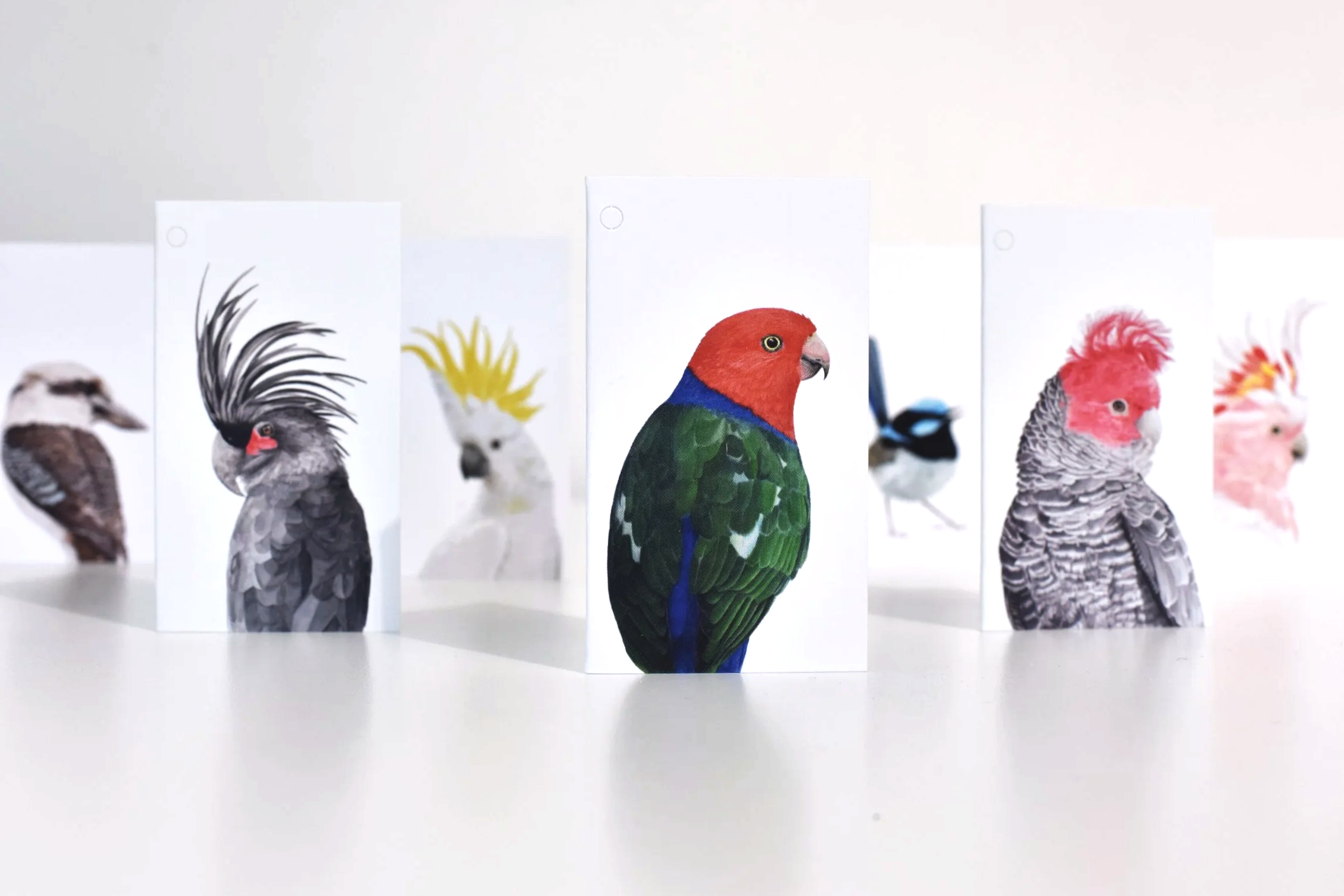
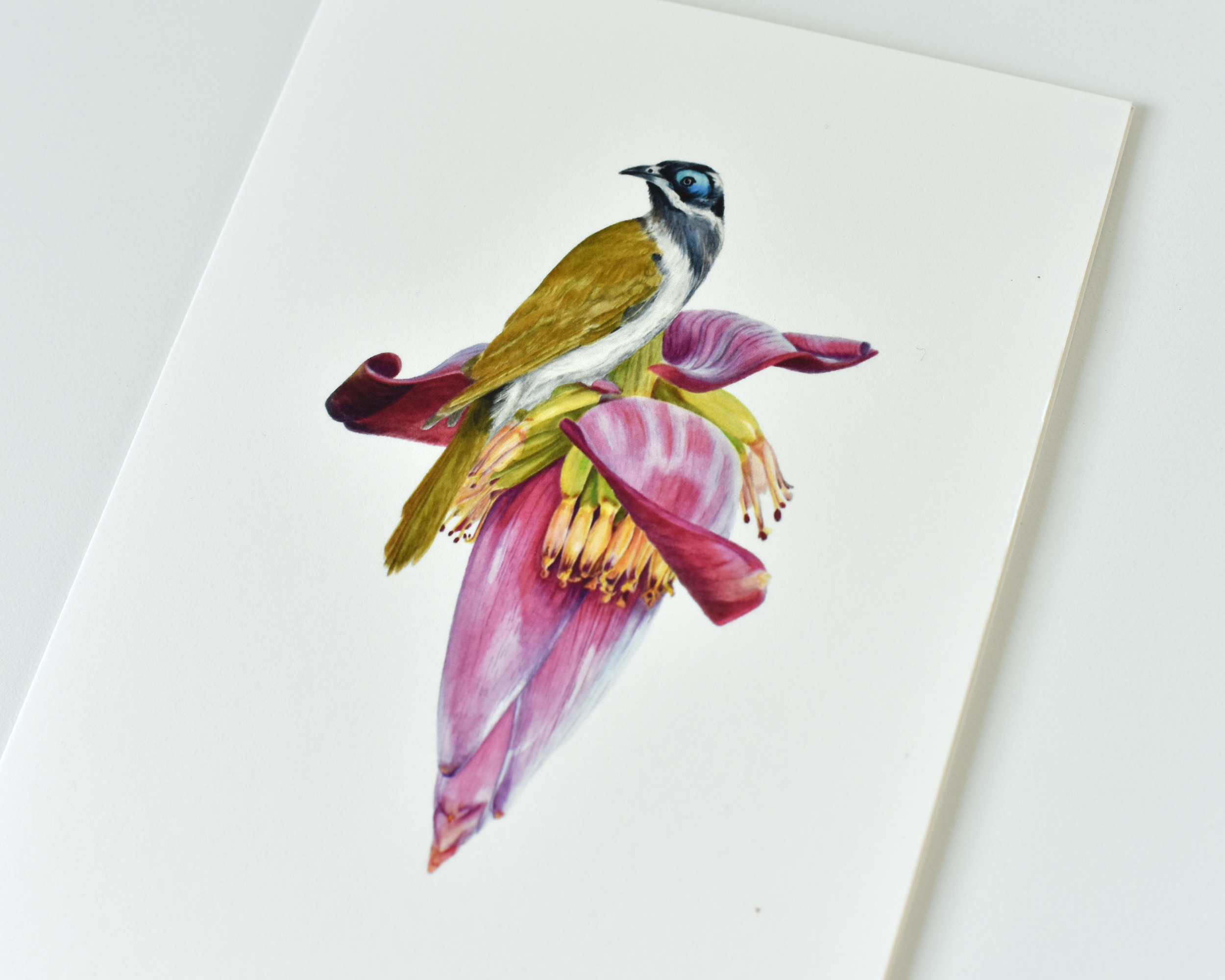
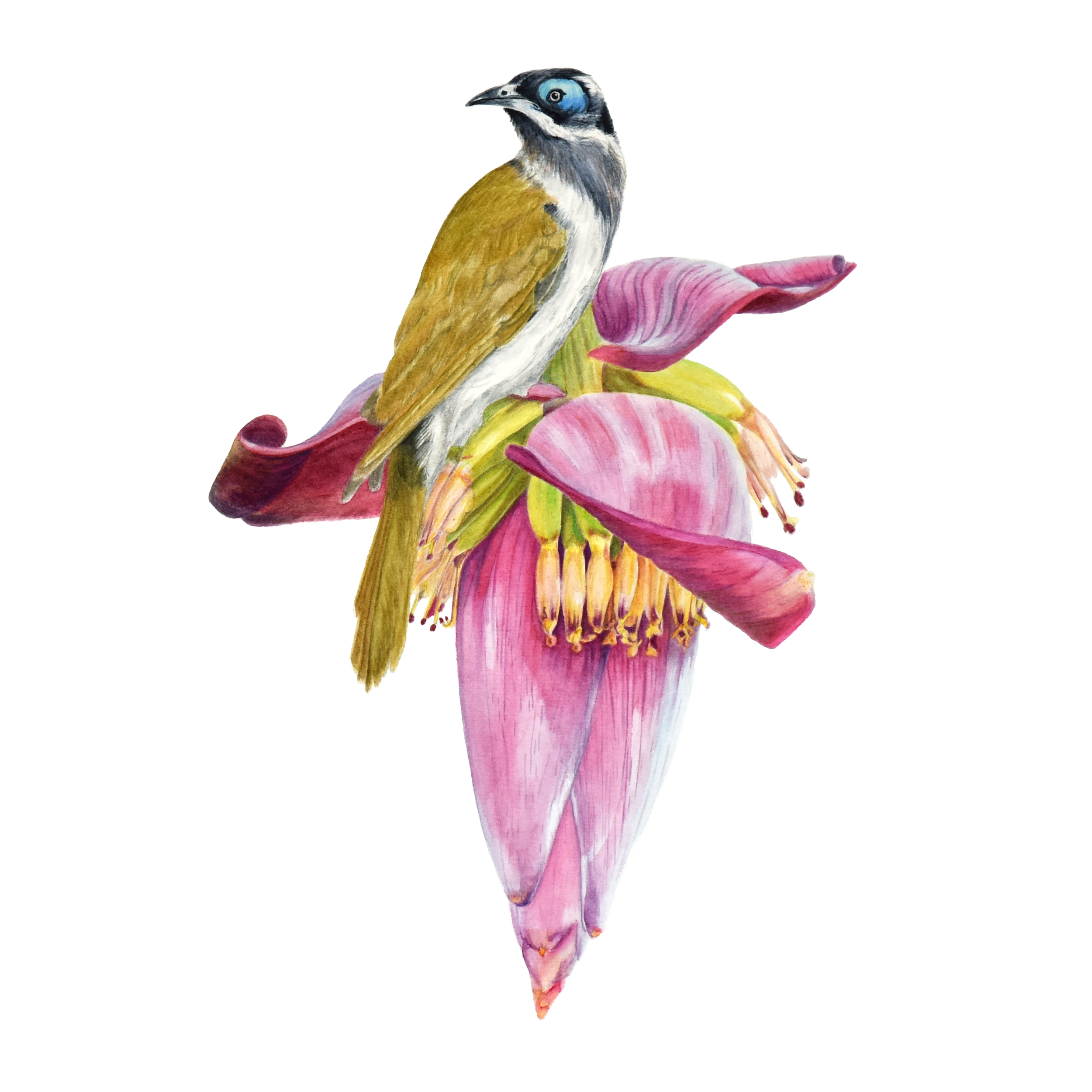
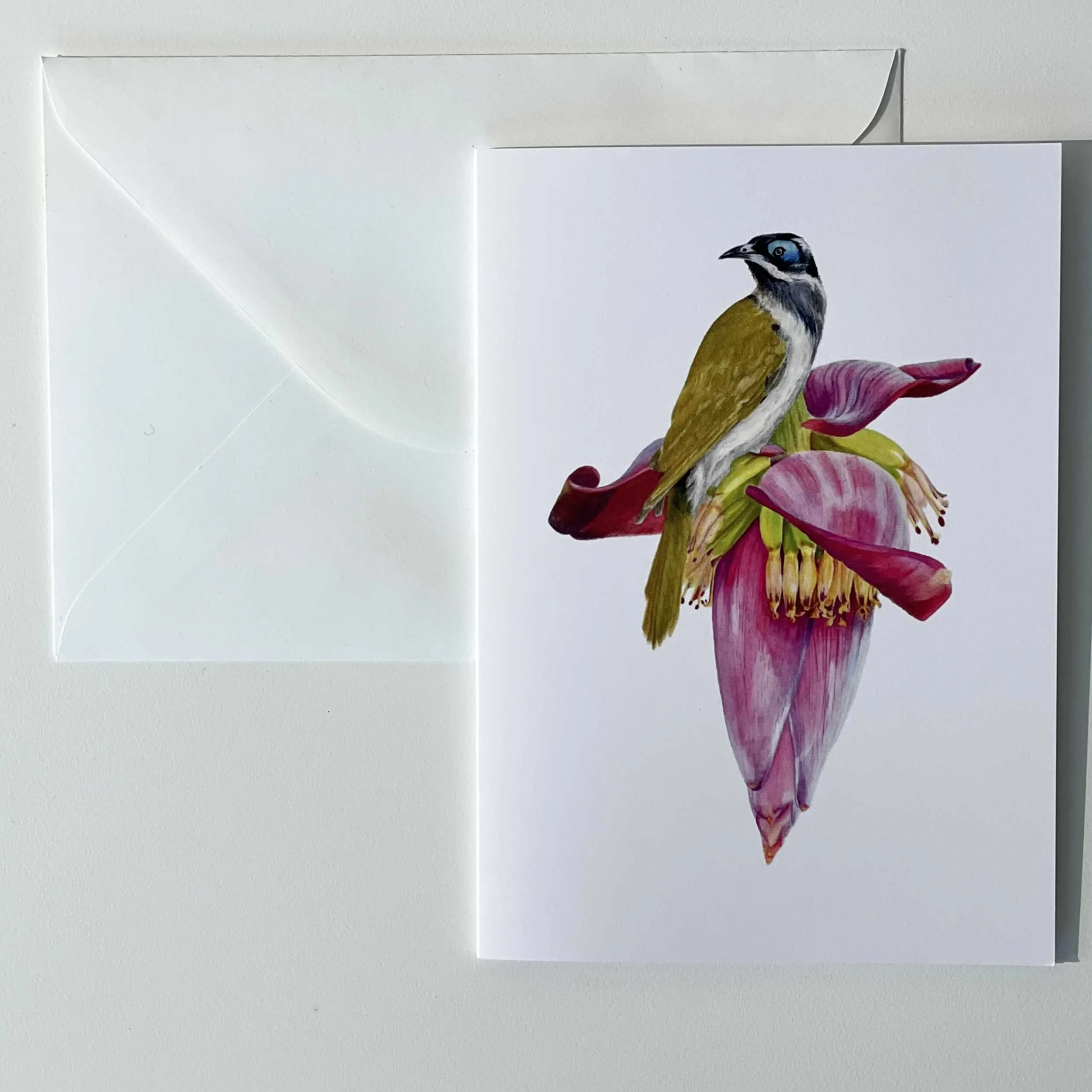
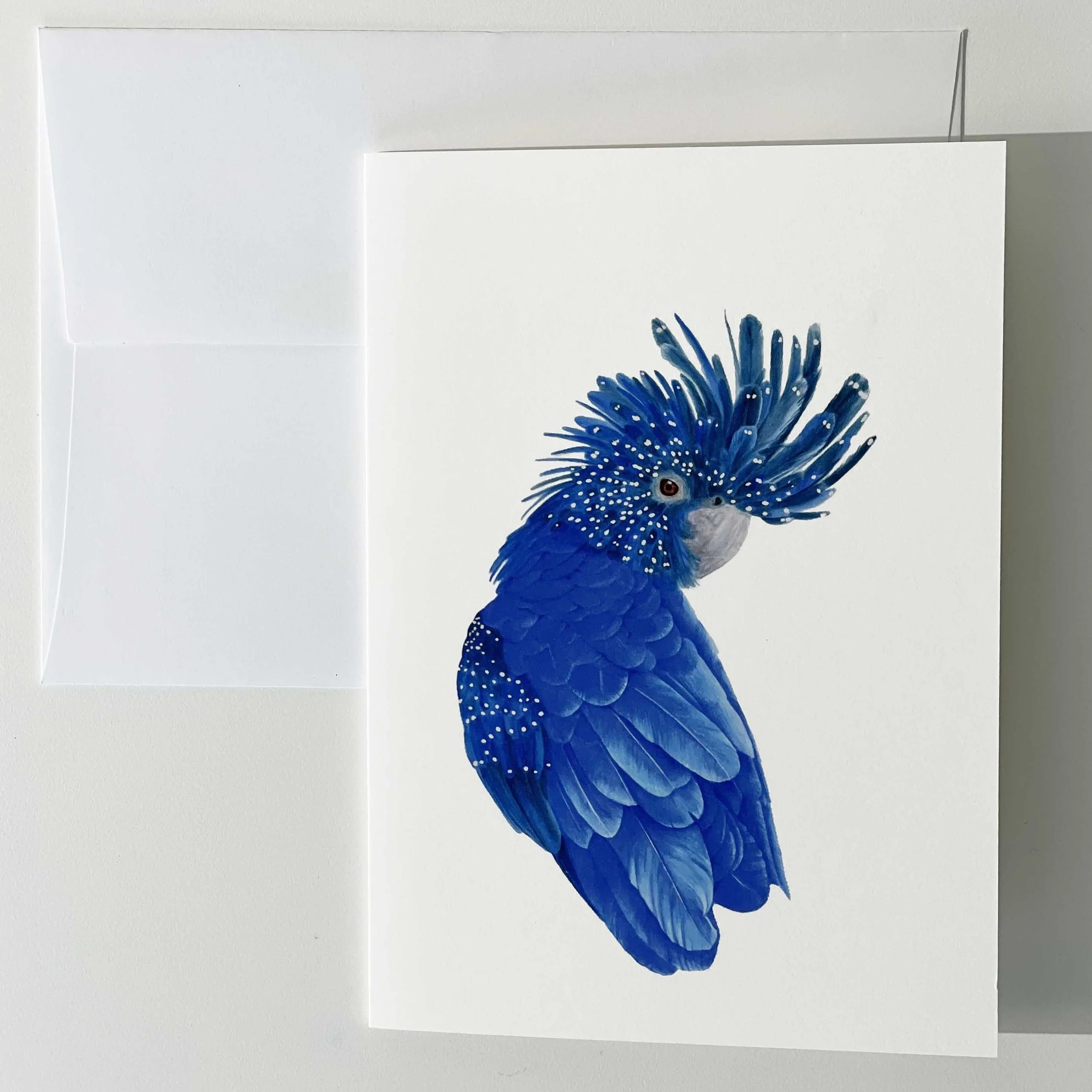
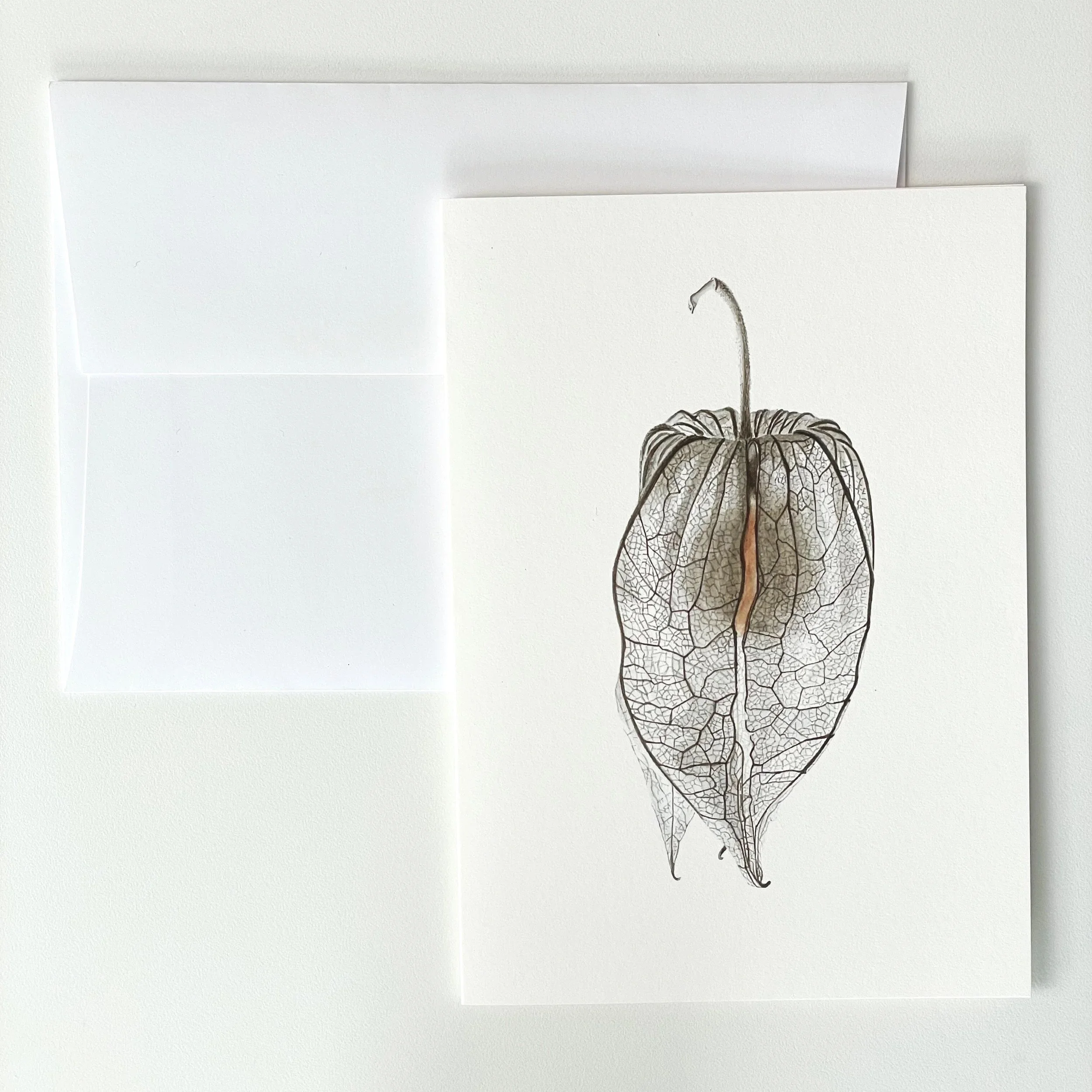
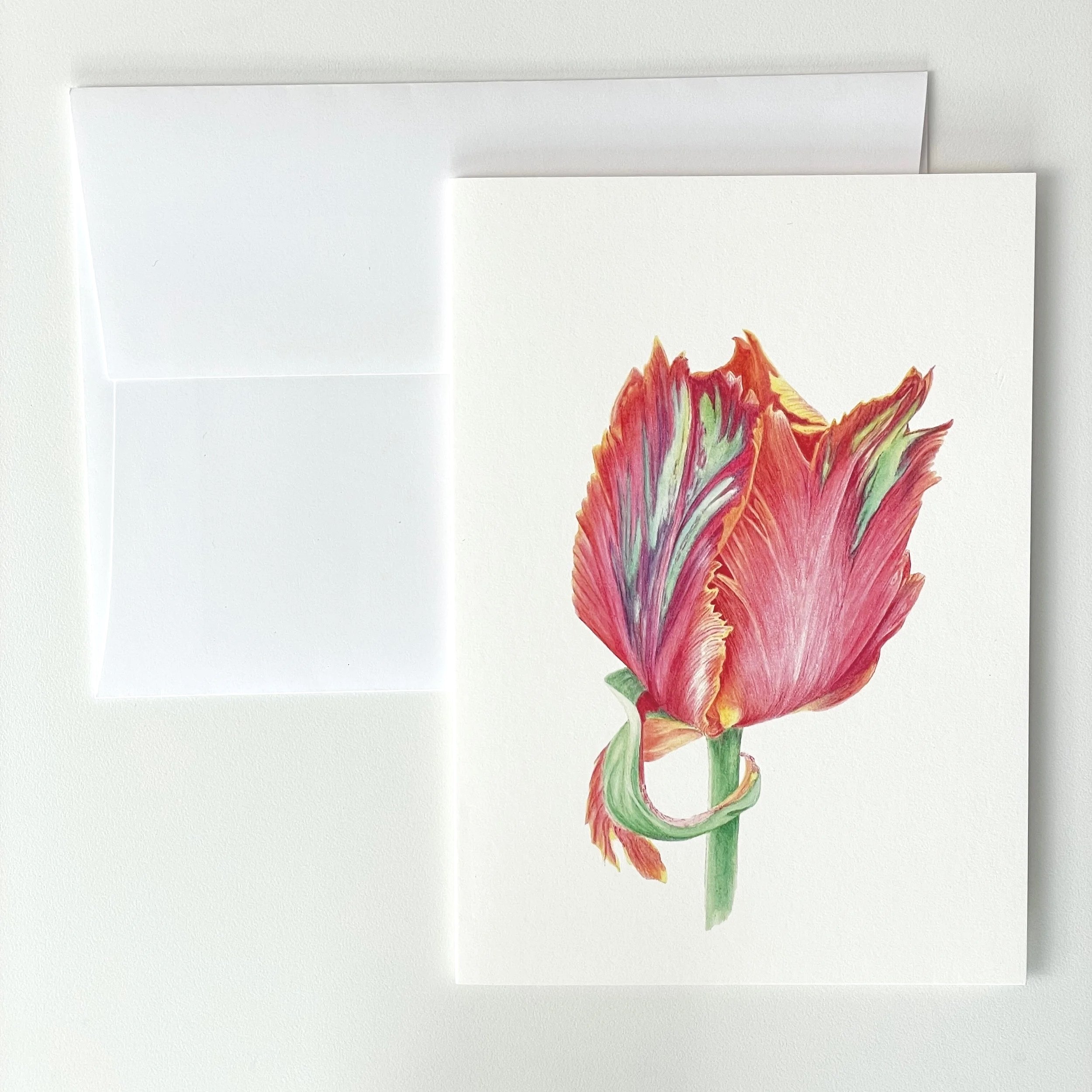
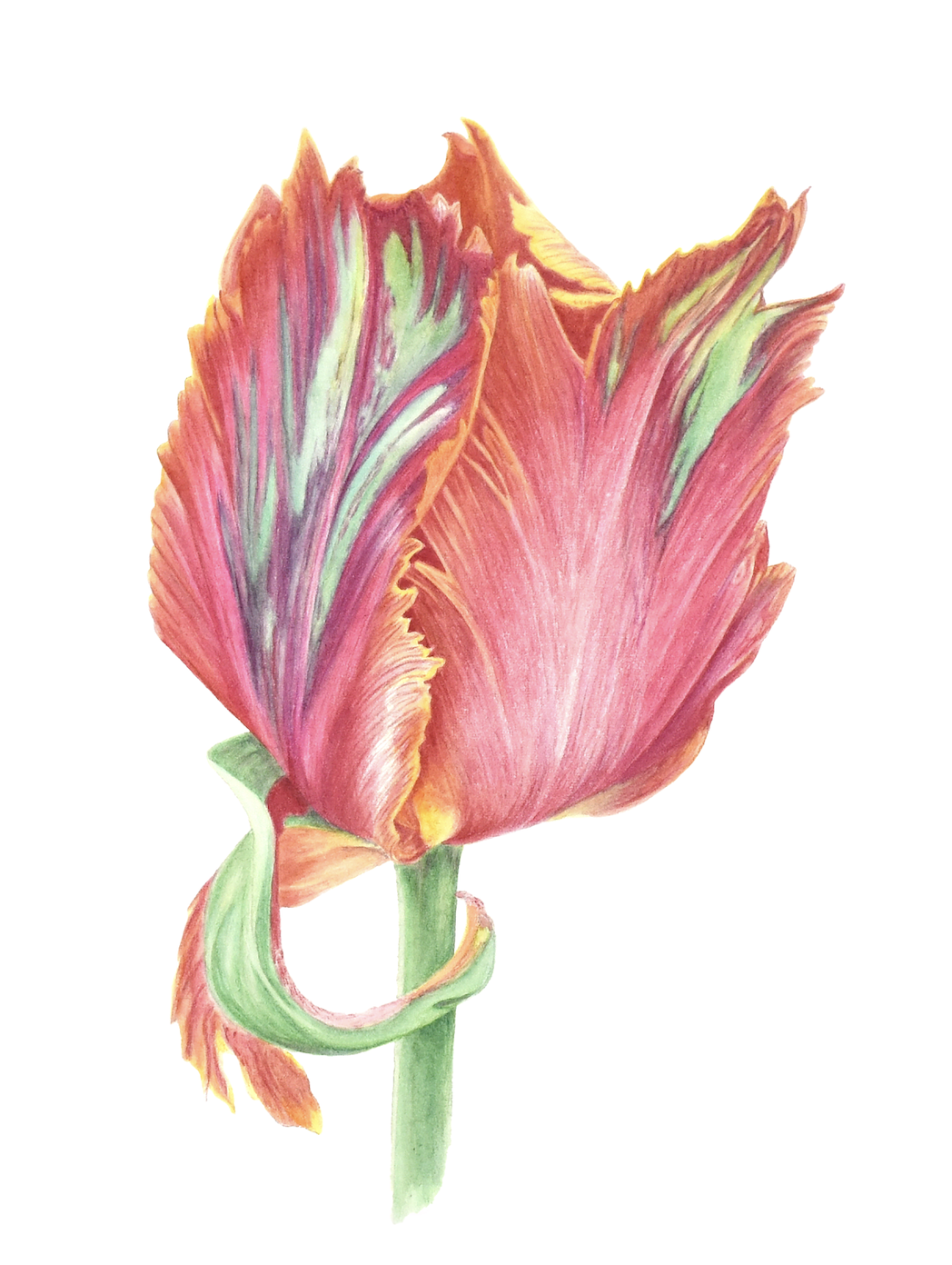
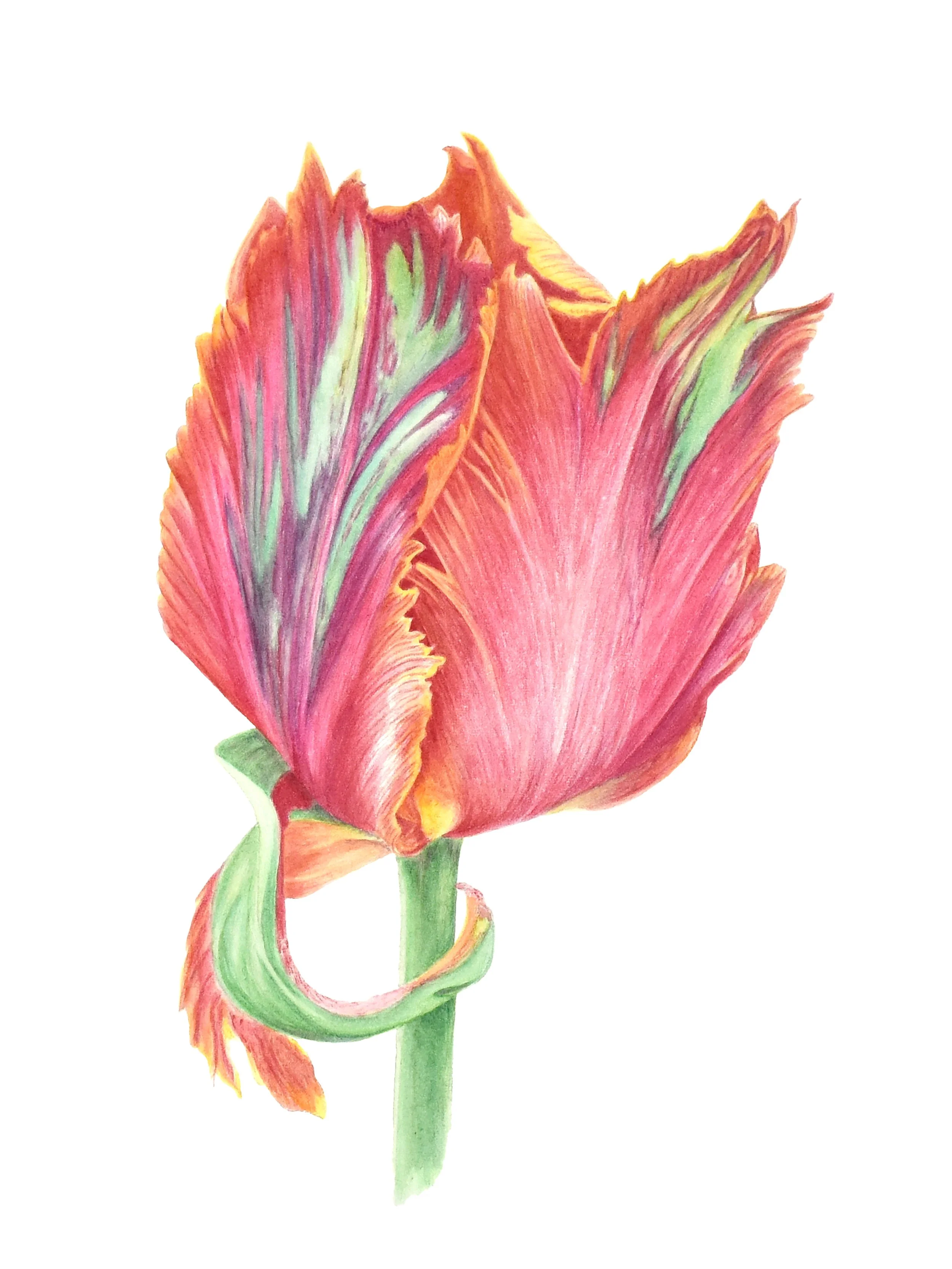
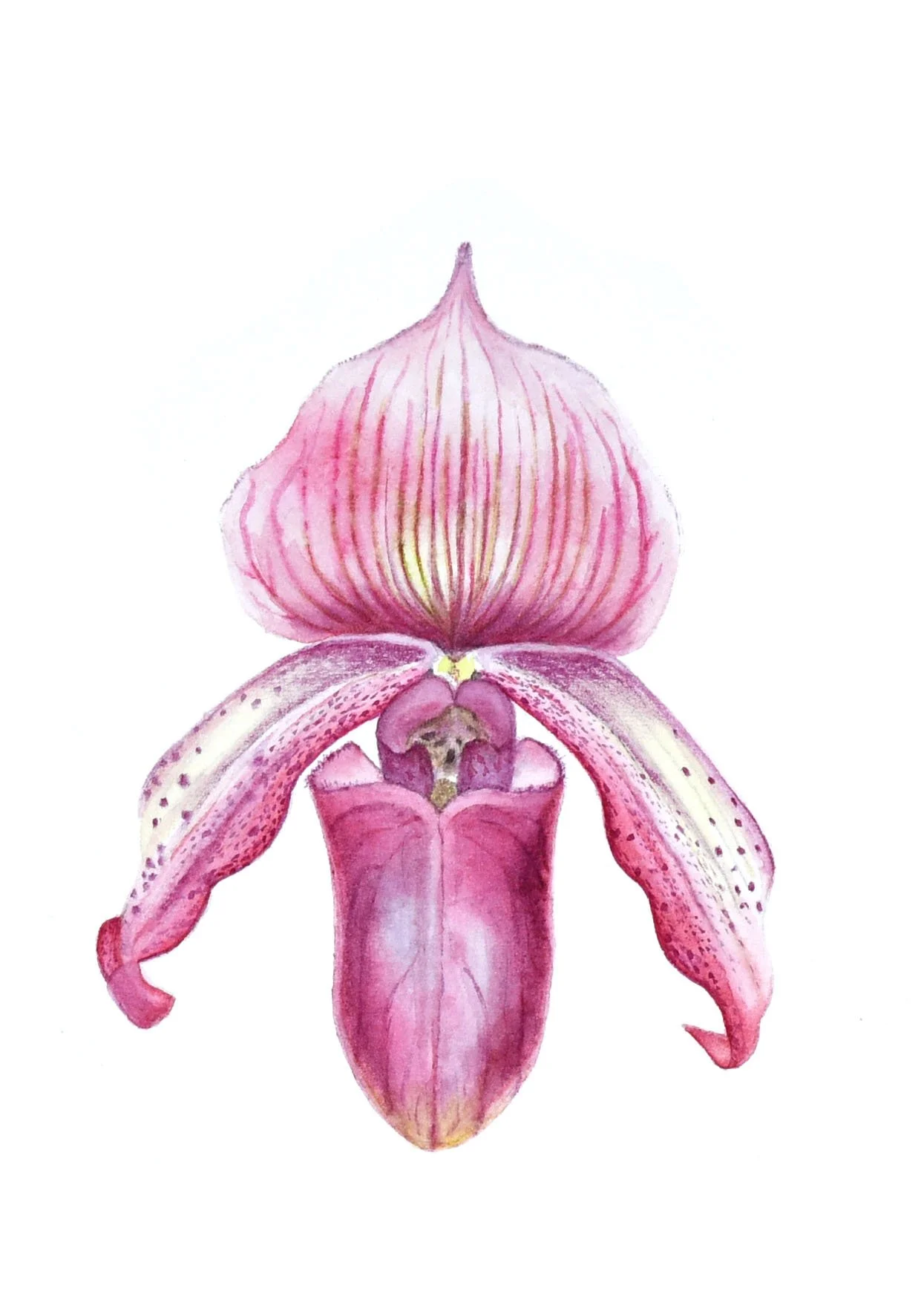
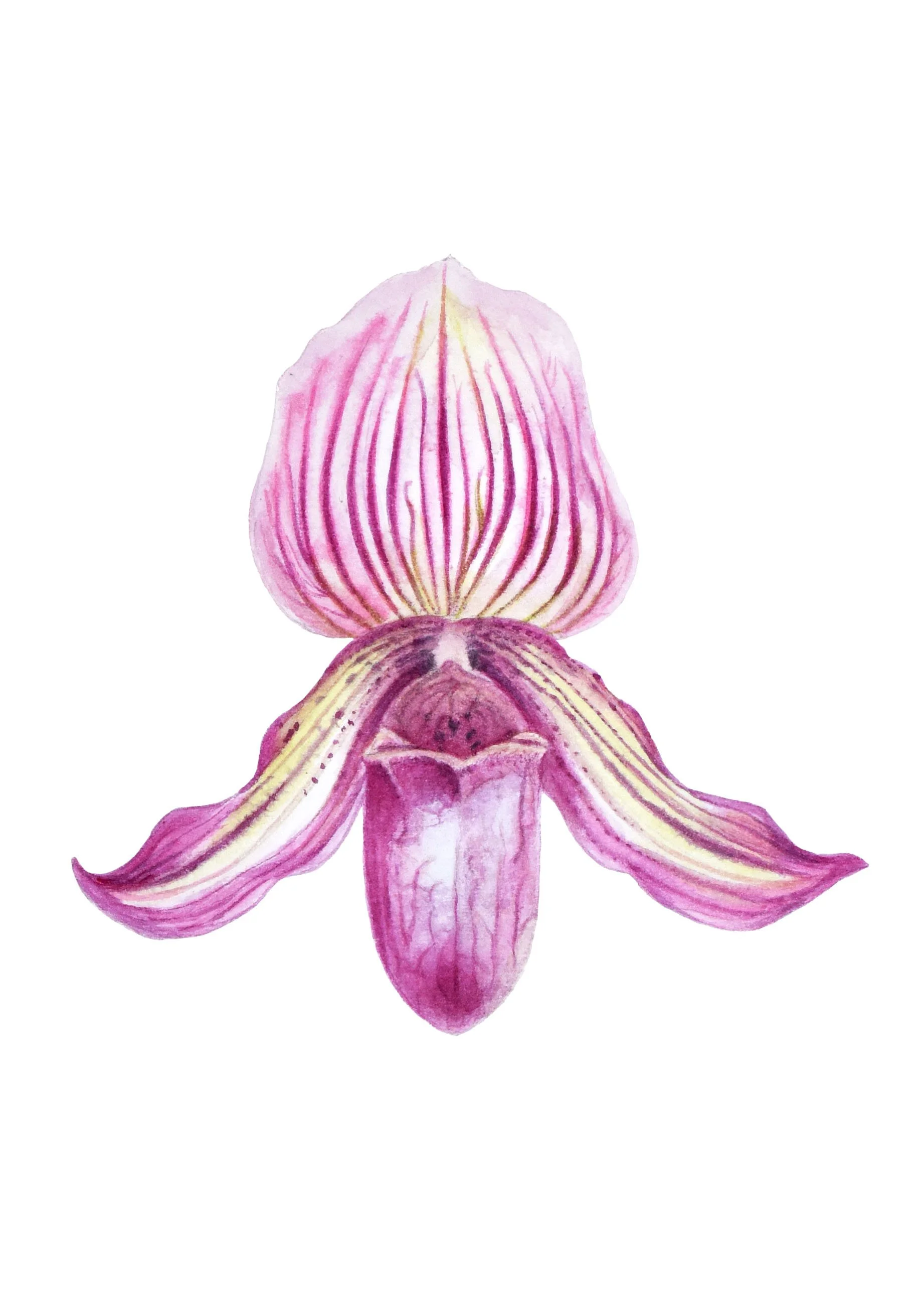
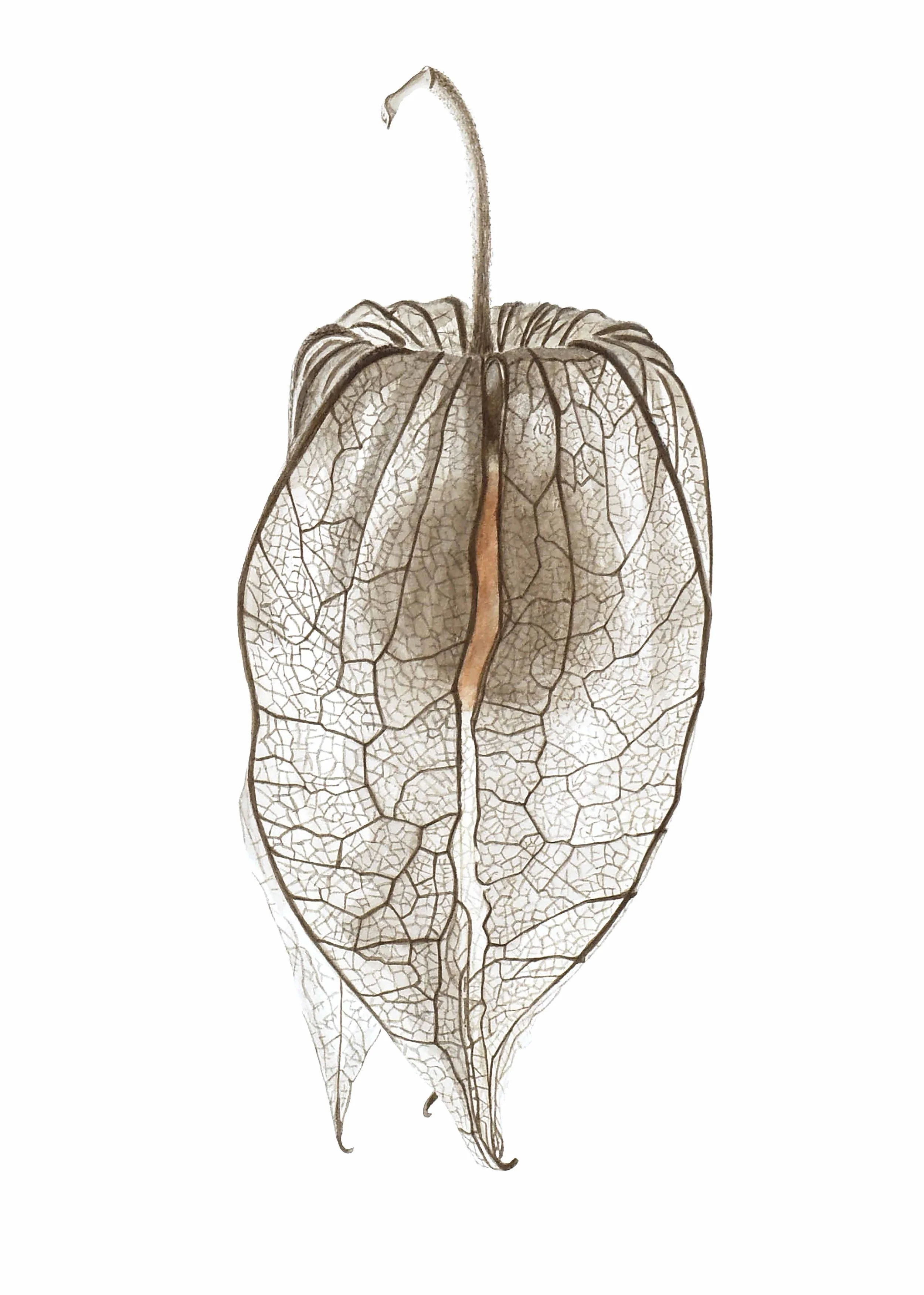
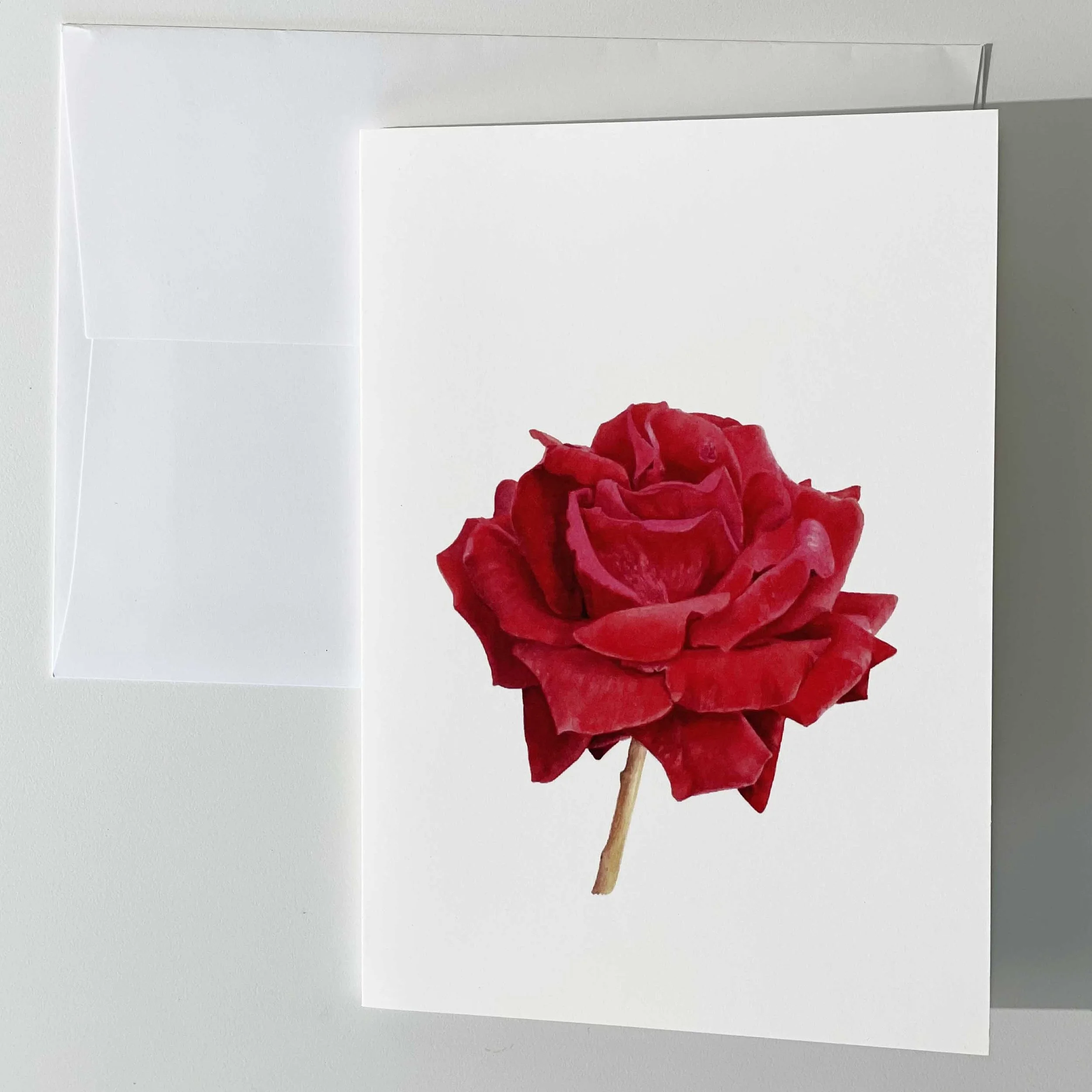
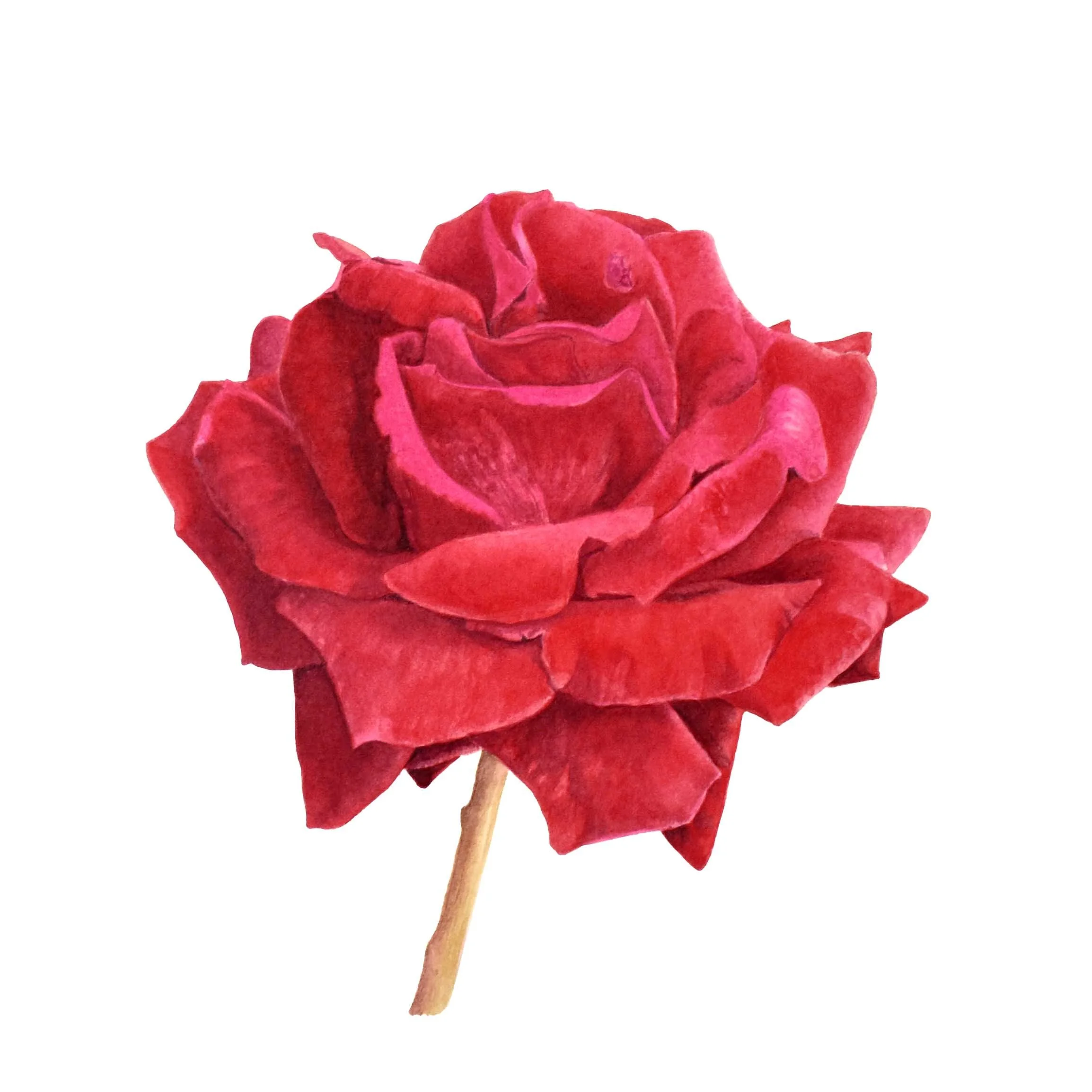
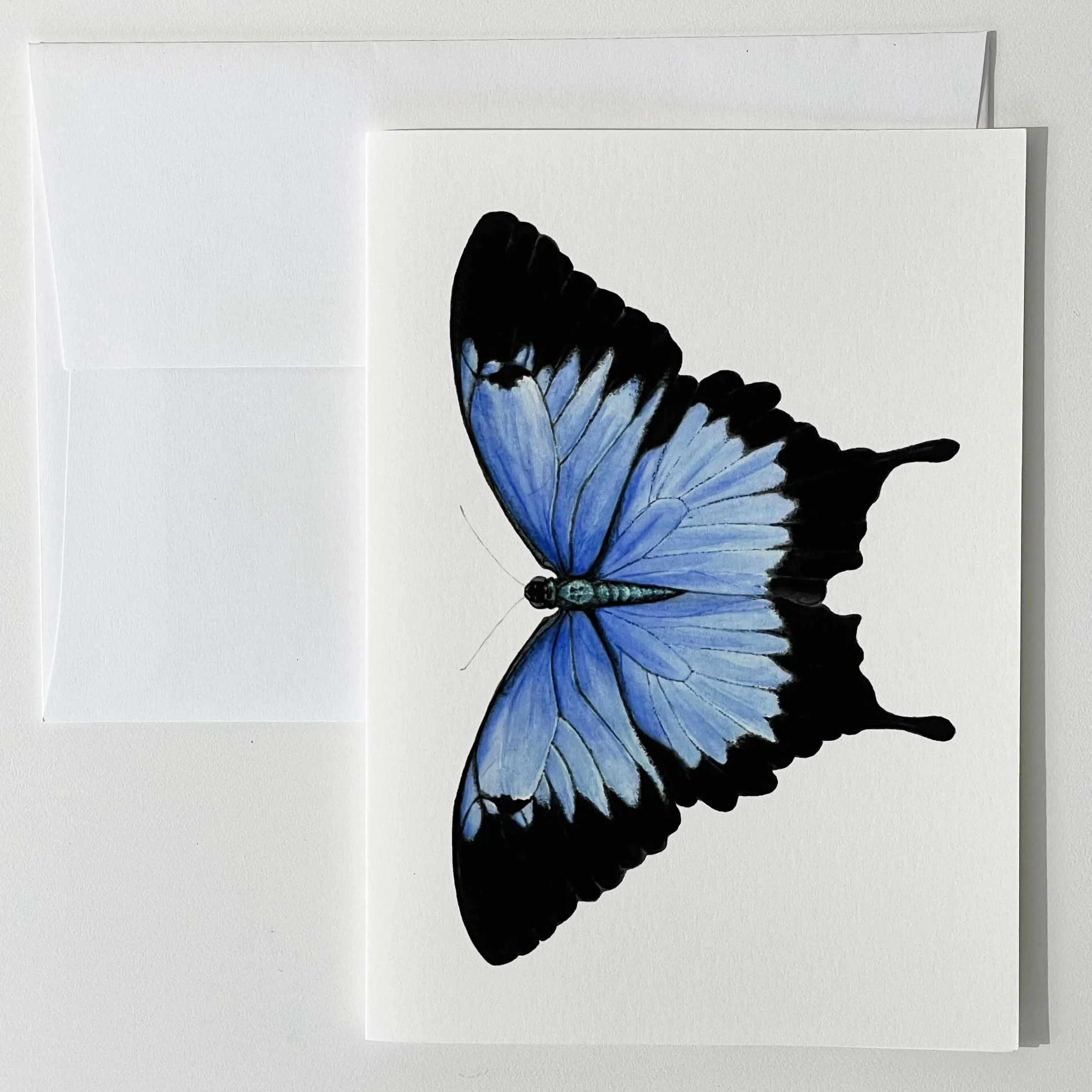
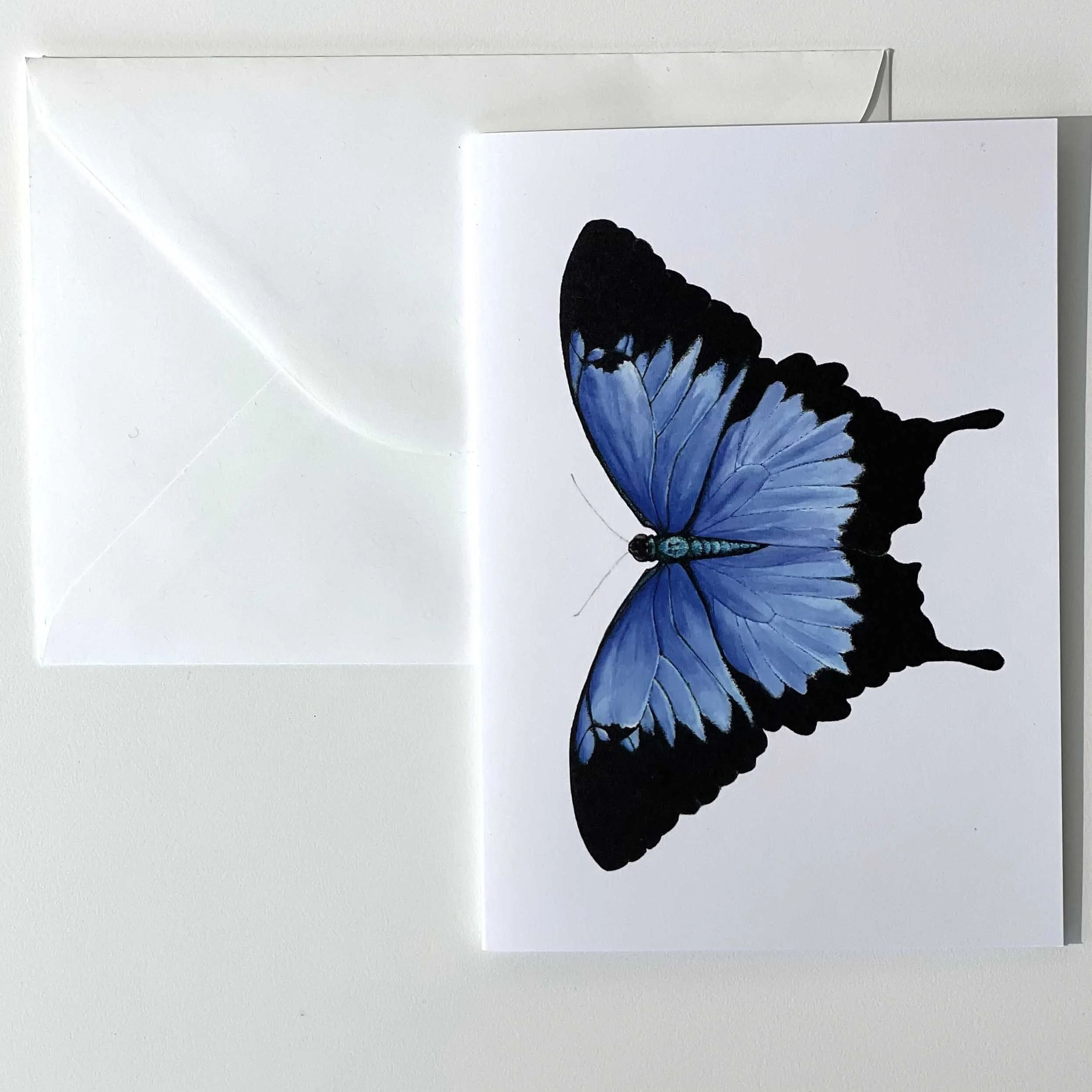
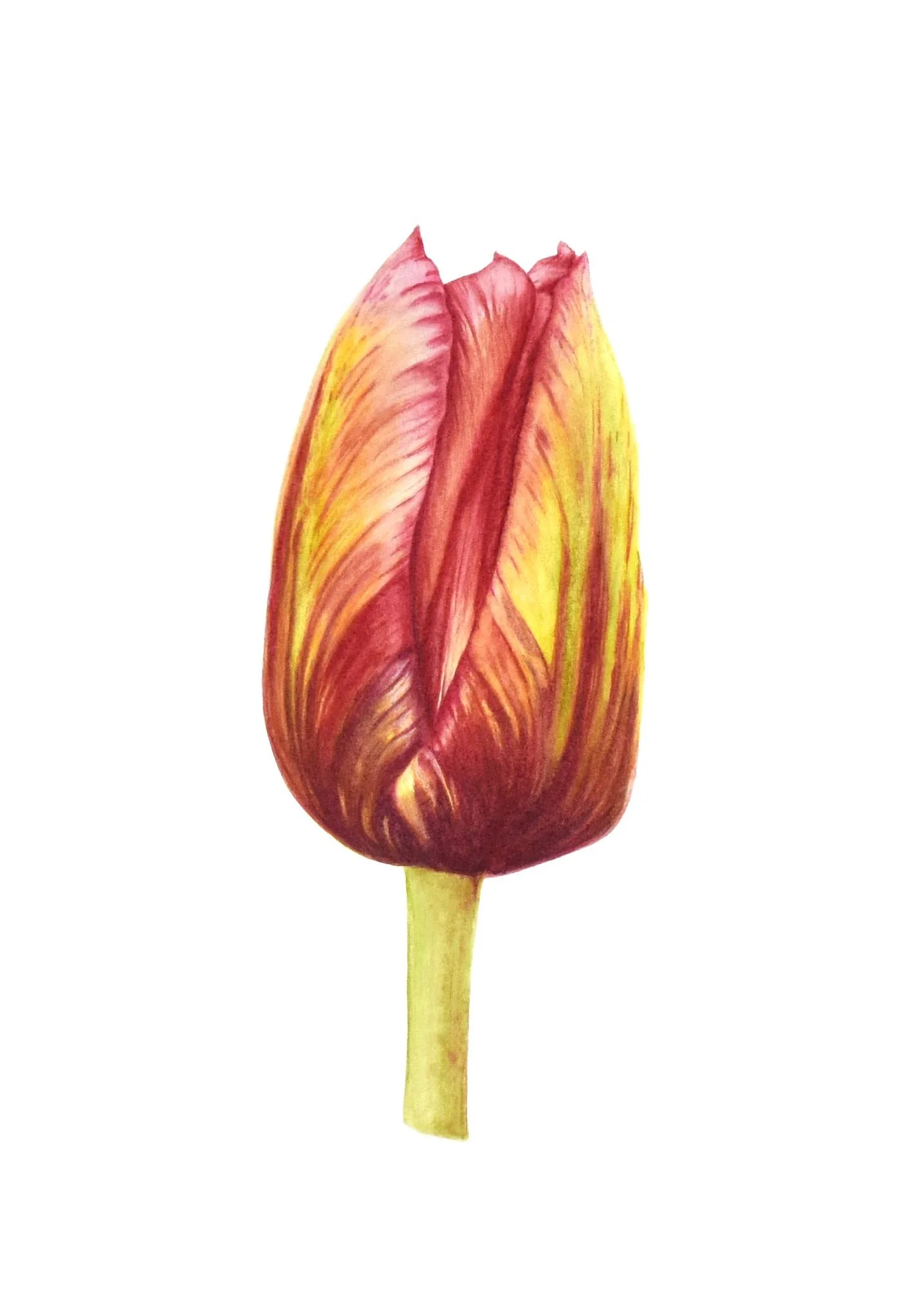
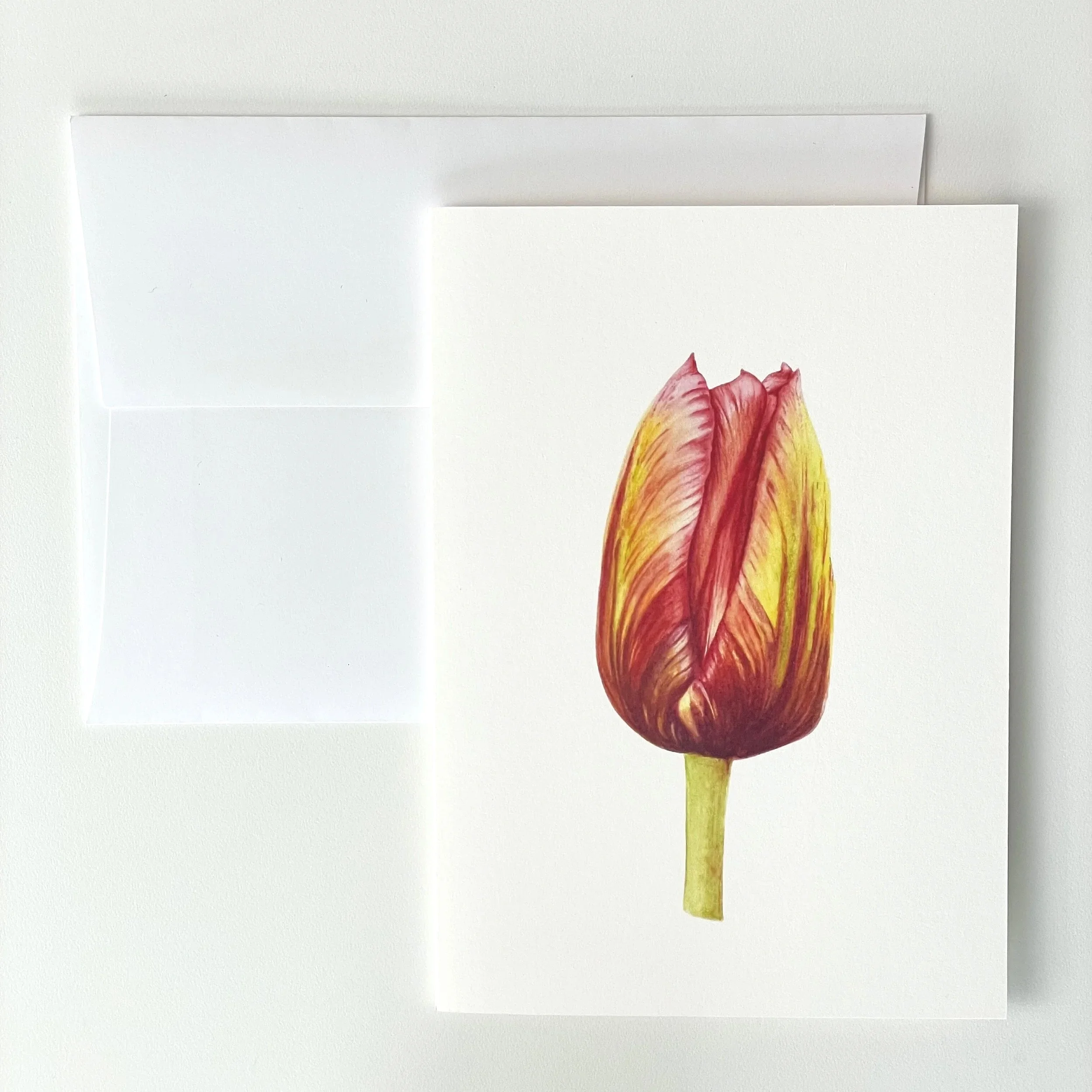
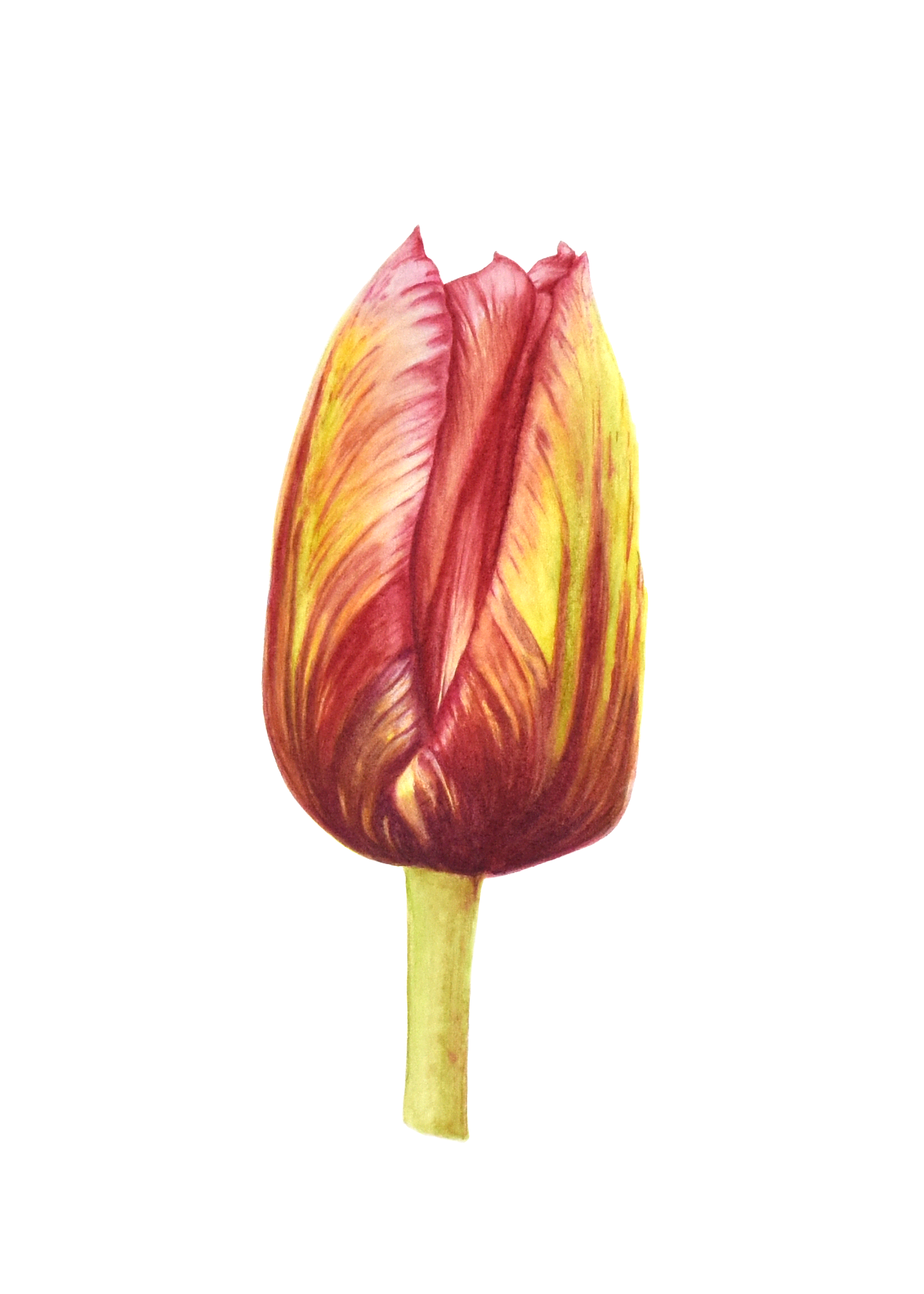
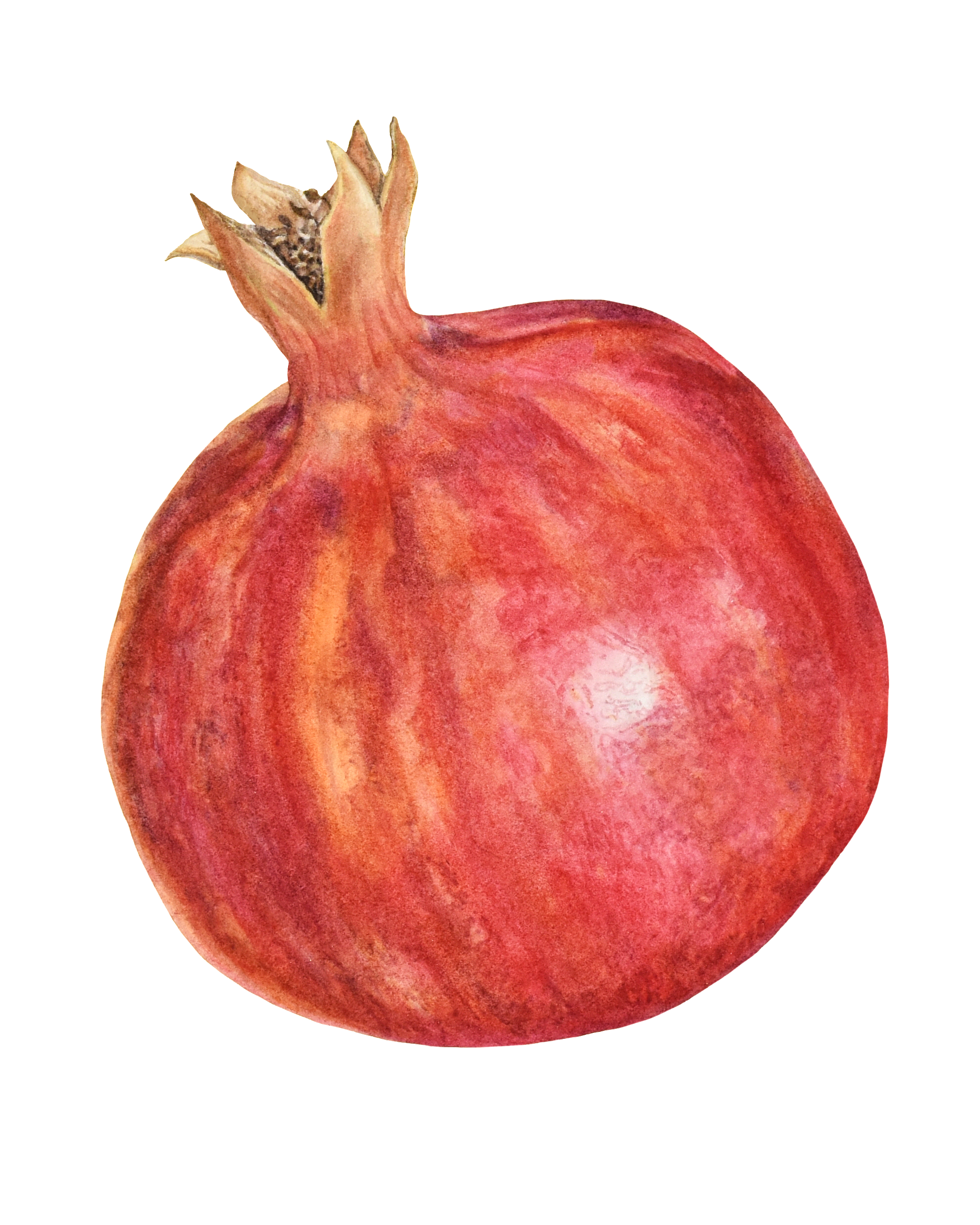
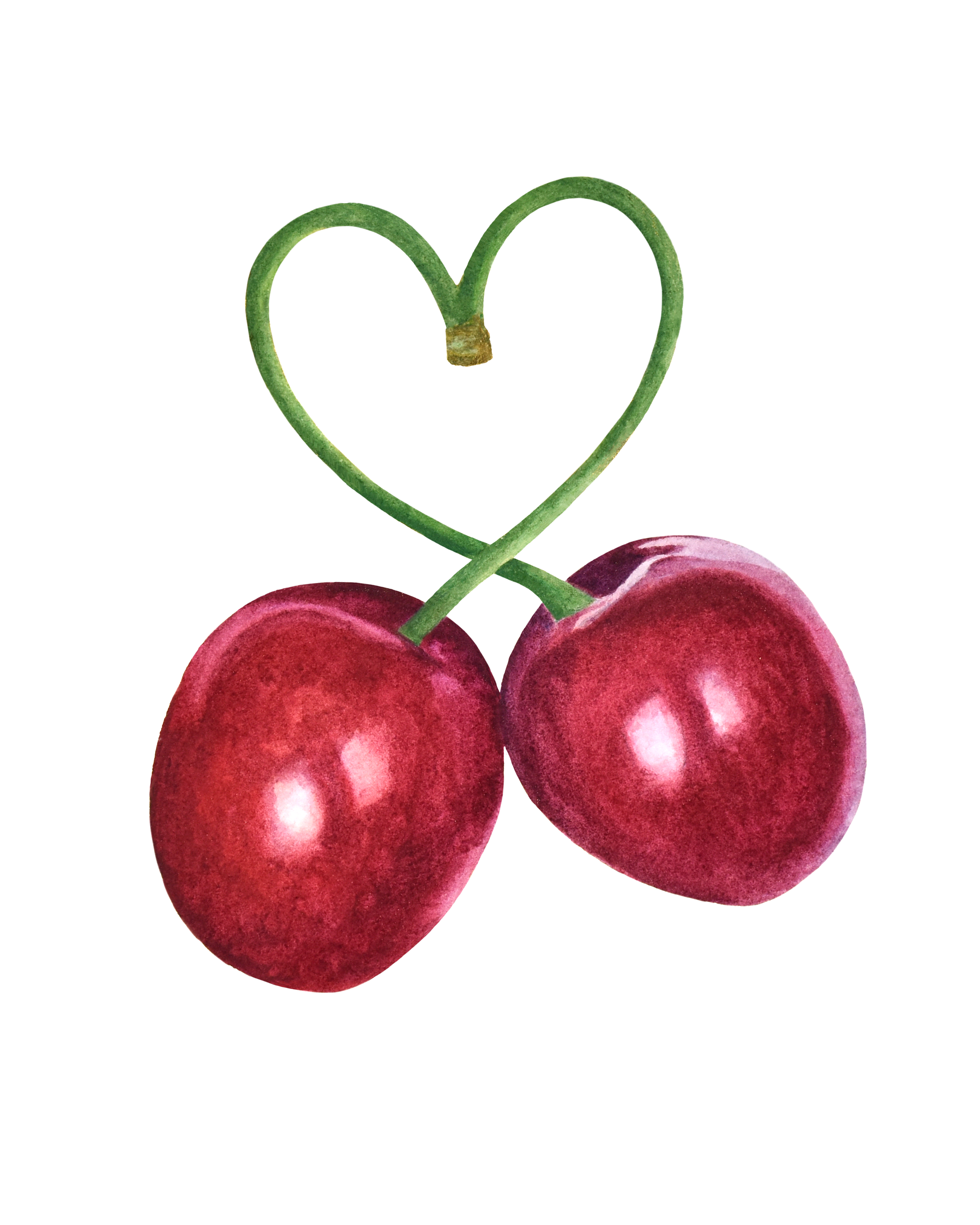
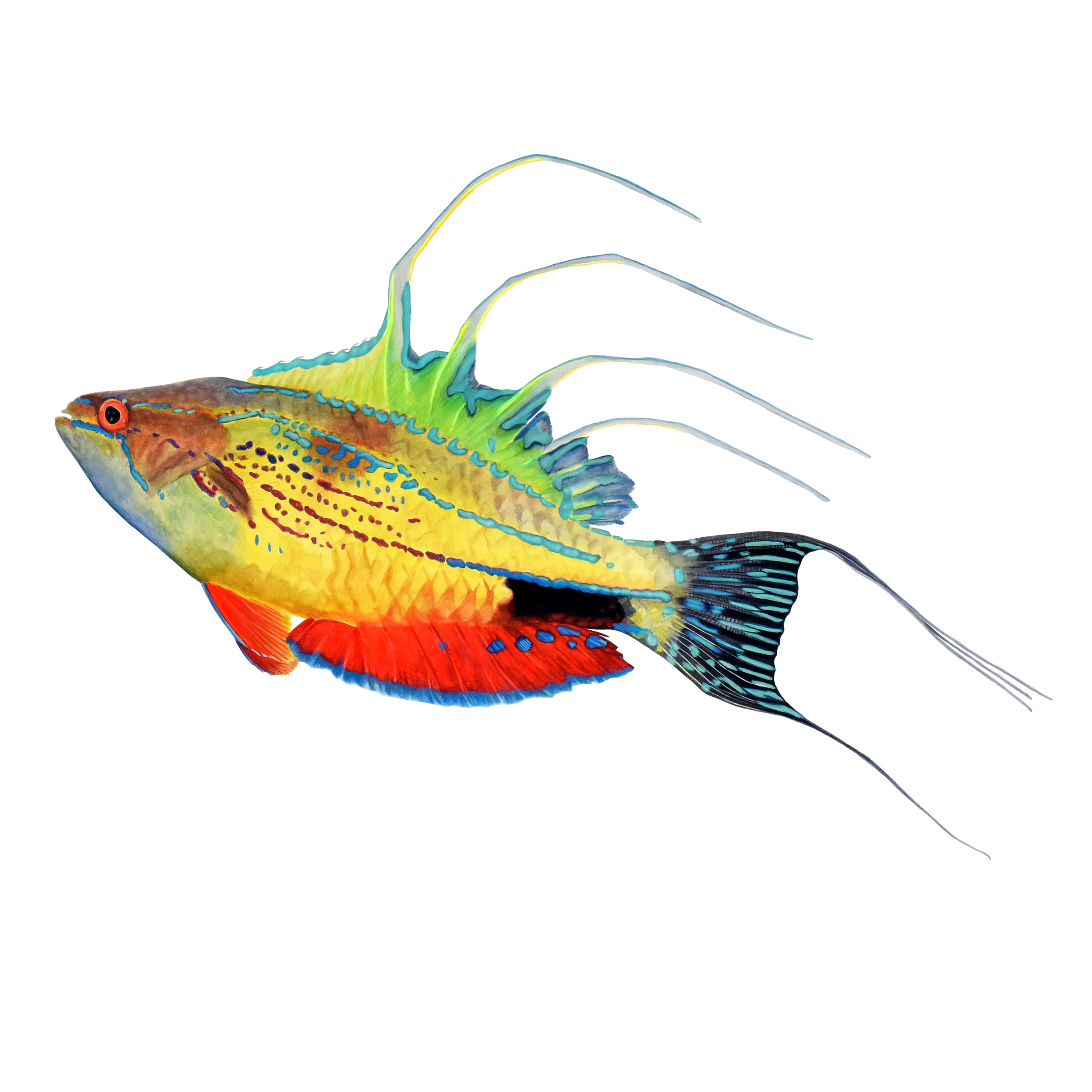
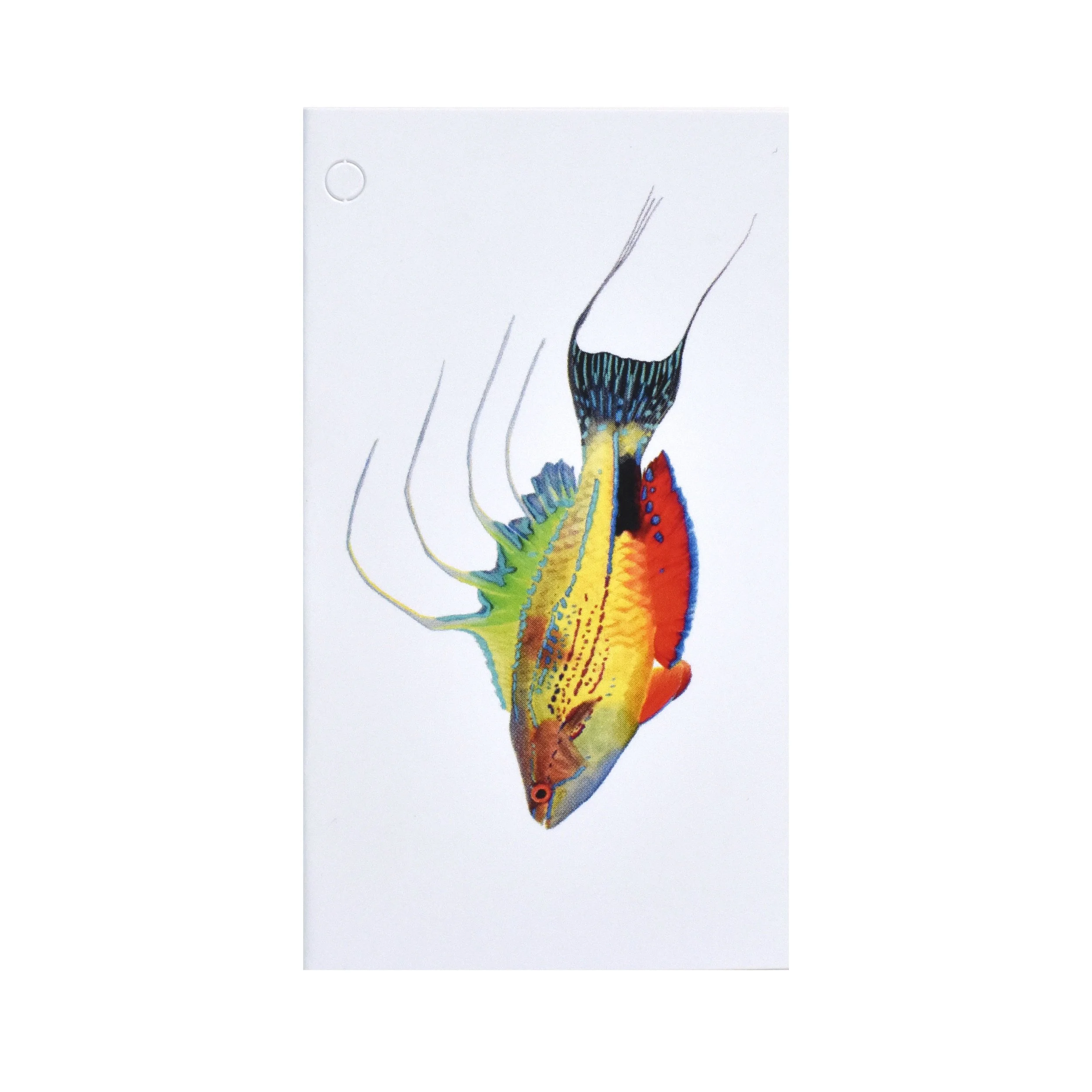
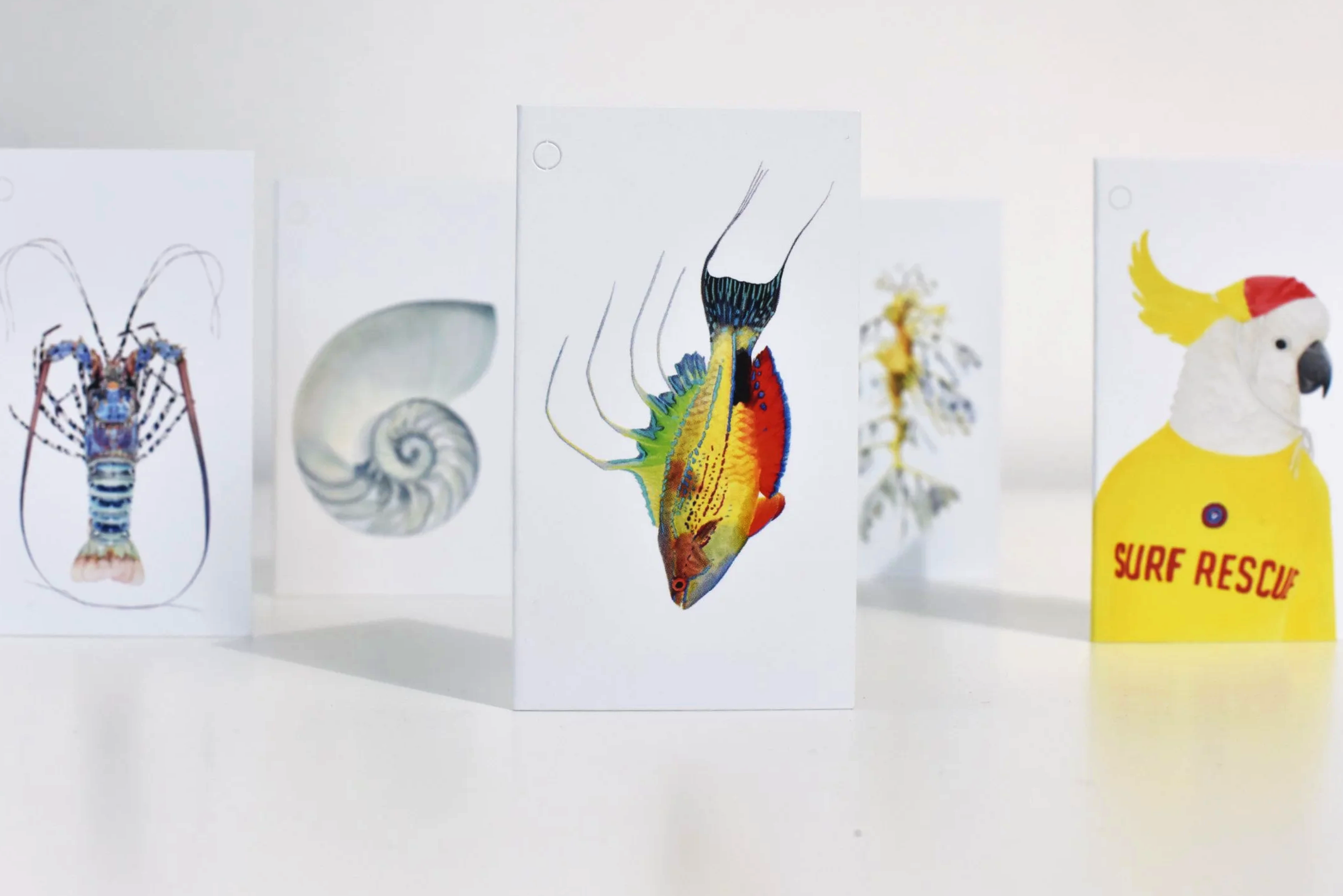
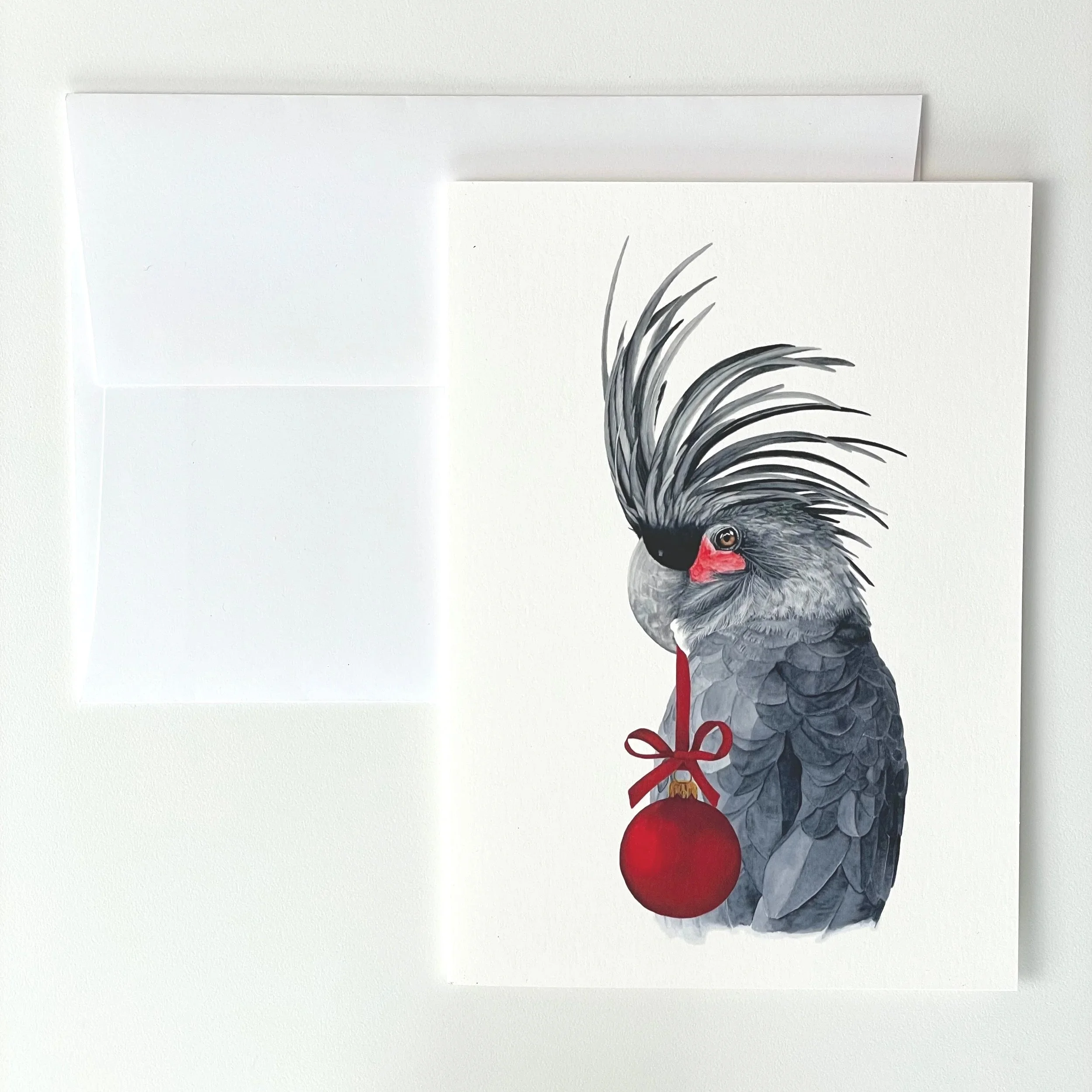
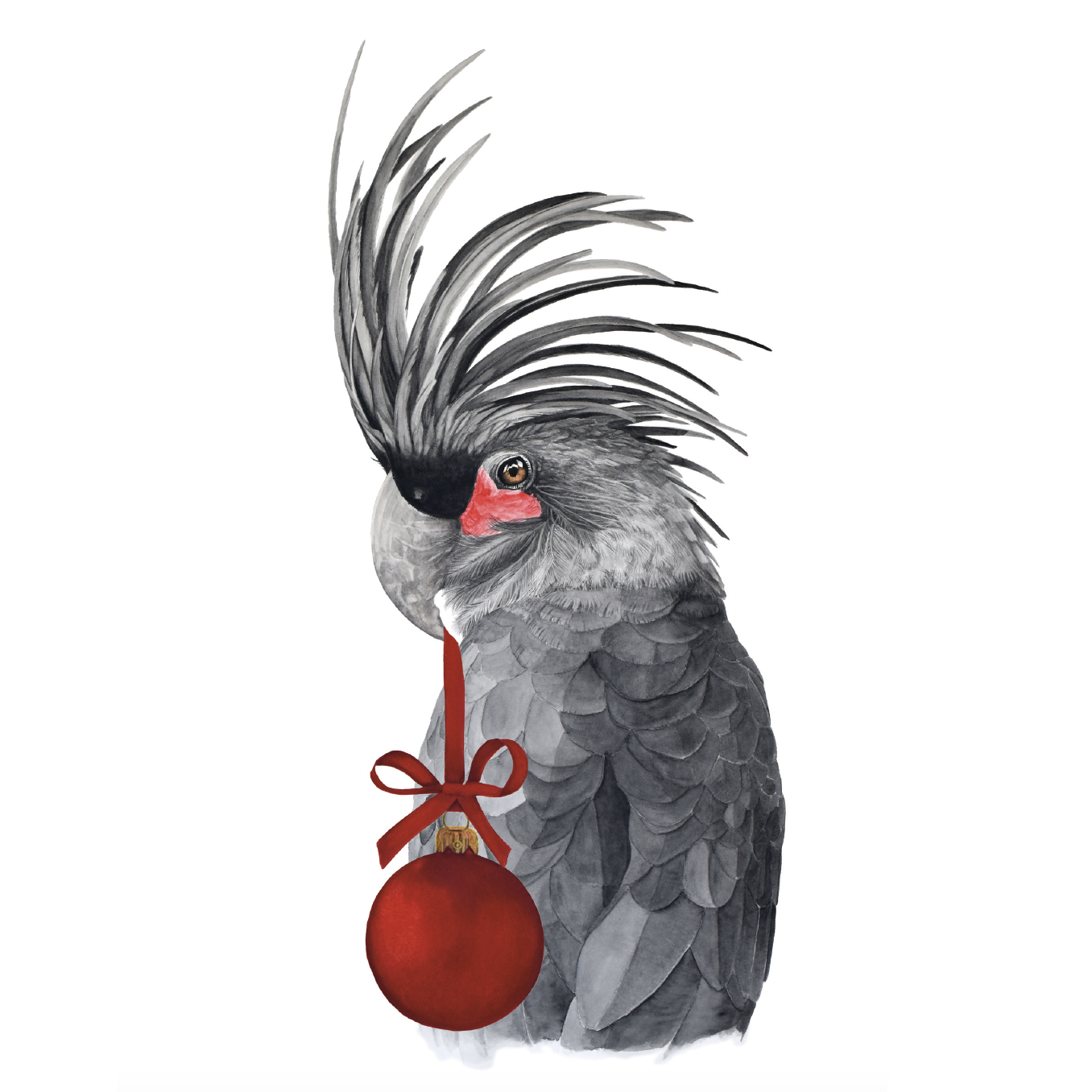
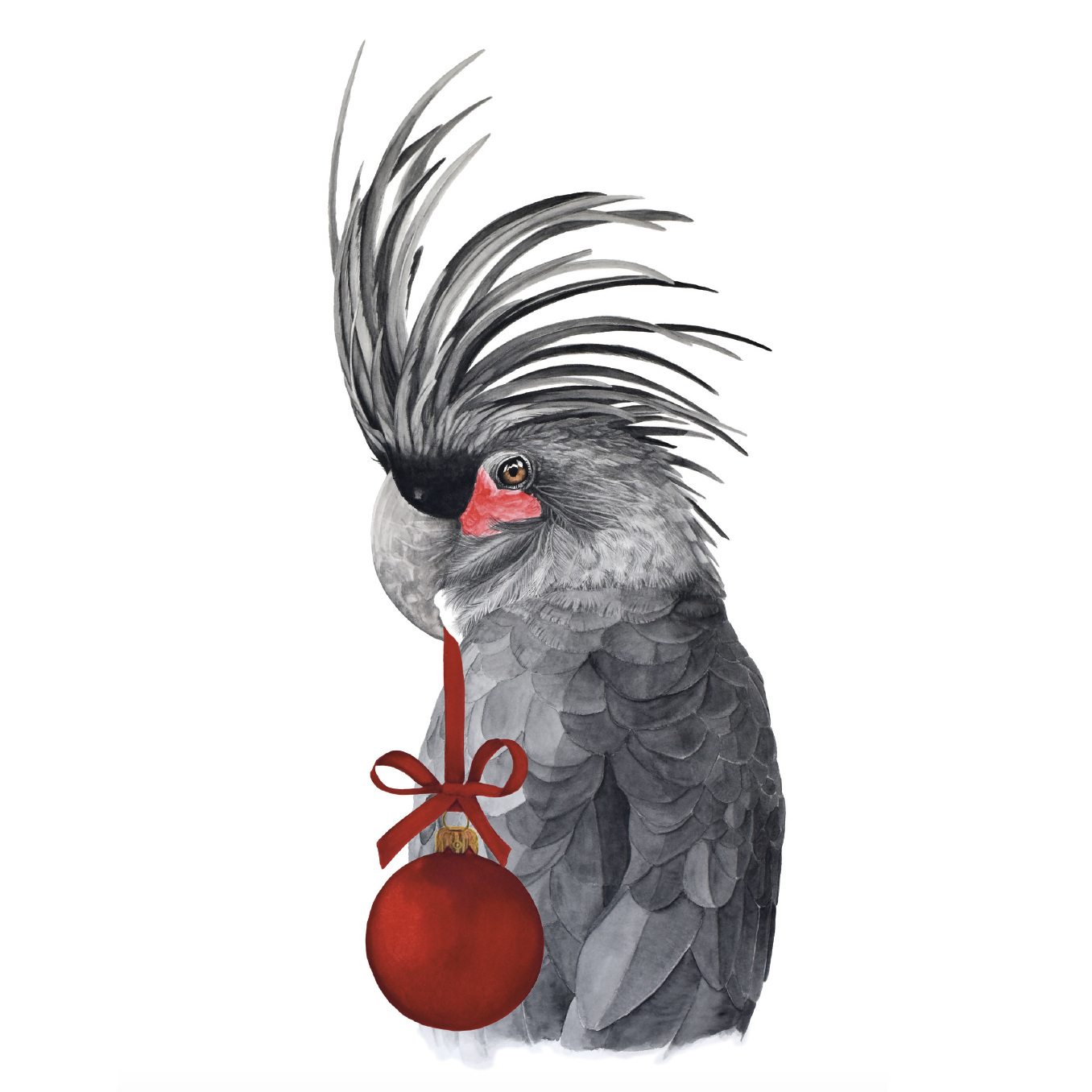
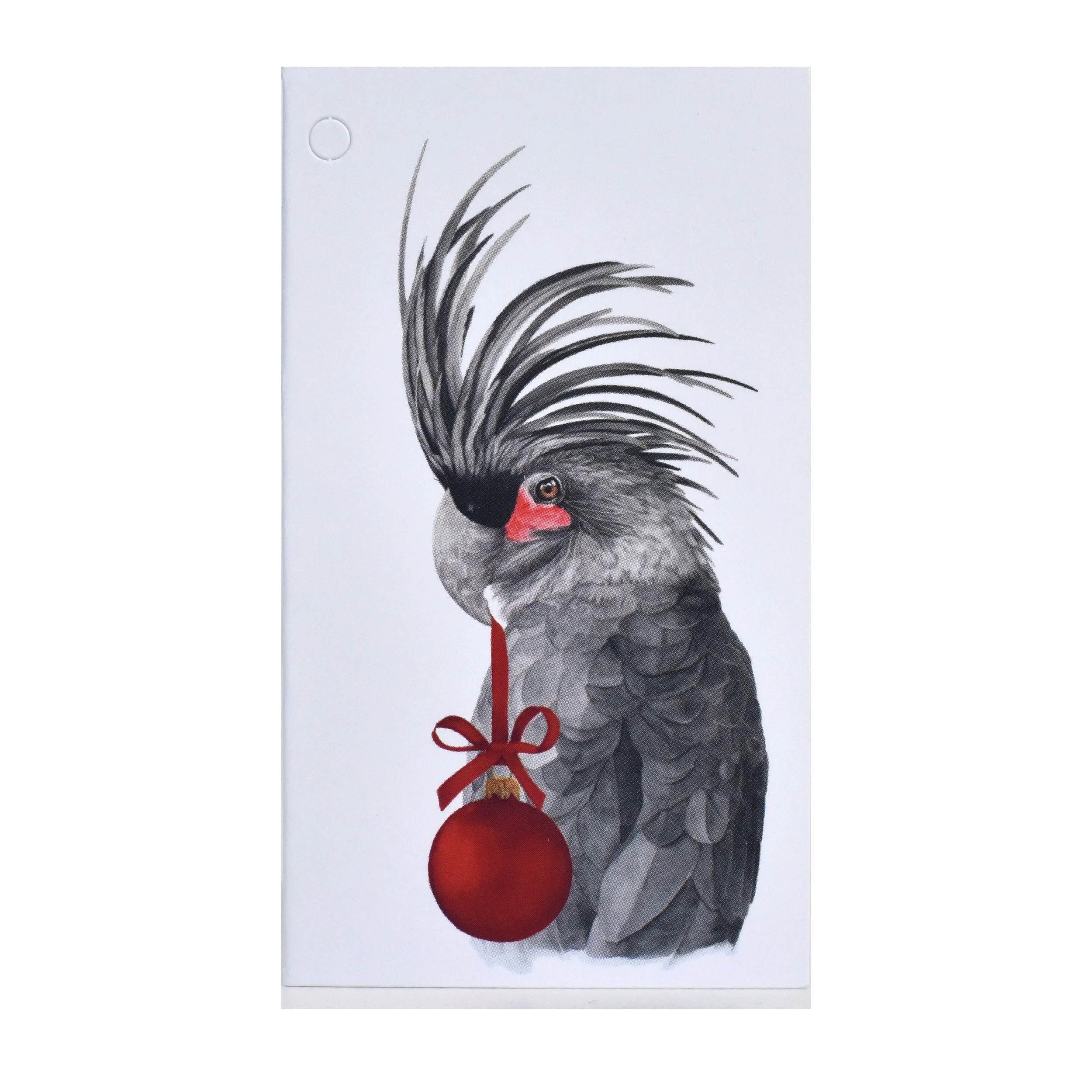
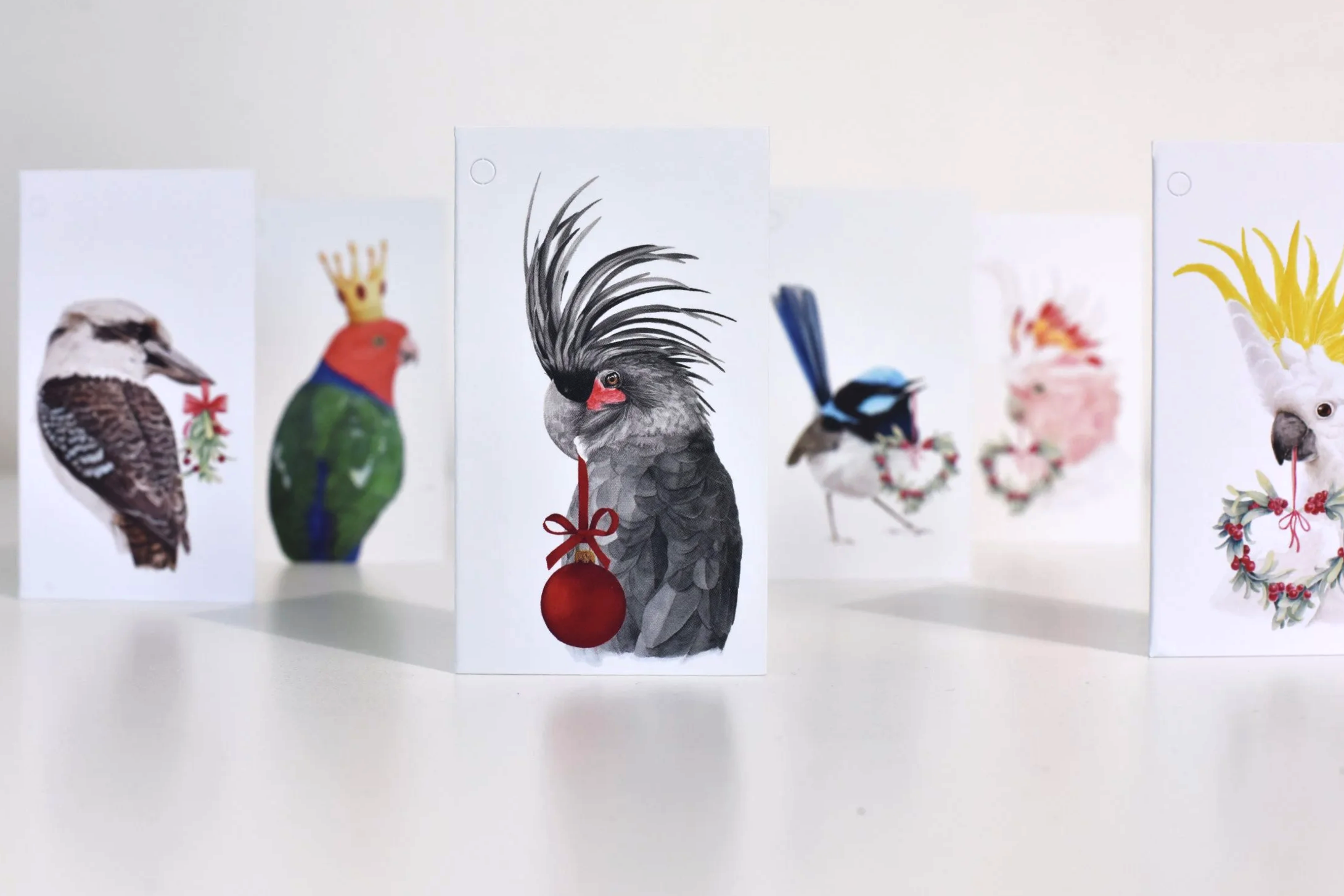
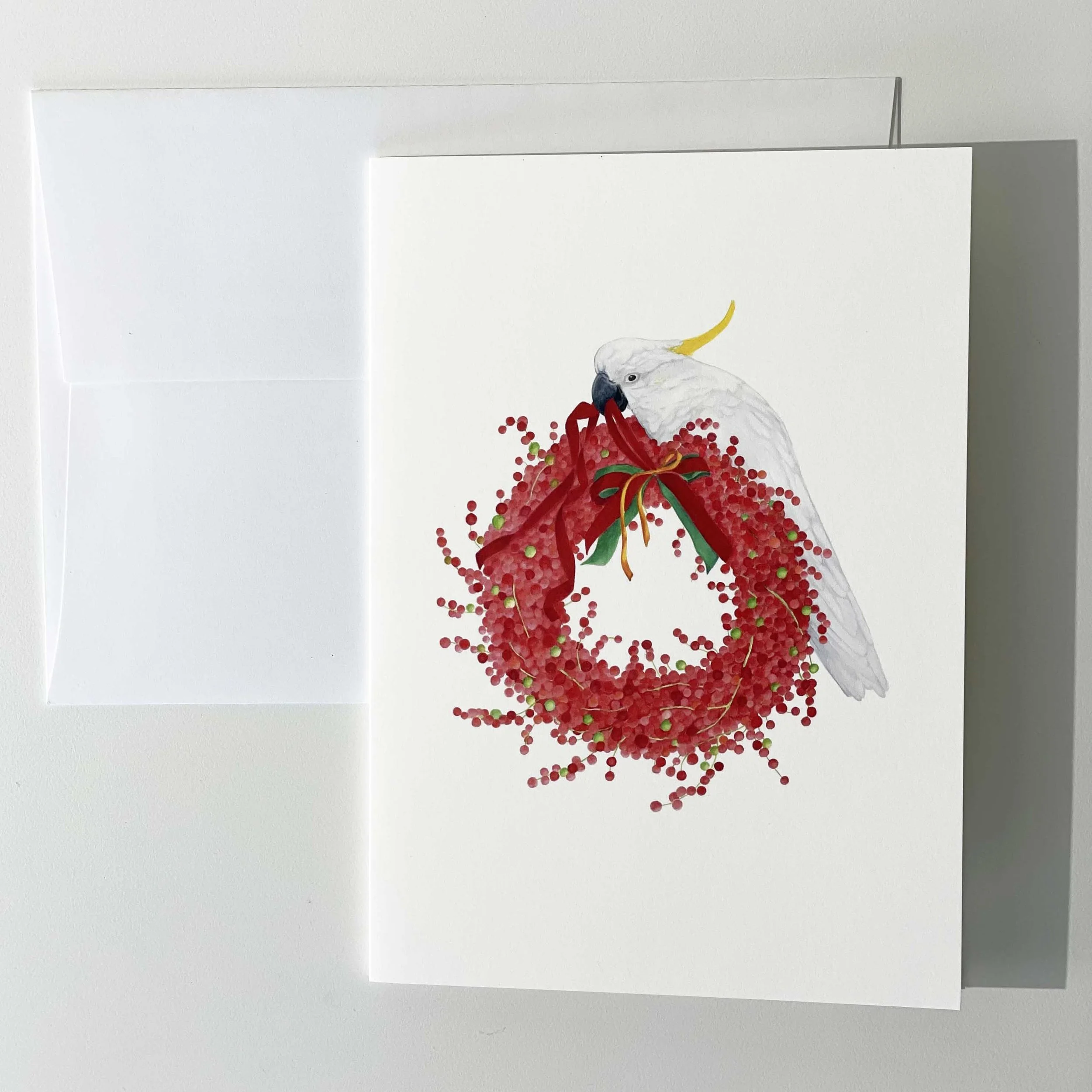
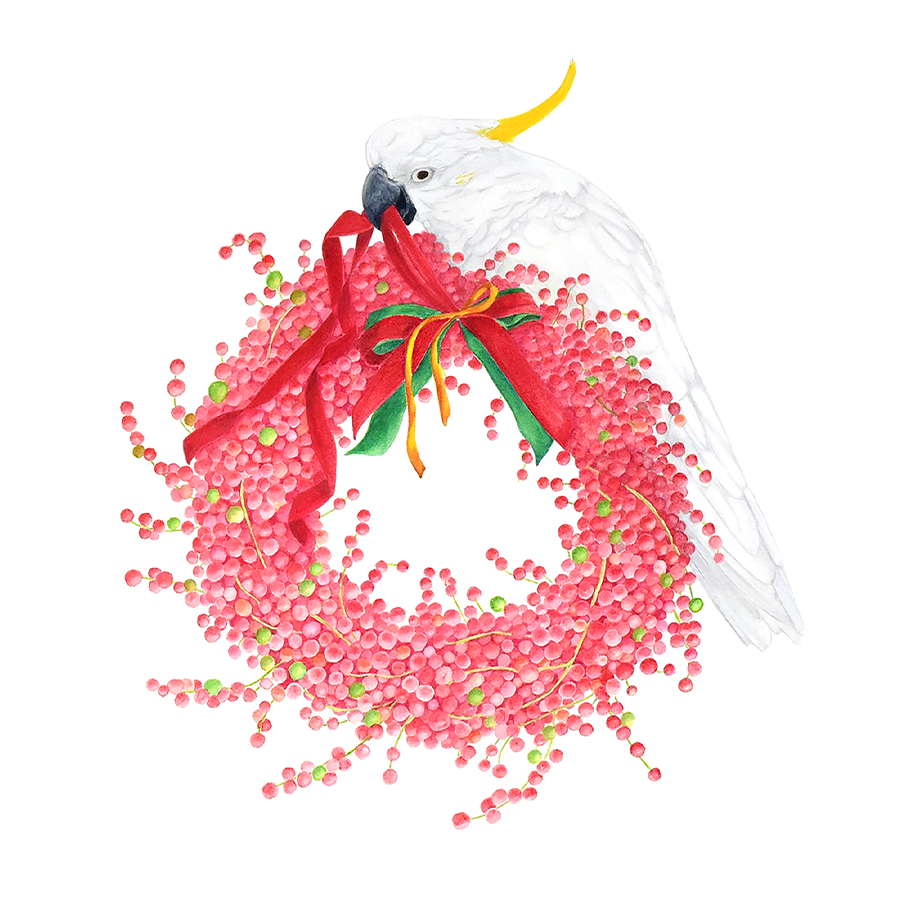
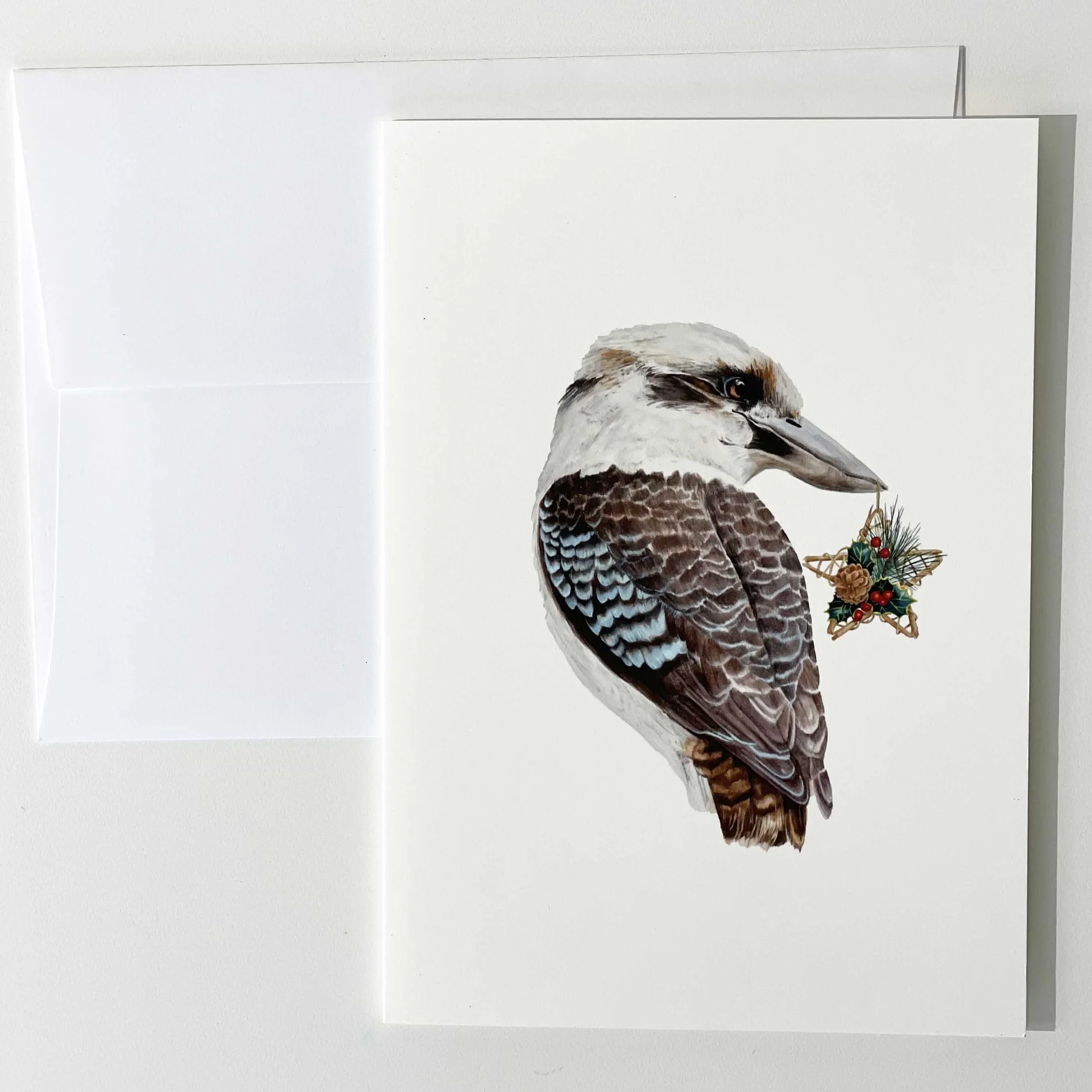
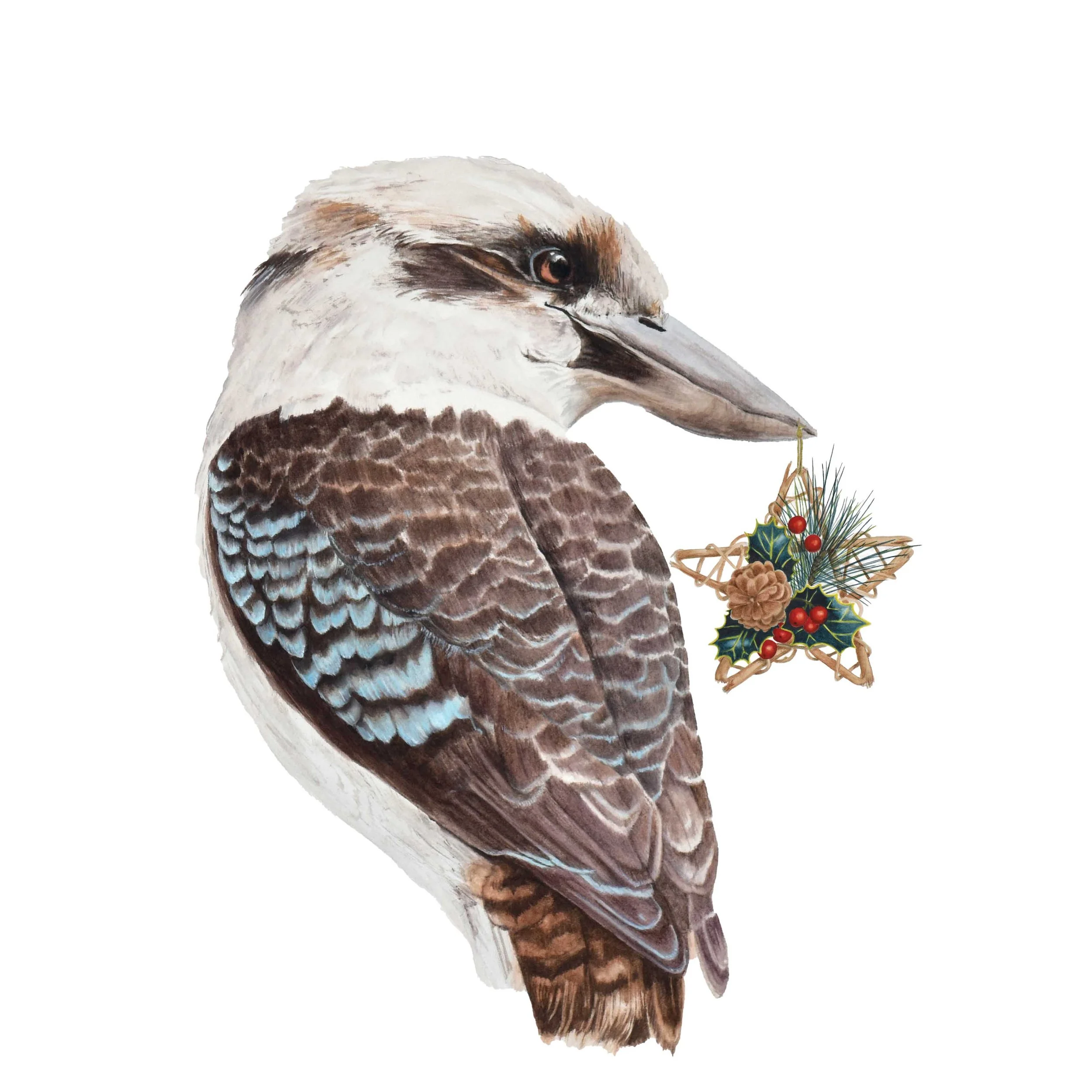
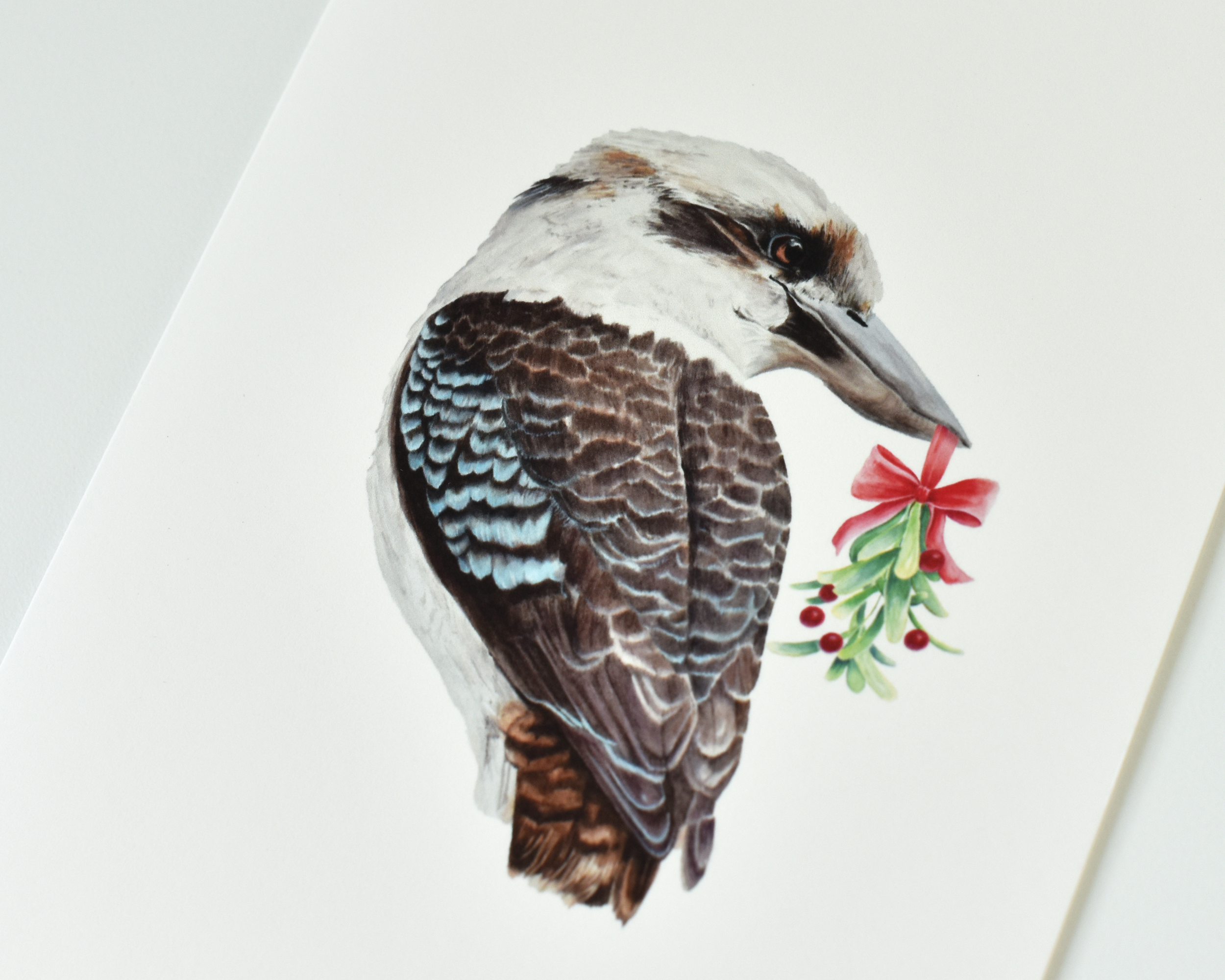
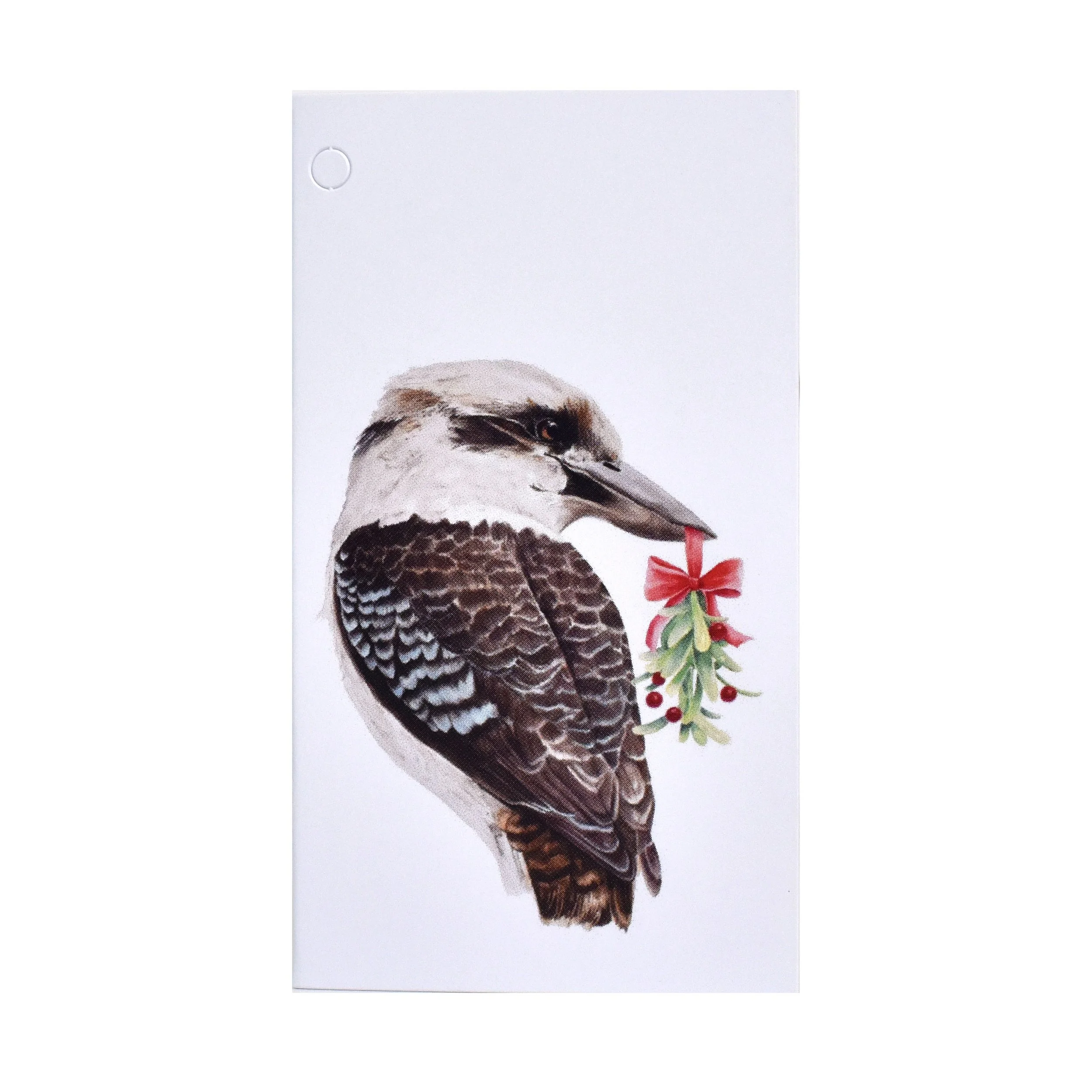
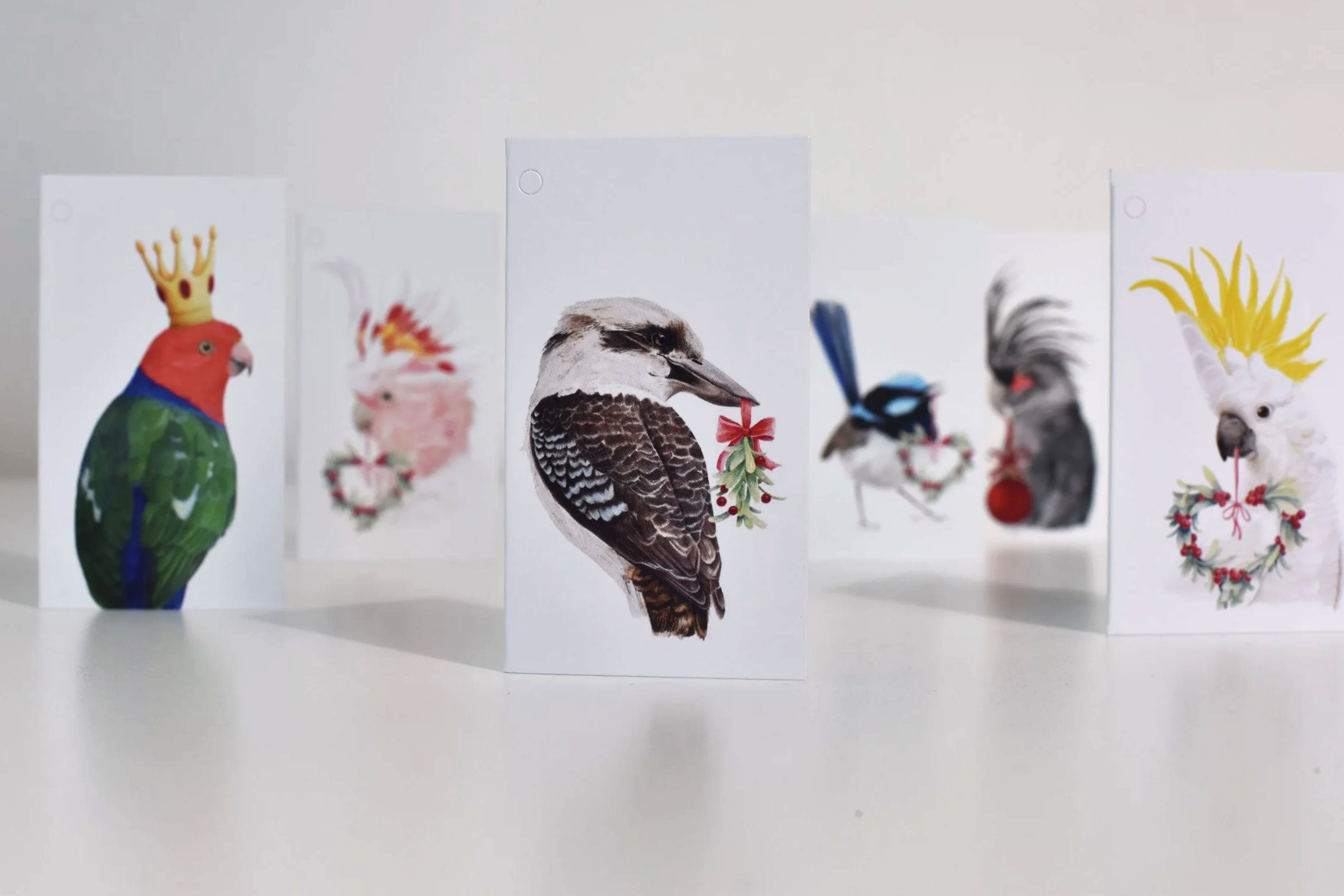
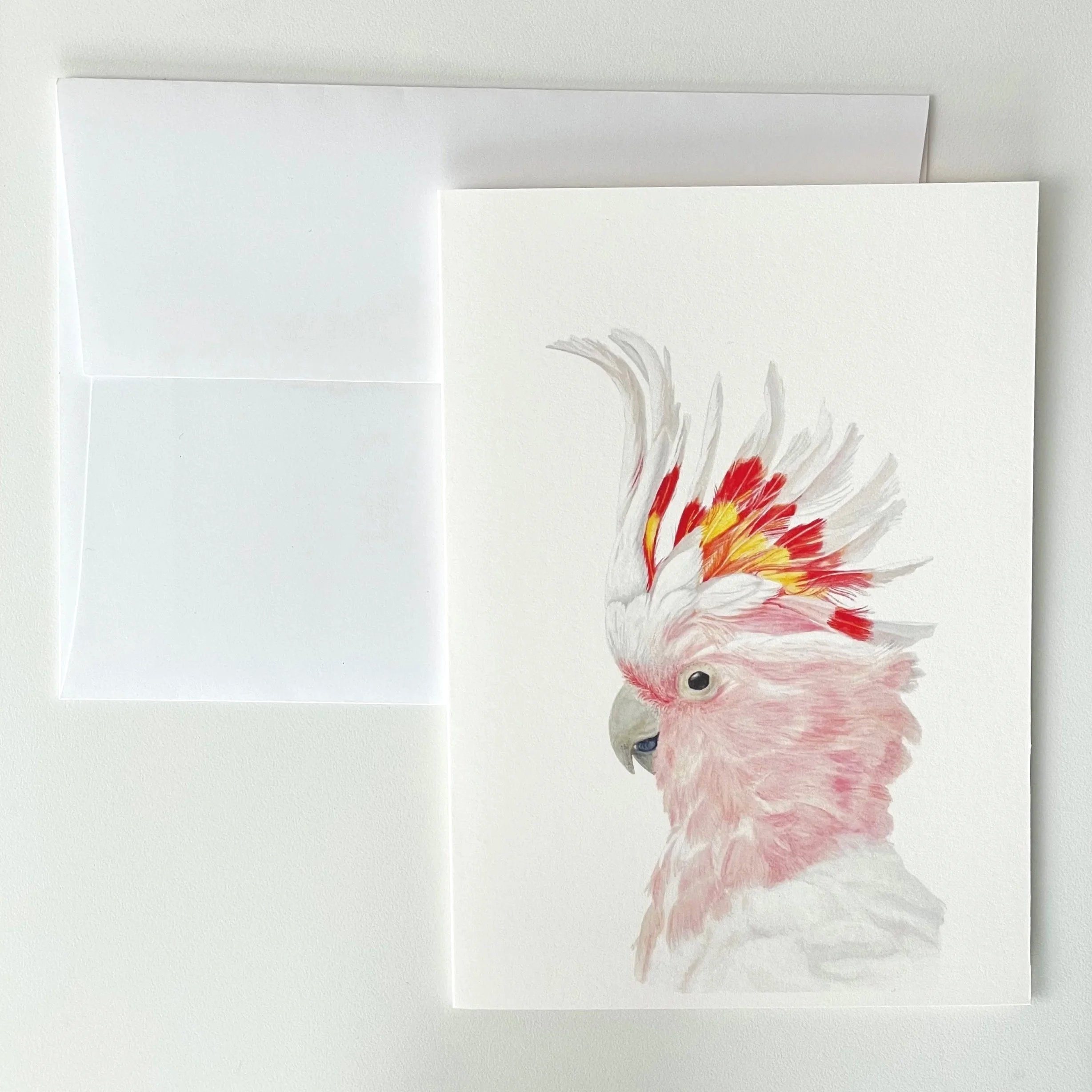
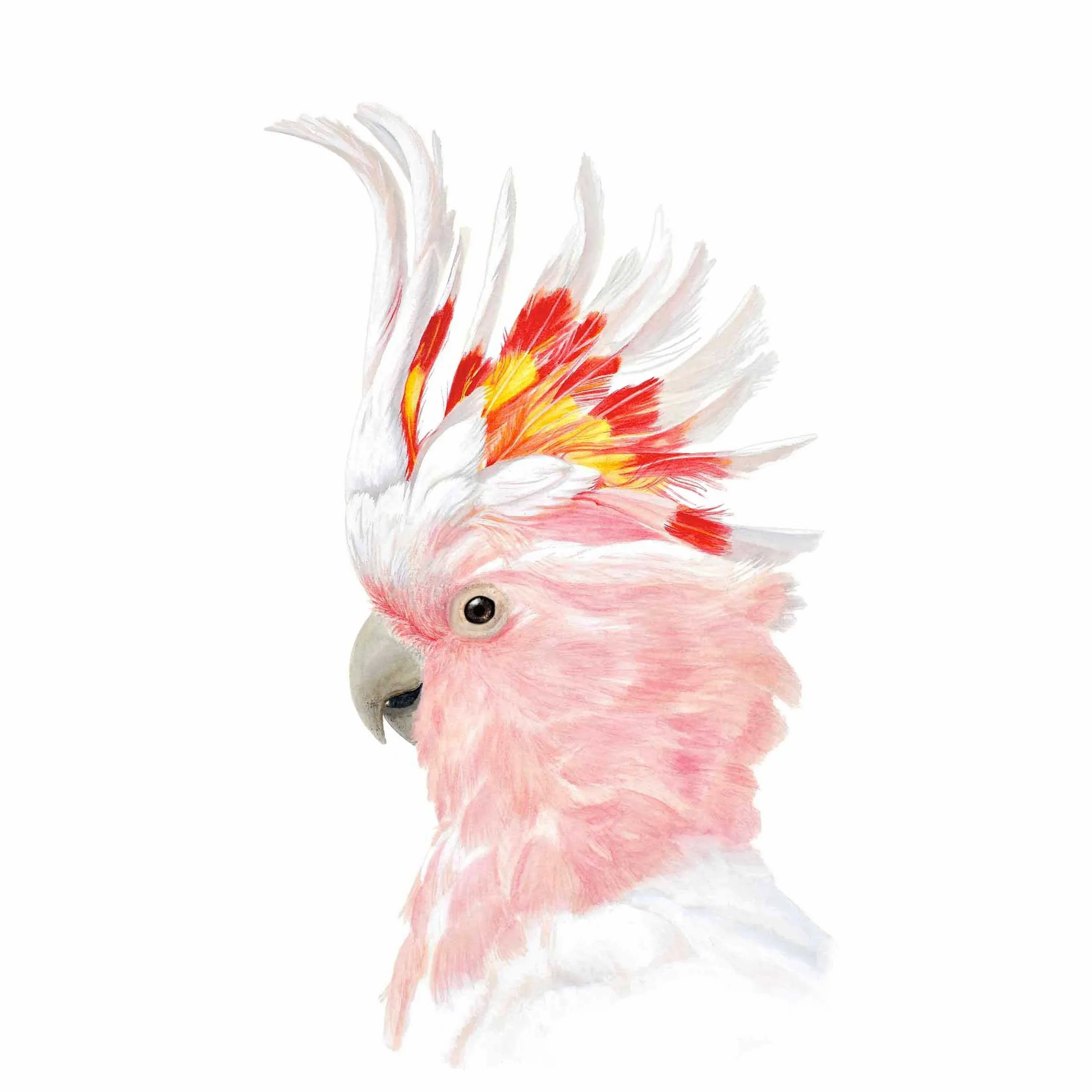
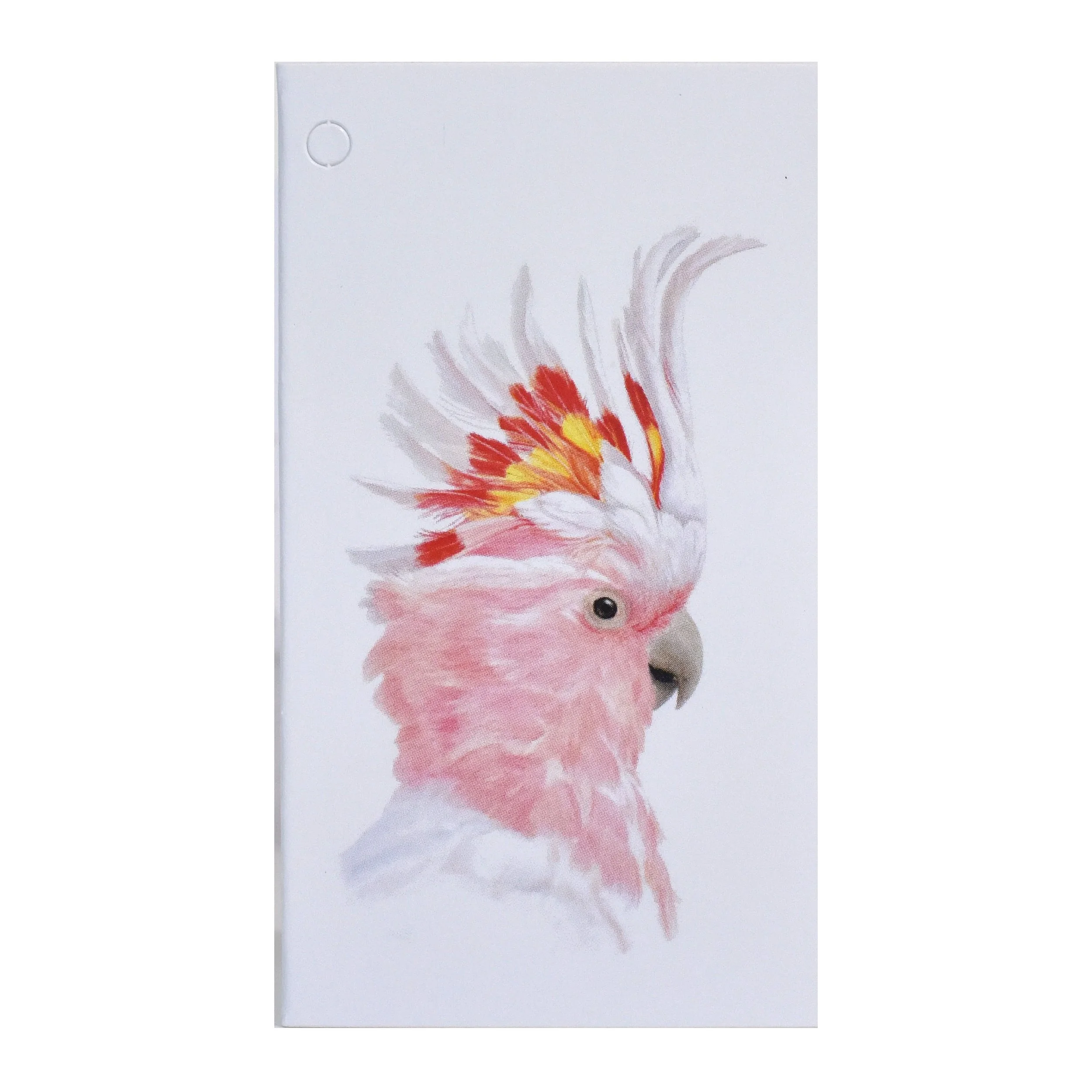
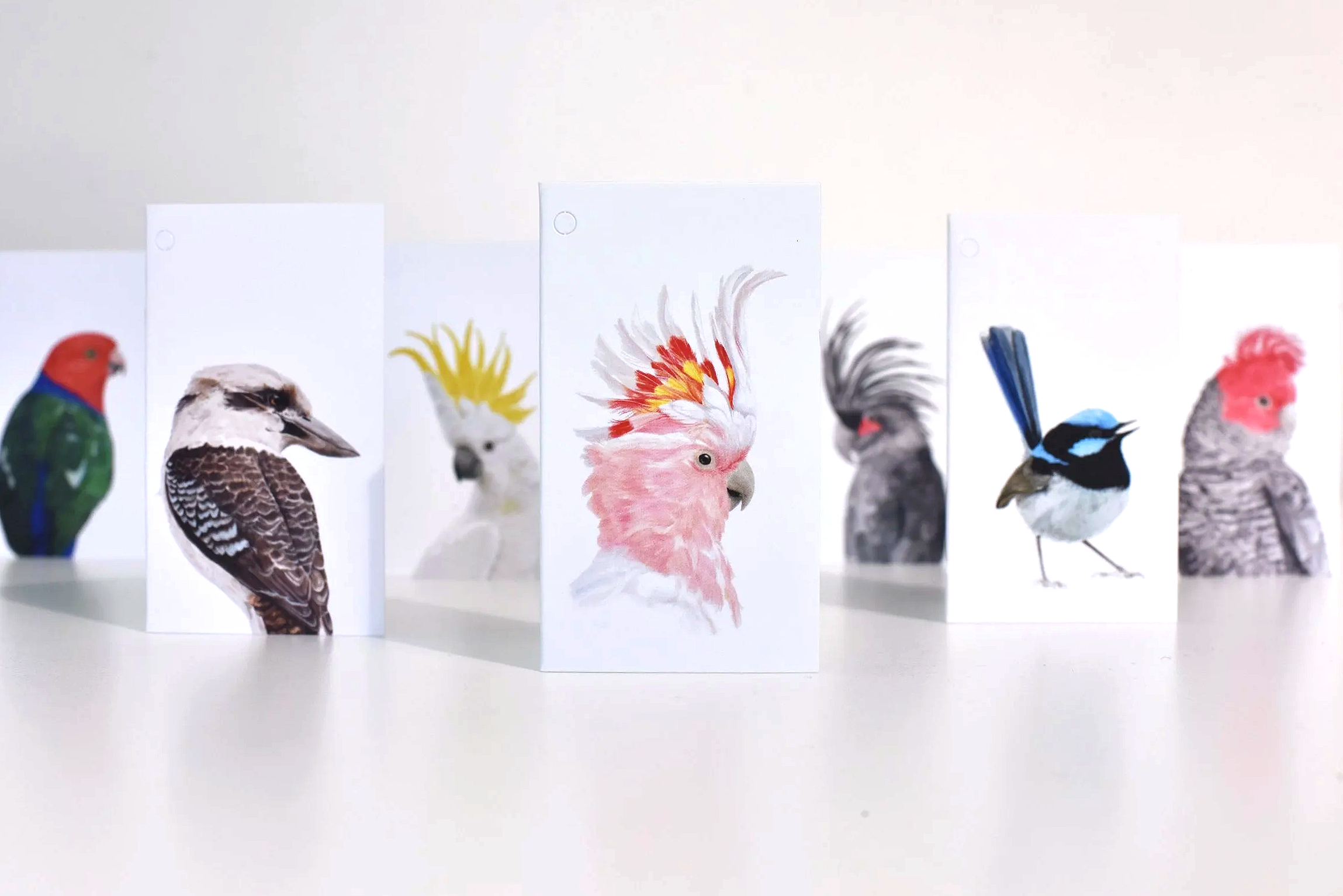
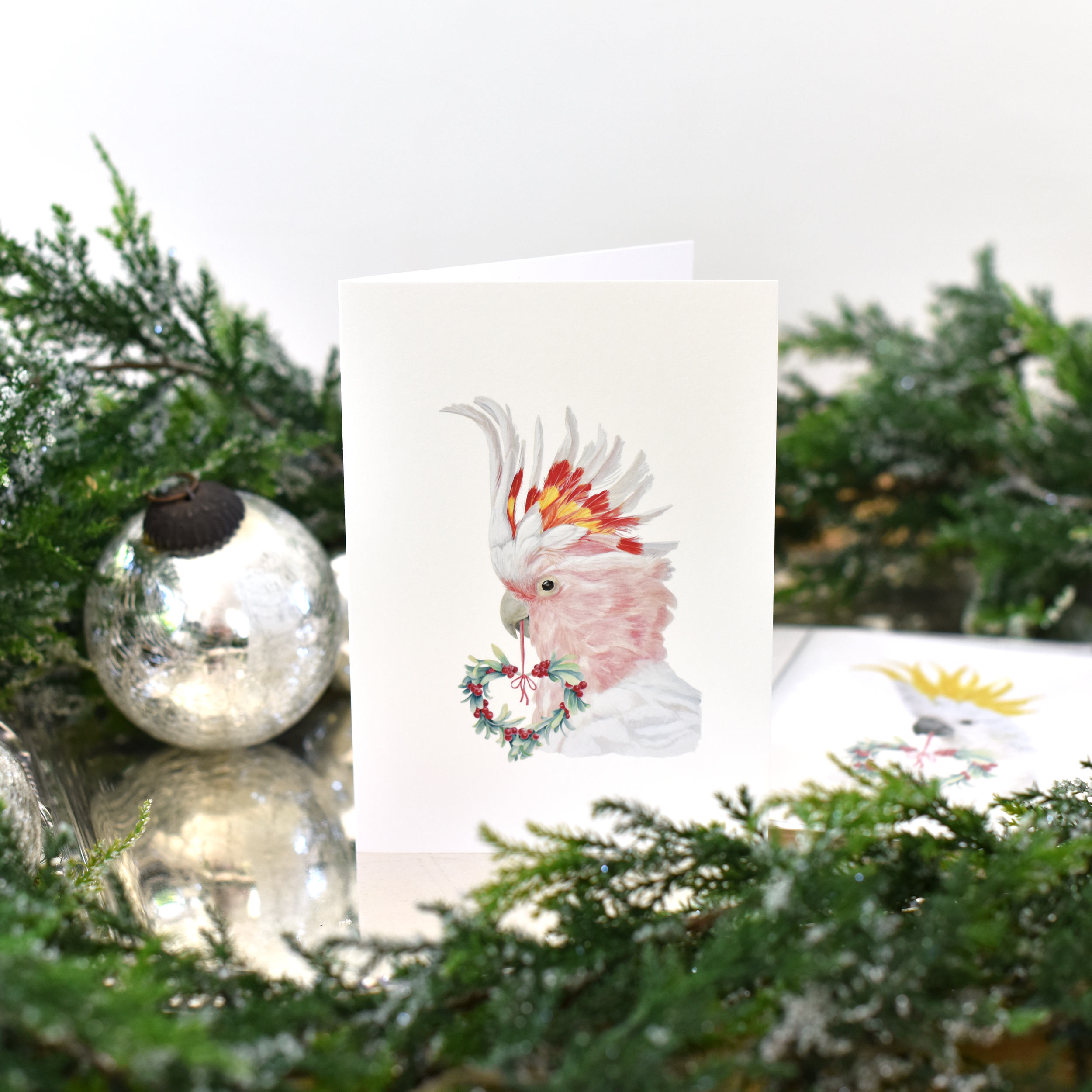
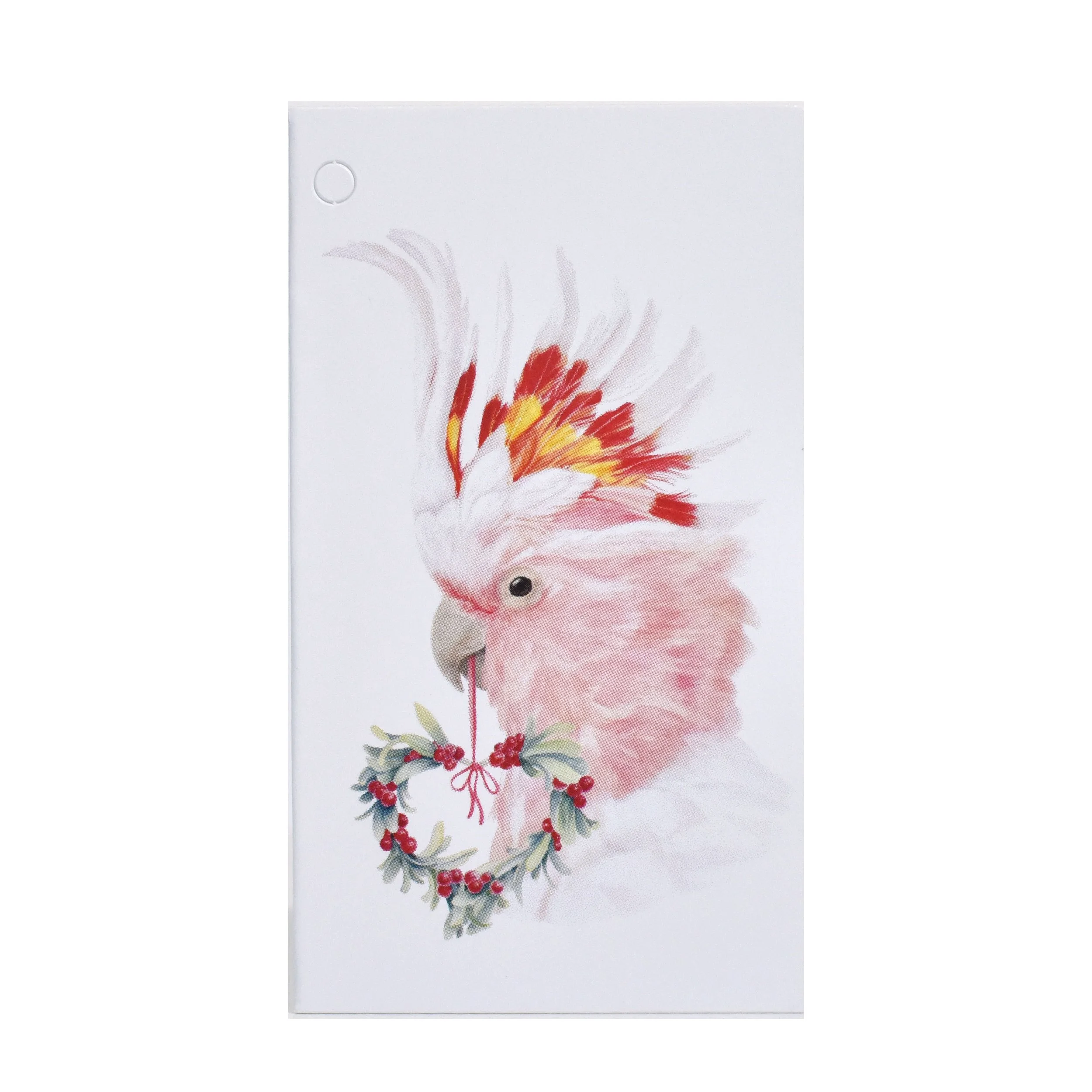
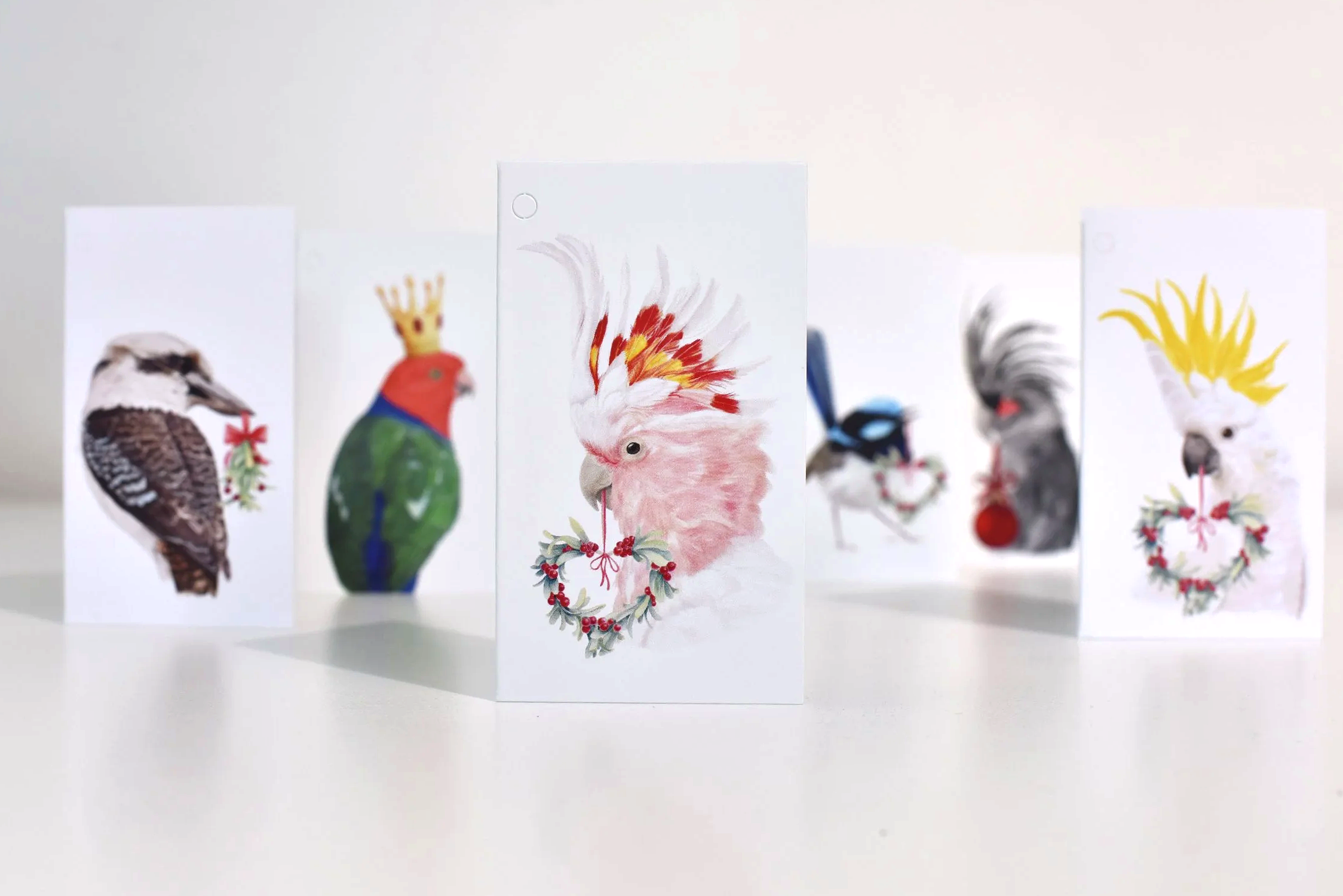
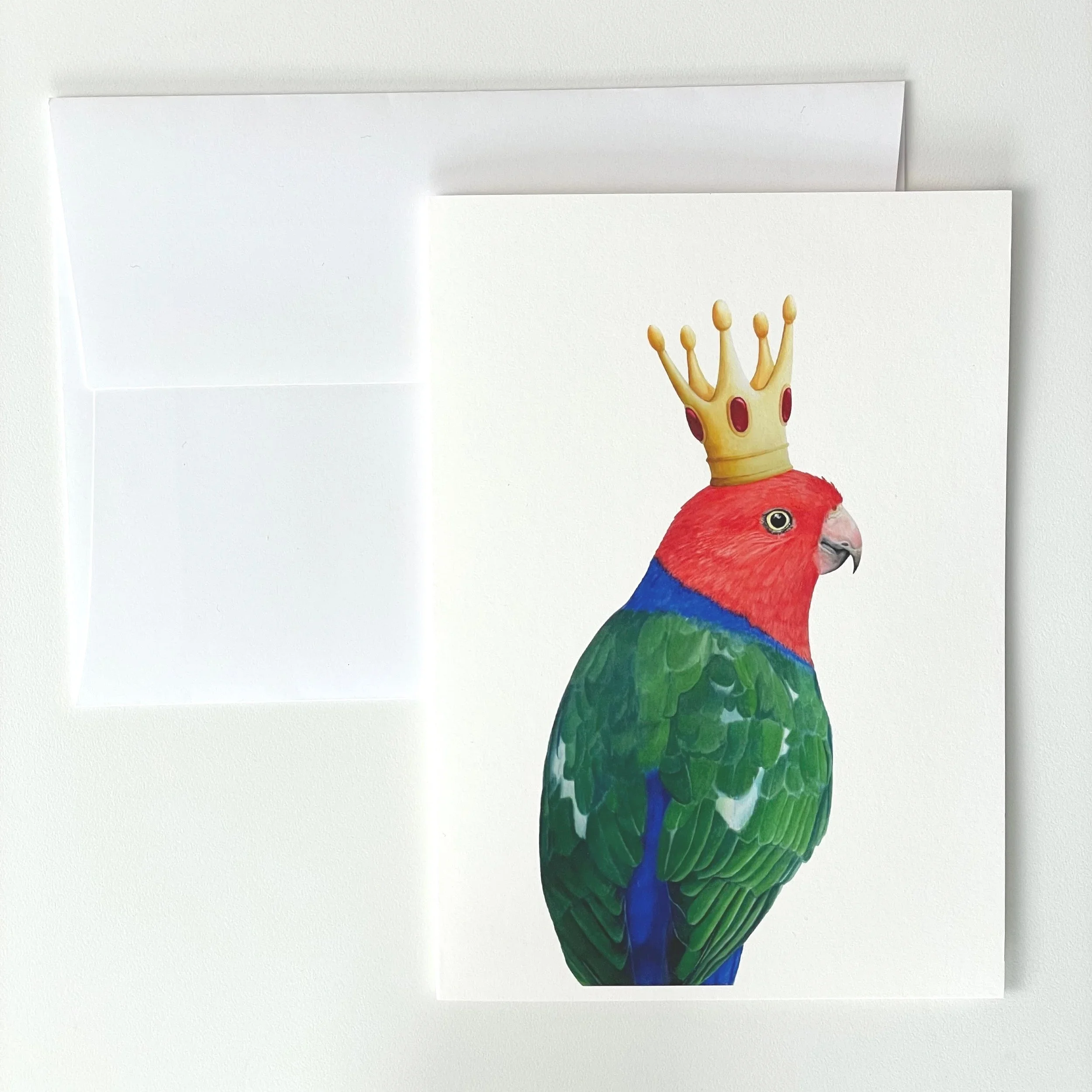
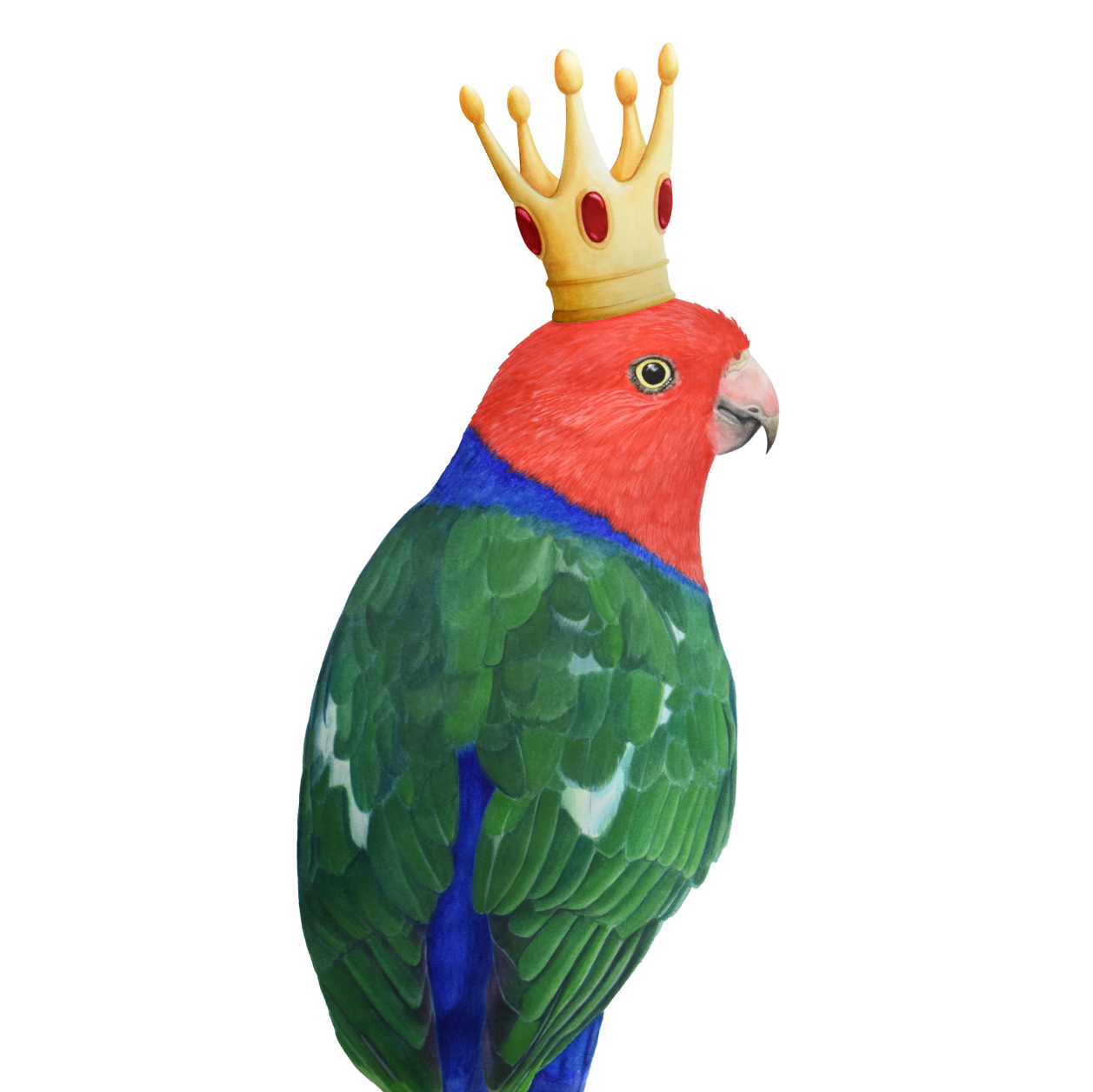
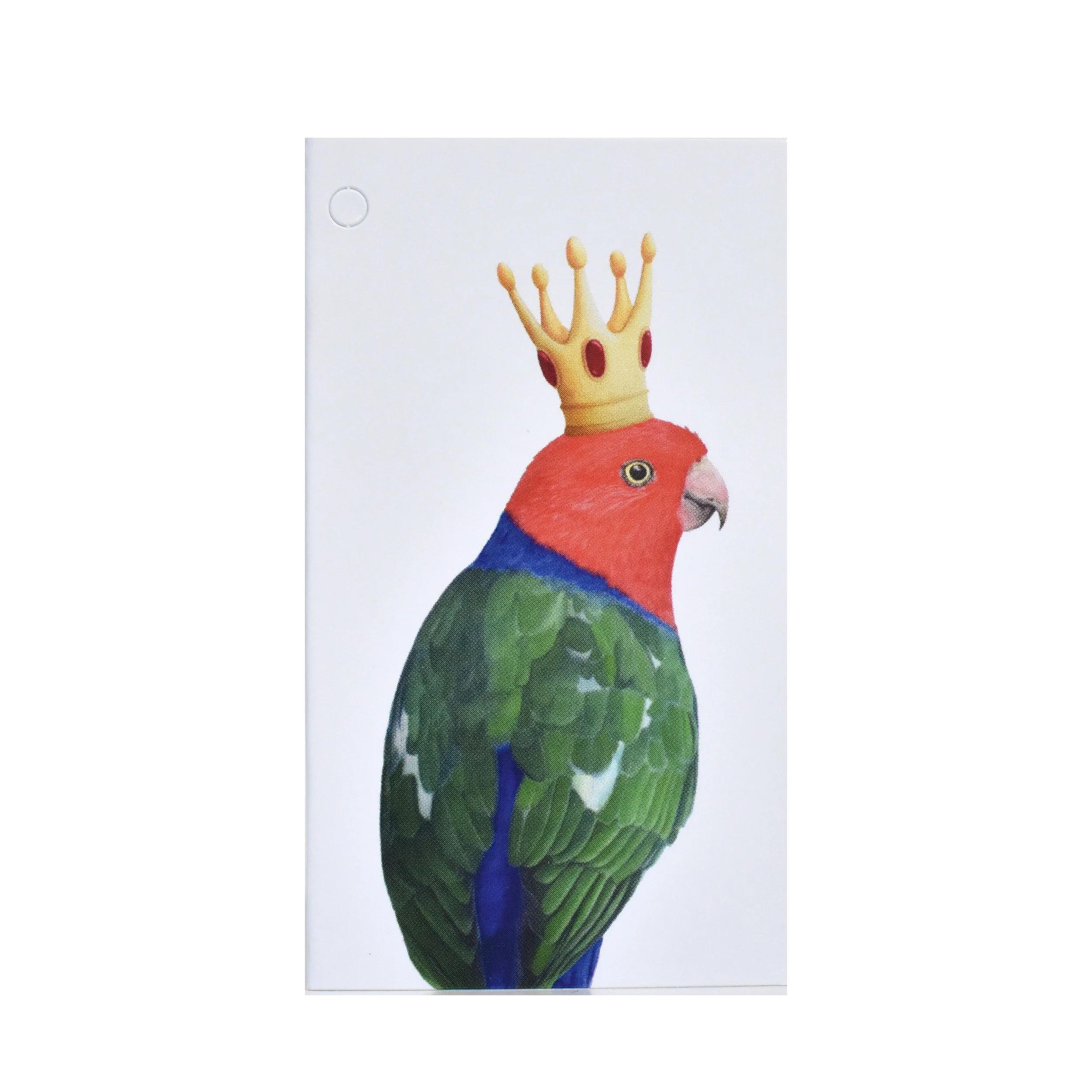
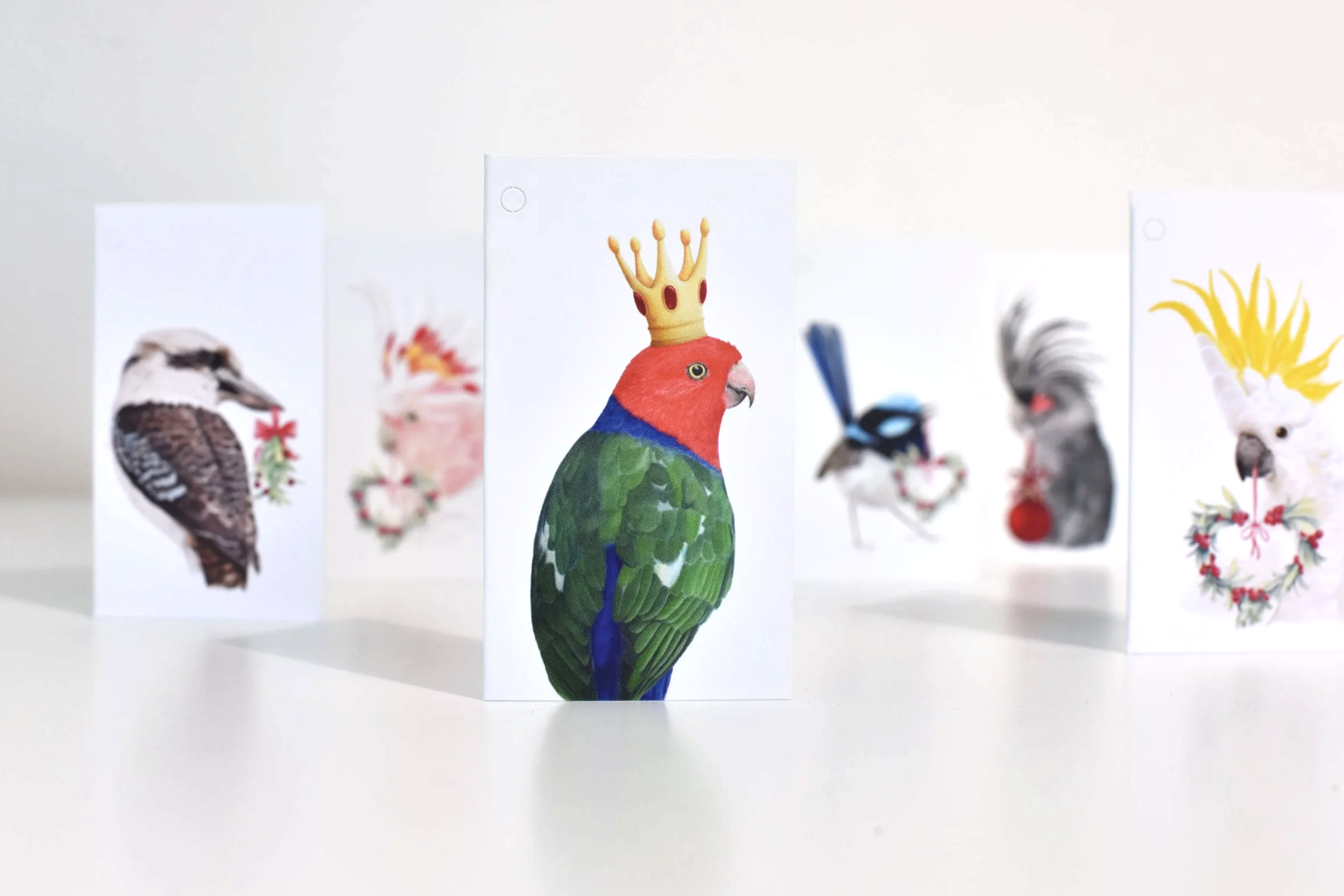
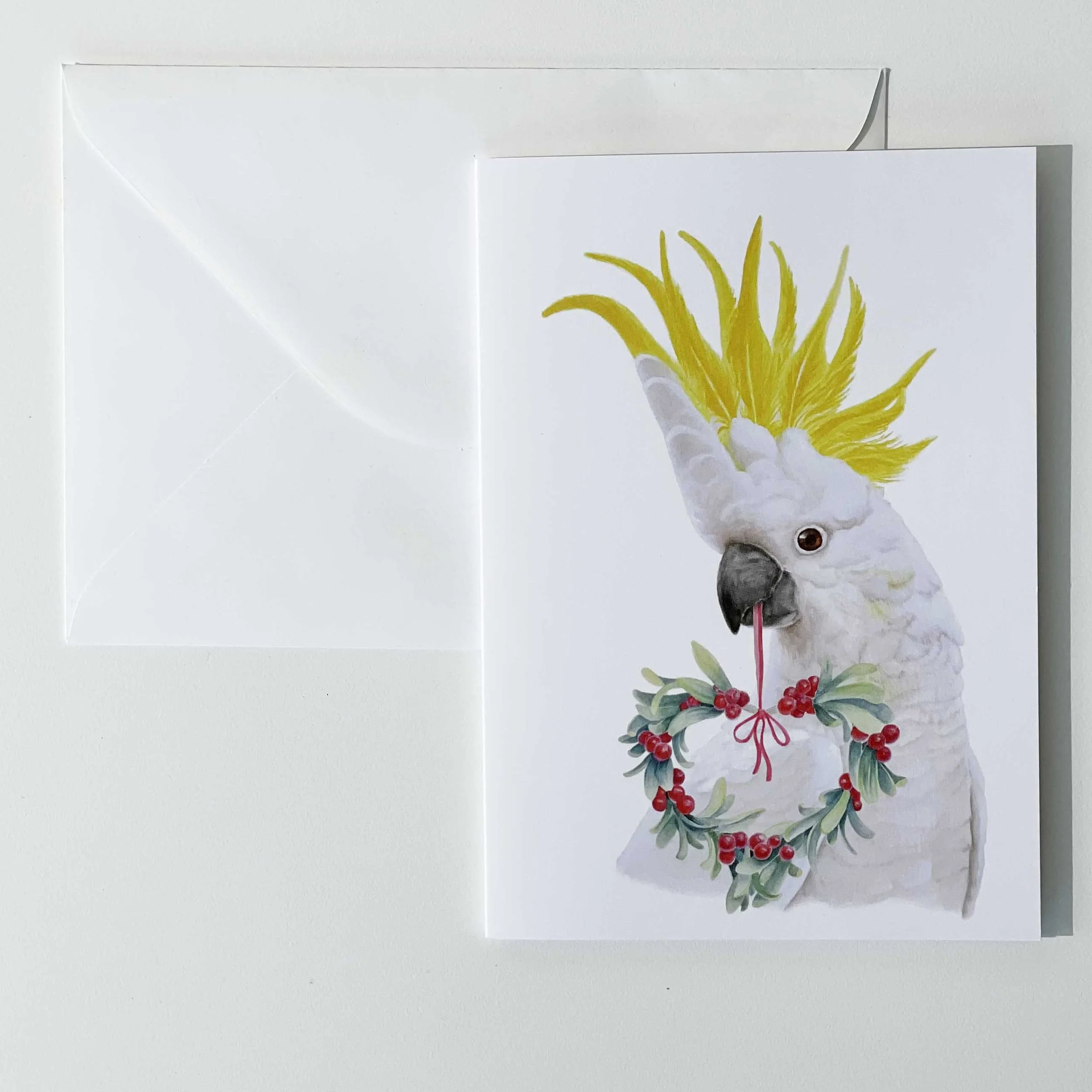
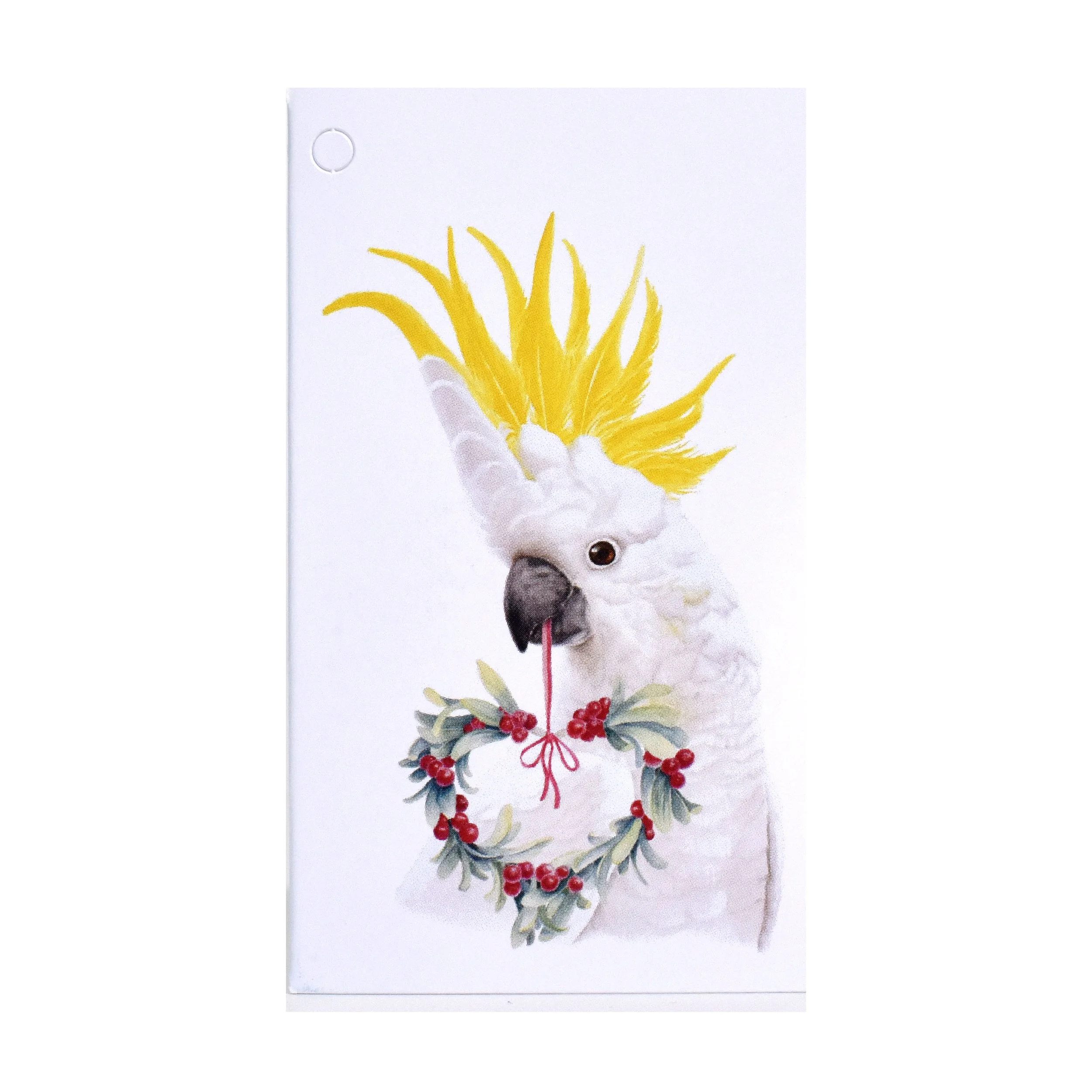
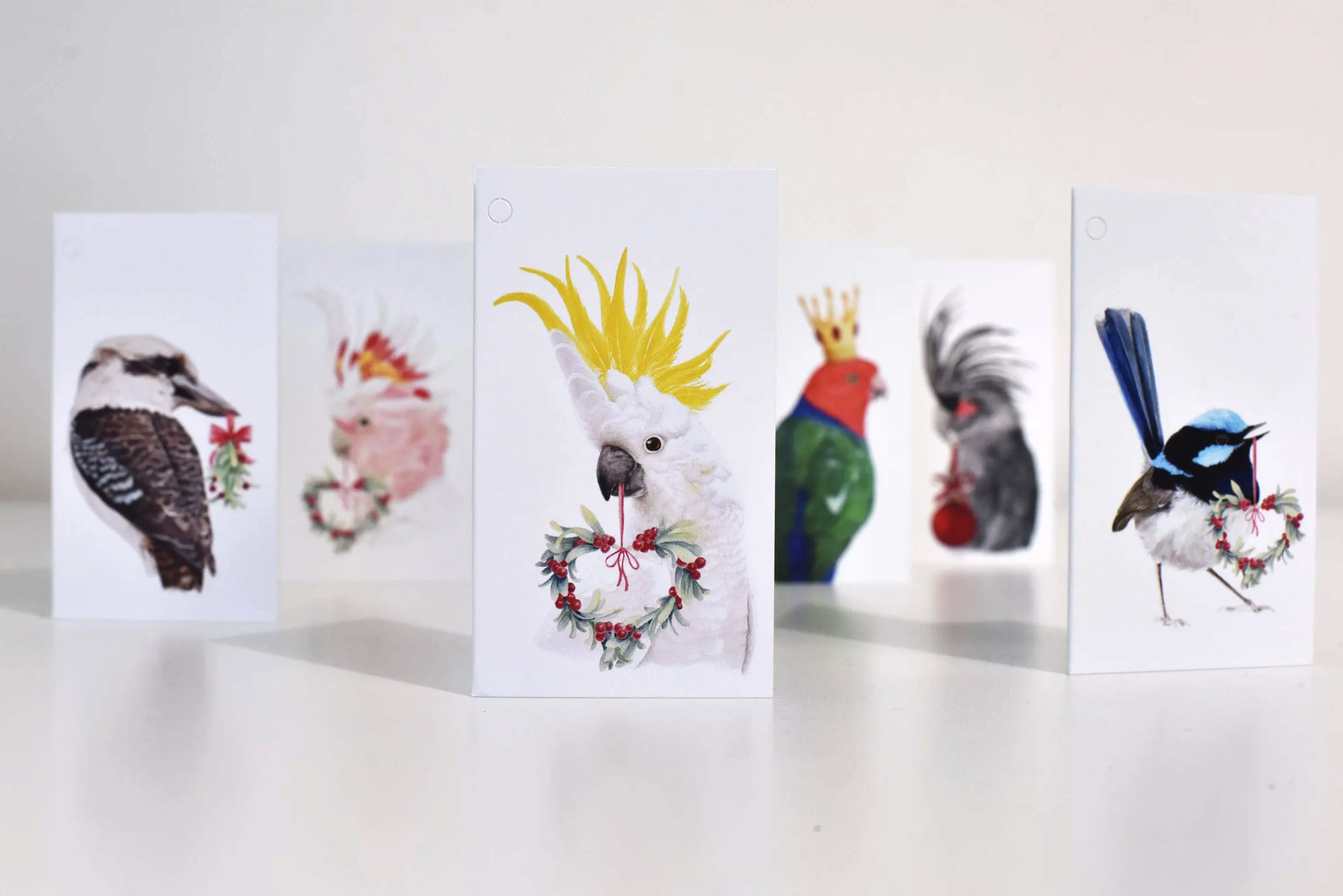
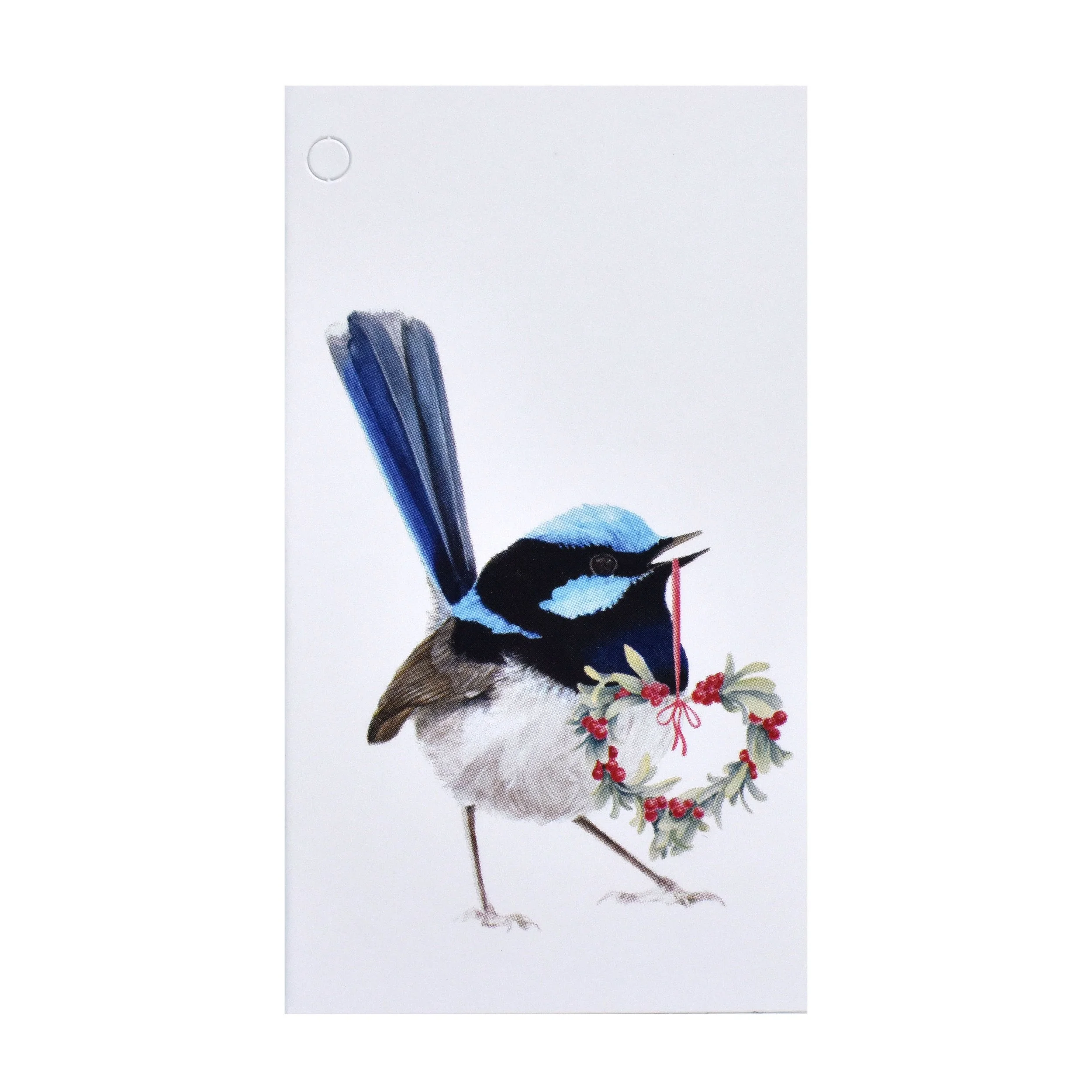
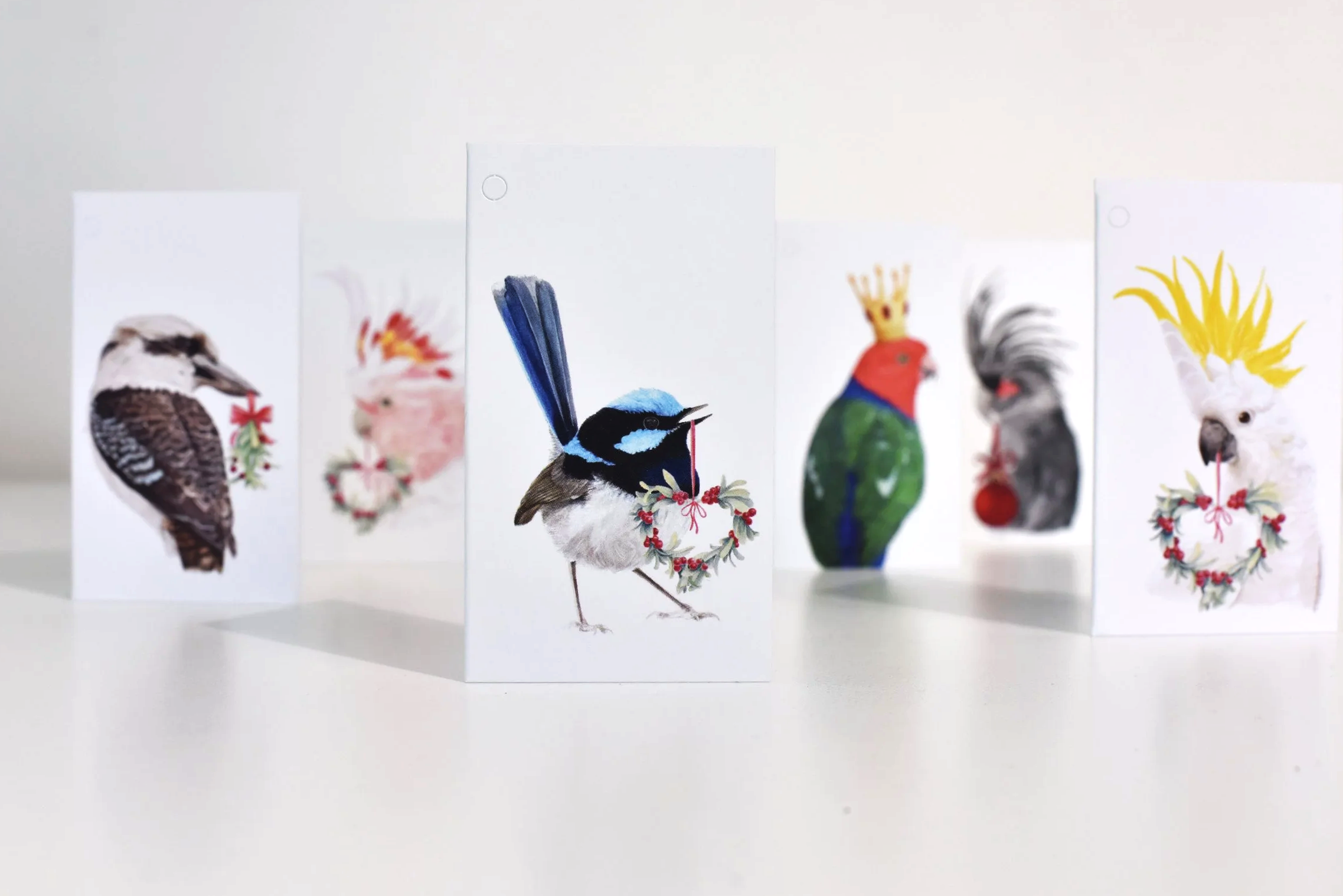
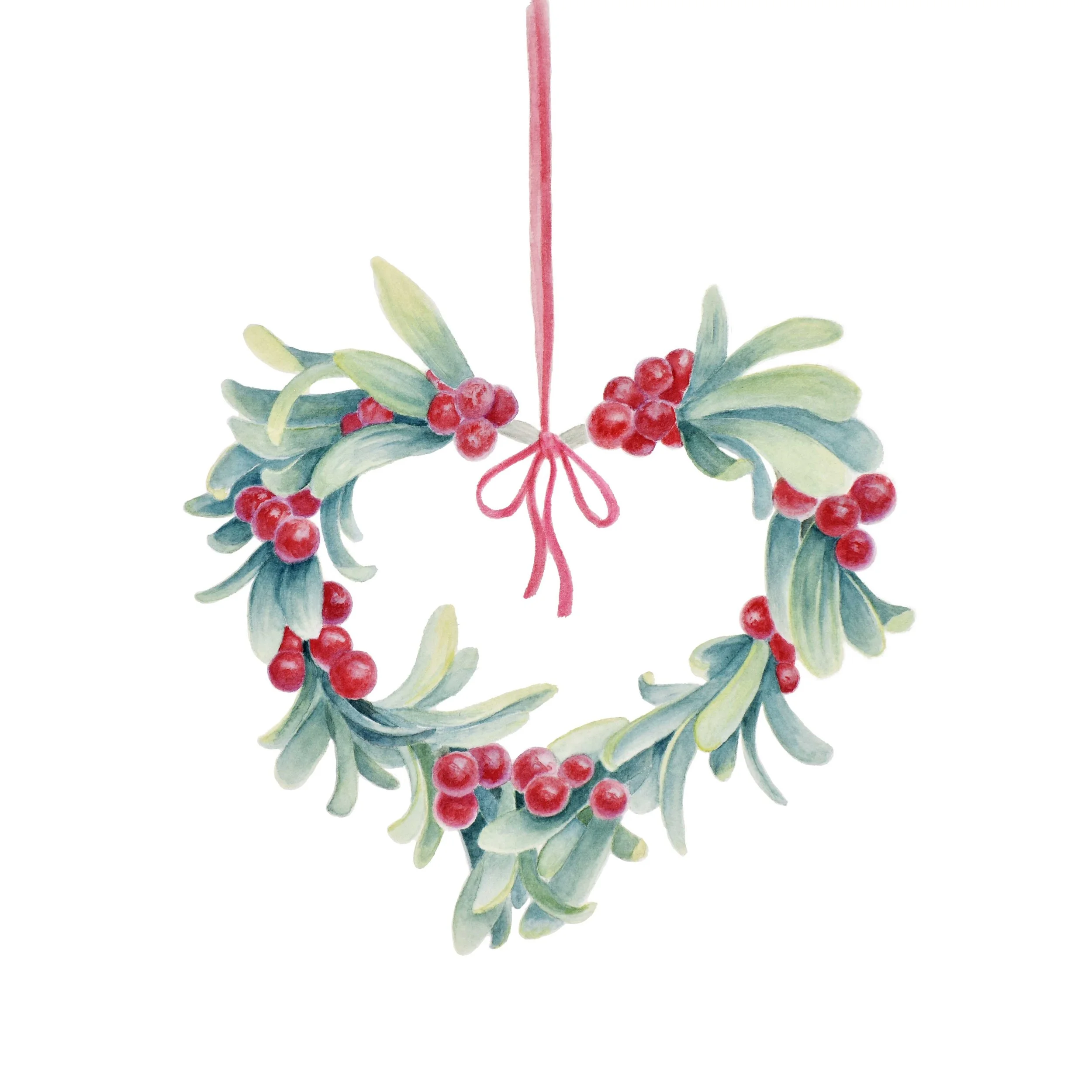
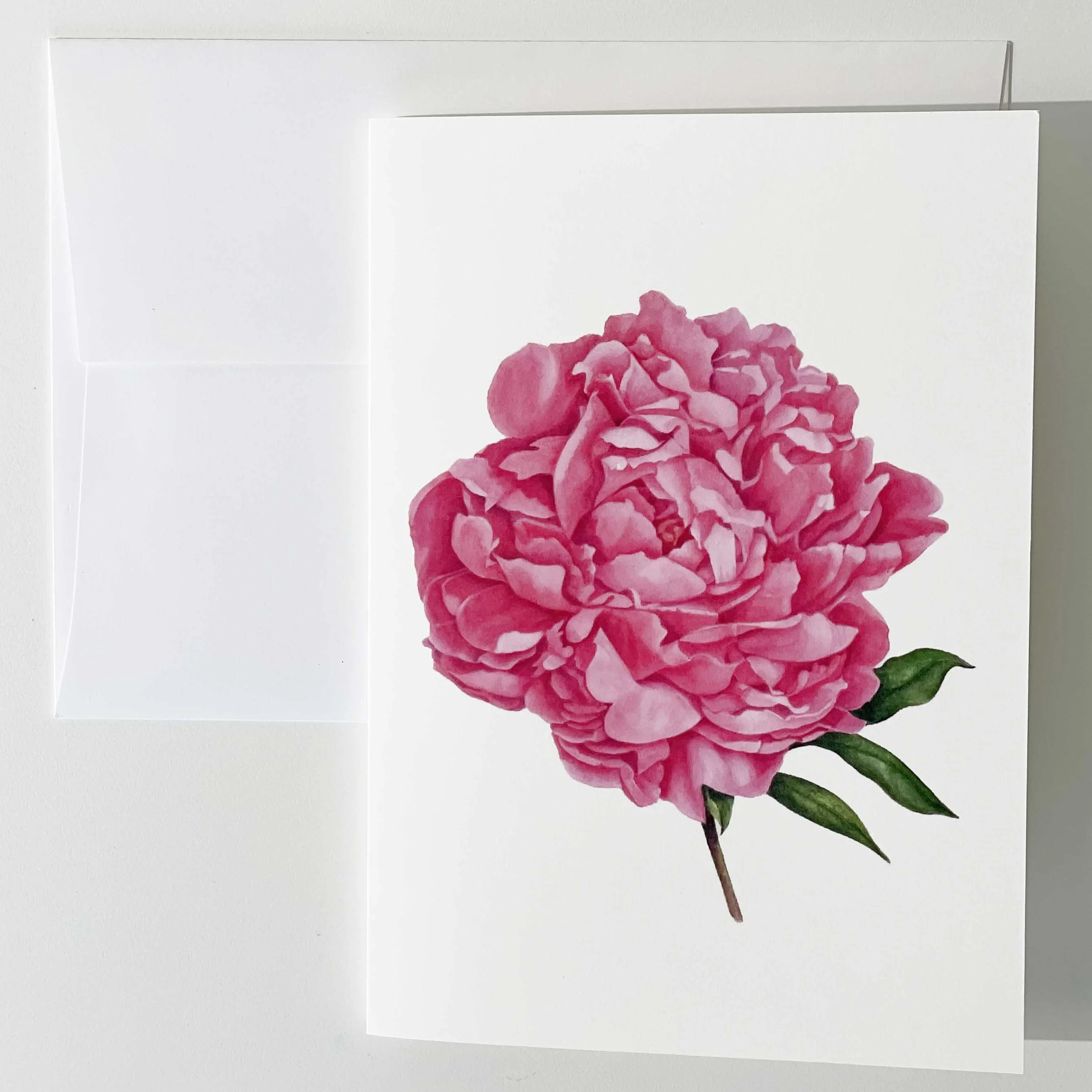
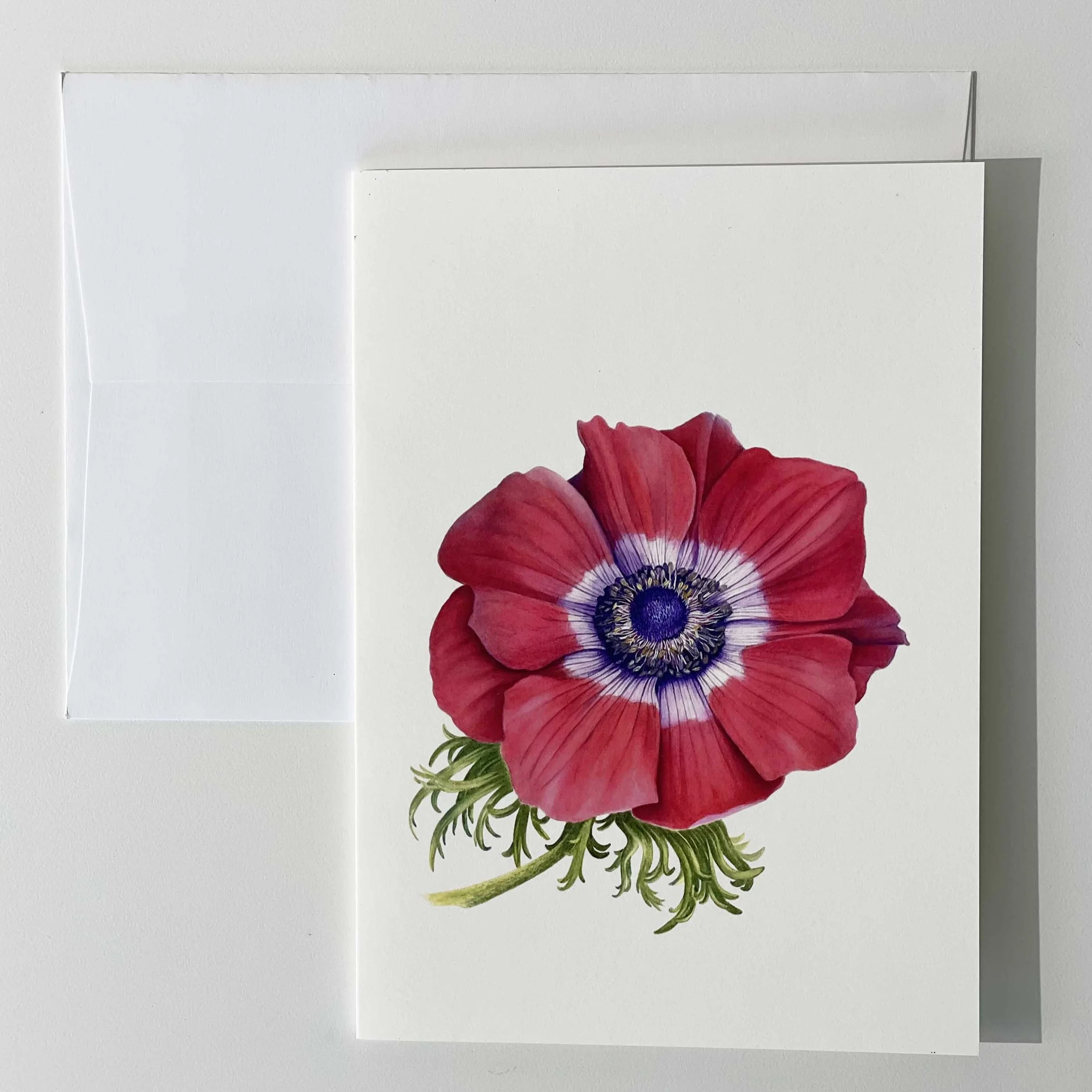
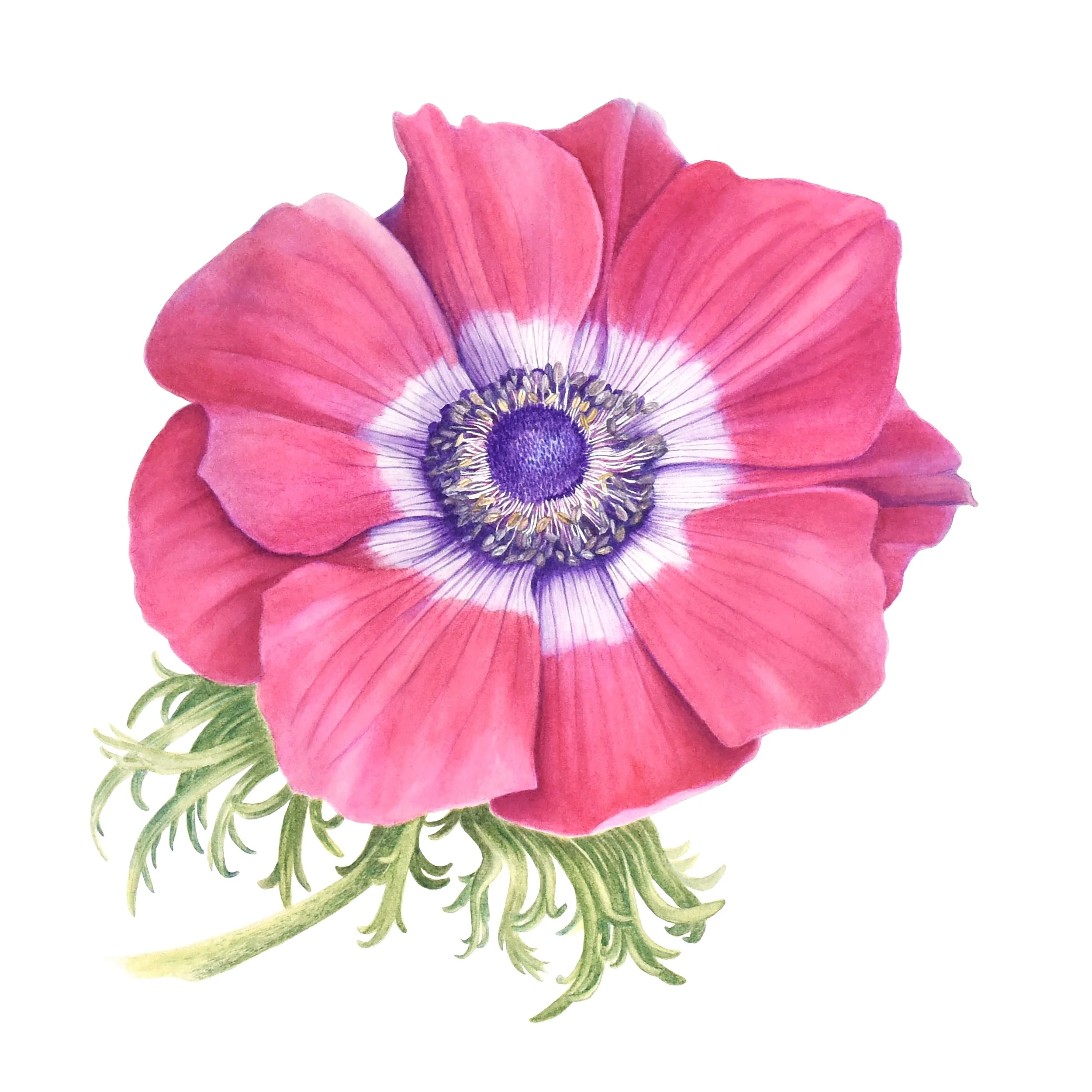
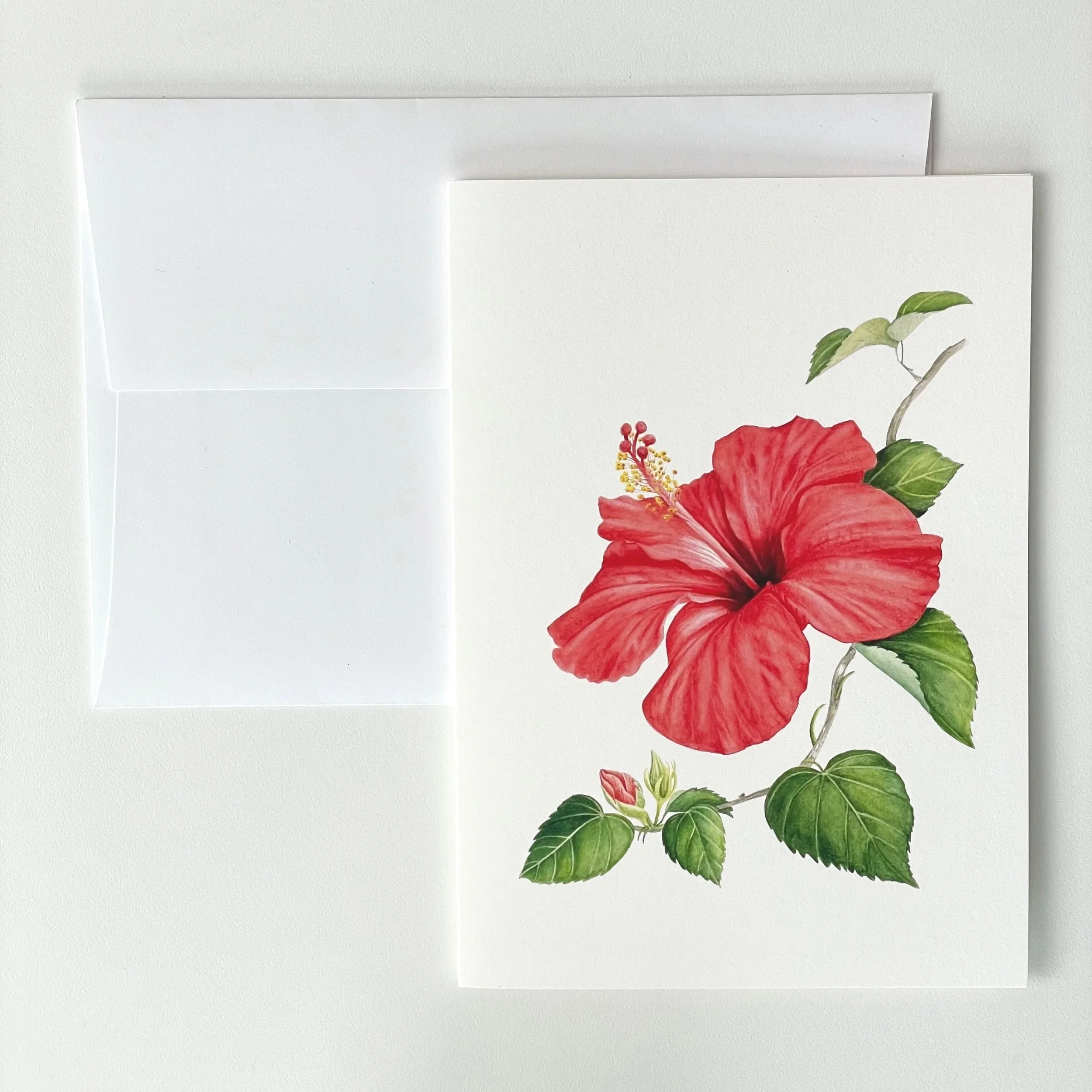
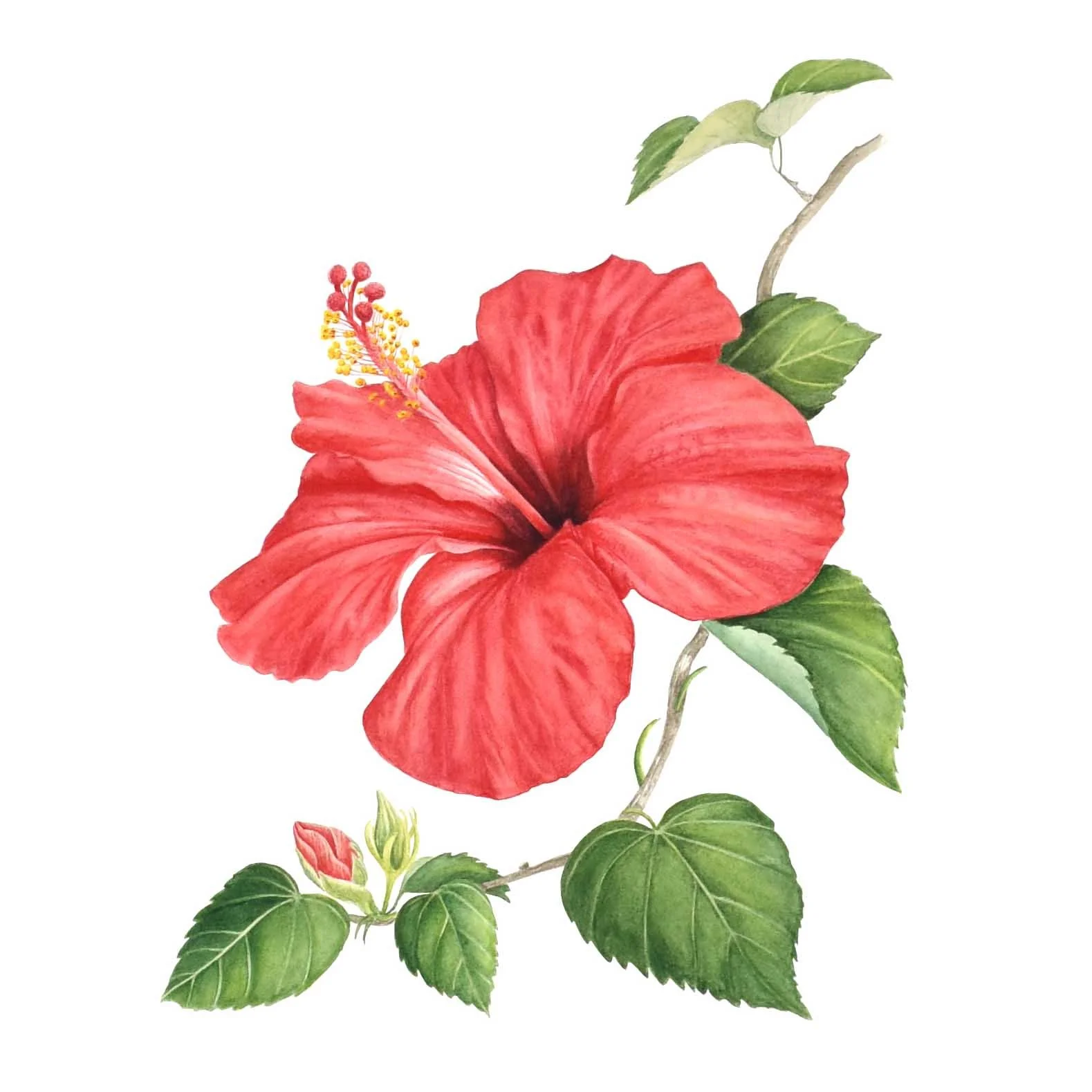
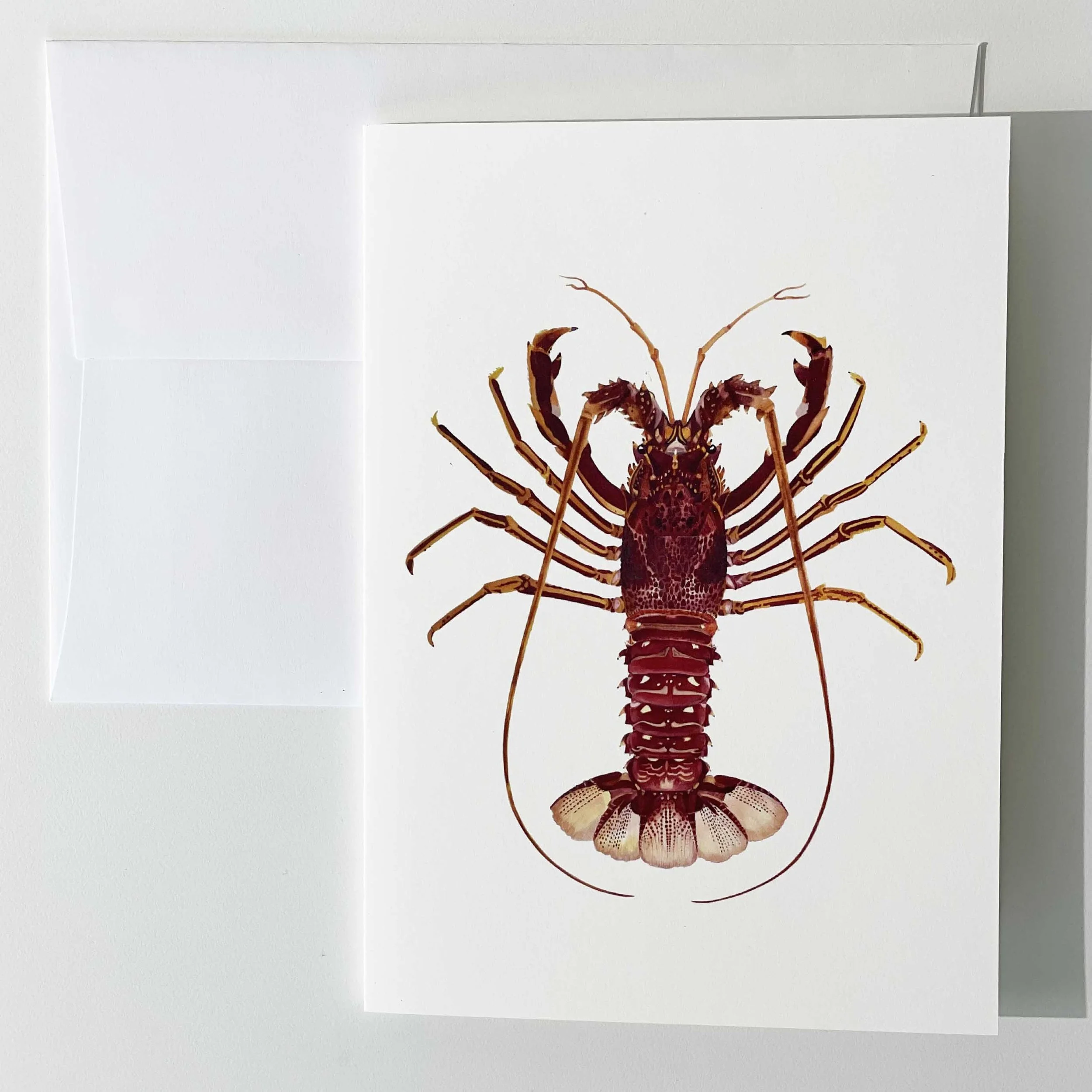
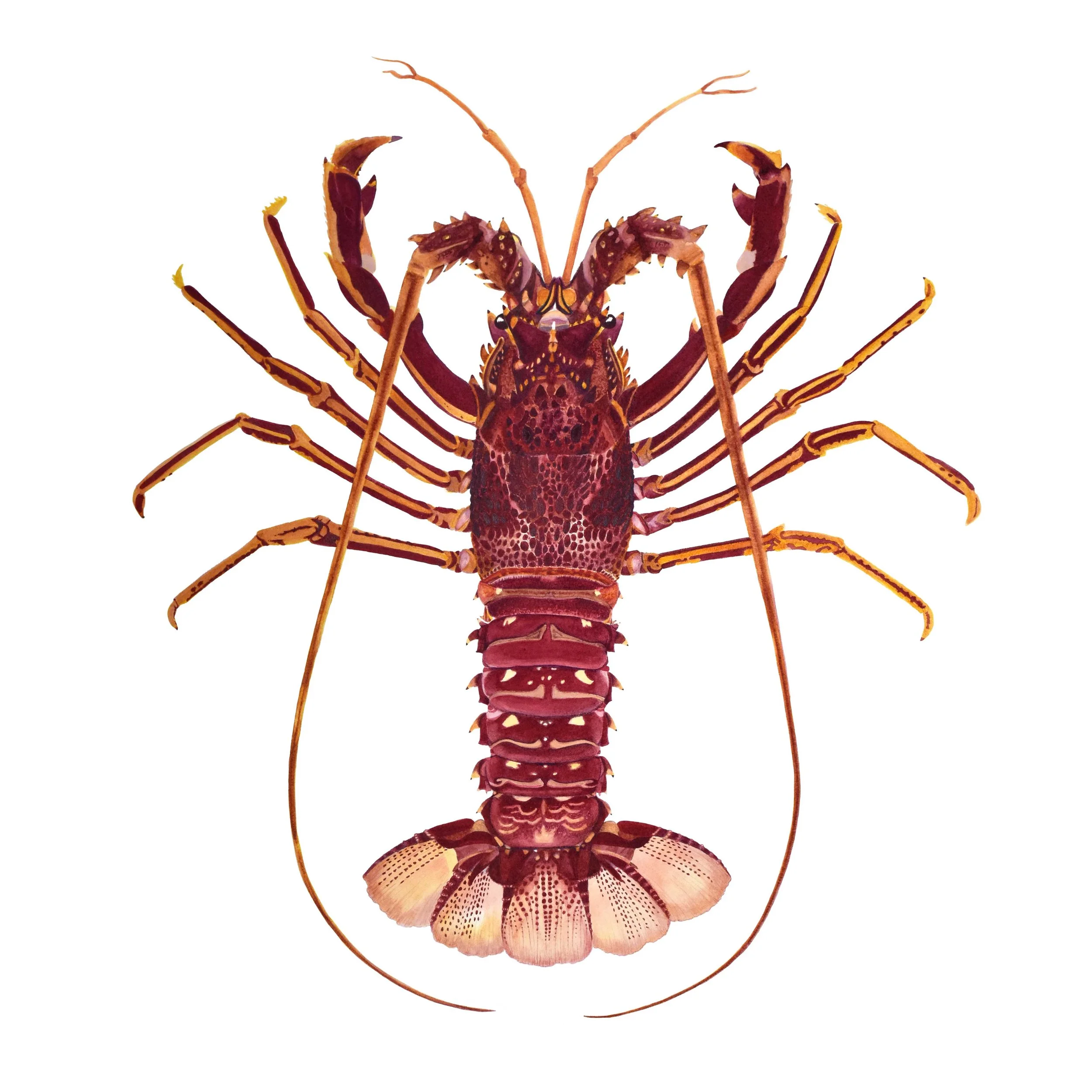
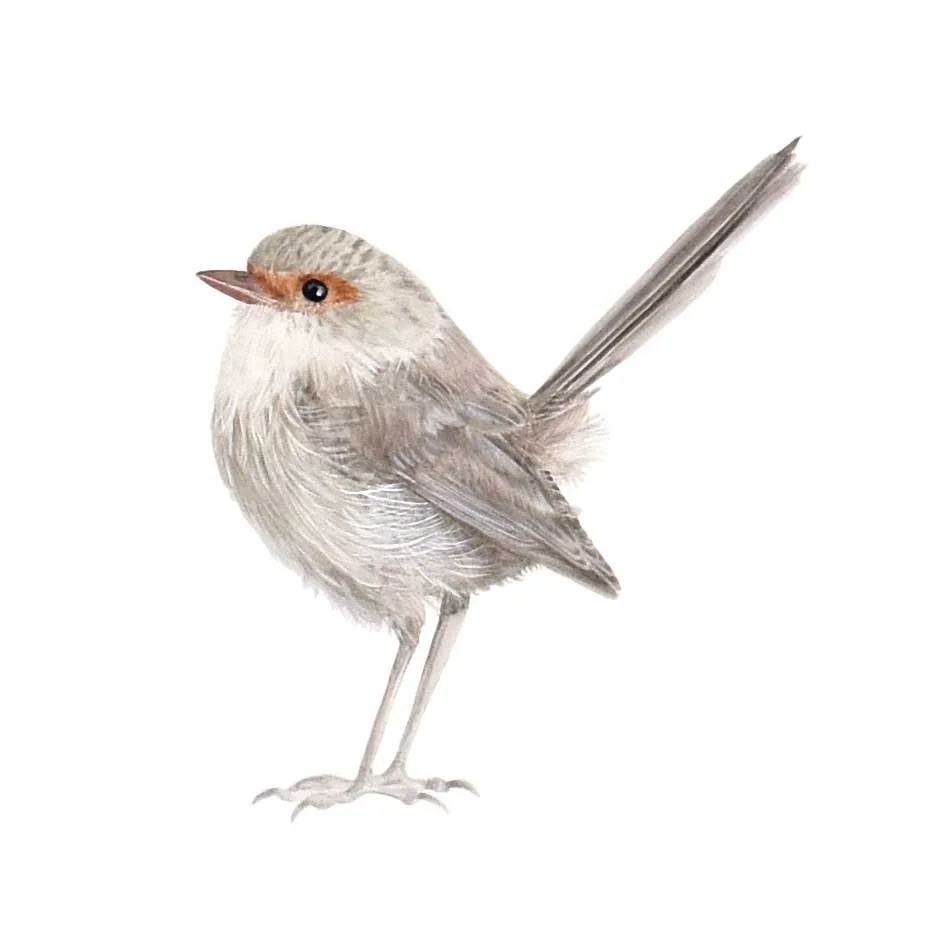
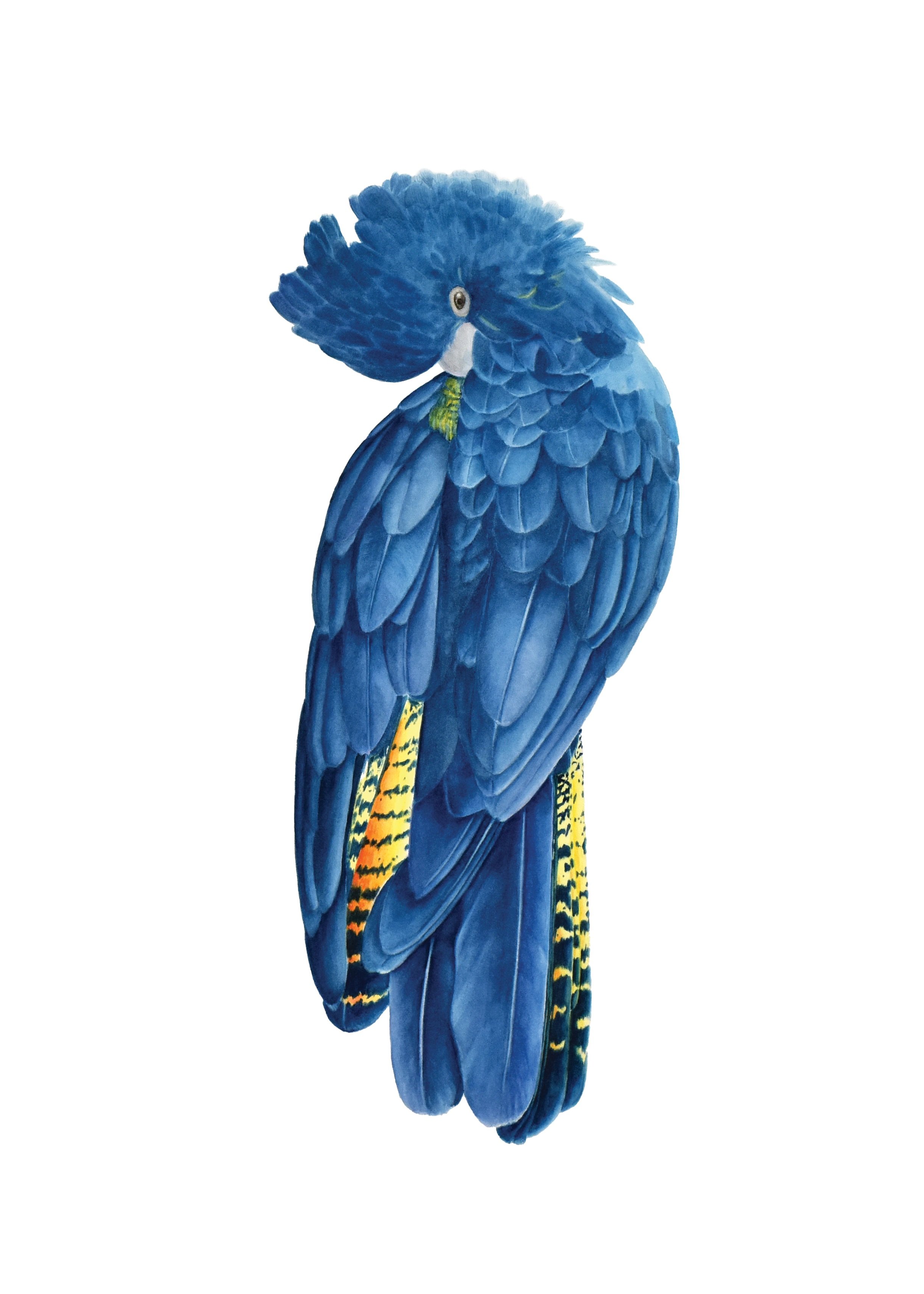
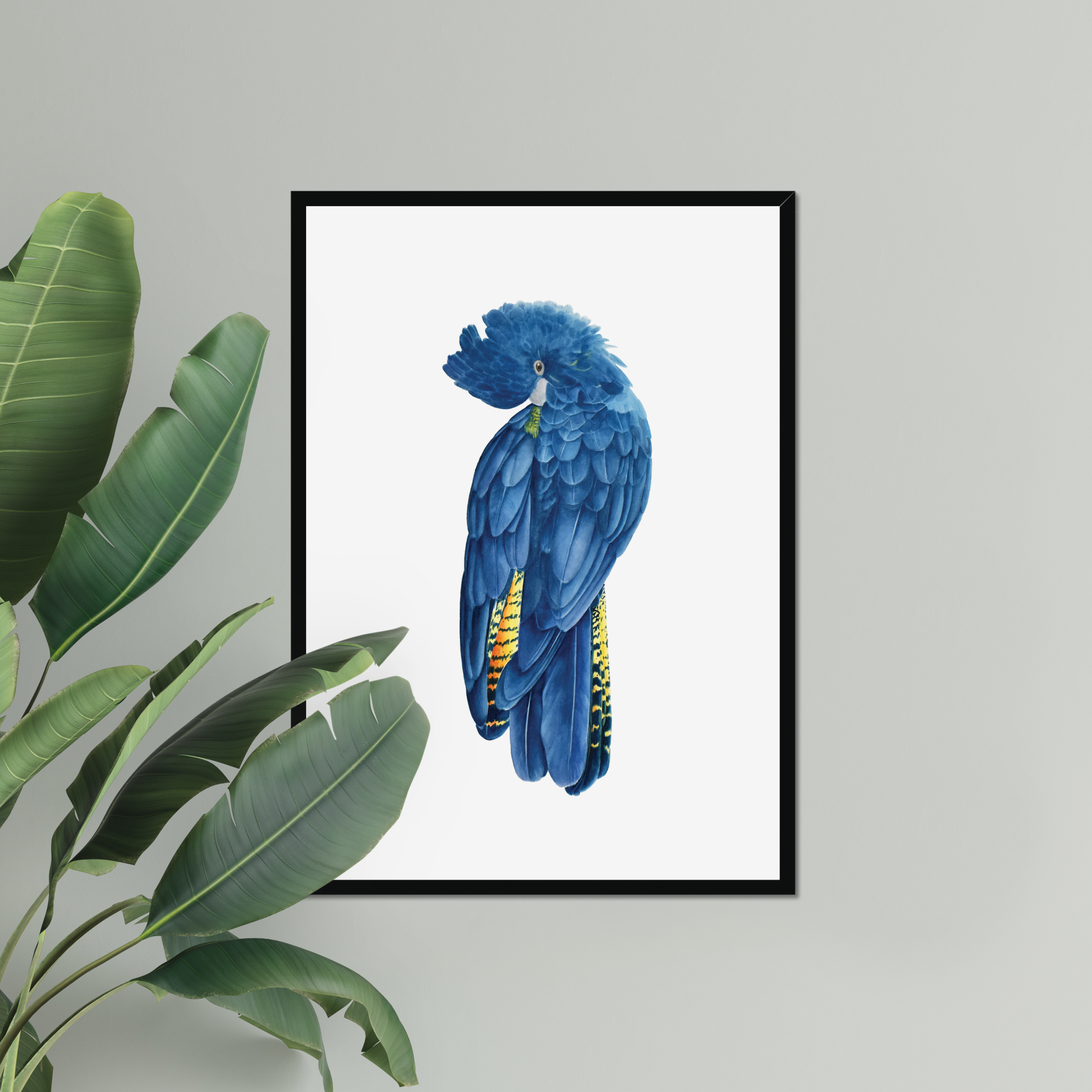
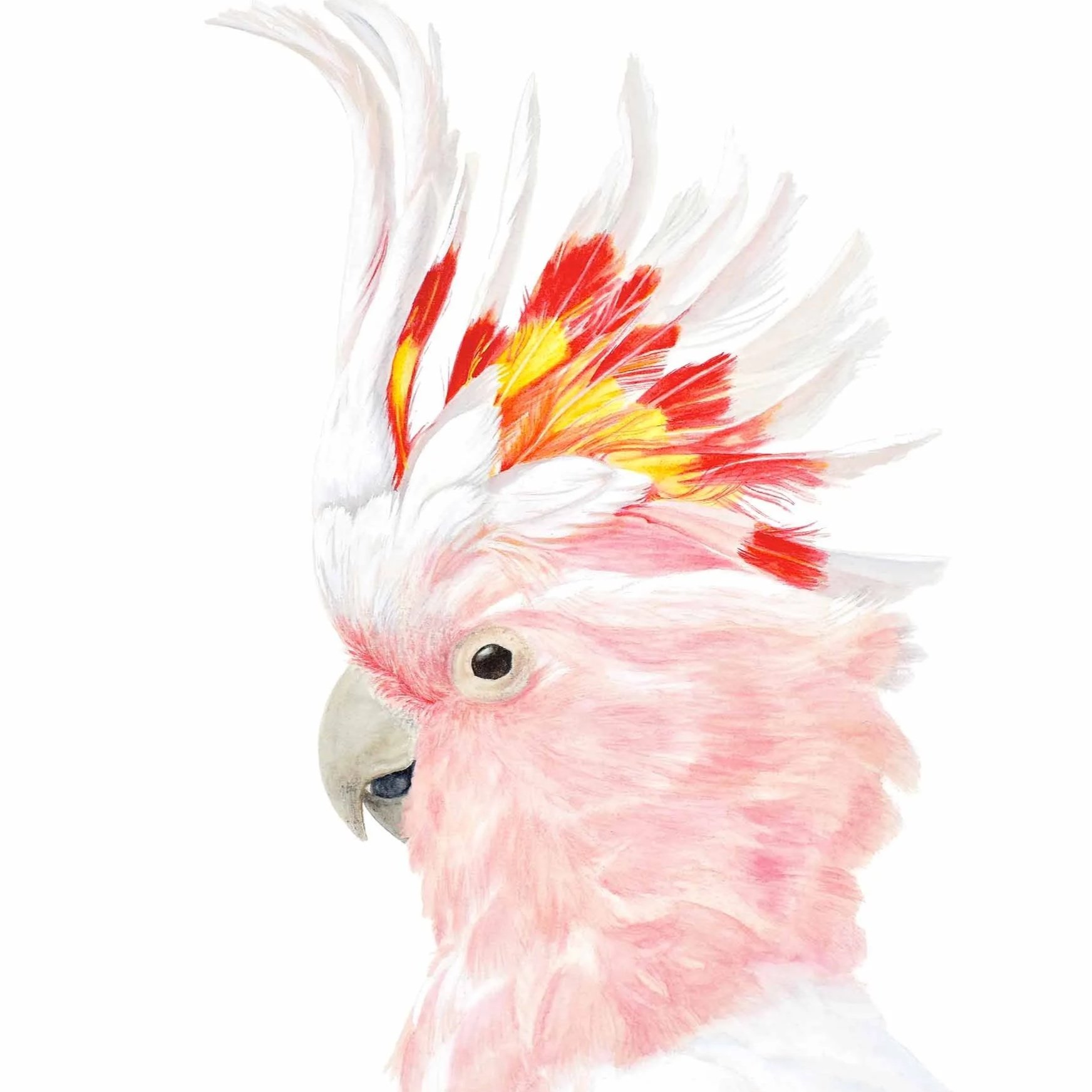
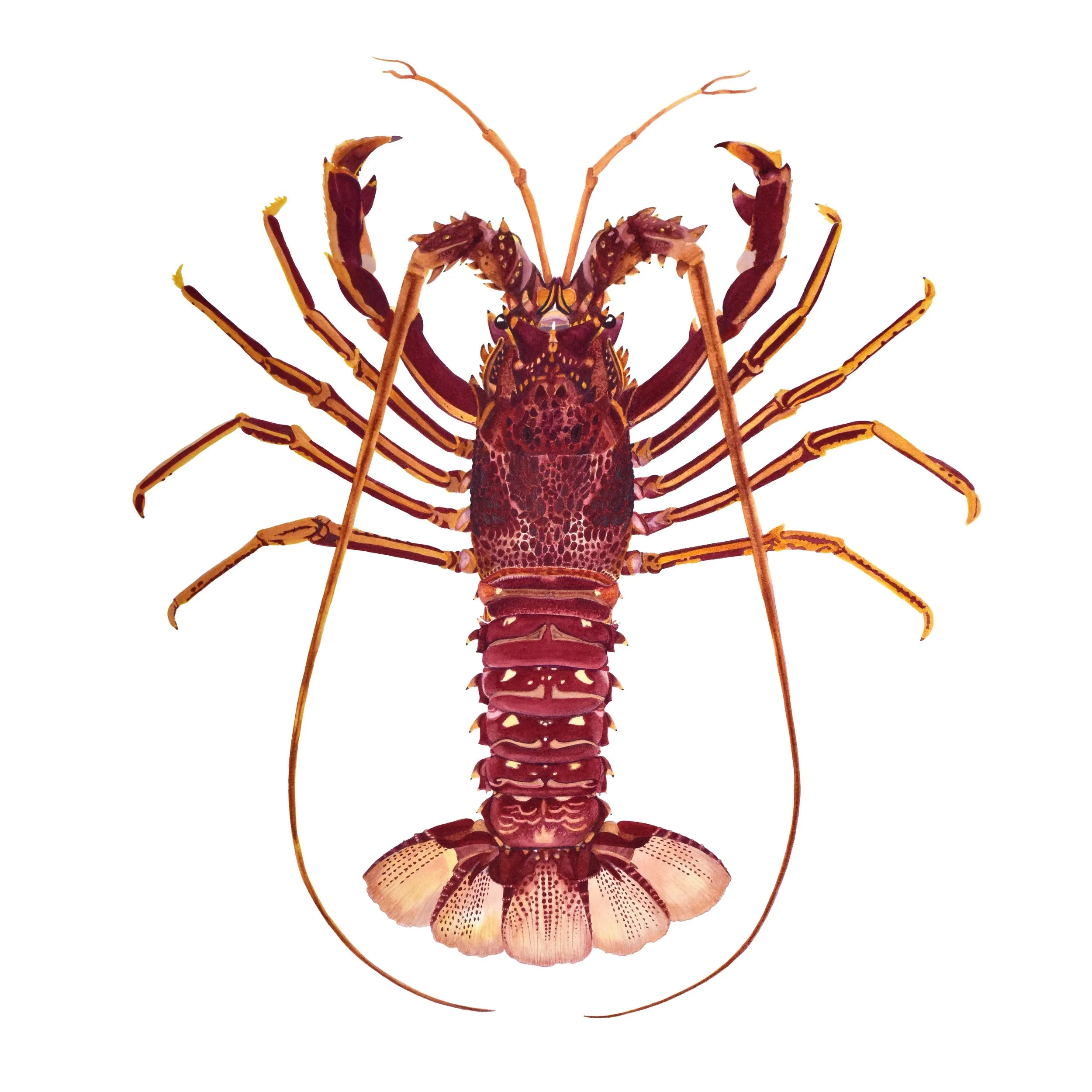
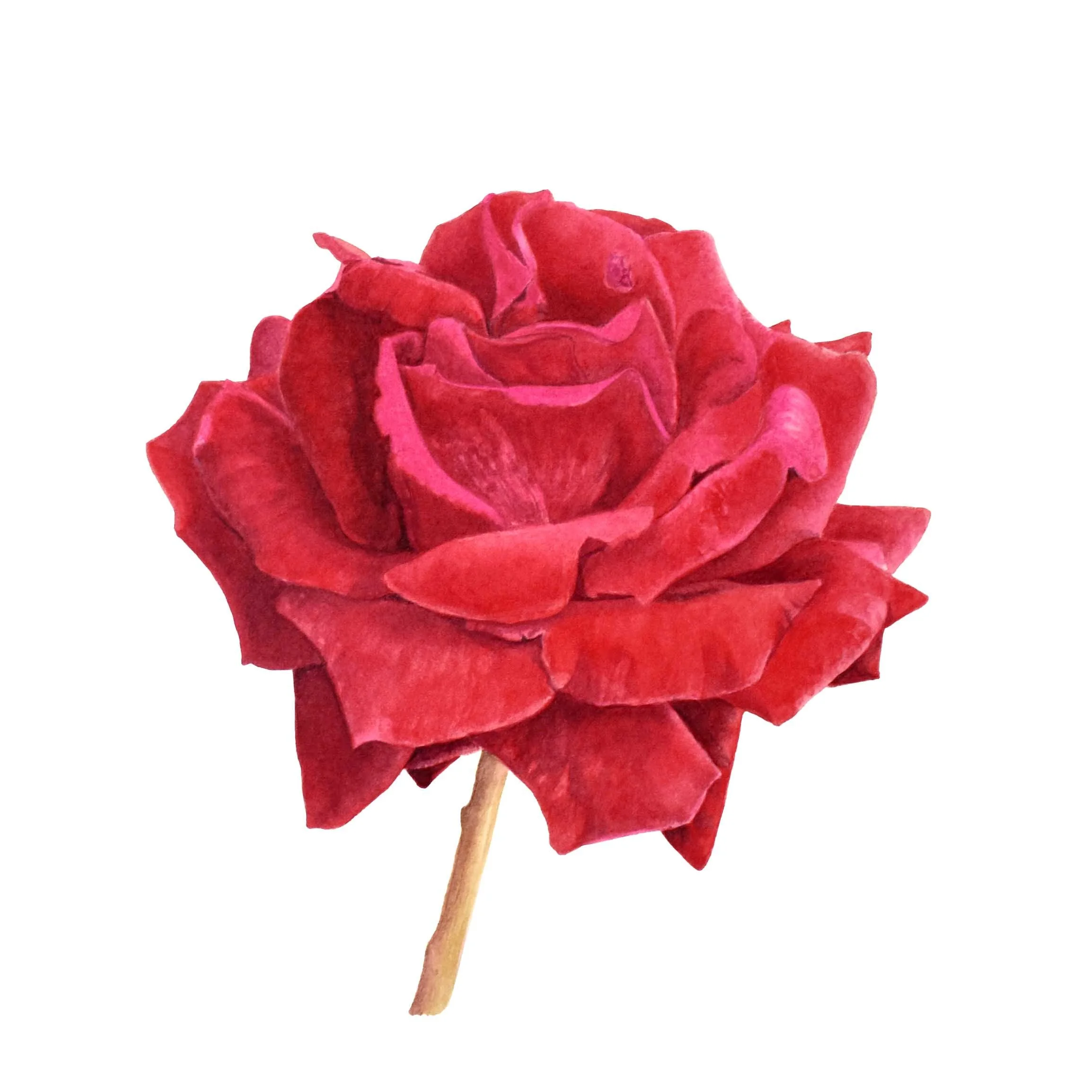
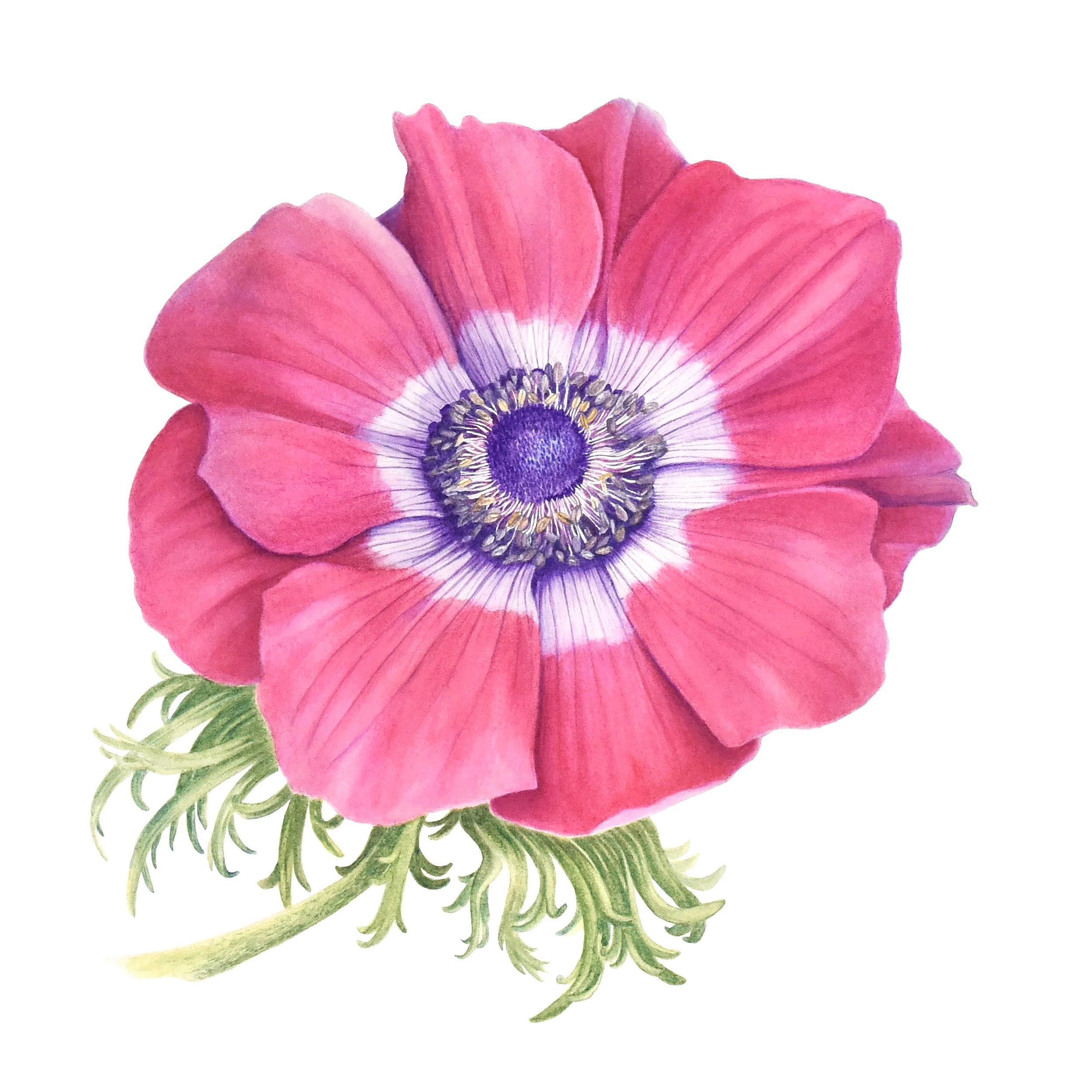
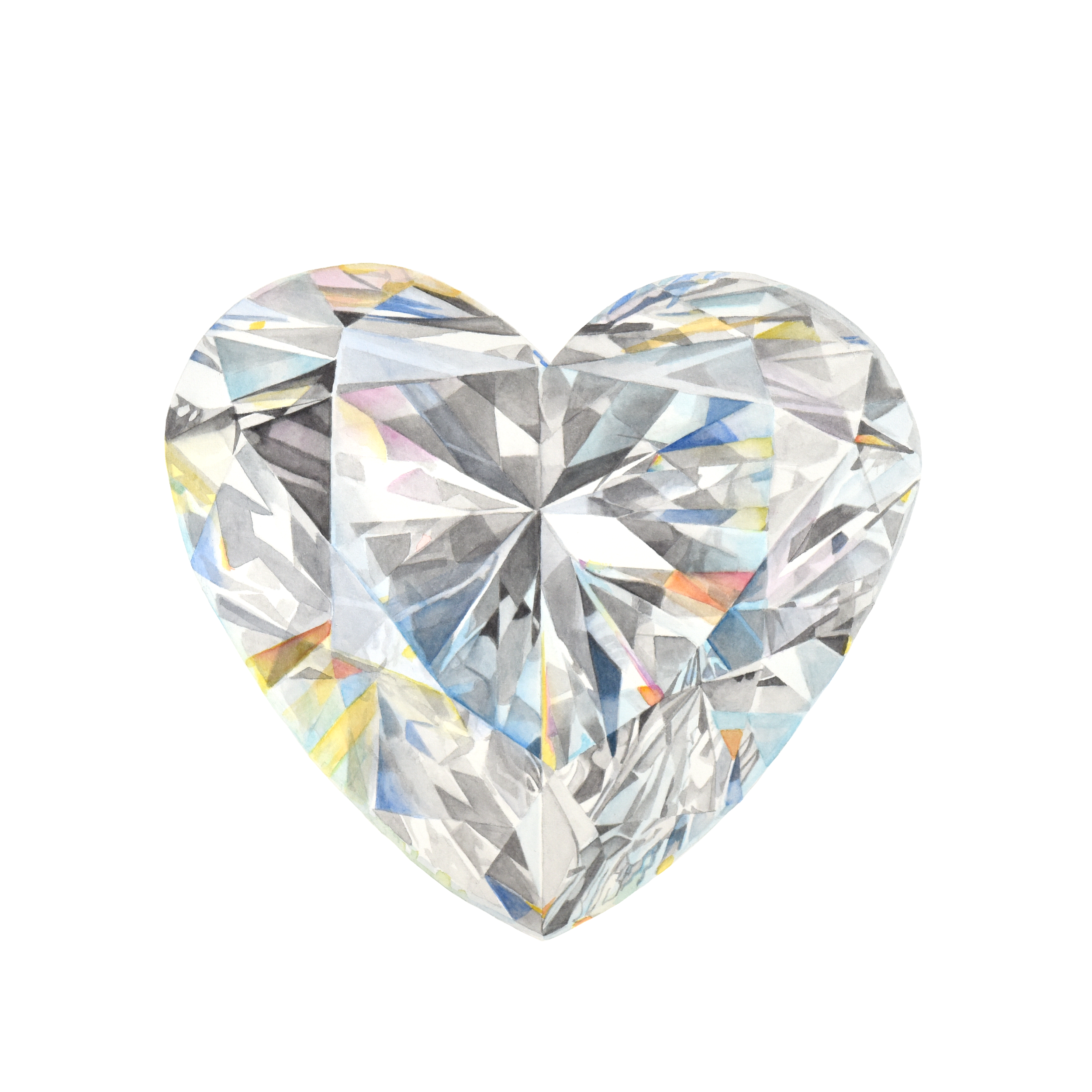
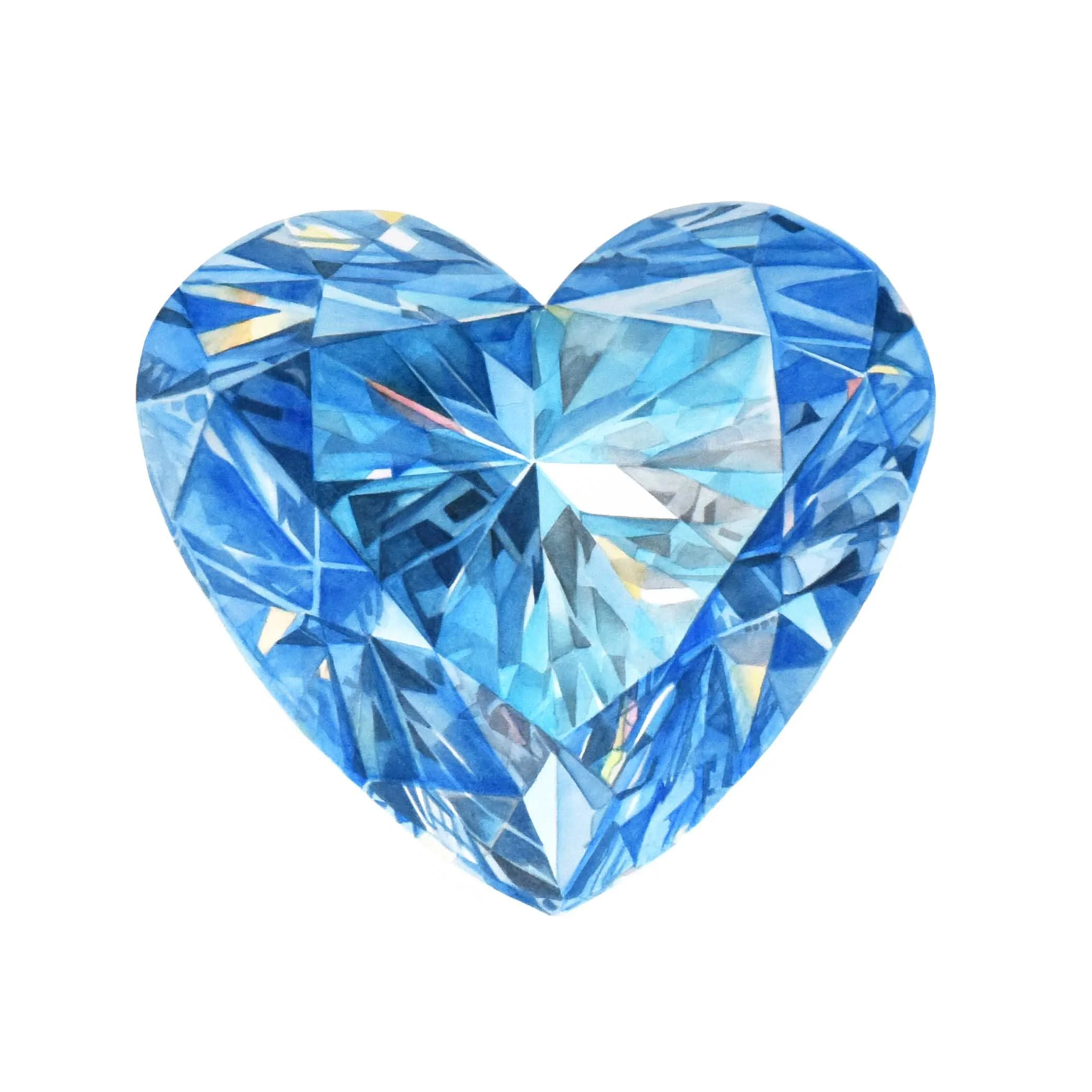
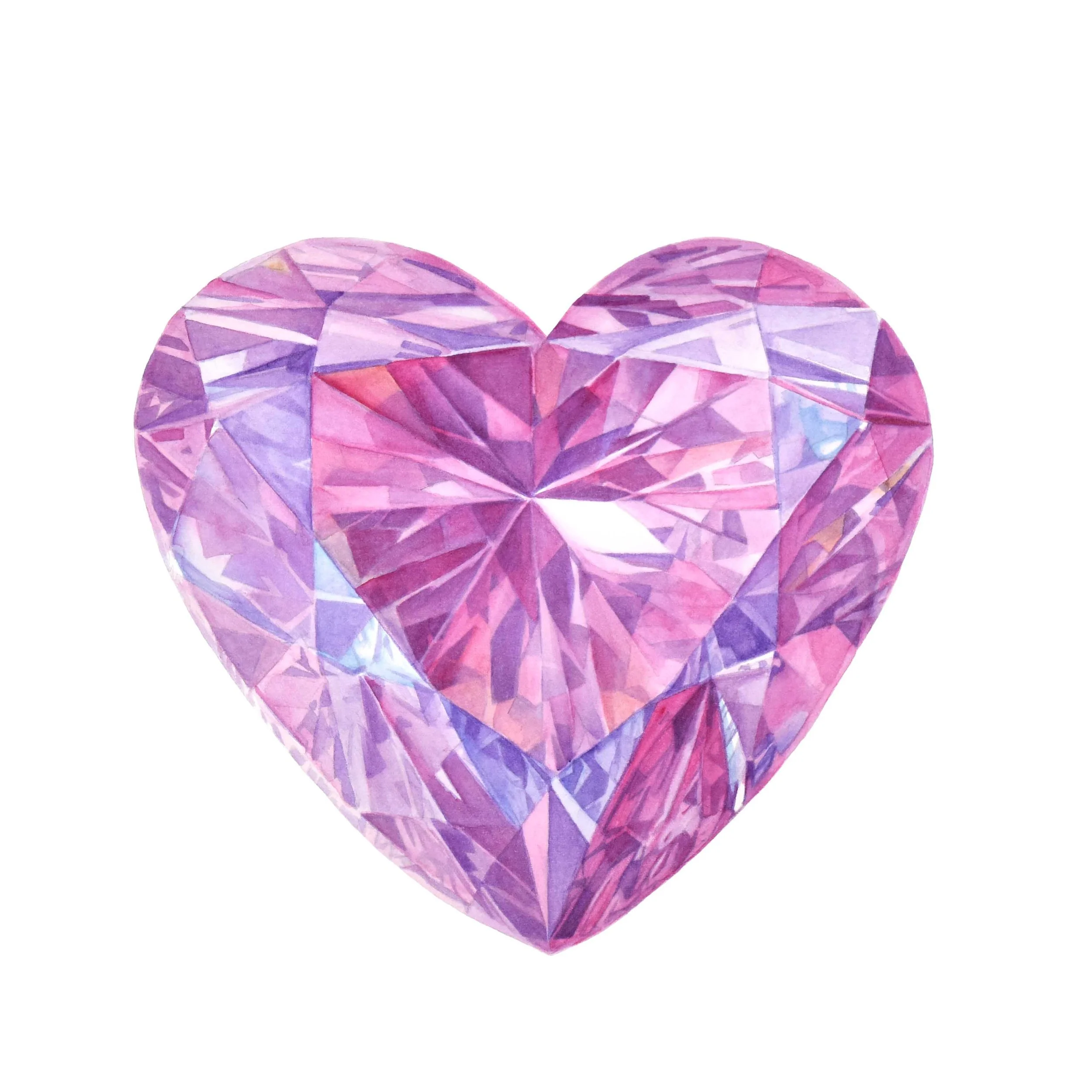
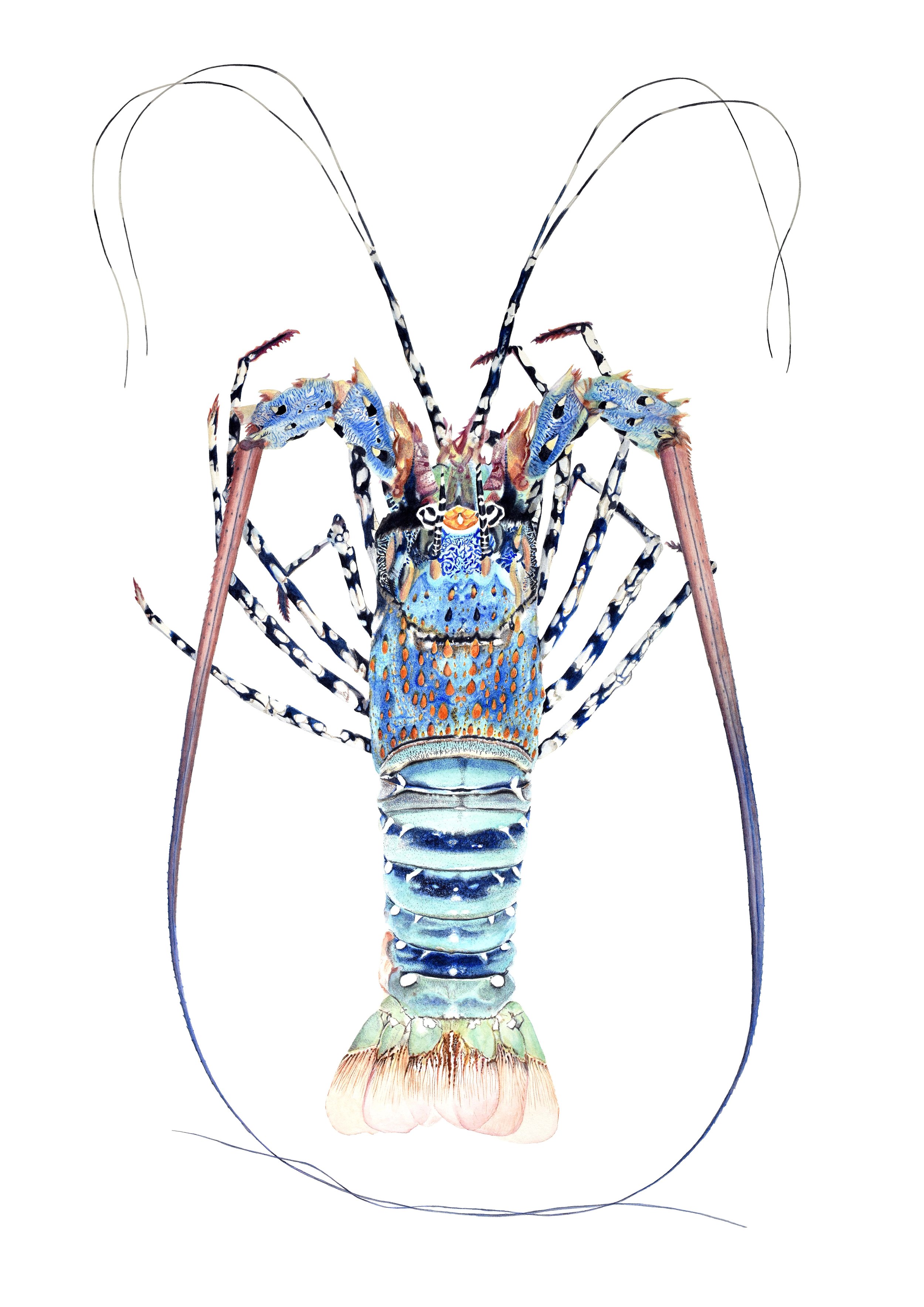
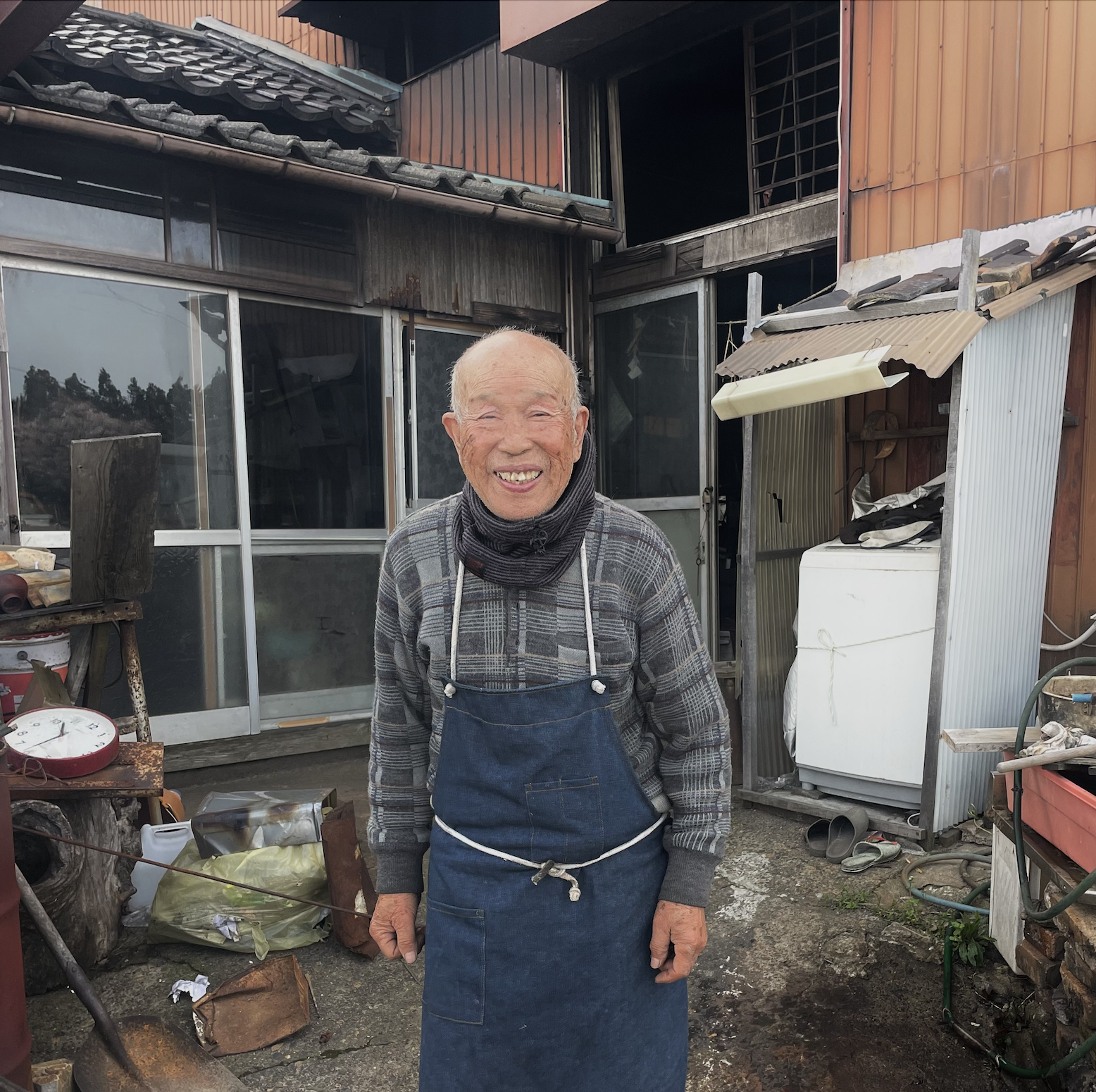
This range of Open Edition Fine Art Cards is the perfect way to share Tiffanie’s Fine Art Prints in a luxury card format.
The Fine Art Cards are printed using the same Giclée process used to produce Fine Art Prints on 300gsm archival natural white paper, which is made from 100% cotton rag, is acid-free and contains no Optical Brightening Agents. The cards are smooth to the touch with a slight texture and are blank on the inside. Each card is pre-scored for an effortless fold and packed in a transparent protective sleeve along with a matching natural white envelope.
Size: 127mm x 178mm (5” x 7”)
For large quantity please contact t.vidal.fineart@gmail.com
This range of Open Edition Fine Art Cards is the perfect way to share Tiffanie’s Fine Art Prints in a luxury card format.
The Fine Art Cards are printed using the same Giclée process used to produce Fine Art Prints on 300gsm archival natural white paper, which is made from 100% cotton rag, is acid-free and contains no Optical Brightening Agents. The cards are smooth to the touch with a slight texture and are blank on the inside. Each card is pre-scored for an effortless fold and packed in a transparent protective sleeve along with a matching natural white envelope.
Size: 127mm x 178mm (5” x 7”)
For large quantity please contact t.vidal.fineart@gmail.com
This range of Open Edition Fine Art Cards is the perfect way to share Tiffanie’s Fine Art Prints in a luxury card format.
The Fine Art Cards are printed using the same Giclée precess used to produce Fine Art Prints on 300gsm archival natural white paper, which is made from 100% cotton rag, is acid-free and contains no Optical Brightening Agents. The cards are smooth to the touch with a slight texture and are blank on the inside. Each card is pre-scored for an effortless fold and packed in a transparent protective sleeve along with a matching natural white envelope.
Size: 127mm x 178mm (5” x 7”)
For large quantity please contact t.vidal.fineart@gmail.com
This range of Open Edition Fine Art Cards is the perfect way to share Tiffanie’s Fine Art Prints in a luxury card format.
The Fine Art Cards are printed using the same Giclée process used to produce Fine Art Prints on 300gsm archival natural white paper, which is made from 100% cotton rag, is acid-free and contains no Optical Brightening Agents. The cards are smooth to the touch with a slight texture and are blank on the inside. Each card is pre-scored for an effortless fold and packed in a transparent protective sleeve along with a matching natural white envelope.
Size: 127mm x 178mm (5” x 7”)
For large quantity please contact t.vidal.fineart@gmail.com
This range of Open Edition Fine Art Cards is the perfect way to share Tiffanie’s Fine Art Prints in a luxury card format.
The Fine Art Cards are printed using the same Giclée process used to produce Fine Art Prints on 300gsm archival natural white paper, which is made from 100% cotton rag, is acid-free and contains no Optical Brightening Agents. The cards are smooth to the touch with a slight texture and are blank on the inside. Each card is pre-scored for an effortless fold and packed in a transparent protective sleeve along with a matching natural white envelope.
Size: 127mm x 178mm (5” x 7”)
For large quantity please contact t.vidal.fineart@gmail.com
This range of Open Edition Fine Art Cards is the perfect way to share Tiffanie’s Fine Art Prints in a luxury card format.
The Fine Art Cards are printed using the same Giclée process used to produce Fine Art Prints on 300gsm archival natural white paper, which is made from 100% cotton rag, is acid-free and contains no Optical Brightening Agents. The cards are smooth to the touch with a slight texture and are blank on the inside. Each card is pre-scored for an effortless fold and packed in a transparent protective sleeve along with a matching natural white envelope.
Size: 127mm x 178mm (5” x 7”)
For large quantity please contact t.vidal.fineart@gmail.com
This range of Open Edition Fine Art Cards is the perfect way to share Tiffanie’s Fine Art Prints in a luxury card format.
The Fine Art Cards are printed using the same Giclée process used to produce Fine Art Prints on 300gsm archival natural white paper, which is made from 100% cotton rag, is acid-free and contains no Optical Brightening Agents. The cards are smooth to the touch with a slight texture and are blank on the inside. Each card is pre-scored for an effortless fold and packed in a transparent protective sleeve along with a matching natural white envelope.
Size: 127mm x 178mm (5” x 7”)
For large quantity please contact t.vidal.fineart@gmail.com
This range of Open Edition Fine Art Cards is the perfect way to share Tiffanie’s Fine Art Prints in a luxury card format.
The Fine Art Cards are printed using the same Giclée process used to produce Fine Art Prints on 300gsm archival natural white paper, which is made from 100% cotton rag, is acid-free and contains no Optical Brightening Agents. The cards are smooth to the touch with a slight texture and are blank on the inside. Each card is pre-scored for an effortless fold and packed in a transparent protective sleeve along with a matching natural white envelope.
Size: 127mm x 178mm (5” x 7”)
For large quantity please contact t.vidal.fineart@gmail.com
This range of Open Edition Fine Art Cards is the perfect way to share Tiffanie’s Fine Art Prints in a luxury card format.
The Fine Art Cards are printed using the same Giclée process used to produce Fine Art Prints on 300gsm archival natural white paper, which is made from 100% cotton rag, is acid-free and contains no Optical Brightening Agents. The cards are smooth to the touch with a slight texture and are blank on the inside. Each card is pre-scored for an effortless fold and packed in a transparent protective sleeve along with a matching natural white envelope.
Size: 127mm x 178mm (5” x 7”)
For large quantity please contact t.vidal.fineart@gmail.com
This range of Open Edition Fine Art Cards is the perfect way to share Tiffanie’s Fine Art Prints in a luxury card format.
The Fine Art Cards are printed using the same Giclée process used to produce Fine Art Prints on 300gsm archival natural white paper, which is made from 100% cotton rag, is acid-free and contains no Optical Brightening Agents. The cards are smooth to the touch with a slight texture and are blank on the inside. Each card is pre-scored for an effortless fold and packed in a transparent protective sleeve along with a matching natural white envelope.
Size: 127mm x 178mm (5” x 7”)
For large quantity please contact t.vidal.fineart@gmail.com
This range of Open Edition Fine Art Cards is the perfect way to share Tiffanie’s Fine Art Prints in a luxury card format.
The Fine Art Cards are printed using the same Giclée process used to produce Fine Art Prints on 300gsm archival natural white paper, which is made from 100% cotton rag, is acid-free and contains no Optical Brightening Agents. The cards are smooth to the touch with a slight texture and are blank on the inside. Each card is pre-scored for an effortless fold and packed in a transparent protective sleeve along with a matching natural white envelope.
Size: 127mm x 178mm (5” x 7”)
For large quantity please contact t.vidal.fineart@gmail.com
This range of Open Edition Fine Art Cards is the perfect way to share Tiffanie’s Fine Art Prints in a luxury card format.
The Fine Art Cards are printed using the same Giclée process used to produce Fine Art Prints on 300gsm archival natural white paper, which is made from 100% cotton rag, is acid-free and contains no Optical Brightening Agents. The cards are smooth to the touch with a slight texture and are blank on the inside. Each card is pre-scored for an effortless fold and packed in a transparent protective sleeve along with a matching natural white envelope.
Size: 127mm x 178mm (5” x 7”)
For large quantity please contact t.vidal.fineart@gmail.com
This range of Open Edition Fine Art Cards is the perfect way to share Tiffanie’s Fine Art Prints in a luxury card format.
The Fine Art Cards are printed using the same Giclée process used to produce Fine Art Prints on 300gsm archival natural white paper, which is made from 100% cotton rag, is acid-free and contains no Optical Brightening Agents. The cards are smooth to the touch with a slight texture and are blank on the inside. Each card is pre-scored for an effortless fold and packed in a transparent protective sleeve along with a matching natural white envelope.
Size: 127mm x 178mm (5” x 7”)
For large quantity please contact t.vidal.fineart@gmail.com
This range of Open Edition Fine Art Cards is the perfect way to share Tiffanie’s Fine Art Prints in a luxury card format.
The Fine Art Cards are printed using the same Giclée process used to produce Fine Art Prints on 300gsm archival natural white paper, which is made from 100% cotton rag, is acid-free and contains no Optical Brightening Agents. The cards are smooth to the touch with a slight texture and are blank on the inside. Each card is pre-scored for an effortless fold and packed in a transparent protective sleeve along with a matching natural white envelope.
Size: 127mm x 178mm (5” x 7”)
For large quantity please contact t.vidal.fineart@gmail.com
This range of Open Edition Fine Art Cards is the perfect way to share Tiffanie’s Fine Art Prints in a luxury card format.
The Fine Art Cards are printed using the same Giclée process used to produce Fine Art Prints on 300gsm archival natural white paper, which is made from 100% cotton rag, is acid-free and contains no Optical Brightening Agents. The cards are smooth to the touch with a slight texture and are blank on the inside. Each card is pre-scored for an effortless fold and packed in a transparent protective sleeve along with a matching natural white envelope.
Size: 127mm x 178mm (5” x 7”)
For large quantity please contact t.vidal.fineart@gmail.com
This range of Open Edition Fine Art Cards is the perfect way to share Tiffanie’s Fine Art Prints in a luxury card format.
The Fine Art Cards are printed using the same Giclée process used to produce Fine Art Prints on 300gsm archival natural white paper, which is made from 100% cotton rag, is acid-free and contains no Optical Brightening Agents. The cards are smooth to the touch with a slight texture and are blank on the inside. Each card is pre-scored for an effortless fold and packed in a transparent protective sleeve along with a matching natural white envelope.
Size: 127mm x 178mm (5” x 7”)
For large quantity please contact t.vidal.fineart@gmail.com
This range of Open Edition Fine Art Cards is the perfect way to share Tiffanie’s Fine Art Prints in a luxury card format.
The Fine Art Cards are printed using the same Giclée process used to produce Fine Art Prints on 300gsm archival natural white paper, which is made from 100% cotton rag, is acid-free and contains no Optical Brightening Agents. The cards are smooth to the touch with a slight texture and are blank on the inside. Each card is pre-scored for an effortless fold and packed in a transparent protective sleeve along with a matching natural white envelope.
Size: 127mm x 178mm (5” x 7”)
For large quantity please contact t.vidal.fineart@gmail.com
This range of Open Edition Fine Art Cards is the perfect way to share Tiffanie’s Fine Art Prints in a luxury card format.
The Fine Art Cards are printed using the same Giclée process used to produce Fine Art Prints on 300gsm archival natural white paper, which is made from 100% cotton rag, is acid-free and contains no Optical Brightening Agents. The cards are smooth to the touch with a slight texture and are blank on the inside. Each card is pre-scored for an effortless fold and packed in a transparent protective sleeve along with a matching natural white envelope.
Size: 127mm x 178mm (5” x 7”)
For large quantity please contact t.vidal.fineart@gmail.com
This range of Open Edition Fine Art Cards is the perfect way to share Tiffanie’s Fine Art Prints in a luxury card format.
The Fine Art Cards are printed using the same Giclée process used to produce Fine Art Prints on 300gsm archival natural white paper, which is made from 100% cotton rag, is acid-free and contains no Optical Brightening Agents. The cards are smooth to the touch with a slight texture and are blank on the inside. Each card is pre-scored for an effortless fold and packed in a transparent protective sleeve along with a matching natural white envelope.
Size: 127mm x 178mm (5” x 7”)
For large quantity please contact t.vidal.fineart@gmail.com
This range of Open Edition Fine Art Cards is the perfect way to share Tiffanie’s Fine Art Prints in a luxury card format.
The Fine Art Cards are printed using the same Giclée process used to produce Fine Art Prints on 300gsm archival natural white paper, which is made from 100% cotton rag, is acid-free and contains no Optical Brightening Agents. The cards are smooth to the touch with a slight texture and are blank on the inside. Each card is pre-scored for an effortless fold and packed in a transparent protective sleeve along with a matching natural white envelope.
Size: 127mm x 178mm (5” x 7”)
For large quantity please contact t.vidal.fineart@gmail.com
This range of Open Edition Fine Art Cards is the perfect way to share Tiffanie’s Fine Art Prints in a luxury card format.
The Fine Art Cards are printed using the same Giclée process used to produce Fine Art Prints on 300gsm archival natural white paper, which is made from 100% cotton rag, is acid-free and contains no Optical Brightening Agents. The cards are smooth to the touch with a slight texture and are blank on the inside. Each card is pre-scored for an effortless fold and packed in a transparent protective sleeve along with a matching natural white envelope.
Size: 127mm x 178mm (5” x 7”)
For large quantity please contact t.vidal.fineart@gmail.com
This range of Open Edition Fine Art Cards is the perfect way to share Tiffanie’s Fine Art Prints in a luxury card format.
The Fine Art Cards are printed using the same Giclée process used to produce Fine Art Prints on 300gsm archival natural white paper, which is made from 100% cotton rag, is acid-free and contains no Optical Brightening Agents. The cards are smooth to the touch with a slight texture and are blank on the inside. Each card is pre-scored for an effortless fold and packed in a transparent protective sleeve along with a matching natural white envelope.
Size: 127mm x 178mm (5” x 7”)
For large quantity please contact t.vidal.fineart@gmail
This range of Open Edition Fine Art Cards is the perfect way to share Tiffanie’s Fine Art Prints in a luxury card format.
The Fine Art Cards are printed using the same Giclée process used to produce Fine Art Prints on 300gsm archival natural white paper, which is made from 100% cotton rag, is acid-free and contains no Optical Brightening Agents. The cards are smooth to the touch with a slight texture and are blank on the inside. Each card is pre-scored for an effortless fold and packed in a transparent protective sleeve along with a matching natural white envelope.
Size: 127mm x 178mm (5” x 7”)
For large quantity please contact t.vidal.fineart@gmail.com
This range of Open Edition Fine Art Cards is the perfect way to share Tiffanie’s Fine Art Prints in a luxury card format.
The Fine Art Cards are printed using the same Giclée process used to produce Fine Art Prints on 300gsm archival natural white paper, which is made from 100% cotton rag, is acid-free and contains no Optical Brightening Agents. The cards are smooth to the touch with a slight texture and are blank on the inside. Each card is pre-scored for an effortless fold and packed in a transparent protective sleeve along with a matching natural white envelope.
Size: 127mm x 178mm (5” x 7”)
For large quantity please contact t.vidal.fineart@gmail.com
This range of Open Edition Fine Art Cards is the perfect way to share Tiffanie’s Fine Art Prints in a luxury card format.
The Fine Art Cards are printed using the same Giclée process used to produce Fine Art Prints on 300gsm archival natural white paper, which is made from 100% cotton rag, is acid-free and contains no Optical Brightening Agents. The cards are smooth to the touch with a slight texture and are blank on the inside. Each card is pre-scored for an effortless fold and packed in a transparent protective sleeve along with a matching natural white envelope.
Size: 127mm x 178mm (5” x 7”)
For large quantity please contact: t.vidal.fineart@gmail.com
This range of Open Edition Fine Art Cards is the perfect way to share Tiffanie’s Fine Art Prints in a luxury card format.
The Fine Art Cards are printed using the same Giclée process used to produce Fine Art Prints on 300gsm archival natural white paper, which is made from 100% cotton rag, is acid-free and contains no Optical Brightening Agents. The cards are smooth to the touch with a slight texture and are blank on the inside. Each card is pre-scored for an effortless fold and packed in a transparent protective sleeve along with a matching natural white envelope.
Size: 127mm x 178mm (5” x 7”)
For large quantity please contact t.vidal.fineart@gmail.com
This range of Open Edition Fine Art Cards is the perfect way to share Tiffanie’s Fine Art Prints in a luxury card format.
The Fine Art Cards are printed using the same Giclée process used to produce Fine Art Prints on 300gsm archival natural white paper, which is made from 100% cotton rag, is acid-free and contains no Optical Brightening Agents. The cards are smooth to the touch with a slight texture and are blank on the inside. Each card is pre-scored for an effortless fold and packed in a transparent protective sleeve along with a matching natural white envelope.
Size: 127mm x 178mm (5” x 7”)
For large quantity please contact t.vidal.fineart@gmail.com
This range of Open Edition Fine Art Cards is the perfect way to share Tiffanie’s Fine Art Prints in a luxury card format.
The Fine Art Cards are printed using the same Giclée process used to produce Fine Art Prints on 300gsm archival natural white paper, which is made from 100% cotton rag, is acid-free and contains no Optical Brightening Agents. The cards are smooth to the touch with a slight texture and are blank on the inside. Each card is pre-scored for an effortless fold and packed in a transparent protective sleeve along with a matching natural white envelope.
Size: 127mm x 178mm (5” x 7”)
For large quantity please contact t.vidal.fineart@gmail.com
This range of Open Edition Fine Art Cards is the perfect way to share Tiffanie’s Fine Art Prints in a luxury card format.
The Fine Art Cards are printed using the same Giclée process used to produce Fine Art Prints on 300gsm archival natural white paper, which is made from 100% cotton rag, is acid-free and contains no Optical Brightening Agents. The cards are smooth to the touch with a slight texture and are blank on the inside. Each card is pre-scored for an effortless fold and packed in a transparent protective sleeve along with a matching natural white envelope.
Size: 127mm x 178mm (5” x 7”)
For large quantity please contact t.vidal.fineart@gmail.com
This range of Open Edition Fine Art Cards is the perfect way to share Tiffanie’s Fine Art Prints in a luxury card format.
The Fine Art Cards are printed using the same Giclée process used to produce Fine Art Prints on 300gsm archival natural white paper, which is made from 100% cotton rag, is acid-free and contains no Optical Brightening Agents. The cards are smooth to the touch with a slight texture and are blank on the inside. Each card is pre-scored for an effortless fold and packed in a transparent protective sleeve along with a matching natural white envelope.
Size: 127mm x 178mm (5” x 7”)
For large quantity please contact t.vidal.fineart@gmail.com
This range of Open Edition Fine Art Cards is the perfect way to share Tiffanie’s Fine Art Prints in a luxury card format.
The Fine Art Cards are printed using the same Giclée process used to produce Fine Art Prints on 300gsm archival natural white paper, which is made from 100% cotton rag, is acid-free and contains no Optical Brightening Agents. The cards are smooth to the touch with a slight texture and are blank on the inside. Each card is pre-scored for an effortless fold and packed in a transparent protective sleeve along with a matching natural white envelope.
Size: 127mm x 178mm (5” x 7”)
For large quantity please contact t.vidal.fineart@gmail.com
This range of Open Edition Fine Art Cards is the perfect way to share Tiffanie’s Fine Art Prints in a luxury card format.
The Fine Art Cards are printed using the same Giclée process used to produce Fine Art Prints on 300gsm archival natural white paper, which is made from 100% cotton rag, is acid-free and contains no Optical Brightening Agents. The cards are smooth to the touch with a slight texture and are blank on the inside. Each card is pre-scored for an effortless fold and packed in a transparent protective sleeve along with a matching natural white envelope.
Size: 127mm x 178mm (5” x 7”)
For large quantity please contact t.vidal.fineart@gmail.com
This range of Open Edition Fine Art Cards is the perfect way to share Tiffanie’s Fine Art Prints in a luxury card format.
The Fine Art Cards are printed using the same Giclée process used to produce Fine Art Prints on 300gsm archival natural white paper, which is made from 100% cotton rag, is acid-free and contains no Optical Brightening Agents. The cards are smooth to the touch with a slight texture and are blank on the inside. Each card is pre-scored for an effortless fold and packed in a transparent protective sleeve along with a matching natural white envelope.
Size: 127mm x 178mm (5” x 7”)
For large quantity please contact t.vidal.fineart@gmail.com
This range of Open Edition Fine Art Cards is the perfect way to share Tiffanie’s Fine Art Prints in a luxury card format.
The Fine Art Cards are printed using the same Giclée process used to produce Fine Art Prints on 300gsm archival natural white paper, which is made from 100% cotton rag, is acid-free and contains no Optical Brightening Agents. The cards are smooth to the touch with a slight texture and are blank on the inside. Each card is pre-scored for an effortless fold and packed in a transparent protective sleeve along with a matching natural white envelope.
Size: 127mm x 178mm (5” x 7”)
For large quantity please contact t.vidal.fineart@gmail.com
This range of Open Edition Fine Art Cards is the perfect way to share Tiffanie’s Fine Art Prints in a luxury card format.
The Fine Art Cards are printed using the same Giclée process used to produce Fine Art Prints on 300gsm archival natural white paper, which is made from 100% cotton rag, is acid-free and contains no Optical Brightening Agents. The cards are smooth to the touch with a slight texture and are blank on the inside. Each card is pre-scored for an effortless fold and packed in a transparent protective sleeve along with a matching natural white envelope.
Size: 127mm x 178mm (5” x 7”)
For large quantity please contact t.vidal.fineart@gmail.com
This range of Open Edition Fine Art Cards is the perfect way to share Tiffanie’s Fine Art Prints in a luxury card format.
The Fine Art Cards are printed using the same Giclée process used to produce Fine Art Prints on 300gsm archival natural white paper, which is made from 100% cotton rag, is acid-free and contains no Optical Brightening Agents. The cards are smooth to the touch with a slight texture and are blank on the inside. Each card is pre-scored for an effortless fold and packed in a transparent protective sleeve along with a matching natural white envelope.
Size: 127mm x 178mm (5” x 7”)
For large quantity please contact t.vidal.fineart@gmail.com
This range of Open Edition Fine Art Cards is the perfect way to share Tiffanie’s Fine Art Prints in a luxury card format.
The Fine Art Cards are printed using the same Giclée process used to produce Fine Art Prints on 300gsm archival natural white paper, which is made from 100% cotton rag, is acid-free and contains no Optical Brightening Agents. The cards are smooth to the touch with a slight texture and are blank on the inside. Each card is pre-scored for an effortless fold and packed in a transparent protective sleeve along with a matching natural white envelope.
Size: 127mm x 178mm (5” x 7”)
For large quantity please contact t.vidal.fineart@gmail.com
This range of Open Edition Fine Art Cards is the perfect way to share Tiffanie’s Fine Art Prints in a luxury card format.
The Fine Art Cards are printed using the same Giclée process used to produce Fine Art Prints on 300gsm archival natural white paper, which is made from 100% cotton rag, is acid-free and contains no Optical Brightening Agents. The cards are smooth to the touch with a slight texture and are blank on the inside. Each card is pre-scored for an effortless fold and packed in a transparent protective sleeve along with a matching natural white envelope.
Size: 127mm x 178mm (5” x 7”)
For large quantity please contact t.vidal.fineart@gmail.com
This range of Open Edition Fine Art Cards is the perfect way to share Tiffanie’s Fine Art Prints in a luxury card format.
The Fine Art Cards are printed using the same Giclée process used to produce Fine Art Prints on 300gsm archival natural white paper, which is made from 100% cotton rag, is acid-free and contains no Optical Brightening Agents. The cards are smooth to the touch with a slight texture and are blank on the inside. Each card is pre-scored for an effortless fold and packed in a transparent protective sleeve along with a matching natural white envelope.
Size: 127mm x 178mm (5” x 7”)
For large quantity please contact t.vidal.fineart@gmal.com
This range of Open Edition Fine Art Cards is the perfect way to share Tiffanie’s Fine Art Prints in a luxury card format.
The Fine Art Cards are printed using the same Giclée process used to produce Fine Art Prints on 300gsm archival natural white paper, which is made from 100% cotton rag, is acid-free and contains no Optical Brightening Agents. The cards are smooth to the touch with a slight texture and are blank on the inside. Each card is pre-scored for an effortless fold and packed in a transparent protective sleeve along with a matching natural white envelope.
Size: 127mm x 178mm (5” x 7”)
For large quantity please contact t.vidal.fineart@gmail.com
Satin finish for vibrant colours and soft feel
Inside is blank and uncoated to write your message
Sustainably sourced, pre-scored heavyweight 340gsm paper
5x Gold 120gsm envelopes included
Size: 10.5 x 14.8 cm / 4 x 6”
For large quantity please contact:t.vidal.fineart@gmail.com
Satin finish for vibrant colours and soft feel
Inside is blank and uncoated to write your message
Sustainably sourced, pre-scored heavyweight 340gsm paper
5x Gold 120gsm envelopes included
Size: 10.5 x 14.8 cm / 4 x 6”
For large quantity please contact:t.vidal.fineart@gmail.com
Satin finish for vibrant colours and soft feel
Inside is blank and uncoated to write your message
Sustainably sourced, pre-scored heavyweight 340gsm paper
5x Gold 120gsm envelopes included
Size: 10.5 x 14.8 cm / 4 x 6”
For large quantity please contact:t.vidal.fineart@gmail.com
Satin finish for vibrant colours and soft feel
Inside is blank and uncoated to write your message
Sustainably sourced, pre-scored heavyweight 340gsm paper
5x Gold 120gsm envelopes included
Size: 10.5 x 14.8 cm / 4 x 6”
For large quantity please contact:t.vidal.fineart@gmail.com
Satin finish for vibrant colours and soft feel
Inside is blank and uncoated to write your message
Sustainably sourced, pre-scored heavyweight 340gsm paper
5x Gold 120gsm envelopes included
Size: 10.5 x 14.8 cm / 4 x 6”
For large quantity please contact: t.vidal.fineart@gmail.com
Satin finish for vibrant colours and soft feel
Inside is blank and uncoated to write your message
Sustainably sourced, pre-scored heavyweight 340gsm paper
5x Gold 120gsm envelopes included
Size: 10.5 x 14.8 cm / 4 x 6”
For large quantity please contact t.vidal.fineart@gmail.com
Satin finish for vibrant colours and soft feel
Inside is blank and uncoated to write your message
Sustainably sourced, pre-scored heavyweight 340gsm paper
5x Gold 120gsm envelopes included
Size: 10.5 x 14.8 cm / 4 x 6”
For large quantity please contact:t.vidal.fineart@gmail.com
Satin finish for vibrant colours and soft feel
Inside is blank and uncoated to write your message
Sustainably sourced, pre-scored heavyweight 340gsm paper
5x Gold 120gsm envelopes included
Size: 10.5 x 14.8 cm / 4 x 6”
For large quantity please contact t.vidal.fineart@gmail.com
Satin finish for vibrant colours and soft feel
Inside is blank and uncoated to write your message
Sustainably sourced, pre-scored heavyweight 340gsm paper
5x Gold 120gsm envelopes included
Size: 10.5 x 14.8 cm / 4 x 6”
For large quantity please contact t.vidal.fineart@gmail.com
Satin finish for vibrant colours and soft feel
Inside is blank and uncoated to write your message
Sustainably sourced, pre-scored heavyweight 340gsm paper
5x Gold 120gsm envelopes included
Size: 10.5 x 14.8 cm / 4 x 6”
For large quantity please contact t.vidal.fineart@gmail.com
Satin finish for vibrant colours and soft feel
Inside is blank and uncoated to write your message
Sustainably sourced, pre-scored heavyweight 340gsm paper
5x Gold 120gsm envelopes included
Size: 10.5 x 14.8 cm / 4 x 6”
For large quantity, please contact t.vidal.fineart@gmail.com
Satin finish for vibrant colours and soft feel
Inside is blank and uncoated to write your message
Sustainably sourced, pre-scored heavyweight 340gsm paper
5x Gold 120gsm envelopes included
Size: 10.5 x 14.8 cm / 4 x 6”
For large quantity please contact t.vidal.fineart@gmail.com
Satin finish for vibrant colours and soft feel
Inside is blank and uncoated to write your message
Sustainably sourced, pre-scored heavyweight 340gsm paper
5x Gold 120gsm envelopes included
Size: 10.5 x 14.8 cm / 4 x 6”
For large quantity please contact t.vidal.fineart@gmail.com
Satin finish for vibrant colours and soft feel
Inside is blank and uncoated to write your message
Sustainably sourced, pre-scored heavyweight 340gsm paper
5x Gold 120gsm envelopes included
Size: 10.5 x 14.8 cm / 4 x 6”
For large quantity please contact t.vidal.fineart@gmail.com
Satin finish for vibrant colours and soft feel
Inside is blank and uncoated to write your message
Sustainably sourced, pre-scored heavyweight 340gsm paper
5x Gold 120gsm envelopes included
Size: 10.5 x 14.8 cm / 4 x 6”
Satin finish for vibrant colours and soft feel
Inside is blank and uncoated to write your message
Sustainably sourced, pre-scored heavyweight 340gsm paper
Gold 120gsm envelope included
Size: 10.5 x 14.8 cm / 4 x 6”
For large quantity please contact t.vidal.fineart@gmail.com
Satin finish for vibrant colours and soft feel
Inside is blank and uncoated to write your message
Sustainably sourced, pre-scored heavyweight 340gsm paper
5x Gold 120gsm envelopes included
Size: 10.5 x 14.8 cm / 4 x 6”
This Open Edition Fine Art Print captures the beloved Australian Birds.
Using the best quality archival paper and pigment inks, each print is produced to create a museum quality reproduction of the original artwork in accordance with Giclée printing standards. This achieves highest levels of reproduction accuracy and colour richness that can preserve your print in its original state for the next 100 years.
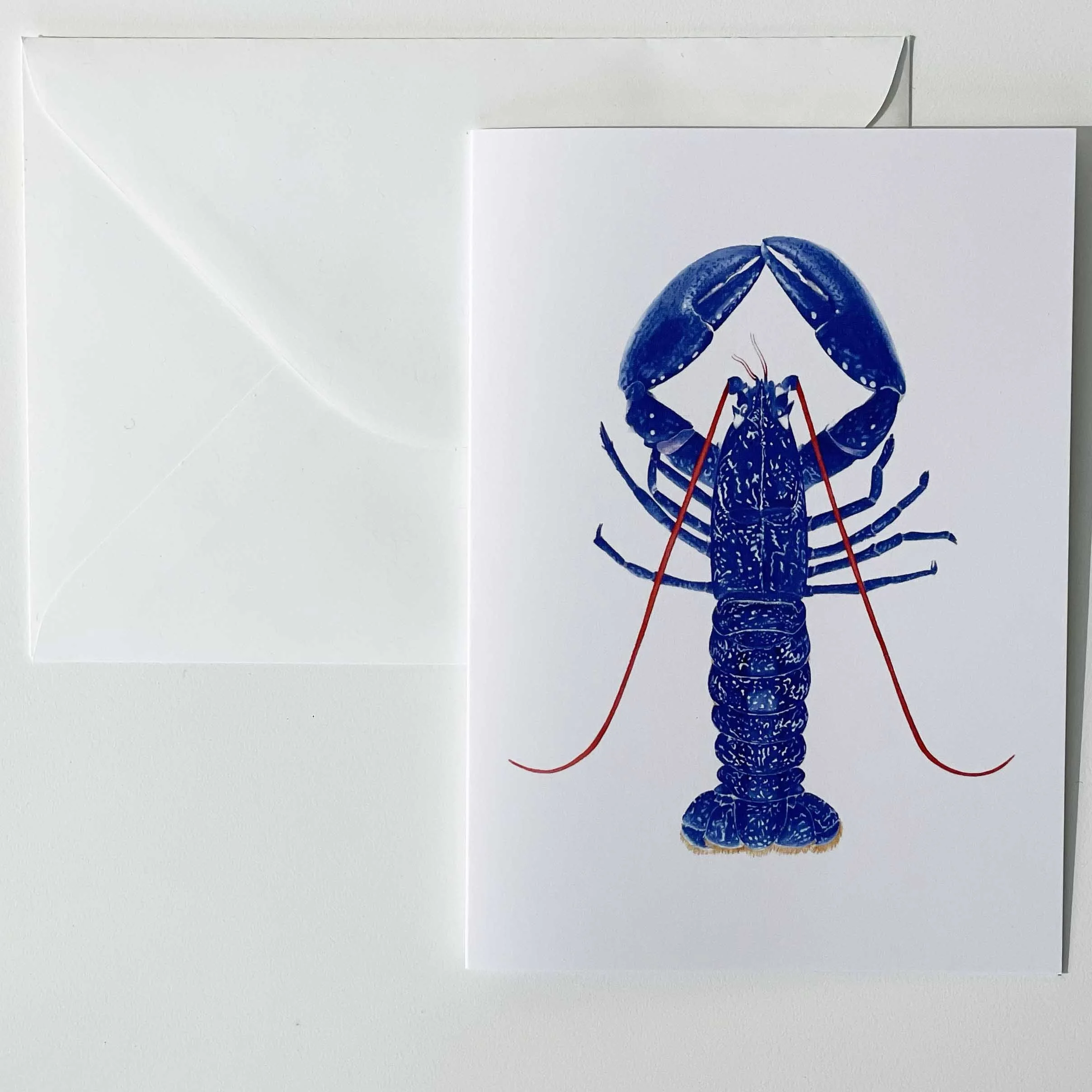
This Open Edition Fine Art Print is a rendition of the Gang-gang Cockatoo.
Using the best quality archival paper and pigment inks, each print is produced to create a museum quality reproduction of the original artwork in accordance with Giclée printing standards. This achieves highest levels of reproduction accuracy and colour richness that can preserve your print in its original state for the next 100 years.Sizes Available
A5 – 148 x 210mm (5.8 x 8.3 inches)
A4 – 210 x 297mm (8.3 x 11.7 inches)
A3 – 297 x 420mm (11.7 x 16.5 inches)
A3+ - 329 × 483 mm (13 × 19 inches)
A2 - 420 x 594mm (165.3 x 233.8 inches)
About the Prints
Printed on natural white paper made from 100% cotton rag that is acid-free and without Optical Brightening Agents using a large-format Fine Art printer with 10 colour archival pigment inks
High resolution digital image of original Fine Art watercolour painting photographed using a full frame digital SLR camera
When properly framed under 99% UV protected glazing materials with a matte to separate the print from the glazing and positioned away from the harmful effects of UV exposure, Giclée quality prints will last more than 100 years.
Prints are unmounted and unframed
Prints are hand-signed and come with a Certificate of Authenticity
A4, A3 and A2 prints are embossed
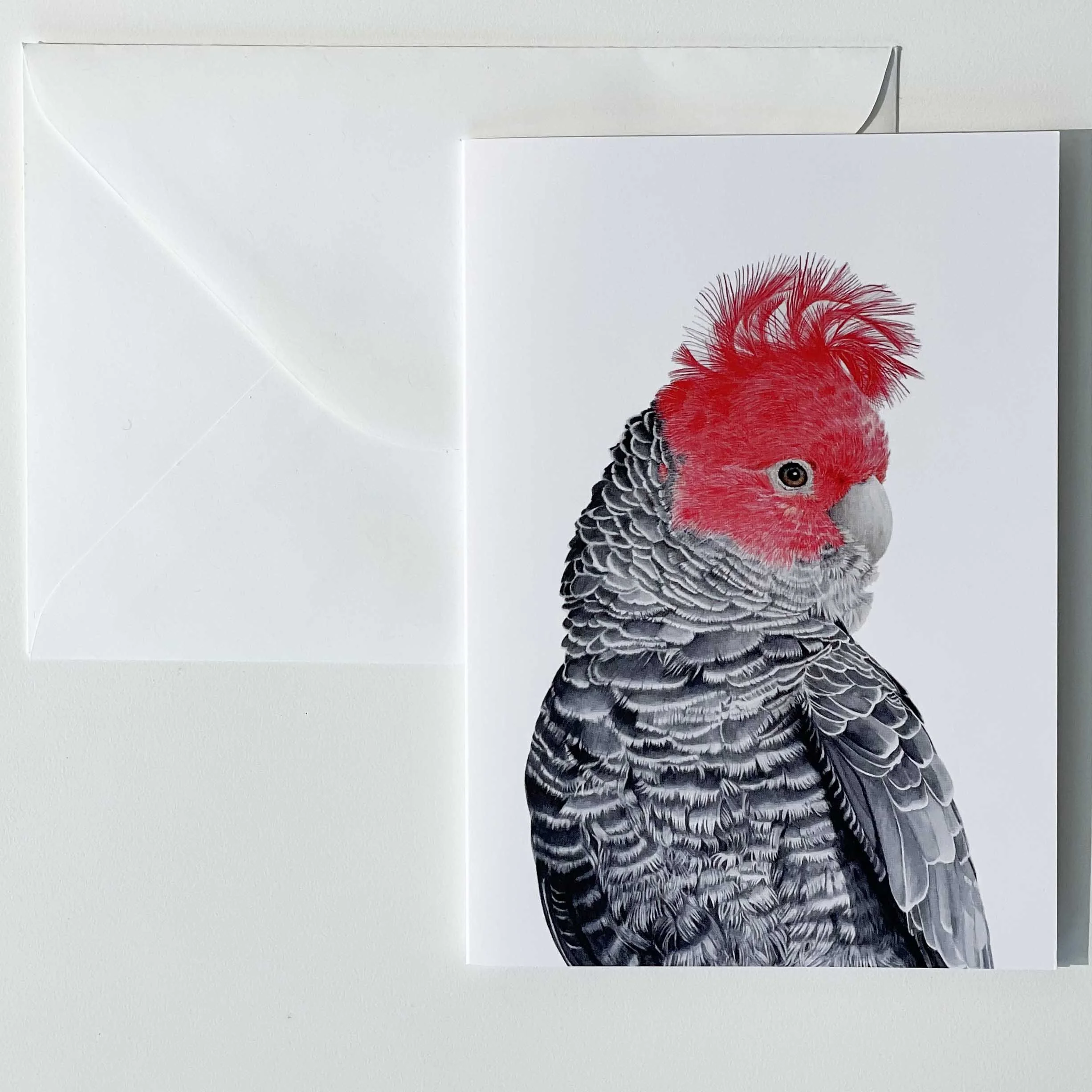
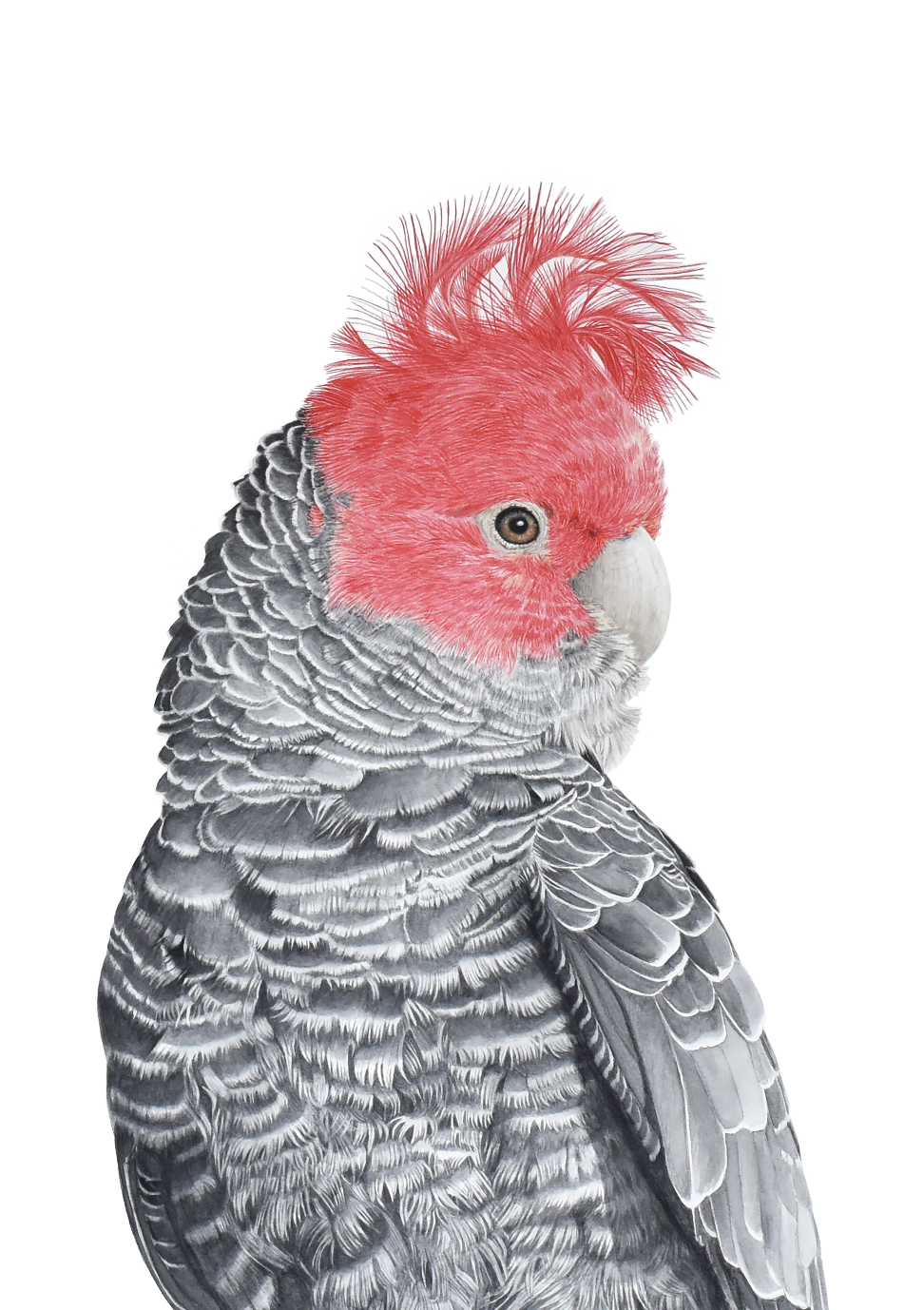
This Open Edition Fine Art Print is a rendition of the Gang-gang Cockatoo.
Using the best quality archival paper and pigment inks, each print is produced to create a museum quality reproduction of the original artwork in accordance with Giclée printing standards. This achieves highest levels of reproduction accuracy and colour richness that can preserve your print in its original state for the next 100 years.
Sizes Available
A5 – 148 x 210mm (5.8 x 8.3 inches)
A4 – 210 x 297mm (8.3 x 11.7 inches)
A3 – 297 x 420mm (11.7 x 16.5 inches)
A3 + - 329 × 483 mm (13 × 19 inches)
A2 - 420 x 594mm (165.3 x 233.8 inches)
About the Prints
Printed on natural white paper made from 100% cotton rag that is acid-free and without Optical Brightening Agents using a large-format Fine Art printer with 10 colour archival pigment inks
High resolution digital image of original Fine Art watercolour painting photographed using a full frame digital SLR camera
When properly framed under 99% UV protected glazing materials with a matte to separate the print from the glazing and positioned away from the harmful effects of UV exposure, Giclée quality prints will last more than 100 years.
Prints are unmounted and unframed
Prints are hand-signed and come with a Certificate of Authenticity
A4, A3 and A2 prints are embossed
This Open Edition Fine Art Print captures the beloved Australian Kookaburra.
Using the best quality archival paper and pigment inks, each print is produced to create a museum quality reproduction of the original artwork in accordance with Giclée printing standards. This achieves highest levels of reproduction accuracy and colour richness that can preserve your print in its original state for the next 100 years.
This Open Edition Fine Art Print captures the timeless charm of the Australian Sulfur-Crested Cockatoo.
Using the best quality archival paper and pigment inks, each print is produced to create a museum quality reproduction of the original artwork in accordance with Giclée printing standards. This achieves highest levels of reproduction accuracy and colour richness that can preserve your print in its original state for the next 100 years.
This Open Edition Fine Art Print is a rendition of the Gang-gang Cockatoo.
Using the best quality archival paper and pigment inks, each print is produced to create a museum quality reproduction of the original artwork in accordance with Giclée printing standards. This achieves highest levels of reproduction accuracy and colour richness that can preserve your print in its original state for the next 100 years.
Sizes Available
A5 – 148 x 210mm (5.8 x 8.3 inches)
A4 – 210 x 297mm (8.3 x 11.7 inches)
A3 – 297 x 420mm (11.7 x 16.5 inches)
A3 + - 329 × 483 mm (13 × 19 inches)
A2 - 420 x 594mm (165.3 x 233.8 inches)
About the Prints
Printed on natural white paper made from 100% cotton rag that is acid-free and without Optical Brightening Agents using a large-format Fine Art printer with 10 colour archival pigment inks
High resolution digital image of original Fine Art watercolour painting photographed using a full frame digital SLR camera
When properly framed under 99% UV protected glazing materials with a matte to separate the print from the glazing and positioned away from the harmful effects of UV exposure, Giclée quality prints will last more than 100 years.
Prints are unmounted and unframed
Prints are hand-signed and come with a Certificate of Authenticity
A4, A3 and A2 prints are embossed
This Open Edition Fine Art Print is a rendition of the Gang-gang Cockatoo.
Using the best quality archival paper and pigment inks, each print is produced to create a museum quality reproduction of the original artwork in accordance with Giclée printing standards. This achieves highest levels of reproduction accuracy and colour richness that can preserve your print in its original state for the next 100 years.
Sizes Available
A5 – 148 x 210mm (5.8 x 8.3 inches)
A4 – 210 x 297mm (8.3 x 11.7 inches)
A3 – 297 x 420mm (11.7 x 16.5 inches)
A3+ - 32.9 ×48.3 cm (13 × 19 inches)
A2 - 420 x 594mm (165.3 x 233.8 inches)
About the Prints
Printed on museum quality paper, CANSON - ARCHES, BFK RIVES, natural white, 310g/m2, made from 100% cotton rag, with a perfectly balanced soft grain that brings out all the details.
This unique printmaking paper base is manufactured on a traditional cylinder mould machine at the ARCHES paper mill, one of the oldest papermakers in France. As a result of using 100% cotton rag and the time-honoured manufacturing process, the paper has a very soft and supple feel.
The paper has a natural white tone and is completely acid-free without Optical Brightening Agents (OBAs).
The printing process is using a professional large-format Fine Art printer with 10 colour archival pigment inks.
High resolution digital image of original Fine Art watercolour painting photographed using a full frame digital SLR camera
When properly framed under 99% UV protected glazing materials with a matte to separate the print from the glazing and positioned away from the harmful effects of UV exposure, Giclée quality prints will last more than 100 years.
Prints are sold unmounted and unframed.
Prints are hand-signed on the back and come with a Certificate of Authenticity.
A4, A3 and A2 Prints are embossed.
This Open Edition Fine Art Print is a rendition of the Gang-gang Cockatoo.
Using the best quality archival paper and pigment inks, each print is produced to create a museum quality reproduction of the original artwork in accordance with Giclée printing standards. This achieves highest levels of reproduction accuracy and colour richness that can preserve your print in its original state for the next 100 years.
Sizes Available
A5 – 148 x 210mm (5.8 x 8.3 inches)
A4 – 210 x 297mm (8.3 x 11.7 inches)
A3 – 297 x 420mm (11.7 x 16.5 inches)
A3 + - 329 × 483 mm (13 × 19 inches)
A2 - 420 x 594mm (165.3 x 233.8 inches)
About the Prints
Printed on natural white paper made from 100% cotton rag that is acid-free and without Optical Brightening Agents using a large-format Fine Art printer with 10 colour archival pigment inks
High resolution digital image of original Fine Art watercolour painting photographed using a full frame digital SLR camera
When properly framed under 99% UV protected glazing materials with a matte to separate the print from the glazing and positioned away from the harmful effects of UV exposure, Giclée quality prints will last more than 100 years.
Prints are unmounted and unframed
Prints are hand-signed and come with a Certificate of Authenticity
A4, A3 and A2 prints are embossed
This Open Edition Fine Art Print is a rendition of the Gang-gang Cockatoo.
Using the best quality archival paper and pigment inks, each print is produced to create a museum quality reproduction of the original artwork in accordance with Giclée printing standards. This achieves highest levels of reproduction accuracy and colour richness that can preserve your print in its original state for the next 100 years.
This Open Edition Fine Art Print captures the elegance of the Australian Red-tailed Black Cockatoo.
Using the best quality archival paper and pigment inks, each print is produced to create a museum quality reproduction of the original artwork in accordance with Giclée printing standards. This achieves highest levels of reproduction accuracy and colour richness that can preserve your print in its original state for the next 100 years.
This Open Edition Fine Art Print is a rendition of the Gang-gang Cockatoo.
Using the best quality archival paper and pigment inks, each print is produced to create a museum quality reproduction of the original artwork in accordance with Giclée printing standards. This achieves highest levels of reproduction accuracy and colour richness that can preserve your print in its original state for the next 100 years.
This Open Edition Fine Art Print is a rendition of the Palm Cockatoo.
Using the best quality archival paper and pigment inks, each print is produced to create a museum quality reproduction of the original artwork in accordance with Giclée printing standards. This achieves highest levels of reproduction accuracy and colour richness that can preserve your print in its original state for the next 100 years.
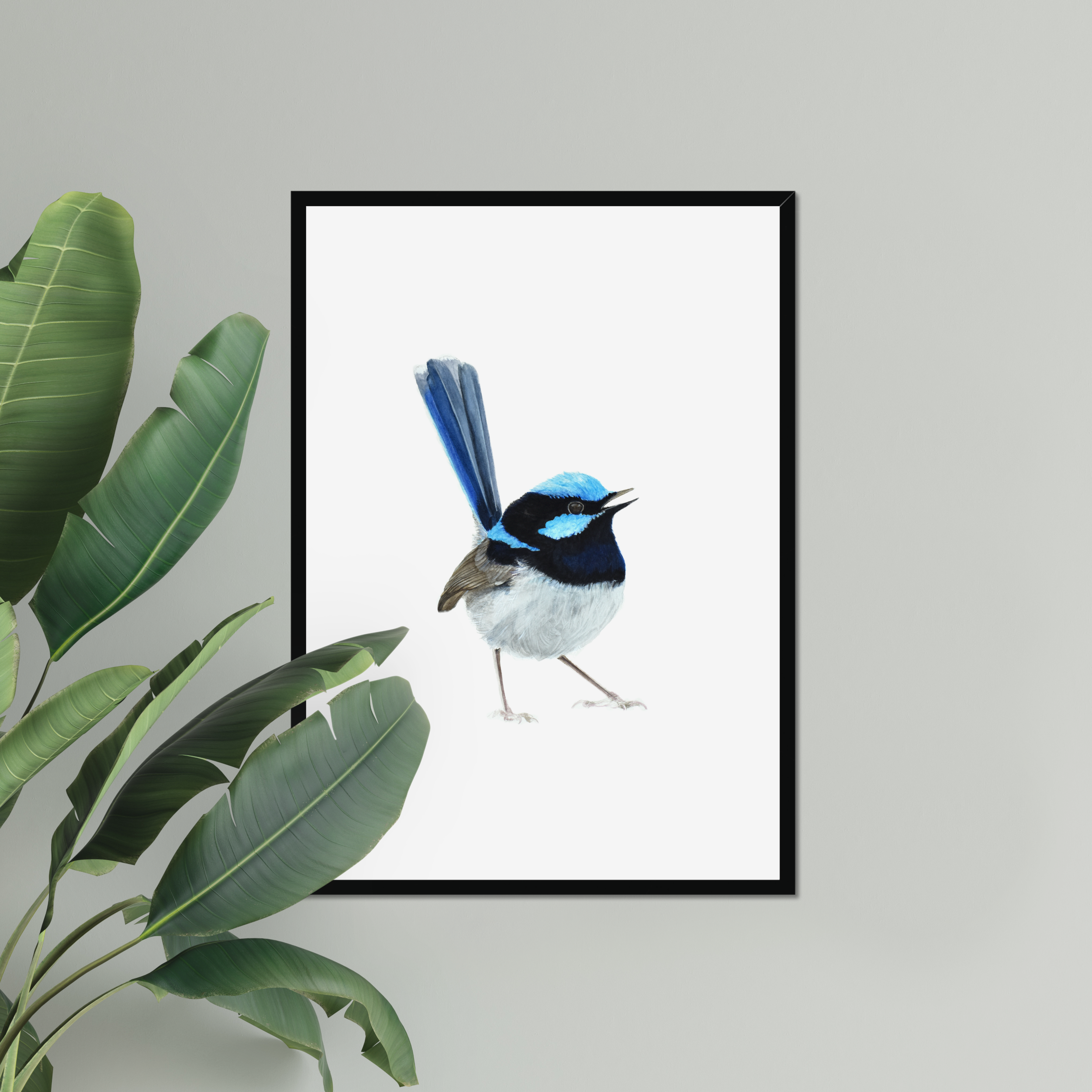
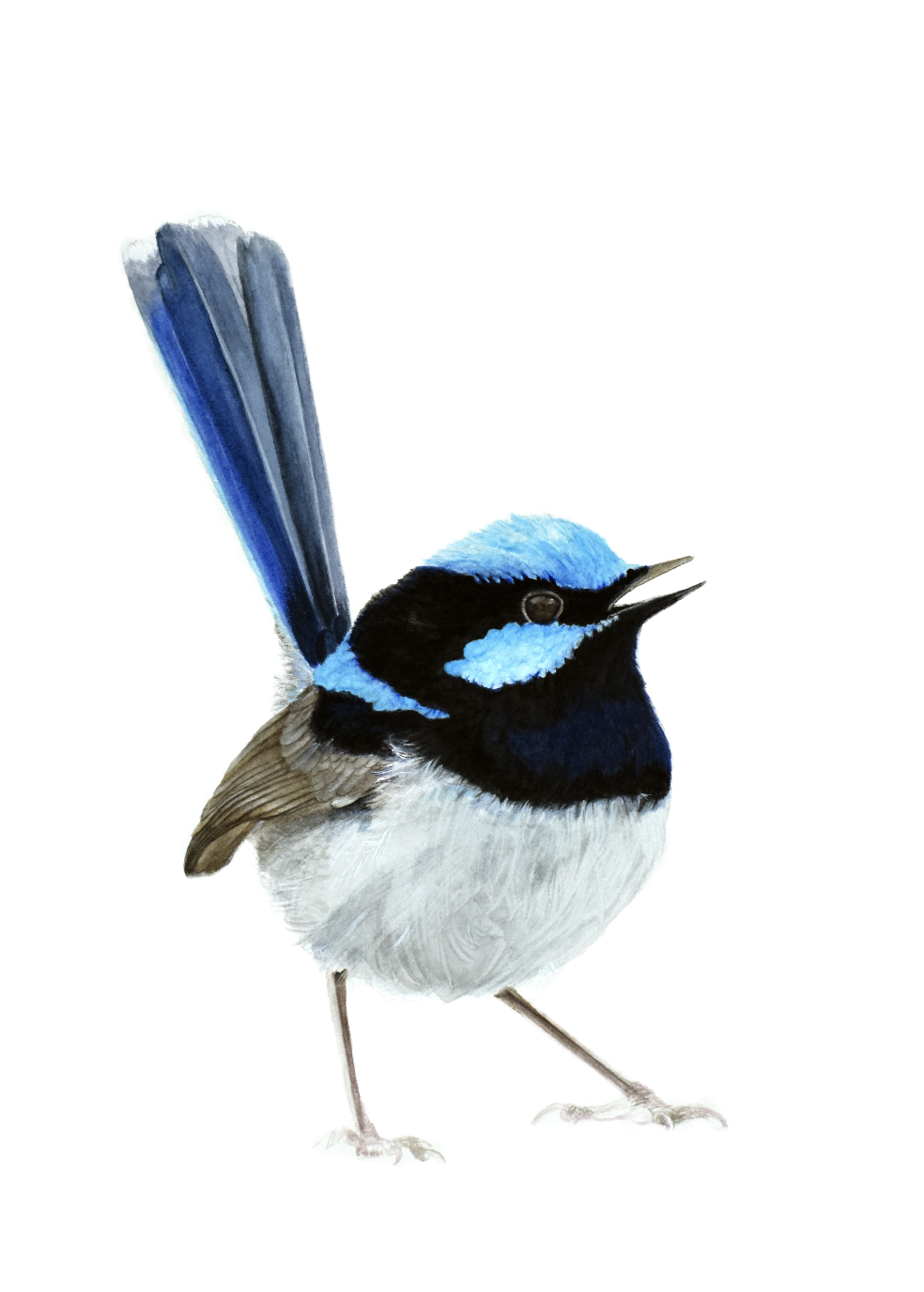
This Open Edition Fine Art Print captures the sprightly energy of the Superb Fairywren.
Using the best quality archival paper and pigment inks, each print is produced to create a museum quality reproduction of the original artwork in accordance with Giclée printing standards. This achieves highest levels of reproduction accuracy and colour richness that can preserve your print in its original state for the next 100 years.
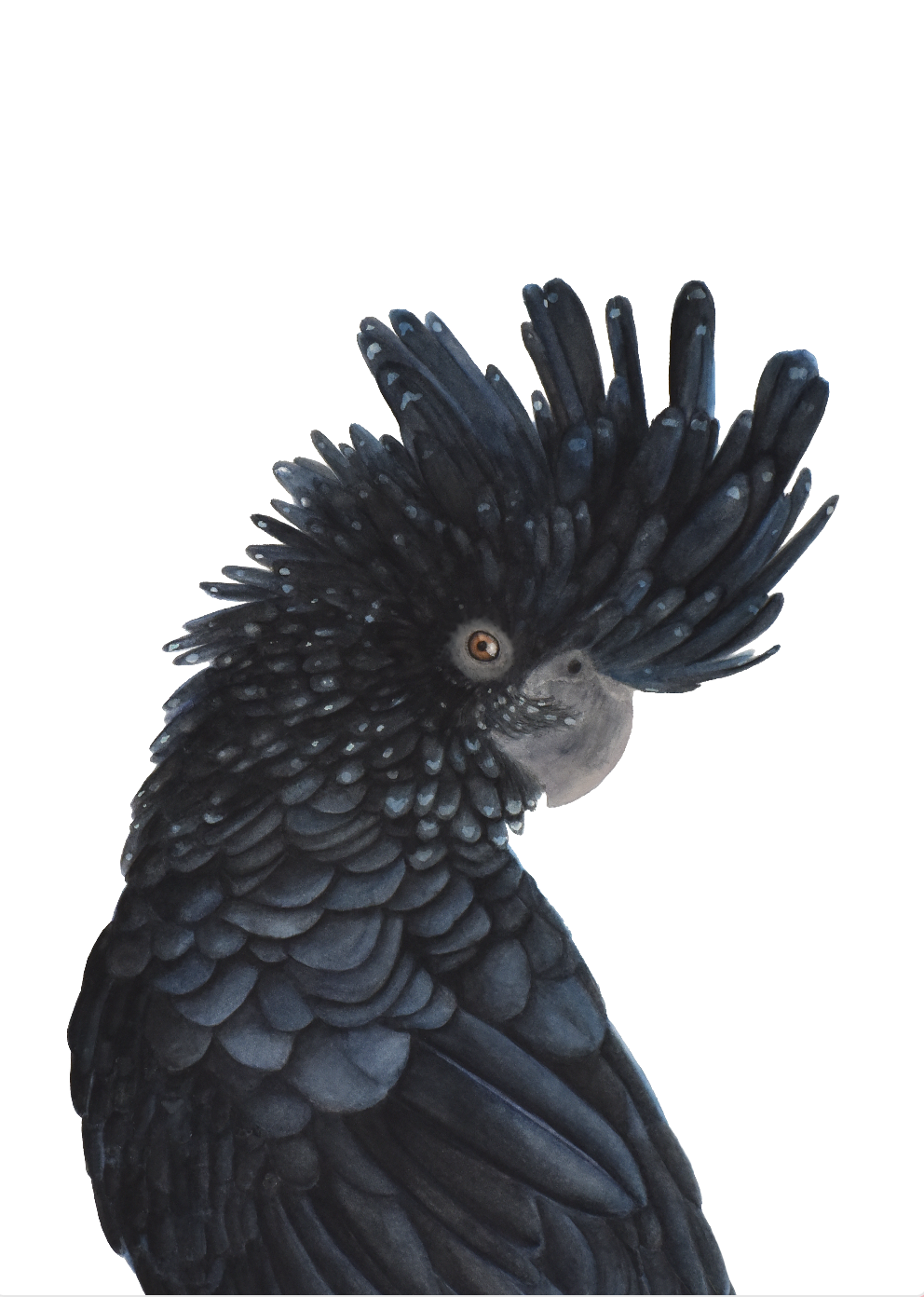
This Open Edition Fine Art Print is a blue rendition of the glossy Black Cockatoo.
Using the best quality archival paper and pigment inks, each print is produced to create a museum quality reproduction of the original artwork in accordance with Giclée printing standards. This achieves highest levels of reproduction accuracy and colour richness that can preserve your print in its original state for the next 100 years.
This Open Edition Fine Art Print is a rendition of the Honeyeater.
Using the best quality archival paper and pigment inks, each print is produced to create a museum quality reproduction of the original artwork in accordance with Giclée printing standards. This achieves highest levels of reproduction accuracy and colour richness that can preserve your print in its original state for the next 100 years.
This Open Edition Fine Art Print captures the colourful Major Mitchell’s Cockatoo.
Using the best quality archival paper and pigment inks, each print is produced to create a museum quality reproduction of the original artwork in accordance with Giclée printing standards. This achieves highest levels of reproduction accuracy and colour richness that can preserve your print in its original state for the next 100 years.
This Open Edition Fine Art Print is a rendition of the Gang-gang Cockatoo.
Using the best quality archival paper and pigment inks, each print is produced to create a museum quality reproduction of the original artwork in accordance with Giclée printing standards. This achieves highest levels of reproduction accuracy and colour richness that can preserve your print in its original state for the next 100 years.
Sizes Available
A5 – 148 x 210mm (5.8 x 8.3 inches)
A4 – 210 x 297mm (8.3 x 11.7 inches)
A3 – 297 x 420mm (11.7 x 16.5 inches)
A3 + - 329 × 483 mm (13 × 19 inches)
A2 - 420 x 594mm (165.3 x 233.8 inches)
About the Prints
Printed on natural white paper made from 100% cotton rag that is acid-free and without Optical Brightening Agents using a large-format Fine Art printer with 10 colour archival pigment inks
High resolution digital image of original Fine Art watercolour painting photographed using a full frame digital SLR camera
When properly framed under 99% UV protected glazing materials with a matte to separate the print from the glazing and positioned away from the harmful effects of UV exposure, Giclée quality prints will last more than 100 years.
Prints are unmounted and unframed
Prints are hand-signed and come with a Certificate of Authenticity
A4, A3 and A2 prints are embossed
This Open Edition Fine Art Print is a rendition of the Gang-gang Cockatoo.
Using the best quality archival paper and pigment inks, each print is produced to create a museum quality reproduction of the original artwork in accordance with Giclée printing standards. This achieves highest levels of reproduction accuracy and colour richness that can preserve your print in its original state for the next 100 years.Sizes Available
A5 – 148 x 210mm (5.8 x 8.3 inches)
A4 – 210 x 297mm (8.3 x 11.7 inches)
About the Prints
Printed on natural white paper made from 100% cotton rag that is acid-free and without Optical Brightening Agents using a large-format Fine Art printer with 10 colour archival pigment inks
High resolution digital image of original Fine Art watercolour painting photographed using a full frame digital SLR camera
When properly framed under 99% UV protected glazing materials with a matte to separate the print from the glazing and positioned away from the harmful effects of UV exposure, Giclée quality prints will last more than 100 years.
Prints are unmounted and unframed
Prints are hand-signed and come with a Certificate of Authenticity
This Open Edition Fine Art Print is a rendition of the Gang-gang Cockatoo.
Using the best quality archival paper and pigment inks, each print is produced to create a museum quality reproduction of the original artwork in accordance with Giclée printing standards. This achieves highest levels of reproduction accuracy and colour richness that can preserve your print in its original state for the next 100 years.Sizes Available
A5 – 148 x 210mm (5.8 x 8.3 inches)
A4 – 210 x 297mm (8.3 x 11.7 inches)
About the Prints
Printed on natural white paper made from 100% cotton rag that is acid-free and without Optical Brightening Agents using a large-format Fine Art printer with 10 colour archival pigment inks
High resolution digital image of original Fine Art watercolour painting photographed using a full frame digital SLR camera
When properly framed under 99% UV protected glazing materials with a matte to separate the print from the glazing and positioned away from the harmful effects of UV exposure, Giclée quality prints will last more than 100 years.
Prints are unmounted and unframed
Prints are hand-signed and come with a Certificate of Authenticity
This Open Edition Fine Art Print is a rendition of the Gang-gang Cockatoo.
Using the best quality archival paper and pigment inks, each print is produced to create a museum quality reproduction of the original artwork in accordance with Giclée printing standards. This achieves highest levels of reproduction accuracy and colour richness that can preserve your print in its original state for the next 100 years.Sizes Available
A5 – 148 x 210mm (5.8 x 8.3 inches)
A4 – 210 x 297mm (8.3 x 11.7 inches)
About the Prints
Printed on natural white paper made from 100% cotton rag that is acid-free and without Optical Brightening Agents using a large-format Fine Art printer with 10 colour archival pigment inks
High resolution digital image of original Fine Art watercolour painting photographed using a full frame digital SLR camera
When properly framed under 99% UV protected glazing materials with a matte to separate the print from the glazing and positioned away from the harmful effects of UV exposure, Giclée quality prints will last more than 100 years.
Prints are unmounted and unframed
Prints are hand-signed and come with a Certificate of Authenticity
This Open Edition Fine Art Print is a rendition of the Gang-gang Cockatoo.
Using the best quality archival paper and pigment inks, each print is produced to create a museum quality reproduction of the original artwork in accordance with Giclée printing standards. This achieves highest levels of reproduction accuracy and colour richness that can preserve your print in its original state for the next 100 years.Sizes Available
A5 – 148 x 210mm (5.8 x 8.3 inches)
A4 – 210 x 297mm (8.3 x 11.7 inches)
About the Prints
Printed on natural white paper made from 100% cotton rag that is acid-free and without Optical Brightening Agents using a large-format Fine Art printer with 10 colour archival pigment inks
High resolution digital image of original Fine Art watercolour painting photographed using a full frame digital SLR camera
When properly framed under 99% UV protected glazing materials with a matte to separate the print from the glazing and positioned away from the harmful effects of UV exposure, Giclée quality prints will last more than 100 years.
Prints are unmounted and unframed
Prints are hand-signed and come with a Certificate of Authenticity
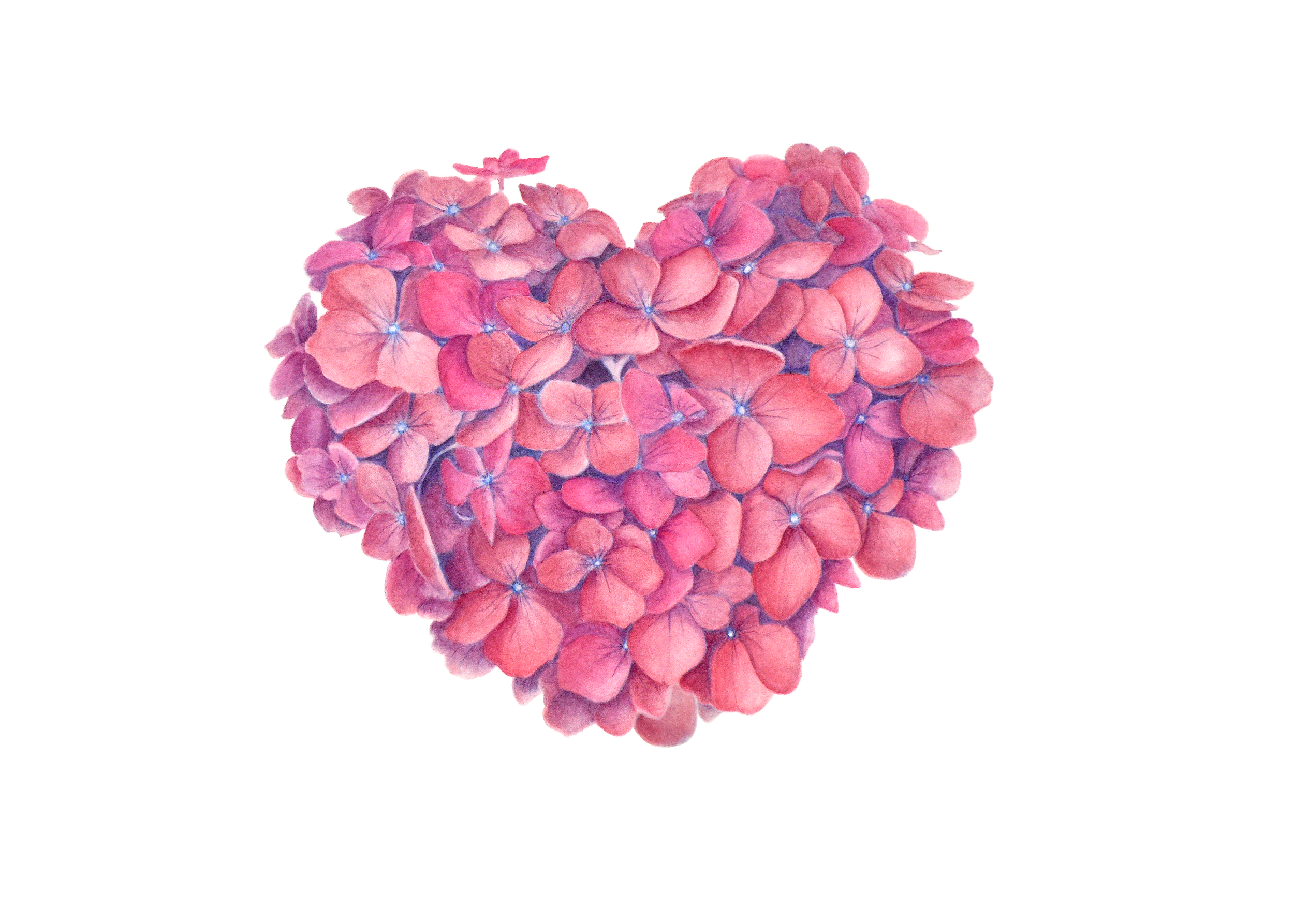
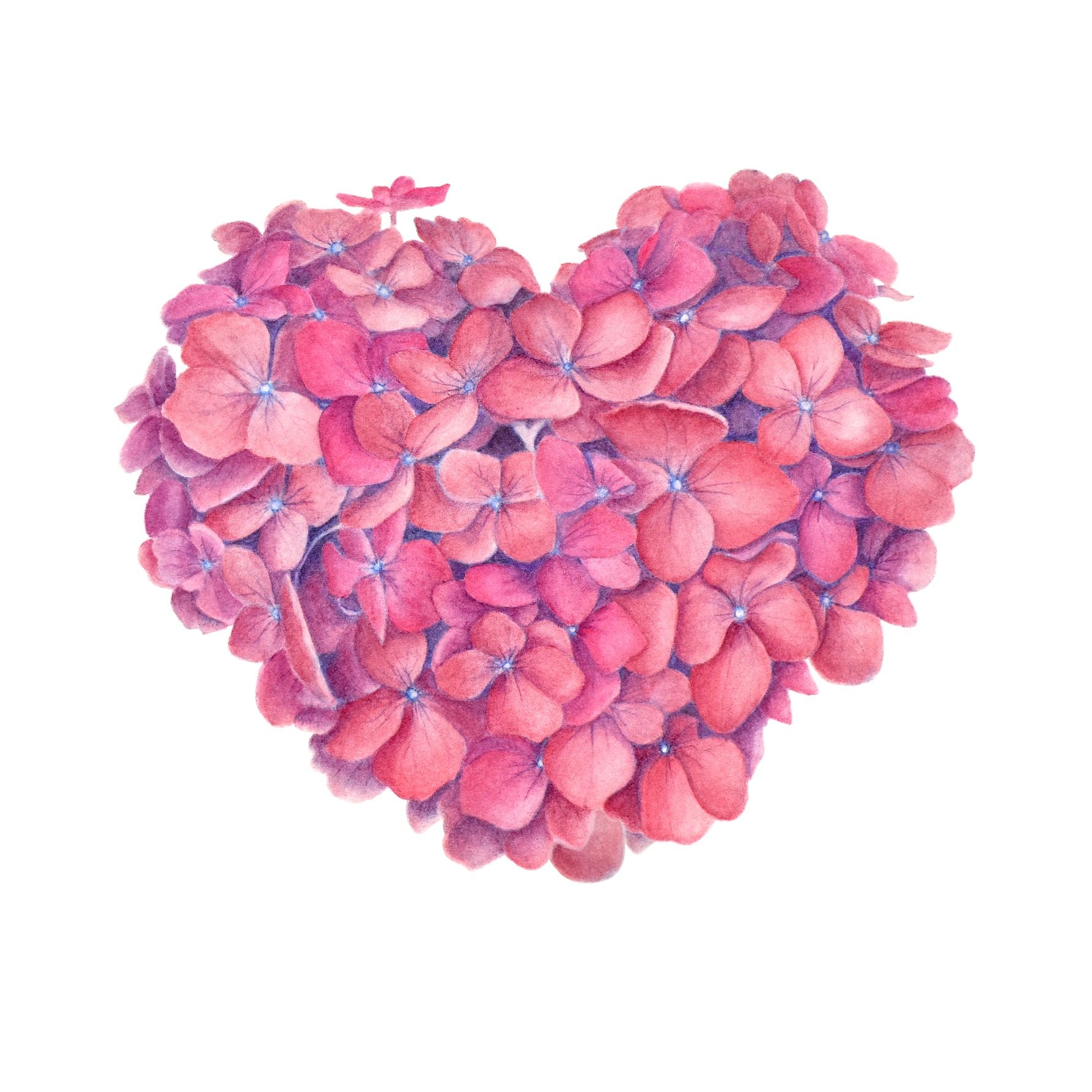
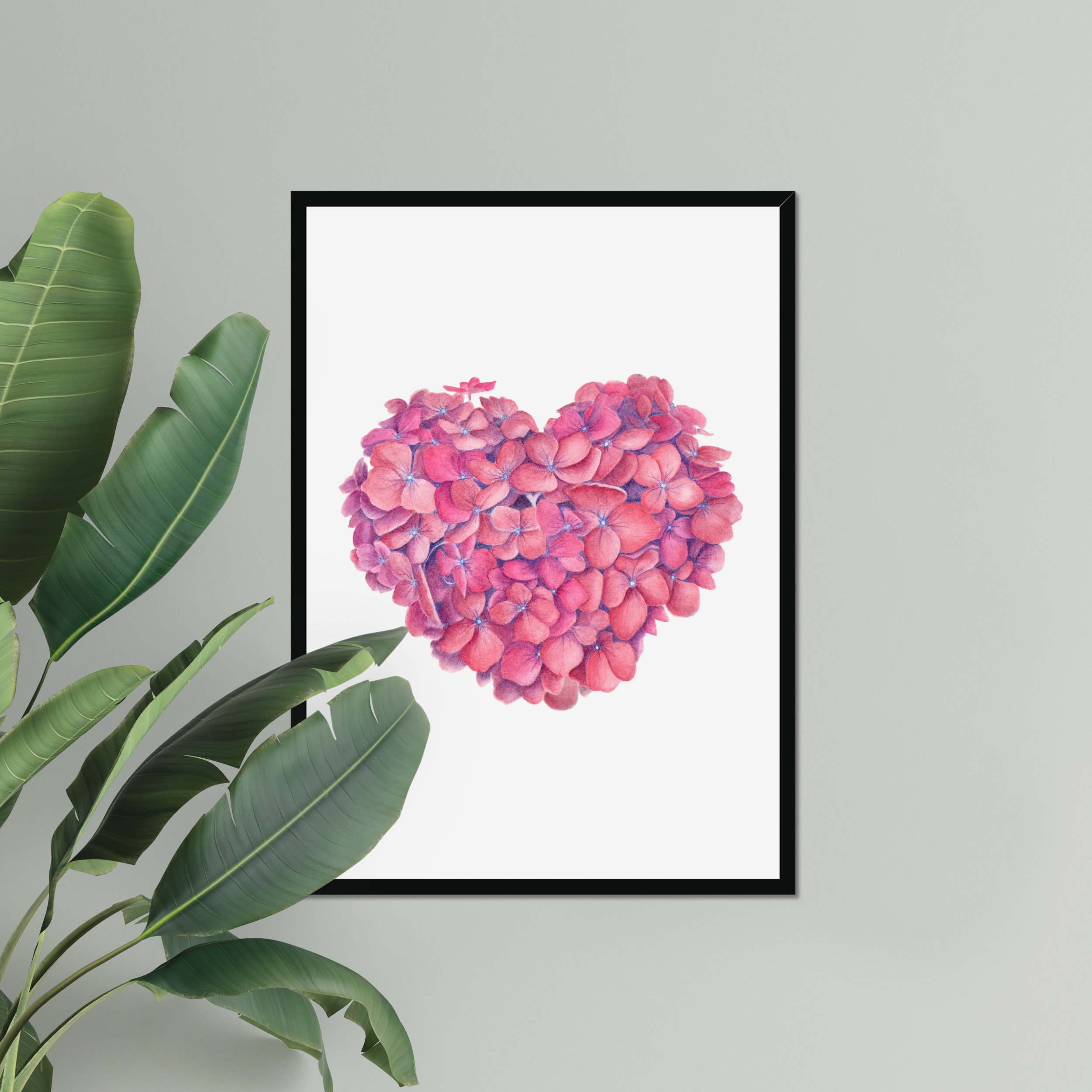
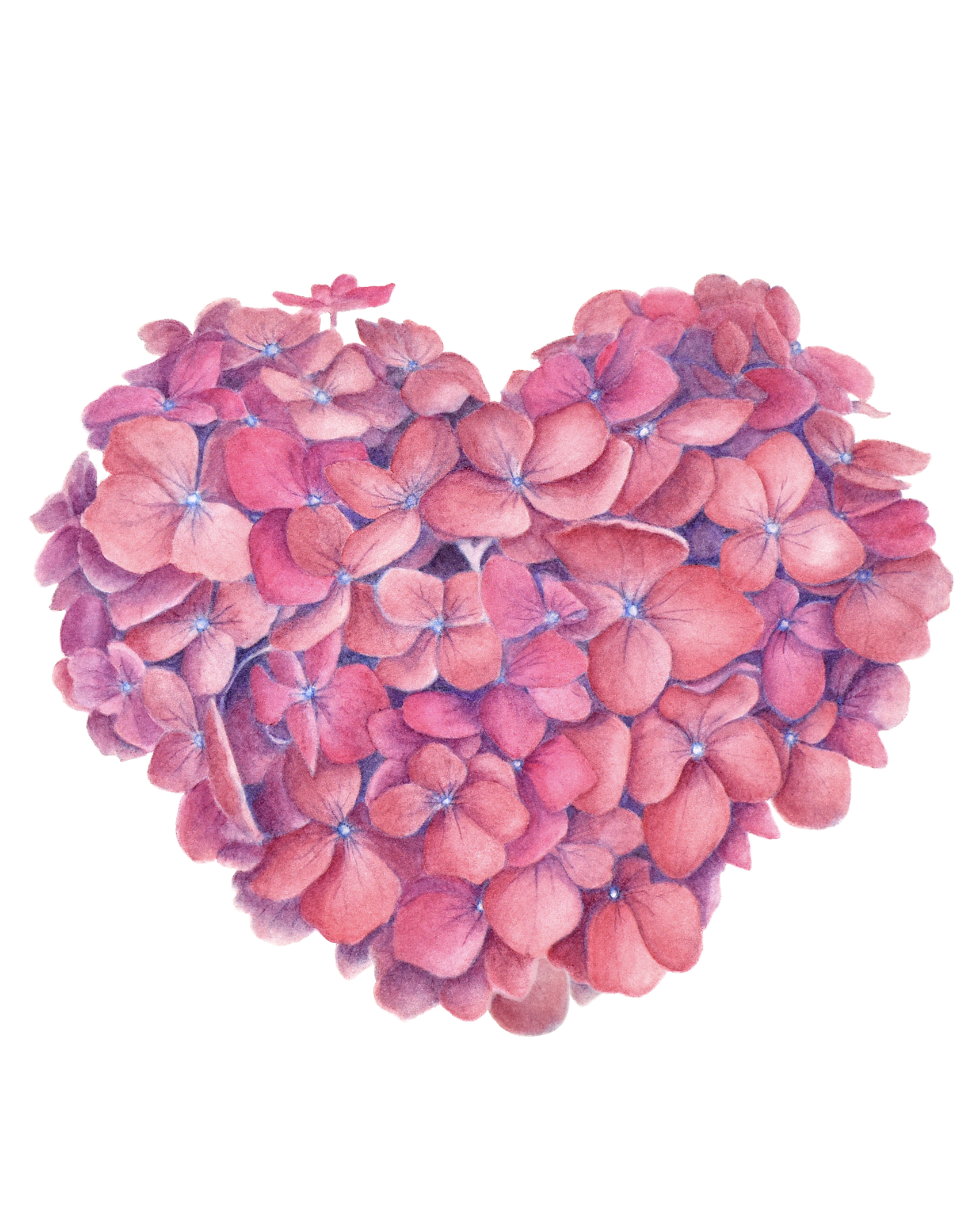
This Open Edition Fine Art Print captures the beautiful Hydrangea plant in the form of a heart.
Using the best quality archival paper and pigment inks, each print is produced to create a museum quality reproduction of the original artwork in accordance with Giclée printing standards. This achieves highest levels of reproduction accuracy and colour richness that can preserve your print in its original state for the next 100 years.
This Open Edition Fine Art Print is a rendition of the Gang-gang Cockatoo.
Using the best quality archival paper and pigment inks, each print is produced to create a museum quality reproduction of the original artwork in accordance with Giclée printing standards. This achieves highest levels of reproduction accuracy and colour richness that can preserve your print in its original state for the next 100 years.Sizes Available
A5 – 148 x 210mm (5.8 x 8.3 inches)
A4 – 210 x 297mm (8.3 x 11.7 inches)
A3 – 297 x 420mm (11.7 x 16.5 inches)
A3+ - 329 × 483 mm (13 × 19 inches)
A2 - 420 x 594mm (165.3 x 233.8 inches)
About the Prints
Printed on natural white paper made from 100% cotton rag that is acid-free and without Optical Brightening Agents using a large-format Fine Art printer with 10 colour archival pigment inks
High resolution digital image of original Fine Art watercolour painting photographed using a full frame digital SLR camera
When properly framed under 99% UV protected glazing materials with a matte to separate the print from the glazing and positioned away from the harmful effects of UV exposure, Giclée quality prints will last more than 100 years.
Prints are unmounted and unframed
Prints are hand-signed and come with a Certificate of Authenticity
This range of Open Edition Fine Art Cards is the perfect way to share Tiffanie’s Fine Art Prints in a luxury card format.
The Fine Art Cards are printed using the same Giclée process used to produce Fine Art Prints on 300gsm archival natural white paper, which is made from 100% cotton rag, is acid-free and contains no Optical Brightening Agents. The cards are smooth to the touch with a slight texture and are blank on the inside. Each card is pre-scored for an effortless fold and packed in a transparent protective sleeve along with a matching natural white envelope.
Size: 127mm x 178mm (5” x 7”)
For large quantity please contact t.vidal.fineart@gmail.com
This Open Edition Fine Art Print is a blue rendition of the gooseberry.
Using the best quality archival paper and pigment inks, each print is produced to create a museum quality reproduction of the original artwork in accordance with Giclée printing standards. This achieves highest levels of reproduction accuracy and colour richness that can preserve your print in its original state for the next 100 years.
This Open Edition Fine Art Print is a blue rendition of the glossy Black Cockatoo.
Using the best quality archival paper and pigment inks, each print is produced to create a museum quality reproduction of the original artwork in accordance with Giclée printing standards. This achieves highest levels of reproduction accuracy and colour richness that can preserve your print in its original state for the next 100 years.
This Open Edition Fine Art Print captures the beloved Ulysse Butterfly.
Using the best quality archival and pigment inks, each print is produced to create a museum quality reproduction of the original artwork in accordance with Giclée printing standards. This achieves highest levels of reproduction accuracy and colour richness that can preserve your print in its original state for the next 100 years.
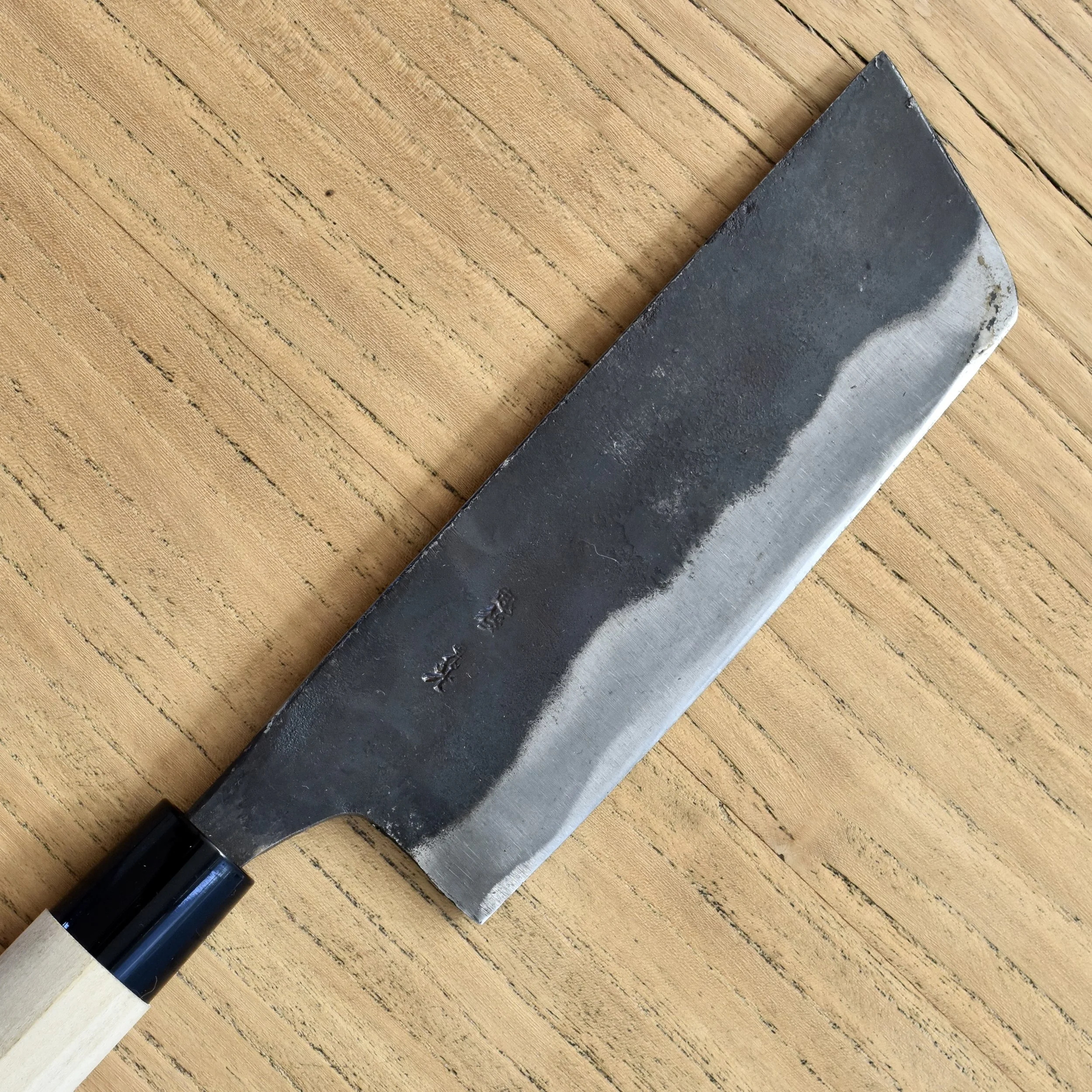
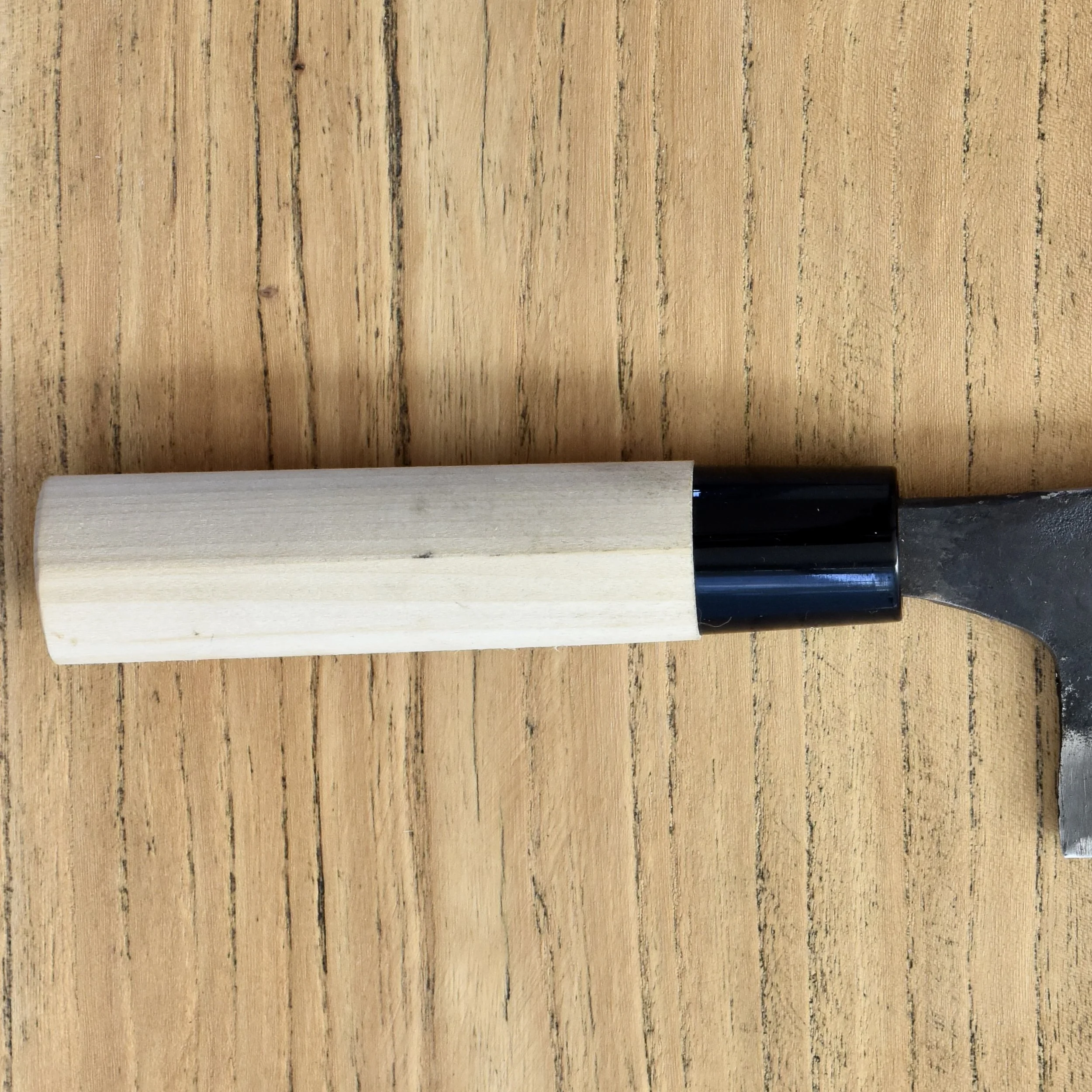
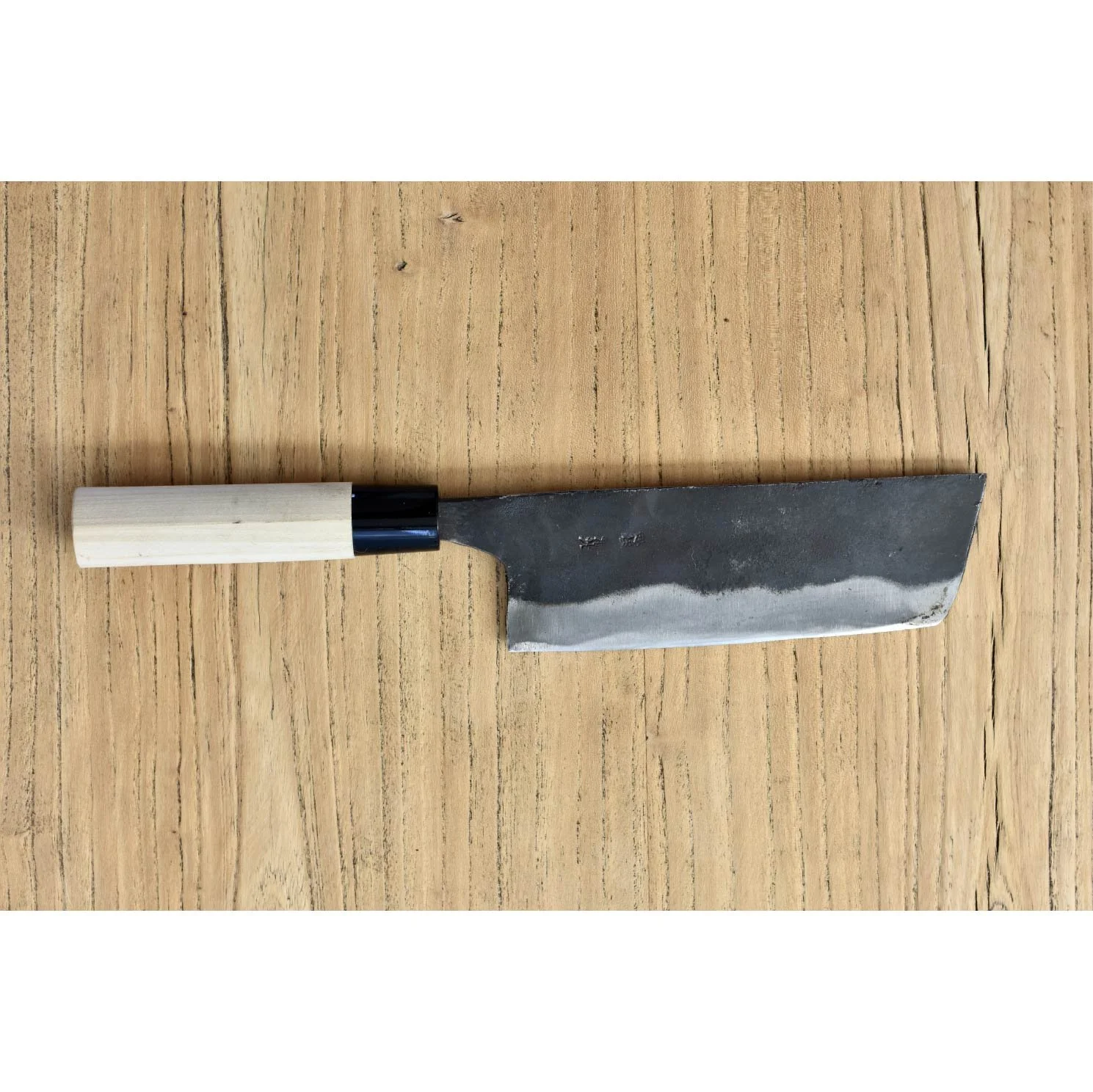
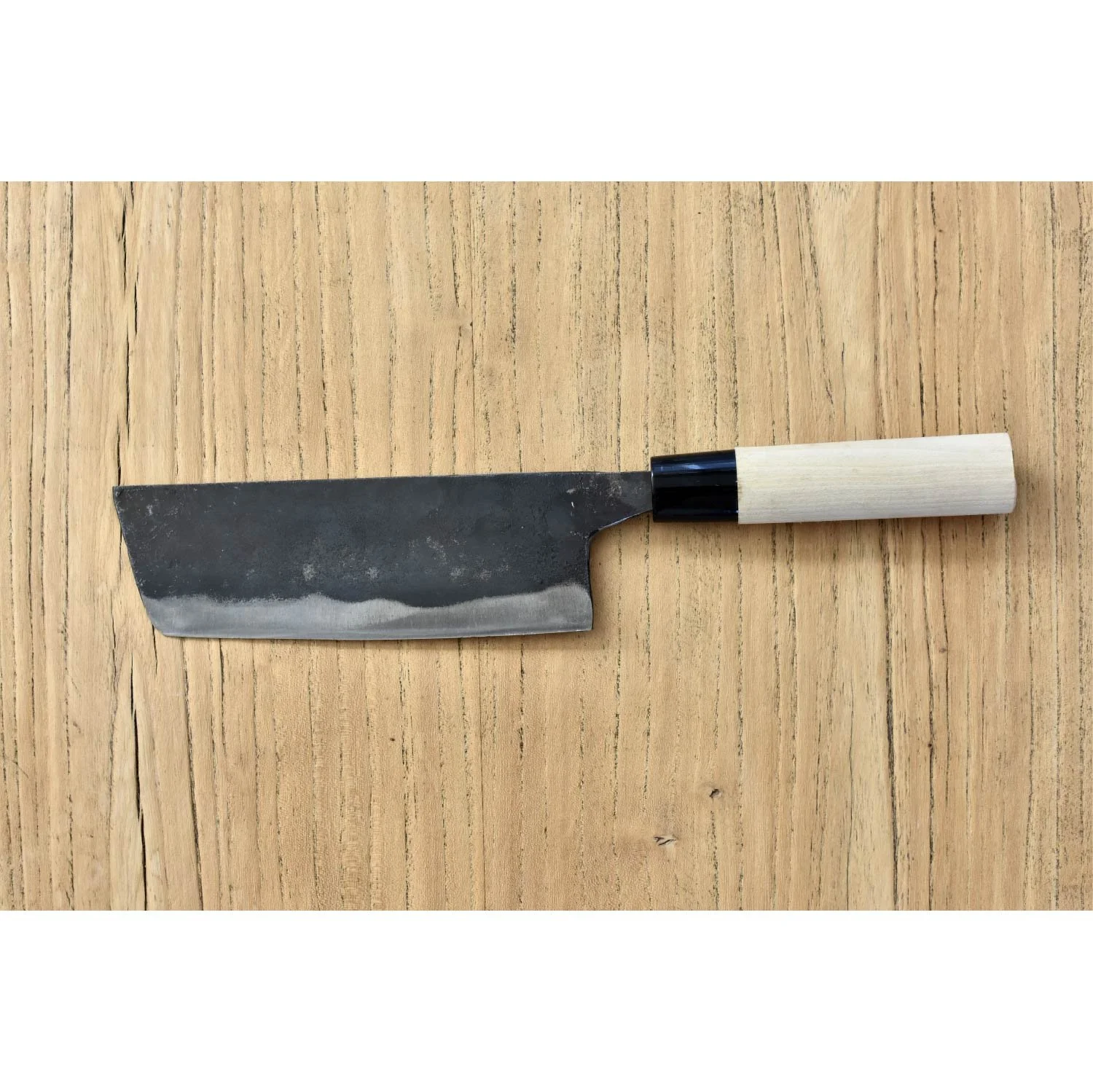
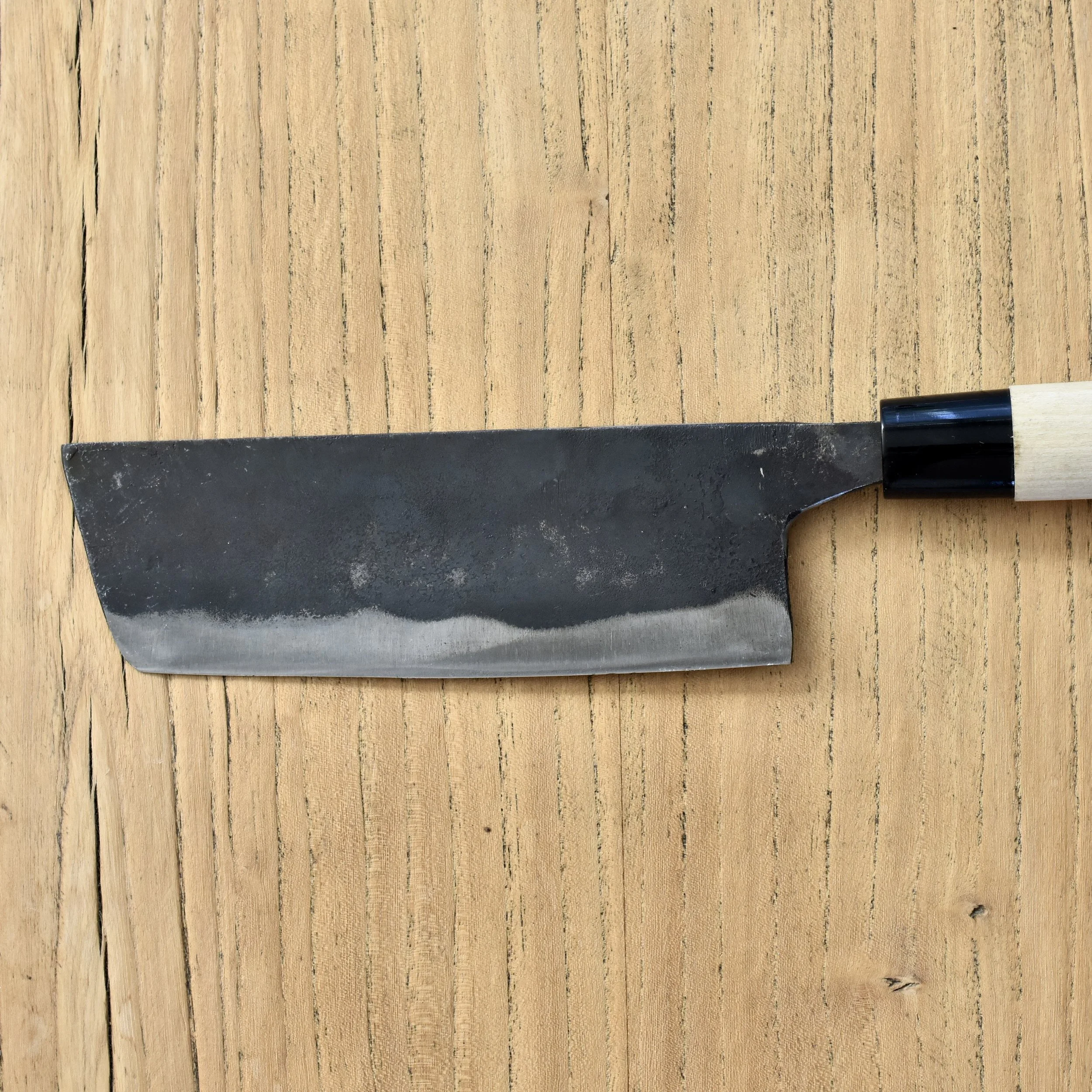
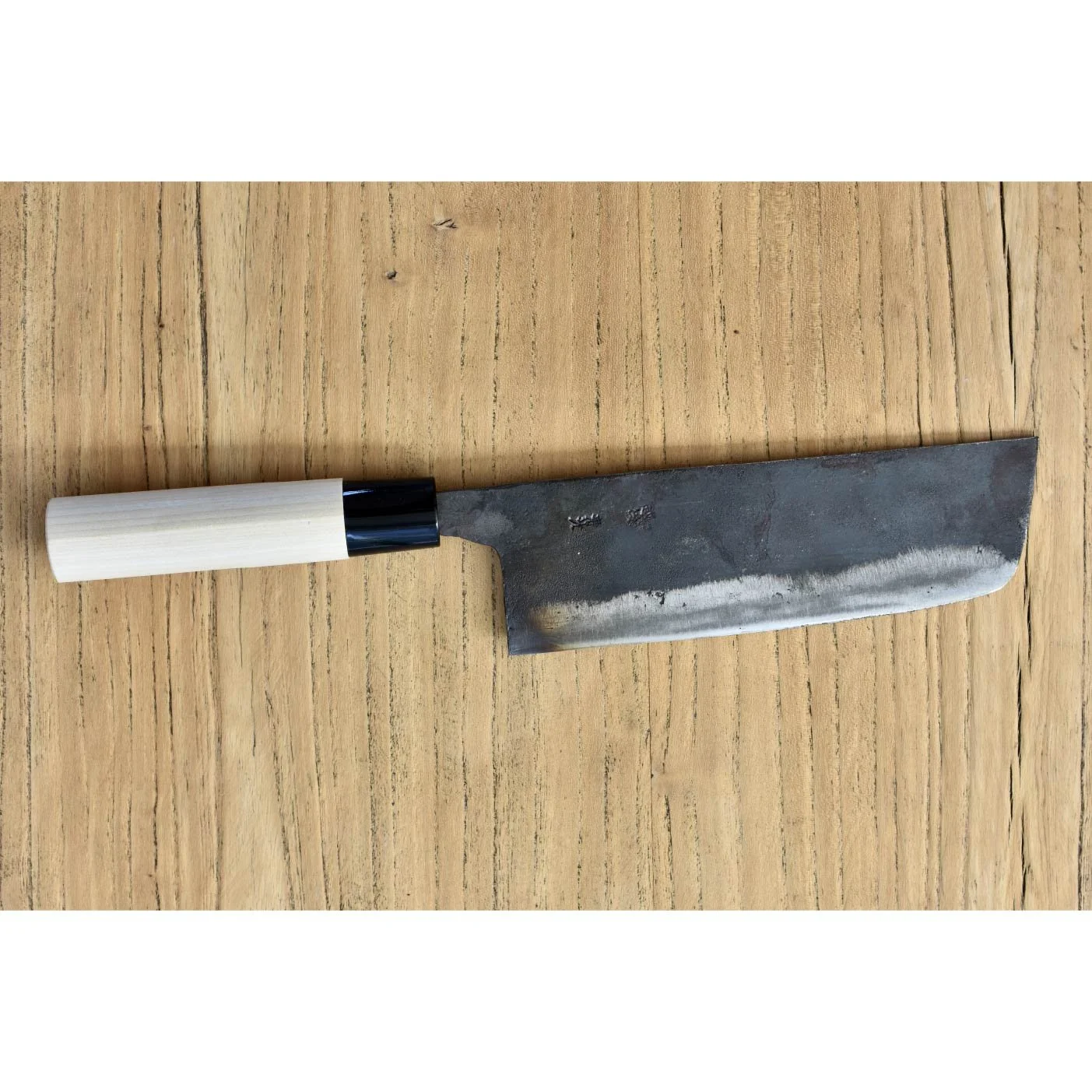
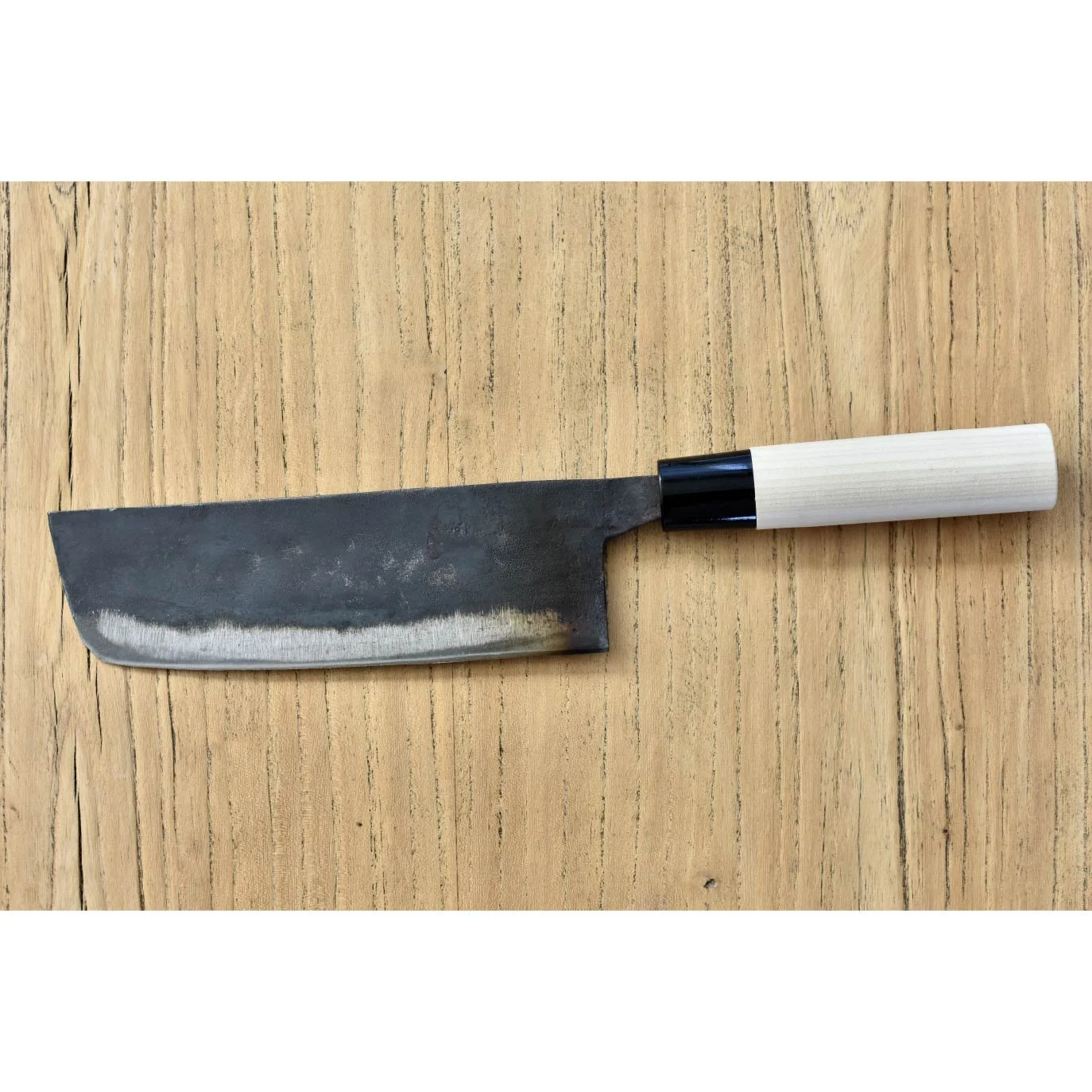
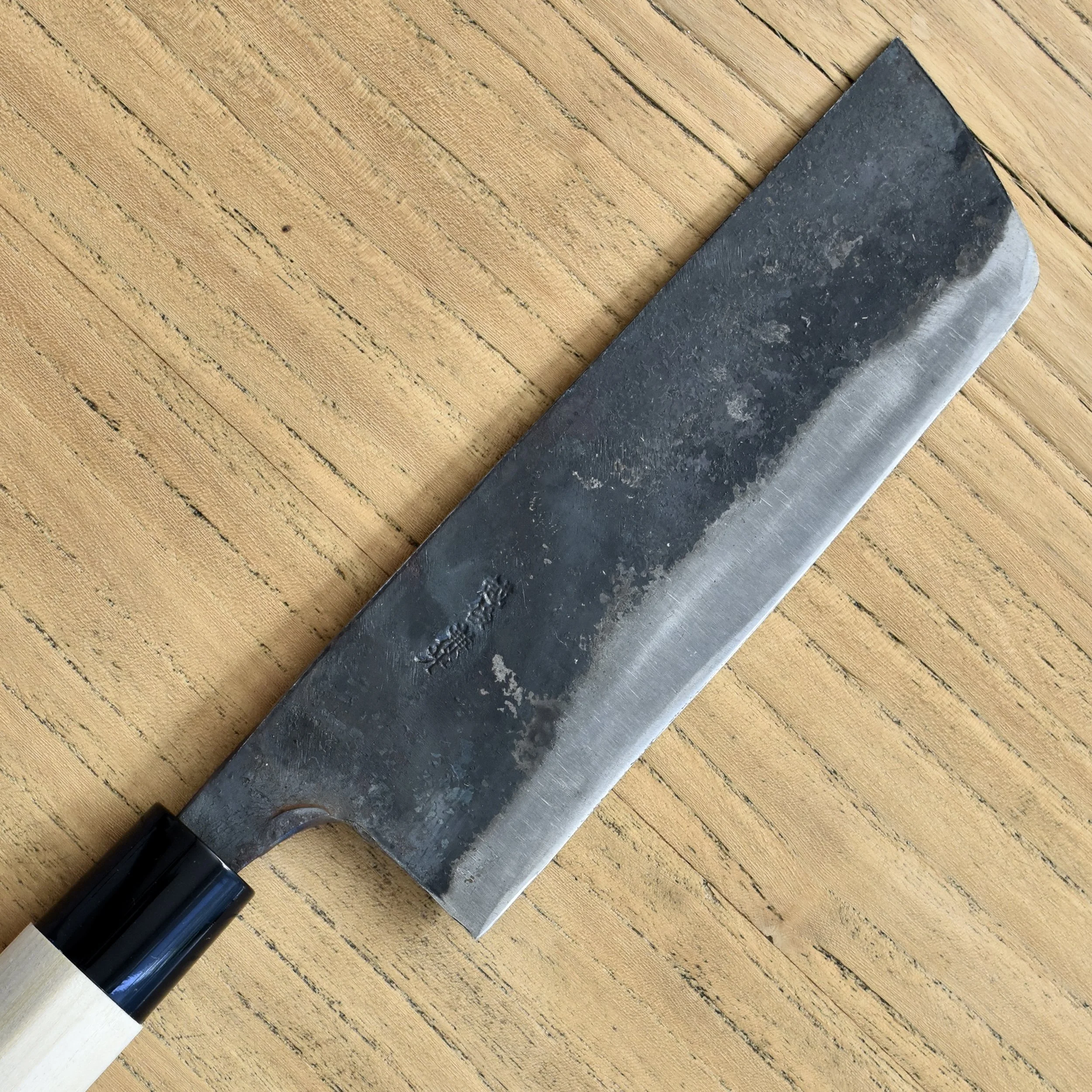
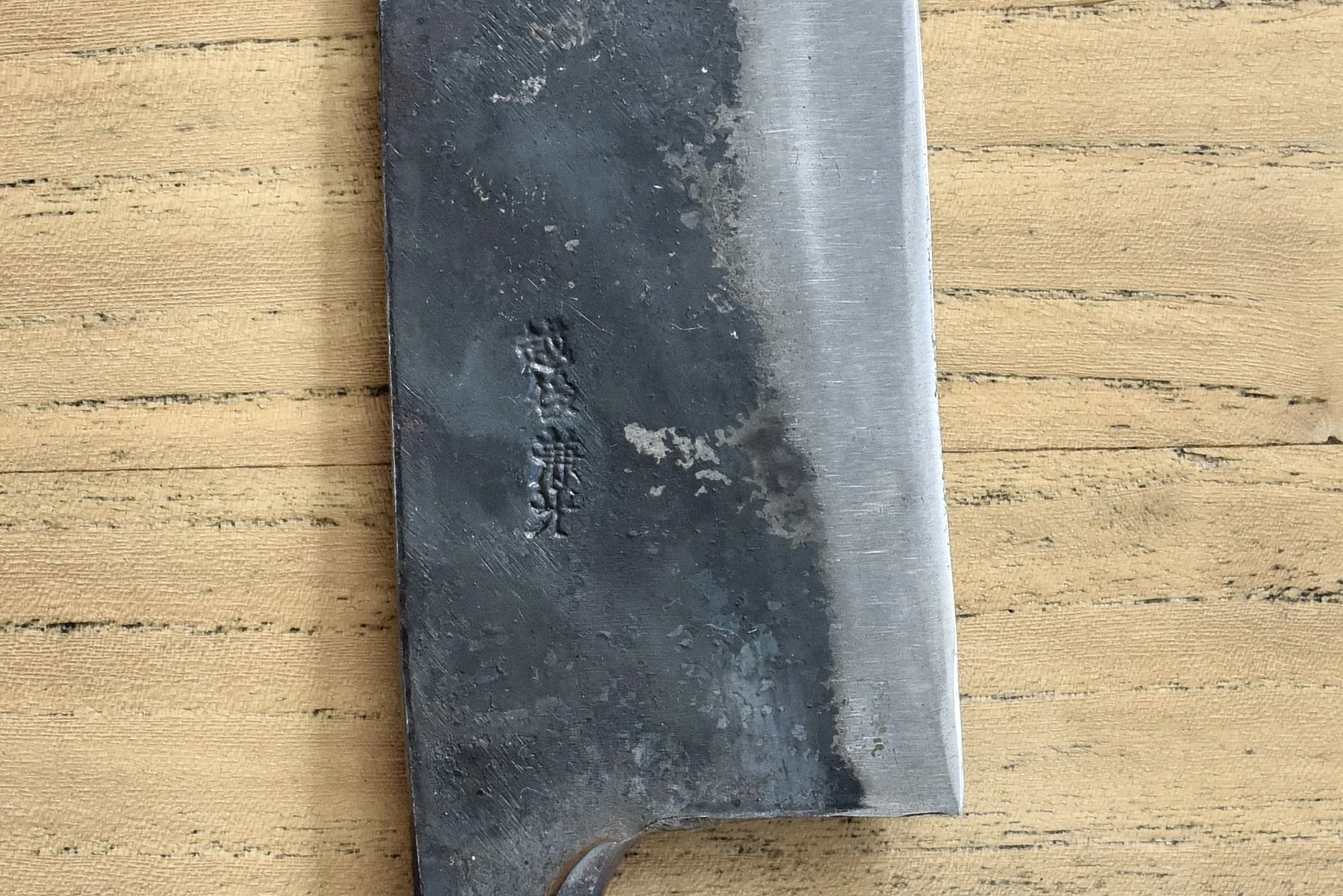
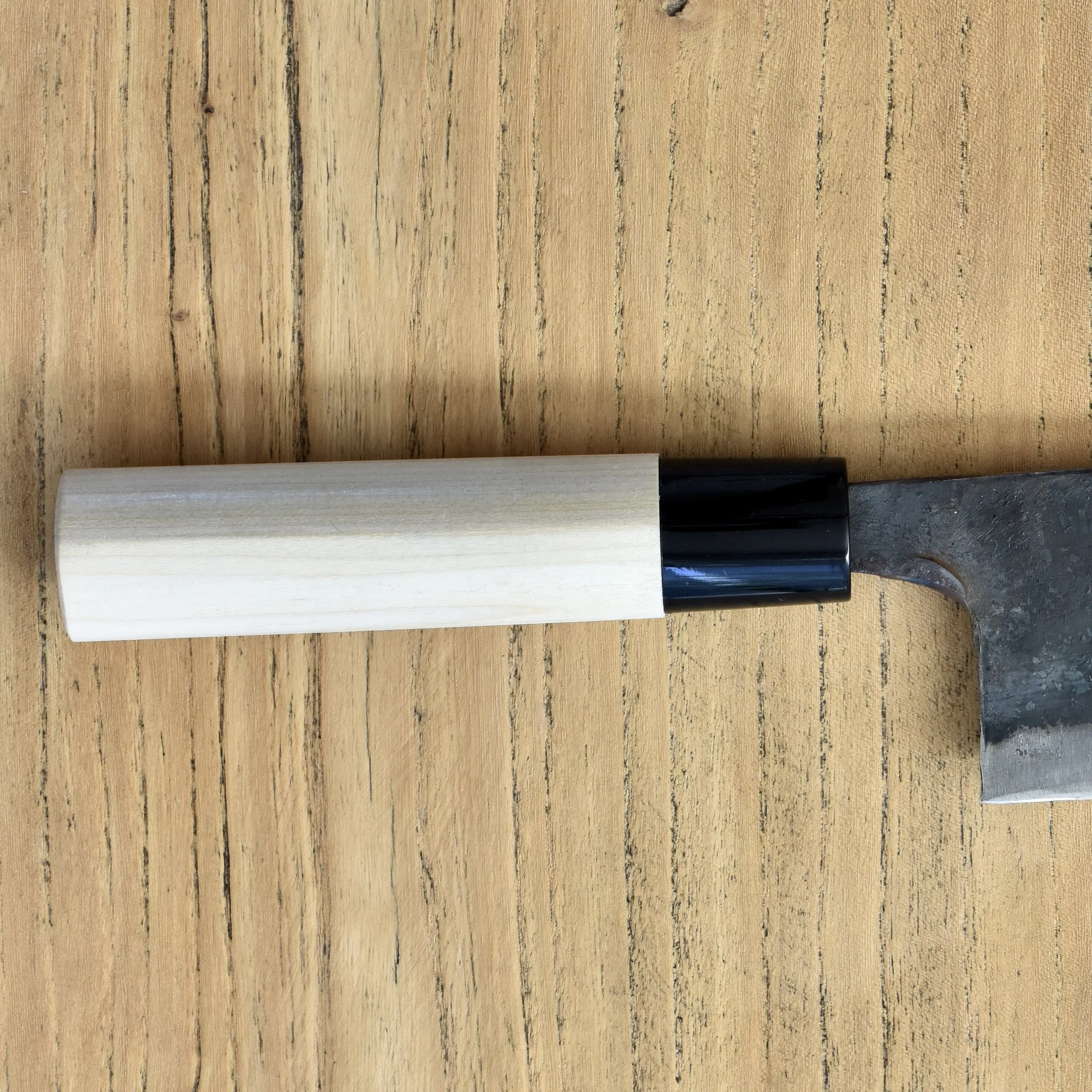
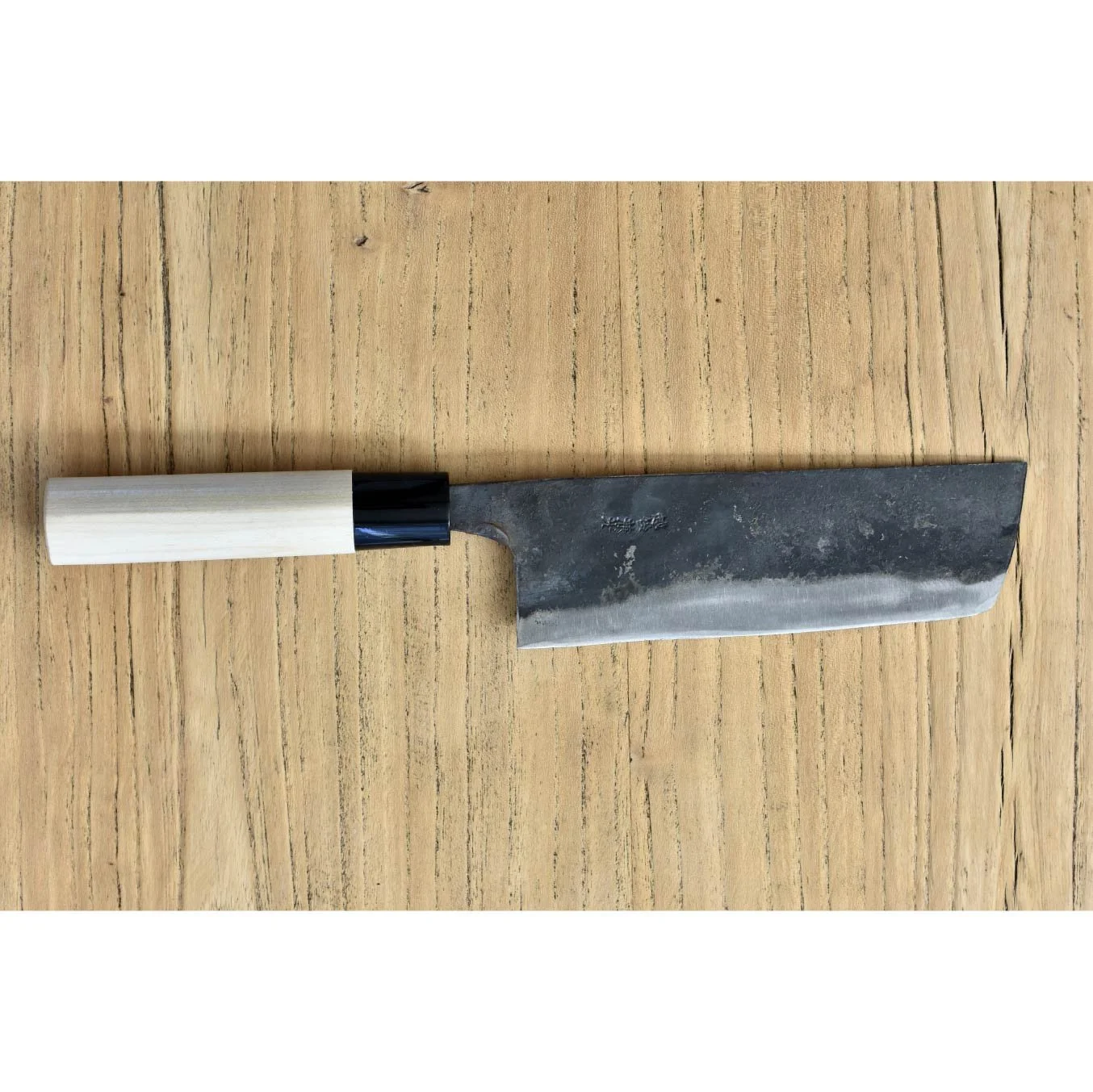
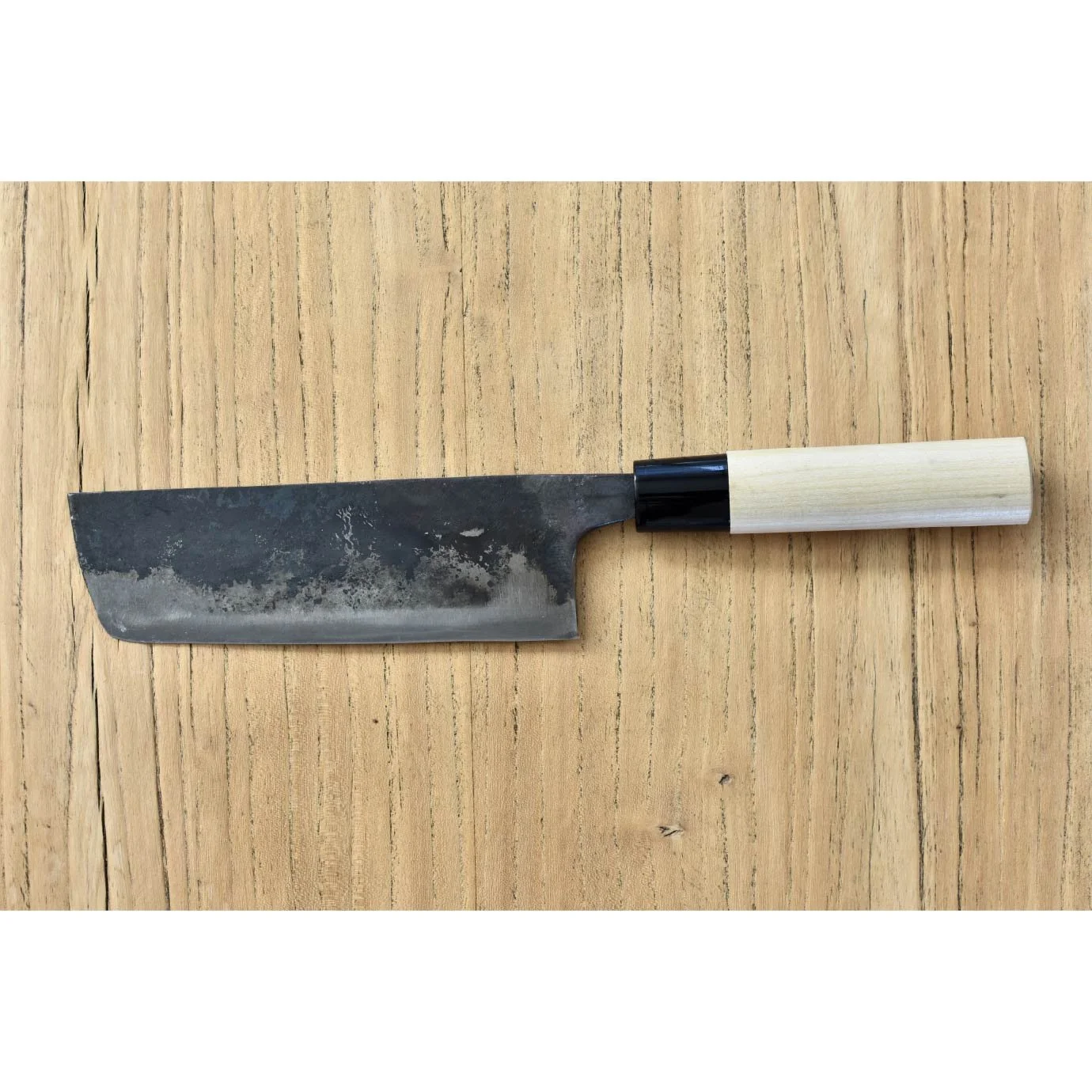
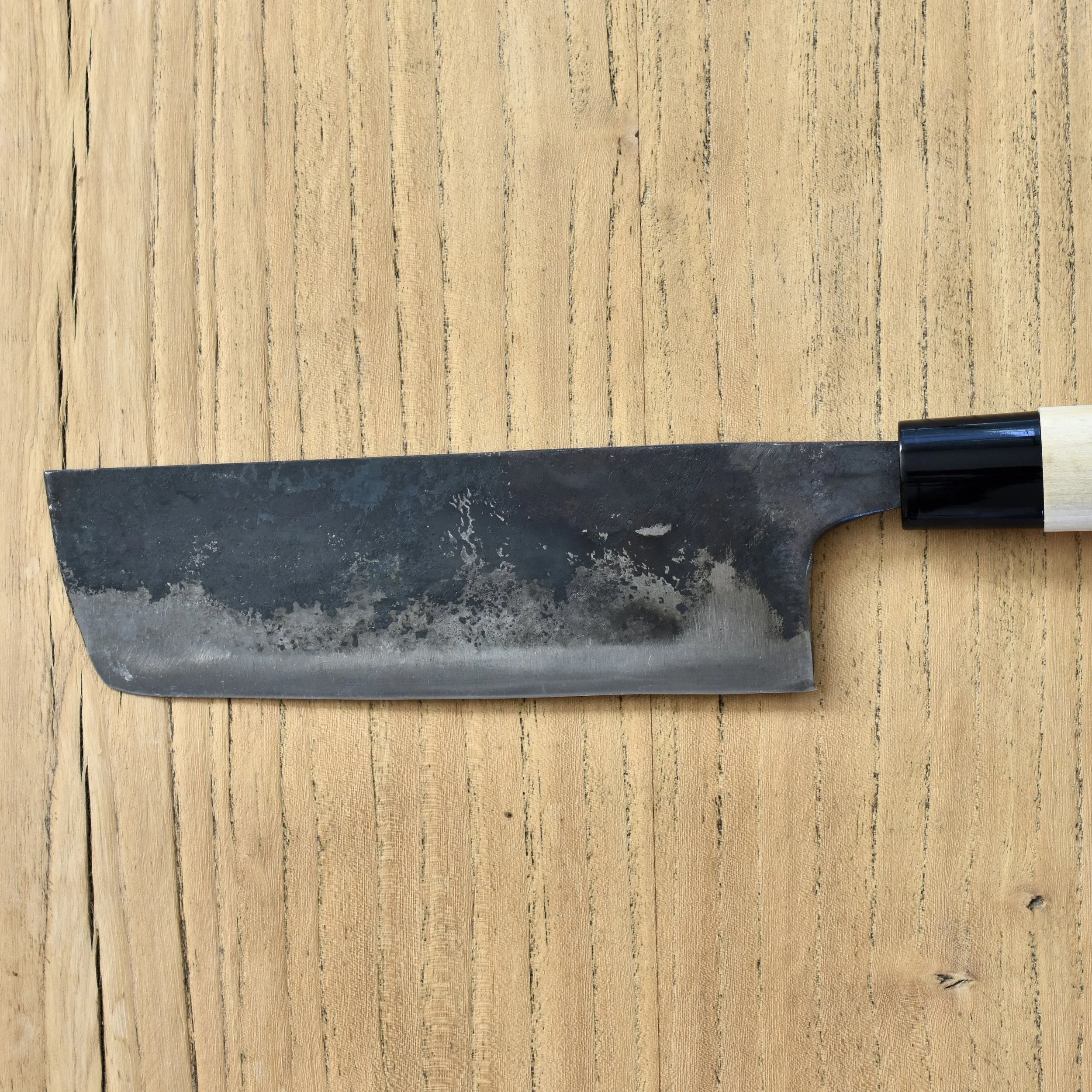
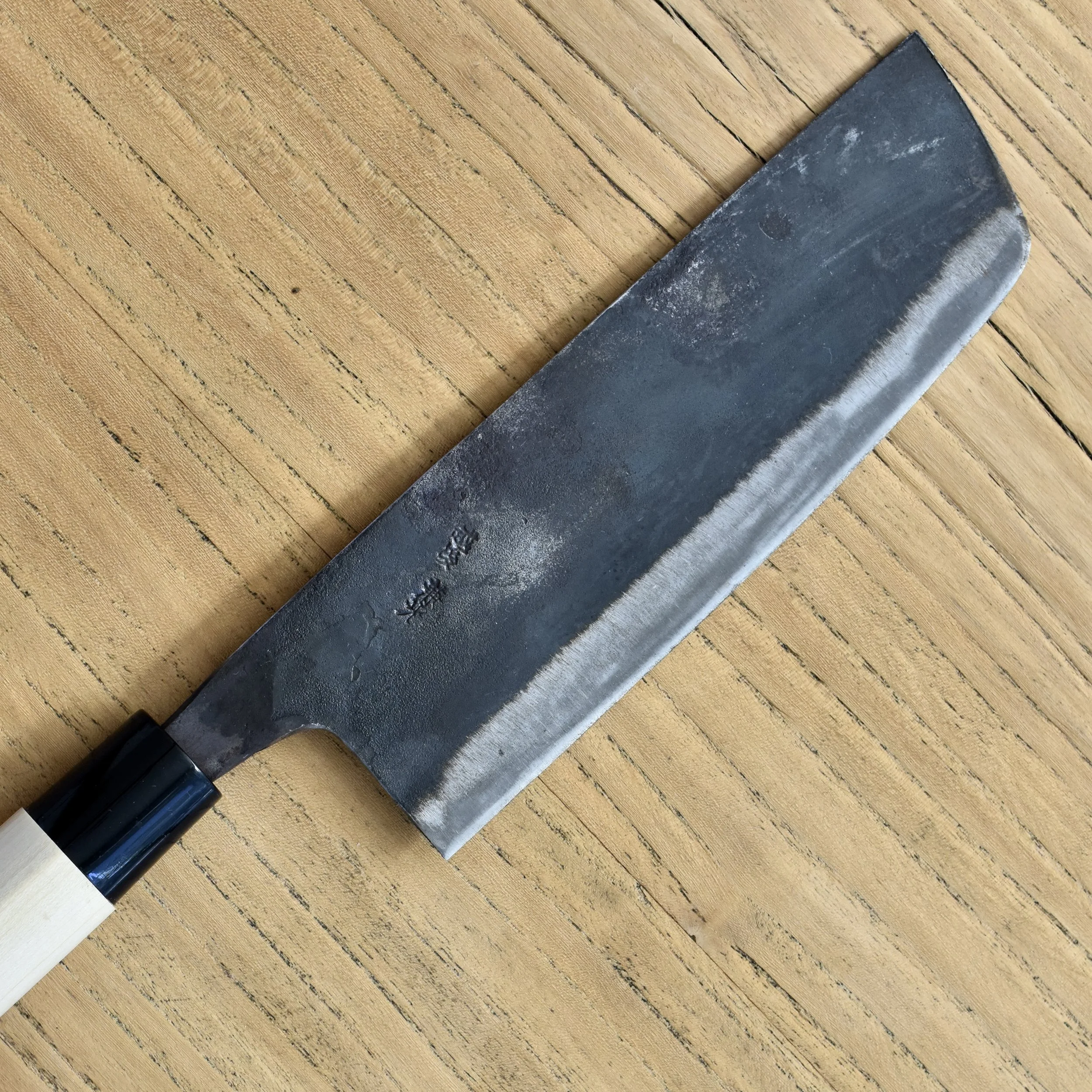
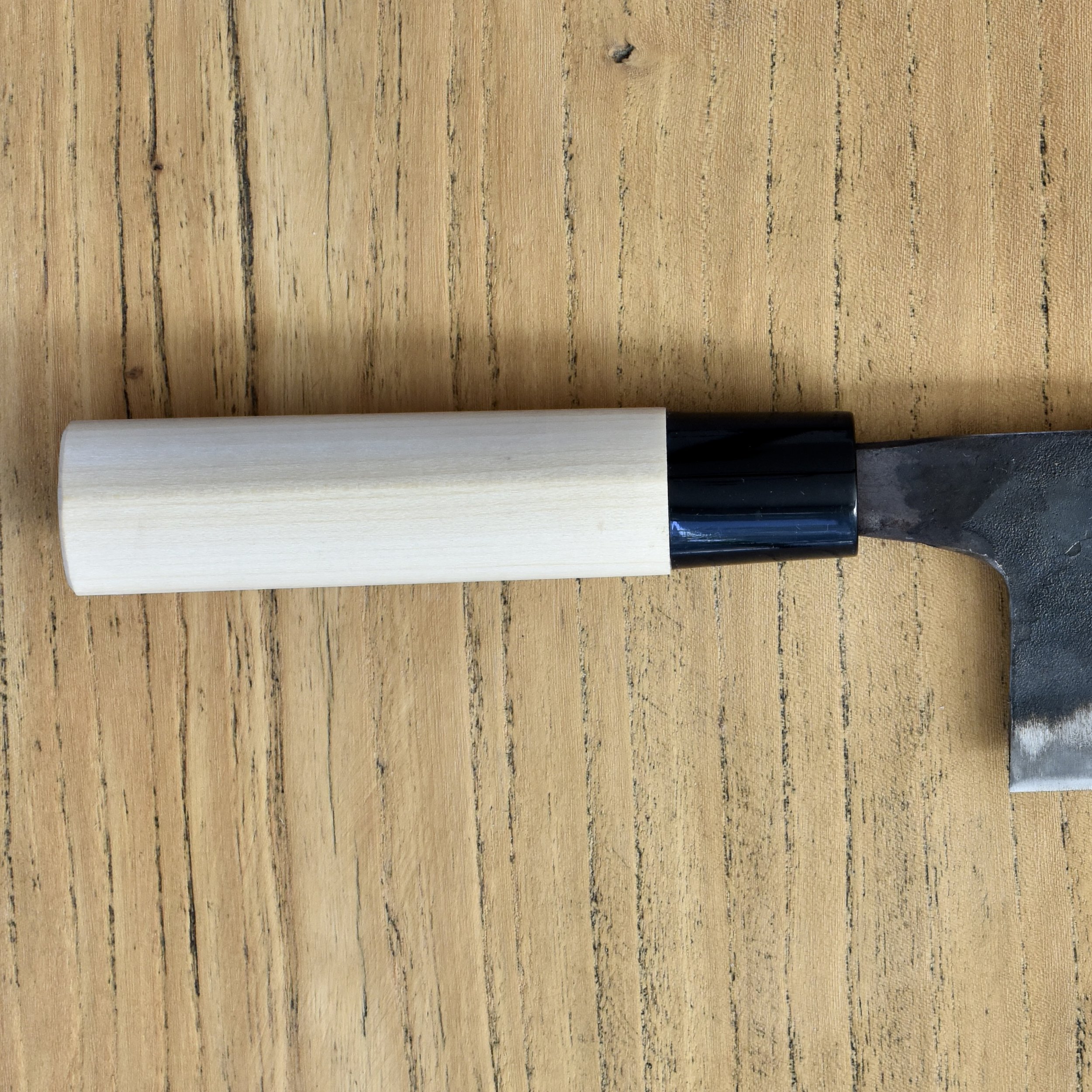
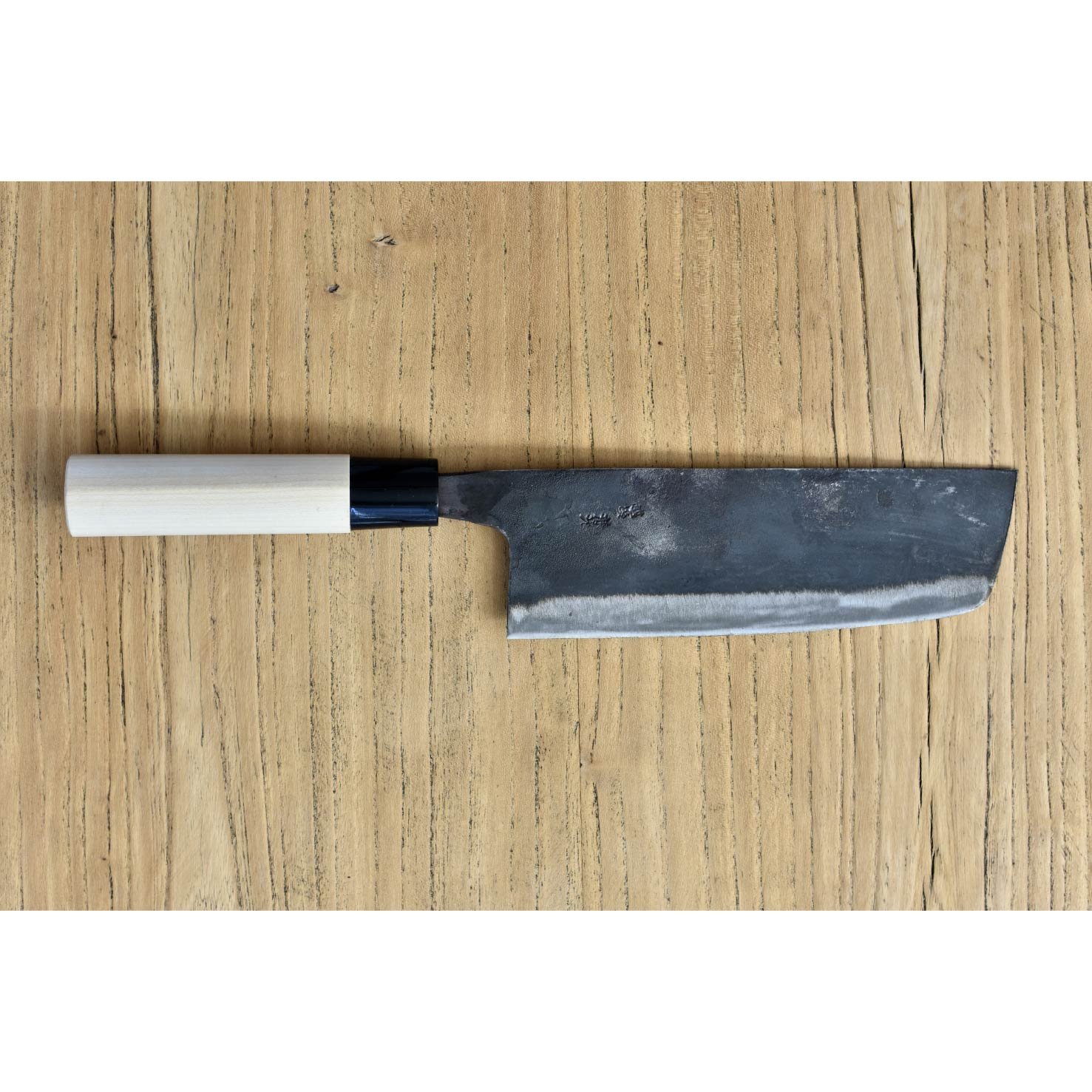
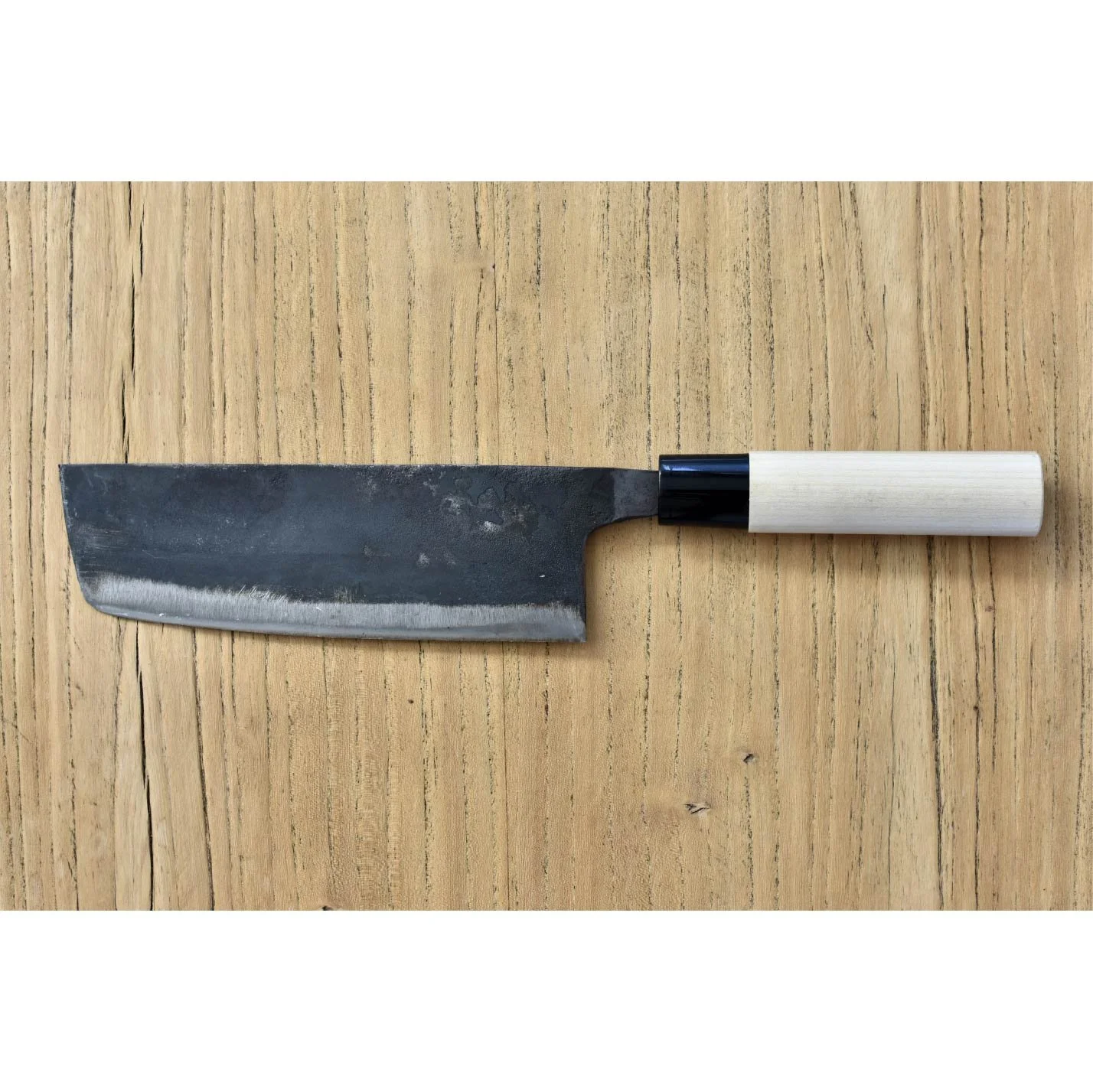
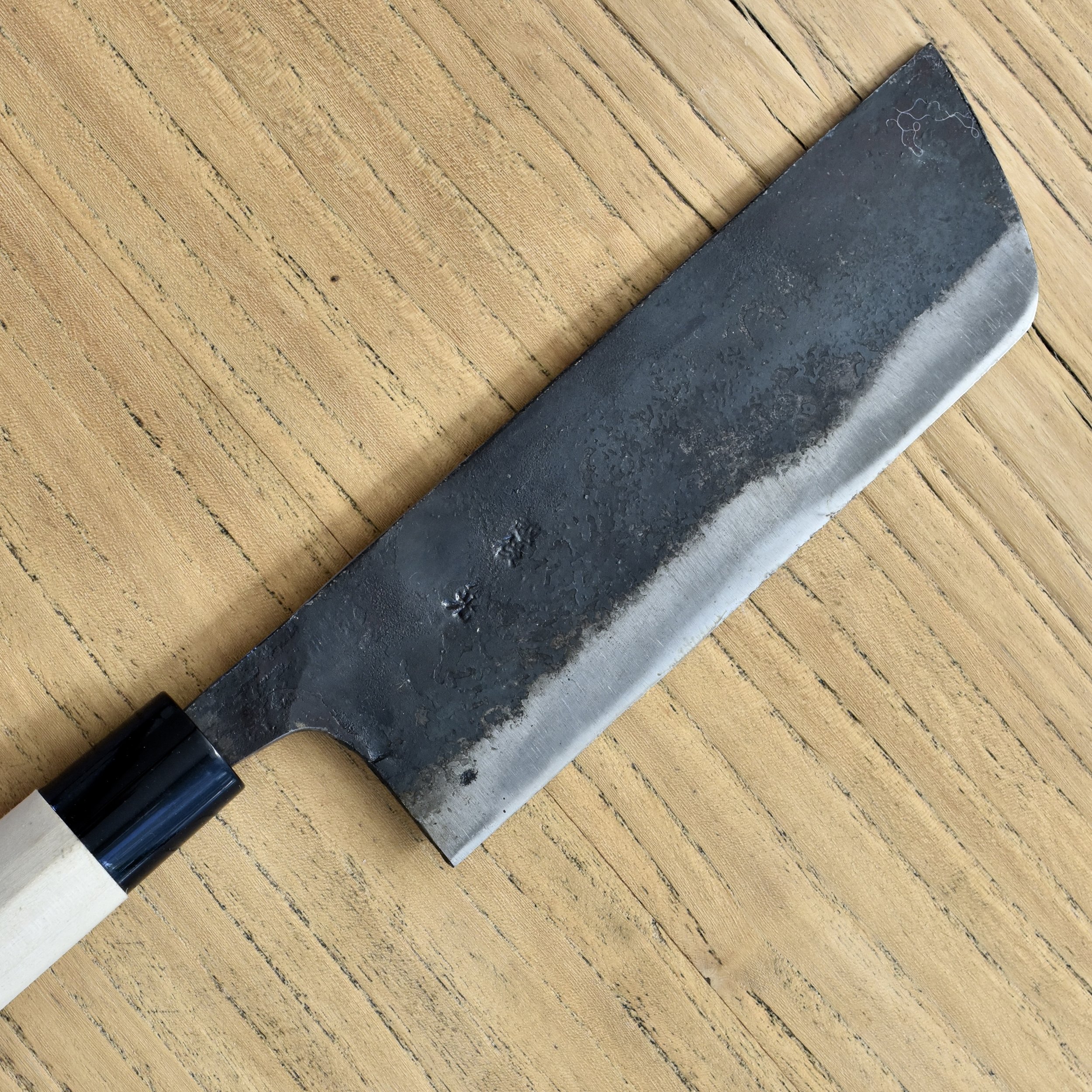
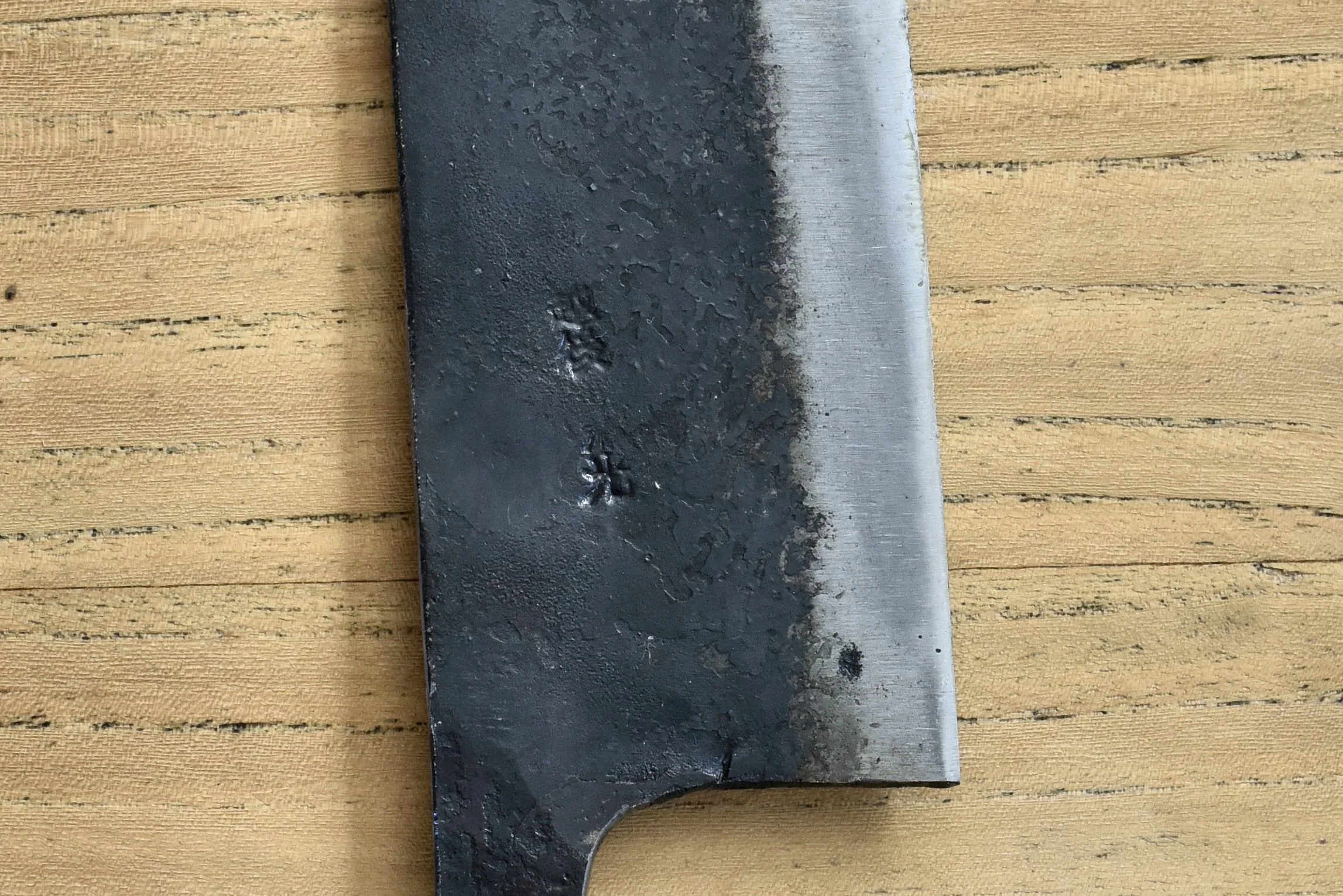
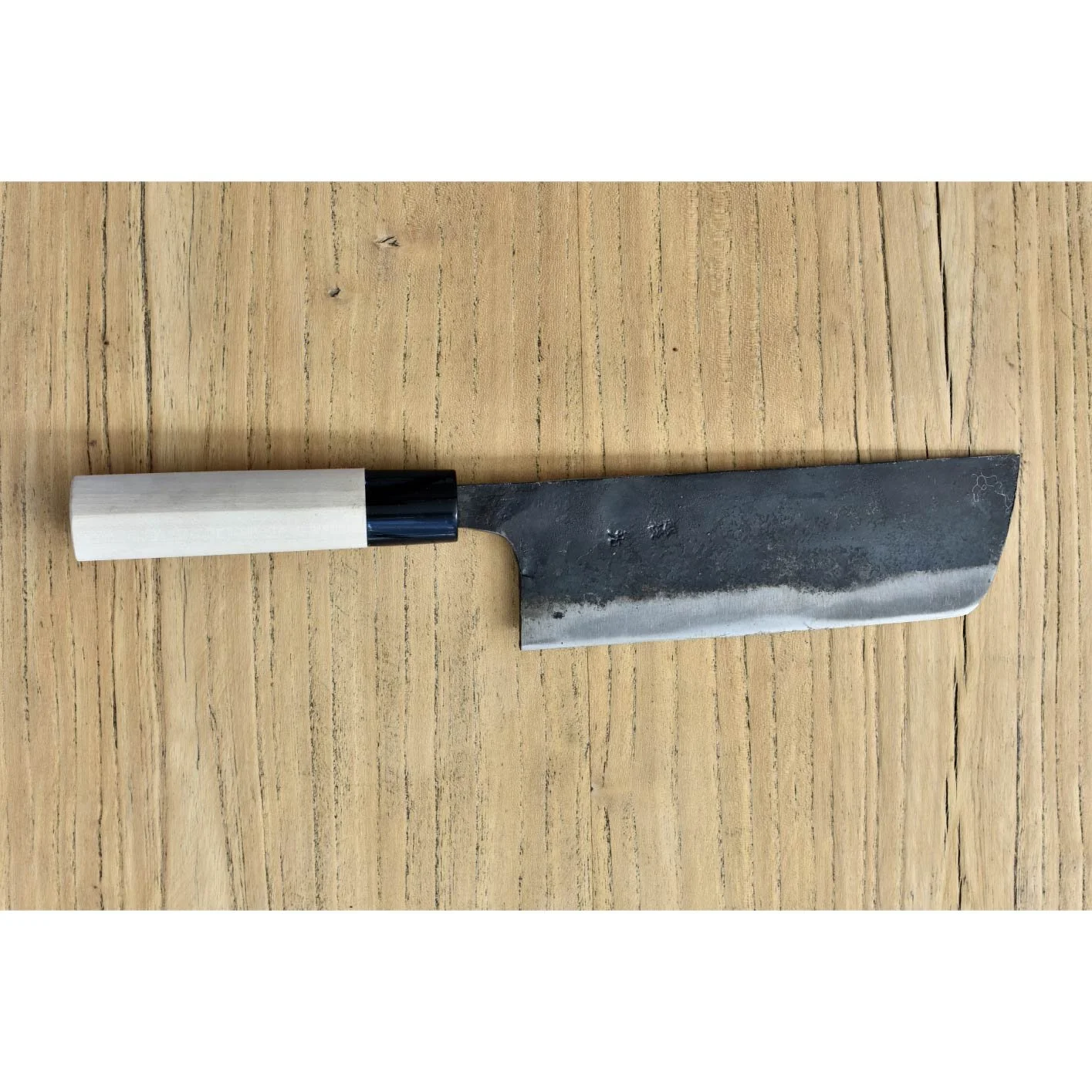
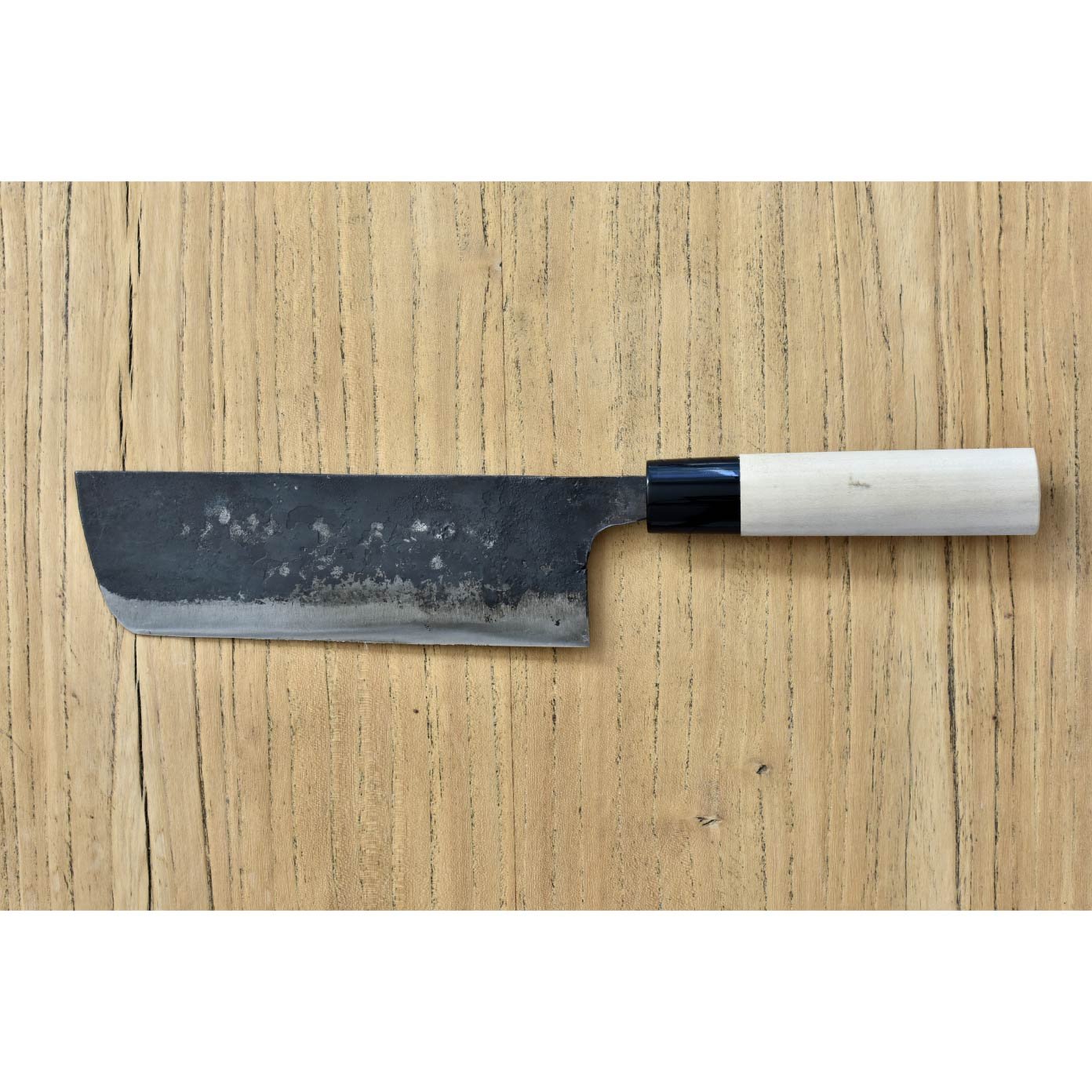
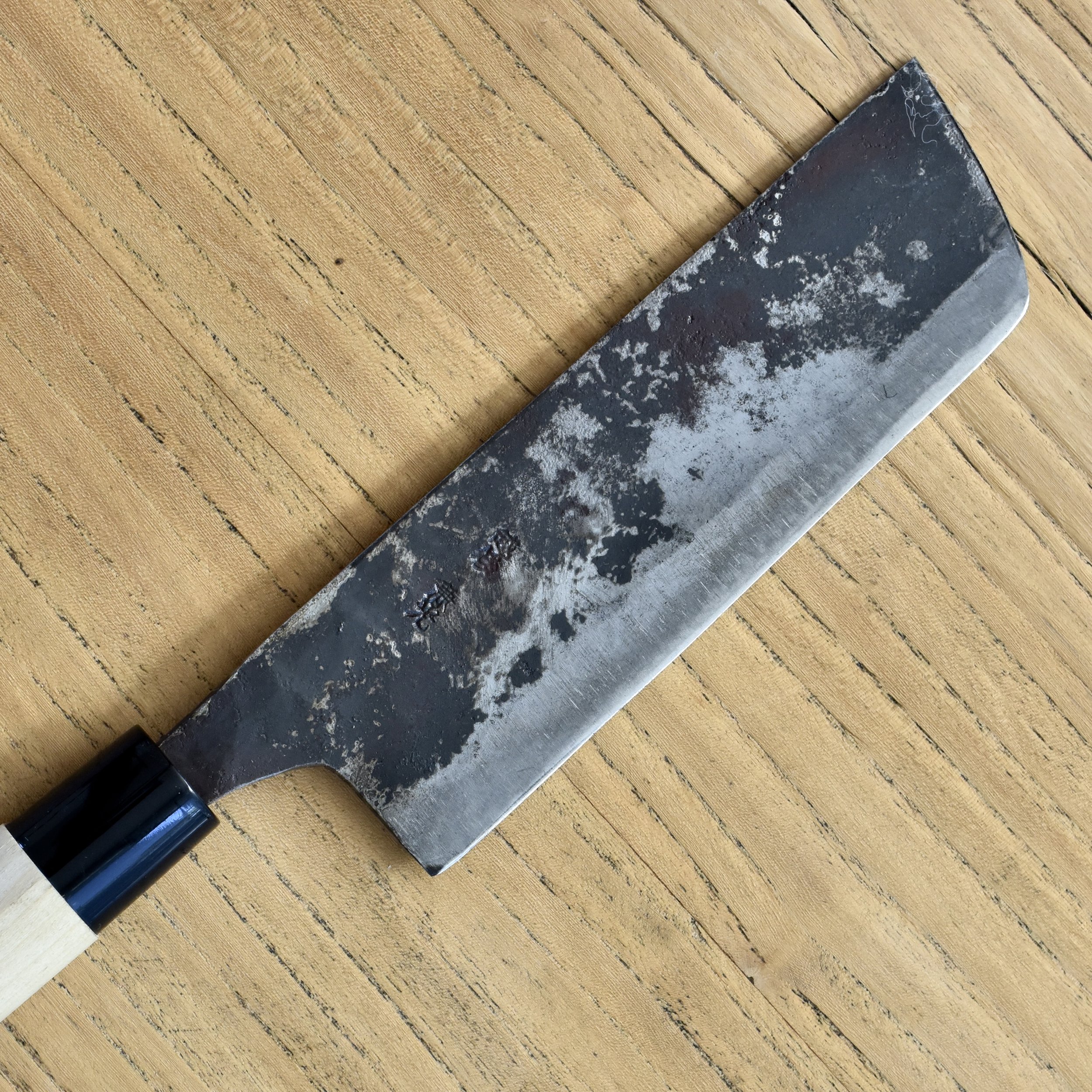
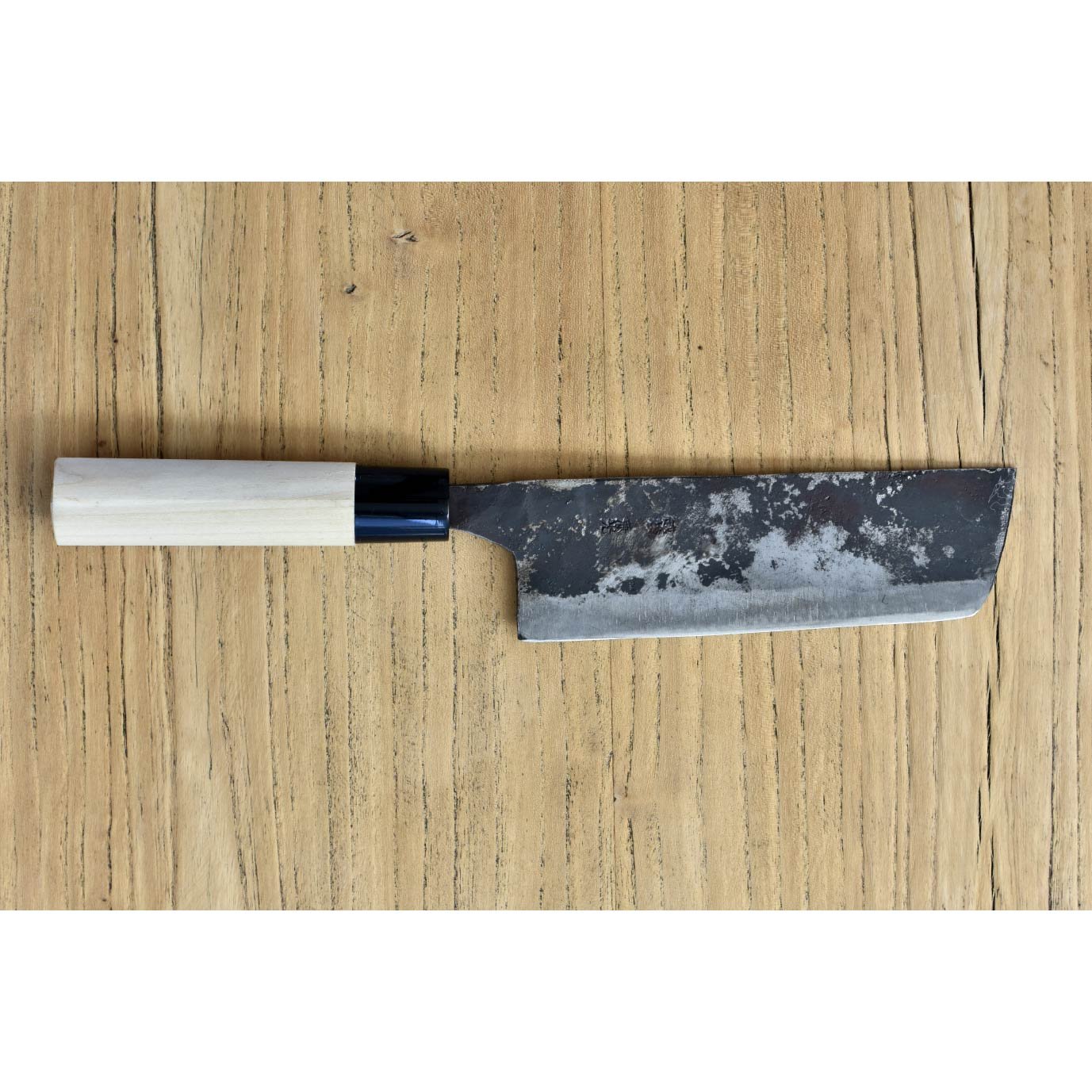
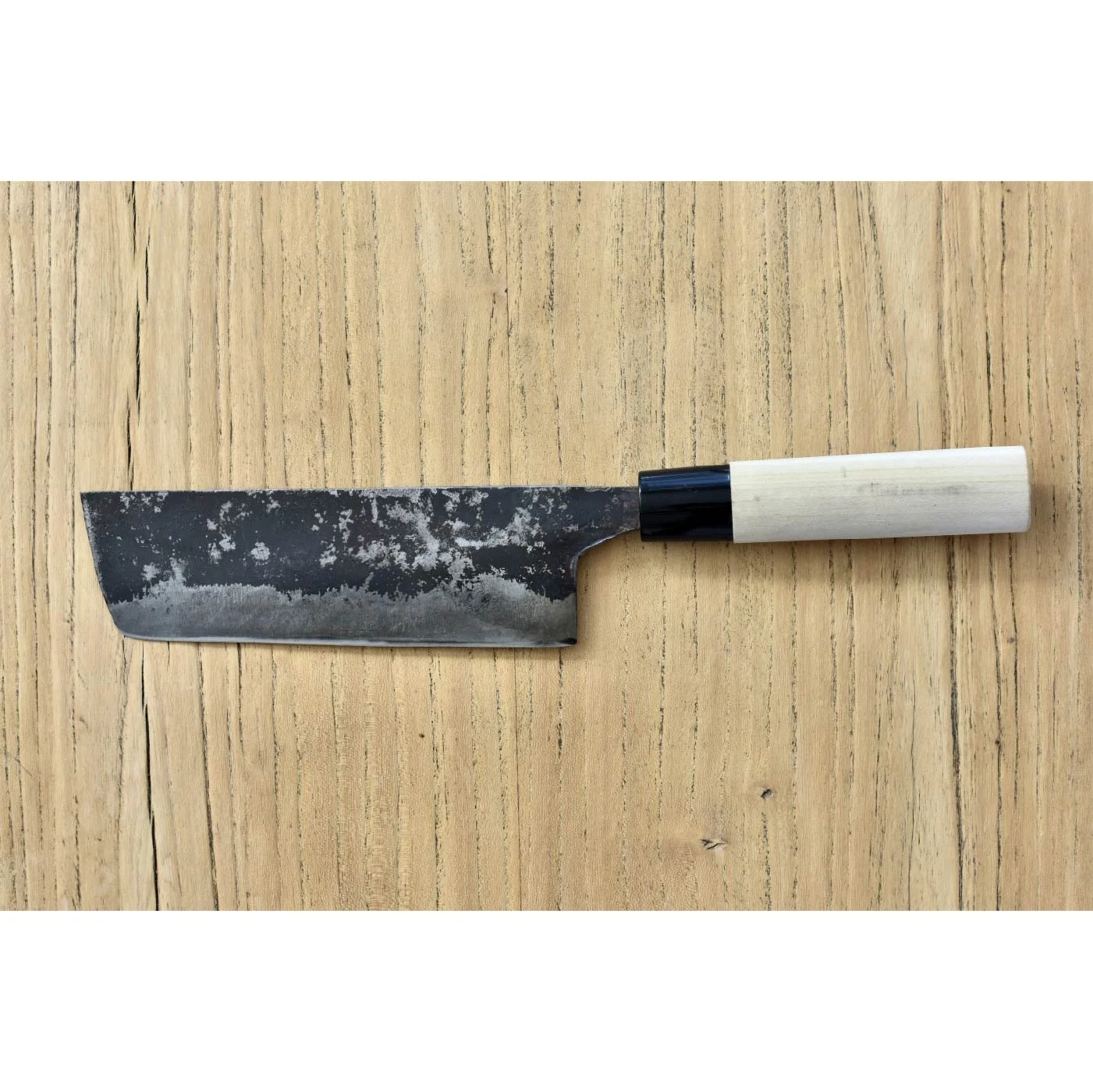
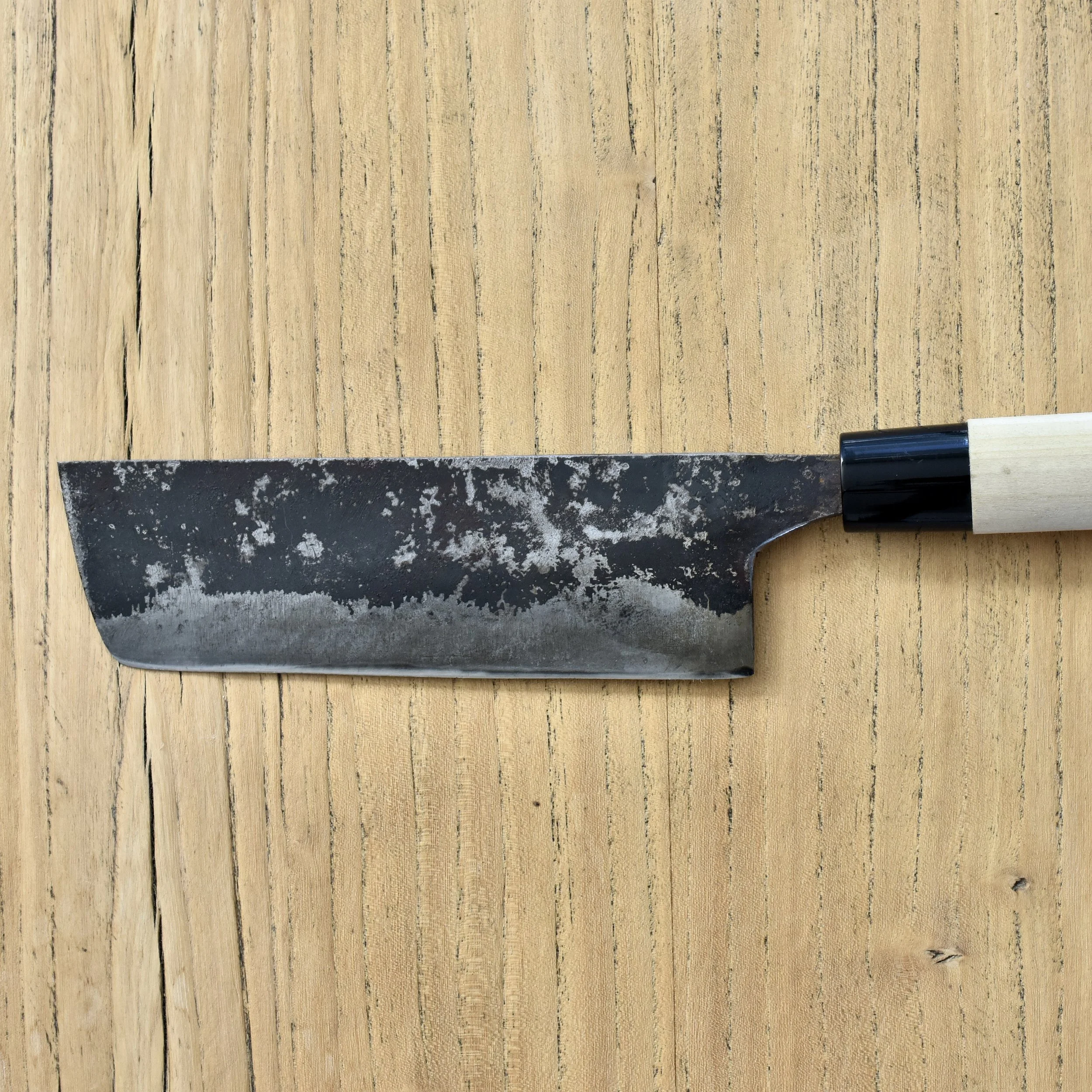
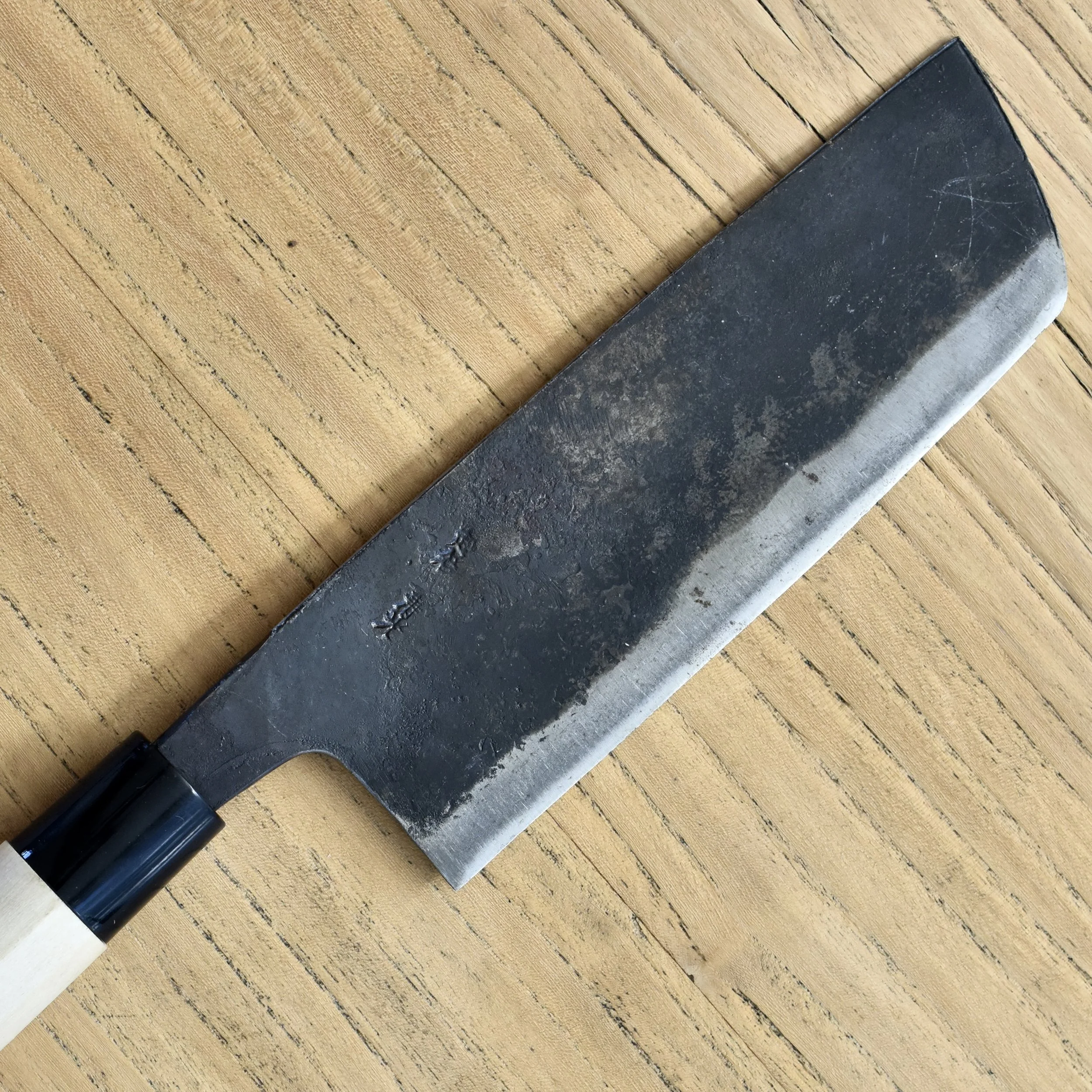
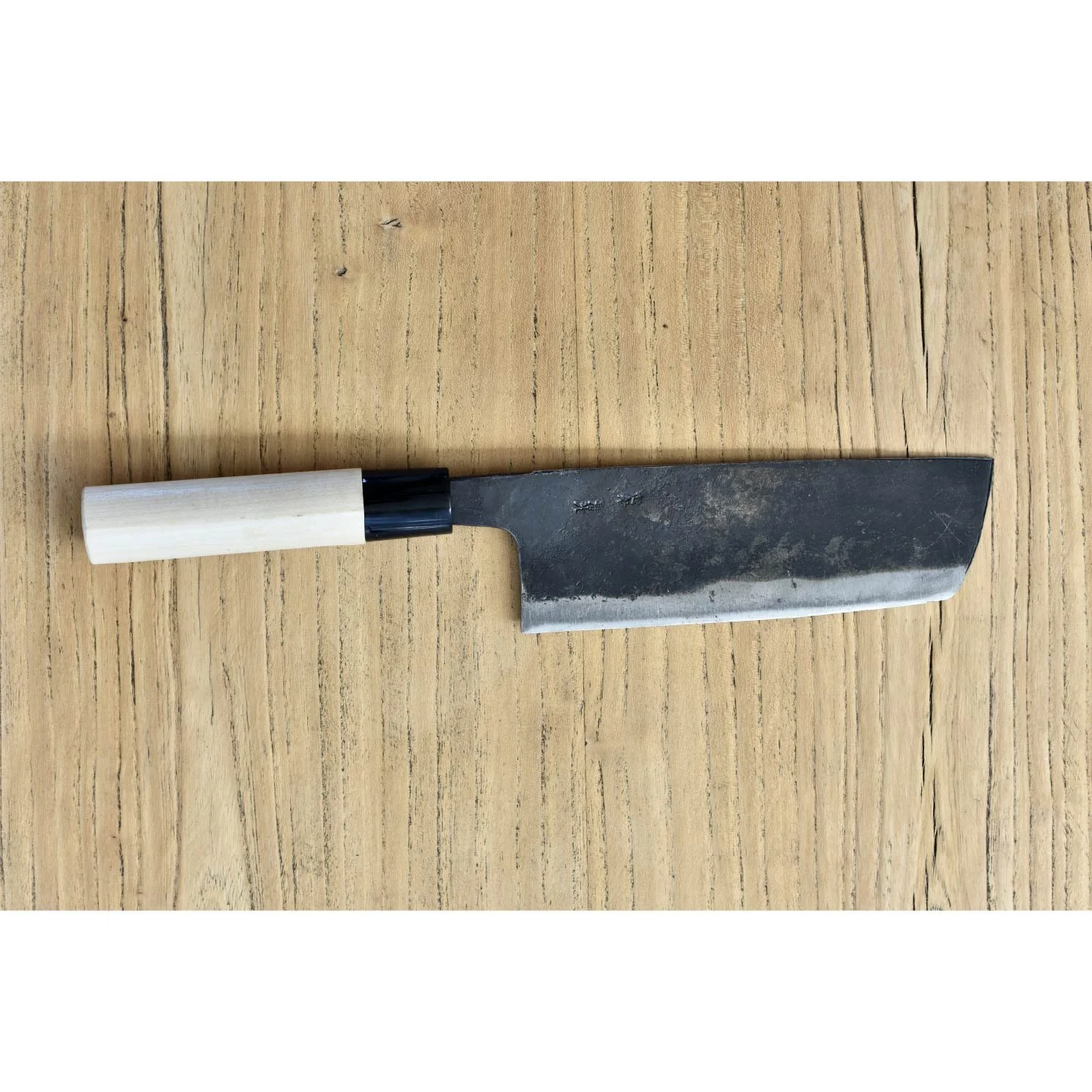
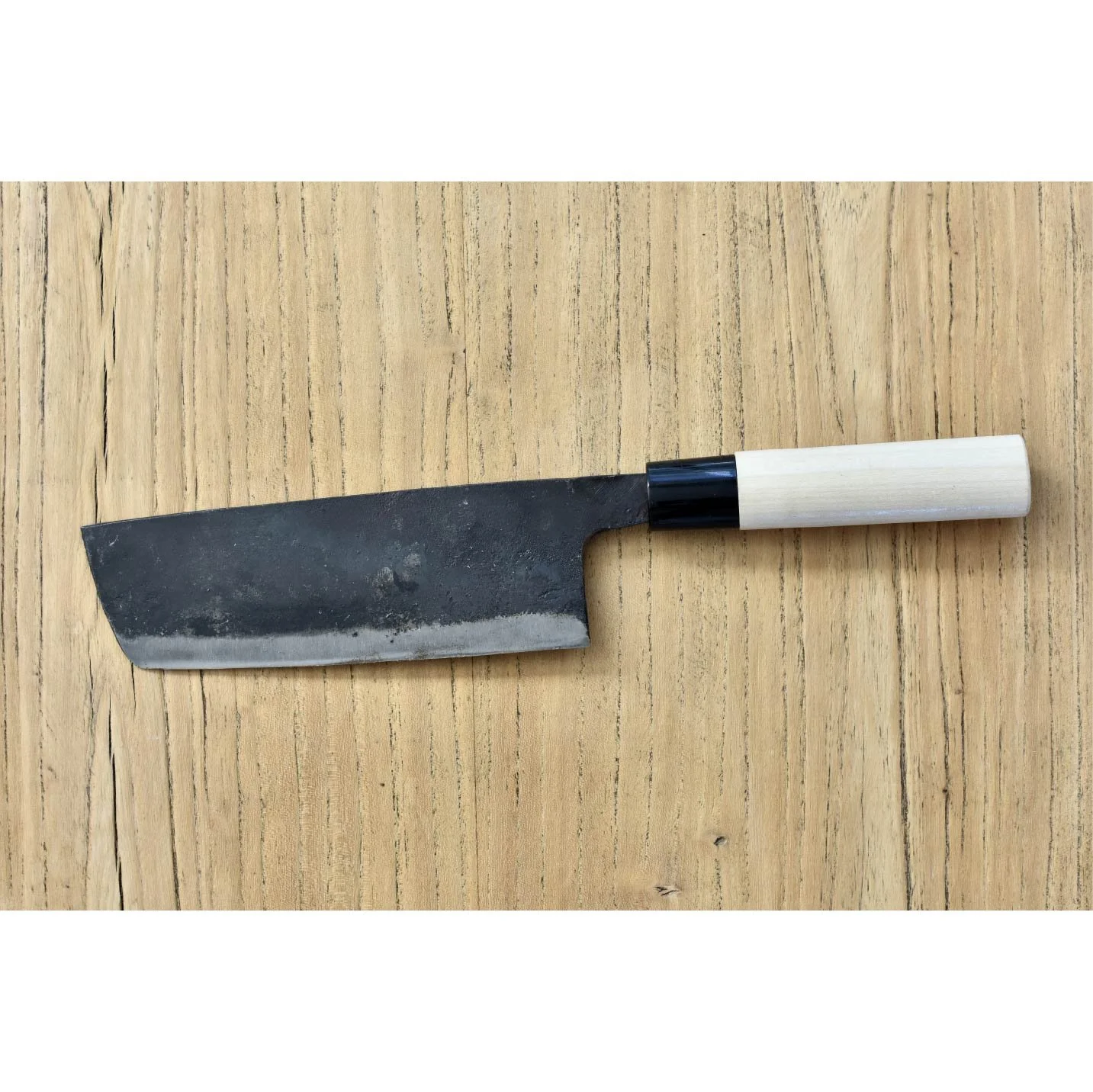
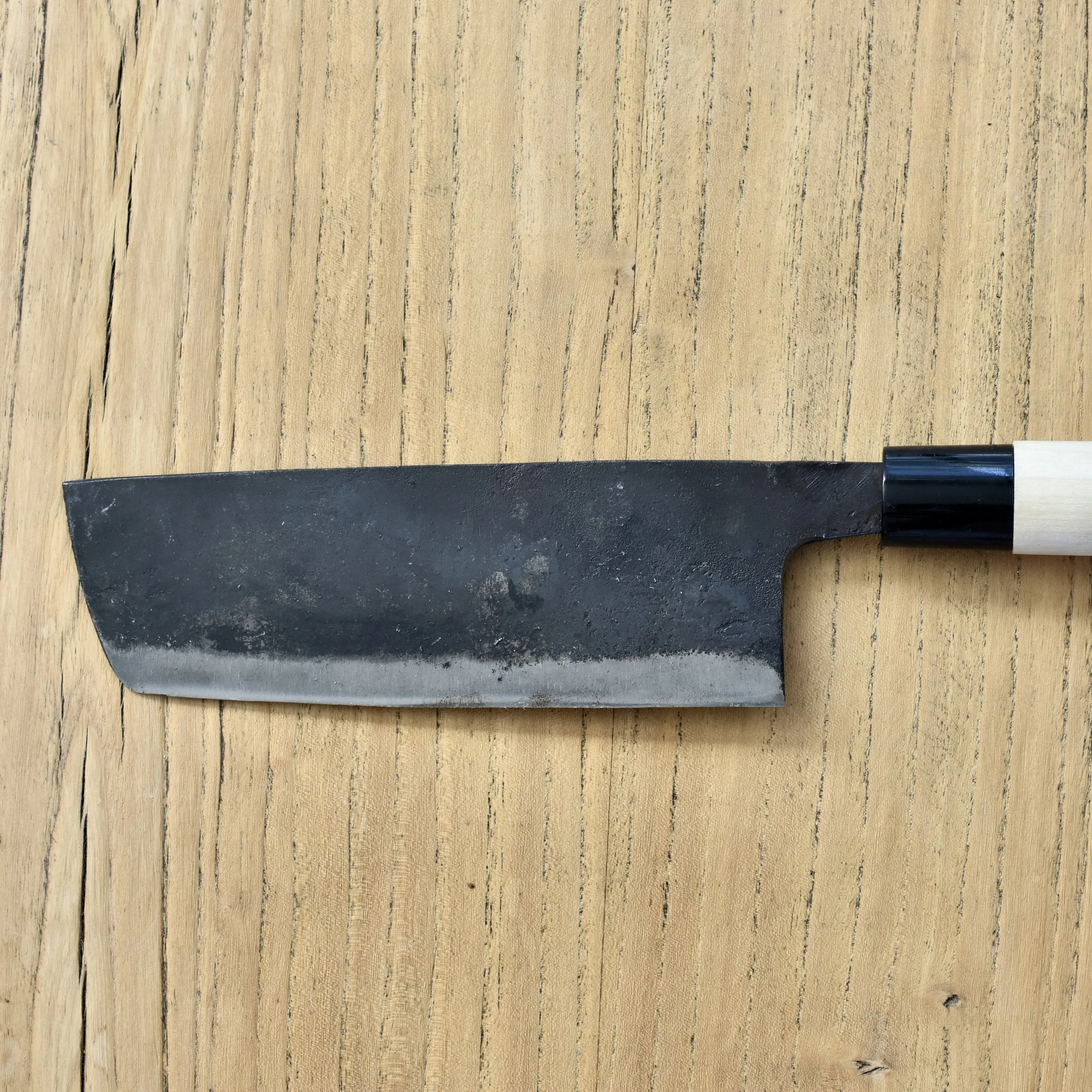
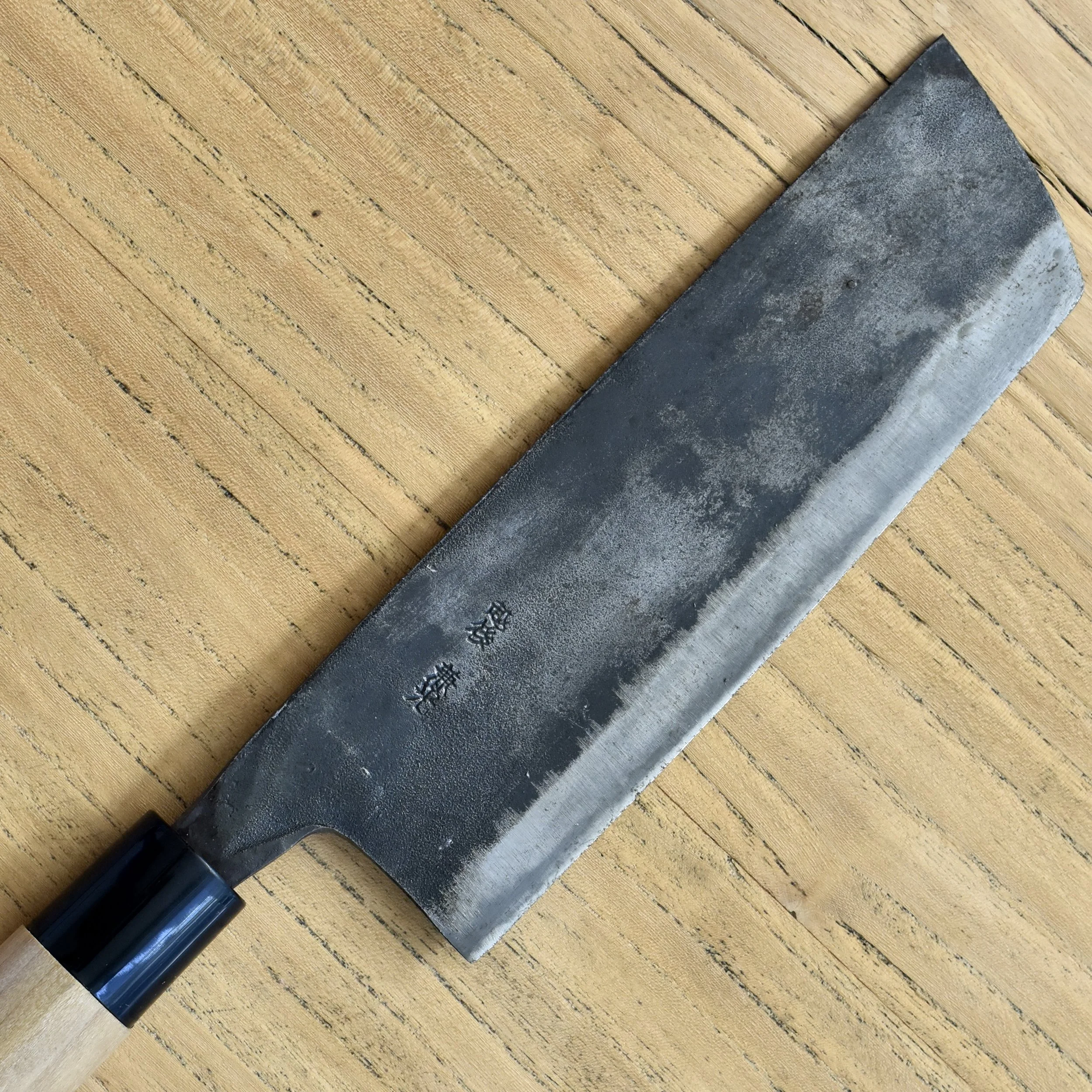
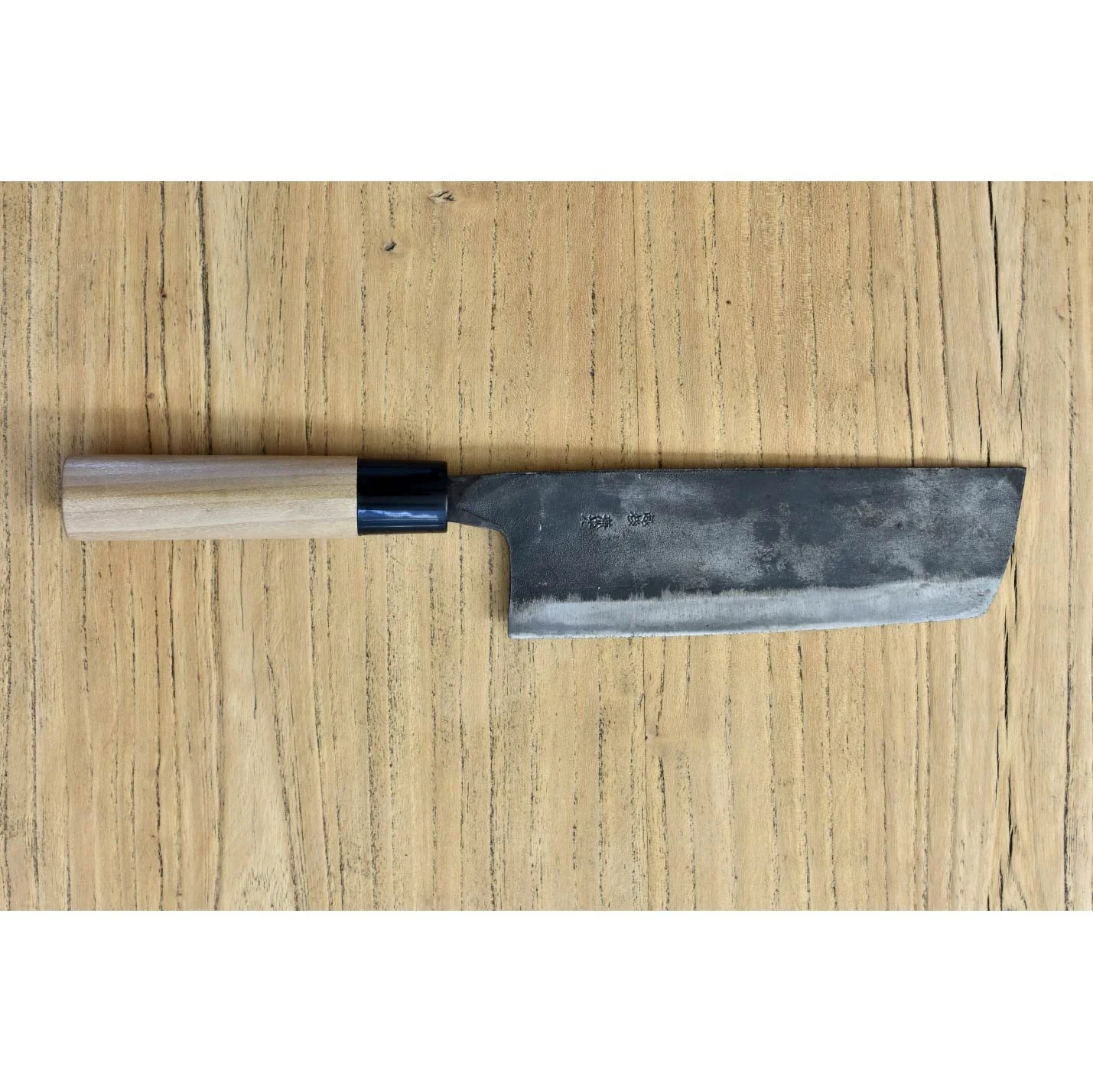
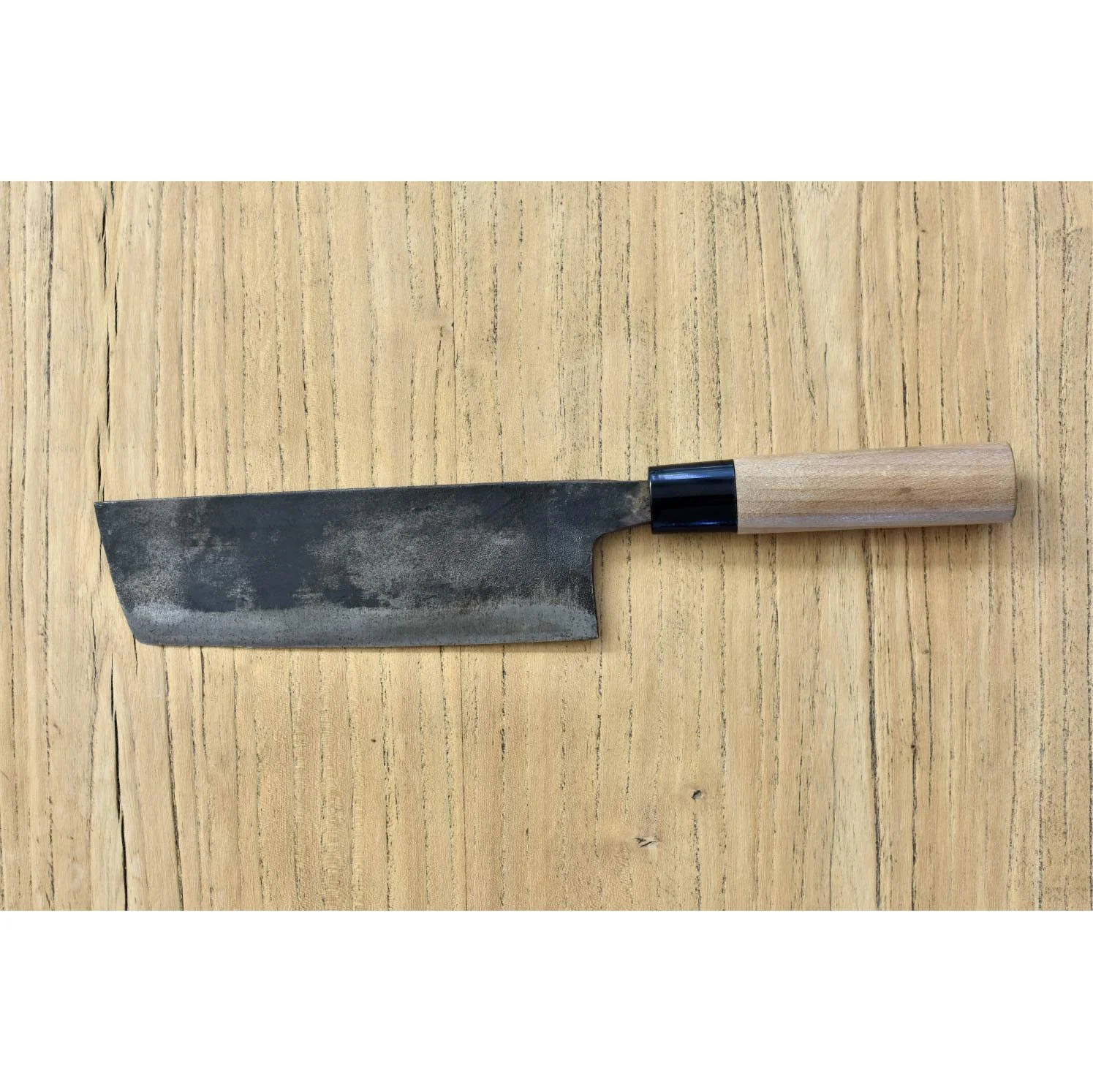
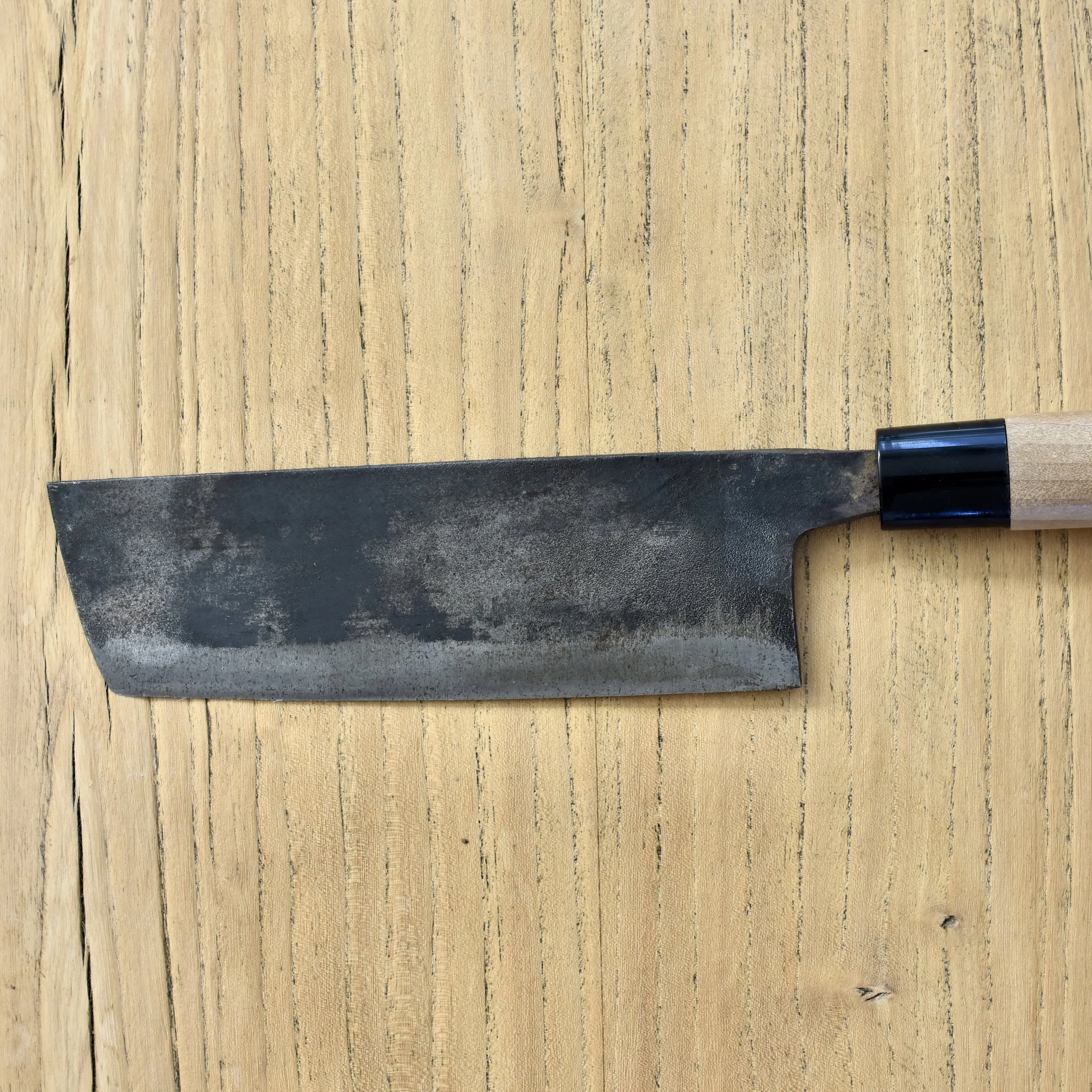
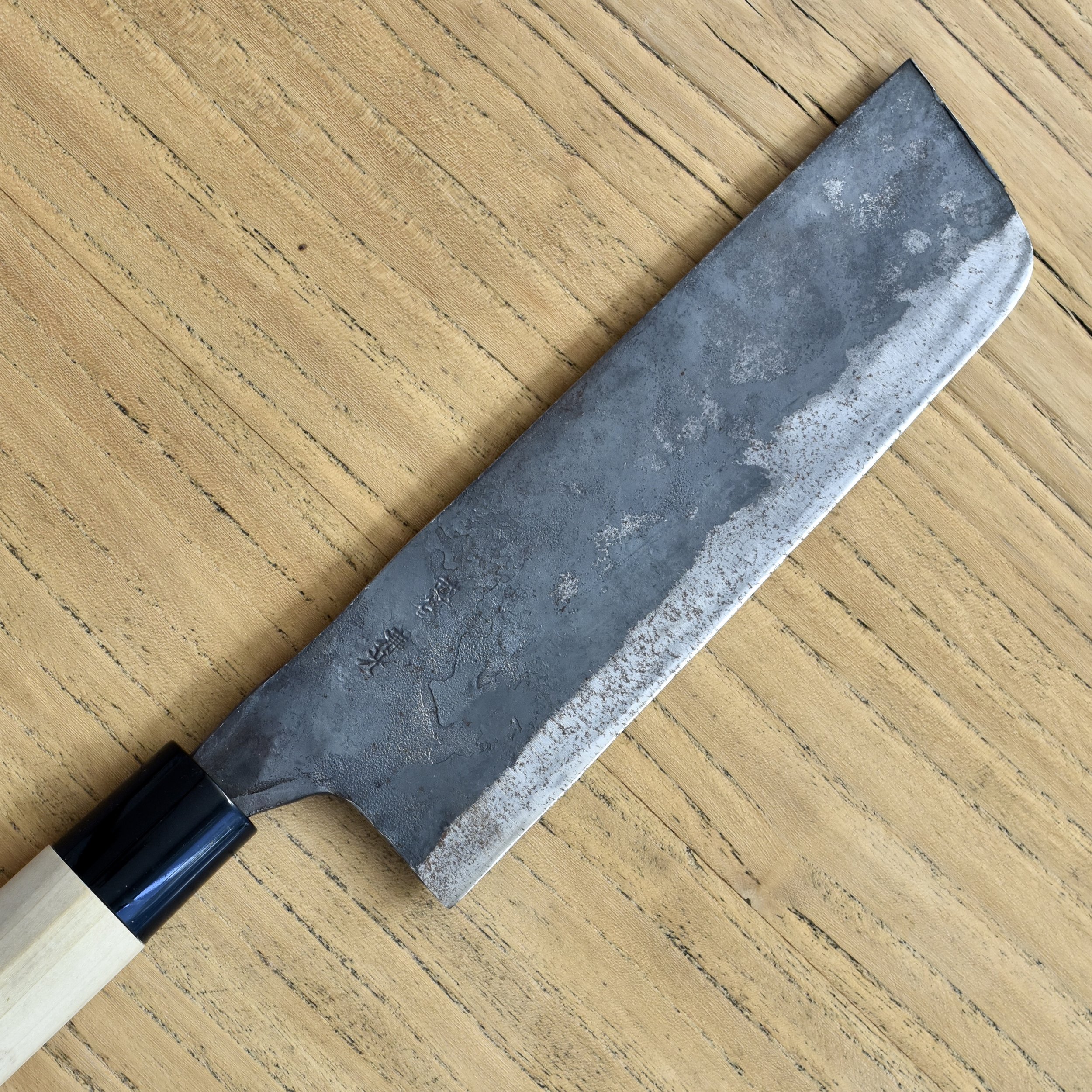
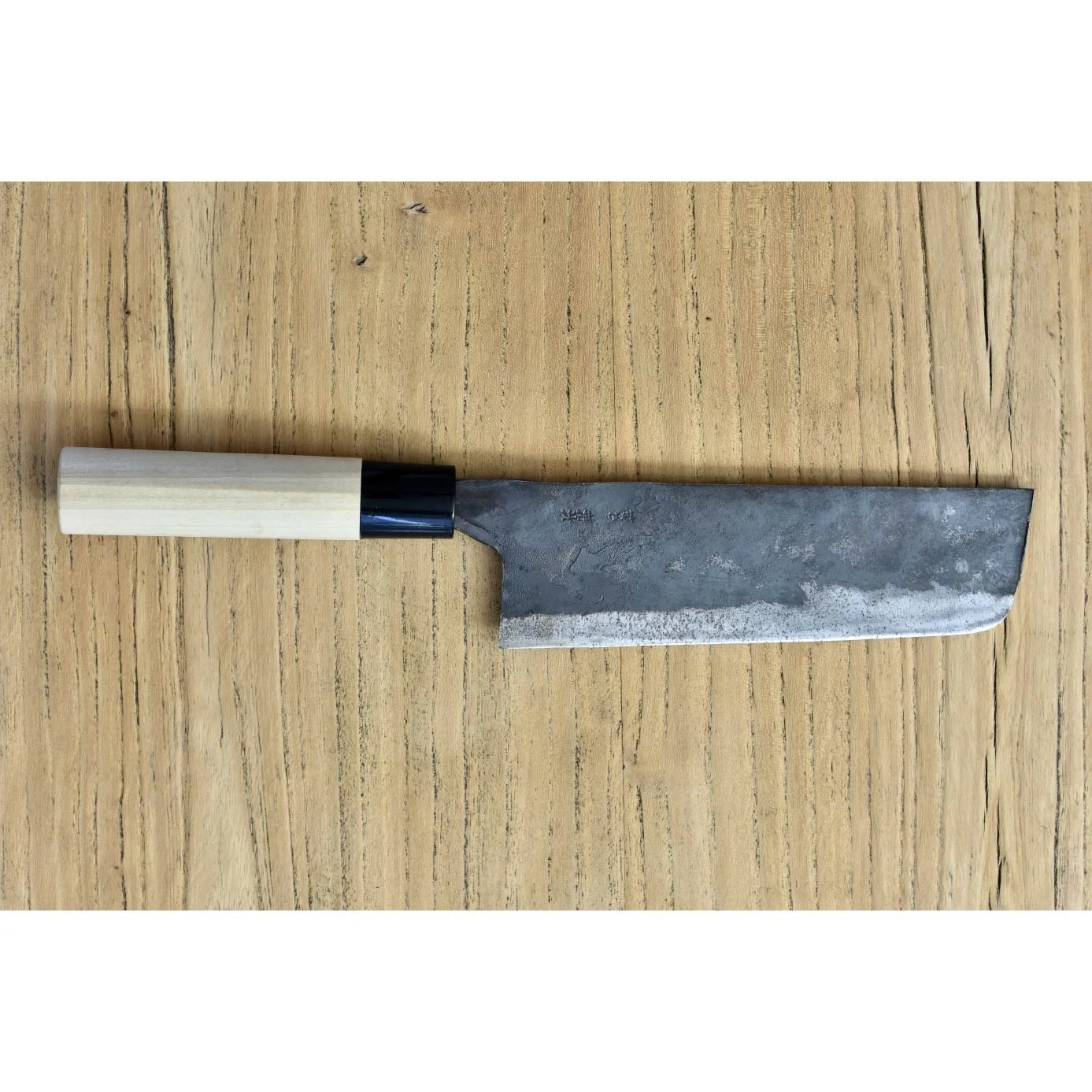
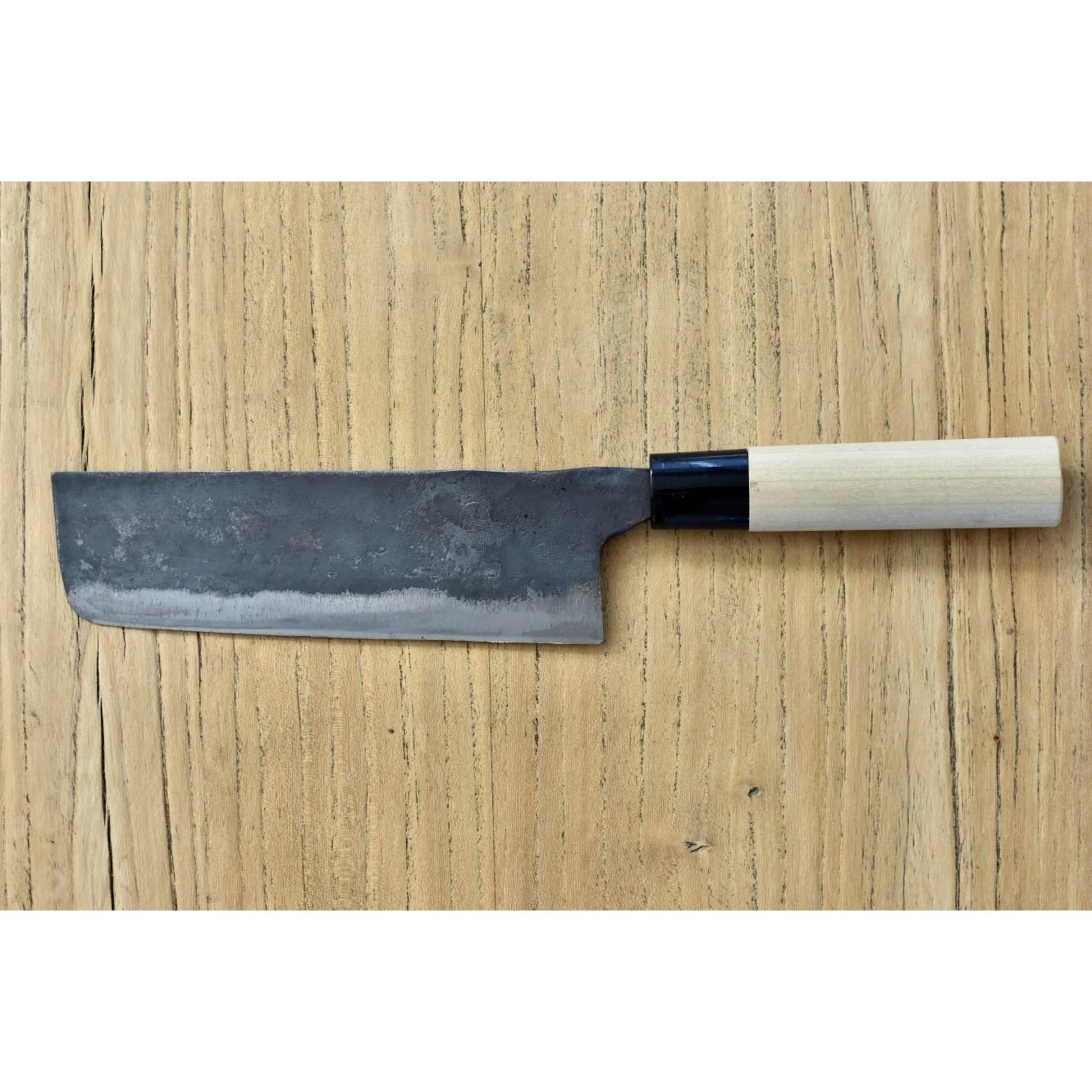
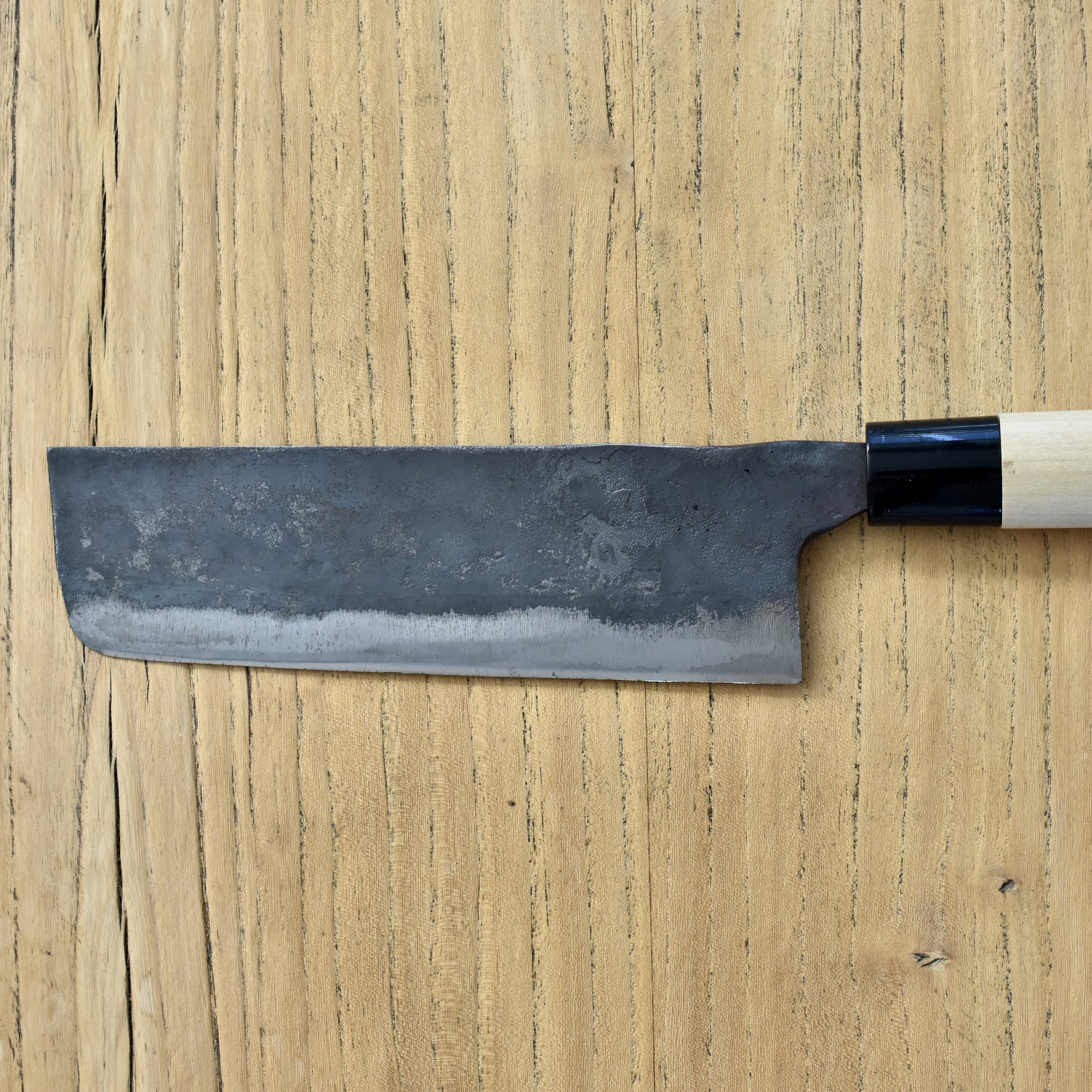
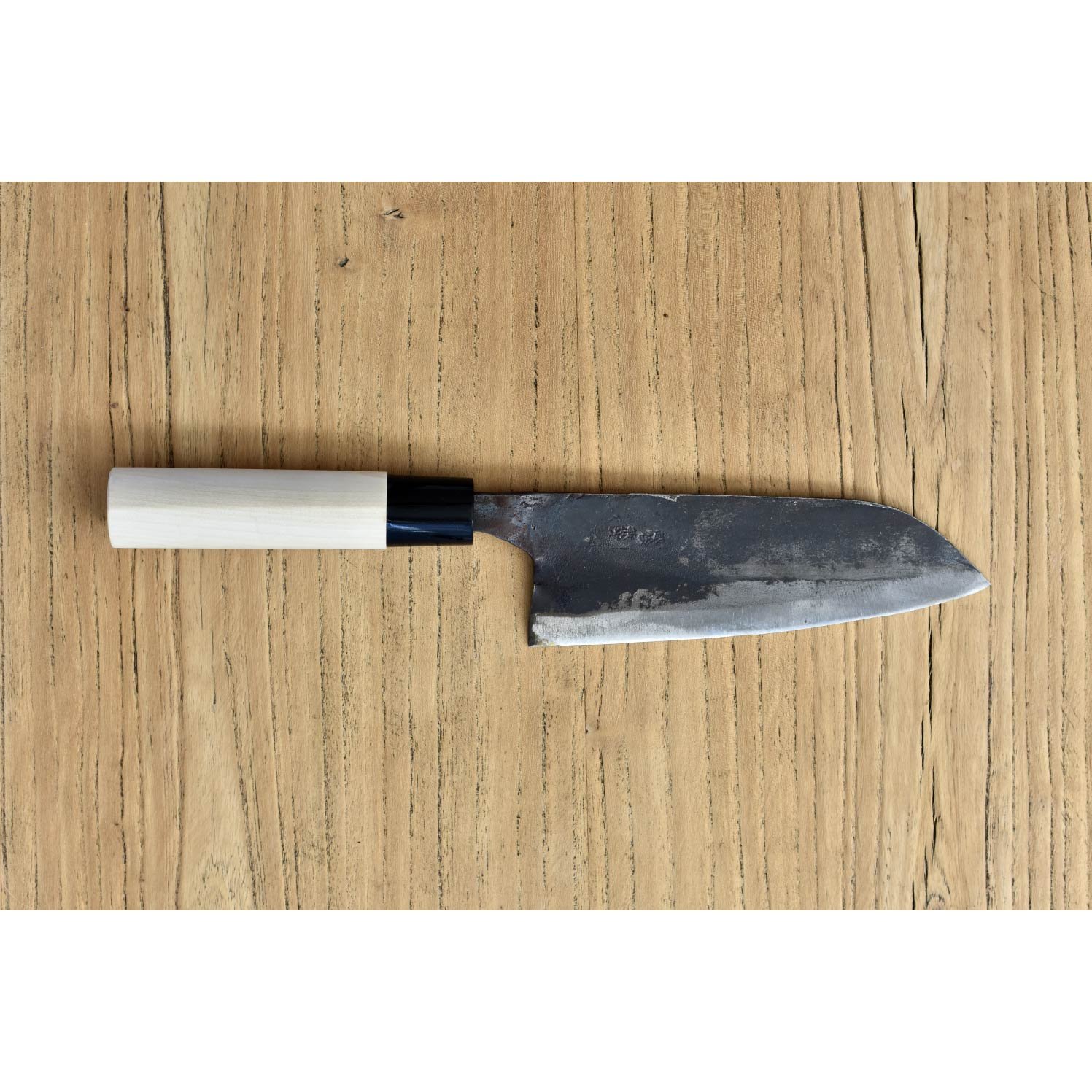
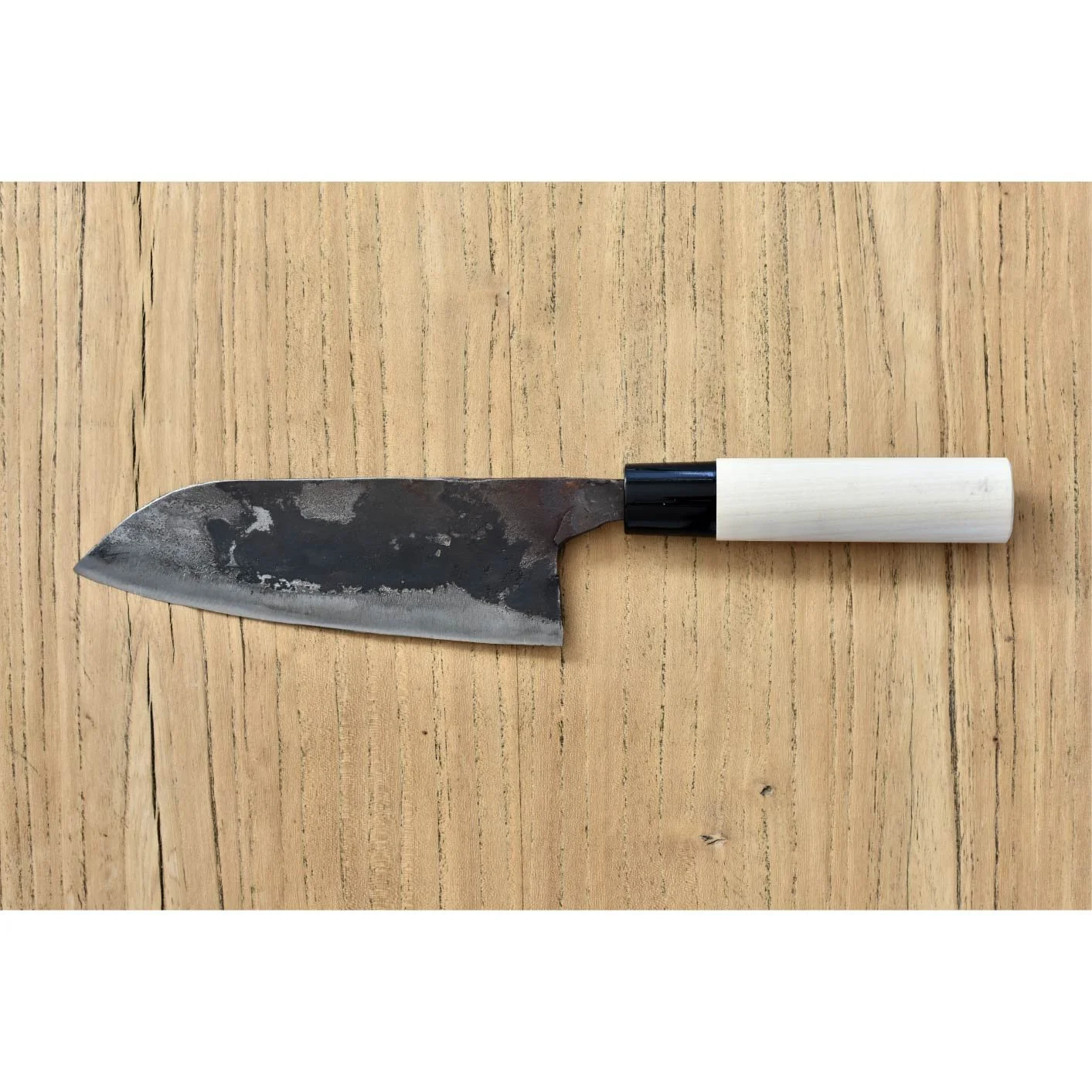
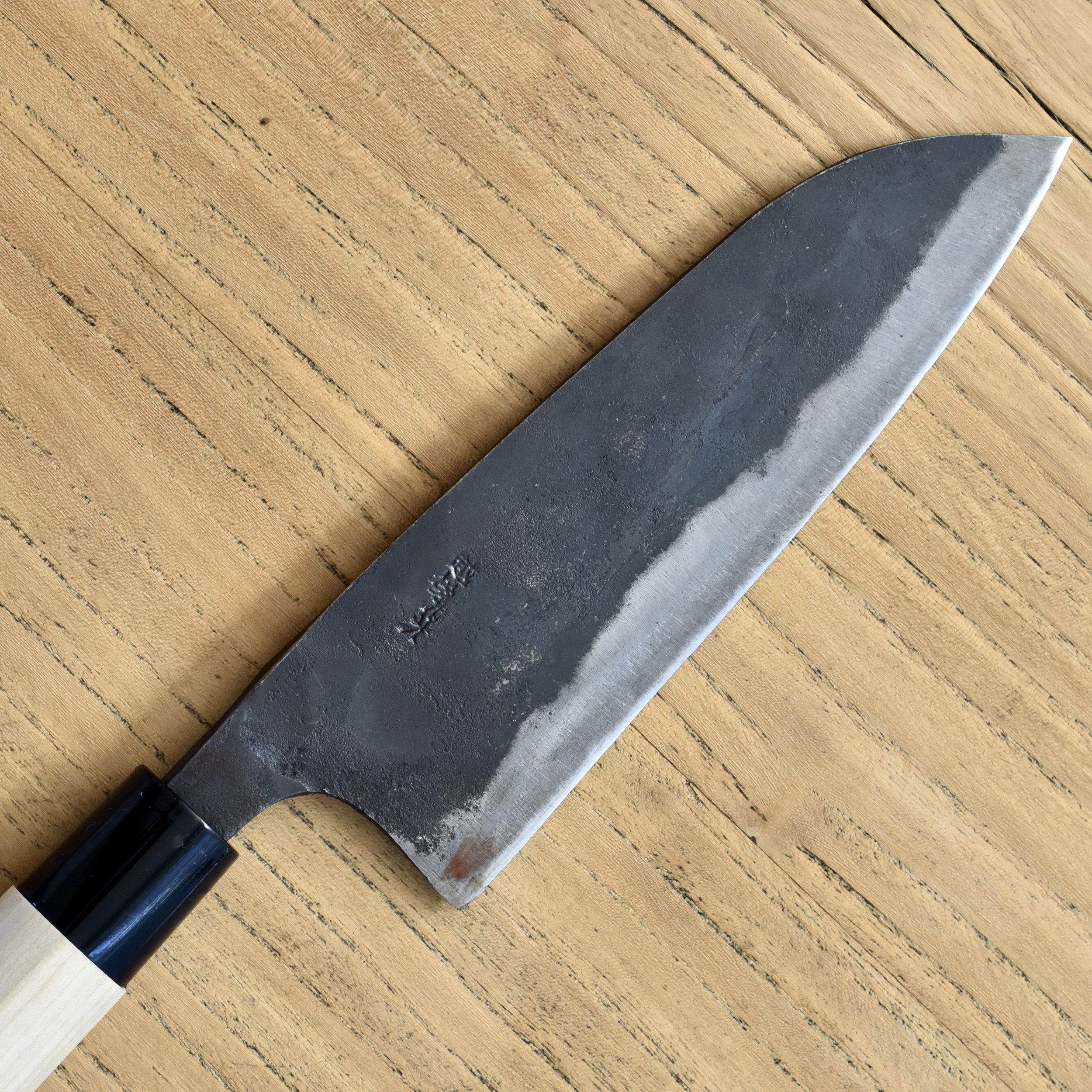
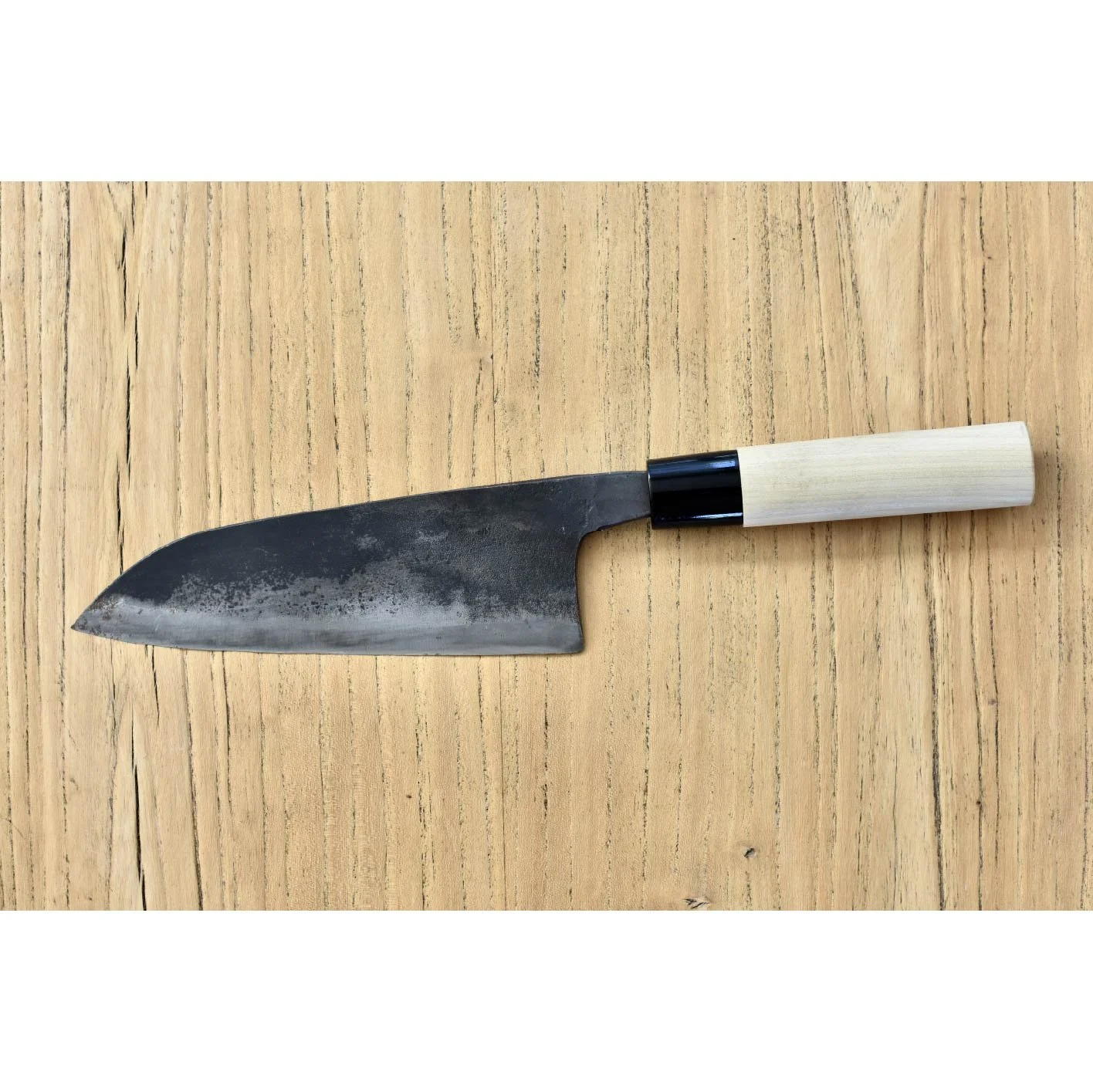
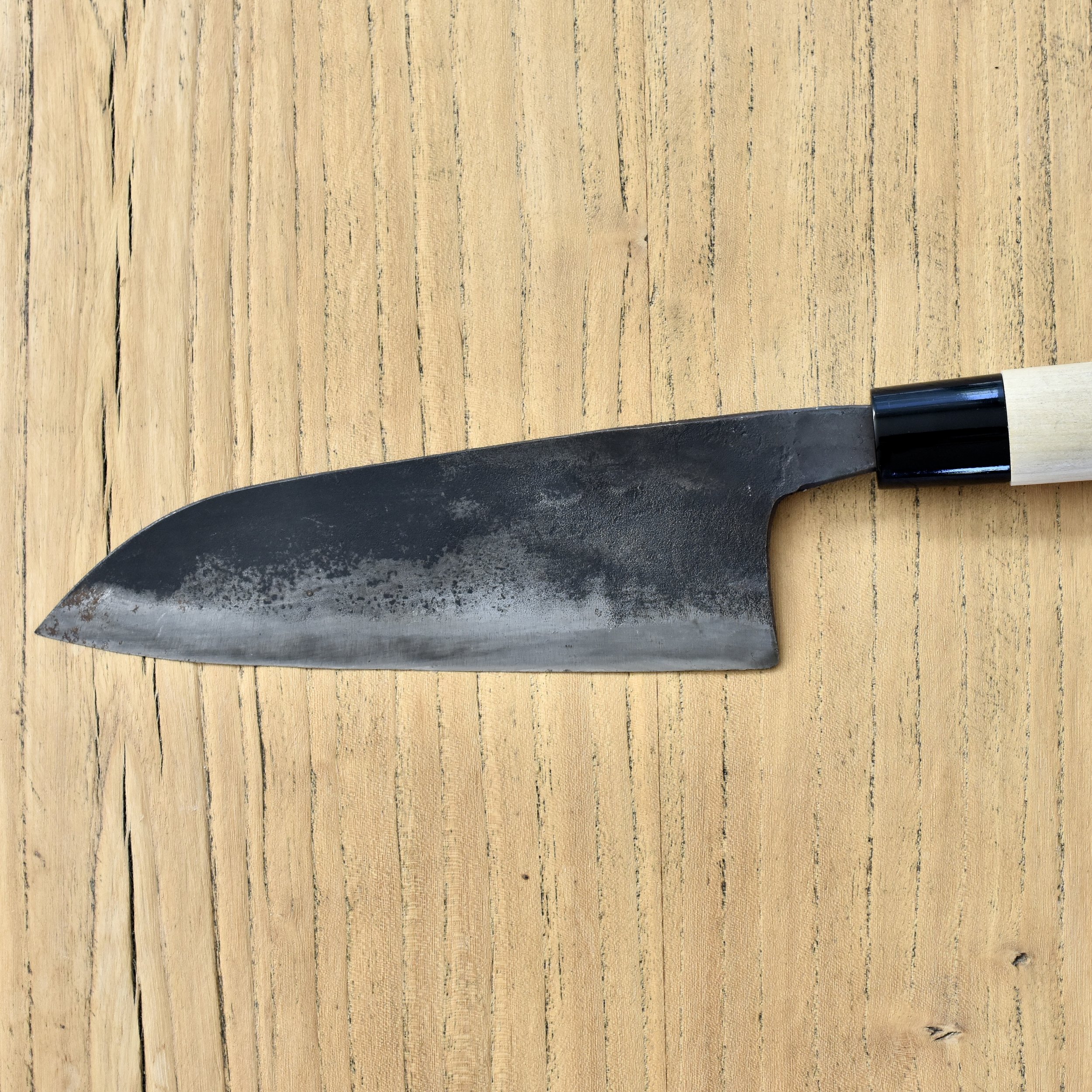
Style: Nakiri
Blade material: Carbon steel
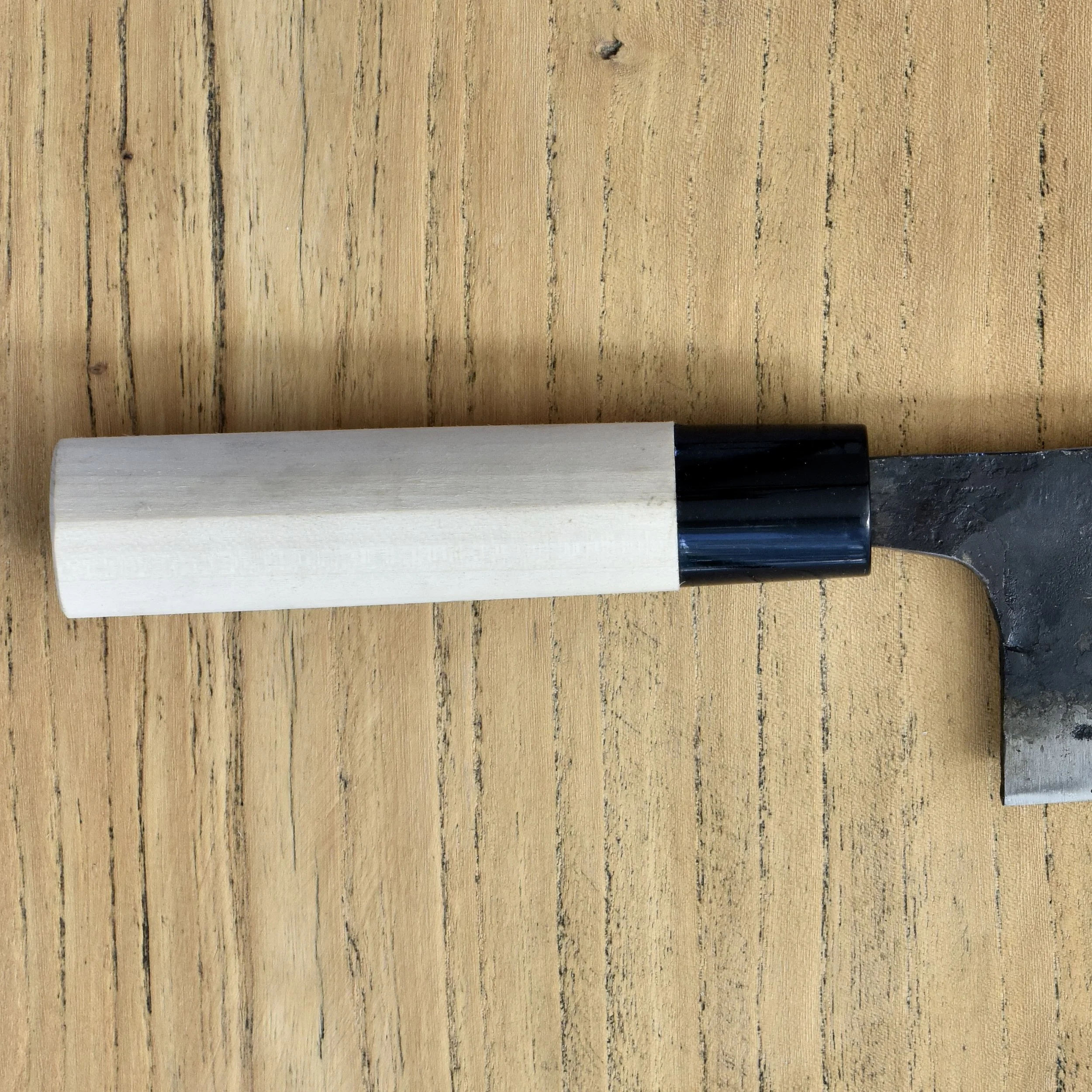
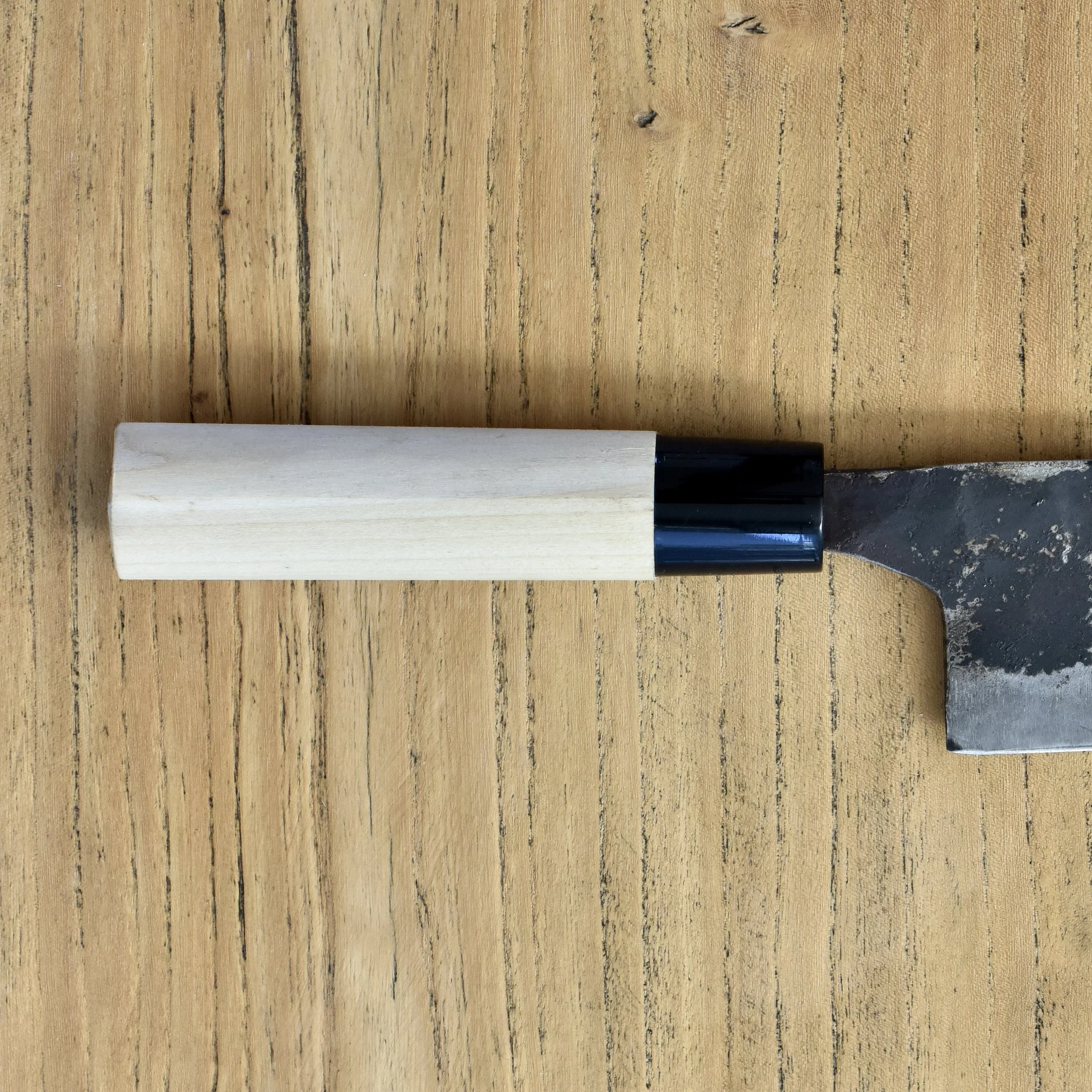
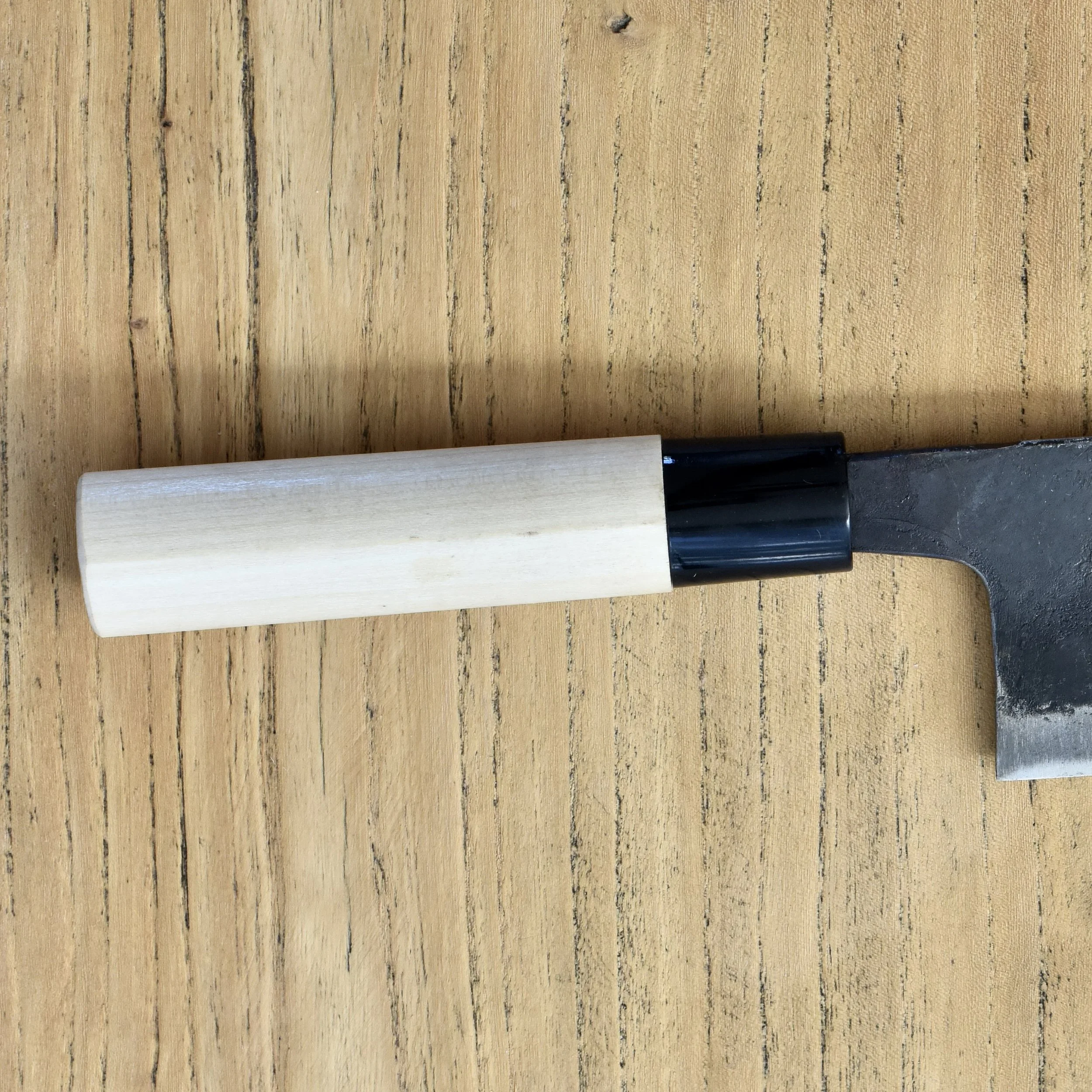
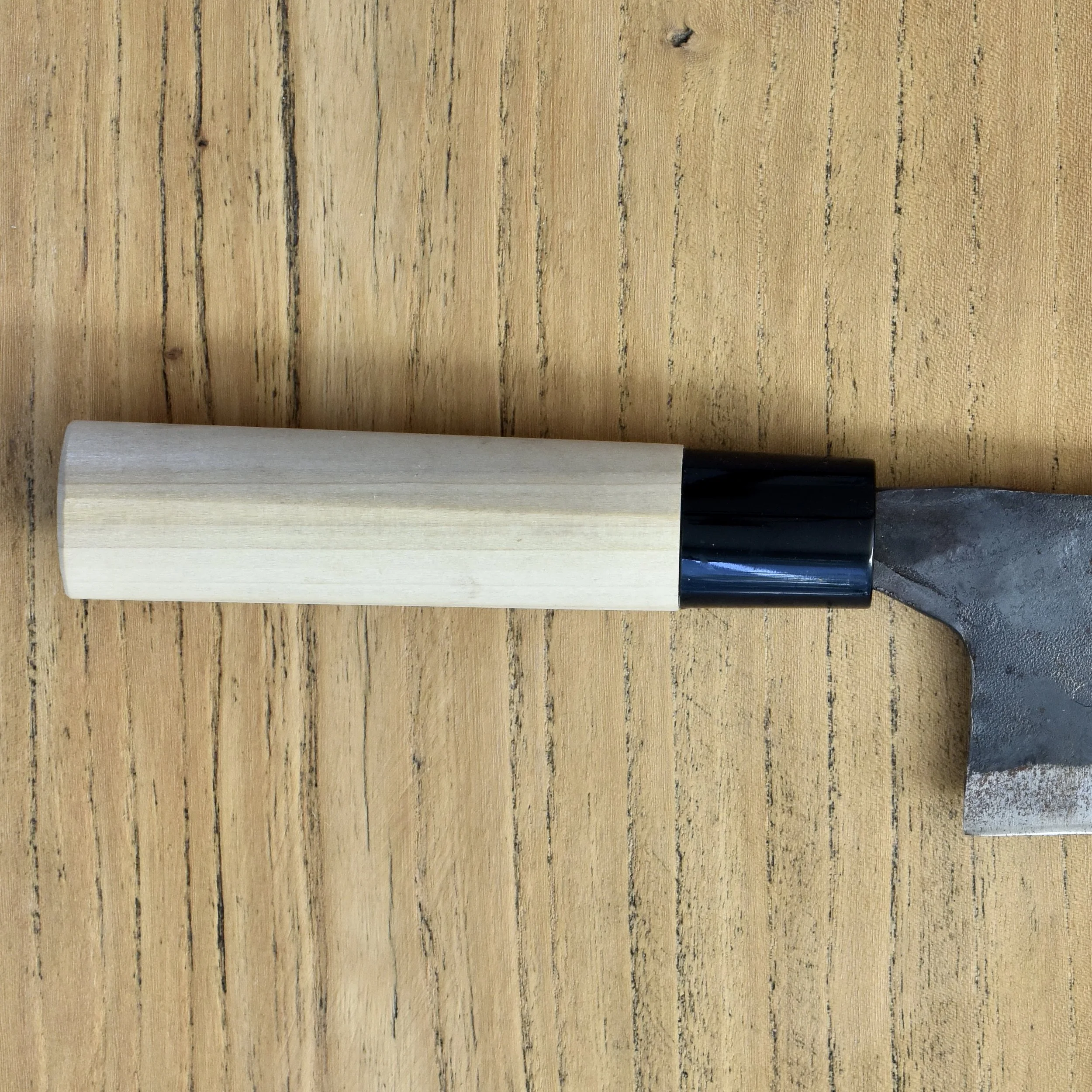
Handle: Wood
Blade length: 19 cm
Knife weight: 173 g
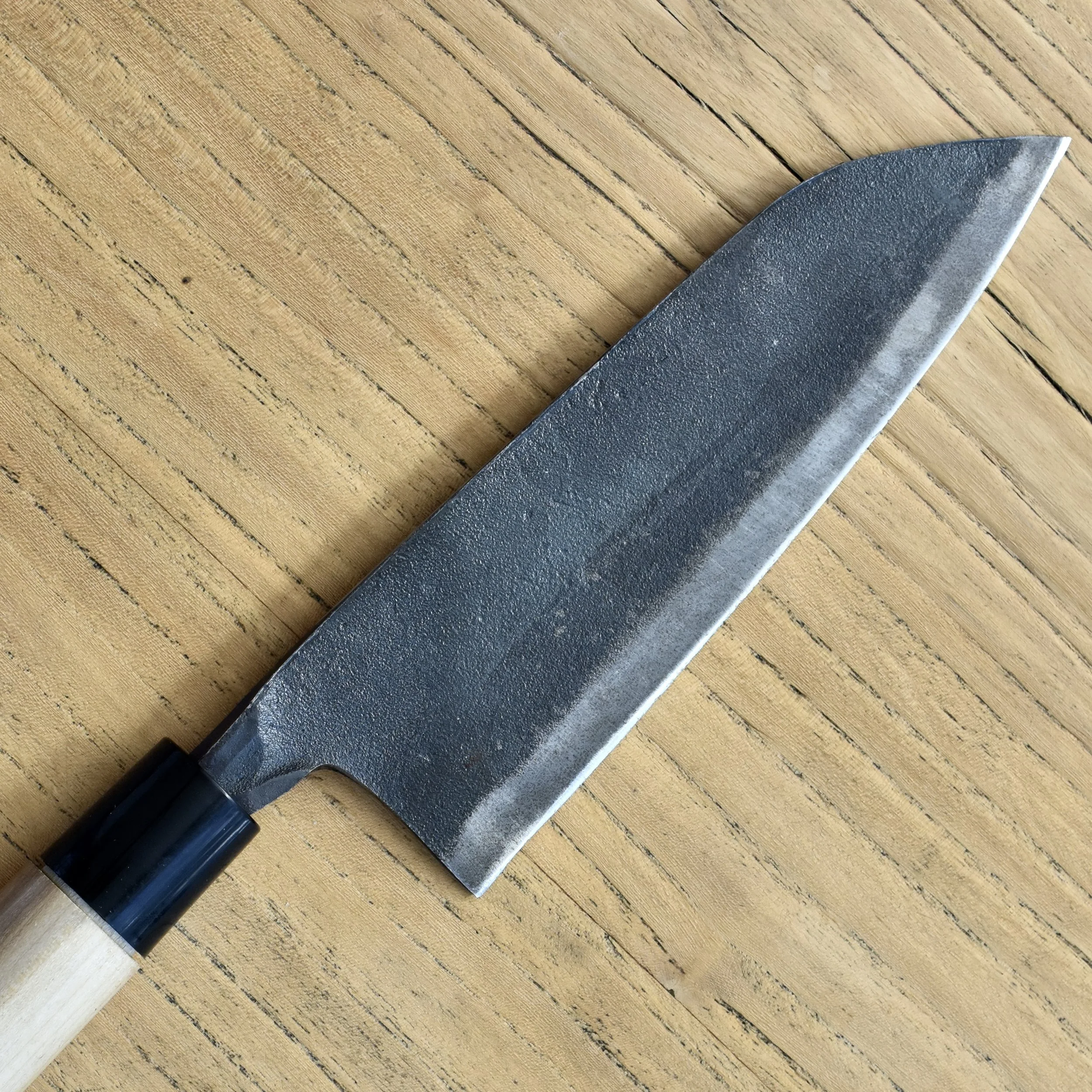
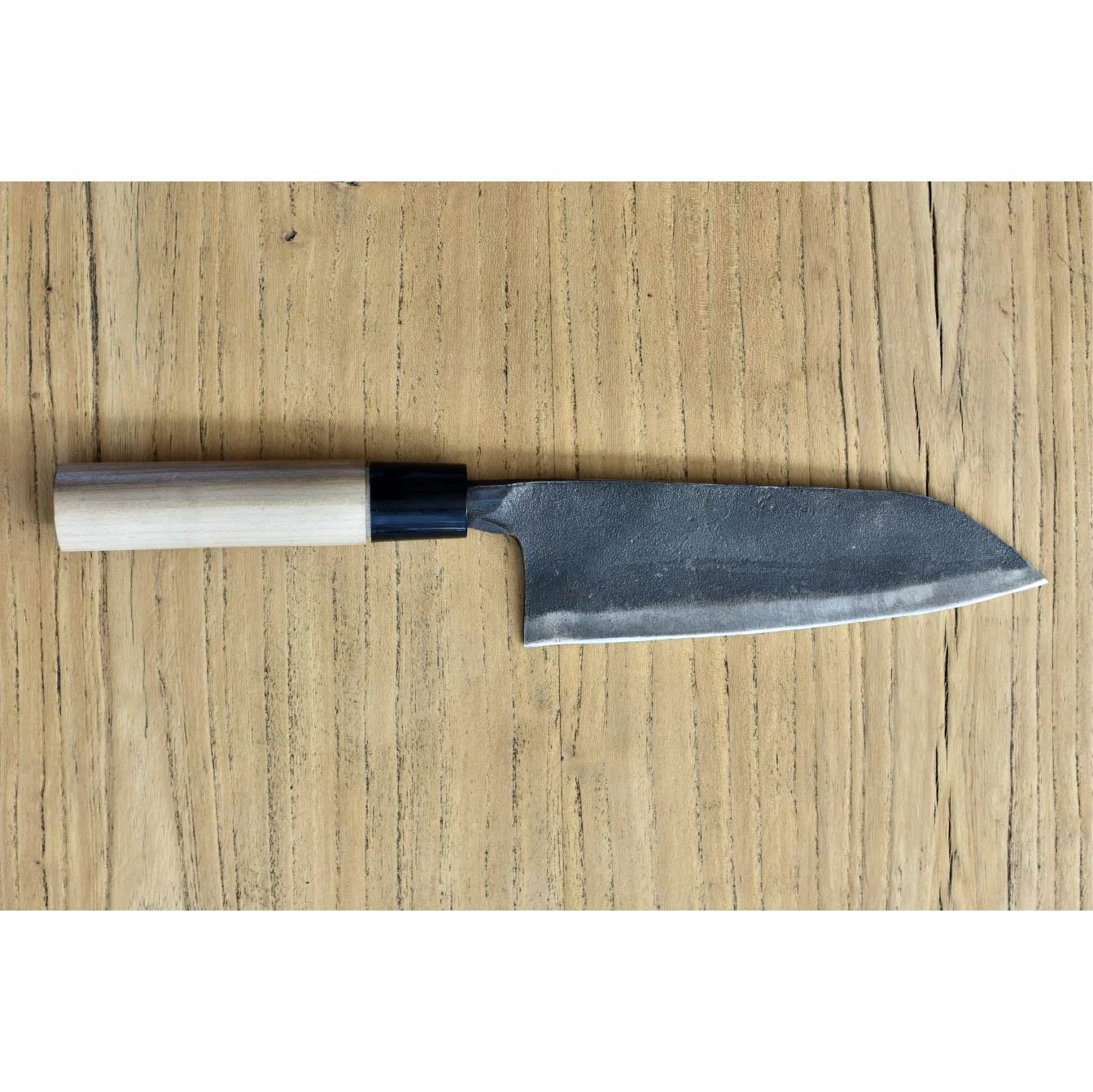
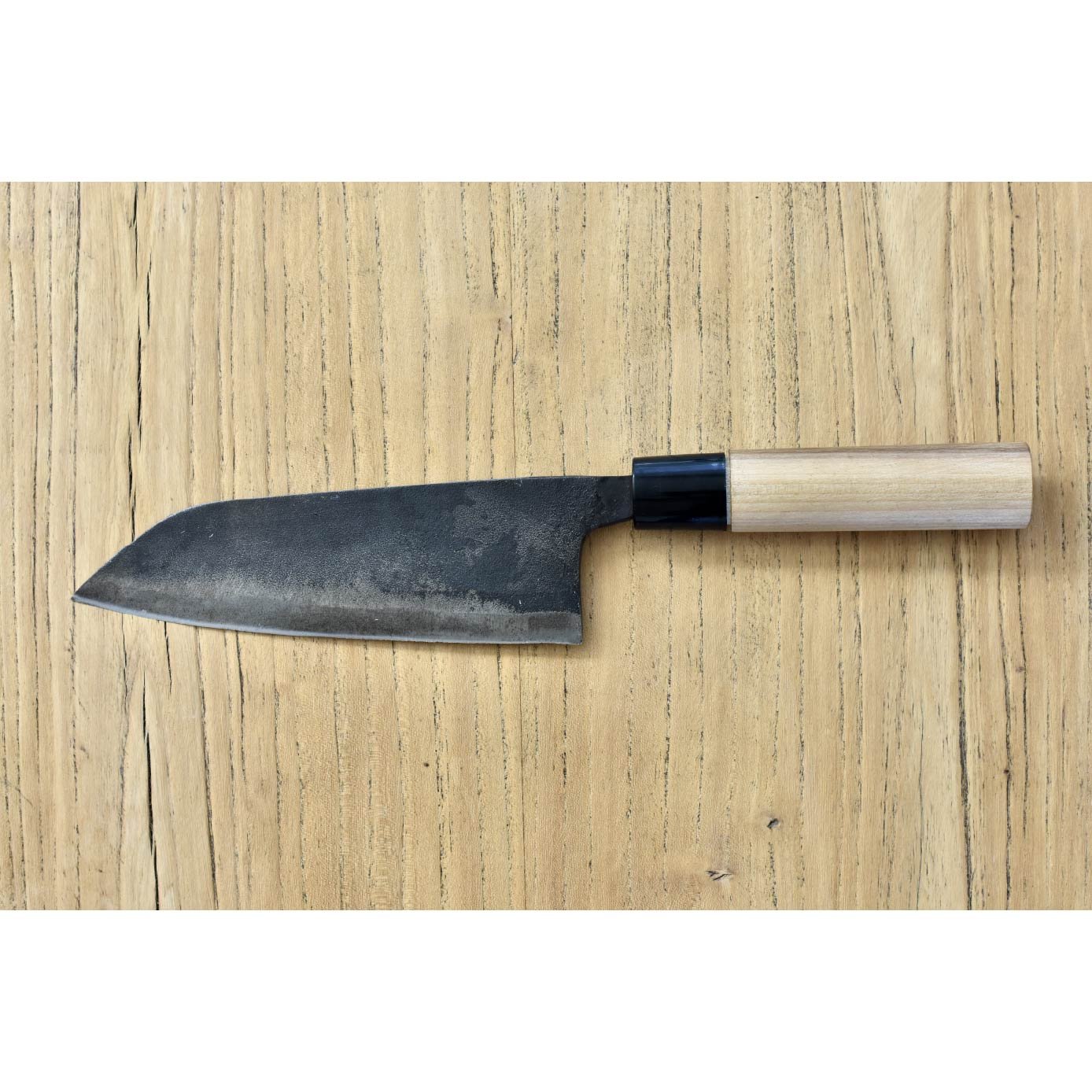
Nakiri translates to "leaf cutter" or "vegetable cutter". It is designed for precise slicing, chopping, and dicing of vegetables and herbs. The straight blade edge allows for full contact with the cutting board, while the thin straight blade glides smoothly through the vegetables, helping preserve texture and freshness.
Carbon steel knives offer unmatched sharpness, cutting performance, and edge retention. Together, the Nakiri, Deba and Santoku form the ultimate kitchen trio, covering every essential task with timeless craftsmanship designed to last generations.
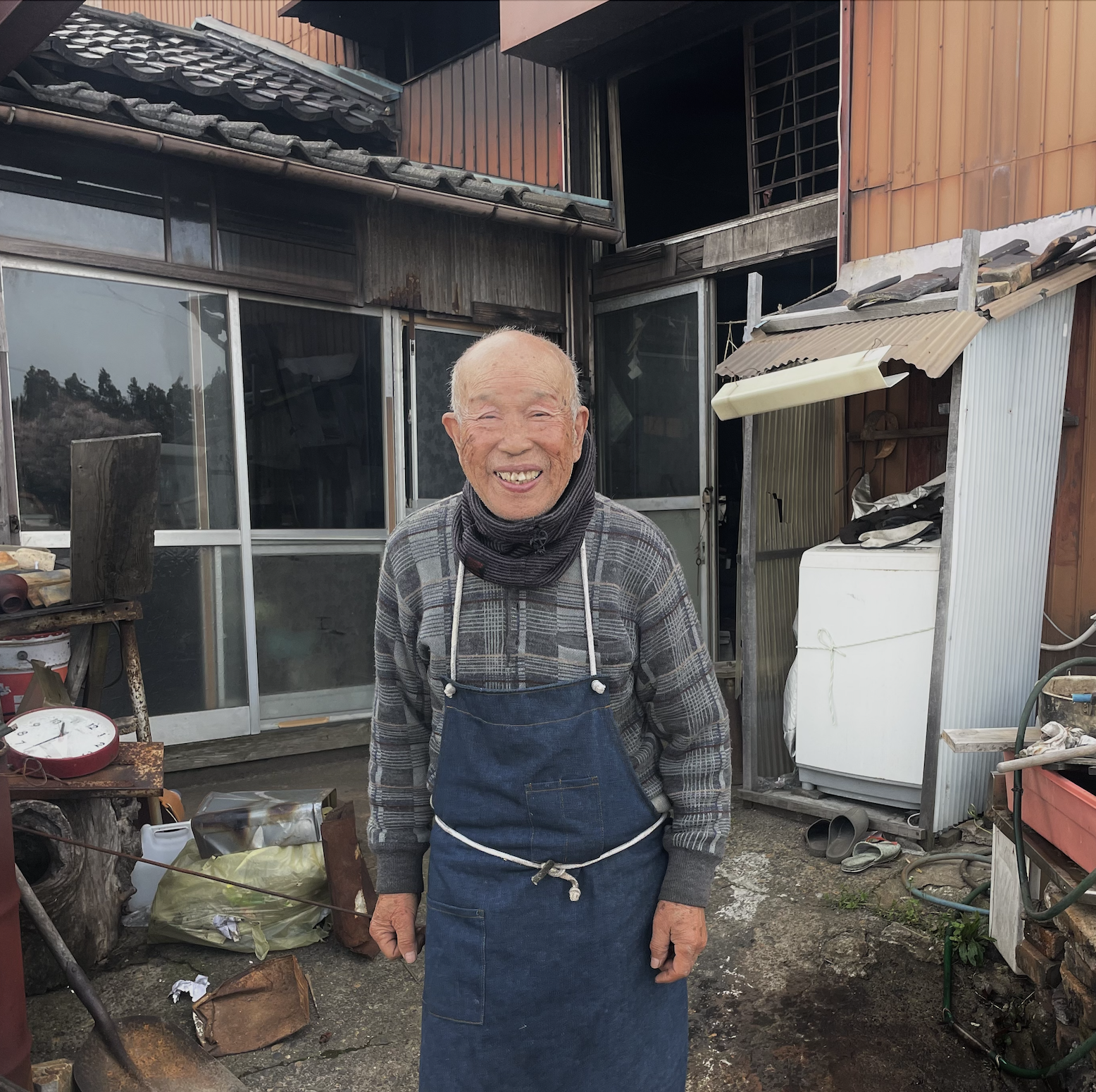
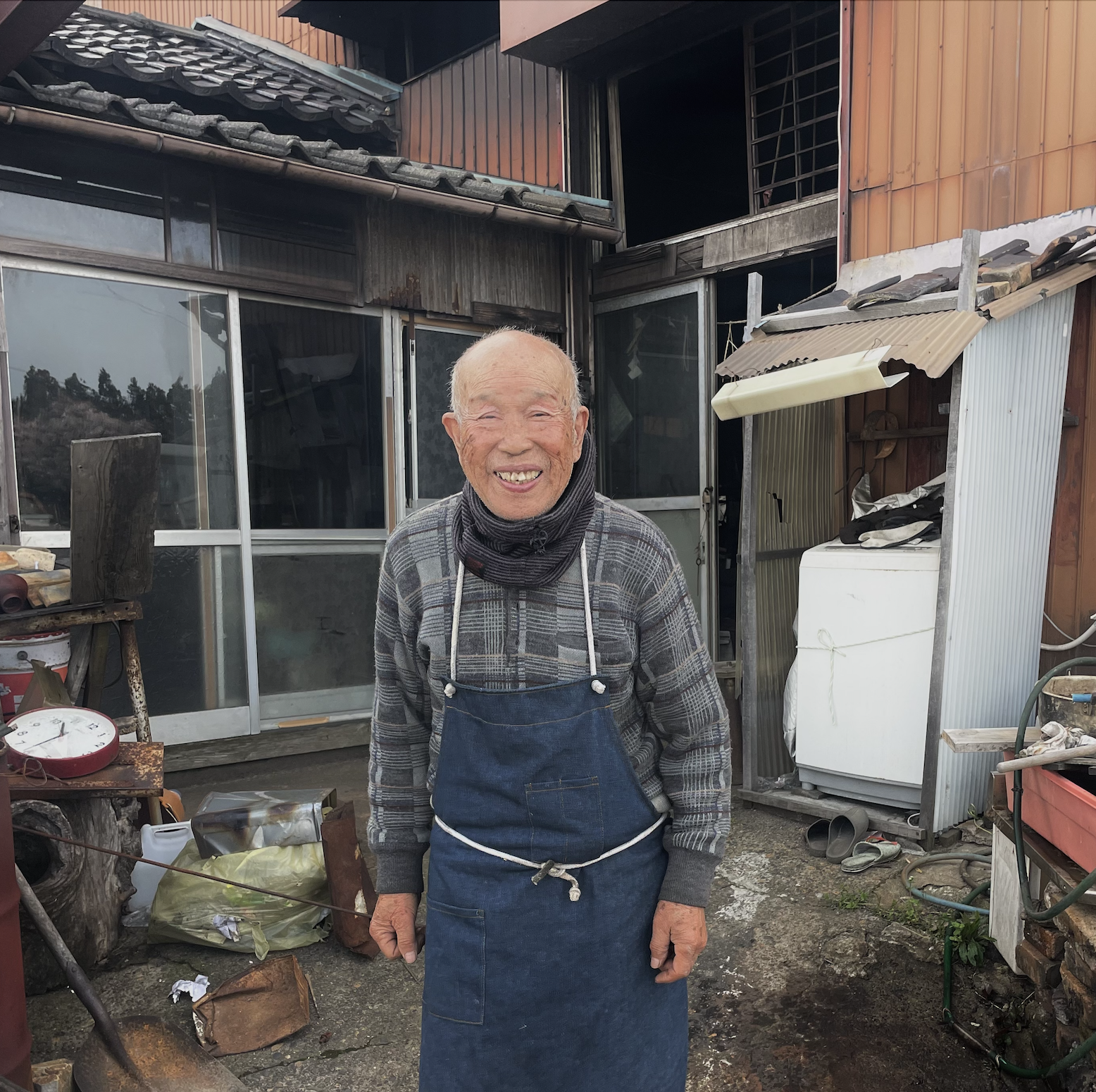
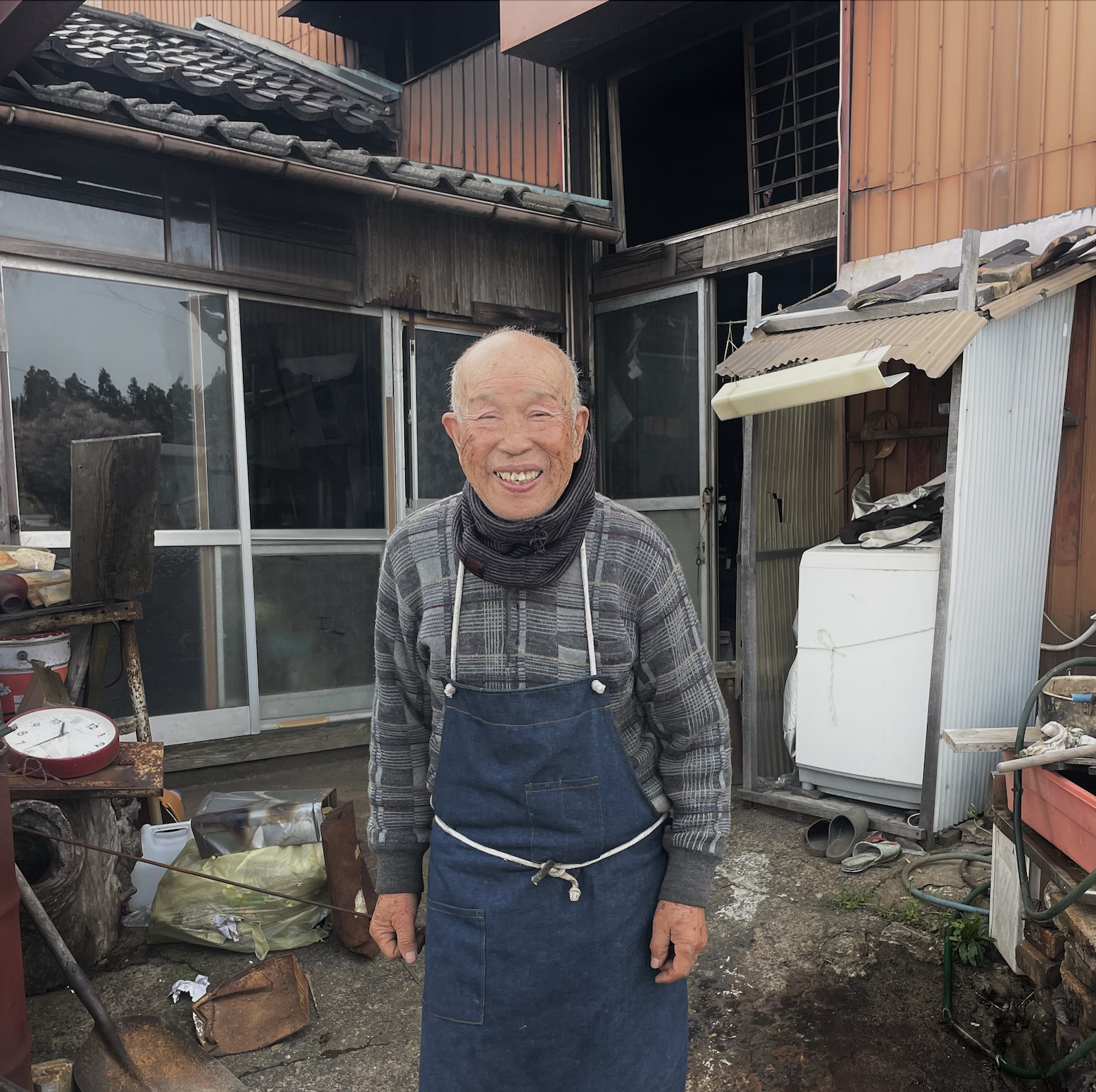
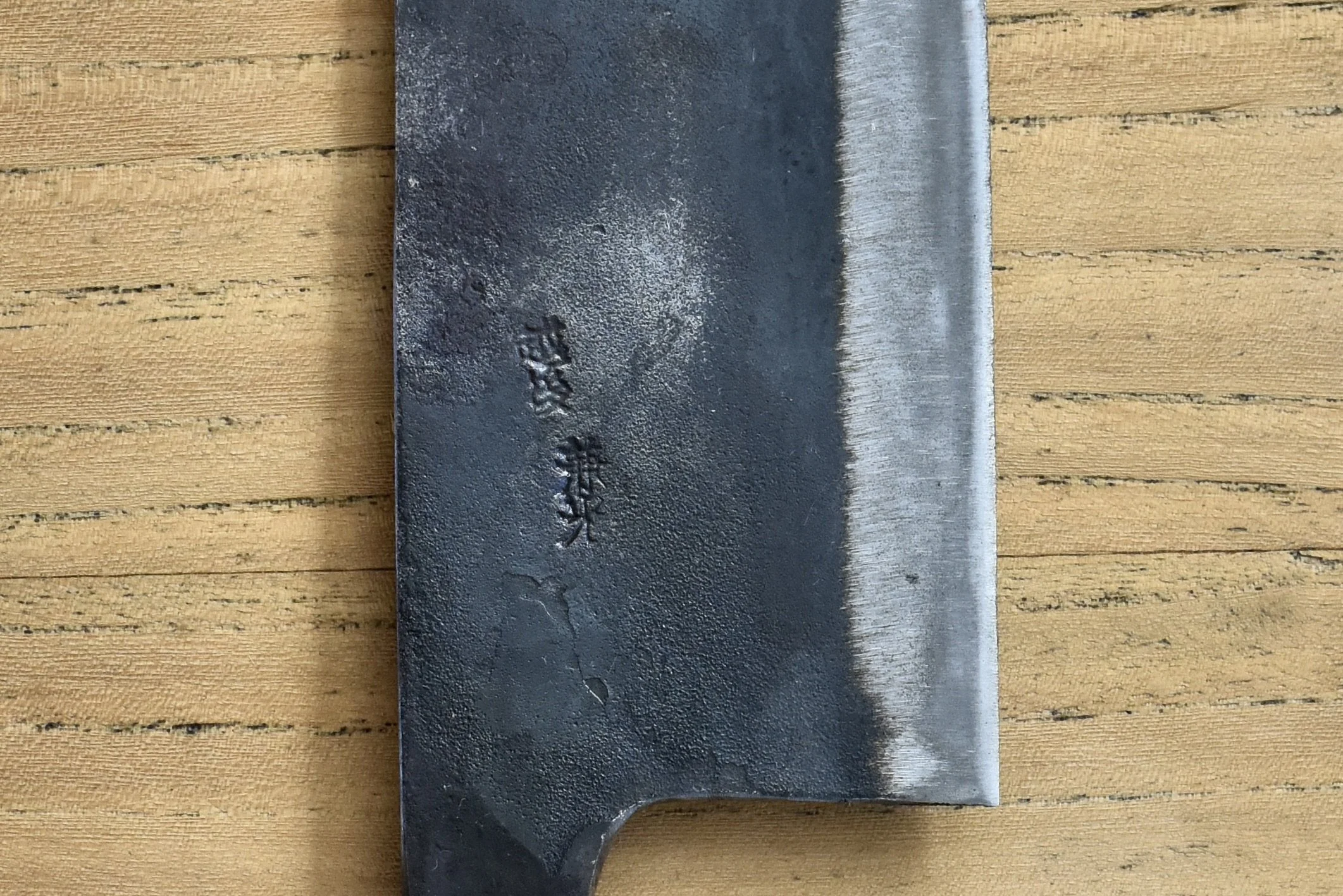
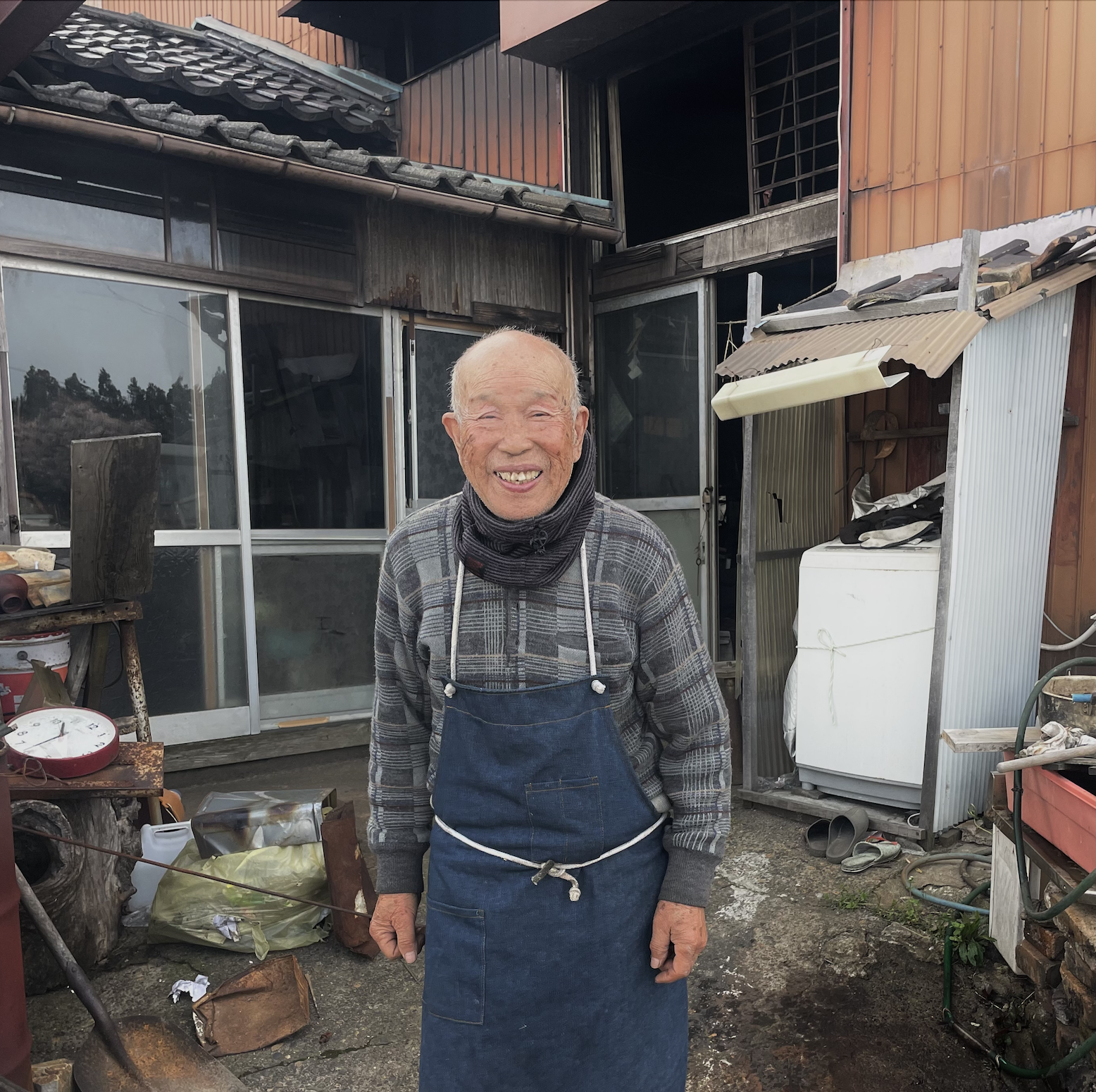
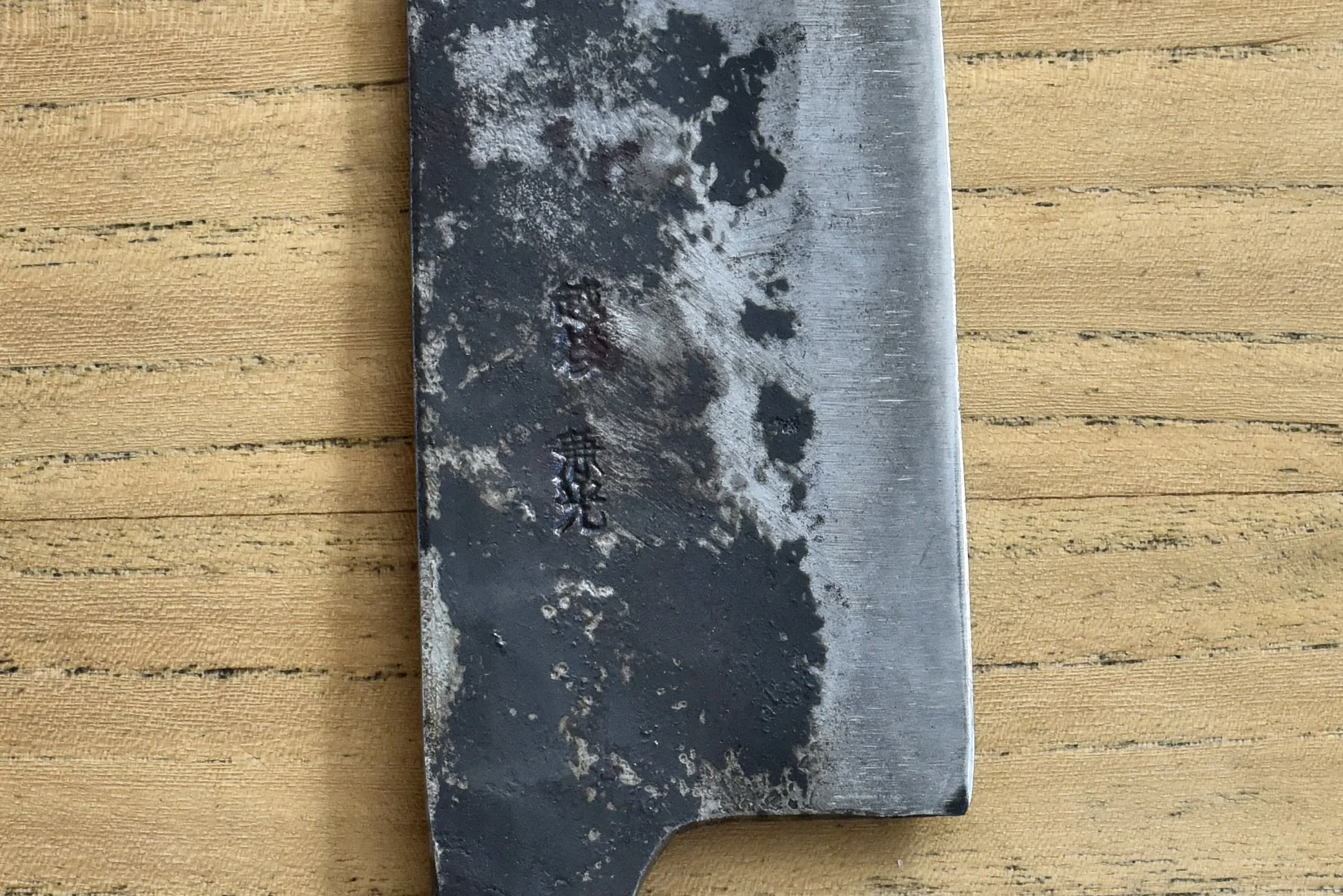
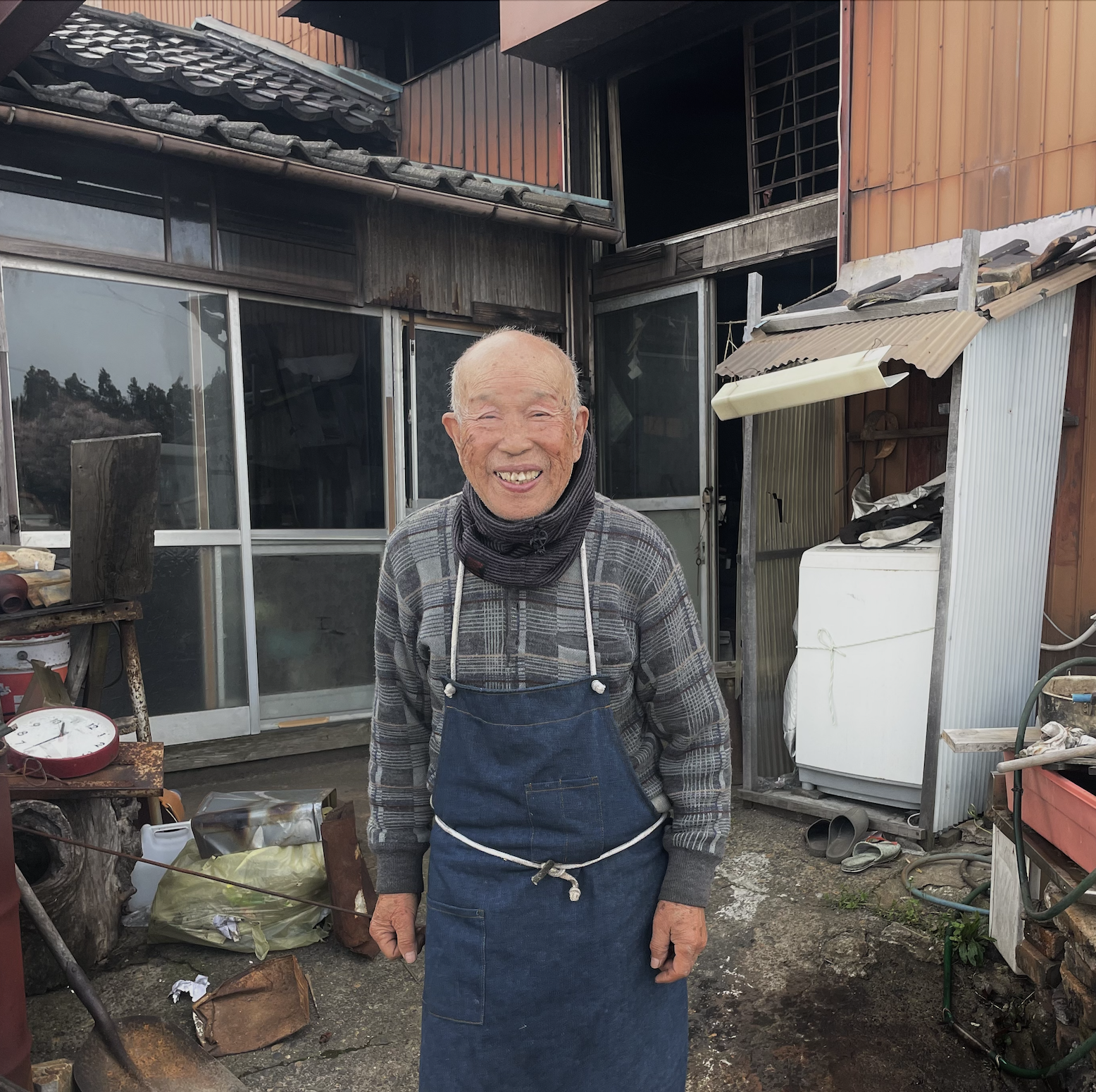
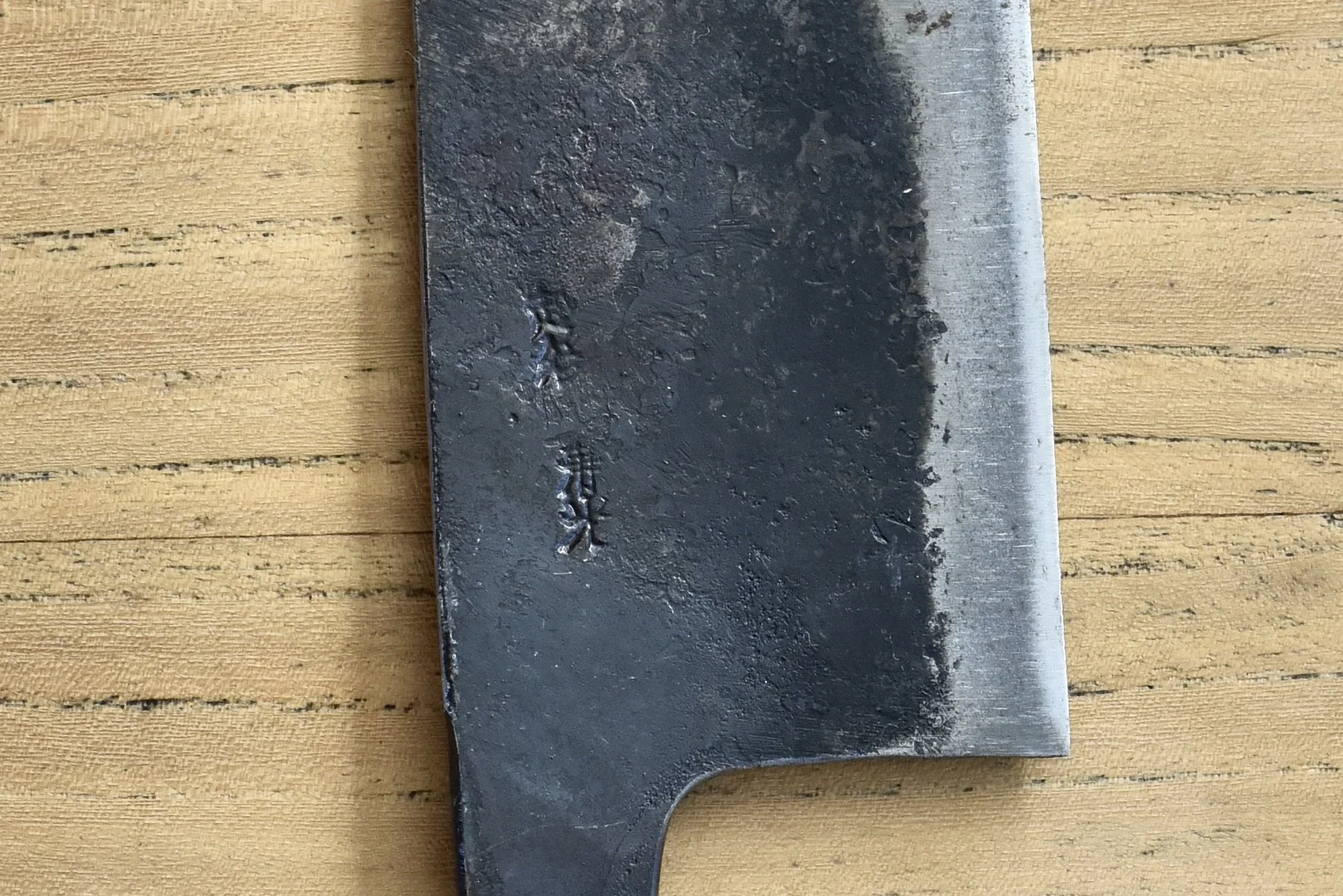
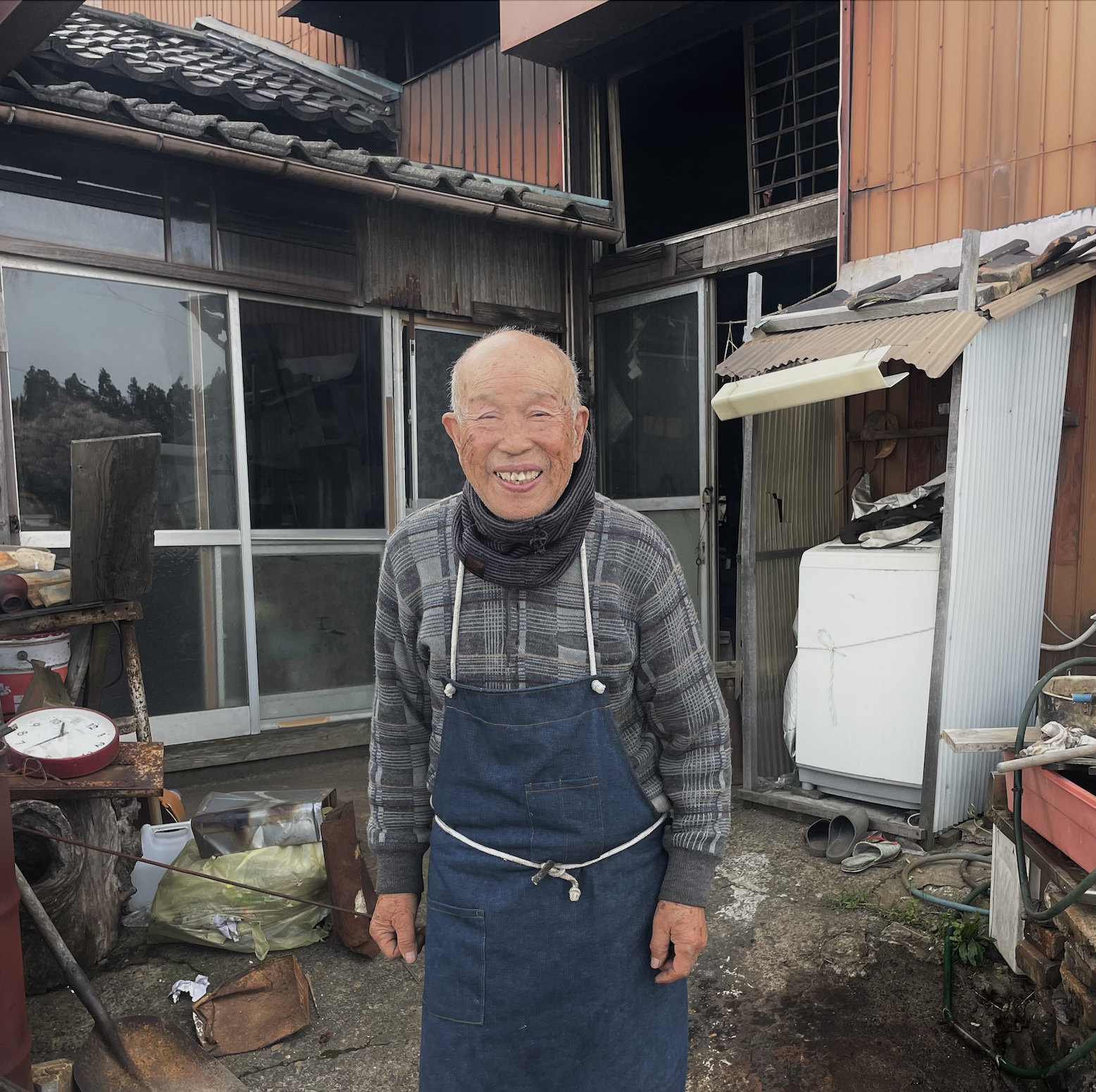
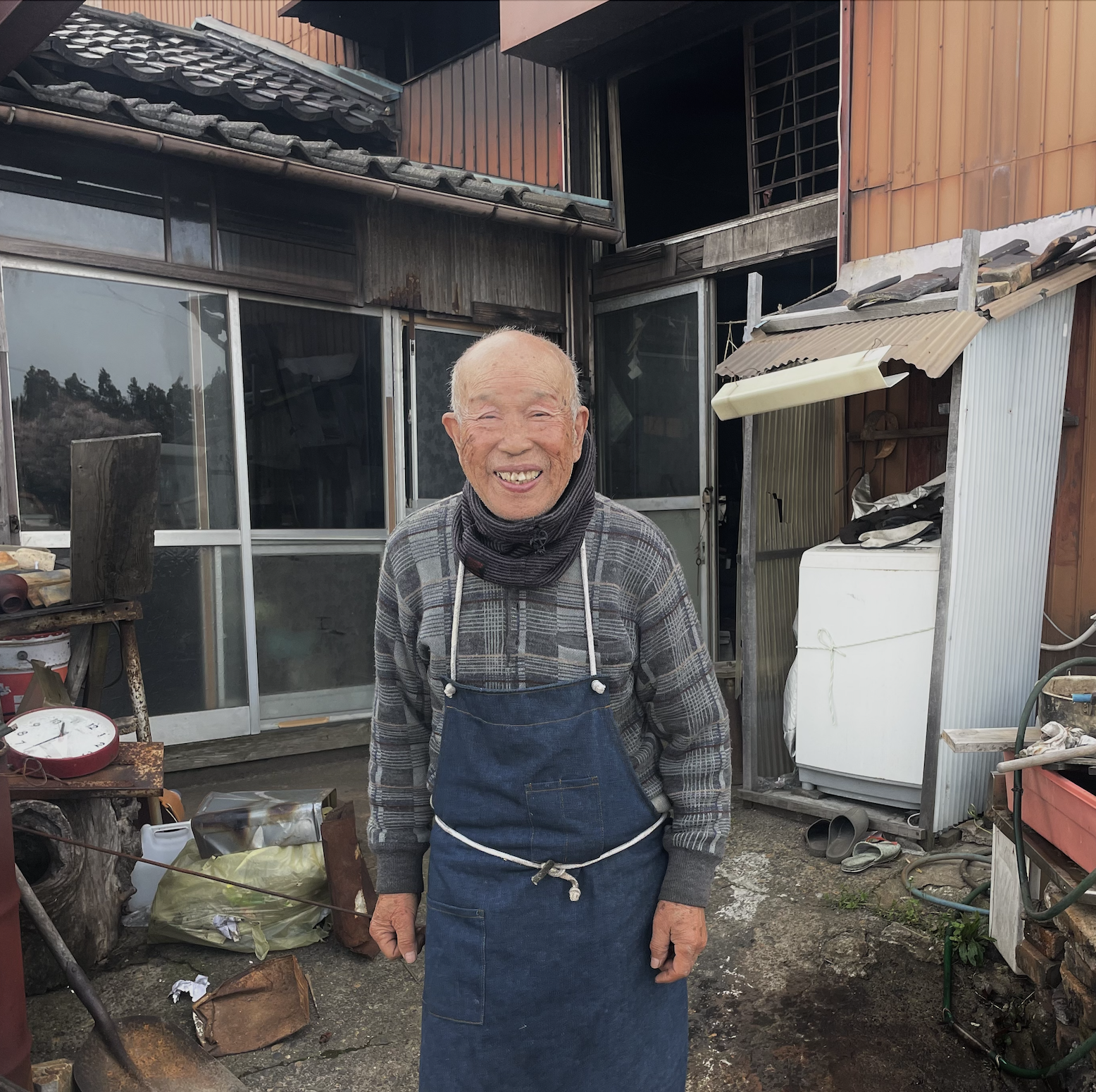
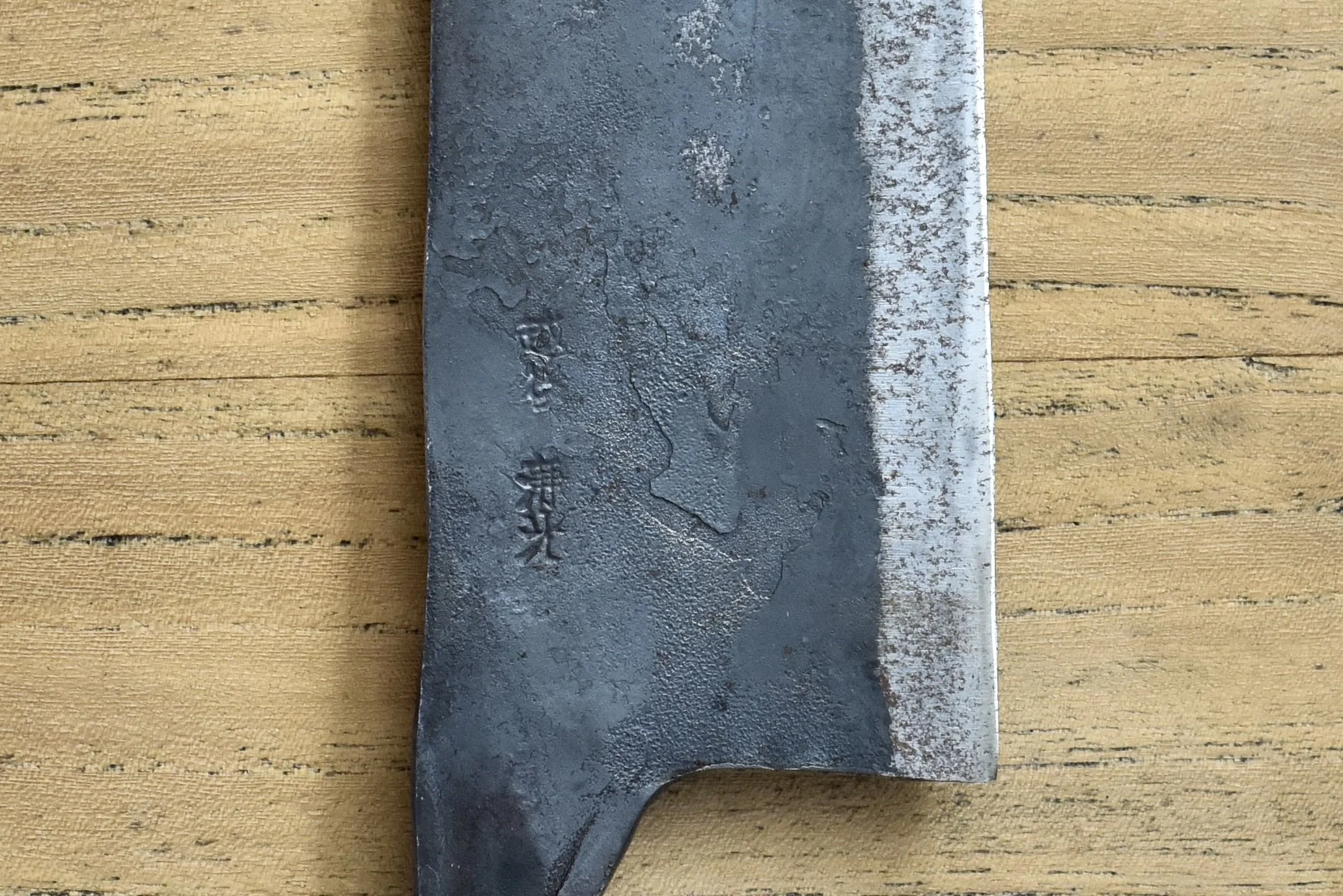
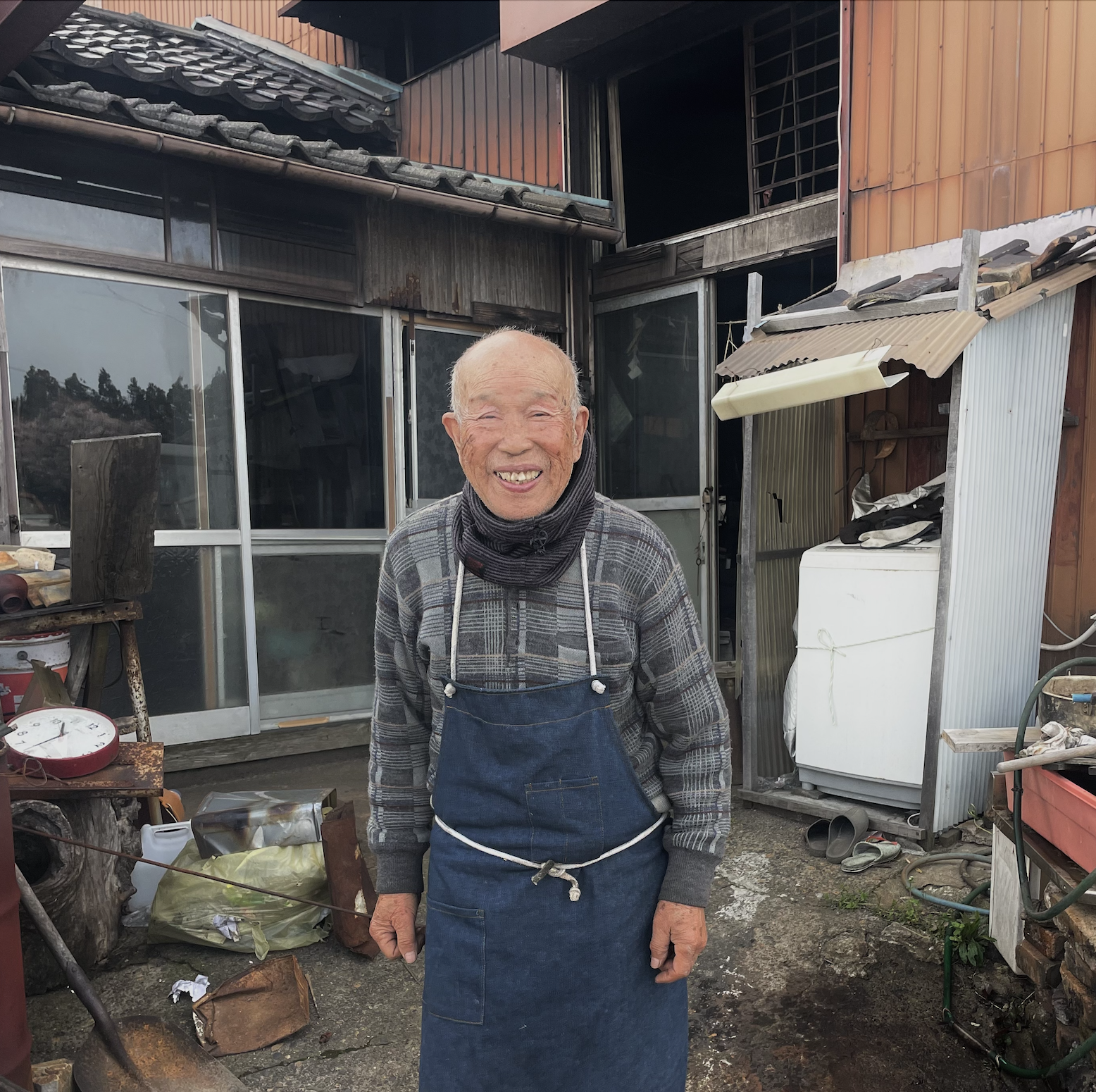
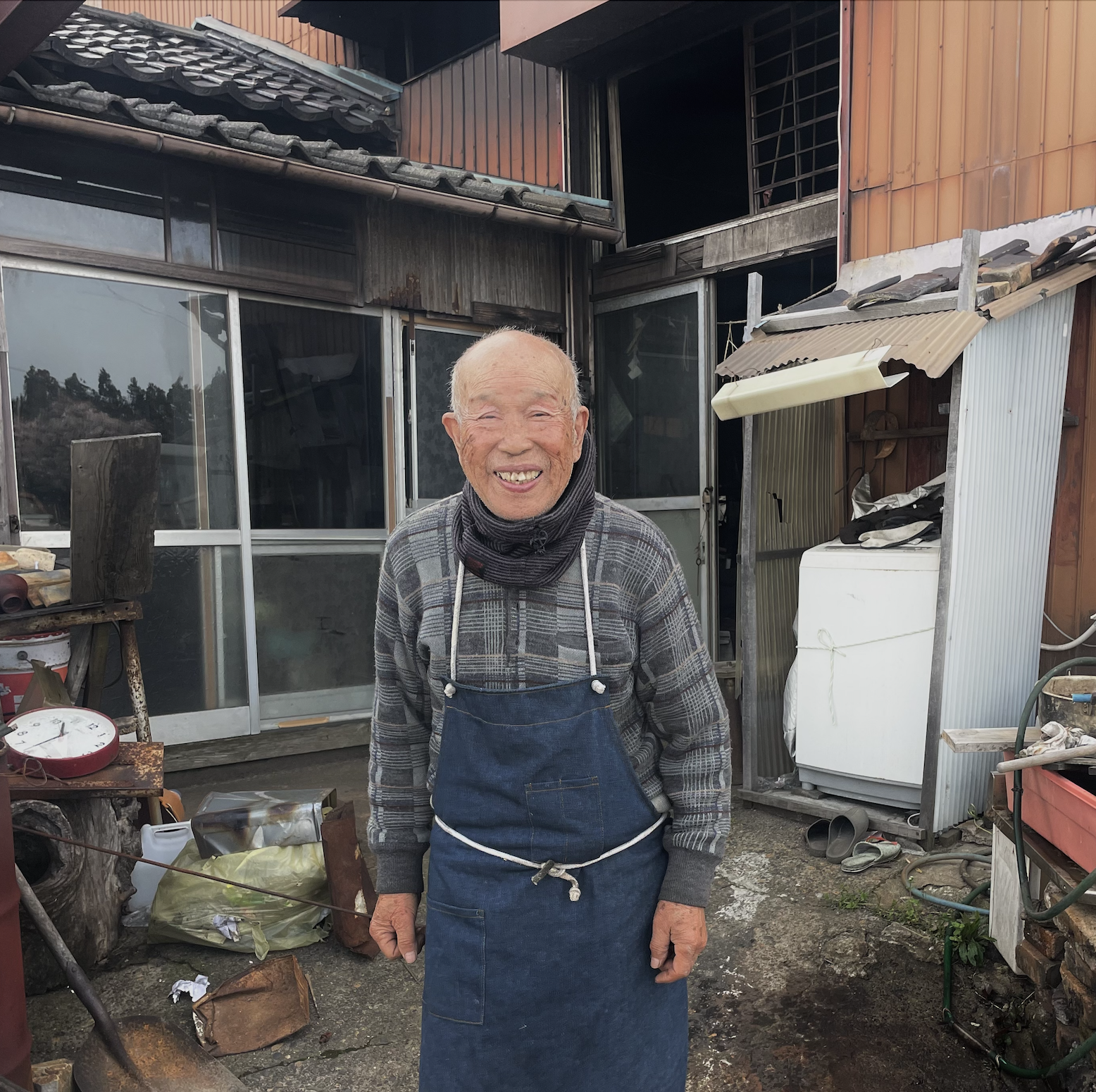
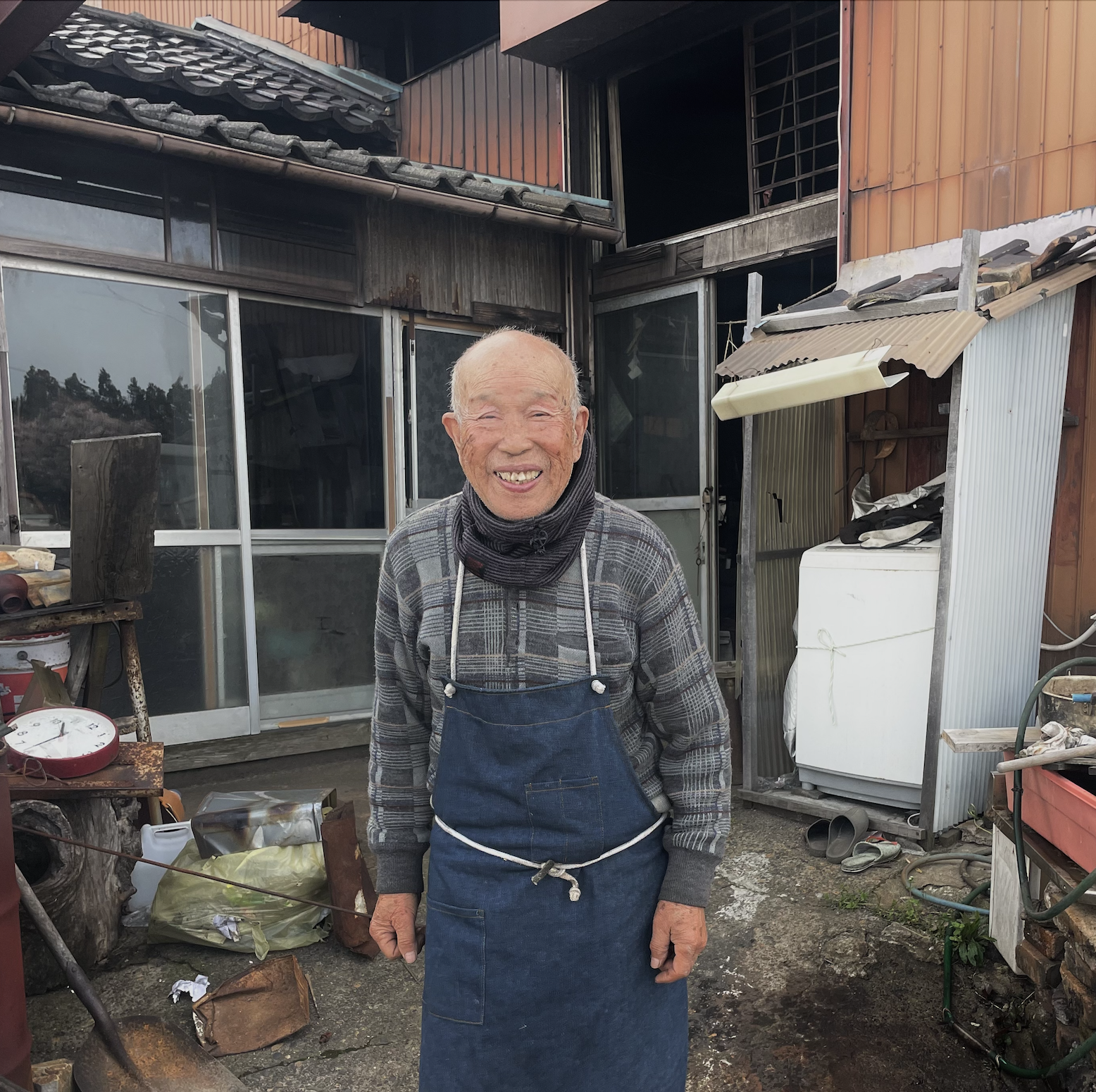
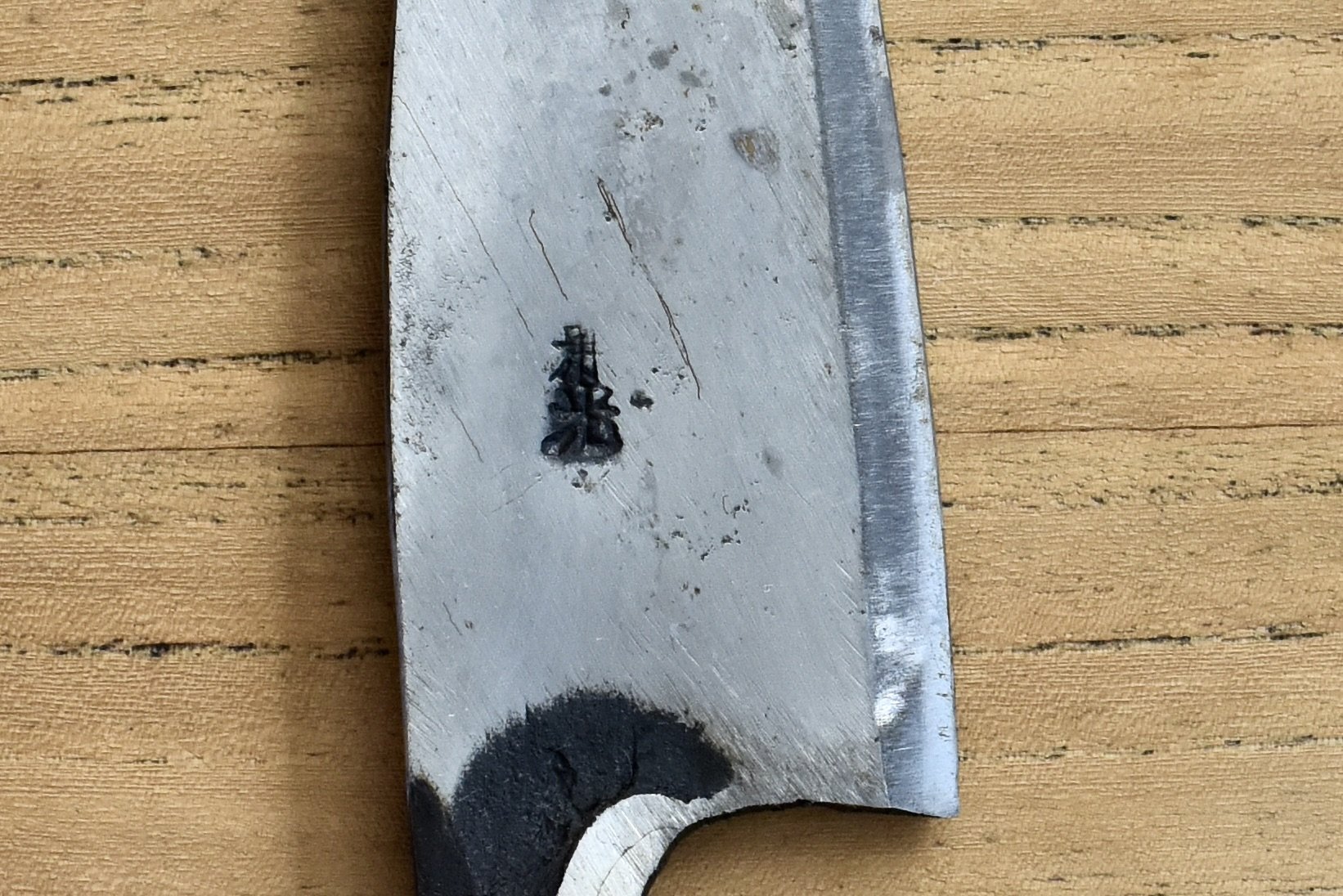
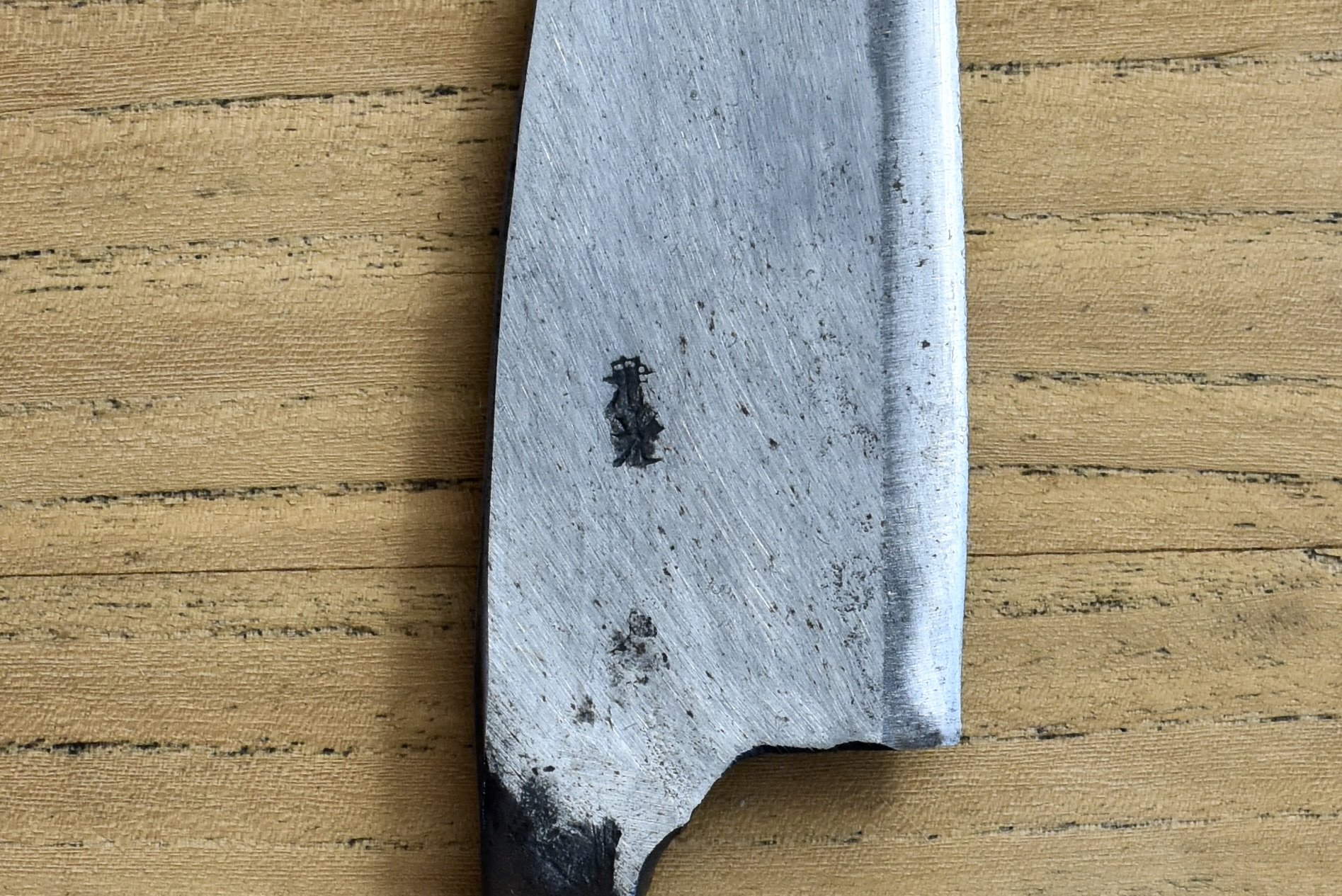
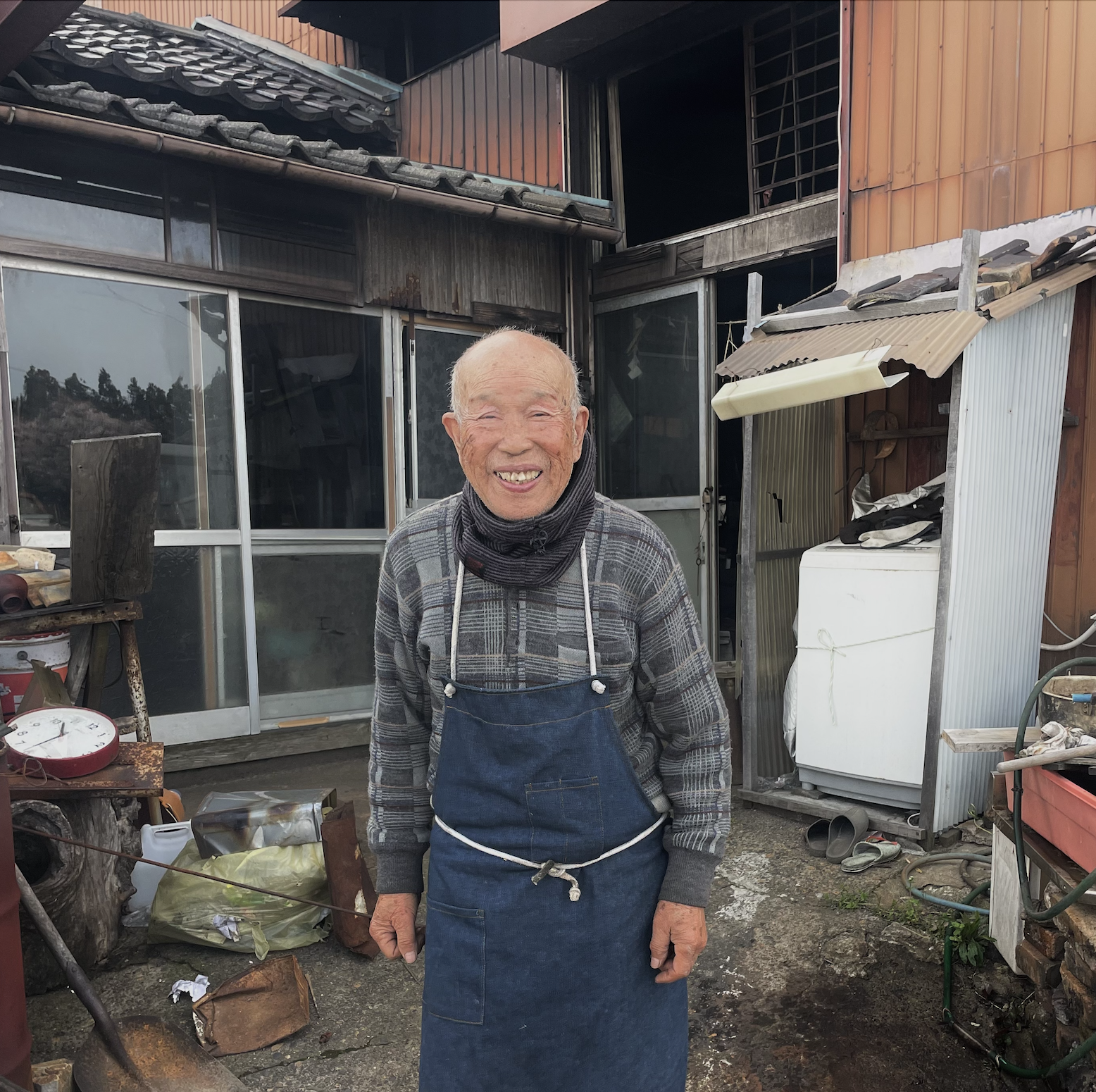
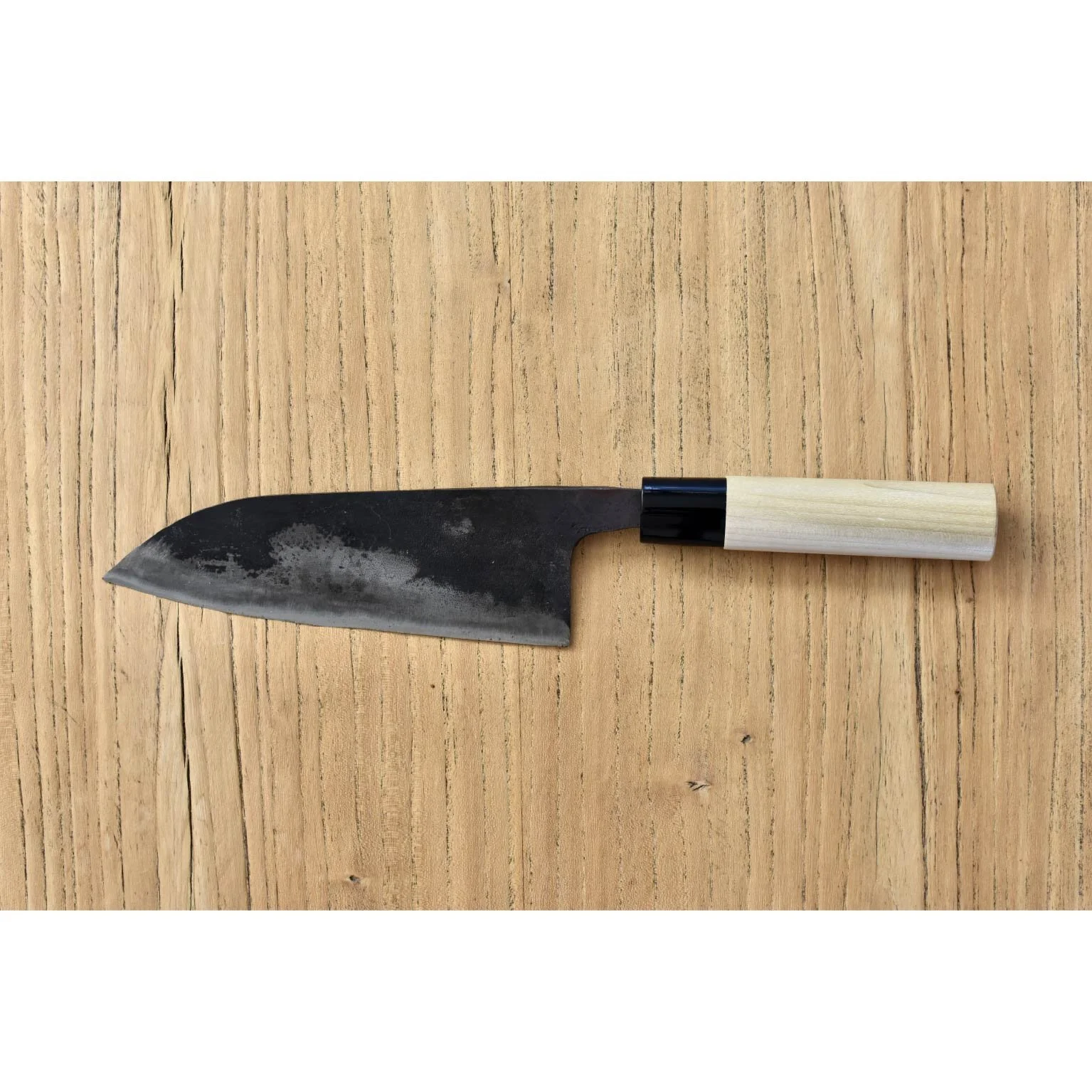
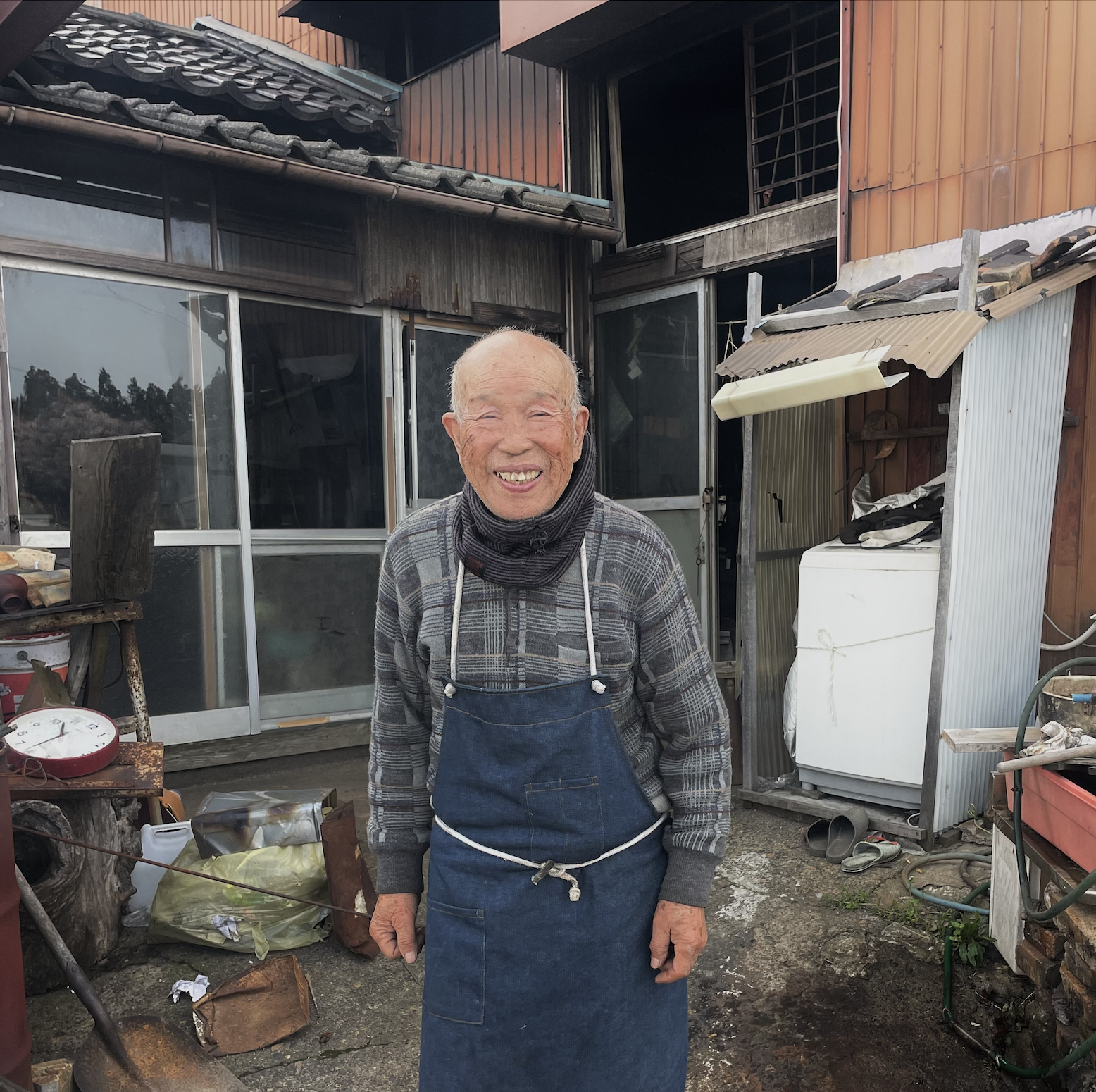
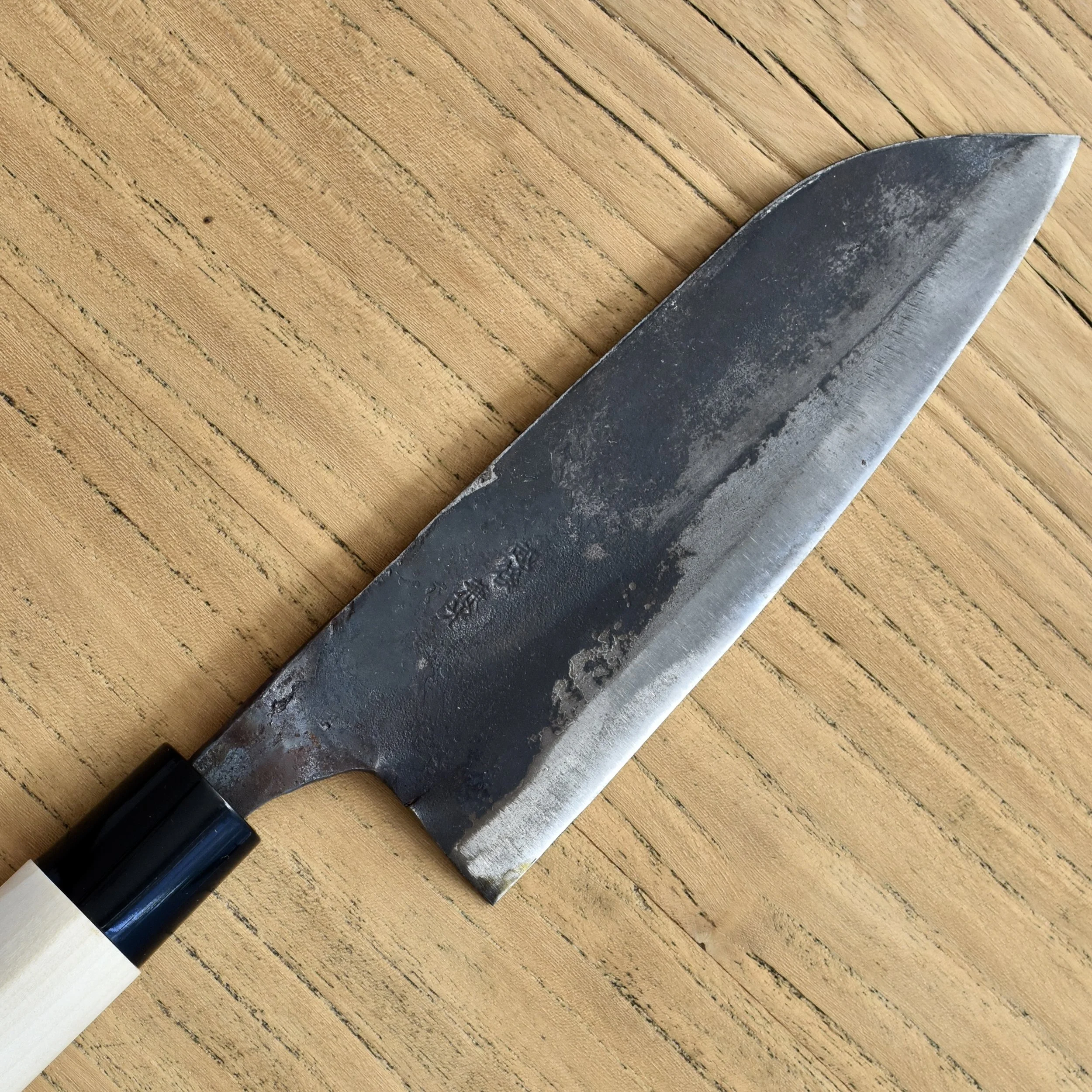
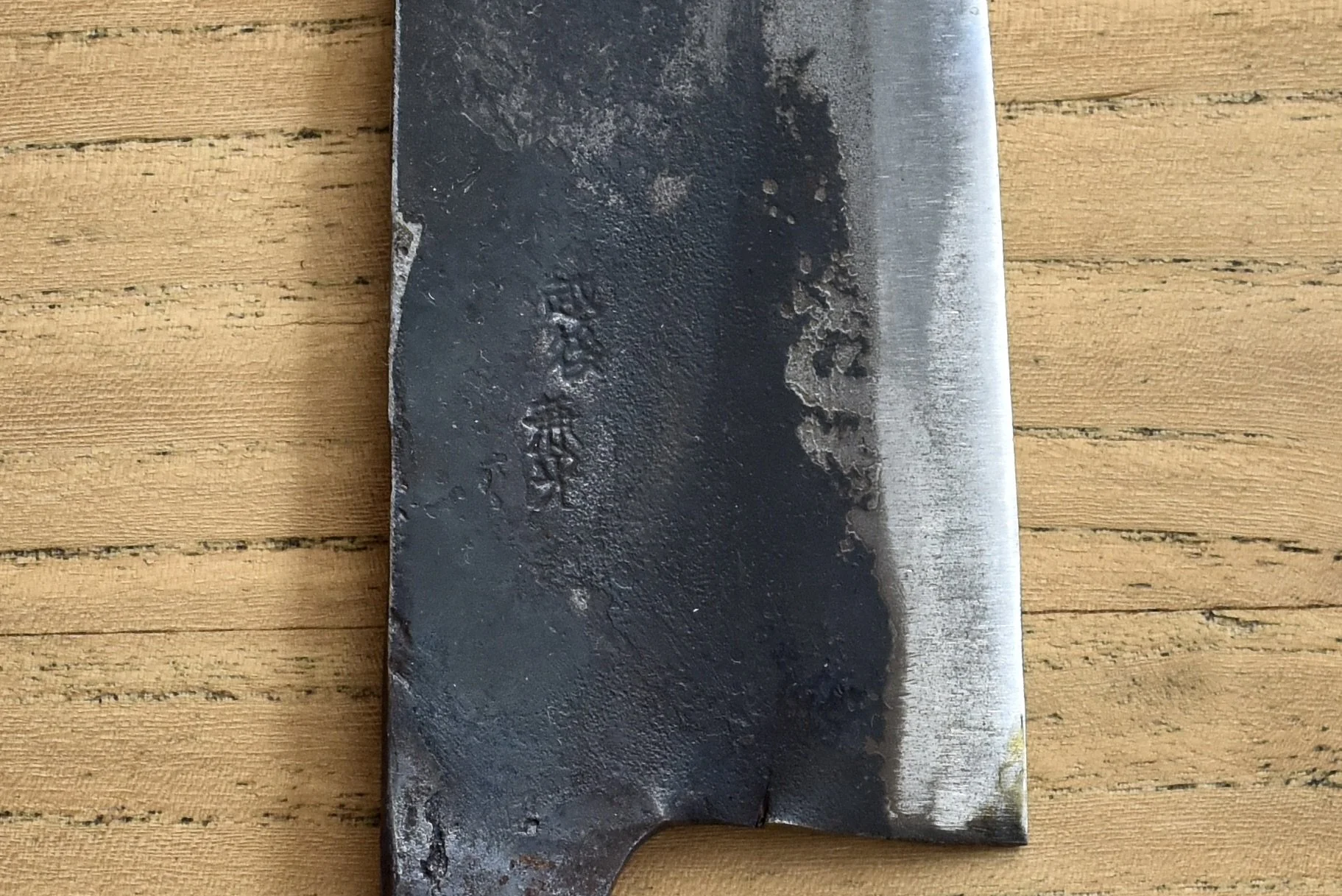
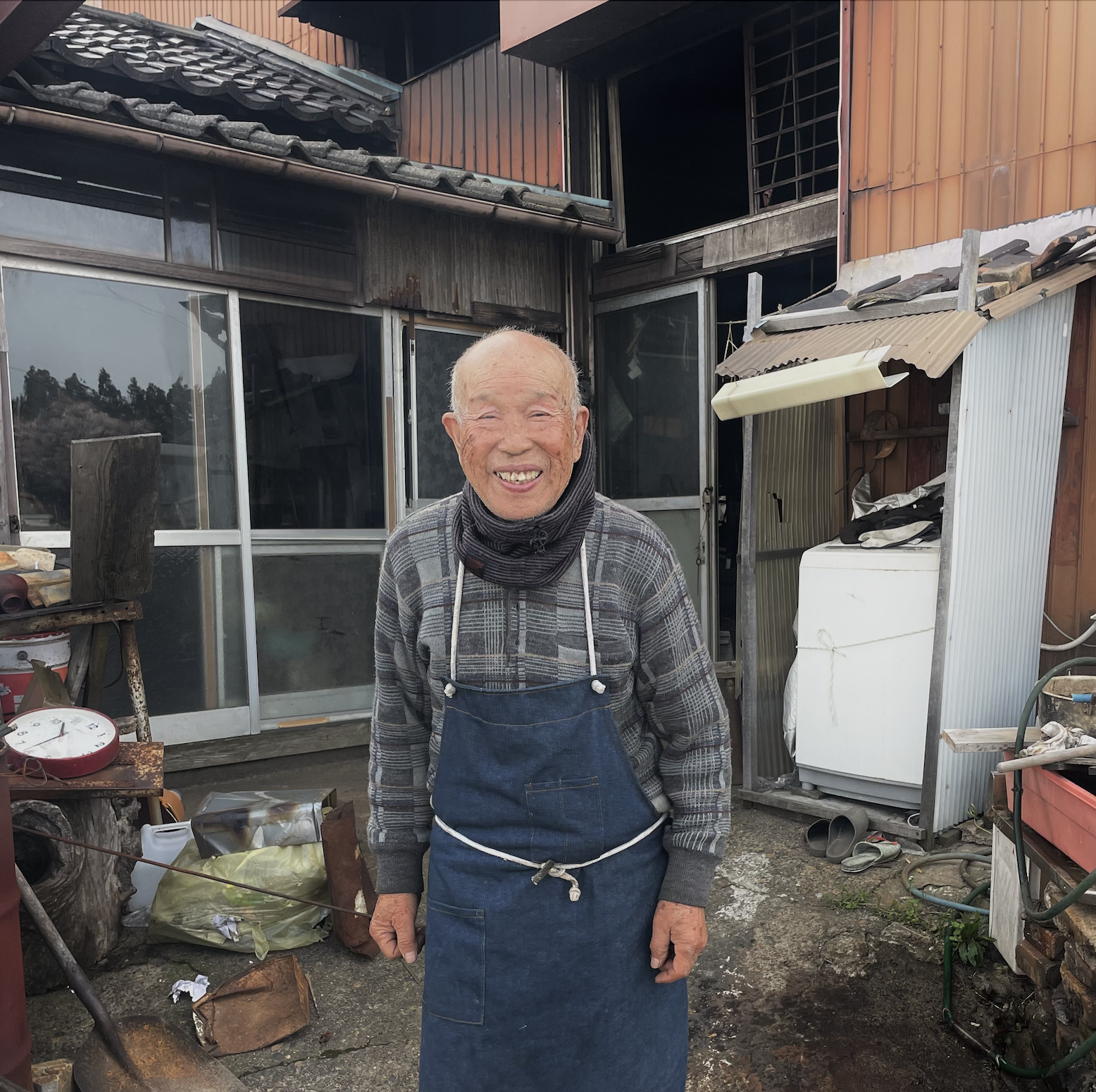
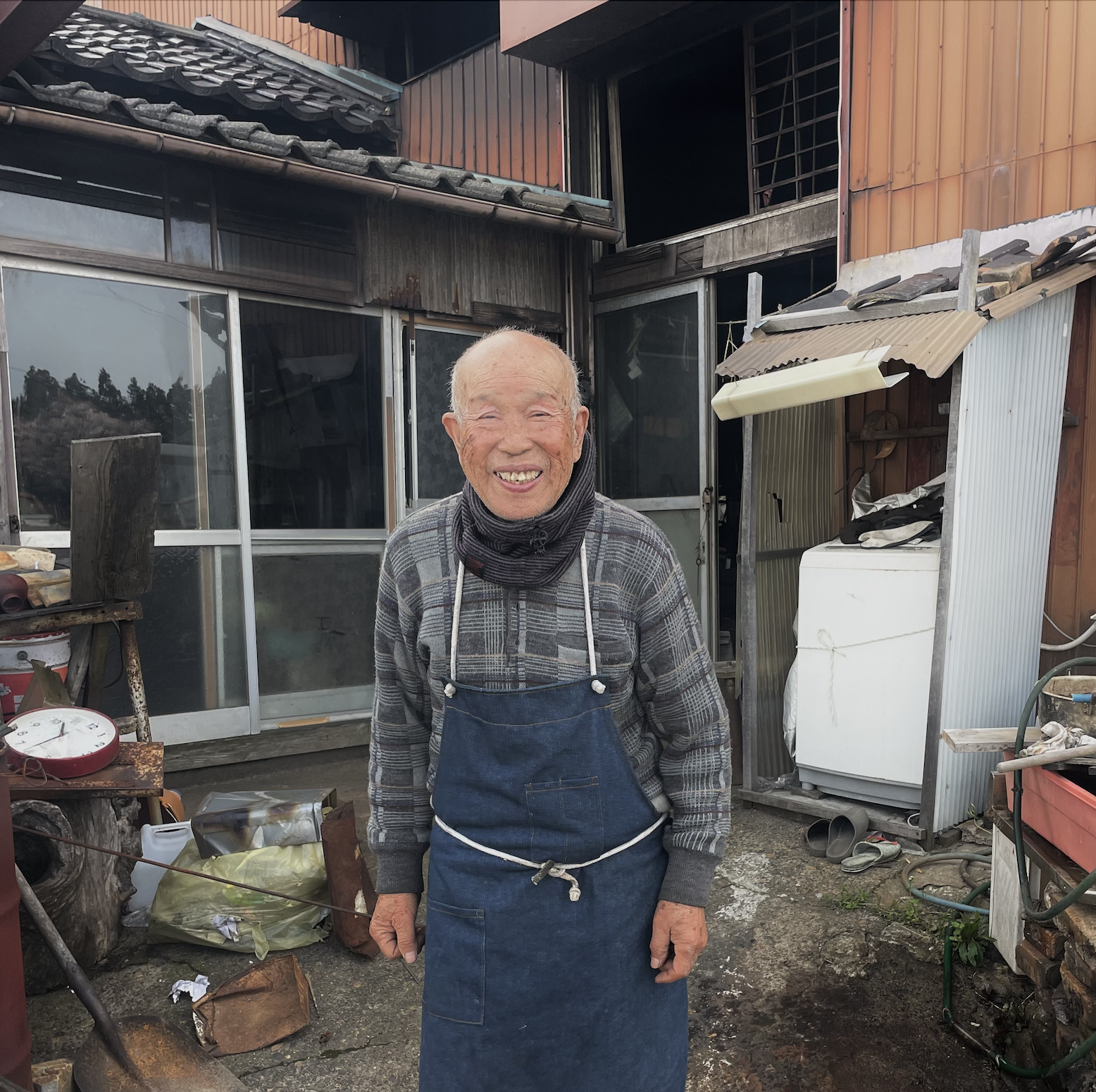
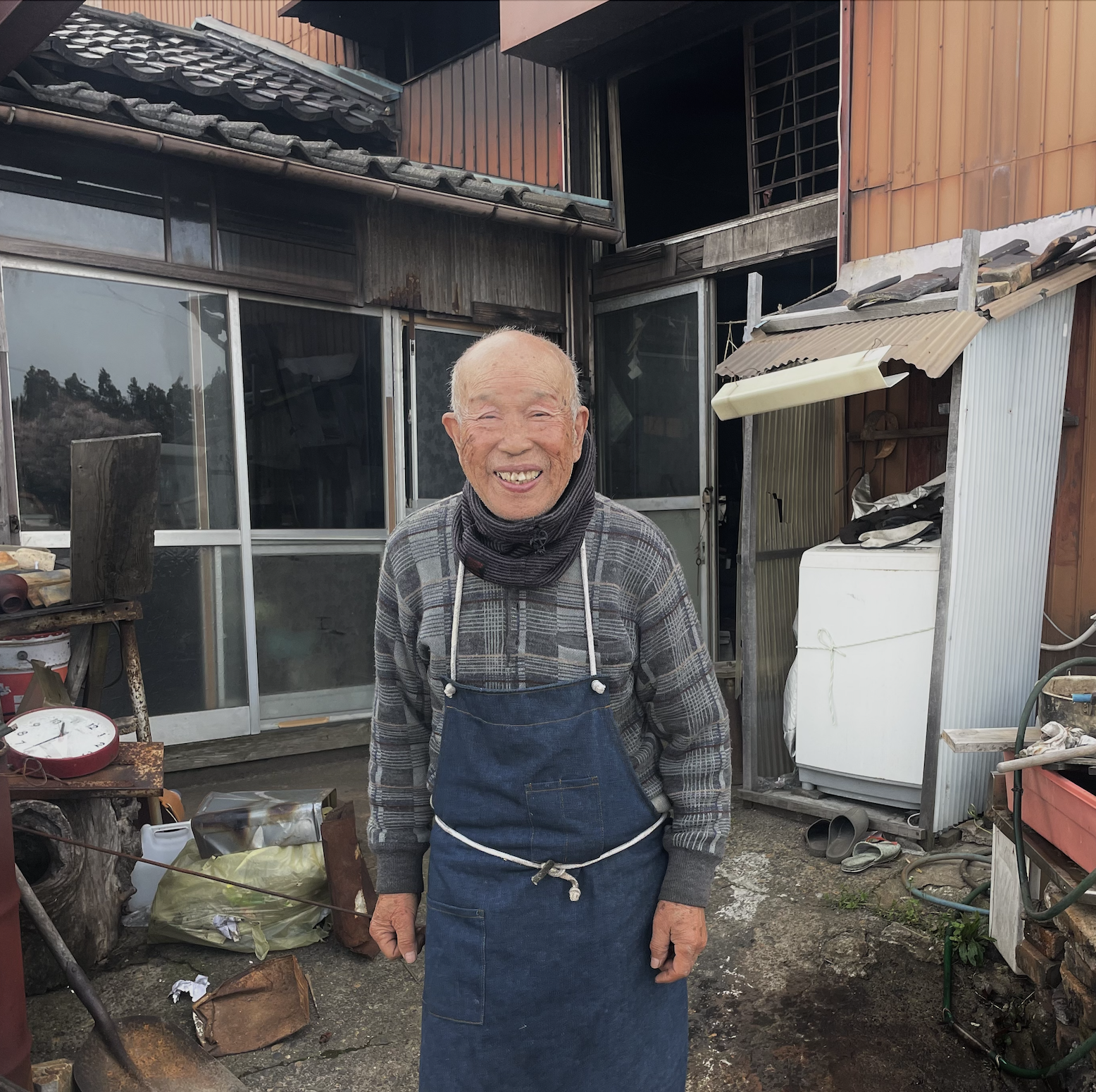
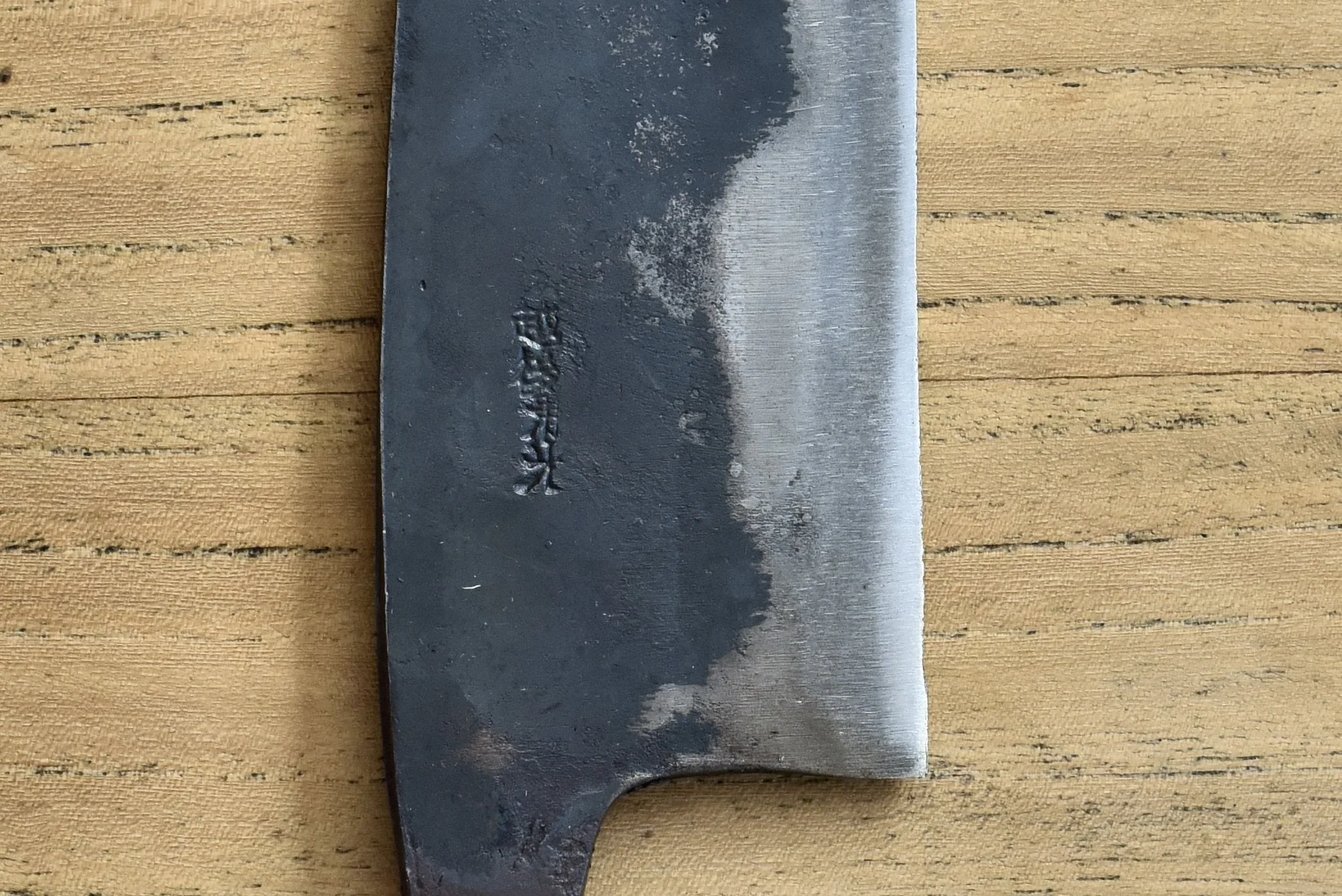
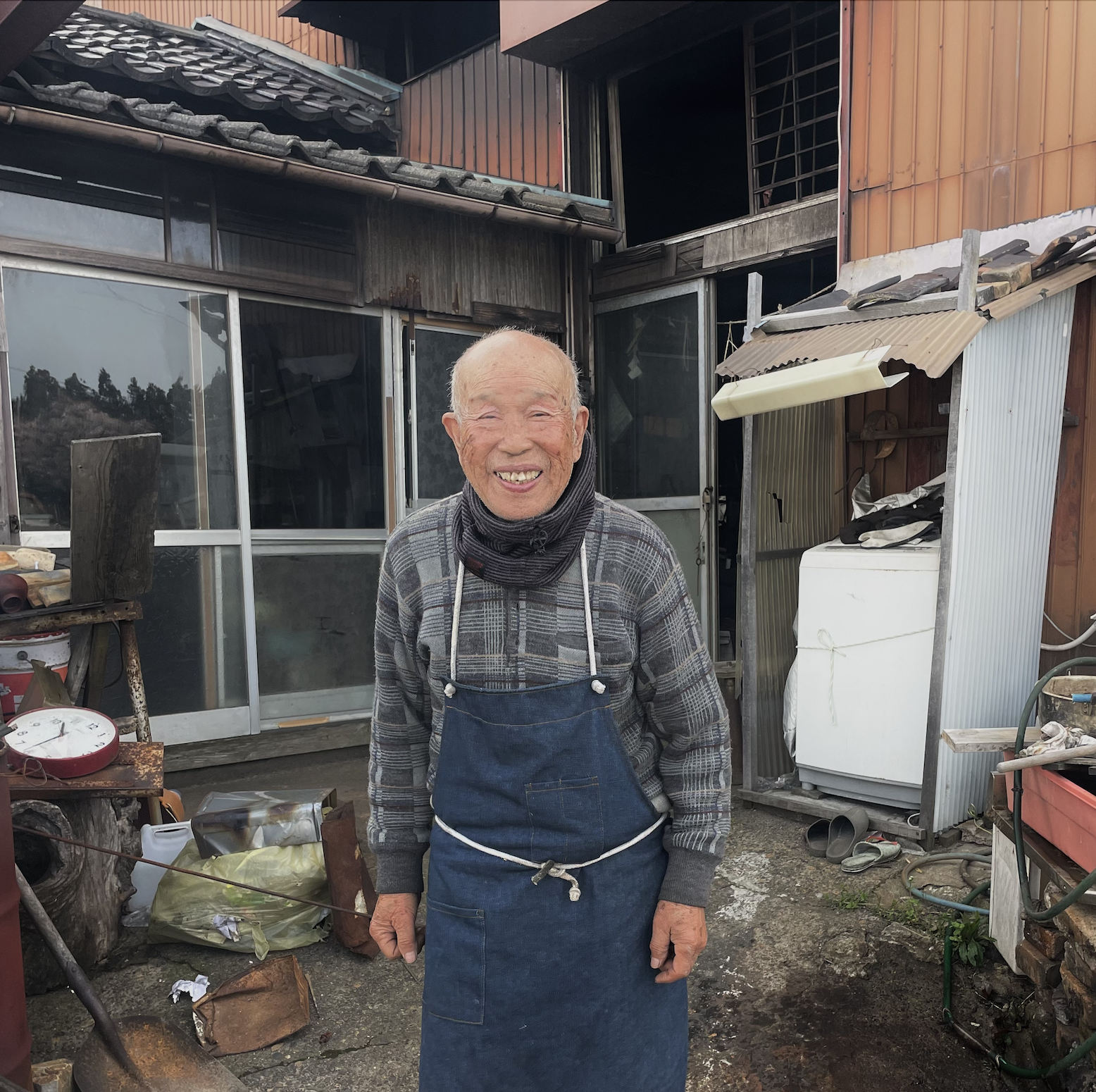
Kanemitsu (兼光) is a 93-year-old blacksmith from the Niigata prefecture in Japan. His workshop is in an old wooden school, surrounded by rice fields. Here, he hand-forges carbon steel kitchen knives and sickles. He is also one of only two swordsmiths in the region and has licenses to both forge and use a katana. He uses centuries-old techniques that have been passed down for generations, without the use of any modern technology. Forged and finished by hand, every knife has subtle variations with no two blades being alike. With no successor to carry on his workshop, each piece becomes part of a limited body of work. Kanemitsu now wishes to share his life’s work with a global audience for the first time.
Cleaning - Carbon steel is prone to rust, so hand-wash and dry directly after use. The knives are NOT dishwasher safe.
Rust - Store the knife lying flat or attached to a magnetic strip (never in a knife block) in a dry place to avoid rust. If rust appears, remove with a rust eraser or oil.
Sharpening - Sharpen with a whetstone. Due to their edge retention, they do not need sharpening often.
Chipping - Use a soft plastic or wooden cutting board and avoid cutting frozen items or thick bones to protect the blade’s edge.
Patina - Patina is a natural protective oxidation of the carbon steel and is blue/grey in appearance. It is safe and protects the steel.
Style: Nakiri
Blade material: Carbon steel
Handle: Wood
Blade length: 20 cm
Knife weight: 183 g
Nakiri translates to "leaf cutter" or "vegetable cutter". It is designed for precise slicing, chopping, and dicing of vegetables and herbs. The straight blade edge allows for full contact with the cutting board, while the thin straight blade glides smoothly through the vegetables, helping preserve texture and freshness.
Carbon steel knives offer unmatched sharpness, cutting performance, and edge retention. Together, the Nakiri, Deba and Santoku form the ultimate kitchen trio, covering every essential task with timeless craftsmanship designed to last generations.
Kanemitsu (兼光) is a 93-year-old blacksmith from the Niigata prefecture in Japan. His workshop is in an old wooden school, surrounded by rice fields. Here, he hand-forges carbon steel kitchen knives and sickles. He is also one of only two swordsmiths in the region and has licenses to both forge and use a katana. He uses centuries-old techniques that have been passed down for generations, without the use of any modern technology. Forged and finished by hand, every knife has subtle variations with no two blades being alike. With no successor to carry on his workshop, each piece becomes part of a limited body of work. Kanemitsu now wishes to share his life’s work with a global audience for the first time.
Cleaning - Carbon steel is prone to rust, so hand-wash and dry directly after use. The knives are NOT dishwasher safe.
Rust - Store the knife lying flat or attached to a magnetic strip (never in a knife block) in a dry place to avoid rust. If rust appears, remove with a rust eraser or oil.
Sharpening - Sharpen with a whetstone. Due to their edge retention, they do not need sharpening often.
Chipping - Use a soft plastic or wooden cutting board and avoid cutting frozen items or thick bones to protect the blade’s edge.
Patina - Patina is a natural protective oxidation of the carbon steel and is blue/grey in appearance. It is safe and protects the steel.
Style: Nakiri
Blade material: Carbon steel
Handle: Wood
Blade length: 18.5 cm
Knife weight: 168 g
Nakiri translates to "leaf cutter" or "vegetable cutter". It is designed for precise slicing, chopping, and dicing of vegetables and herbs. The straight blade edge allows for full contact with the cutting board, while the thin straight blade glides smoothly through the vegetables, helping preserve texture and freshness.
Carbon steel knives offer unmatched sharpness, cutting performance, and edge retention. Together, the Nakiri, Deba and Santoku form the ultimate kitchen trio, covering every essential task with timeless craftsmanship designed to last generations.
Kanemitsu (兼光) is a 93-year-old blacksmith from the Niigata prefecture in Japan. His workshop is in an old wooden school, surrounded by rice fields. Here, he hand-forges carbon steel kitchen knives and sickles. He is also one of only two swordsmiths in the region and has licenses to both forge and use a katana. He uses centuries-old techniques that have been passed down for generations, without the use of any modern technology. Forged and finished by hand, every knife has subtle variations with no two blades being alike. With no successor to carry on his workshop, each piece becomes part of a limited body of work. Kanemitsu now wishes to share his life’s work with a global audience for the first time.
Cleaning - Carbon steel is prone to rust, so hand-wash and dry directly after use. The knives are NOT dishwasher safe.
Rust - Store the knife lying flat or attached to a magnetic strip (never in a knife block) in a dry place to avoid rust. If rust appears, remove with a rust eraser or oil.
Sharpening - Sharpen with a whetstone. Due to their edge retention, they do not need sharpening often.
Chipping - Use a soft plastic or wooden cutting board and avoid cutting frozen items or thick bones to protect the blade’s edge.
Patina - Patina is a natural protective oxidation of the carbon steel and is blue/grey in appearance. It is safe and protects the steel.
Style: Nakiri
Blade material: Carbon steel
Handle: Wood
Blade length: 20.5 cm
Knife weight: 184 g
Nakiri translates to "leaf cutter" or "vegetable cutter". It is designed for precise slicing, chopping, and dicing of vegetables and herbs. The straight blade edge allows for full contact with the cutting board, while the thin straight blade glides smoothly through the vegetables, helping preserve texture and freshness.
Carbon steel knives offer unmatched sharpness, cutting performance, and edge retention. Together, the Nakiri, Deba and Santoku form the ultimate kitchen trio, covering every essential task with timeless craftsmanship designed to last generations.
Kanemitsu (兼光) is a 93-year-old blacksmith from the Niigata prefecture in Japan. His workshop is in an old wooden school, surrounded by rice fields. Here, he hand-forges carbon steel kitchen knives and sickles. He is also one of only two swordsmiths in the region and has licenses to both forge and use a katana. He uses centuries-old techniques that have been passed down for generations, without the use of any modern technology. Forged and finished by hand, every knife has subtle variations with no two blades being alike. With no successor to carry on his workshop, each piece becomes part of a limited body of work. Kanemitsu now wishes to share his life’s work with a global audience for the first time.
Cleaning - Carbon steel is prone to rust, so hand-wash and dry directly after use. The knives are NOT dishwasher safe.
Rust - Store the knife lying flat or attached to a magnetic strip (never in a knife block) in a dry place to avoid rust. If rust appears, remove with a rust eraser or oil.
Sharpening - Sharpen with a whetstone. Due to their edge retention, they do not need sharpening often.
Chipping - Use a soft plastic or wooden cutting board and avoid cutting frozen items or thick bones to protect the blade’s edge.
Patina - Patina is a natural protective oxidation of the carbon steel and is blue/grey in appearance. It is safe and protects the steel.
Style: Nakiri
Blade material: Carbon steel
Handle: Wood
Blade length: 19 cm
Knife weight: 155 g
Nakiri translates to "leaf cutter" or "vegetable cutter". It is designed for precise slicing, chopping, and dicing of vegetables and herbs. The straight blade edge allows for full contact with the cutting board, while the thin straight blade glides smoothly through the vegetables, helping preserve texture and freshness.
Carbon steel knives offer unmatched sharpness, cutting performance, and edge retention. Together, the Nakiri, Deba and Santoku form the ultimate kitchen trio, covering every essential task with timeless craftsmanship designed to last generations.
Kanemitsu (兼光) is a 93-year-old blacksmith from the Niigata prefecture in Japan. His workshop is in an old wooden school, surrounded by rice fields. Here, he hand-forges carbon steel kitchen knives and sickles. He is also one of only two swordsmiths in the region and has licenses to both forge and use a katana. He uses century-long techniques that have been passed down for generations, without the use of any modern technology. Forged and finished by hand, every knife has subtle variations with no two blades being alike. With no successor to carry on his workshop, each piece becomes part of a limited body of work. Kanemitsu now wishes to share his life’s work with a global audience for the first time.
Cleaning - Carbon steel is prone to rust, so hand-wash and dry directly after use. The knives are NOT dishwasher safe.
Rust - Store the knife lying flat or attached to a magnetic strip (never in a knife block) in a dry place to avoid rust. If rust appears, remove with a rust eraser or oil.
Sharpening - Sharpen with a whetstone. Due to their edge retention, they do not need sharpening often.
Chipping - Use a soft plastic or wooden cutting board and avoid cutting frozen items or thick bones to protect the blade’s edge.
Patina - Patina is a natural protective oxidation of the carbon steel and is blue/grey in appearance. It is safe and protects the steel.
Style: Nakiri
Blade material: Carbon steel
Handle: Wood
Blade length: 18.5 cm
Knife weight: 162 g
Nakiri translates to "leaf cutter" or "vegetable cutter". It is designed for precise slicing, chopping, and dicing of vegetables and herbs. The straight blade edge allows for full contact with the cutting board, while the thin straight blade glides smoothly through the vegetables, helping preserve texture and freshness.
Carbon steel knives offer unmatched sharpness, cutting performance, and edge retention. Together, the Nakiri, Deba and Santoku form the ultimate kitchen trio, covering every essential task with timeless craftsmanship designed to last generations.
Kanemitsu (兼光) is a 93-year-old blacksmith from the Niigata prefecture in Japan. His workshop is in an old wooden school, surrounded by rice fields. Here, he hand-forges carbon steel kitchen knives and sickles. He is also one of only two swordsmiths in the region and has licenses to both forge and use a katana. He uses century-long techniques that have been passed down for generations, without the use of any modern technology. Forged and finished by hand, every knife has subtle variations with no two blades being alike. With no successor to carry on his workshop, each piece becomes part of a limited body of work. Kanemitsu now wishes to share his life’s work with a global audience for the first time.
Cleaning - Carbon steel is prone to rust, so hand-wash and dry directly after use. The knives are NOT dishwasher safe.
Rust - Store the knife lying flat or attached to a magnetic strip (never in a knife block) in a dry place to avoid rust. If rust appears, remove with a rust eraser or oil.
Sharpening - Sharpen with a whetstone. Due to their edge retention, they do not need sharpening often.
Chipping - Use a soft plastic or wooden cutting board and avoid cutting frozen items or thick bones to protect the blade’s edge.
Patina - Patina is a natural protective oxidation of the carbon steel and is blue/grey in appearance. It is safe and protects the steel.
Style: Nakiri
Blade material: Carbon steel
Handle: Wood
Blade length: 19 cm
Knife weight: 170 g
Nakiri translates to "leaf cutter" or "vegetable cutter". It is designed for precise slicing, chopping, and dicing of vegetables and herbs. The straight blade edge allows for full contact with the cutting board, while the thin straight blade glides smoothly through the vegetables, helping preserve texture and freshness.
Carbon steel knives offer unmatched sharpness, cutting performance, and edge retention. Together, the Nakiri, Deba and Santoku form the ultimate kitchen trio, covering every essential task with timeless craftsmanship designed to last generations.
Kanemitsu (兼光) is a 93-year-old blacksmith from the Niigata prefecture in Japan. His workshop is in an old wooden school, surrounded by rice fields. Here, he hand-forges carbon steel kitchen knives and sickles. He is also one of only two swordsmiths in the region and has licenses to both forge and use a katana. He uses century-long techniques that have been passed down for generations, without the use of any modern technology. Forged and finished by hand, every knife has subtle variations with no two blades being alike. With no successor to carry on his workshop, each piece becomes part of a limited body of work. Kanemitsu now wishes to share his life’s work with a global audience for the first time.
Cleaning - Carbon steel is prone to rust, so hand-wash and dry directly after use. The knives are NOT dishwasher safe.
Rust - Store the knife lying flat or attached to a magnetic strip (never in a knife block) in a dry place to avoid rust. If rust appears, remove with a rust eraser or oil.
Sharpening - Sharpen with a whetstone. Due to their edge retention, they do not need sharpening often.
Chipping - Use a soft plastic or wooden cutting board and avoid cutting frozen items or thick bones to protect the blade’s edge.
Patina - Patina is a natural protective oxidation of the carbon steel and is blue/grey in appearance. It is safe and protects the steel.
Style: Nakiri
Blade material: Carbon steel
Handle: Wood
Blade length: 19.5 cm
Knife weight: 196 g
Nakiri translates to "leaf cutter" or "vegetable cutter". It is designed for precise slicing, chopping, and dicing of vegetables and herbs. The straight blade edge allows for full contact with the cutting board, while the thin straight blade glides smoothly through the vegetables, helping preserve texture and freshness.
Carbon steel knives offer unmatched sharpness, cutting performance, and edge retention. Together, the Nakiri, Deba and Santoku form the ultimate kitchen trio, covering every essential task with timeless craftsmanship designed to last generations.
Kanemitsu (兼光) is a 93-year-old blacksmith from the Niigata prefecture in Japan. His workshop is in an old wooden school, surrounded by rice fields. Here, he hand-forges carbon steel kitchen knives and sickles. He is also one of only two swordsmiths in the region and has licenses to both forge and use a katana. He uses century-long techniques that have been passed down for generations, without the use of any modern technology. Forged and finished by hand, every knife has subtle variations with no two blades being alike. With no successor to carry on his workshop, each piece becomes part of a limited body of work. Kanemitsu now wishes to share his life’s work with a global audience for the first time.
Cleaning - Carbon steel is prone to rust, so hand-wash and dry directly after use. The knives are NOT dishwasher safe.
Rust - Store the knife lying flat or attached to a magnetic strip (never in a knife block) in a dry place to avoid rust. If rust appears, remove with a rust eraser or oil.
Sharpening - Sharpen with a whetstone. Due to their edge retention, they do not need sharpening often.
Chipping - Use a soft plastic or wooden cutting board and avoid cutting frozen items or thick bones to protect the blade’s edge.
Patina - Patina is a natural protective oxidation of the carbon steel and is blue/grey in appearance. It is safe and protects the steel.
Style: Nakiri
Blade material: Carbon steel
Handle: Wood
Blade length: 19 cm
Knife weight: 161 g
Nakiri translates to "leaf cutter" or "vegetable cutter". It is designed for precise slicing, chopping, and dicing of vegetables and herbs. The straight blade edge allows for full contact with the cutting board, while the thin straight blade glides smoothly through the vegetables, helping preserve texture and freshness.
Carbon steel knives offer unmatched sharpness, cutting performance, and edge retention. Together, the Nakiri, Deba and Santoku form the ultimate kitchen trio, covering every essential task with timeless craftsmanship designed to last generations.
Kanemitsu (兼光) is a 93-year-old blacksmith from the Niigata prefecture in Japan. His workshop is in an old wooden school, surrounded by rice fields. Here, he hand-forges carbon steel kitchen knives and sickles. He is also one of only two swordsmiths in the region and has licenses to both forge and use a katana. He uses century-long techniques that have been passed down for generations, without the use of any modern technology. Forged and finished by hand, every knife has subtle variations with no two blades being alike. With no successor to carry on his workshop, each piece becomes part of a limited body of work. Kanemitsu now wishes to share his life’s work with a global audience for the first time.
Cleaning - Carbon steel is prone to rust, so hand-wash and dry directly after use. The knives are NOT dishwasher safe.
Rust - Store the knife lying flat or attached to a magnetic strip (never in a knife block) in a dry place to avoid rust. If rust appears, remove with a rust eraser or oil.
Sharpening - Sharpen with a whetstone. Due to their edge retention, they do not need sharpening often.
Chipping - Use a soft plastic or wooden cutting board and avoid cutting frozen items or thick bones to protect the blade’s edge.
Patina - Patina is a natural protective oxidation of the carbon steel and is blue/grey in appearance. It is safe and protects the steel.
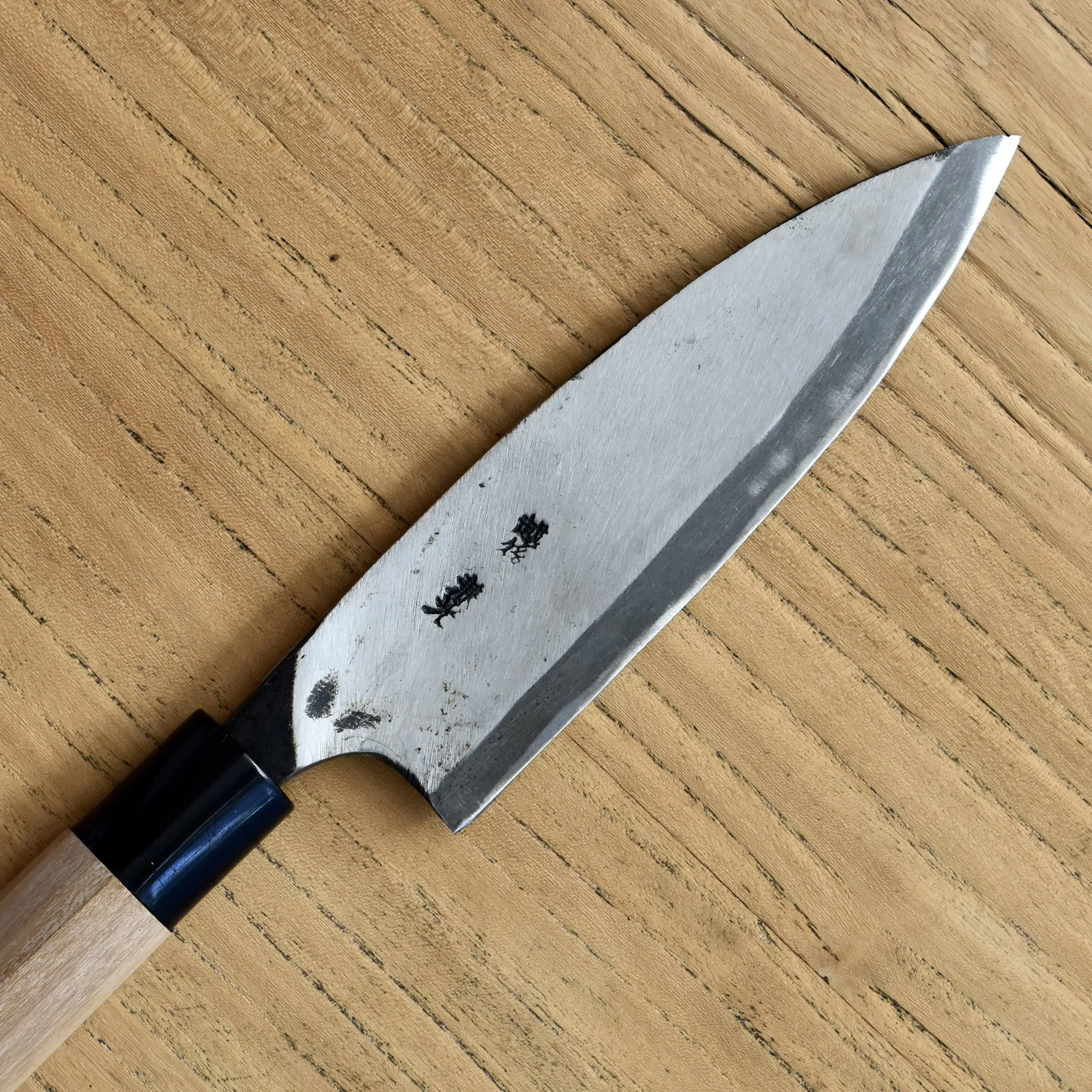
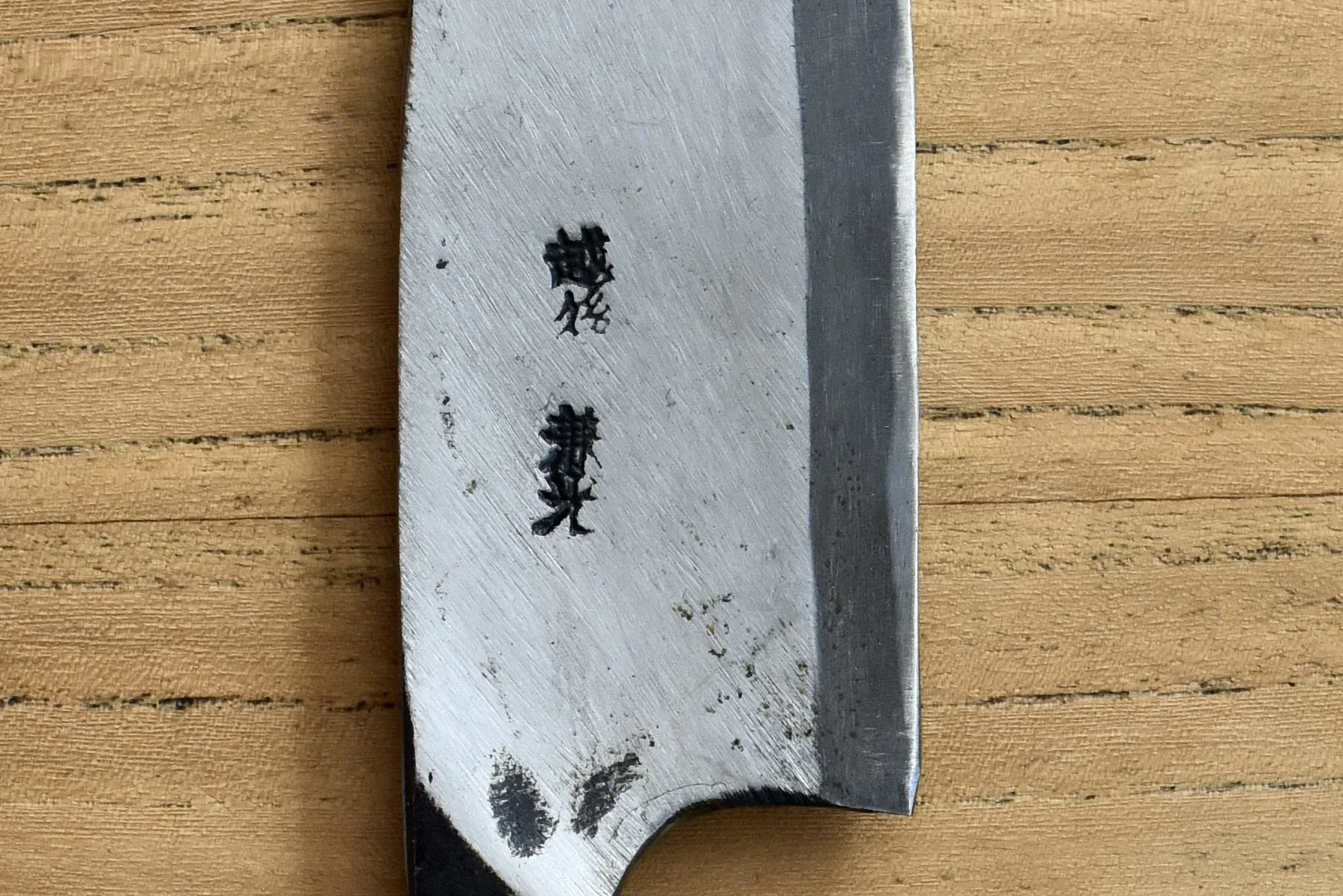
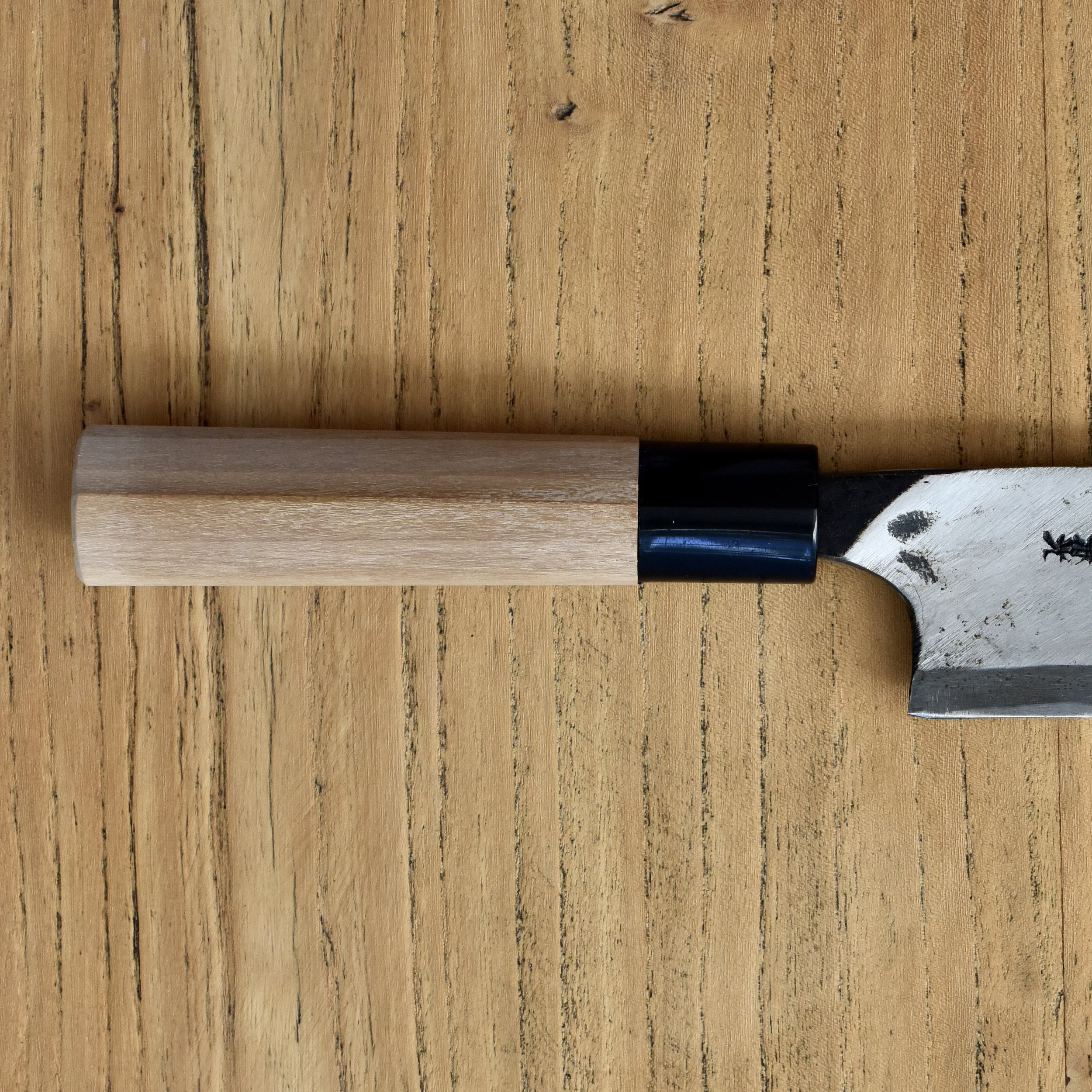
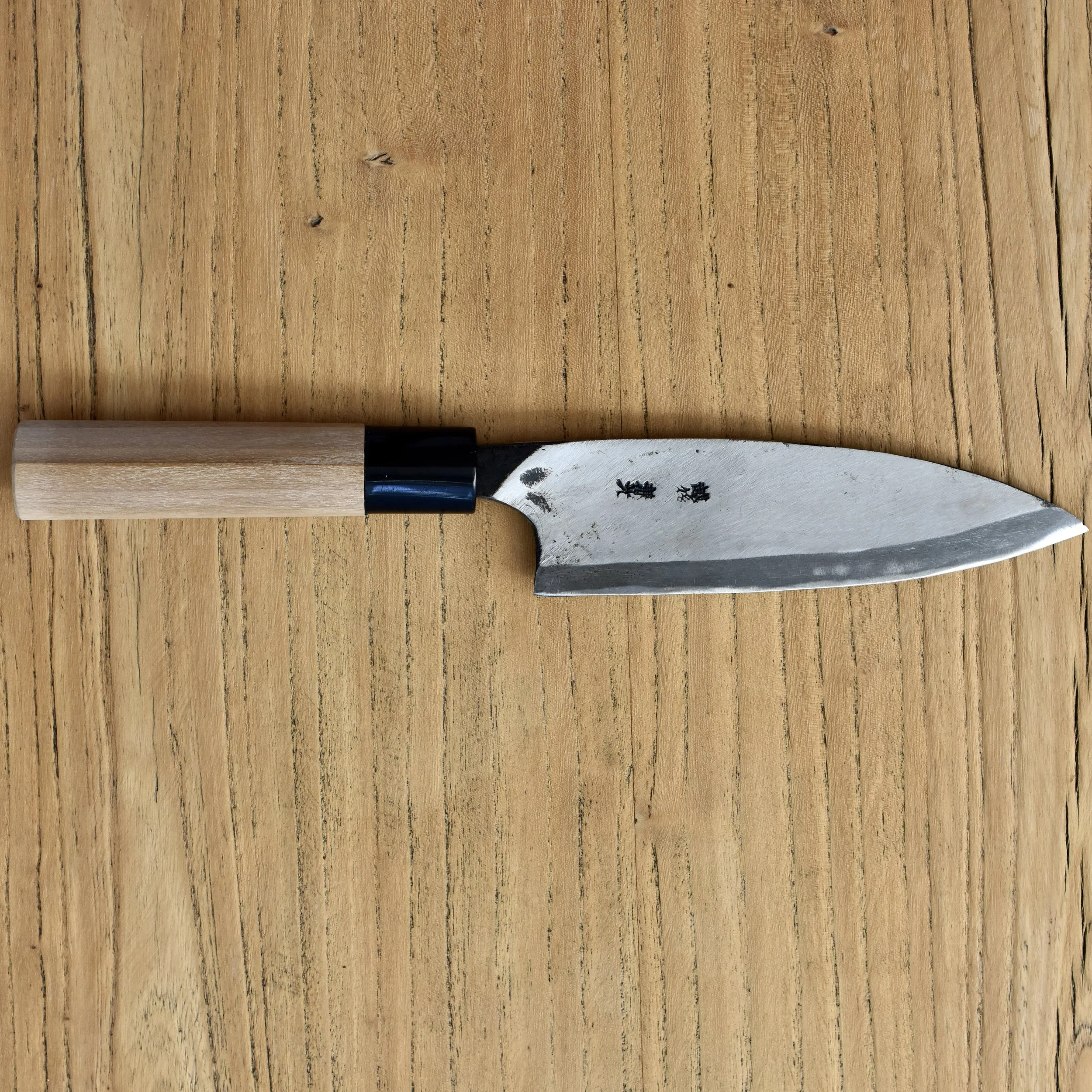
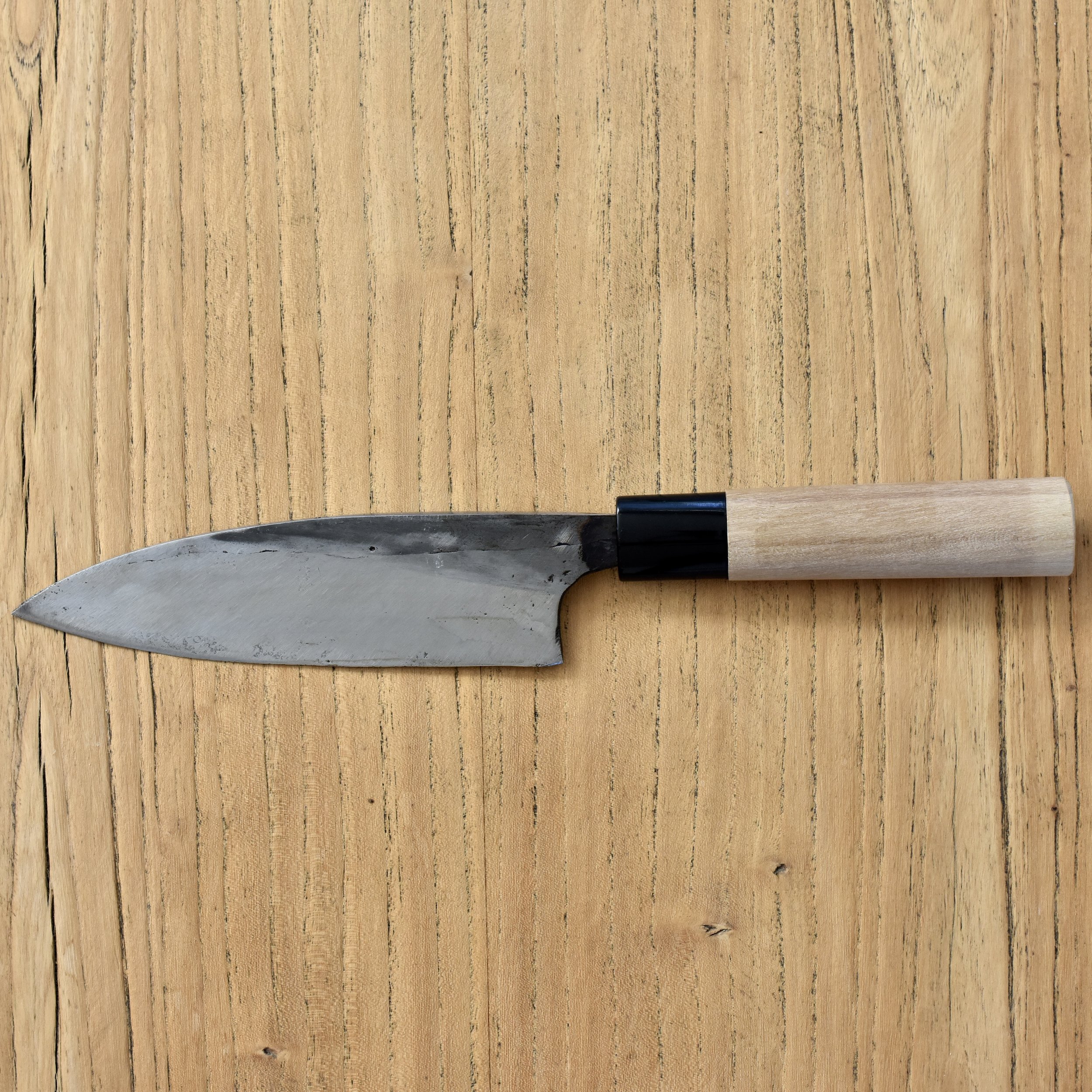
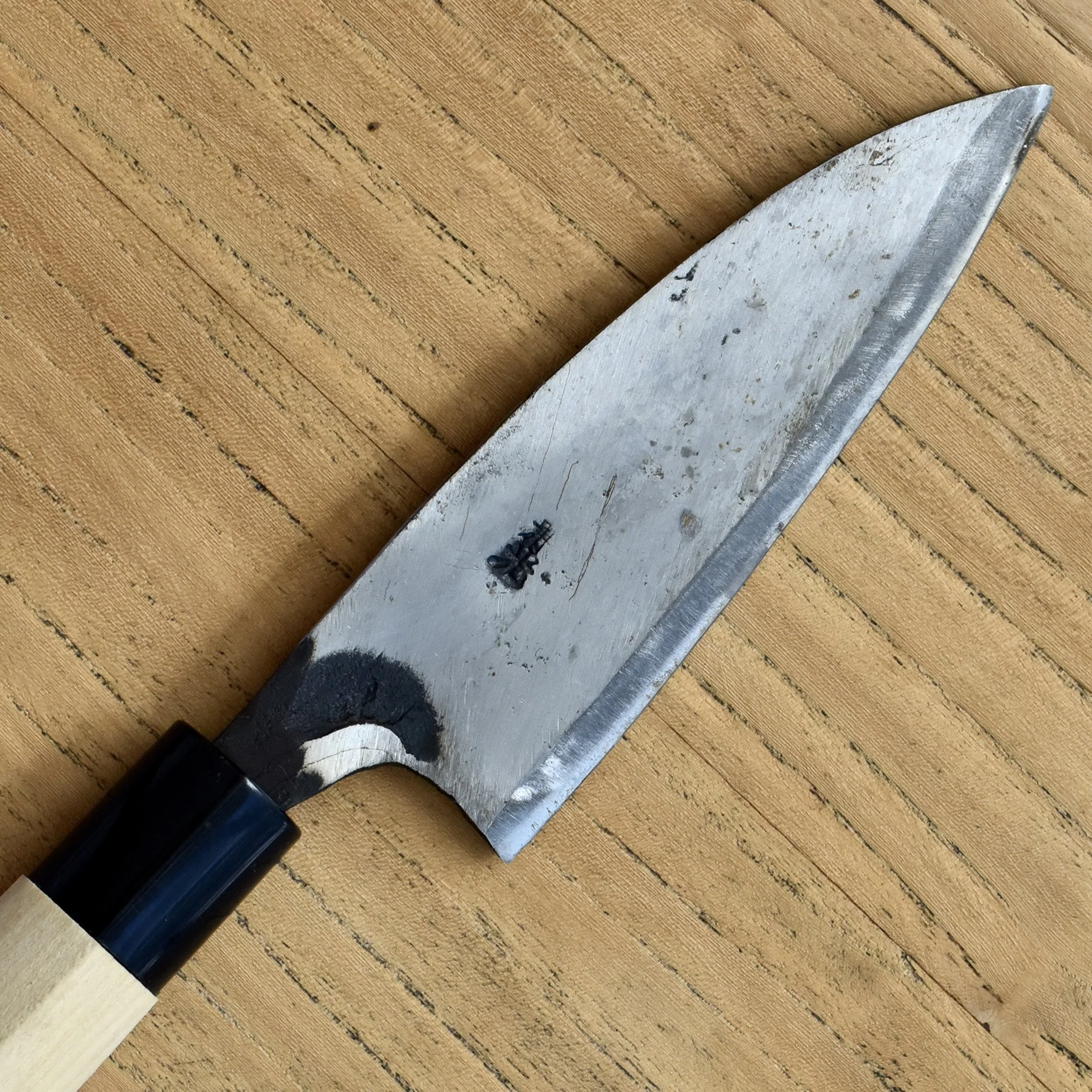
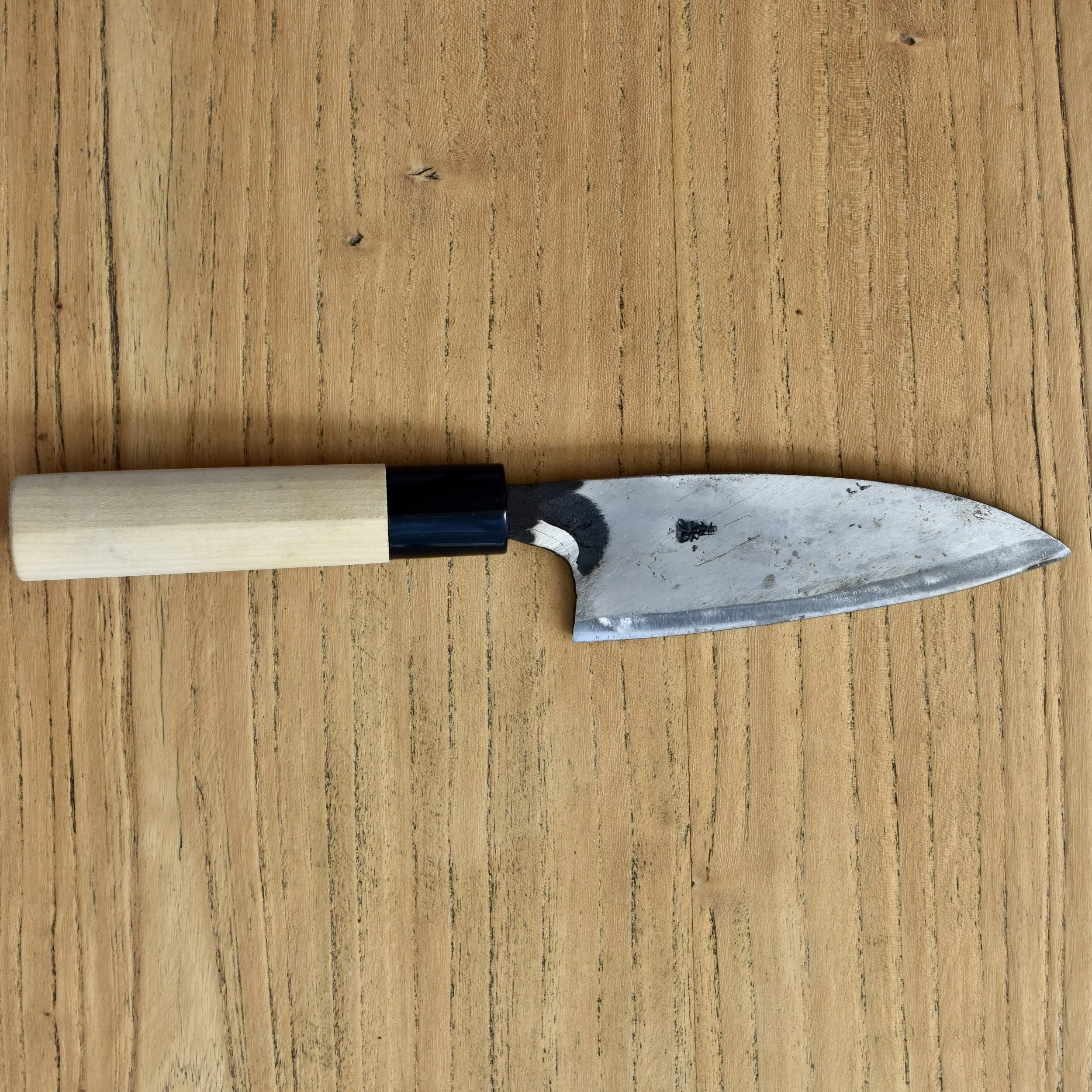
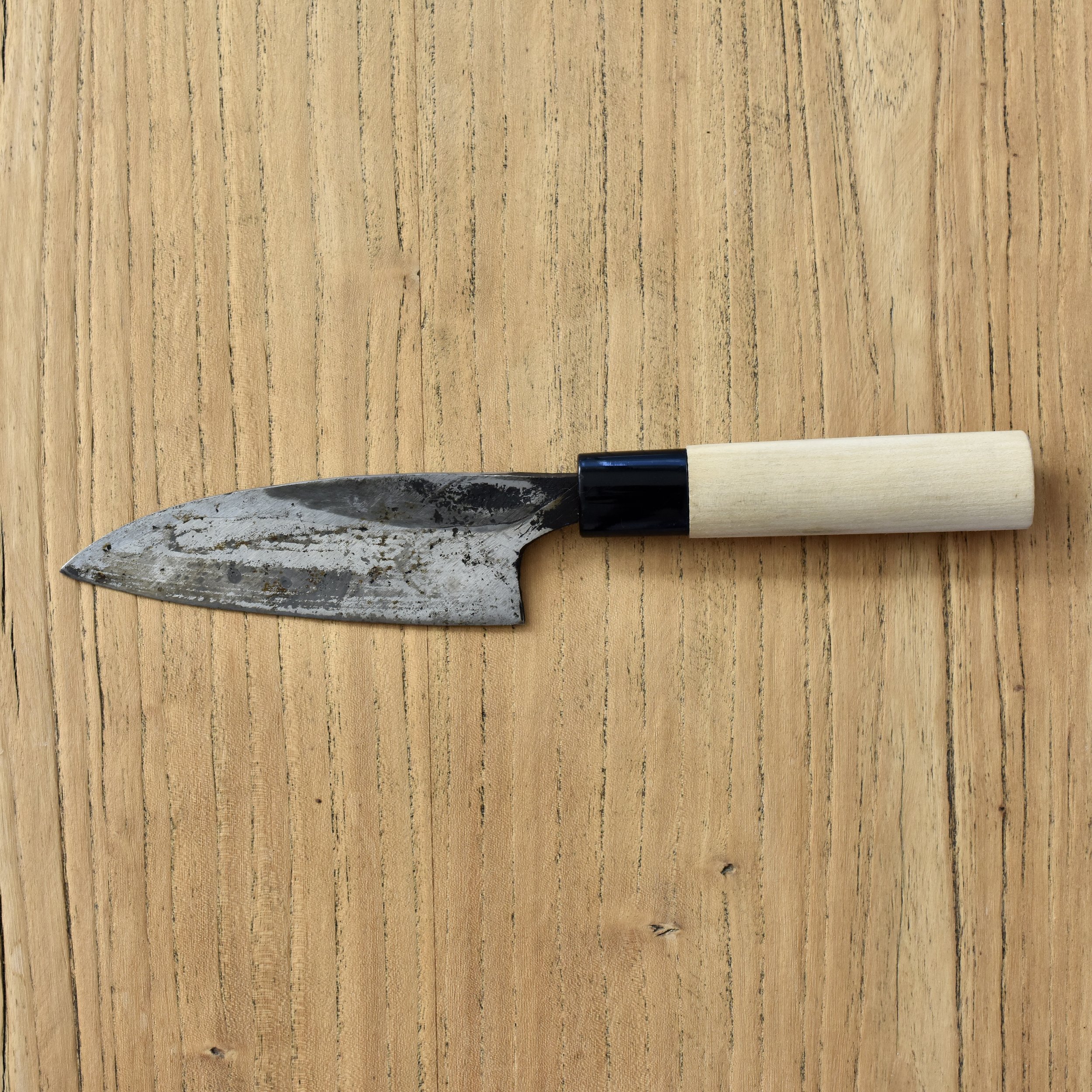
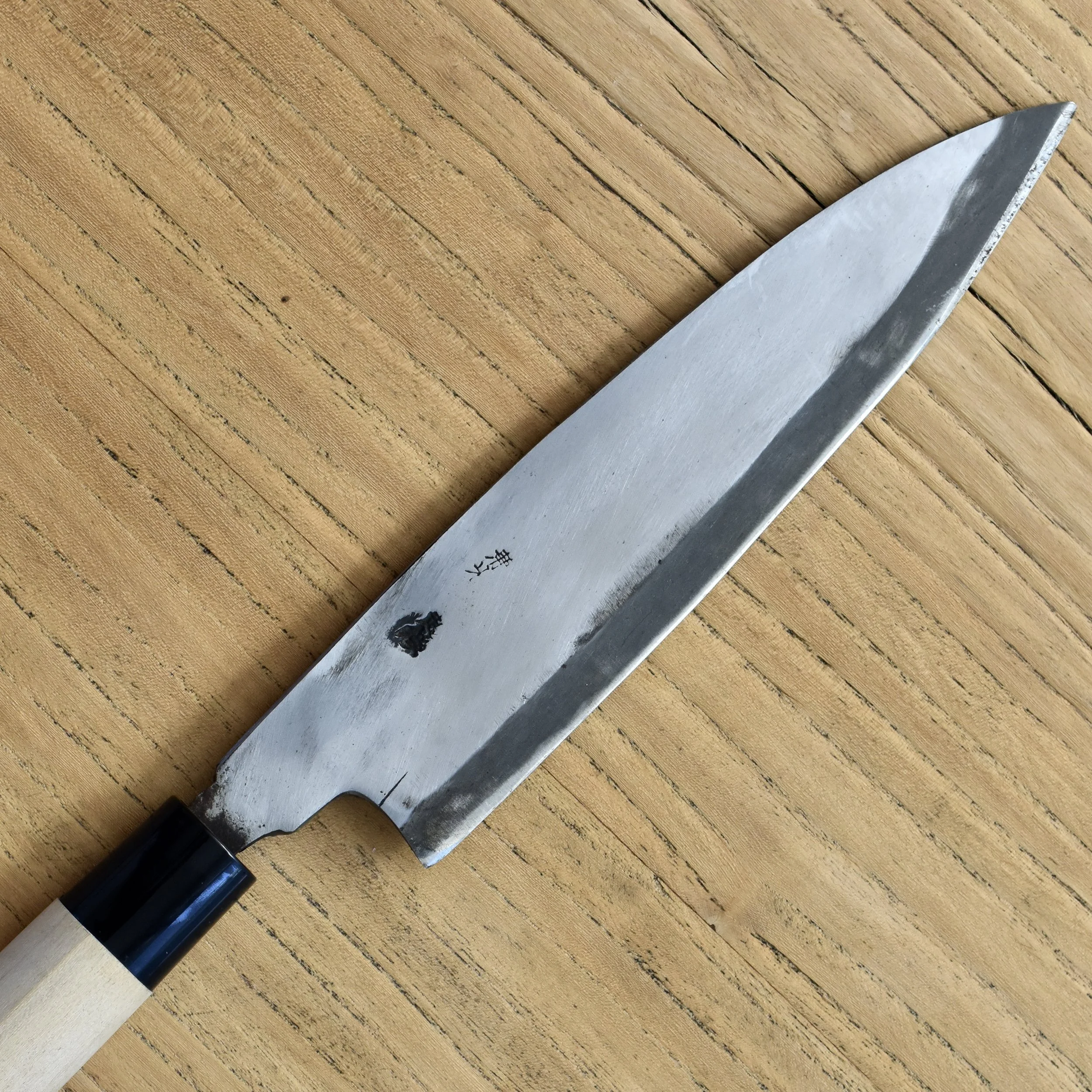
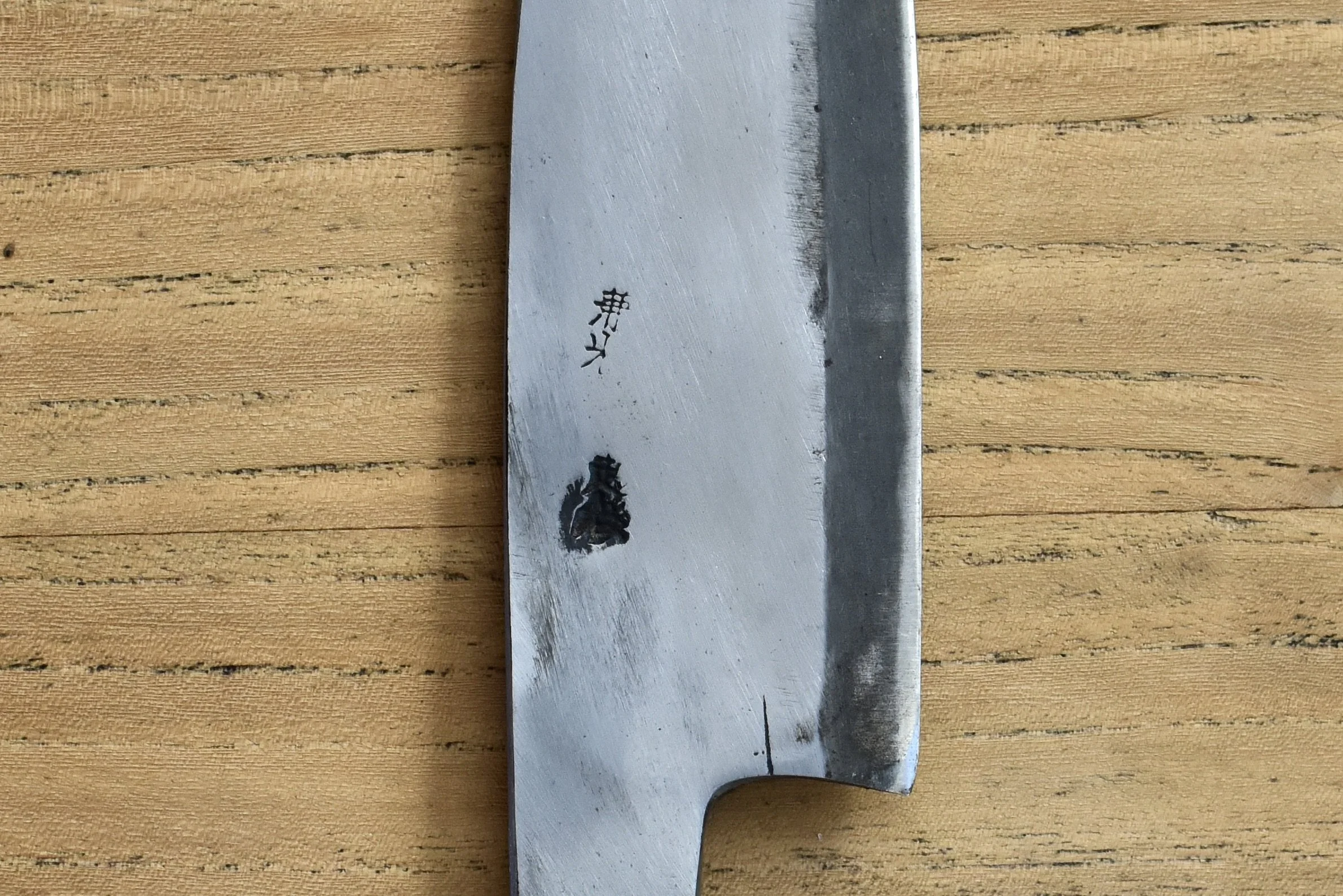
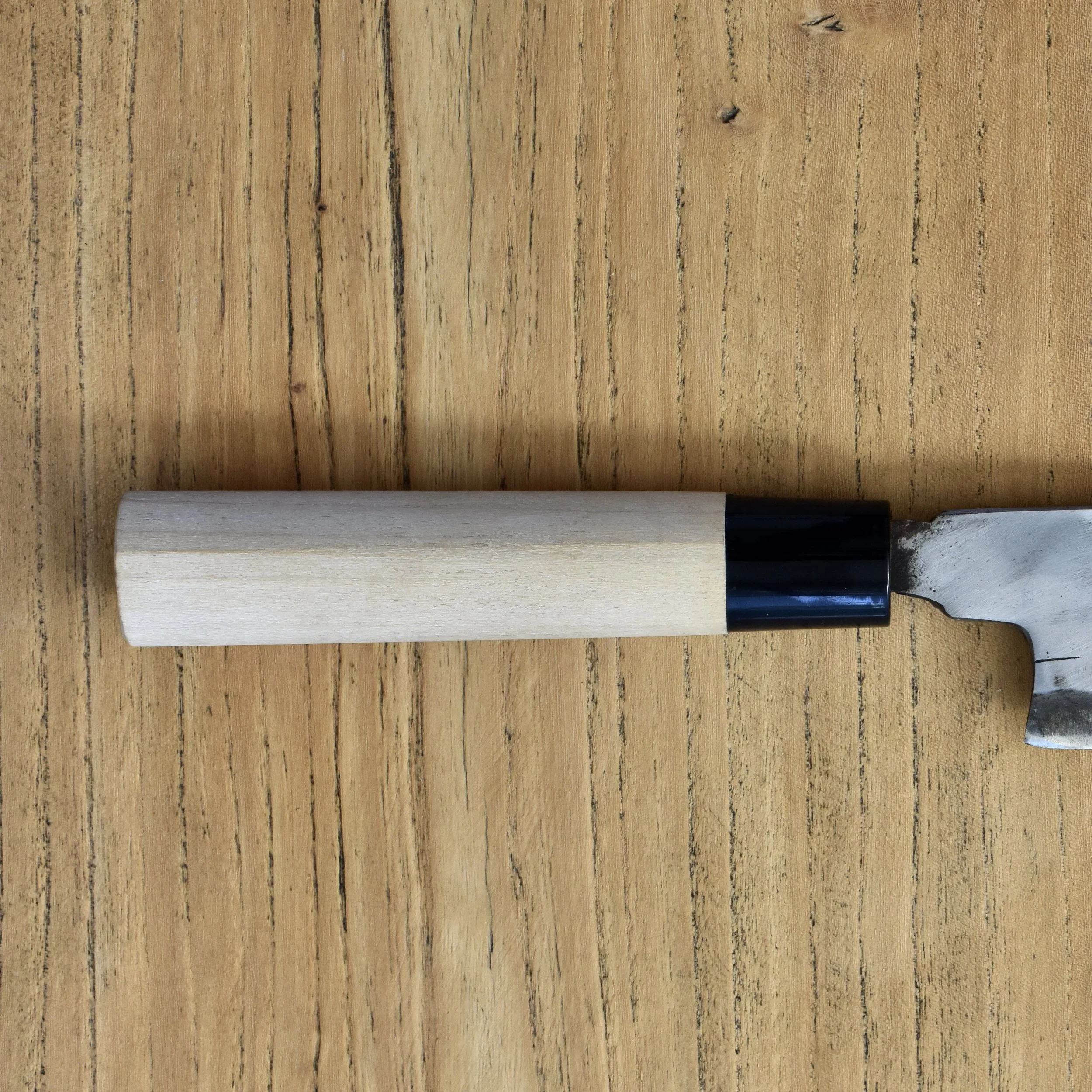
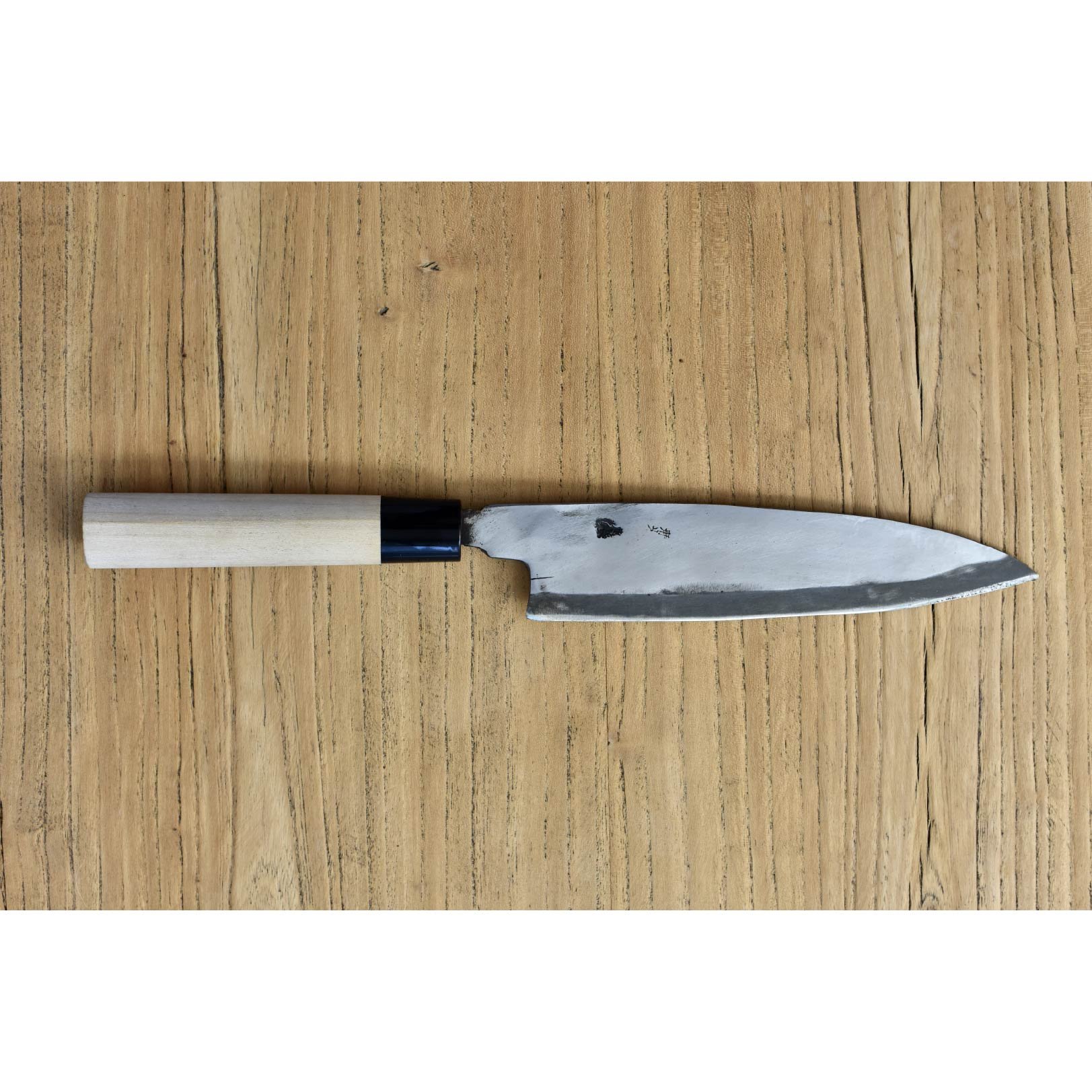
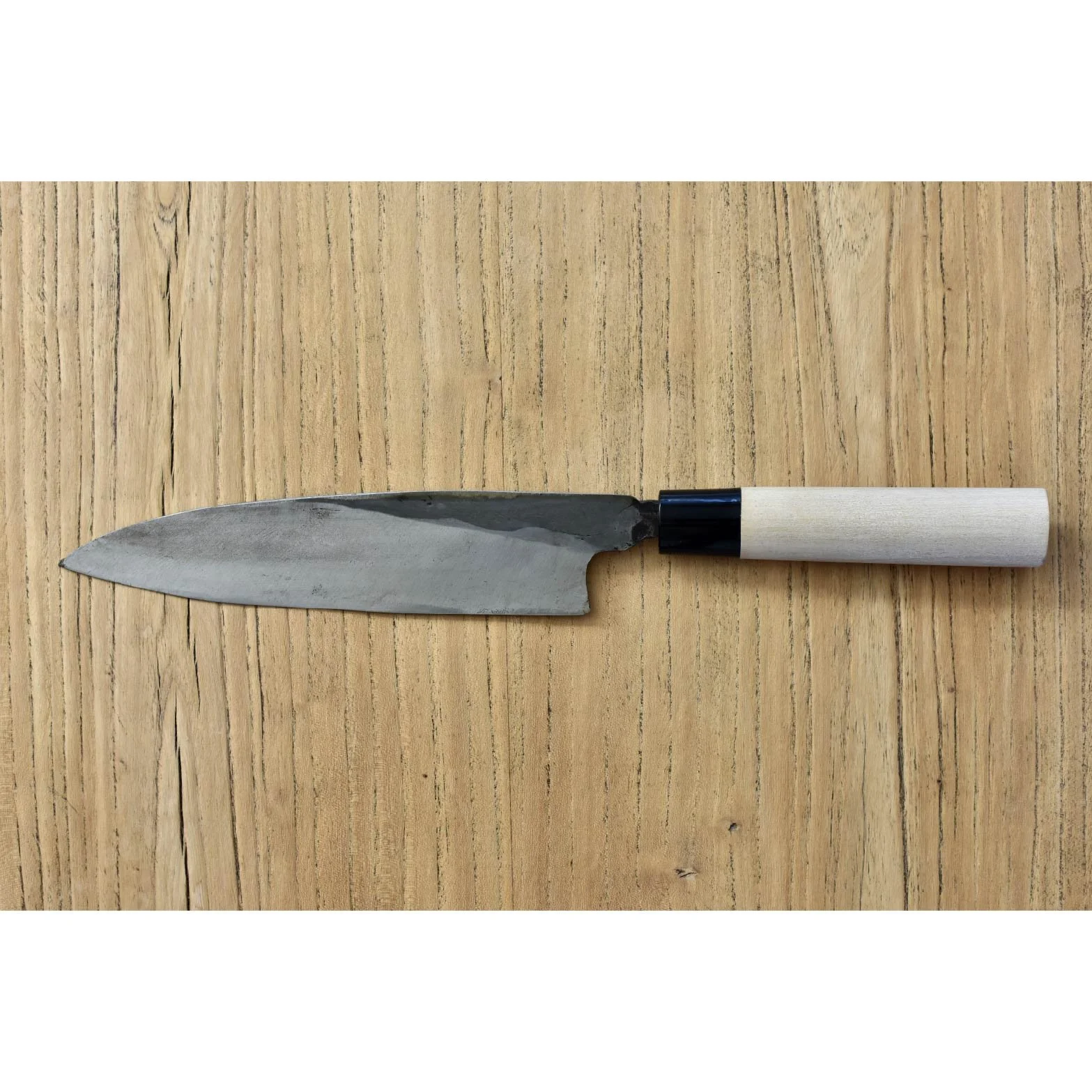
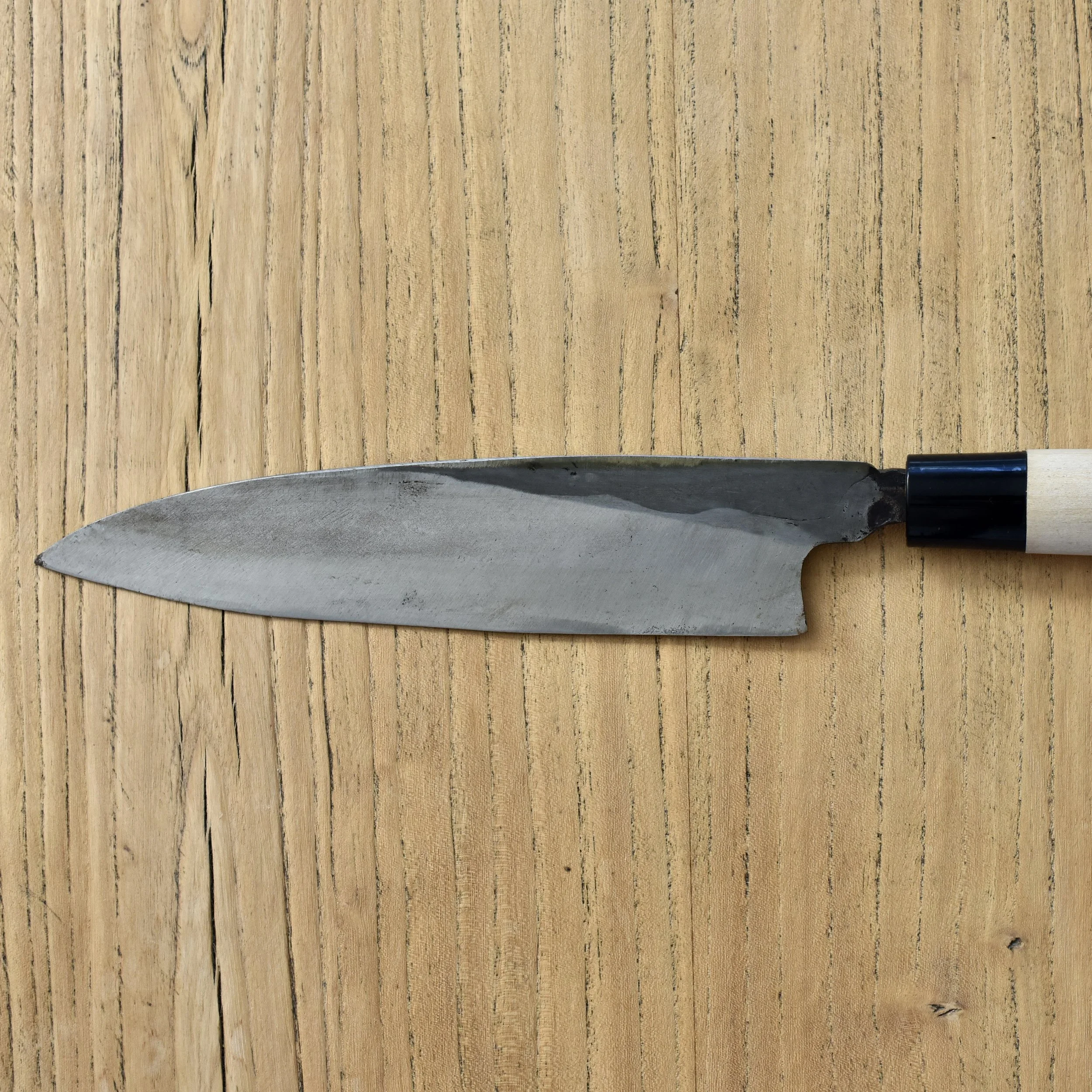
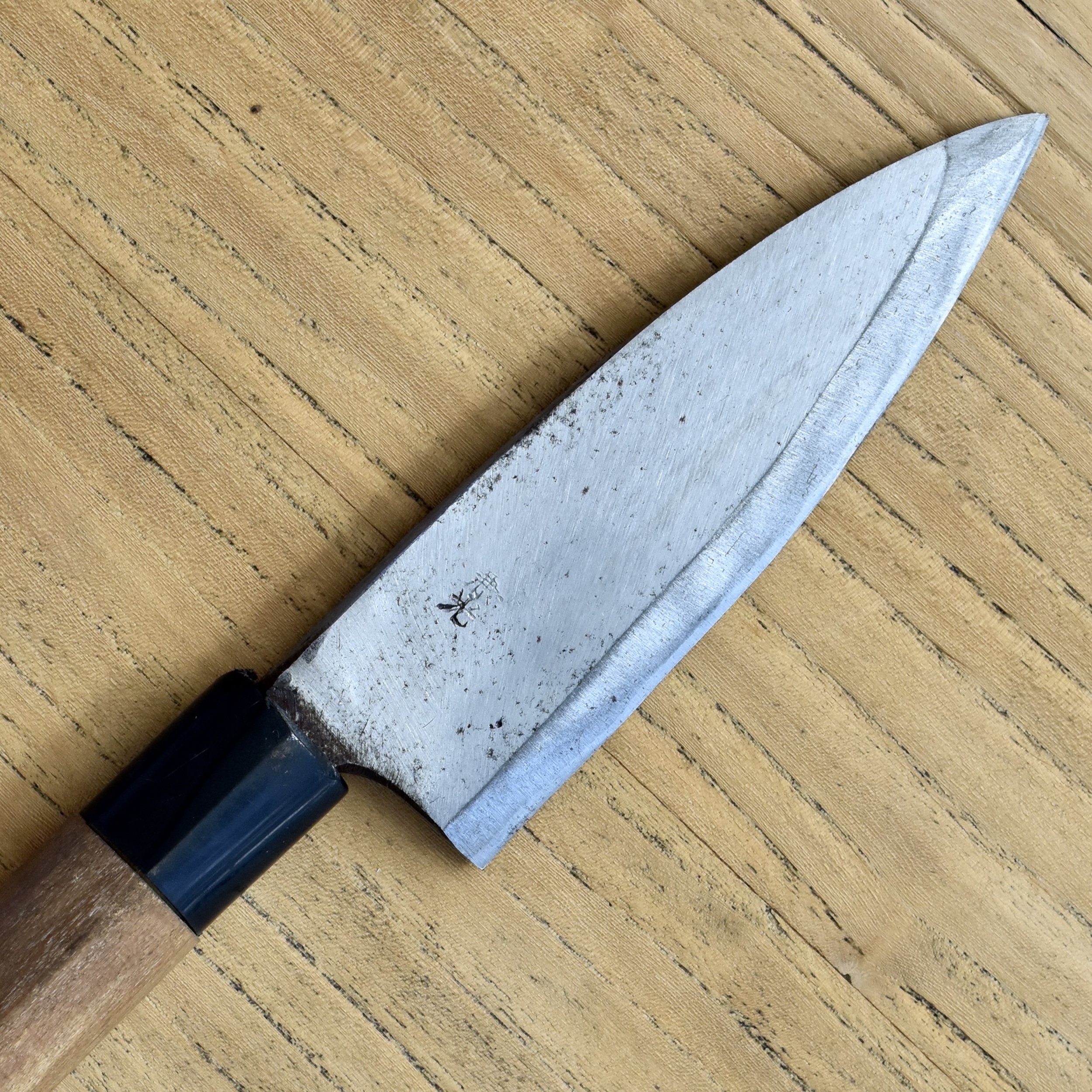
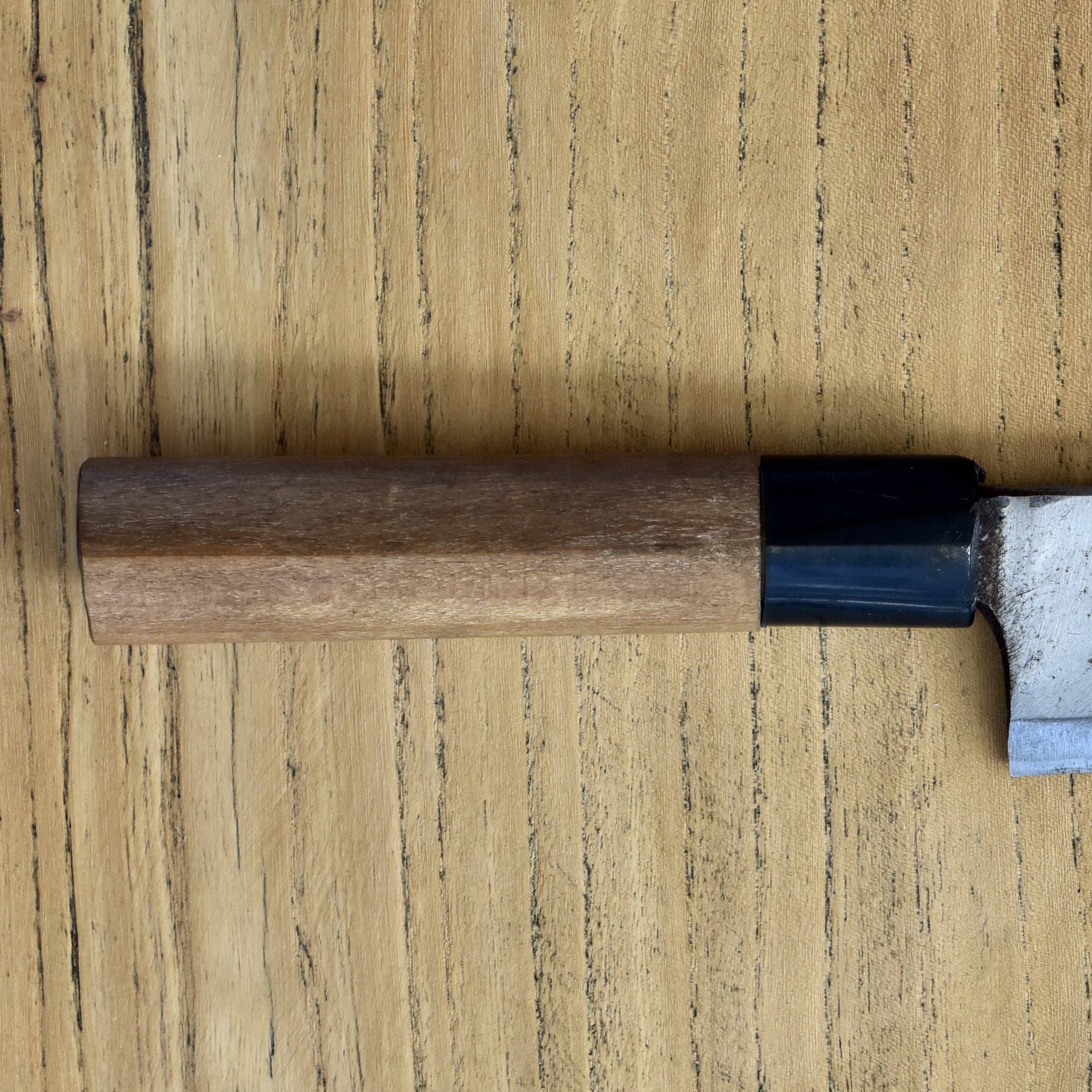
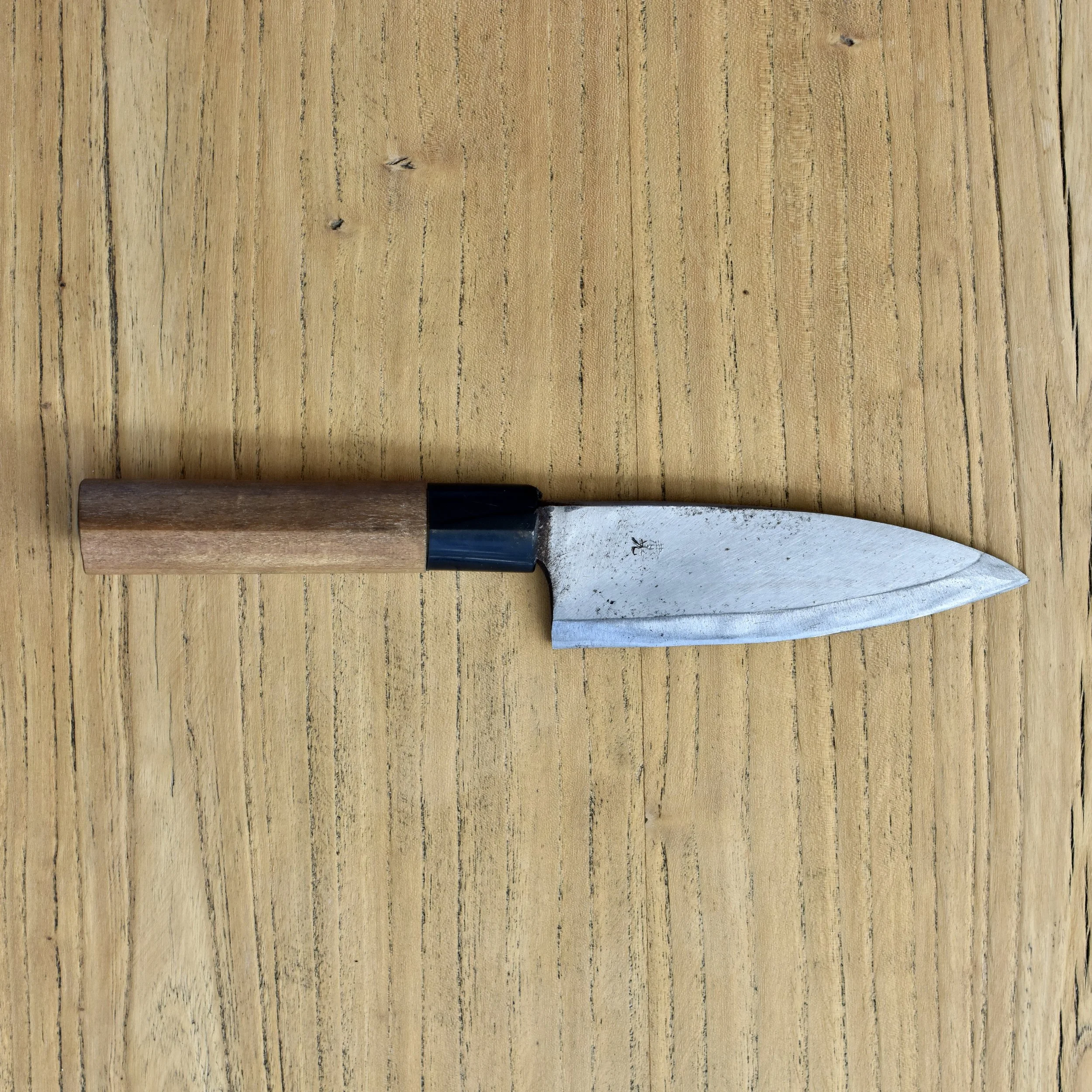
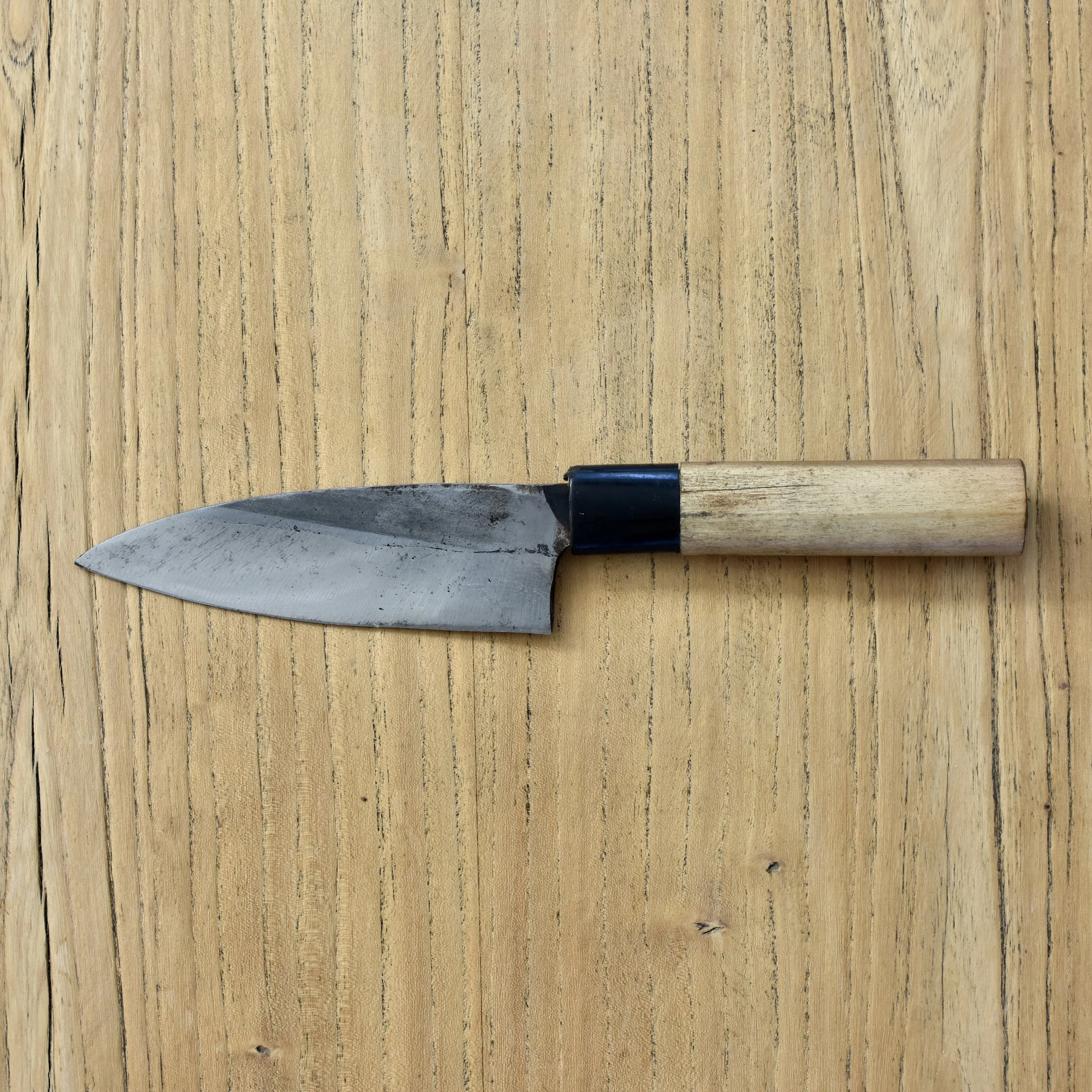
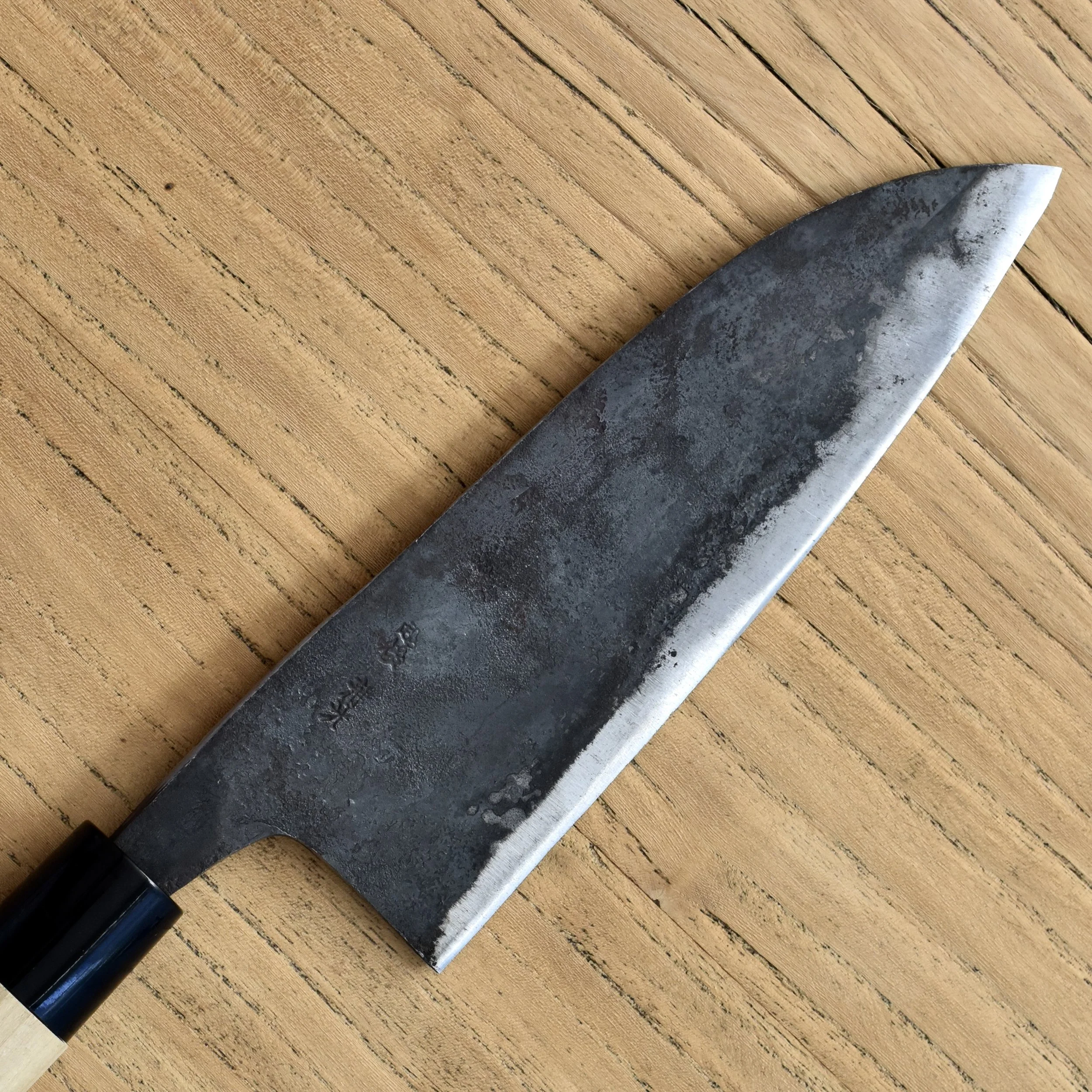
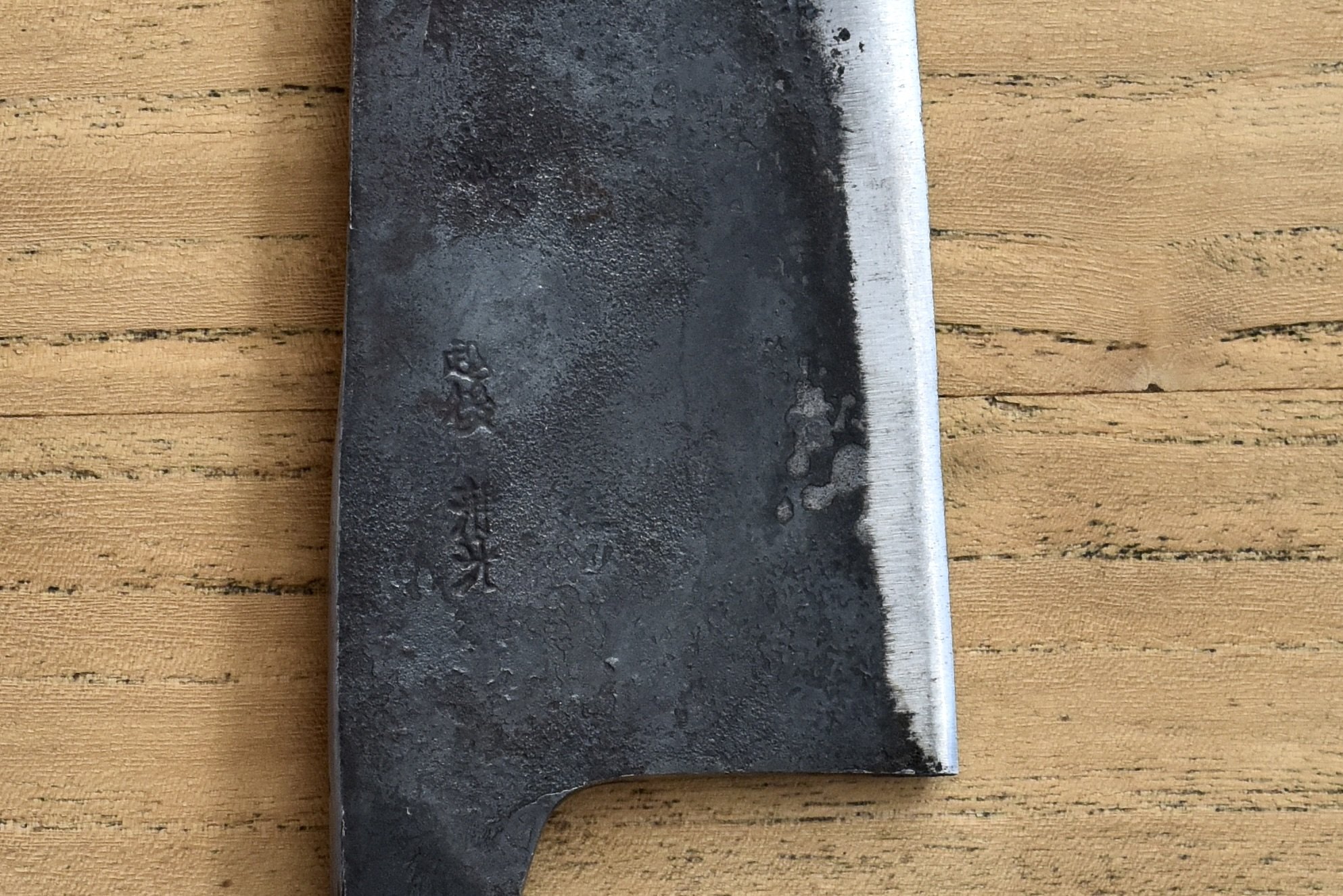
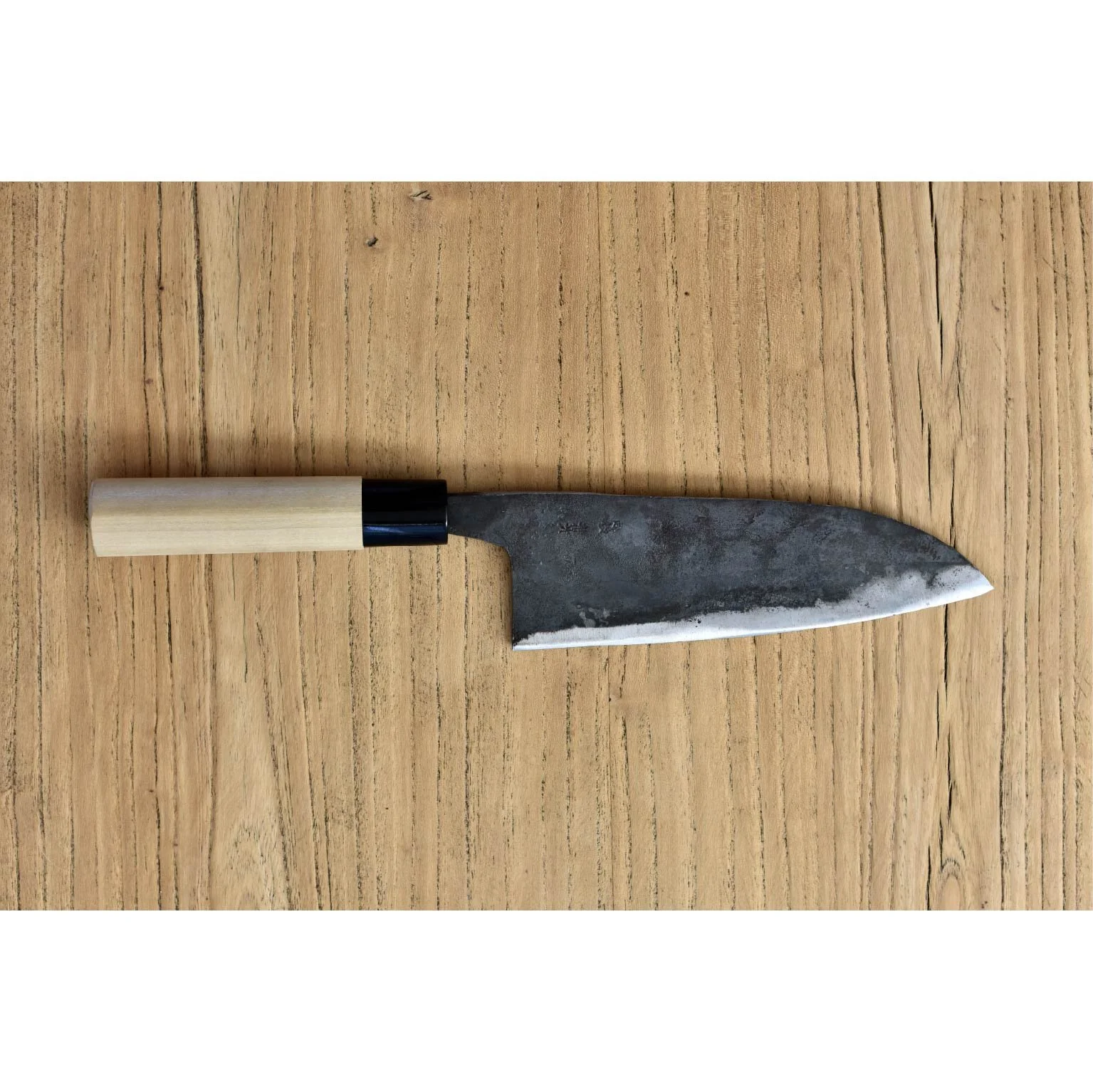
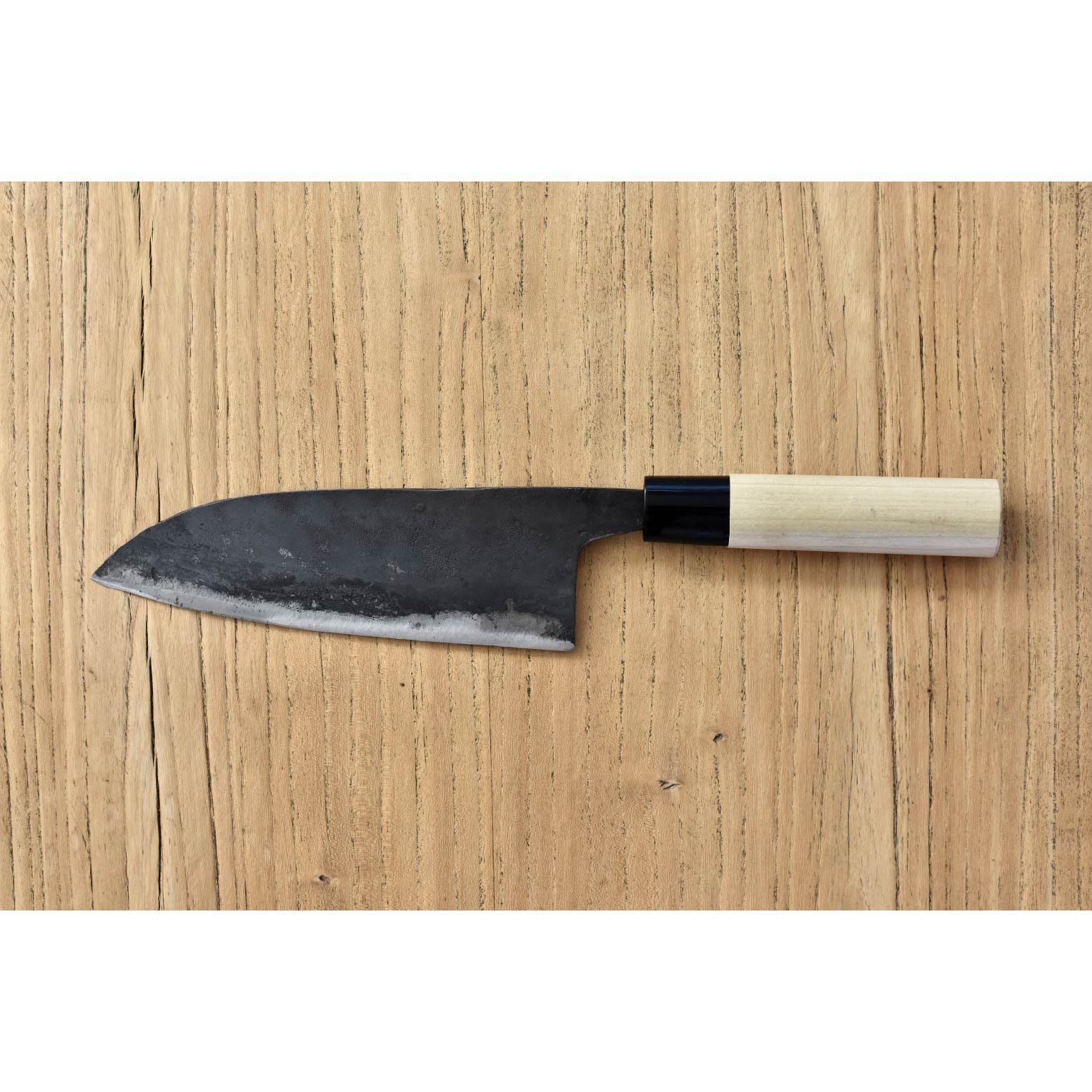
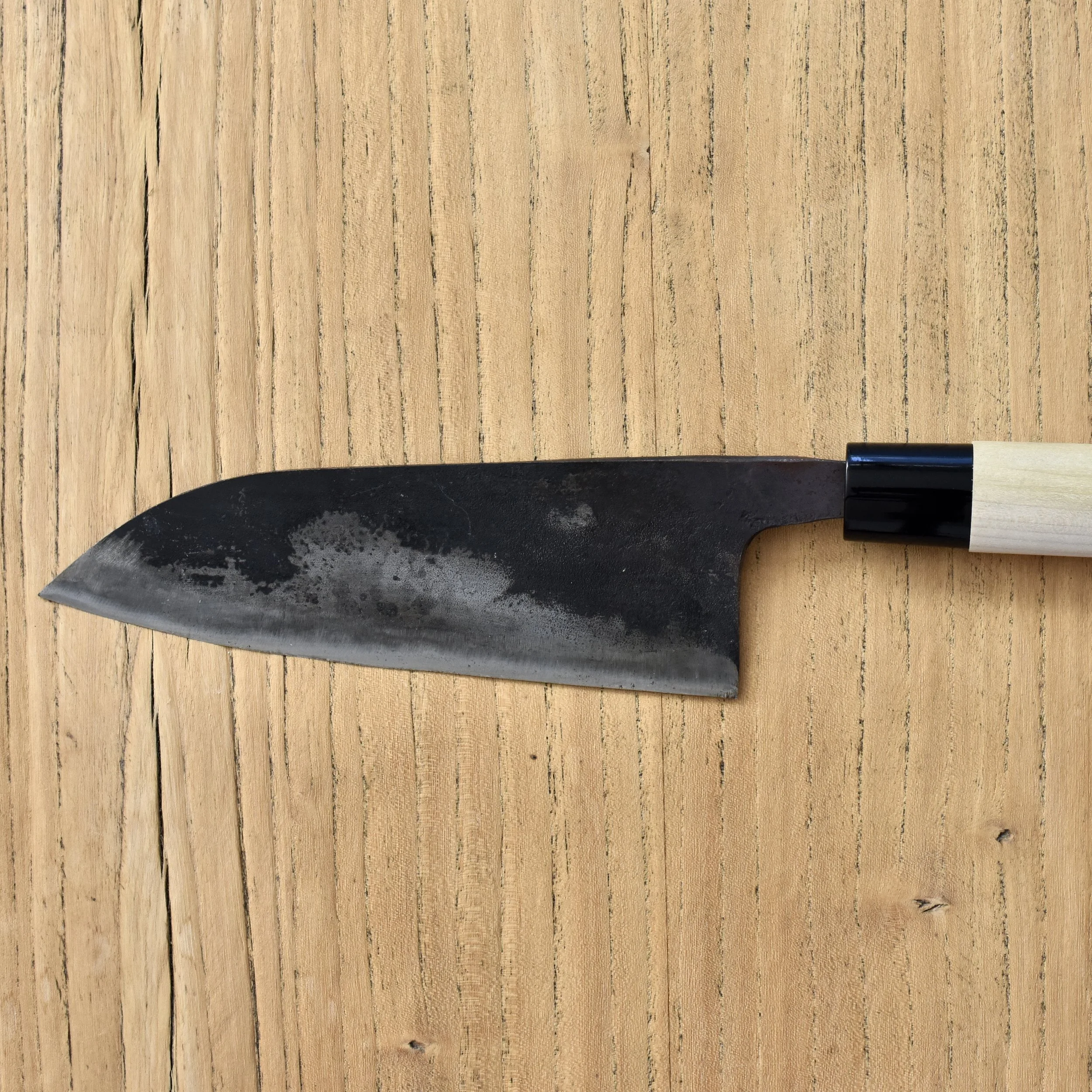
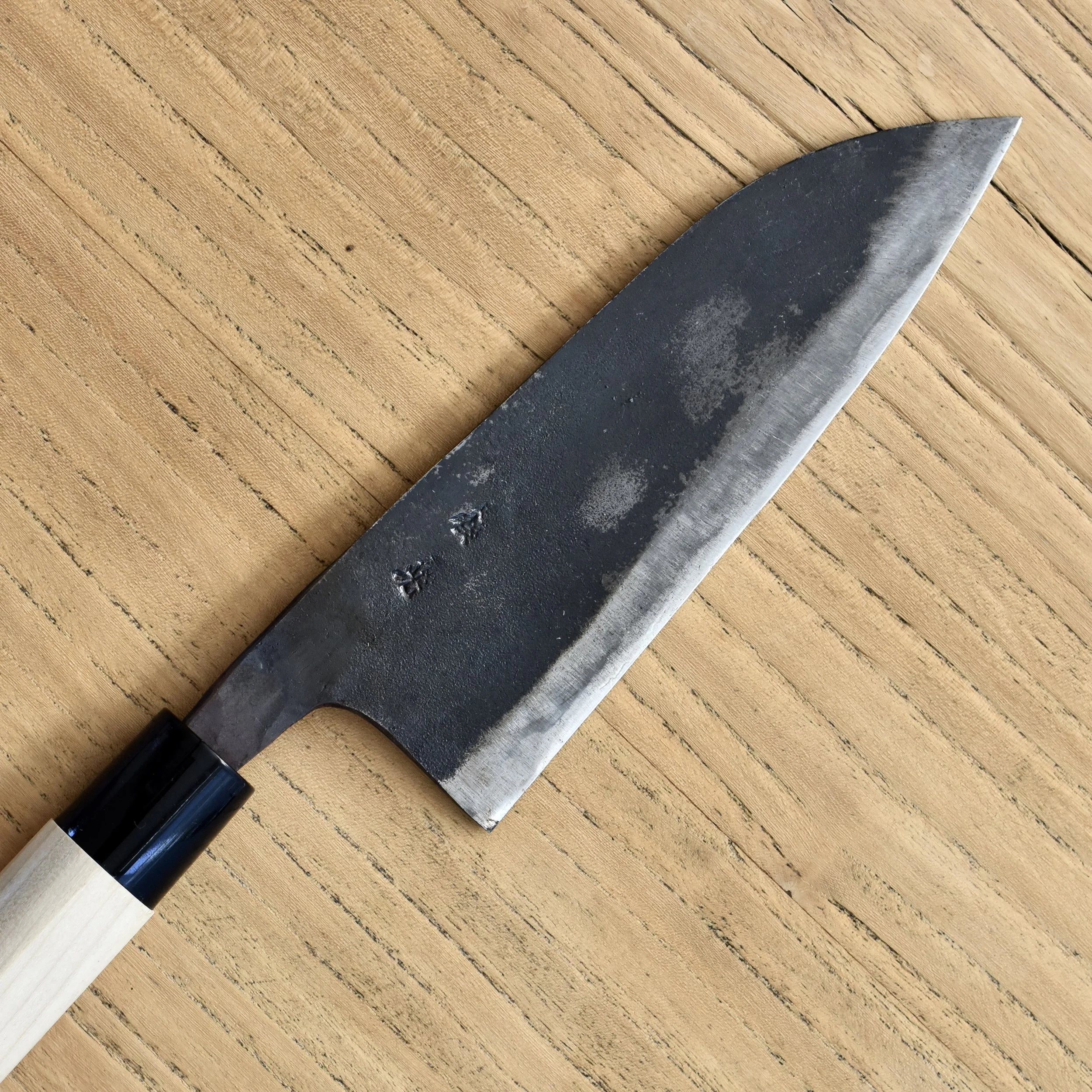
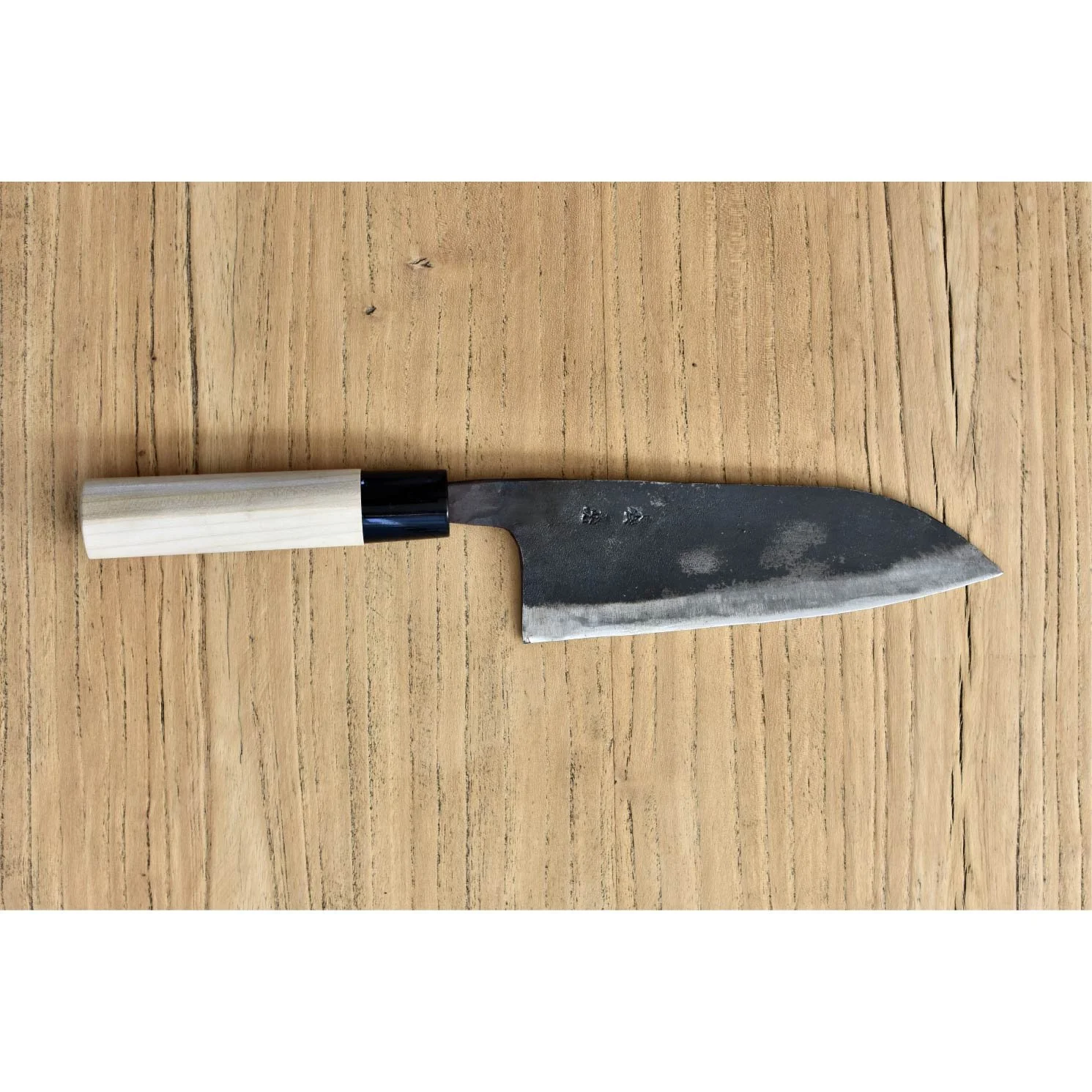
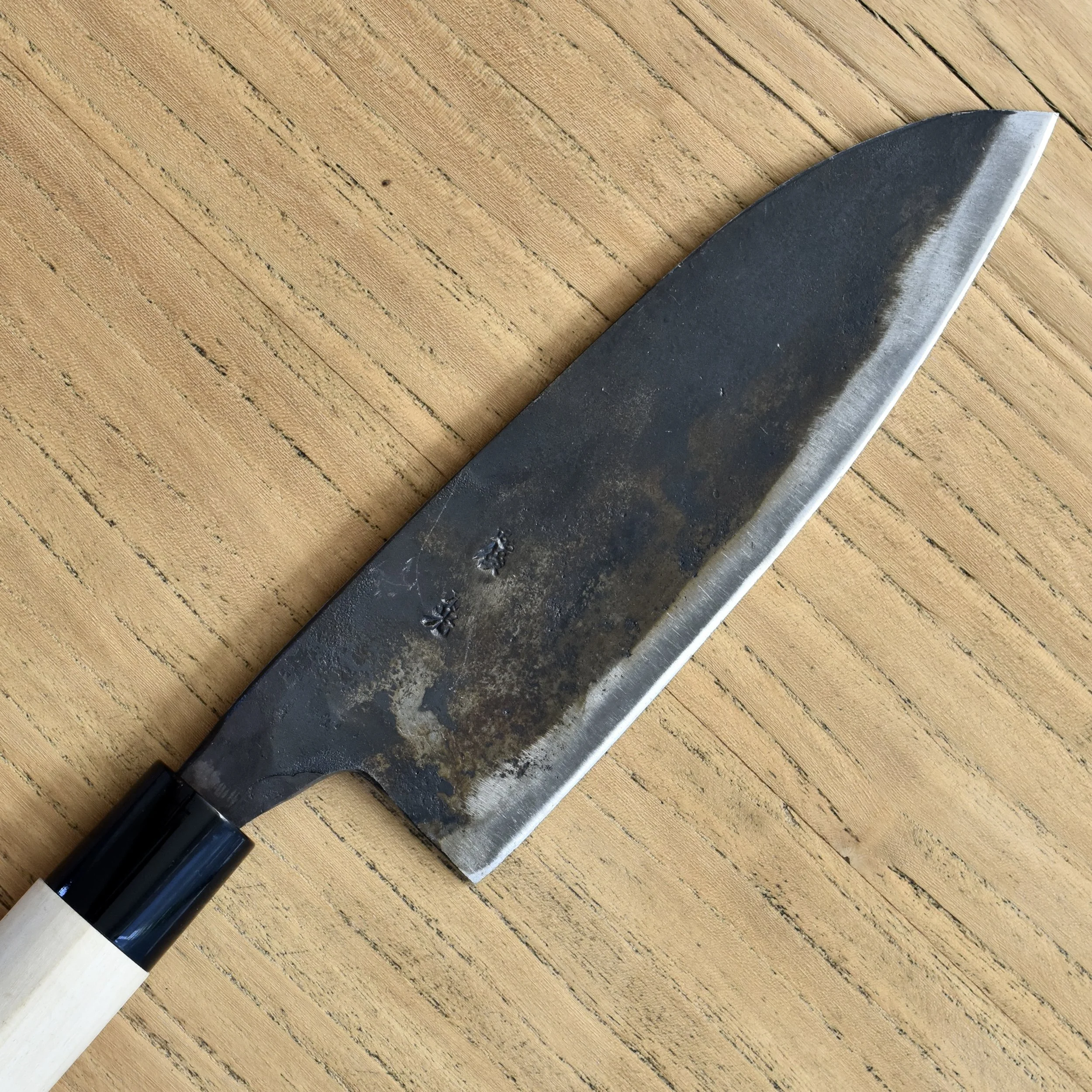
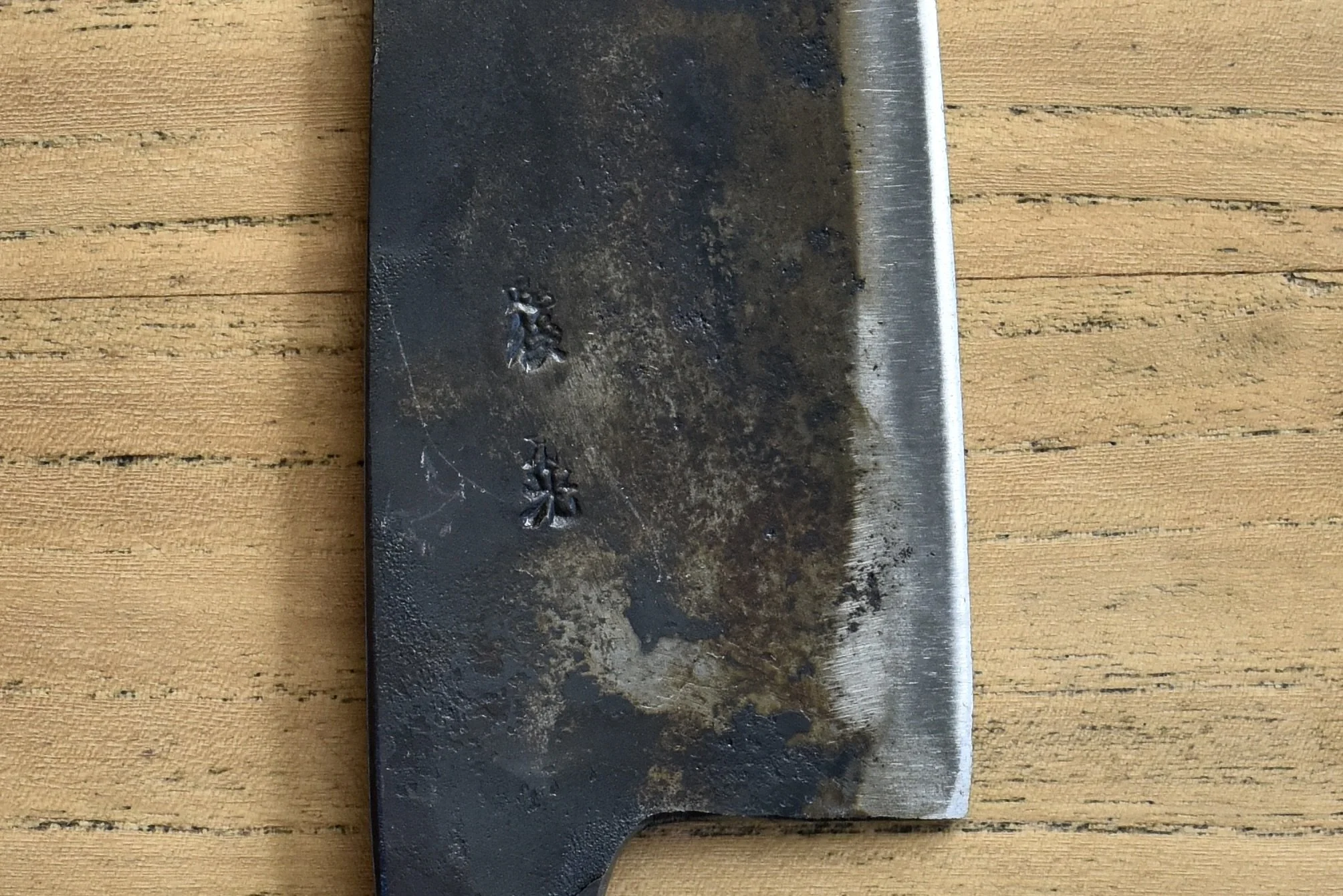
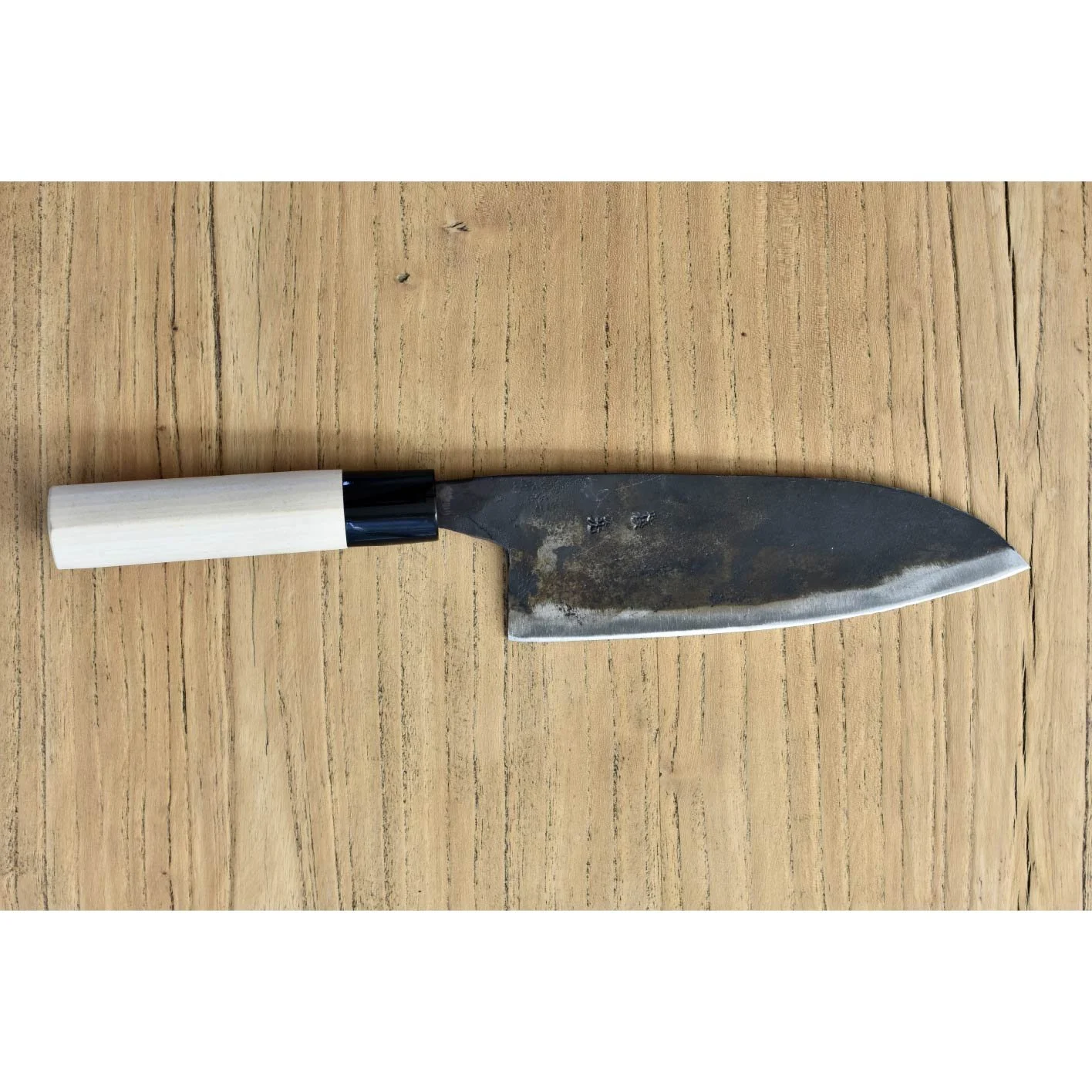
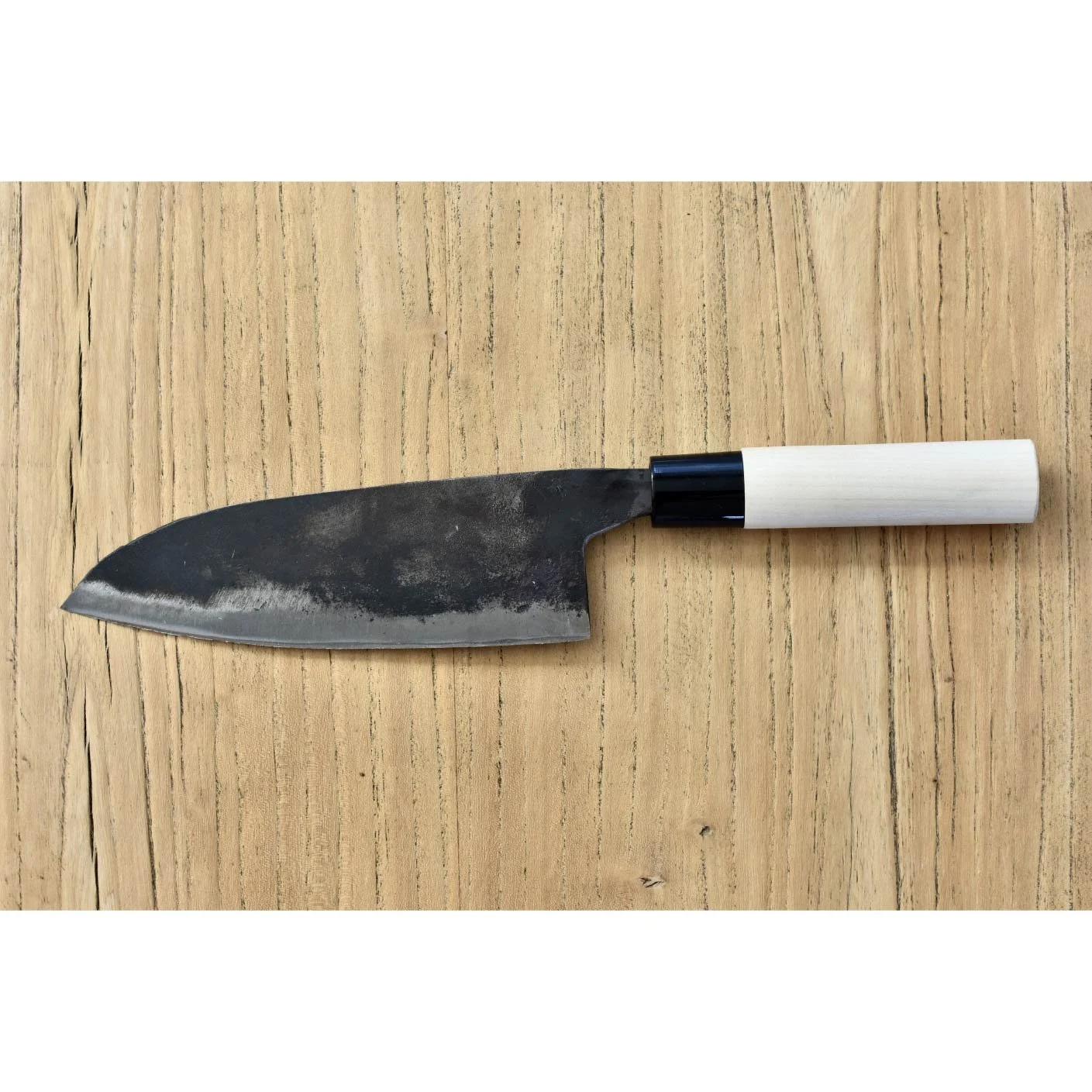
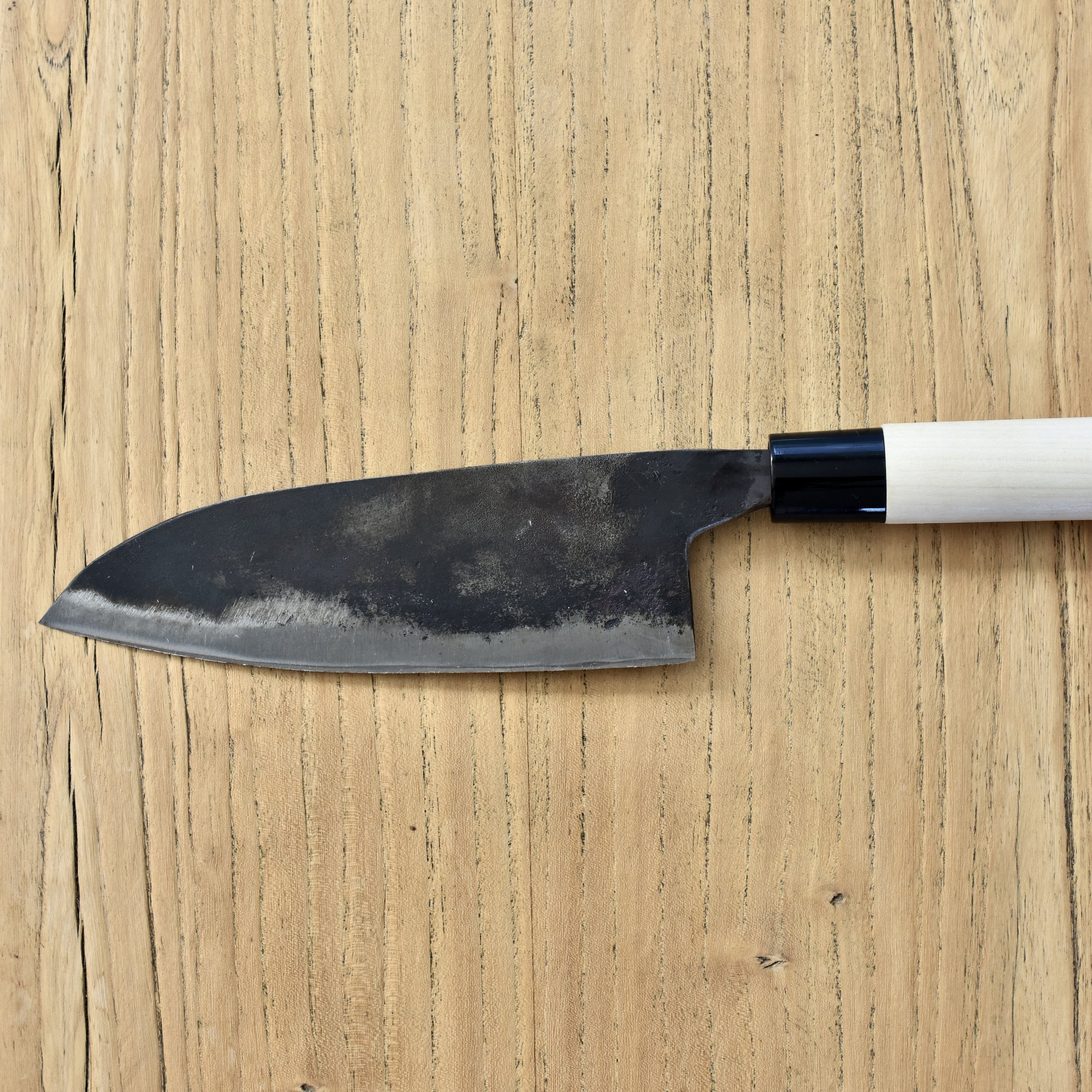
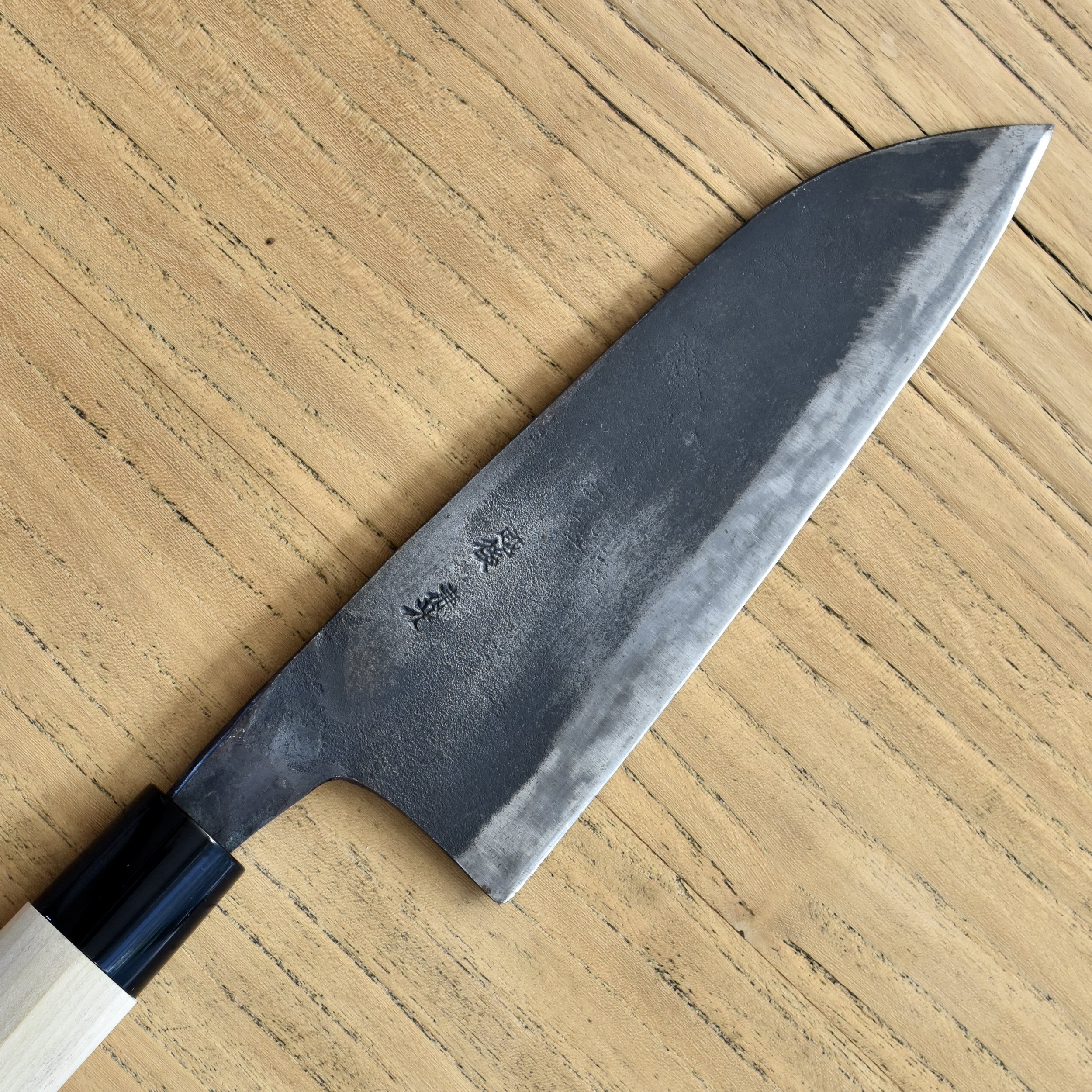
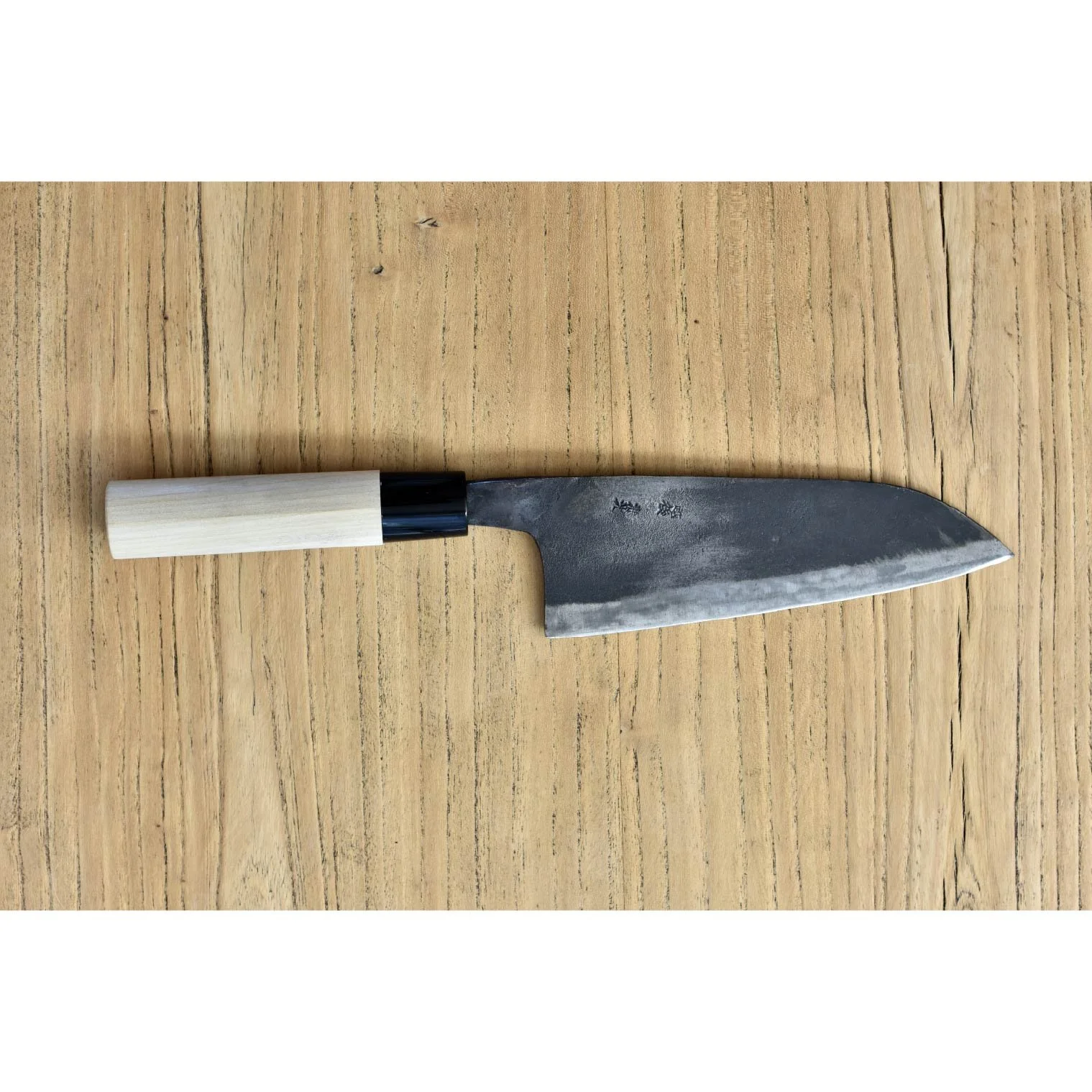
Style: Deba
Blade material: Carbon steel
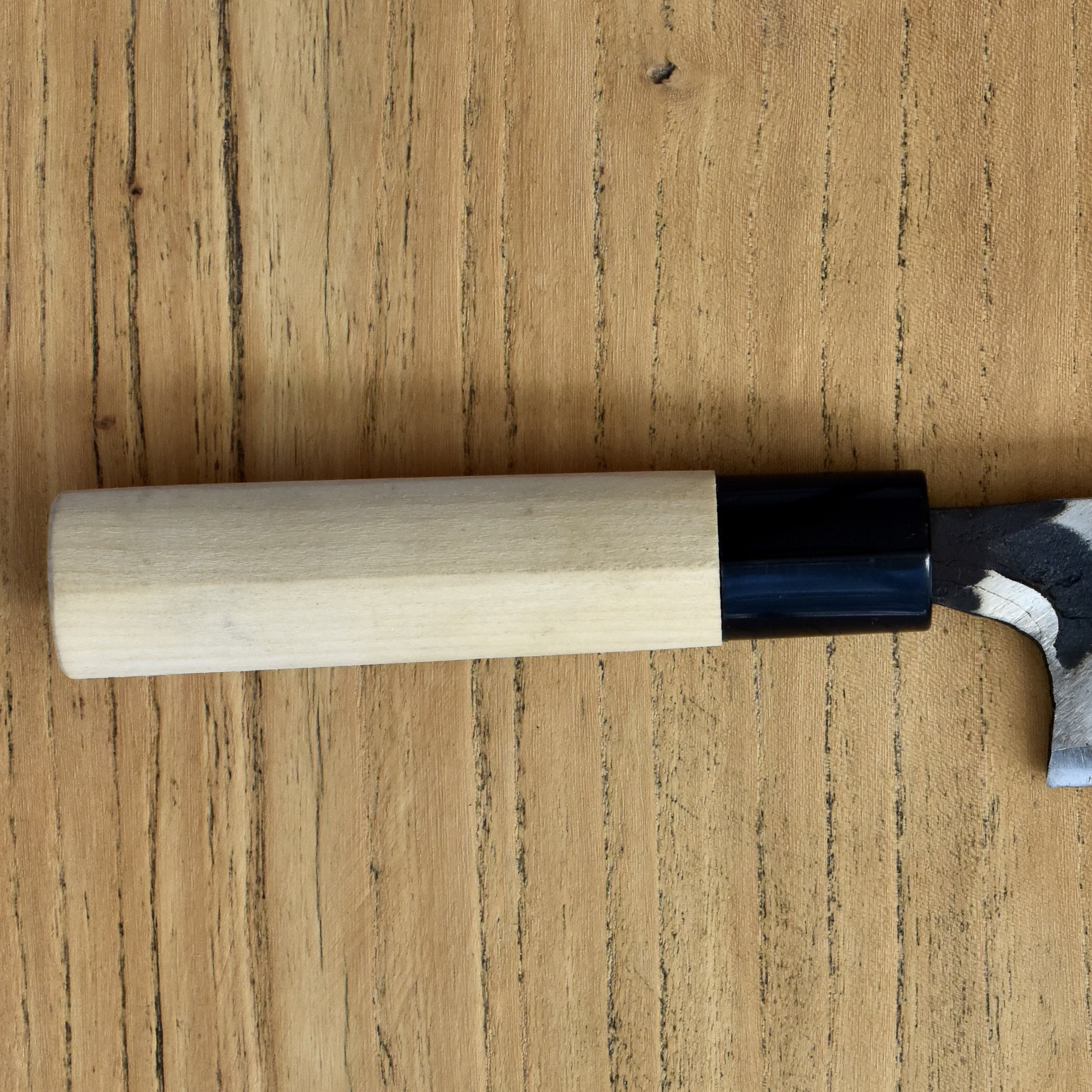
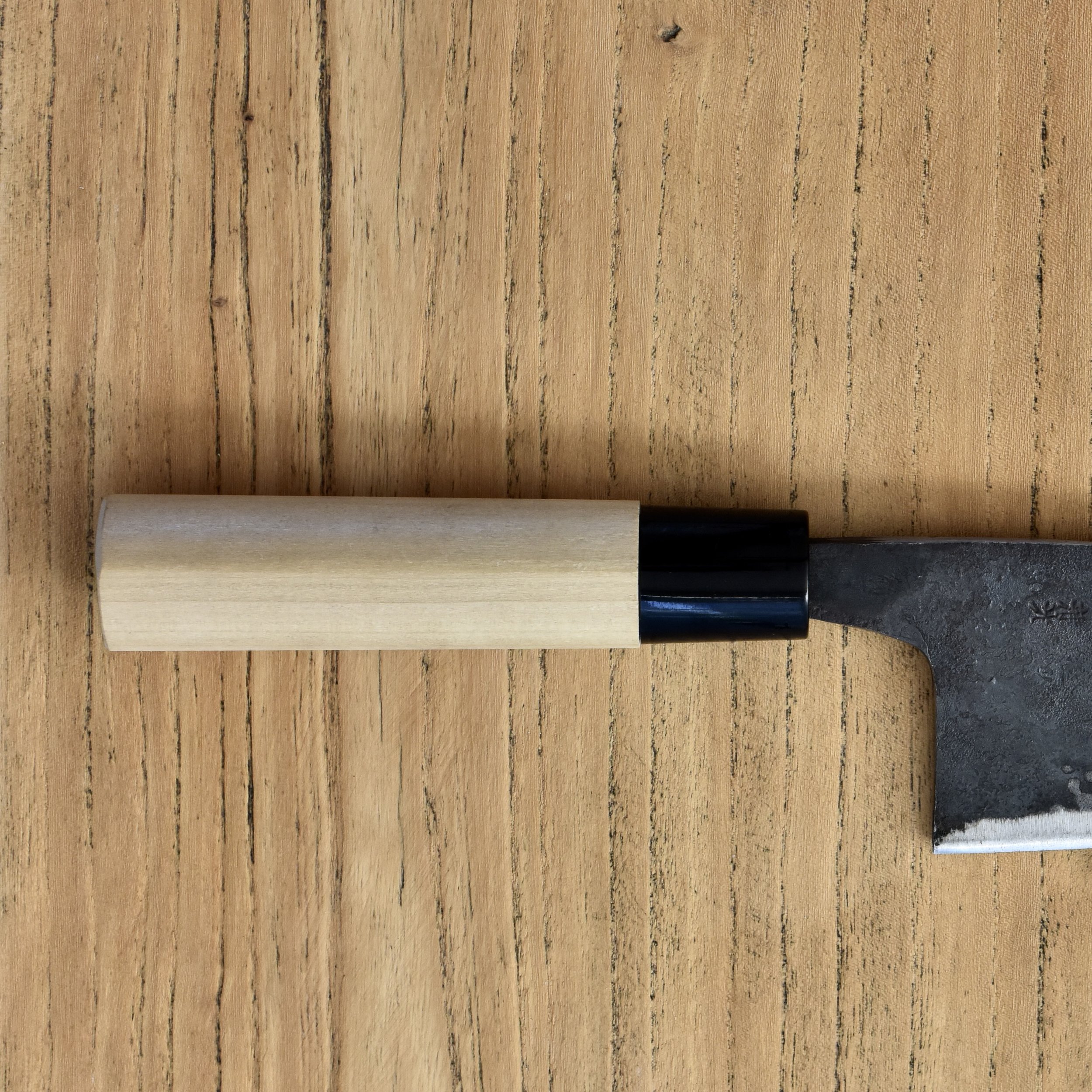
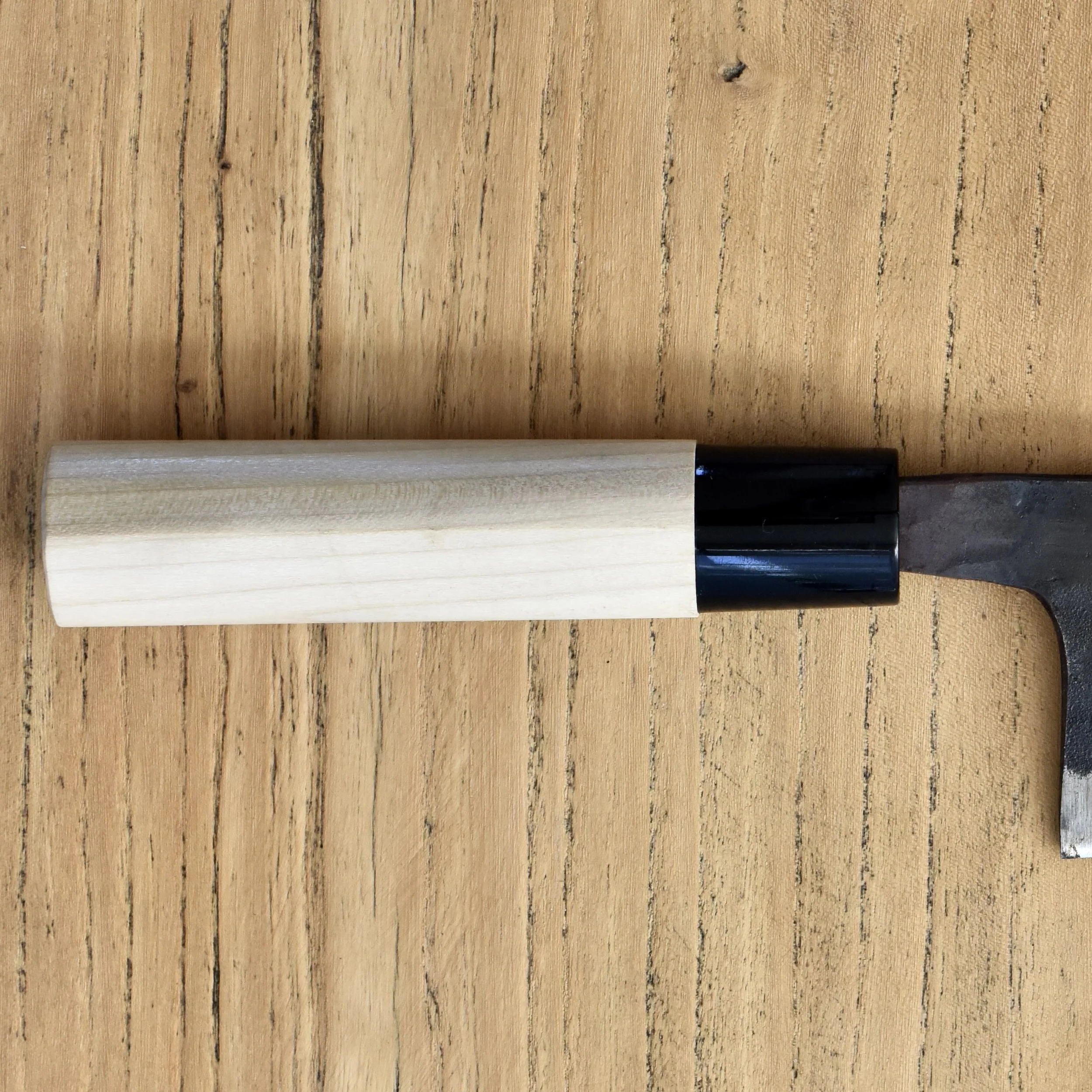
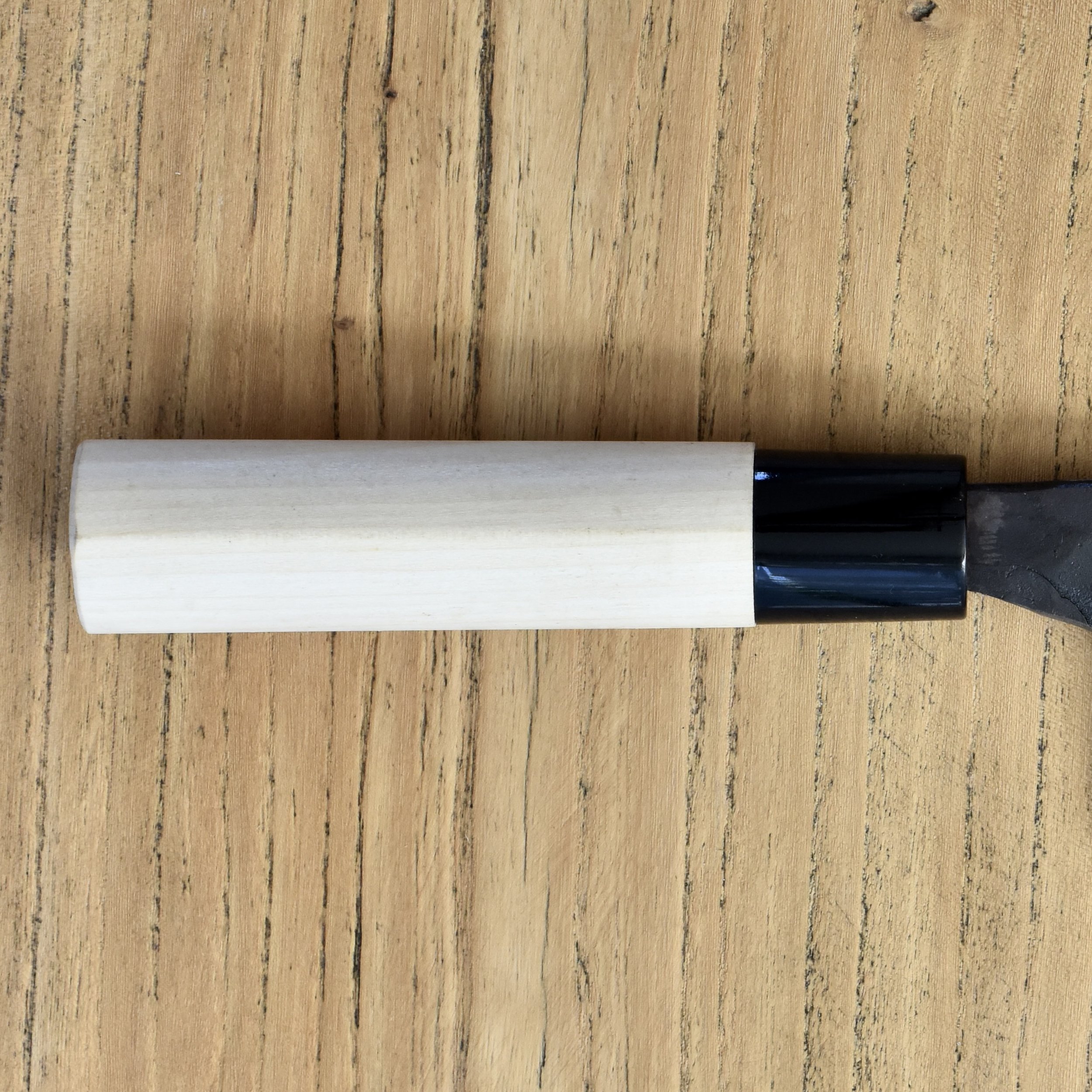
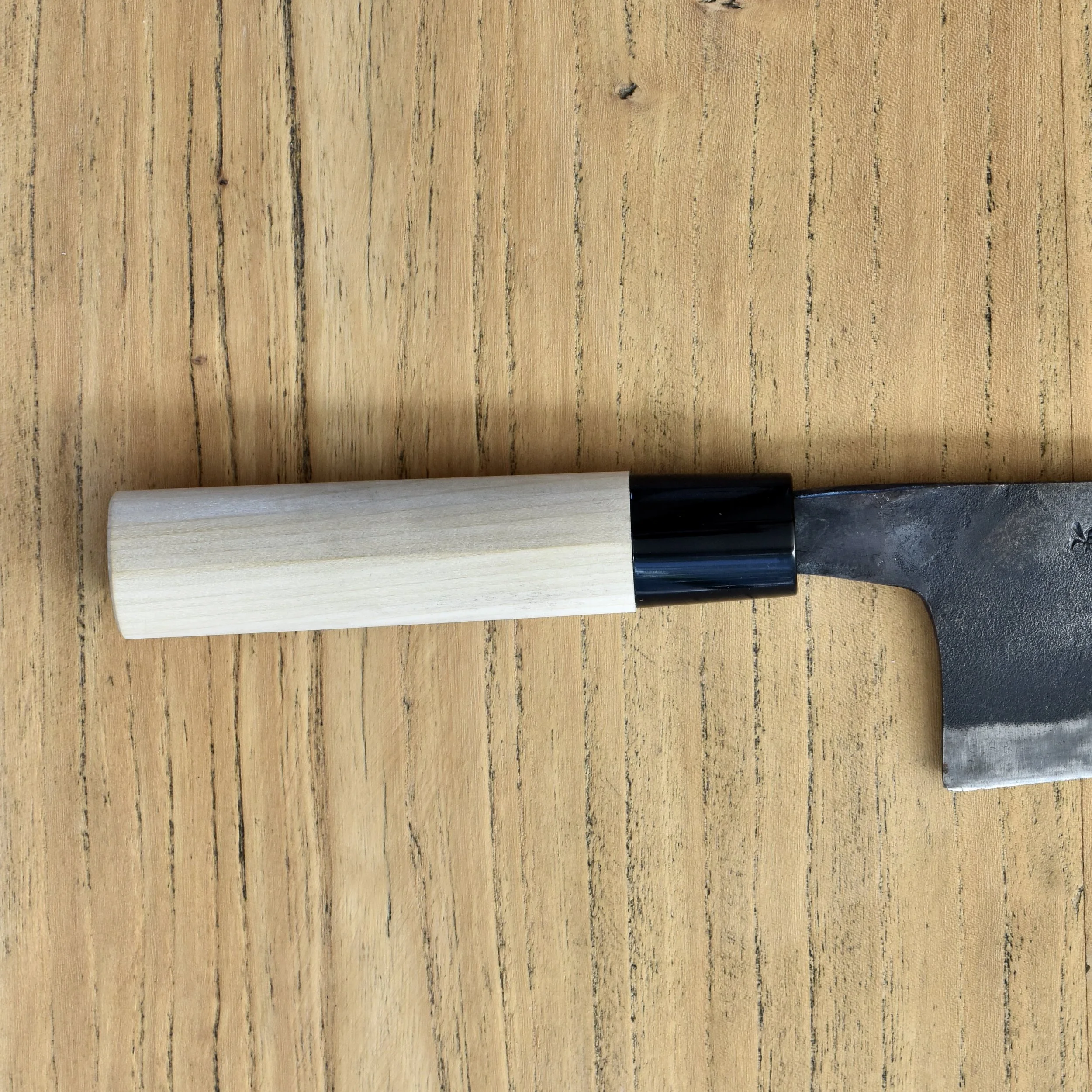
Handle: Wood
Blade length: 17 cm
Knife weight: 173 g
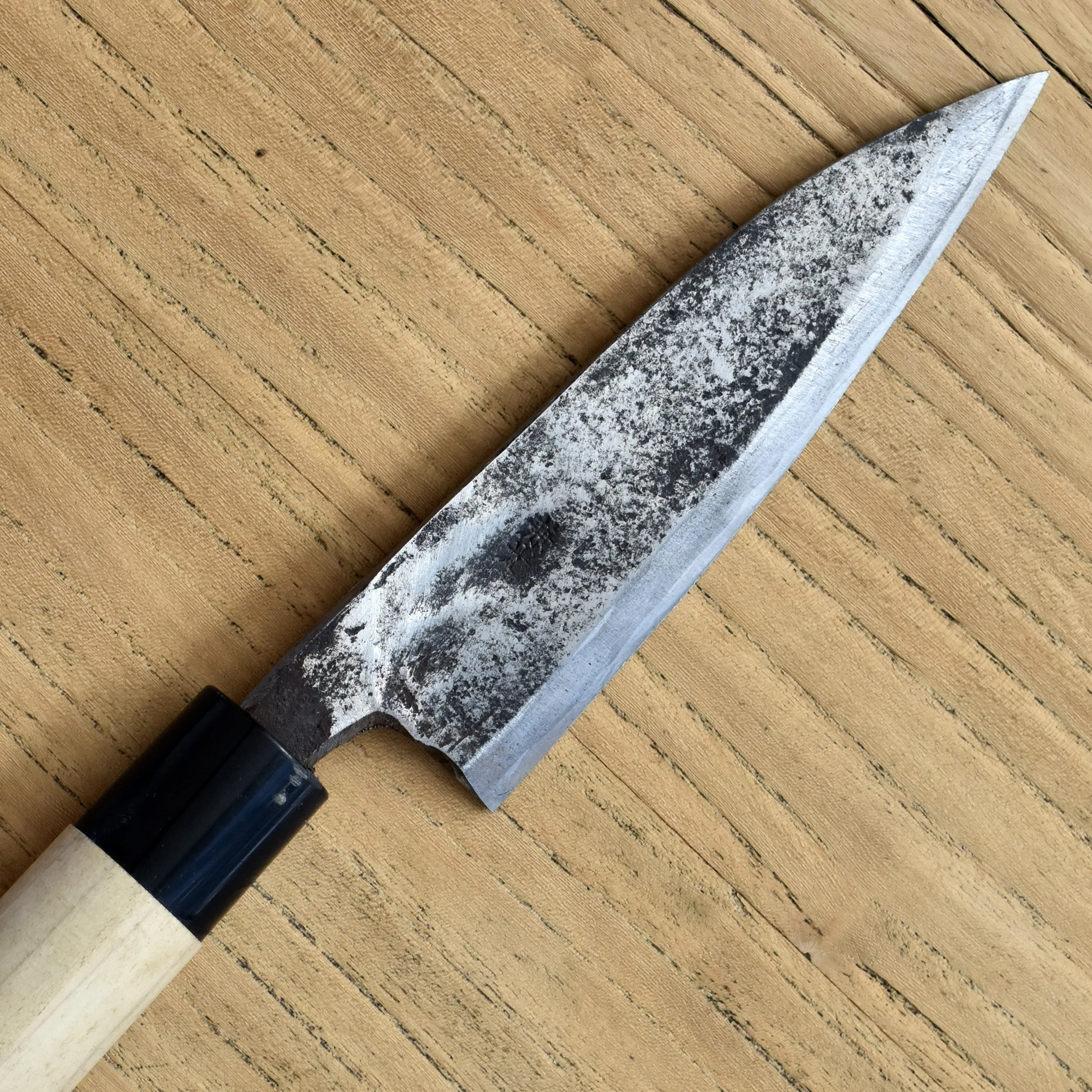
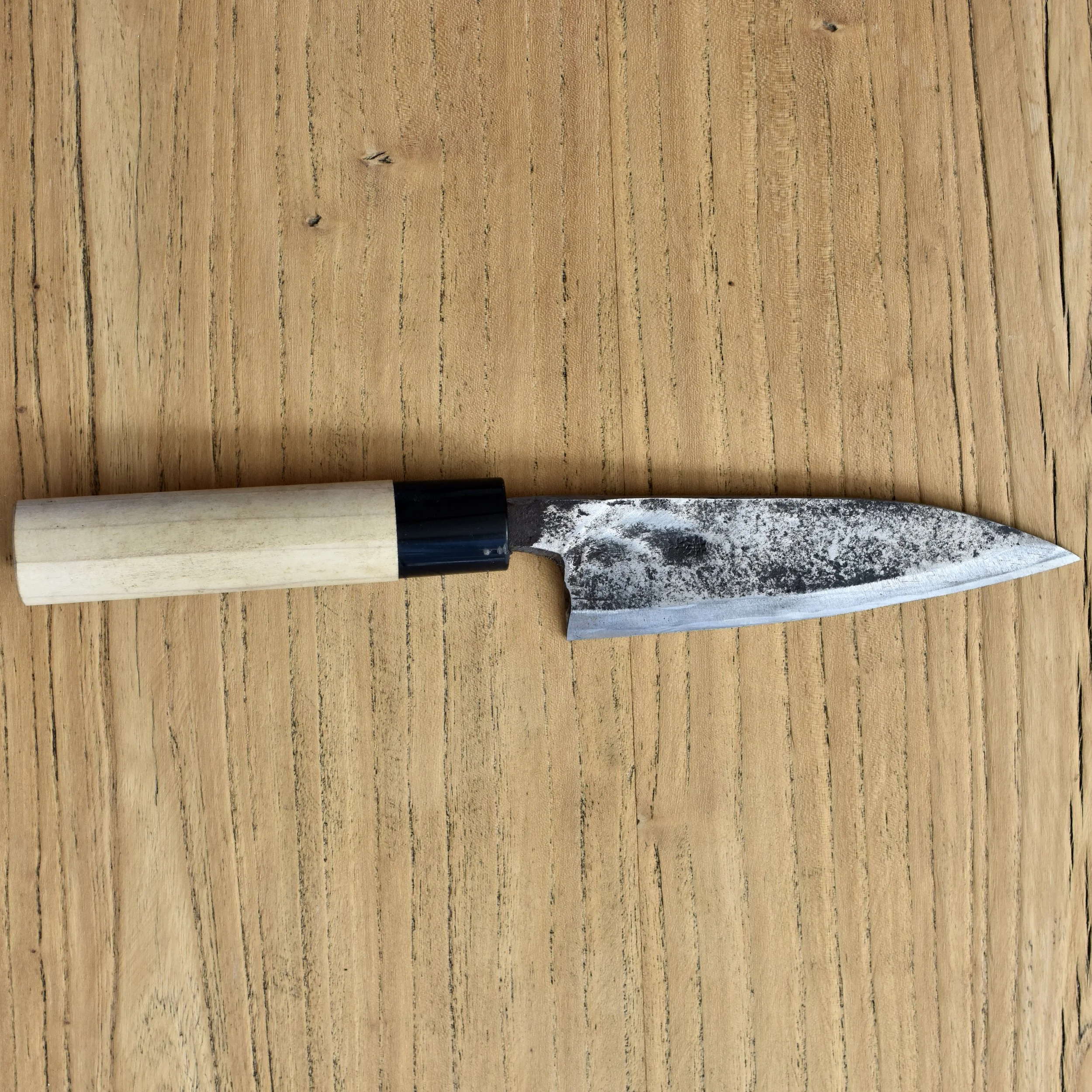
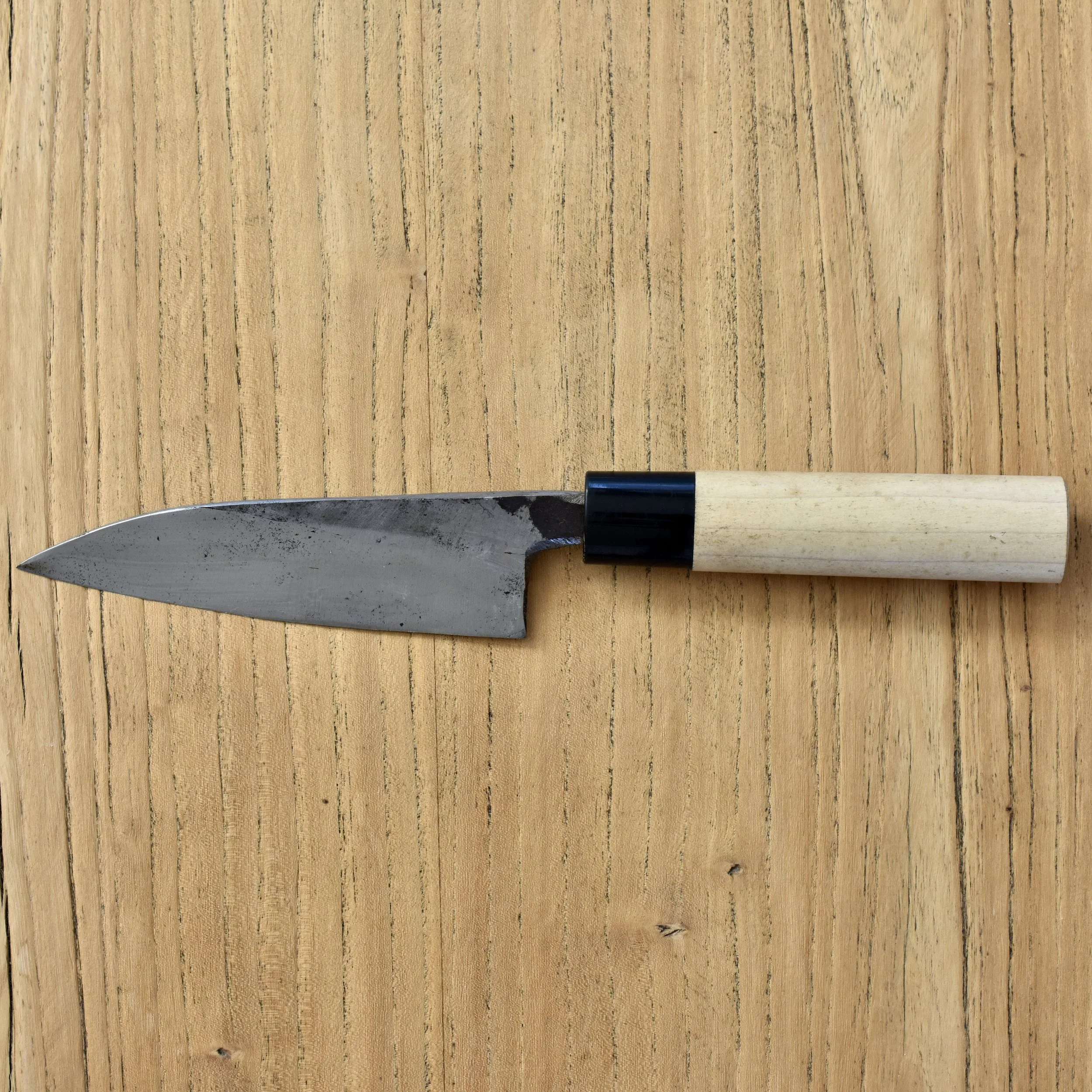
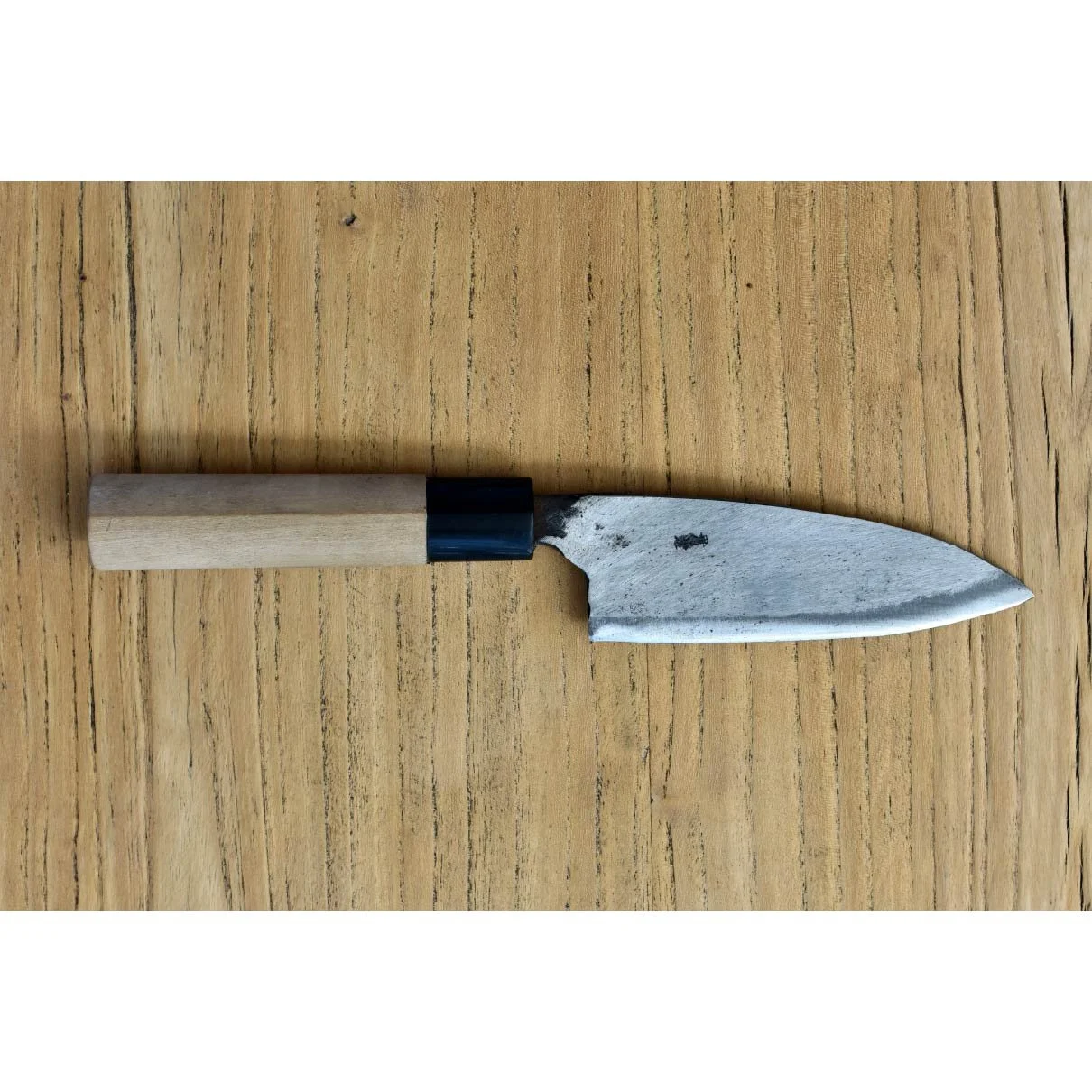
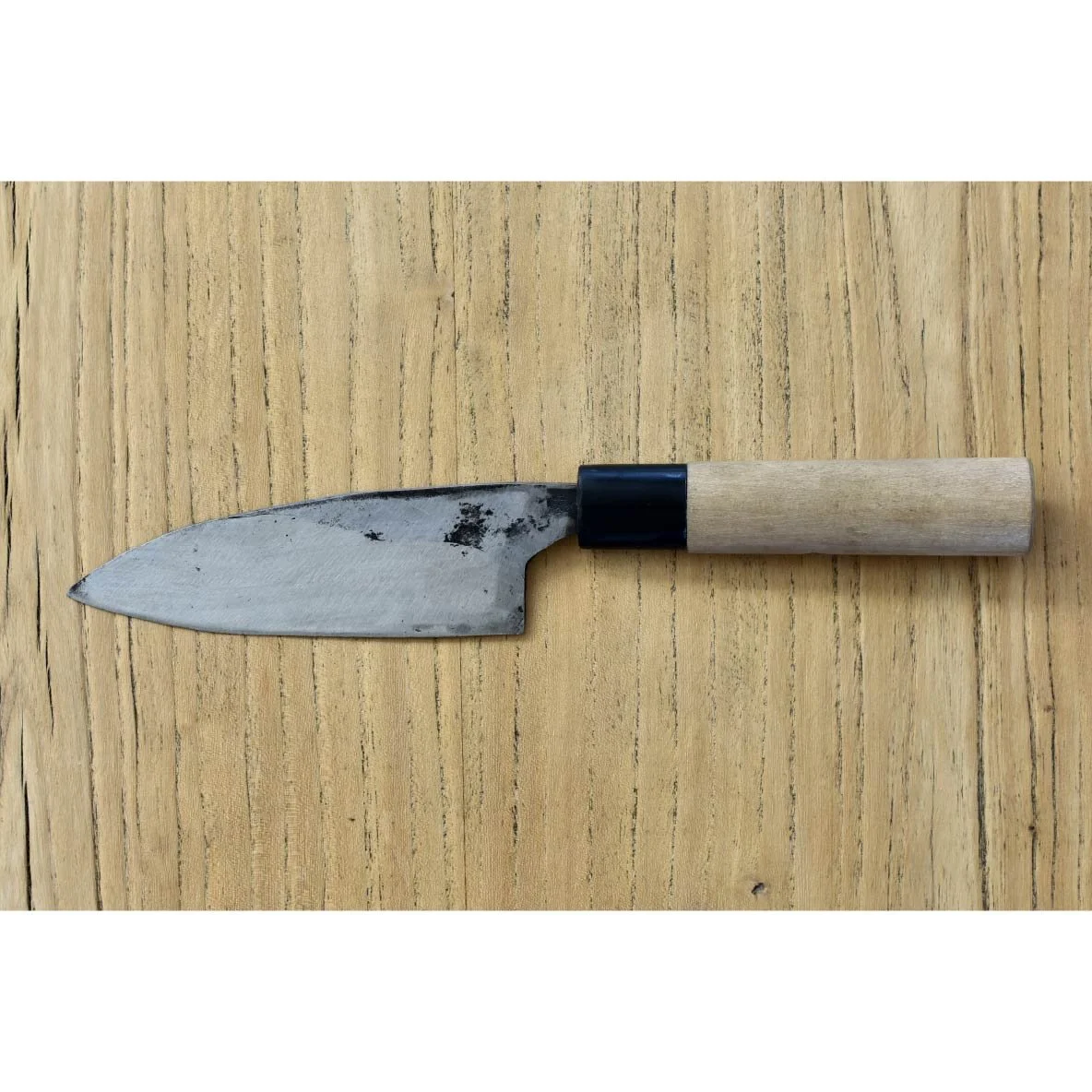
The deba is a powerful knife used for preparing fish. The blade is thick and sturdy with a uniquely curved profile that allows it to cut through fish bones with precision and control. This knife can also handle poultry and other meats with small bones. It is simultaneously sharp for delicate cuts and professional-grade filleting.
Carbon steel knives offer unmatched sharpness, cutting performance, and edge retention. Together, the Nakiri, Deba and Santoku form the ultimate kitchen trio, covering every essential task with timeless craftsmanship designed to last generations.
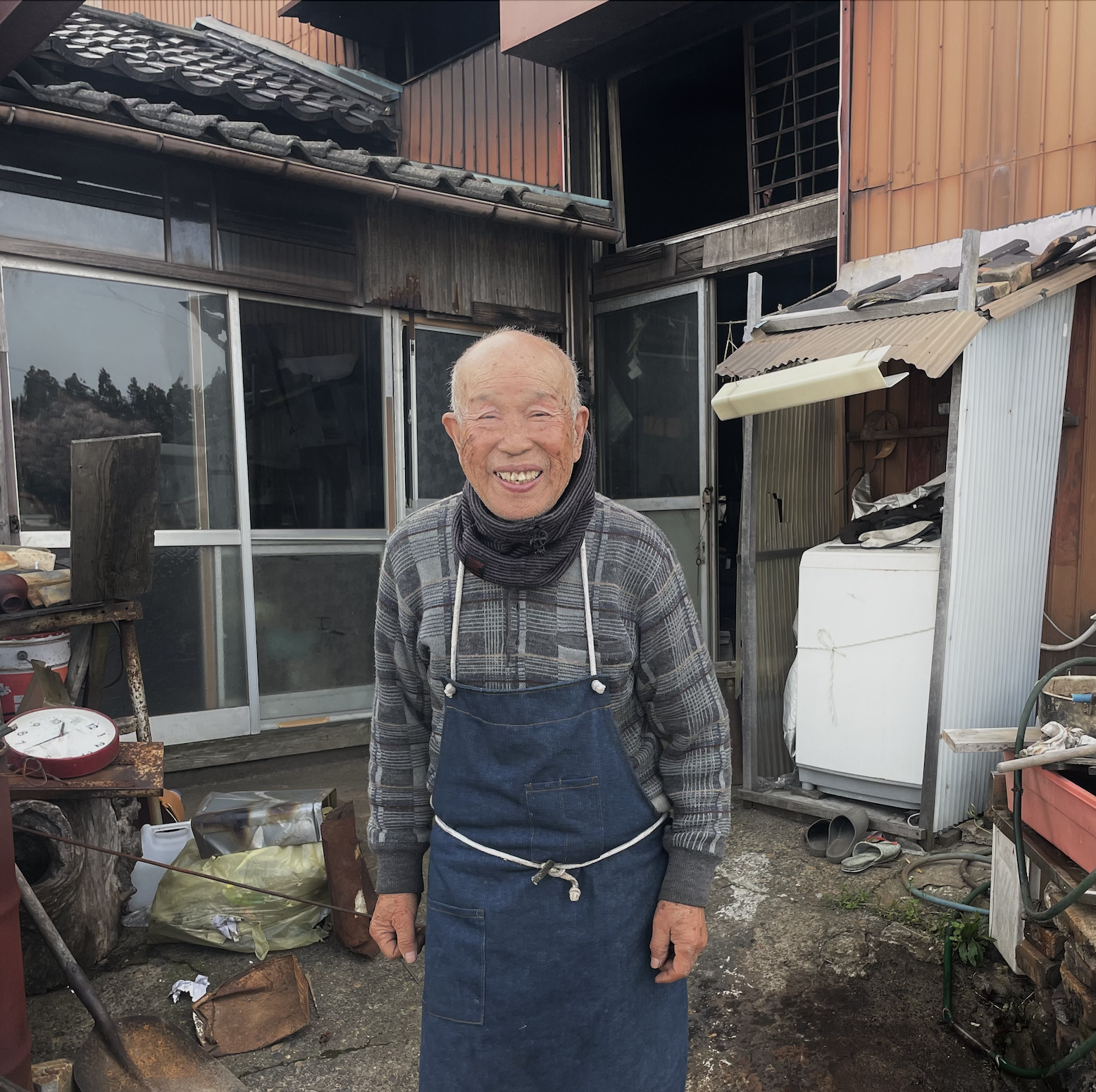
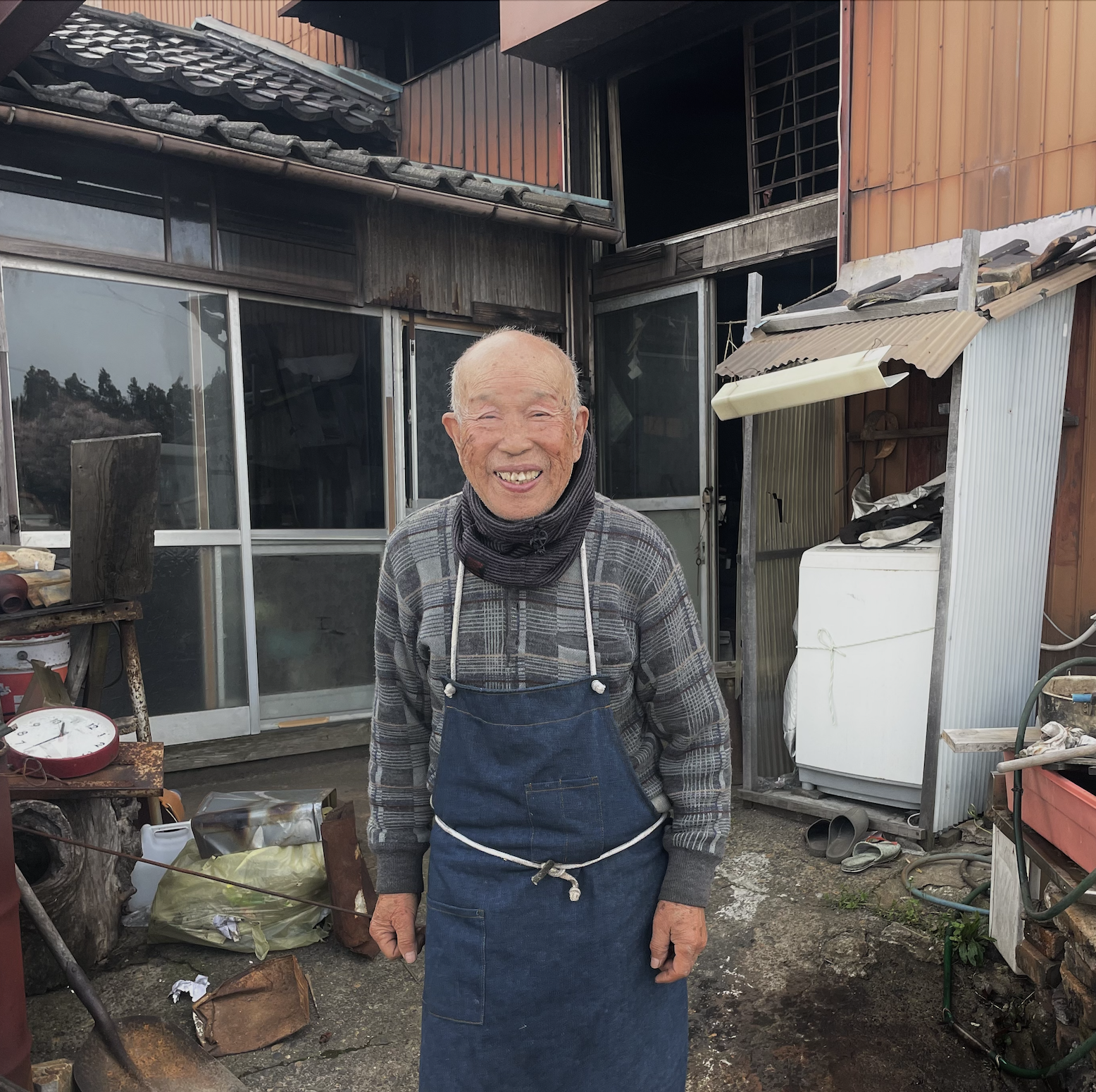
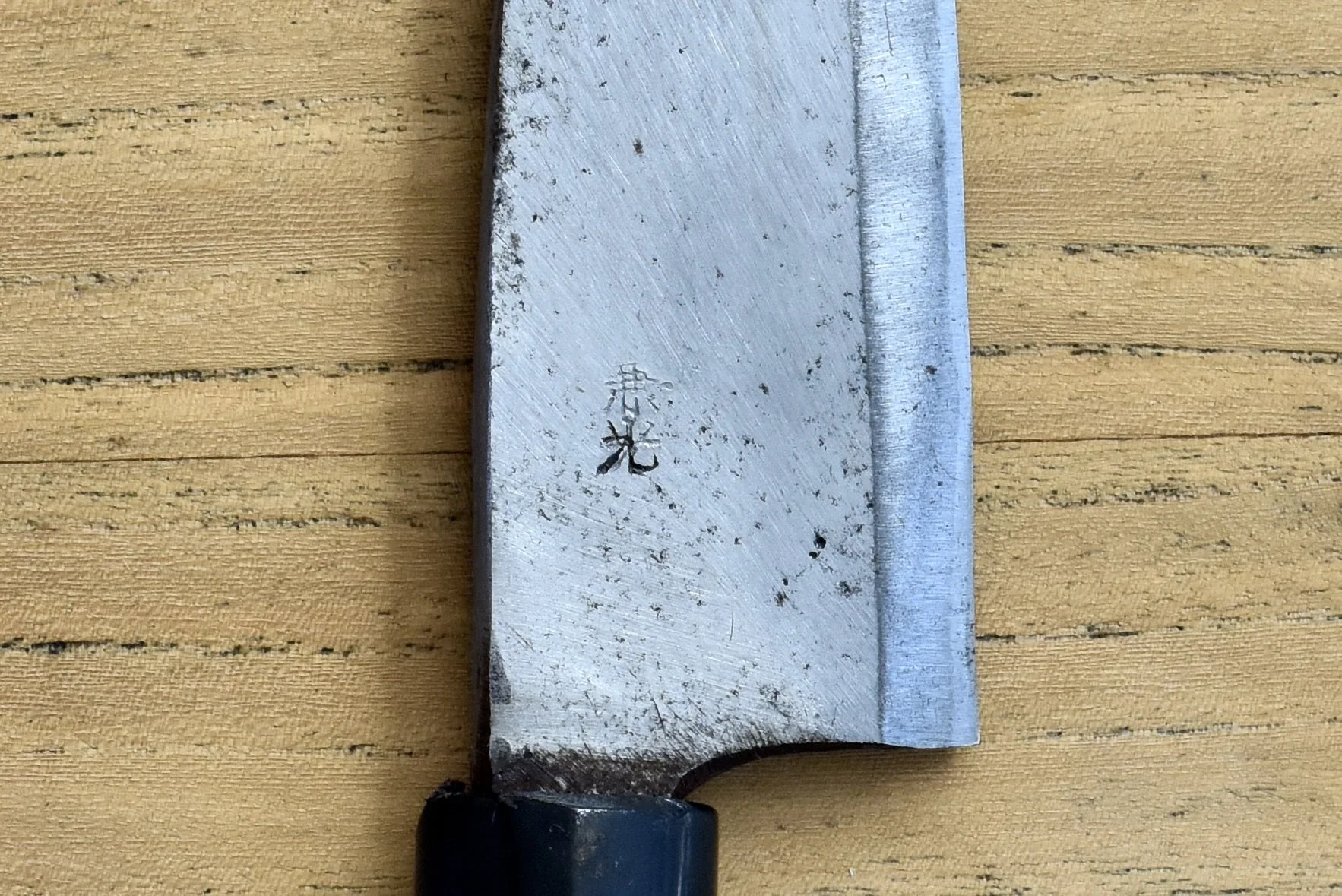
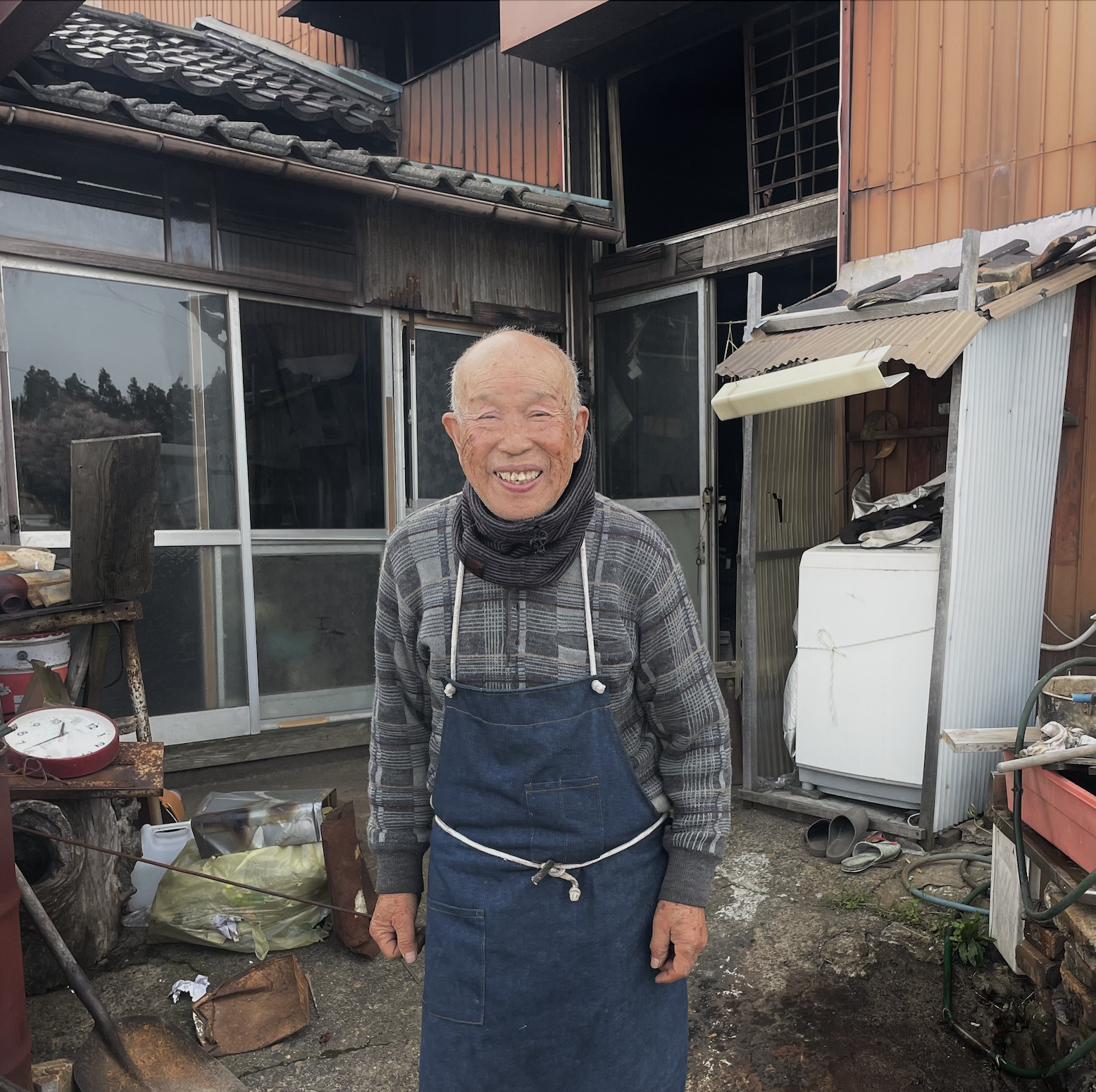
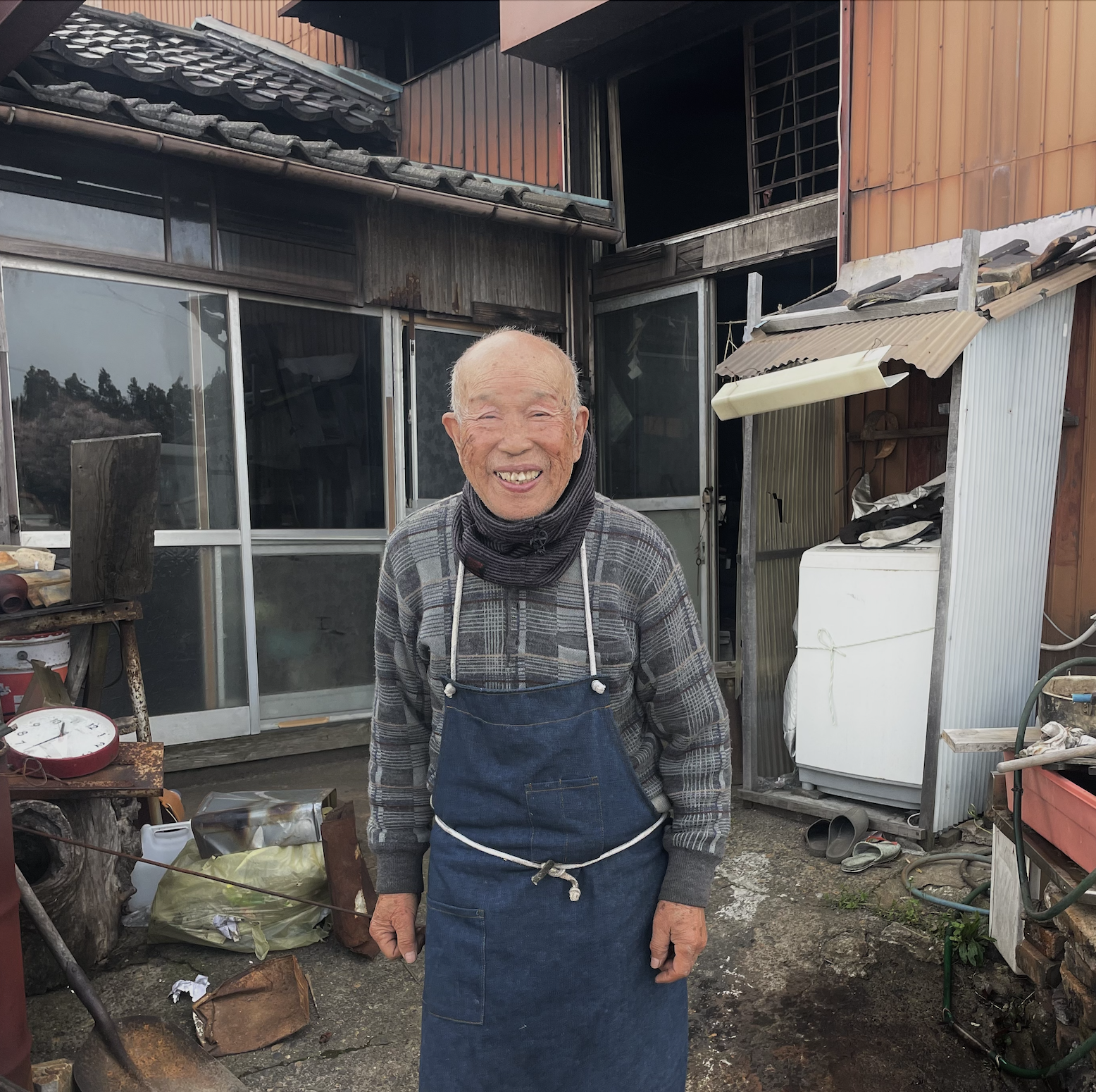
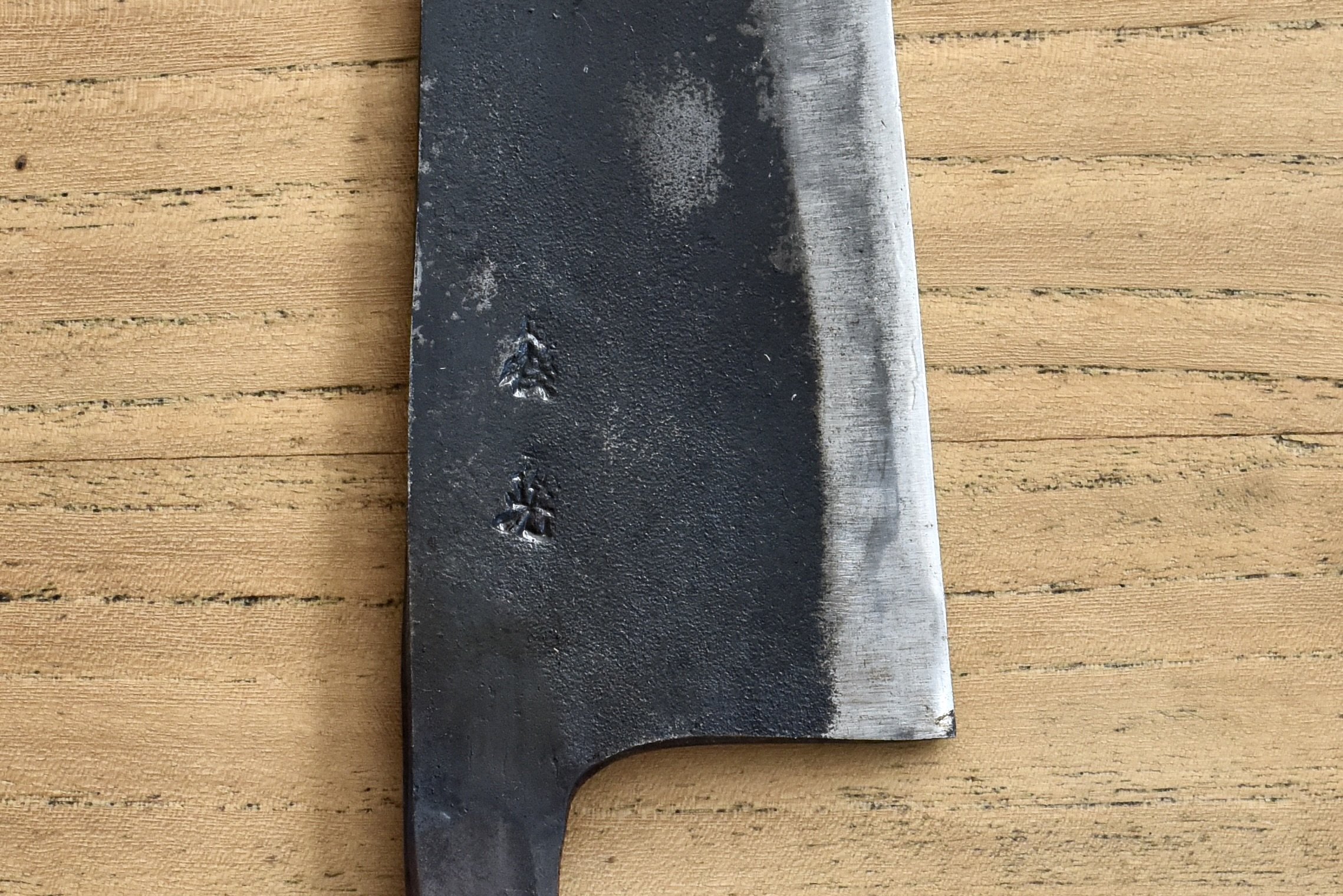
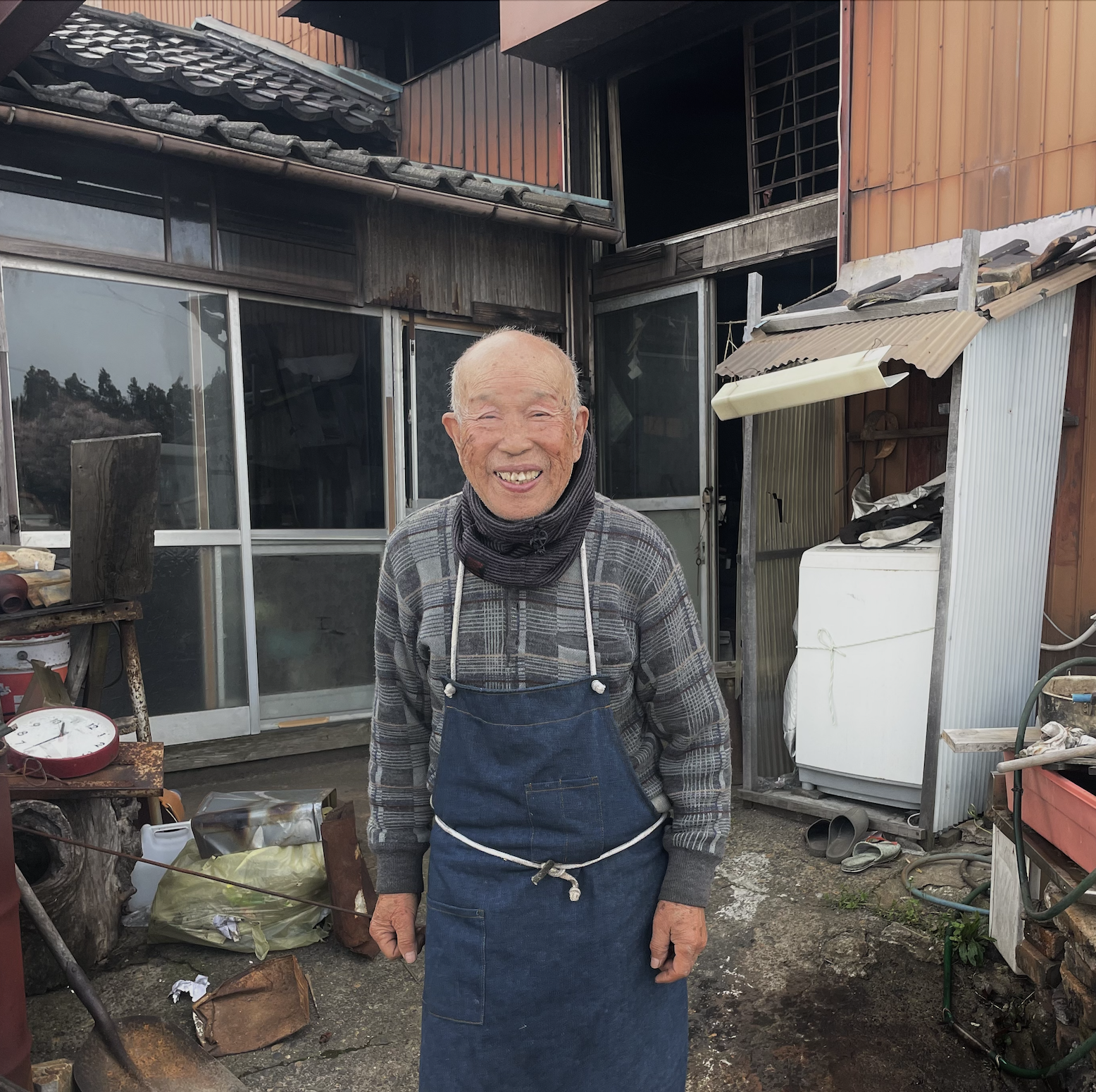
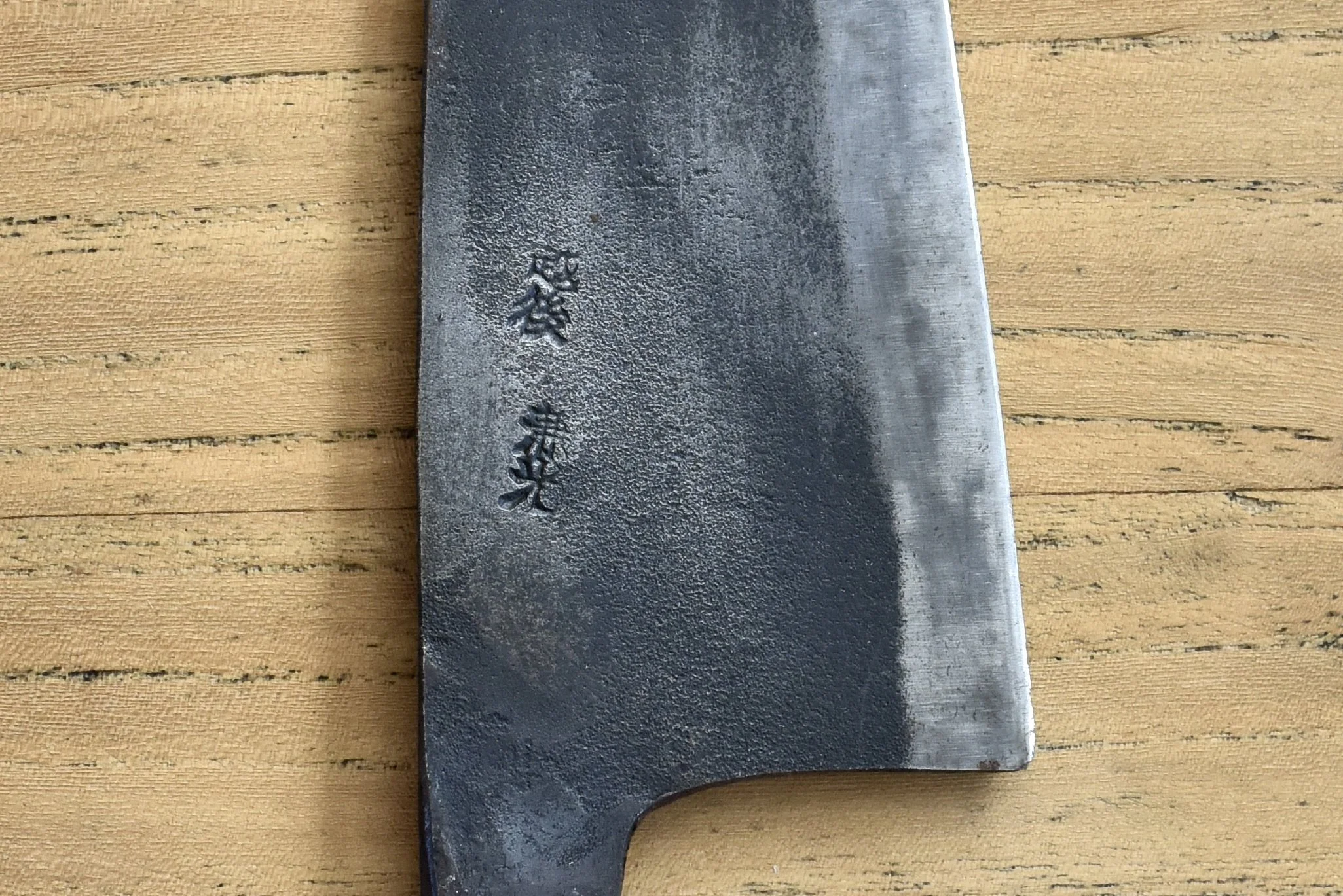
Kanemitsu (兼光) is a 93-year-old blacksmith from the Niigata prefecture in Japan. His workshop is in an old wooden school, surrounded by rice fields. Here, he hand-forges carbon steel kitchen knives and sickles. He is also one of only two swordsmiths in the region and has licenses to both forge and use a katana. He uses century-long techniques that have been passed down for generations, without the use of any modern technology. Forged and finished by hand, every knife has subtle variations with no two blades being alike. With no successor to carry on his workshop, each piece becomes part of a limited body of work. Kanemitsu now wishes to share his life’s work with a global audience for the first time.
Cleaning - Carbon steel is prone to rust, so hand-wash and dry directly after use. The knives are NOT dishwasher safe.
Rust - Store the knife lying flat or attached to a magnetic strip (never in a knife block) in a dry place to avoid rust. If rust appears, remove with a rust eraser or oil.
Sharpening - Sharpen with a whetstone. Due to their edge retention, they do not need sharpening often.
Chipping - Use a soft plastic or wooden cutting board and avoid cutting frozen items or thick bones to protect the blade’s edge.
Patina - Patina is a natural protective oxidation of the carbon steel and is blue/grey in appearance. It is safe and protects the steel.
Style: Deba
Blade material: Carbon steel
Handle: Wood
Blade length: 16 cm
Knife weight: 145 g
The deba is a powerful knife used for preparing fish. The blade is thick and sturdy with a uniquely curved profile that allows it to cut through fish bones with precision and control. This knife can also handle poultry and other meats with small bones. It is simultaneously sharp for delicate cuts and professional-grade filleting.
Carbon steel knives offer unmatched sharpness, cutting performance, and edge retention. Together, the Nakiri, Deba and Santoku form the ultimate kitchen trio, covering every essential task with timeless craftsmanship designed to last generations.
Kanemitsu (兼光) is a 93-year-old blacksmith from the Niigata prefecture in Japan. His workshop is in an old wooden school, surrounded by rice fields. Here, he hand-forges carbon steel kitchen knives and sickles. He is also one of only two swordsmiths in the region and has licenses to both forge and use a katana. He uses century-long techniques that have been passed down for generations, without the use of any modern technology. Forged and finished by hand, every knife has subtle variations with no two blades being alike. With no successor to carry on his workshop, each piece becomes part of a limited body of work. Kanemitsu now wishes to share his life’s work with a global audience for the first time.
Cleaning - Carbon steel is prone to rust, so hand-wash and dry directly after use. The knives are NOT dishwasher safe.
Rust - Store the knife lying flat or attached to a magnetic strip (never in a knife block) in a dry place to avoid rust. If rust appears, remove with a rust eraser or oil.
Sharpening - Sharpen with a whetstone. Due to their edge retention, they do not need sharpening often.
Chipping - Use a soft plastic or wooden cutting board and avoid cutting frozen items or thick bones to protect the blade’s edge.
Patina - Patina is a natural protective oxidation of the carbon steel and is blue/grey in appearance. It is safe and protects the steel.
Style: Deba
Blade material: Carbon steel
Handle: Wood
Blade length: 14.5 cm
Knife weight: 118 g
The deba is a powerful knife used for preparing fish. The blade is thick and sturdy with a uniquely curved profile that allows it to cut through fish bones with precision and control. This knife can also handle poultry and other meats with small bones. It is simultaneously sharp for delicate cuts and professional-grade filleting.
Carbon steel knives offer unmatched sharpness, cutting performance, and edge retention. Together, the Nakiri, Deba and Santoku form the ultimate kitchen trio, covering every essential task with timeless craftsmanship designed to last generations.
Kanemitsu (兼光) is a 93-year-old blacksmith from the Niigata prefecture in Japan. His workshop is in an old wooden school, surrounded by rice fields. Here, he hand-forges carbon steel kitchen knives and sickles. He is also one of only two swordsmiths in the region and has licenses to both forge and use a katana. He uses century-long techniques that have been passed down for generations, without the use of any modern technology. Forged and finished by hand, every knife has subtle variations with no two blades being alike. With no successor to carry on his workshop, each piece becomes part of a limited body of work. Kanemitsu now wishes to share his life’s work with a global audience for the first time.
Cleaning - Carbon steel is prone to rust, so hand-wash and dry directly after use. The knives are NOT dishwasher safe.
Rust - Store the knife lying flat or attached to a magnetic strip (never in a knife block) in a dry place to avoid rust. If rust appears, remove with a rust eraser or oil.
Sharpening - Sharpen with a whetstone. Due to their edge retention, they do not need sharpening often.
Chipping - Use a soft plastic or wooden cutting board and avoid cutting frozen items or thick bones to protect the blade’s edge.
Patina - Patina is a natural protective oxidation of the carbon steel and is blue/grey in appearance. It is safe and protects the steel.
Style: Deba (Large)
Blade material: Carbon steel
Handle: Wood
Blade length: 22.5 cm
Knife weight: 211 g
The deba is a powerful knife used for preparing fish. The blade is thick and sturdy with a uniquely curved profile that allows it to cut through fish bones with precision and control. This knife can also handle poultry and other meats with small bones. It is simultaneously sharp for delicate cuts and professional-grade filleting.
Carbon steel knives offer unmatched sharpness, cutting performance, and edge retention. Together, the Nakiri, Deba and Santoku form the ultimate kitchen trio, covering every essential task with timeless craftsmanship designed to last generations.
Kanemitsu (兼光) is a 93-year-old blacksmith from the Niigata prefecture in Japan. His workshop is in an old wooden school, surrounded by rice fields. Here, he hand-forges carbon steel kitchen knives and sickles. He is also one of only two swordsmiths in the region and has licenses to both forge and use a katana. He uses century-long techniques that have been passed down for generations, without the use of any modern technology. Forged and finished by hand, every knife has subtle variations with no two blades being alike. With no successor to carry on his workshop, each piece becomes part of a limited body of work. Kanemitsu now wishes to share his life’s work with a global audience for the first time.
Cleaning - Carbon steel is prone to rust, so hand-wash and dry directly after use. The knives are NOT dishwasher safe.
Rust - Store the knife lying flat or attached to a magnetic strip (never in a knife block) in a dry place to avoid rust. If rust appears, remove with a rust eraser or oil.
Sharpening - Sharpen with a whetstone. Due to their edge retention, they do not need sharpening often.
Chipping - Use a soft plastic or wooden cutting board and avoid cutting frozen items or thick bones to protect the blade’s edge.
Patina - Patina is a natural protective oxidation of the carbon steel and is blue/grey in appearance. It is safe and protects the steel.
Due to imperfections on the handle, this knife is 50% off
Style: Deba
Blade material: Carbon steel
Handle: Wood
Blade length: 14 cm
Knife weight: 144 g
The deba is a powerful knife used for preparing fish. The blade is thick and sturdy with a uniquely curved profile that allows it to cut through fish bones with precision and control. This knife can also handle poultry and other meats with small bones. It is simultaneously sharp for delicate cuts and professional-grade filleting.
Carbon steel knives offer unmatched sharpness, cutting performance, and edge retention. Together, the Nakiri, Deba and Santoku form the ultimate kitchen trio, covering every essential task with timeless craftsmanship designed to last generations.
Kanemitsu (兼光) is a 93-year-old blacksmith from the Niigata prefecture in Japan. His workshop is in an old wooden school, surrounded by rice fields. Here, he hand-forges carbon steel kitchen knives and sickles. He is also one of only two swordsmiths in the region and has licenses to both forge and use a katana. He uses century-long techniques that have been passed down for generations, without the use of any modern technology. Forged and finished by hand, every knife has subtle variations with no two blades being alike. With no successor to carry on his workshop, each piece becomes part of a limited body of work. Kanemitsu now wishes to share his life’s work with a global audience for the first time.
Cleaning - Carbon steel is prone to rust, so hand-wash and dry directly after use. The knives are NOT dishwasher safe.
Rust - Store the knife lying flat or attached to a magnetic strip (never in a knife block) in a dry place to avoid rust. If rust appears, remove with a rust eraser or oil.
Sharpening - Sharpen with a whetstone. Due to their edge retention, they do not need sharpening often.
Chipping - Use a soft plastic or wooden cutting board and avoid cutting frozen items or thick bones to protect the blade’s edge.
Patina - Patina is a natural protective oxidation of the carbon steel and is blue/grey in appearance. It is safe and protects the steel.
Style: Deba
Blade material: Carbon steel
Handle: Wood
Blade length: 14.5 cm
Knife weight: 129 g
The deba is a powerful knife used for preparing fish. The blade is thick and sturdy with a uniquely curved profile that allows it to cut through fish bones with precision and control. This knife can also handle poultry and other meats with small bones. It is simultaneously sharp for delicate cuts and professional-grade filleting.
Carbon steel knives offer unmatched sharpness, cutting performance, and edge retention. Together, the Nakiri, Deba and Santoku form the ultimate kitchen trio, covering every essential task with timeless craftsmanship designed to last generations.
Kanemitsu (兼光) is a 93-year-old blacksmith from the Niigata prefecture in Japan. His workshop is in an old wooden school, surrounded by rice fields. Here, he hand-forges carbon steel kitchen knives and sickles. He is also one of only two swordsmiths in the region and has licenses to both forge and use a katana. He uses century-long techniques that have been passed down for generations, without the use of any modern technology. Forged and finished by hand, every knife has subtle variations with no two blades being alike. With no successor to carry on his workshop, each piece becomes part of a limited body of work. Kanemitsu now wishes to share his life’s work with a global audience for the first time.
Cleaning - Carbon steel is prone to rust, so hand-wash and dry directly after use. The knives are NOT dishwasher safe.
Rust - Store the knife lying flat or attached to a magnetic strip (never in a knife block) in a dry place to avoid rust. If rust appears, remove with a rust eraser or oil.
Sharpening - Sharpen with a whetstone. Due to their edge retention, they do not need sharpening often.
Chipping - Use a soft plastic or wooden cutting board and avoid cutting frozen items or thick bones to protect the blade’s edge.
Patina - Patina is a natural protective oxidation of the carbon steel and is blue/grey in appearance. It is safe and protects the steel.
Style: Santoku
Blade material: Carbon steel
Handle: Wood
Blade length: 20 cm
Knife weight: 156 g
Santoku translates to “three virtues” as this multi-purpose knife can be used for meat, fish, and vegetables. It has a lightweight blade with a smooth cutting edge, making it comfortable for everyday cooking. It is the most widely used knife in households and is recommended for those new to Japanese kitchen knives.
Carbon steel knives offer unmatched sharpness, cutting performance, and edge retention. Together, the Nakiri, Deba and Santoku form the ultimate kitchen trio, covering every essential task with timeless craftsmanship designed to last generations.
Kanemitsu (兼光) is a 93-year-old blacksmith from the Niigata prefecture in Japan. His workshop is in an old wooden school, surrounded by rice fields. Here, he hand-forges carbon steel kitchen knives and sickles. He is also one of only two swordsmiths in the region and has licenses to both forge and use a katana. He uses century-long techniques that have been passed down for generations, without the use of any modern technology. Forged and finished by hand, every knife has subtle variations with no two blades being alike. With no successor to carry on his workshop, each piece becomes part of a limited body of work. Kanemitsu now wishes to share his life’s work with a global audience for the first time.
Cleaning - Carbon steel is prone to rust, so hand-wash and dry directly after use. The knives are NOT dishwasher safe.
Rust - Store the knife lying flat or attached to a magnetic strip (never in a knife block) in a dry place to avoid rust. If rust appears, remove with a rust eraser or oil.
Sharpening - Sharpen with a whetstone. Due to their edge retention, they do not need sharpening often.
Chipping - Use a soft plastic or wooden cutting board and avoid cutting frozen items or thick bones to protect the blade’s edge.
Patina - Patina is a natural protective oxidation of the carbon steel and is blue/grey in appearance. It is safe and protects the steel.
Style: Santoku
Blade material: Carbon steel
Handle: Wood
Blade length: 19.5 cm
Knife weight: 155 g
Santoku translates to “three virtues” as this multi-purpose knife can be used for meat, fish, and vegetables. It has a lightweight blade with a smooth cutting edge, making it comfortable for everyday cooking. It is the most widely used knife in households and is recommended for those new to Japanese kitchen knives.
Carbon steel knives offer unmatched sharpness, cutting performance, and edge retention. Together, the Nakiri, Deba and Santoku form the ultimate kitchen trio, covering every essential task with timeless craftsmanship designed to last generations.
Kanemitsu (兼光) is a 93-year-old blacksmith from the Niigata prefecture in Japan. His workshop is in an old wooden school, surrounded by rice fields. Here, he hand-forges carbon steel kitchen knives and sickles. He is also one of only two swordsmiths in the region and has licenses to both forge and use a katana. He uses century-long techniques that have been passed down for generations, without the use of any modern technology. Forged and finished by hand, every knife has subtle variations with no two blades being alike. With no successor to carry on his workshop, each piece becomes part of a limited body of work. Kanemitsu now wishes to share his life’s work with a global audience for the first time.
Cleaning - Carbon steel is prone to rust, so hand-wash and dry directly after use. The knives are NOT dishwasher safe.
Rust - Store the knife lying flat or attached to a magnetic strip (never in a knife block) in a dry place to avoid rust. If rust appears, remove with a rust eraser or oil.
Sharpening - Sharpen with a whetstone. Due to their edge retention, they do not need sharpening often.
Chipping - Use a soft plastic or wooden cutting board and avoid cutting frozen items or thick bones to protect the blade’s edge.
Patina - Patina is a natural protective oxidation of the carbon steel and is blue/grey in appearance. It is safe and protects the steel.
Style: Santoku
Blade material: Carbon steel
Handle: Wood
Blade length: 18.5 cm
Knife weight: 142 g
Santoku translates to “three virtues” as this multi-purpose knife can be used for meat, fish, and vegetables. It has a lightweight blade with a smooth cutting edge, making it comfortable for everyday cooking. It is the most widely used knife in households and is recommended for those new to Japanese kitchen knives.
Carbon steel knives offer unmatched sharpness, cutting performance, and edge retention. Together, the Nakiri, Deba and Santoku form the ultimate kitchen trio, covering every essential task with timeless craftsmanship designed to last generations.
Kanemitsu (兼光) is a 93-year-old blacksmith from the Niigata prefecture in Japan. His workshop is in an old wooden school, surrounded by rice fields. Here, he hand-forges carbon steel kitchen knives and sickles. He is also one of only two swordsmiths in the region and has licenses to both forge and use a katana. He uses century-long techniques that have been passed down for generations, without the use of any modern technology. Forged and finished by hand, every knife has subtle variations with no two blades being alike. With no successor to carry on his workshop, each piece becomes part of a limited body of work. Kanemitsu now wishes to share his life’s work with a global audience for the first time.
Cleaning - Carbon steel is prone to rust, so hand-wash and dry directly after use. The knives are NOT dishwasher safe.
Rust - Store the knife lying flat or attached to a magnetic strip (never in a knife block) in a dry place to avoid rust. If rust appears, remove with a rust eraser or oil.
Sharpening - Sharpen with a whetstone. Due to their edge retention, they do not need sharpening often.
Chipping - Use a soft plastic or wooden cutting board and avoid cutting frozen items or thick bones to protect the blade’s edge.
Patina - Patina is a natural protective oxidation of the carbon steel and is blue/grey in appearance. It is safe and protects the steel.
Style: Santoku
Blade material: Carbon steel
Handle: Wood
Blade length: 19 cm
Knife weight: 150 g
Santoku translates to “three virtues” as this multi-purpose knife can be used for meat, fish, and vegetables. It has a lightweight blade with a smooth cutting edge, making it comfortable for everyday cooking. It is the most widely used knife in households and is recommended for those new to Japanese kitchen knives.
Carbon steel knives offer unmatched sharpness, cutting performance, and edge retention. Together, the Nakiri, Deba and Santoku form the ultimate kitchen trio, covering every essential task with timeless craftsmanship designed to last generations.
Kanemitsu (兼光) is a 93-year-old blacksmith from the Niigata prefecture in Japan. His workshop is in an old wooden school, surrounded by rice fields. Here, he hand-forges carbon steel kitchen knives and sickles. He is also one of only two swordsmiths in the region and has licenses to both forge and use a katana. He uses century-long techniques that have been passed down for generations, without the use of any modern technology. Forged and finished by hand, every knife has subtle variations with no two blades being alike. With no successor to carry on his workshop, each piece becomes part of a limited body of work. Kanemitsu now wishes to share his life’s work with a global audience for the first time.
Cleaning - Carbon steel is prone to rust, so hand-wash and dry directly after use. The knives are NOT dishwasher safe.
Rust - Store the knife lying flat or attached to a magnetic strip (never in a knife block) in a dry place to avoid rust. If rust appears, remove with a rust eraser or oil.
Sharpening - Sharpen with a whetstone. Due to their edge retention, they do not need sharpening often.
Chipping - Use a soft plastic or wooden cutting board and avoid cutting frozen items or thick bones to protect the blade’s edge.
Patina - Patina is a natural protective oxidation of the carbon steel and is blue/grey in appearance. It is safe and protects the steel.
Style: Santoku
Blade material: Carbon steel
Handle: Wood
Blade length: 20 cm
Knife weight: 160 g
Santoku translates to “three virtues” as this multi-purpose knife can be used for meat, fish, and vegetables. It has a lightweight blade with a smooth cutting edge, making it comfortable for everyday cooking. It is the most widely used knife in households and is recommended for those new to Japanese kitchen knives.
Carbon steel knives offer unmatched sharpness, cutting performance, and edge retention. Together, the Nakiri, Deba and Santoku form the ultimate kitchen trio, covering every essential task with timeless craftsmanship designed to last generations.
Kanemitsu (兼光) is a 93-year-old blacksmith from the Niigata prefecture in Japan. His workshop is in an old wooden school, surrounded by rice fields. Here, he hand-forges carbon steel kitchen knives and sickles. He is also one of only two swordsmiths in the region and has licenses to both forge and use a katana. He uses century-long techniques that have been passed down for generations, without the use of any modern technology. Forged and finished by hand, every knife has subtle variations with no two blades being alike. With no successor to carry on his workshop, each piece becomes part of a limited body of work. Kanemitsu now wishes to share his life’s work with a global audience for the first time.
Cleaning - Carbon steel is prone to rust, so hand-wash and dry directly after use. The knives are NOT dishwasher safe.
Rust - Store the knife lying flat or attached to a magnetic strip (never in a knife block) in a dry place to avoid rust. If rust appears, remove with a rust eraser or oil.
Sharpening - Sharpen with a whetstone. Due to their edge retention, they do not need sharpening often.
Chipping - Use a soft plastic or wooden cutting board and avoid cutting frozen items or thick bones to protect the blade’s edge.
Patina - Patina is a natural protective oxidation of the carbon steel and is blue/grey in appearance. It is safe and protects the steel.
Style: Santoku
Blade material: Carbon steel
Handle: Wood
Blade length: 19.5 cm
Knife weight: 152 g
Santoku translates to “three virtues” as this multi-purpose knife can be used for meat, fish, and vegetables. It has a lightweight blade with a smooth cutting edge, making it comfortable for everyday cooking. It is the most widely used knife in households and is recommended for those new to Japanese kitchen knives.
Carbon steel knives offer unmatched sharpness, cutting performance, and edge retention. Together, the Nakiri, Deba and Santoku form the ultimate kitchen trio, covering every essential task with timeless craftsmanship designed to last generations.
Kanemitsu (兼光) is a 93-year-old blacksmith from the Niigata prefecture in Japan. His workshop is in an old wooden school, surrounded by rice fields. Here, he hand-forges carbon steel kitchen knives and sickles. He is also one of only two swordsmiths in the region and has licenses to both forge and use a katana. He uses century-long techniques that have been passed down for generations, without the use of any modern technology. Forged and finished by hand, every knife has subtle variations with no two blades being alike. With no successor to carry on his workshop, each piece becomes part of a limited body of work. Kanemitsu now wishes to share his life’s work with a global audience for the first time.
Cleaning - Carbon steel is prone to rust, so hand-wash and dry directly after use. The knives are NOT dishwasher safe.
Rust - Store the knife lying flat or attached to a magnetic strip (never in a knife block) in a dry place to avoid rust. If rust appears, remove with a rust eraser or oil.
Sharpening - Sharpen with a whetstone. Due to their edge retention, they do not need sharpening often.
Chipping - Use a soft plastic or wooden cutting board and avoid cutting frozen items or thick bones to protect the blade’s edge.
Patina - Patina is a natural protective oxidation of the carbon steel and is blue/grey in appearance. It is safe and protects the steel.
Style: Santoku
Blade material: Carbon steel
Handle: Wood
Blade length: 20 cm
Knife weight: 160 g
Santoku translates to “three virtues” as this multi-purpose knife can be used for meat, fish, and vegetables. It has a lightweight blade with a smooth cutting edge, making it comfortable for everyday cooking. It is the most widely used knife in households and is recommended for those new to Japanese kitchen knives.
Carbon steel knives offer unmatched sharpness, cutting performance, and edge retention. Together, the Nakiri, Deba and Santoku form the ultimate kitchen trio, covering every essential task with timeless craftsmanship designed to last generations.
Kanemitsu (兼光) is a 93-year-old blacksmith from the Niigata prefecture in Japan. His workshop is in an old wooden school, surrounded by rice fields. Here, he hand-forges carbon steel kitchen knives and sickles. He is also one of only two swordsmiths in the region and has licenses to both forge and use a katana. He uses century-long techniques that have been passed down for generations, without the use of any modern technology. Forged and finished by hand, every knife has subtle variations with no two blades being alike. With no successor to carry on his workshop, each piece becomes part of a limited body of work. Kanemitsu now wishes to share his life’s work with a global audience for the first time.
Cleaning - Carbon steel is prone to rust, so hand-wash and dry directly after use. The knives are NOT dishwasher safe.
Rust - Store the knife lying flat or attached to a magnetic strip (never in a knife block) in a dry place to avoid rust. If rust appears, remove with a rust eraser or oil.
Sharpening - Sharpen with a whetstone. Due to their edge retention, they do not need sharpening often.
Chipping - Use a soft plastic or wooden cutting board and avoid cutting frozen items or thick bones to protect the blade’s edge.
Patina - Patina is a natural protective oxidation of the carbon steel and is blue/grey in appearance. It is safe and protects the steel.
Due to imperfections on the handle and no maker’s mark, this knife is 50% off.
Style: Santoku
Blade material: Carbon steel
Handle: Wood
Blade length: 19 cm
Knife weight: 142 g
Santoku translates to “three virtues” as this multi-purpose knife can be used for meat, fish, and vegetables. It has a lightweight blade with a smooth cutting edge, making it comfortable for everyday cooking. It is the most widely used knife in households and is recommended for those new to Japanese kitchen knives.
Carbon steel knives offer unmatched sharpness, cutting performance, and edge retention. Together, the Nakiri, Deba and Santoku form the ultimate kitchen trio, covering every essential task with timeless craftsmanship designed to last generations.
Kanemitsu (兼光) is a 93-year-old blacksmith from the Niigata prefecture in Japan. His workshop is in an old wooden school, surrounded by rice fields. Here, he hand-forges carbon steel kitchen knives and sickles. He is also one of only two swordsmiths in the region and has licenses to both forge and use a katana. He uses century-long techniques that have been passed down for generations, without the use of any modern technology. Forged and finished by hand, every knife has subtle variations with no two blades being alike. With no successor to carry on his workshop, each piece becomes part of a limited body of work. Kanemitsu now wishes to share his life’s work with a global audience for the first time.
Cleaning - Carbon steel is prone to rust, so hand-wash and dry directly after use. The knives are NOT dishwasher safe.
Rust - Store the knife lying flat or attached to a magnetic strip (never in a knife block) in a dry place to avoid rust. If rust appears, remove with a rust eraser or oil.
Sharpening - Sharpen with a whetstone. Due to their edge retention, they do not need sharpening often.
Chipping - Use a soft plastic or wooden cutting board and avoid cutting frozen items or thick bones to protect the blade’s edge.
Patina - Patina is a natural protective oxidation of the carbon steel and is blue/grey in appearance. It is safe and protects the steel.
No results match your search. Try removing a few filters.